
Reviewed · HIROSHIMA SAIJO SAKE TOURS
Hiroshima Saijo Sake Tasting Tour with visit to 7 Breweries
Nothing tastes like learning.
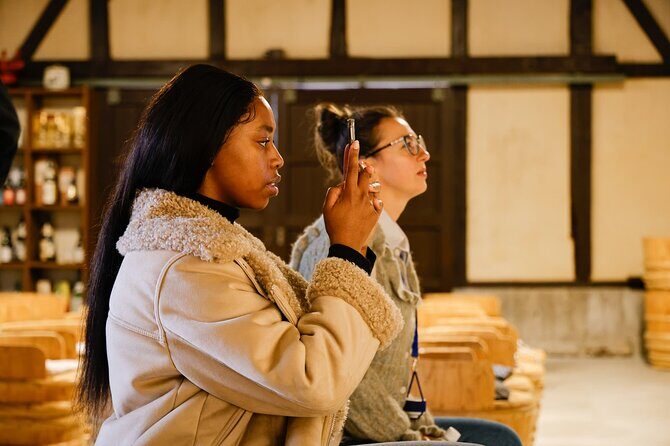
This Hiroshima Saijo sake-tasting tour moves at a relaxed pace while you sample eight sake types from seven breweries and get a real sense of how styles differ. I like the laidback small-group feel (max 10) and the way the guide breaks down what you’re tasting, including how to drink sake like a pro. One thing to plan around: it’s a walking tasting with short stops, so you won’t hang around long enough for deep observation.
My other favorite part is the stop-by-stop lineup across Saijo’s brewing scene, from Kamotsuru’s Ginjo focus to cloudy pours at Sanyotsuru. If you want a “watch the craftsmen brew” experience, this is not that kind of tour. It’s tasting-forward, with a short video at Kamotsuru instead.
In This Review
- Key highlights you should know
- Why Saijo makes sense for a sake tasting crawl
- The 2-hour plan: what you’ll do (and how it feels)
- Your 7 brewery lineup: what you’ll taste at each stop
- Saijo meeting point: get your bearings fast
- Kamotsuru Sake Brewery: Ginjo focus and a short tasting lesson
- Fukubijin: Junmai tasting and seasonal warm sake
- Kamoizumi: pure-rice Junmai-shu ideas in action
- Saijo Sakaguradori Tourist Information Center: your break and your next stroll
- Kirei Sake Brewery: dry character and a limited monthly blend
- Saijotsuru: traditional techniques and award-ready Junmai Daiginjo Genshu Shinzui
- Hakubotan: older Hiroshima roots and Hyoka unfiltered sake
- Sanyotsuru: the west-of-station brewery and cloudy sake
- What the tasting teaches you: reading Daiginjo, Junmai, and Nigori
- The guide factor: why Ione’s kind explanations matter
- Price and value: is $50.87 a good deal?
- Tips to make the most of the tasting
- Who should book this Saijo sake tour
- FAQ
- How long is the Hiroshima Saijo sake tasting tour?
- How many breweries and sake tastings are included?
- Where do we meet for the tour?
- Is the guide offered in English?
- Will I be able to taste warm sake?
- If I don’t drink alcohol, can I still do the tour?
- Do we get to see the sake brewing process?
- What’s the cancellation policy?
- Should you book this tour
Key highlights you should know
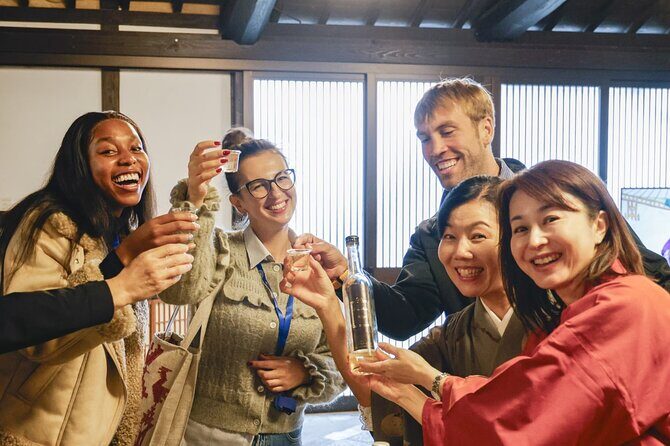
- Seven breweries in about two hours with eight tastings total, so you get variety fast
- Small-group vibe (up to 10 travelers) that keeps questions from getting lost
- Real style comparisons like Daiginjo, Junmai, and cloudy Nigori, side by side
- Stops built for comfort, including a restroom break at Saijo Sakaguradori Tourist Information Center
- Guide-led explanations in English, and Spanish can be arranged in advance
Why Saijo makes sense for a sake tasting crawl
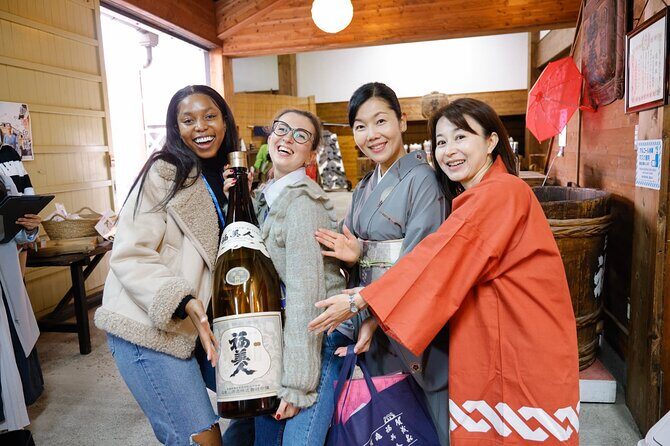
Saijo is one of Japan’s major sake brewing areas, and that matters. Instead of jumping between random shops, you’re walking inside a focused brewing zone. That gives the tour a logical flow: you can taste, compare, and start spotting patterns.
In a place like Saijo, the differences you taste don’t feel random. You’ll notice how a brewery’s style choices show up in the pour: dry vs round, crisp vs mellow, clear vs cloudy. And because there are multiple breweries within a short walking circuit, you can do what sake deserves: pay attention across several styles, not just one.
Other sake tasting experiences we've reviewed in Hiroshima
The 2-hour plan: what you’ll do (and how it feels)
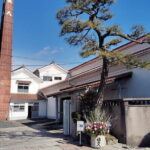
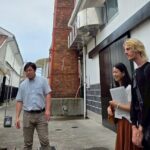
This is a 2-hour walking tour with about 1.5 km on your feet while tasting. The pace is intentionally manageable: you’re looking at short visits (roughly 10–20 minutes each) and a few minutes to regroup between breweries. The benefit is that you don’t feel worn out mid-taste, which is key when you’re sampling alcohol.
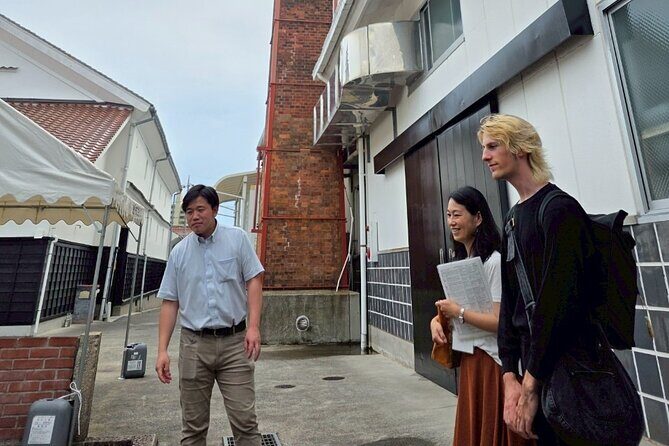
You’ll also have a set start time (1:00 pm) and a meeting point at Saijo Station area (you meet in front of the Tourist Information Center at Saijo Station, outside the ticketing gate). Still, the tour order can shift based on the number of groups that day, so keep your schedule flexible.
Group size stays small (max 10), which makes a difference. You’re not shouting over crowds. You can ask a real question when something clicks, especially if you’re learning the language of sake styles.
Also: this is tasting, not a brewing show. You won’t be watching the production process. At Kamotsuru, you’ll see a short 10-minute video in the visitor room, which is the closest you get to production context.
Your 7 brewery lineup: what you’ll taste at each stop
The tour is built around a simple idea: each brewery has a recommended style, and you taste enough to compare. Over the full loop, you sample eight different types across seven breweries—so the variety adds up even if each stop is brief.
Saijo meeting point: get your bearings fast
You start at the Tourist Information Center at Saijo Station, right outside the ticketing gate. This is a good “kickoff” spot because you’re oriented right away. It also keeps the day efficient if you’re coming from elsewhere on public transportation.
Kamotsuru Sake Brewery: Ginjo focus and a short tasting lesson
Kamotsuru is described as a pioneer in Ginjo brewing. The stop starts with a 10-minute video introducing sake making and how to taste a Daiginjo-type. Then you sample their Daiginjo Gold Kamotsuru in the visitor room.
Why this stop matters: it gives you a baseline. Ginjo tends to be all about refined aroma and balance, so you’re training your palate early. If you’ve never tasted Daiginjo before, this is a useful first “frame,” even if you’re just enjoying the flavors.
Other Saijo sake district tours we've reviewed in Hiroshima
Fukubijin: Junmai tasting and seasonal warm sake
Fukubijin is noted for its background as the Saijo Brewing School, and it has produced standout master brewers. You’ll taste Fukubijin Junmai-Shu here.
There’s also a seasonal perk: during winter, you can try warm sake. Warm sake isn’t just a temperature change—it changes how aroma hits your nose and how the taste reads in your mouth. If your tour happens in cooler months, this stop becomes more memorable.
Kamoizumi: pure-rice Junmai-shu ideas in action
Kamoizumi is one of the early breweries to use a strict ingredient approach for junmai-shu: rice and koji mold only. You’ll taste their signature Junmai Ginjoshu 朱泉 Honjikomi.
The value here is the “ingredient philosophy” behind the flavor. When a brewery leans on a specific definition of Junmai ingredients, the taste often becomes clearer and more structured. It’s a good place to start thinking: not just what you like, but why it tastes the way it does.
Saijo Sakaguradori Tourist Information Center: your break and your next stroll
This stop is half practical, half helpful. You get brochures and information about Sakagura-dori Street, plus souvenirs. And yes, it’s also your restroom break.
One smart tip from this kind of pacing: use this pause to reset your mouth and hydrate. If you want to grab something small to eat afterward, this is also a natural spot to plan a lunch/bites before you keep walking.
Kirei Sake Brewery: dry character and a limited monthly blend
Kirei is characterized by a dry taste compared to other Saijo sake. You’ll taste Yoshidaya’s sake, described as a limited sake blended by the brewery with sake ready to drink that month.
This stop is useful if you think you dislike sake. Dry styles can change the whole story because they often feel lighter on the palate, with less sweetness hanging around. It’s also a reminder that “limited” doesn’t have to mean fussy or rare—it can simply mean the brewery is using what’s ready now.
Saijotsuru: traditional techniques and award-ready Junmai Daiginjo Genshu Shinzui
Saijotsuru brews using traditional techniques passed down through Hiroshima sake brewers. You’ll taste Junmai Daiginjo Genshu Shinzui, noted as repeatedly awarded.
If you’re chasing quality, this is one of the obvious stops. Award-winning doesn’t automatically mean your favorite, but it often signals consistency in the style the brewery is aiming for.
Hakubotan: older Hiroshima roots and Hyoka unfiltered sake
Hakubotan is listed as one of the oldest breweries in Hiroshima Prefecture, funded in 1675. You’ll taste Hyoka, described as unfiltered sake that’s been fresh frozen in a special way.
Unfiltered sake tends to feel fuller and sometimes slightly cloudier or more textural, even when it’s not “cloudy” like Nigori. The fresh-frozen element matters because it’s about preserving character. If you’re curious about what unfiltered sake tastes like when treated carefully, this stop is a strong bet.
Sanyotsuru: the west-of-station brewery and cloudy sake
Sanyotsuru is the only sake brewery located west of Saijo Station. You’ll taste cloudy sake here, and you can also find sake ware for sale.
Cloudy sake (including styles like Nigori) can be a palate shift after clearer Daiginjo or Junmai pours. It often feels creamy or soft, with a different mouthfeel. This is also a good spot to shop if you want something tangible to remember the tour.
What the tasting teaches you: reading Daiginjo, Junmai, and Nigori
The tour’s biggest value isn’t just that you get to taste alcohol. It’s that you’re tasting in a guided sequence that helps you learn the language of sake.
Here are the style ideas you’ll actually notice during the day:
- Daiginjo-type: usually shows a cleaner, more refined profile. The aroma often feels more delicate, and the balance tends to stand out. Kamotsuru’s Daiginjo Gold is a great example to start with.
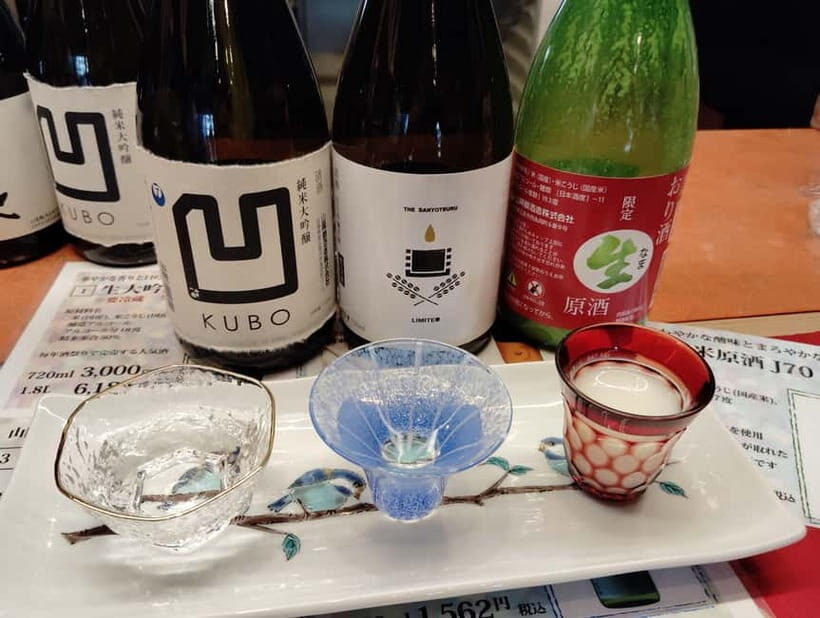
- Junmai: often comes across as rice-forward and more structured. You’ll taste this through Fukubijin Junmai-Shu and Kamoizumi’s Junmai Ginjoshu.
- Dry styles: if you keep reaching for sweeter options when you’re on your own, dry sake can be a reset. Kirei’s dry characterization is meant to show what crispness and restraint taste like.
- Cloudy and unfiltered: Hyoka’s unfiltered approach and Sanyotsuru’s cloudy tasting help you compare texture and weight. Cloudy pours can feel rounder and more immediate.
And you’ll also hear practical advice on how to drink sake like a pro. While the tour doesn’t turn you into a sommelier, it does give you a framework for what to pay attention to: aroma first, then sweetness/dryness, and finally how it lingers.
The guide factor: why Ione’s kind explanations matter
This tour is led by an English guide (and Spanish-speaking guides can be arranged if you ask in advance). The standout from the experience is how the guide turns tasting into learning without making it stiff.
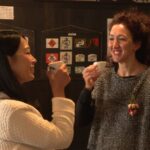
For example, Ione gets specific praise for being both very knowledgeable and delightful. That kind of guide energy matters when you’re tasting multiple styles in a short time. You want someone who can explain differences clearly, then help you map what you felt in your glass to what you’re hearing.
If you’re a first-timer, a good guide helps you stop thinking in terms of good/bad and start tasting in terms of style and preference. That’s how the day stays fun rather than just “busy sipping.”
Price and value: is $50.87 a good deal?
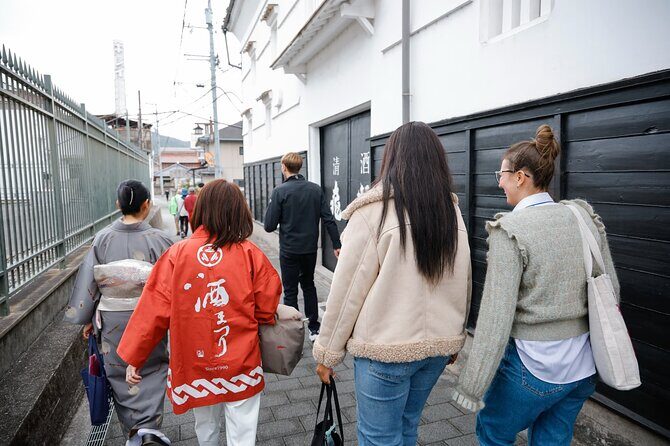
At $50.87 per person for about two hours, this tour can be good value if you care about tasting variety and learning the basics. You’re not paying only for walking and drinking. You’re paying for:
- access to seven breweries in one circuit
- English guidance during the tastings
- eight sake tastings that cover multiple styles
Could you DIY this yourself? Sure. But you’d be coordinating transit, deciding which places are worth it, and you’d likely miss the style comparisons that make the tour educational. In a compact route like Saijo, a guided format is often the easiest way to get both value and confidence.
Also, many stops are free to enter (tour materials note admission ticket free for the listed stops), which keeps the experience tightly focused on the tastings and instruction.
One consideration: this is still a tasting tour. If you don’t plan to drink alcohol, the fee doesn’t change. The tour remains the same, so factor that into your comfort level.
Tips to make the most of the tasting
You’ll enjoy this tour more if you show up ready to taste, not just watch your group walk.
- Wear comfortable shoes. You’ll walk about 1.5 km total, and it’s spread over multiple short stops.
- Go in with a curious mindset. Even if you think you already have a “favorite,” taste the next pour with the question: what’s different here?
- Use the break at the information center to reset. A restroom pause isn’t glamorous, but it keeps you happy when the next tasting hits.
- If you come from outside the area, arrive with enough time. Being more than 15 minutes late is treated as cancellation and you won’t get a refund.
Who should book this Saijo sake tour
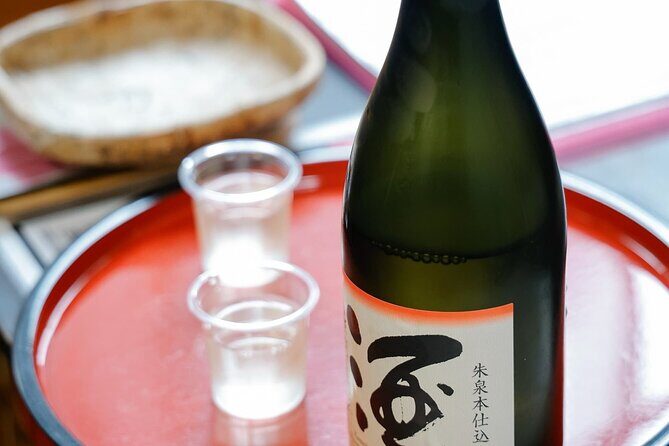
This tour is a great fit if you want:
- a compact introduction to Saijo sake styles
- a small-group walk with guided tastings
- enough variety that you can form your own preferences by the end
It may not be the right fit if you want:
- a hands-on brewing process lesson
- long time at each brewery
- a quiet, slow food-and-drink crawl where you linger for meals
If you’re doing Hiroshima area sightseeing and you want one afternoon with a different angle on Japanese culture, this works well. The pacing also makes it easy to tie into other plans afterward.
FAQ
How long is the Hiroshima Saijo sake tasting tour?
It runs about 2 hours.
How many breweries and sake tastings are included?
You visit seven breweries and sample eight different types of sake.
Where do we meet for the tour?
You meet in front of the Tourist Information Center at Saijo Station, located right outside the ticketing gate.
Is the guide offered in English?
Yes, the tour includes an English guide. Spanish-speaking guides can also be arranged if you inquire in advance.
Will I be able to taste warm sake?
You may be able to taste warm sake during winter season at the Fukubijin stop.
If I don’t drink alcohol, can I still do the tour?
Yes. It’s a tasting tour, but even if you don’t drink alcohol, the fee stays the same.
Do we get to see the sake brewing process?
No. It’s a tasting tour, so you won’t observe the brewing process. At Kamotsuru, you do watch a short 10-minute video.
What’s the cancellation policy?
You can cancel for a full refund if you cancel at least 24 hours before the experience’s start time. If it’s suddenly canceled due to bad weather or similar issues, you’ll be contacted on your registered email by 5 pm the day before.
Should you book this tour
If you want a fun, efficient way to understand Hiroshima’s sake scene, I’d book it. The combo of seven breweries, eight tastings, and a guide who explains what you’re tasting is the whole point, and it’s delivered in a manageable two-hour walk.
Book it especially if you’re curious but not sure where to start. By the time you reach Sanyotsuru and its cloudy pours, you’ll have a clearer idea of your preferences, and you’ll feel more confident picking sake on your own later.
If you’re mainly after a hands-on brewery visit, choose something else. But if you want tasting, education, and a relaxed afternoon in Saijo, this is a strong choice.
More Breweries in Hiroshima
More Hiroshima Saijo Sake Tours in Hiroshima
More Sake Tasting Experiences in Hiroshima
More tours in Hiroshima we've reviewed


Hiroshima Saijo Sake Tours, compared.
 ★ 4.8Hiroshima: Saijo Sake Tasting at 7 Breweries Guided TourFrom $902 hours
Hiroshima Saijo Sake Tasting Tour with visit to 3 BreweriesFrom $35
★ 4.8Hiroshima: Saijo Sake Tasting at 7 Breweries Guided TourFrom $902 hours
Hiroshima Saijo Sake Tasting Tour with visit to 3 BreweriesFrom $35
 ★ 5.0Visit behind the Scenes: Hiroshima Saijo Sake Brewery TourFrom $117
 ★ 5.0Sake Town Tour in Saijo HiroshimaFrom $209
 ★ 5.0Hiroshima Saijo Sake Tasting Guided Tour – 7 Breweries in 2 HoursFrom $73
 ★ 5.0Hiroshima Saijo Sake Tasting Calligraphy and Dinner Private TourFrom $286
The lists this tour appears in