
Reviewed · HIROSHIMA SAIJO SAKE TOURS
Hiroshima Saijo Sake Tasting Guided Tour – 7 Breweries in 2 Hours
Saijo sake hits different: gentle sweetness, clean finish. I love that this tour packs seven breweries into a tight two-hour route, so you can compare styles back-to-back. I also love the way the guide ties taste to real context—how Saijo became a major brewing town and why the water and local traditions matter. One thing to plan for: some stops run shorter than others, and brewery hours can shift what you end up tasting that day.
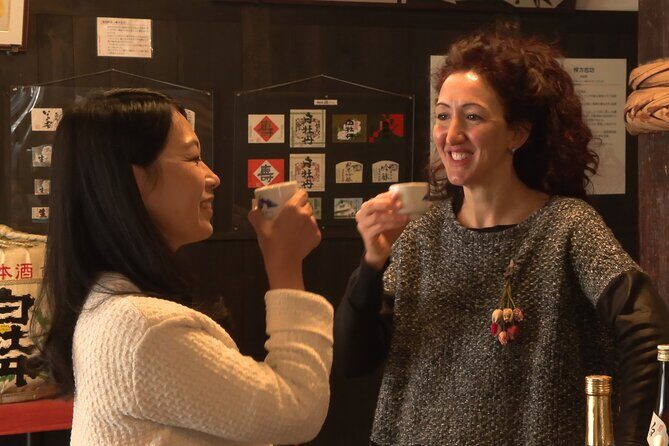
You’ll start at Saijo Station and mostly just walk, with a guide keeping everything moving. The group is capped at 6 people, which makes it feel more like a focused chat than a big bus tour. A practical note: by Japanese law, under 20s can’t taste alcohol, so this is best if everyone in your group is old enough (or willing to observe and learn).
If you’re new to sake, you’ll still have a clear path. The route is designed so you sample different profiles—some drier, some sweeter—while learning what to pay attention to beyond just the flavor.
In This Review
- Key highlights you’ll feel right away
- Why Saijo is a sake stop worth your time
- First stop: Saijosakagura-dori Street and the seven-brewery taste test
- Kamotsuru: Imperial-family prestige with a balanced profile
- Fukubijin: Saijo brewing training culture in a short stop
- Kamoizumi and Kirei: traditional methods and local-ingredient smoothness
- Saijotsuru: soft water, time-honored technique, and a hands-on vibe
- Hakubotan: centuries-old brewing tradition with easy-drinking sake
- Sanyotsuru: small-batch artisanal focus in the last tasting cluster
- A one-minute pause in Hiroshima (and why it’s still worth it)
- How the 2-hour plan works on your feet and in your glass
- Price and value: what $73.30 buys you here
- Who this tour suits best (and who should skip it)
- Practical tips to get the most from your tastings
- Should you book the Hiroshima Saijo Sake Tasting tour?
- FAQ
- How long is the Hiroshima Saijo sake tasting guided tour?
- What does the tour cost?
- Where do you meet and where does the tour end?
- How many breweries does the tour visit?
- Are there alcohol tastings included for everyone?
- How big is the group?
- Is the tour close to public transportation?
- Does the tour include admission tickets?
- What is the cancellation policy?
Key highlights you’ll feel right away
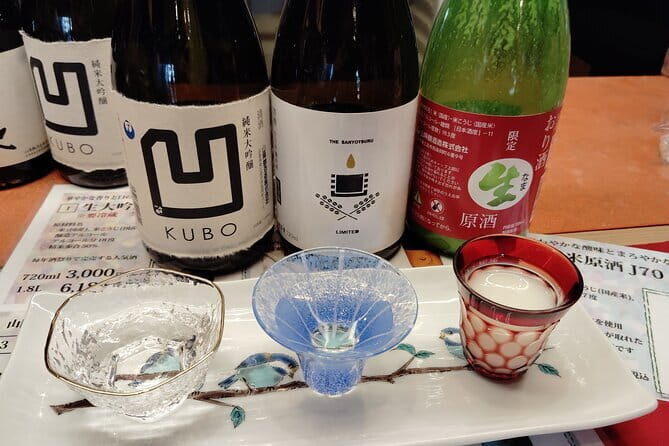
- Seven breweries in one walk with quick, side-by-side tastings
- Guide-led comparisons between dry and sweet styles
- Saijo context: water, history, and why the town grew after the railroad
- A small group (max 6) that stays relaxed and question-friendly
- Classic brands plus longtime makers like Hakubotan and Kamotsuru
Why Saijo is a sake stop worth your time
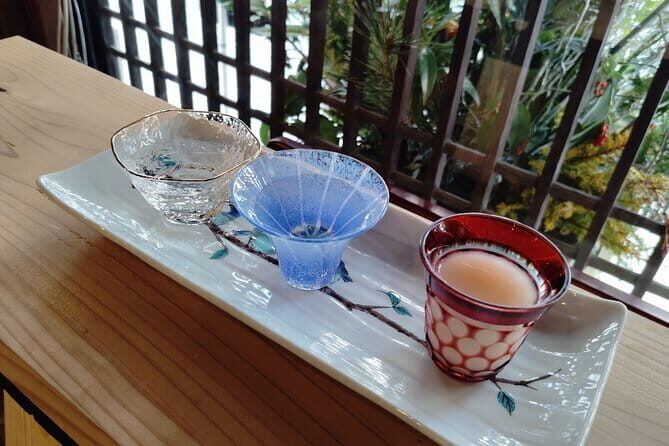
Saijo is one of Japan’s big “sake towns,” right up there with Nada and Fushimi. What makes Saijo special is that it isn’t just about one famous brewery—it’s about a whole cluster of makers packed close together. You’re facing the Sanyo Expressway, using the benefit of good local water, and riding a history that took off after the railroad arrived. That combination helped Saijo explode into an export-focused brewing area, with its sake traveling across western Japan and even reaching overseas.
And tasting here has a built-in advantage: Saijo-style sake tends to land on the clean, gentle-sweet side, with a mellow feel that pairs with food. So even if you’re not a hardcore sake nerd, you get an instant takeaway: this is sake you can drink with meals, not just in a tasting room.
The best part is that the tour doesn’t treat this as a vague culture lesson. It’s structured like a tasting experiment. You go stop to stop, and the guide helps you notice how each brewery’s approach changes the sip—dryness levels, sweetness impression, and how the flavor settles.
Other sake tasting experiences we've reviewed in Hiroshima

First stop: Saijosakagura-dori Street and the seven-brewery taste test
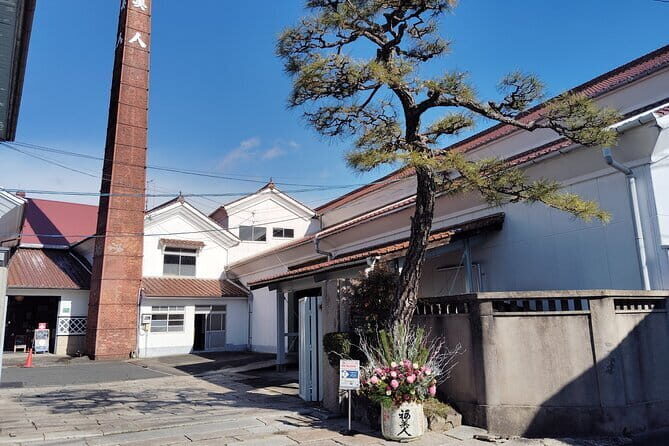
Your day starts in the area locals point to as the sake corridor: Saijosakagura-dori Street, where several breweries line up along the same street. This is the part that helps your brain organize what you’re tasting. Instead of jumping randomly between producers, you can compare styles within walking distance.
You’ll spend about 15 minutes here, and it’s set up for exactly one goal: taste differences with your guide’s help. Some breweries in this corridor lean dry. Others lean sweet. When you sample multiple styles back-to-back, you stop asking Which is best? and start asking What’s the difference? That shift is a big deal if you’re new to sake.
Here’s a practical tip: treat this first stretch like a calibration round. If you have preferences—dry vs. sweet, light vs. fuller mouthfeel—tell the guide right away. The pace is quick, and early feedback makes later tastings more useful.
Kamotsuru: Imperial-family prestige with a balanced profile
After the street lineup, the tour moves to Kamotsuru Sake Brewery, founded in 1873 in Higashihiroshima. This brewery has a special reputation because it produced sake presented to the Japanese Imperial Family. That doesn’t mean the tasting is stiff or old-fashioned. The point is that Kamotsuru is known for a refined, well-balanced character.
In your glass, that balance matters because it gives you a reference point. If you’re trying to learn sake quickly, you want at least one stop that’s consistent and “structured,” so you can recognize what changes at other breweries. Kamotsuru tends to be described as tradition plus refinement, and that often translates into a sip that feels controlled rather than sharp.
You’ll have about 20 minutes here with admission included, which is usually enough time for your guide to walk you through the key flavor signals to watch for, then let you ask follow-up questions.
Fukubijin: Saijo brewing training culture in a short stop
Next up is Fukubijin Sake Breweries, known in part as a former training hub for master brewers. It was founded in 1917 in Higashihiroshima, and that brewing education legacy shows up in the way they’re talked about: smooth, approachable sake, shaped by experience and craft.
This stop is shorter—around 10 minutes—but it still fits the route’s logic. You’re not just collecting brands. You’re learning how Saijo’s brewing culture is passed down. A training hub detail might sound abstract, but in tasting it connects to the way a brewery manages consistency and drinkability.
If you like sake that feels easy to return to, this is the kind of stop that often works for you. If you’re the opposite—chasing dryness or sharper edges—ask your guide what makes this brewery’s smooth style different from the drier producers earlier in the route.
Kamoizumi and Kirei: traditional methods and local-ingredient smoothness
Two stops in the middle keep the momentum rolling: Kamoizumi Sake Brewery and Kirei Sake Brewery. Both are listed as admission-free in the schedule, and each gets about 10 minutes.
Kamoizumi is celebrated for its dedication to traditional brewing methods and premium sake, and it also offers the chance to tour the picturesque brewery setting and learn about the brewing process. In practical terms, this stop helps you connect taste to technique. If you’ve ever wondered why one sake feels more precise while another feels more relaxed, this is where the guide can make that link feel real.
Kirei, established in 1887, is known for smooth, richer sake made with local ingredients. Even with a short visit, it’s a useful contrast stop: you’ll see how “local ingredients” can translate into something that tastes more rounded or fuller, depending on the specific release that day.
A quick note on expectations: because the tour is designed around time blocks, these stops aren’t meant to replace a full brewery tour. They’re meant to keep your taste learning moving.
Other Saijo sake district tours we've reviewed in Hiroshima

Saijotsuru: soft water, time-honored technique, and a hands-on vibe
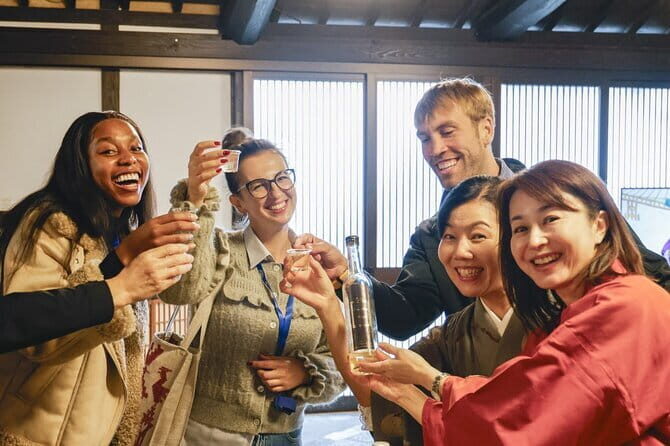
Then you hit Saijotsuru Sake Brewery, another about 20 minutes with admission included. This one is described as small but respected, and the focus is on hands-on brewing supported by traditional methods, using soft water.
Soft water is one of those phrases that matters more once you taste. In general, it can make the overall flavor impression feel gentler, helping sweetness or roundness come forward without pushing sharpness. If you remember Saijo’s “clean, gentle sweetness” reputation, Saijotsuru is the kind of stop that often matches that expectation.
The longer time block compared to some of the other stops means you get more chances to ask how they approach brewing and what changes in the process might lead to what you’re tasting.
Hakubotan: centuries-old brewing tradition with easy-drinking sake
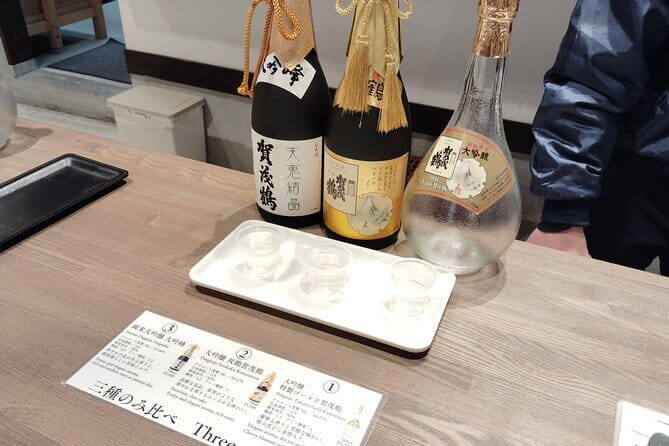
Next is Hakubotan Brewery, founded in 1675. That date alone tells you you’re walking into an older rhythm—one that’s built on centuries of repeat questions: What makes sake drinkable today, not just historically?
This stop is about 10 minutes, but it’s set up for a calm, nostalgic atmosphere. The goal is to let the age of the brewery shape your palate too. If you’re sampling in a busy schedule, taking in the feel of the space makes it easier to notice when the sake leans mellow or easy-going.
If you’re picking a style to bring home, this can be a good anchor. Many people who find one sweet note they like later realize they’re responding to a mellow, low-friction profile—exactly the kind of character described here.
Sanyotsuru: small-batch artisanal focus in the last tasting cluster
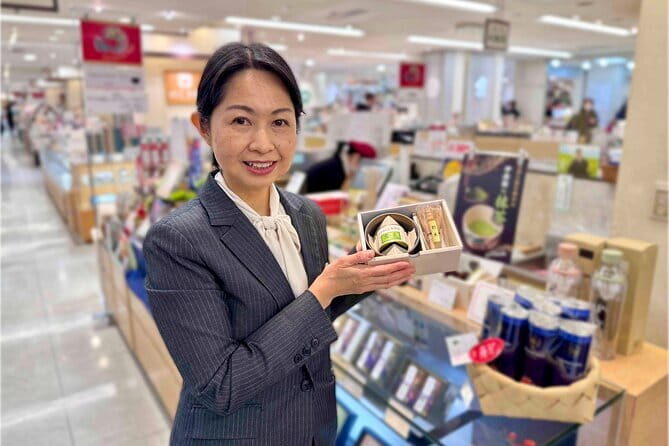
The route finishes with Sanyotsuru Brewery Inc., another about 20 minutes with admission included. Sanyotsuru is family-owned and geared toward small-batch artisanal production, with hands-on techniques passed down over time.
This is a great pairing for the overall tour format because it gives you a final taste that often differs from the bigger, more widely known names. Small-batch production can mean you notice details more—subtle sweetness, smoother texture, or a specific balance that feels intentional.
If you’re thinking about buying sake as gifts, this stop tends to be where your choices sharpen. You’re no longer just trying to taste what the town offers; you’re choosing a bottle that matches what you now recognize as your personal style.
A one-minute pause in Hiroshima (and why it’s still worth it)
There’s also a short stop labeled Hiroshima—listed at about one minute. It’s quick, and it’s not meant to be a full city sightseeing moment. But it keeps the tour grounded in the larger setting: you’re in Hiroshima Prefecture, not just in a sake district.
If you’re also planning to visit Hiroshima’s headline sights, this short pause makes the connection without stealing your time from what you want to see later.
How the 2-hour plan works on your feet and in your glass
This tour is about 2 hours, and the schedule is built around a lot of short visits. That can feel either efficient or rushed, depending on your style.
Here’s the balance I’d aim for if you want the most out of it:
- Ask your guide early what kind of sake you usually like (dry vs. sweet).
- Plan to taste, then ask one good follow-up question per stop.
- Use the early street segment to decide what directions you should lean toward later.
A key detail: the number of breweries and the duration of each visit can vary depending on operating conditions and what tasting experiences are available that day. That means you should treat the route as a best-case tasting plan, not a rigid script.
Small group size helps with this. With a maximum of 6 people, your guide can adjust the pacing without turning your tour into a herding exercise.
Price and value: what $73.30 buys you here
The price is $73.30 per person, and value comes from three things.
First, you’re not paying just for entry—you’re paying for a structured comparison across multiple breweries in a short timeframe. You’re getting the “same town, different makers” learning effect without doing the planning yourself.
Second, many stops include admission tickets, and the tasting experience is the core reason the route exists. Two of the stops are listed as admission-free, which suggests the tour balances paid and free access while keeping you moving.
Third, your guide’s role is doing real work. In past groups, guides such as Ram, Emeoke, and Masa stood out for being attentive, friendly, and able to handle questions. One person even highlighted that the guide was very helpful to an 87-year-old participant, which tells you the pacing and support are not one-size-fits-all.
Is it expensive compared to buying a single bottle? Sure. But it’s often cheaper than a DIY plan where you have to figure out transport, time, and which places will actually welcome visitors on the same day.
Who this tour suits best (and who should skip it)
This is a strong pick if:
- You’re new to sake and want a guided way to learn what you like.
- You want to experience Saijo’s brewery cluster without walking for hours.
- You like history when it connects to taste, not when it’s just dates and names.
It may be less ideal if:
- You want a long, slow brewery tour with deep technical steps. This route is fast by design.
- You’re under 20 in your travel group and your goal is tasting. Alcohol tasting is not allowed by law for under 20s.
If you’re the type who likes a relaxing afternoon—easy terrain, close stops, and time for questions—this fits that mood nicely.
Practical tips to get the most from your tastings
A few simple choices can make the whole experience smoother:
- If you prefer dry or sweet, tell your guide early so later stops are more relevant.
- Take small sips and pace yourself. The tour is short, so you’ll want to stay clear-headed for comparisons.
- If you’re bringing home gifts, ask which sake style matches what you liked rather than chasing the name on the bottle. The goal is personal fit.
Also, because the meeting point is Saijo Station and the tour ends back there, you don’t need a complicated end-of-day plan.
Should you book the Hiroshima Saijo Sake Tasting tour?
Book it if you want a focused, beginner-friendly way to learn sake in the exact place Japan gathers its breweries. The small group size, the tight brewery-to-brewery comparisons, and the way the guide connects flavor to story make it feel like more than just sampling.
Skip it if you want a long sightseeing day or deep technical brewing education with lots of time in one factory. This is a tasting-and-comparison route, not a half-day museum tour.
If you’re in Hiroshima and you want one activity that feels both local and easy to enjoy, this Saijo brewery walk is a solid choice.
FAQ
How long is the Hiroshima Saijo sake tasting guided tour?
It runs for about 2 hours.
What does the tour cost?
The price is $73.30 per person.
Where do you meet and where does the tour end?
You meet at Saijo Station and the tour ends back at the meeting point.
How many breweries does the tour visit?
The tour visits 7 sake breweries, though the exact number and visit length may vary depending on operating conditions and available tastings that day.
Are there alcohol tastings included for everyone?
The tour is a sake tasting experience, but by Japanese law, persons under 20 years of age are not allowed to taste alcohol.
How big is the group?
The maximum group size is 6 travelers.
Is the tour close to public transportation?
Yes, it is near public transportation.
Does the tour include admission tickets?
Admission tickets are included for some breweries on the route, while others are listed as admission free.
What is the cancellation policy?
You can cancel for a full refund up to 24 hours before the experience’s start time, with changes inside that window not accepted.
More Guided Tours in Hiroshima
More Hiroshima Saijo Sake Tours in Hiroshima
More Sake Tasting Experiences in Hiroshima
More tours in Hiroshima we've reviewed

Hiroshima Saijo Sake Tours, compared.
 ★ 5.0Hiroshima Saijo Sake Tasting Tour with visit to 7 BreweriesFrom $50
 ★ 4.8Hiroshima: Saijo Sake Tasting at 7 Breweries Guided TourFrom $902 hours
Hiroshima Saijo Sake Tasting Tour with visit to 3 BreweriesFrom $35
★ 4.8Hiroshima: Saijo Sake Tasting at 7 Breweries Guided TourFrom $902 hours
Hiroshima Saijo Sake Tasting Tour with visit to 3 BreweriesFrom $35
 ★ 5.0Visit behind the Scenes: Hiroshima Saijo Sake Brewery TourFrom $117
 ★ 5.0Sake Town Tour in Saijo HiroshimaFrom $209
 ★ 5.0Hiroshima Saijo Sake Tasting Calligraphy and Dinner Private TourFrom $286
The lists this tour appears in