
Reviewed · SAKE CLASS EXPERIENCES
Ginza, Tokyo: Sake Experience with traditional vessels
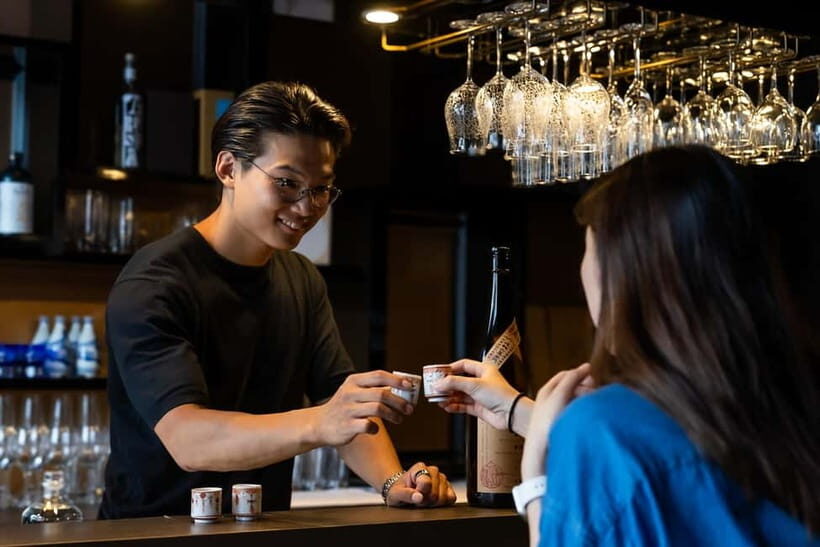
Tokyo Bay and three sakes—what’s not to like? In Ginza, this tasting turns a simple drink into a guided lesson, with a Tokyo Bay view and three sake styles chosen for first-timers. The bar staff share what sake is, where it comes from, and why the experience changes depending on what you pour it into.
I like two things a lot: the way the hosts connect each sake to Japanese culture and regional character, and the smart hands-on twist of matching every pour with the right vessel. You’ll go from wine-glass drinking to a special KINTSUGI setup using 400-year-old Imari porcelain, which makes the tasting feel like a story, not just samples.
One drawback to consider: the experience is built around those three tastings only, and additional drinks or snacks aren’t included, so plan to eat after (or before).
In This Review
- Key highlights worth planning around
- Ginza sake tasting with a Tokyo Bay view
- Why three sake types make sense for first-timers
- Wine glasses and Kintsugi: the vessel lesson you’ll actually use
- Meeting the bilingual hosts: what the explanations sound like in real life
- A practical timeline: what your 1-day experience feels like
- The real value of $22 in Ginza
- Who should book it, and who should skip
- Should you book this Ginza sake tasting?
- FAQ
- How many sake tastings are included?
- What’s the price and how long does it last?
- What’s included with the tasting?
- Are additional drinks or snacks included?
- Where is the meeting point?
- Is the experience in English?
- How big is the group?
- Is it wheelchair accessible?
Key highlights worth planning around
- Ginza location: an easy, central start in Tokyo’s upscale district
- Small group (up to 7): more back-and-forth with the bilingual staff
- Three sake tastings: selected as a first-time-friendly set
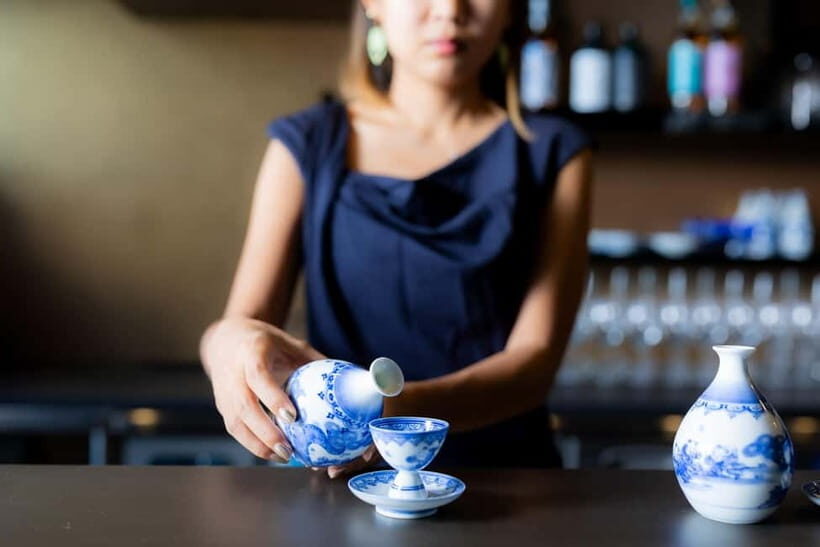
- Vessel matters: wine glasses for some styles, and KINTSUGI with 400-year-old Imari porcelain for others
- Tokyo Bay view from the bar: a calm change from street-level sightseeing
- Staff travel tips: practical recommendations to shape the rest of your trip
Ginza sake tasting with a Tokyo Bay view
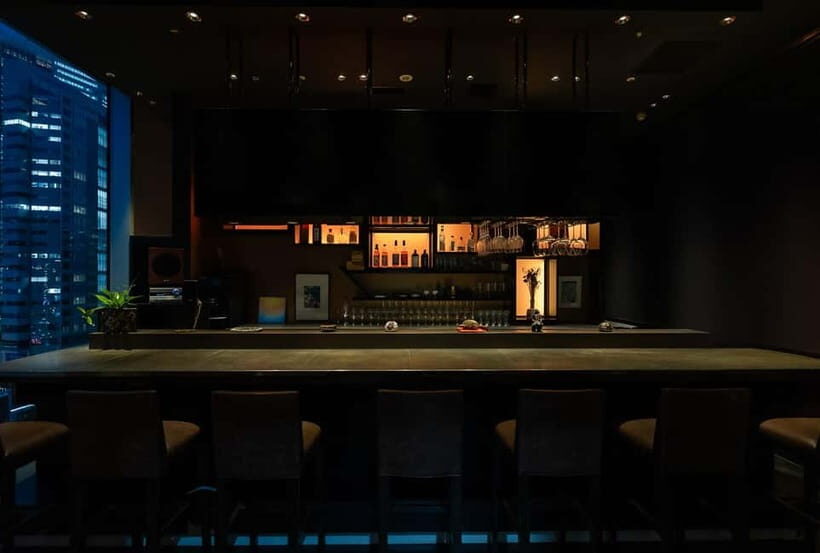
This is a bar experience that feels designed for learning. You’re in Ginza, a neighborhood where things run polished and orderly, but the focus here isn’t showy—it’s about helping you taste sake with intention. Instead of treating sake like one generic drink, you’ll be guided through three distinct styles, each one served with the vessel that best brings out its character.
The setting helps. From the bar, you can look out over Tokyo Bay, which turns the tasting into a mini break from Tokyo’s constant motion. Even if you spend the day in crowds, this kind of seated pacing can reset your brain quickly: pour, taste, listen, repeat.
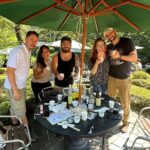
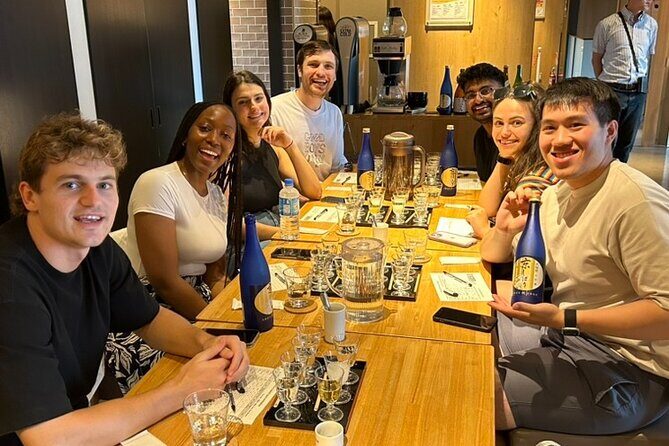
The staff are bilingual and English-speaking, so you’re not stuck guessing. And because it’s a small group, it’s easier to ask follow-up questions than in a bigger, louder format.
If you're still narrowing it down, here are other tours in Tokyo we've reviewed.


Why three sake types make sense for first-timers
There are about 1,500 sake breweries across Japan, and the point is that sake isn’t one uniform thing. It’s rooted in place—local climate, water, traditions, and regional preferences—and that variety can overwhelm a newcomer.
That’s why this tasting is structured around a first-time-friendly set. You’ll try three types of sake selected specifically so you can experience range without needing to memorize a bunch of terms on the spot. Each pour is treated like a mini lesson: what to notice, how to compare, and how to understand the differences in a way that sticks.
Here’s the practical value: after you finish, you’ll be better at ordering sake in a bar or shop. Instead of picking randomly, you’ll have a feel for what you liked and what you want again.
Also, you’ll learn the cultural side from the bar staff. The experience isn’t only about flavor—it’s about where sake fits in Japan and how people think about it. In interviews of your own mind, that matters. Knowing the background makes the taste easier to remember.
Wine glasses and Kintsugi: the vessel lesson you’ll actually use
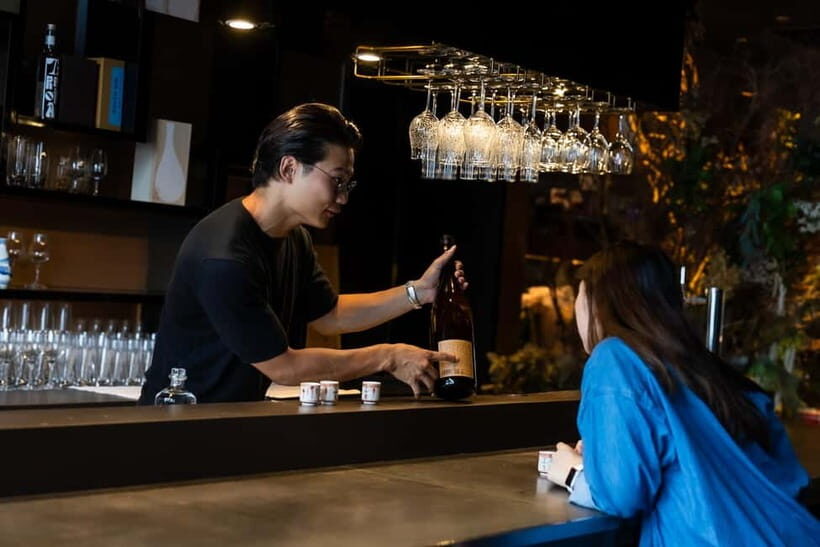
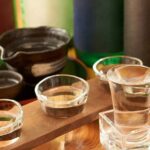
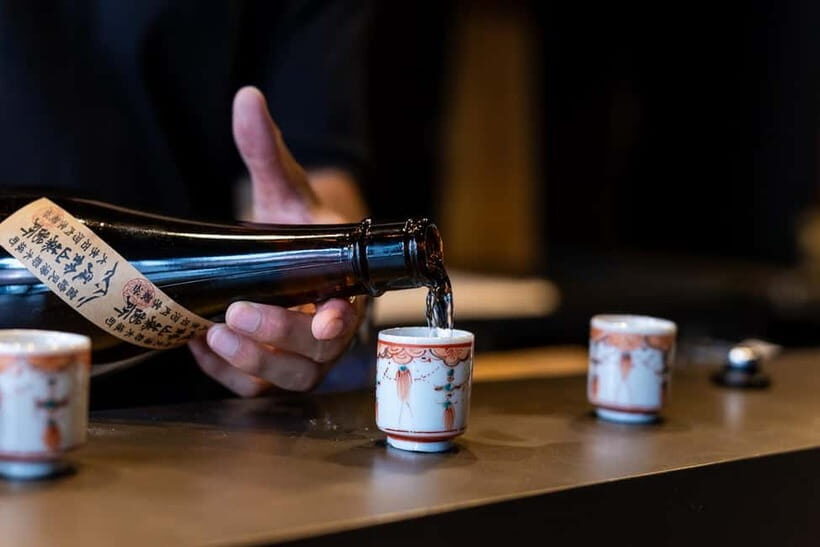
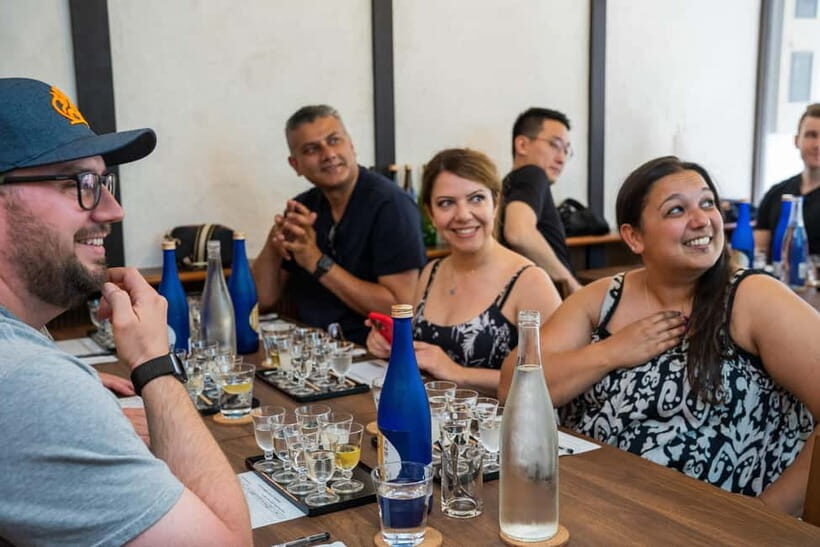
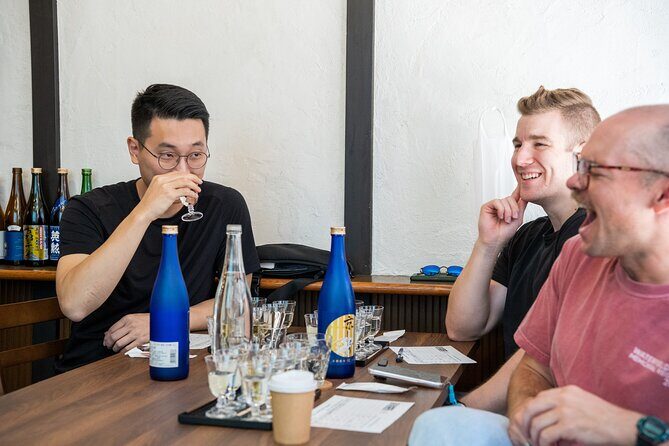
The most memorable part is the vessel matching. This isn’t just a cool prop—it’s the core idea of the experience: some sake styles are best experienced in wine glasses, while others are served in a KINTSUGI setting made with 400-year-old Imari porcelain.
Why does that matter? Think of it as “how you hold the match changes how it burns.” The container affects temperature, aroma release, and how the drink meets your palate. When you taste in different vessels back-to-back, you stop thinking of sake as only liquid flavor. You start thinking of it as smell + feel + aftertaste, shaped by the form it’s served in.
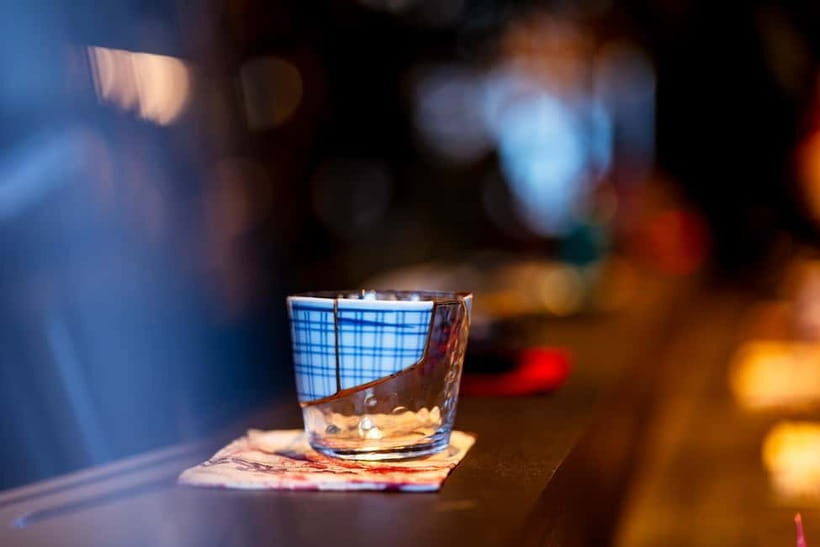
The Kintsugi moment is especially striking. Kintsugi is about repair and beauty—less perfection, more character. Pair that philosophy with 400-year-old Imari porcelain and you get a tasting that’s literally connected to craft traditions. Even if you don’t know the technique, the experience gives you a reason to care: the vessel isn’t decoration, it’s part of the tasting logic.
If you’ve ever wondered why two sakes taste totally different when you order them in the same neighborhood, this is the kind of answer you can carry forward. Next time you see a place offering specific serving styles, you’ll understand the question to ask.
Meeting the bilingual hosts: what the explanations sound like in real life
You won’t just be handed a menu and sent on your way. The staff explain sake history and culture in English, and they guide you through what you’re tasting and why it’s served that way.
In the feedback I’m seeing reflected through the experience’s reputation, hosts come across as genuinely warm and helpful. Names you may hear include Rireka, and also Hiyori and Nana in some groups. Across different sessions, the common thread is clear: the hosts make the process feel human, not academic.
One reason this matters in travel is simple. Tokyo can be full of signage, translation apps, and “maybe this means…”. A good guide bridges the gap. Here, you get that bridge while you’re sitting down with a drink you actually want to understand.
And the explanations are paired with tastings, so the learning lands immediately. You’re not waiting until the end to remember what was said. You’re connecting words to the taste while it’s happening.
A practical timeline: what your 1-day experience feels like
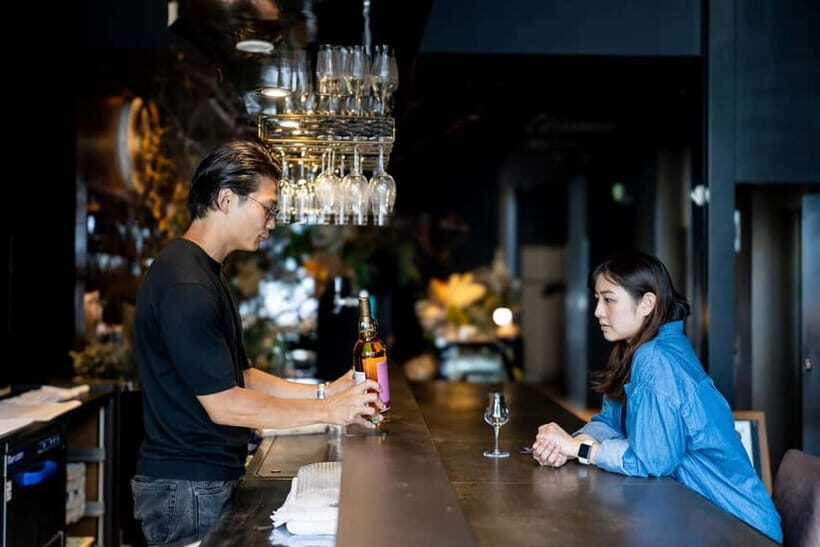
This experience is designed for a tight schedule: one day, and it’s essentially a guided block at the bar. You’ll meet at the 11th floor of the JEWEL BOX GINZA building, where Swarovski is on the 1st floor. From there, you head up to the tasting space.
Once you’re in, the pace follows a simple rhythm:
- you start with orientation and a chance to ask questions
- you taste three types of sake
- for each one, you learn what to look for and why it’s served with that vessel
- you wrap up with travel tips and recommendations from the staff
That last part is surprisingly useful. Ginza is central, but knowing what to do next makes Tokyo feel less like a map app and more like a plan. The staff act as a concierge-lite for your day: what neighborhoods to prioritize, what kinds of experiences fit your schedule, and how to keep moving without wasting time.
If you’re building your itinerary, I’d treat this as a mid-to-late afternoon or early evening stop—mainly because the Tokyo Bay view tends to feel better when you can actually enjoy the sightline. If your slot is during the day, it’s still worthwhile; you’re there for the tasting and the vessel lesson first.



The real value of $22 in Ginza
At $22 per person, this can feel like a bargain if you compare it to how much work it takes to assemble the same elements yourself. You’re paying for:
- bilingual staff guidance
- three sake tastings
- vessel matching, including the special KINTSUGI with 400-year-old Imari porcelain
What’s not included is also important. You’re not getting unlimited pours, and additional drinks and snacks aren’t included. So if you love sake and want to keep sipping after the three samples, you’ll need to budget for the rest separately.
Still, the value here is in the structure. Many sake tastings either focus on quantity or on sales. This one focuses on quality of learning: each glass has a purpose, and the staff help you notice the differences. For a first-time visitor, that’s exactly what you want—less guesswork, more clarity.
Also, the small group size (up to 7 participants) is part of the value. When the explanation time matters, fewer people usually means more attention per person.
Who should book it, and who should skip
This is a good fit if you want:
- a guided introduction to sake without needing to study beforehand
- hands-on learning about how serving style changes what you taste
- a calmer, seated experience in Ginza with a view
It may not be the right choice if you have certain medical or comfort concerns listed by the operator. The experience is not suitable for people with issues including claustrophobia, heart problems, vertigo, respiratory issues, diabetes, a cold, lactose intolerance, recent surgeries, and several other pre-existing conditions. It’s also not for pregnant women, and not for children under 18.
One more fit note: because the bar experience is focused on sitting and tasting, it’s not built like a quick photo stop. If you want a fast walk-through, you might feel impatient. If you want a guided tasting that helps you understand what you’re drinking, you’ll likely enjoy it.
The good news: it’s wheelchair accessible, and the session is run in English.
Should you book this Ginza sake tasting?
Book it if you want a smart first step into Japanese sake culture, and you like learning by tasting. The vessel matching—wine glasses versus KINTSUGI with 400-year-old Imari porcelain—is the kind of detail that turns a simple drink into a memory you can explain later.
Skip it if you expect unlimited sake, food included, or a fast “in-and-out” experience. Also, if any of the listed medical or comfort exclusions apply to you, don’t force it—your best travel plans are the ones that stay comfortable.
If you’re in Ginza with a bit of time and you want a Tokyo experience that’s quieter, clearer, and more culturally grounded than another shopping detour, this is a strong pick.
FAQ
How many sake tastings are included?
You’ll taste three types of sake as part of the experience.
What’s the price and how long does it last?
The experience costs $22 per person and runs for 1 day.
What’s included with the tasting?
It includes a bilingual staff member to share the history and culture of sake, three sake tastings, and specific vessels for each sake (including wine glasses and a KINTSUGI setup with 400-year-old Imari porcelain).
Are additional drinks or snacks included?
No. Additional glasses of sake and any other drinks and snacks are not included.
Where is the meeting point?
Meet on the 11th floor of the JEWEL BOX GINZA building, with Swarovski on the 1st floor.
Is the experience in English?
Yes. The activity is in English.
How big is the group?
It’s a small group, limited to 7 participants.
Is it wheelchair accessible?
Yes, it is listed as wheelchair accessible.
More tours in Tokyo we've reviewed




Sake Class Experiences, compared.
 ★ 5.01.5-Hour Kyoto Insider Sake Experience with 7 Tastings & PairingsFrom $68
 ★ 5.0Kyoto: Insider Sake Experience with 7 Tastings and SnacksFrom $661h 30m
 ★ 5.03 Hours Kyoto Insider Sake Experience | Tasting KontekiFrom $92
 ★ 5.0Osaka Home Feast Cooking and Sake ExperienceFrom $91
The lists this tour appears in