
Reviewed · SAKE & FOOD PAIRINGS
Ramen and Sushi Cooking Class with Sake Pairing Set in Tokyo
Tokyo smells better after class.
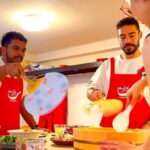
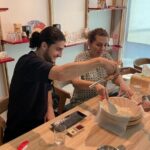
This sushi and ramen cooking lesson with sake pairing is a practical way to learn Japanese flavor, not just watch it. In a small group (max eight), you cook with an English-speaking instructor and a team that includes staff like Sato and Ryushi, plus others you may hear mentioned such as Kaori, Taka, or Alex. You get the stories behind what you’re making, so the food connects to culture instead of staying mysterious.
I love the hands-on guidance—you’re not stuck guessing with a knife and rice at home. I also like that the class includes the ingredients and all drinks, so your time is spent learning and eating, not hunting for a dinner plan afterward. One possible drawback: there’s no hotel pickup, so you’ll want to be comfortable navigating to the meeting spot near public transit.
In This Review
- Key Things I’d Focus On Before You Go
- The Real Value: Learning to Cook, Not Just Eating a Meal
- What Happens During the 3-Hour Class (And Why Each Part Matters)
- 1) Sushi Hands-On: Rolling With Real Feedback
- 2) Ramen Broth From Scratch: The Flavor Foundation
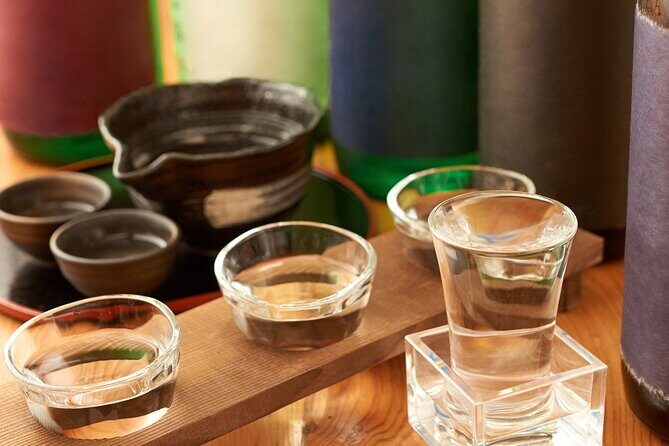
- 3) Sake Pairing: Sip With a Food Plan
- 4) Learning Bits: Stories and a Quick Quiz Style Check-In
- The Setting in Tsukuda: Meeting at HAUS Tsukishima
- The Group Size Trick: Why Up to Eight Changes Everything
- What You Actually Eat (And Why You Won’t Leave Hungry)
- Price and Value: Is $79.59 Worth It?
- Who This Tour Fits Best
- Practical Tips Before You Book
- Should You Book This Sushi and Ramen Class in Tokyo?
- FAQ
- How long is the cooking class?
- How many people are in the class?
- Is the class taught in English?
- What will I cook and eat?
- Is sake included?
- What’s included in the price?
- Is hotel pickup offered?
- Where do I meet for the class?
- What kind of ticket do I use?
- Can I cancel for a refund?
Key Things I’d Focus On Before You Go
- Small group size (up to 8) for close coaching and fewer awkward questions.
- Sushi plus ramen broth from scratch in a 3-hour window, with tips you can repeat later.
- Sake pairing designed to match what you cook, not just a random tasting.
- English-speaking instructor with explanations you can actually use at home.
- River-area location at the Tsukishima side of Tokyo, making the setting feel calmer than most busy food stops.
The Real Value: Learning to Cook, Not Just Eating a Meal
Cooking classes in Tokyo can be either “watch and snack” or “hands-on and helpful.” This one leans hard toward the second option. You’re actively making sushi, and you’re also working with ramen in a way that goes beyond opening a packet. That matters because you leave with a mental recipe: what to do first, what to look for, and what to adjust if it tastes off.
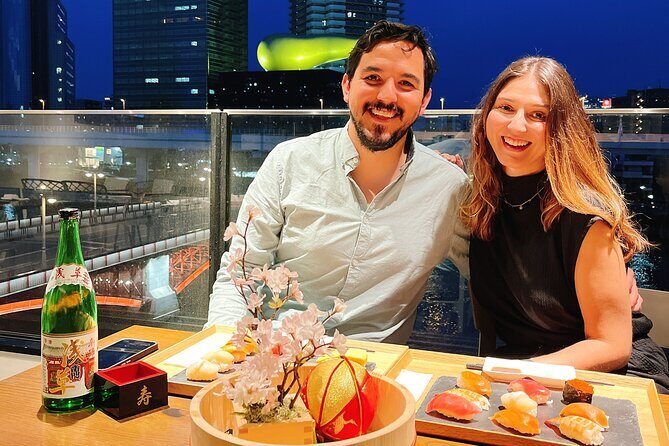
The other value play is the sake pairing. Sake can feel intimidating when you’re browsing bottles in a shop, because labels and categories can look like a puzzle. Here, you sip with your meal plan in mind, so you learn how pairing changes the experience—especially with savory flavors like ramen and the clean, bright feel of sushi.
Finally, the class is set up to keep you moving. You have about three hours, so it’s fast enough to feel energetic but long enough for real technique. If you like structured learning with a friendly tone, this fits well.
Other cooking classes in Tokyo
What Happens During the 3-Hour Class (And Why Each Part Matters)
This experience is built around three skills: sushi, ramen broth, and sake. Even though everything happens in one session, the pacing helps each part make sense.
1) Sushi Hands-On: Rolling With Real Feedback
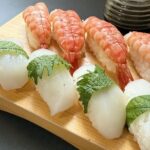
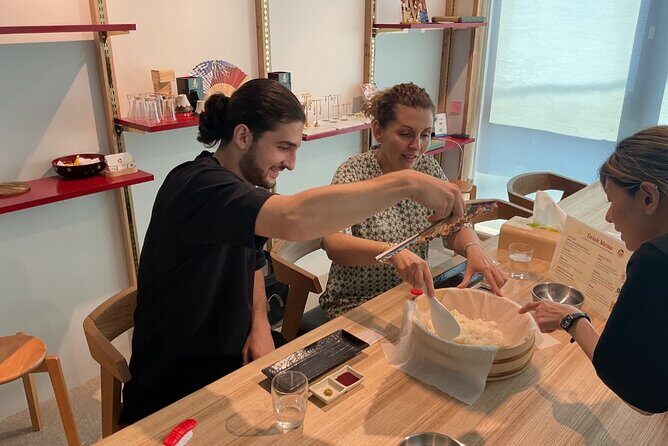
You’ll make sushi in a guided format where the instructor can correct small details while you’re working. The biggest win here is feedback during the process, not after you’ve already committed to a shape or proportion.
You’ll also learn practical approaches you can repeat later—how to handle the rice and how to think about balance in the roll. I like this because it’s what people often miss when they try to learn from videos: it’s not only the recipe, it’s the feel and timing.
If you’ve tried sushi at home and ended up frustrated, you’ll probably appreciate how the class breaks the steps down. The small group size makes this easier, too, since you’re not waiting for a turn while everyone else rolls.
2) Ramen Broth From Scratch: The Flavor Foundation
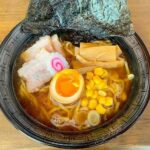
The ramen portion focuses on making the broth from scratch, which is the heart of Japanese ramen. Even if you’re not doing every single step yourself, the class still shows the core idea: taste comes from how you build and manage the broth, then align it with the toppings and seasonings.
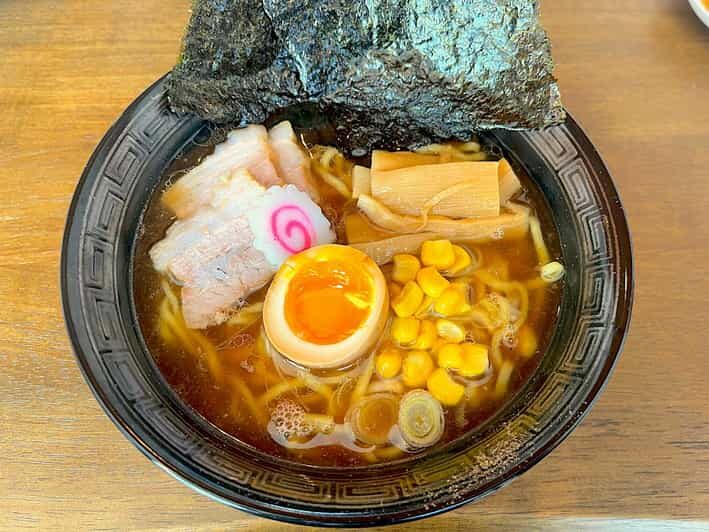
One detail that stood out from people who’ve taken this class is the ramen ending up with satisfying elements like pork belly, and the overall bowl tasting like the effort was real. That’s the point: you’re not just learning a trick, you’re learning why the broth matters.
In terms of hands-on level, you might find sushi feels more hands-on than ramen. That’s not a dealbreaker. It often means the class leader can keep broth techniques consistent so everyone ends up with a bowl they’re happy to eat.
3) Sake Pairing: Sip With a Food Plan
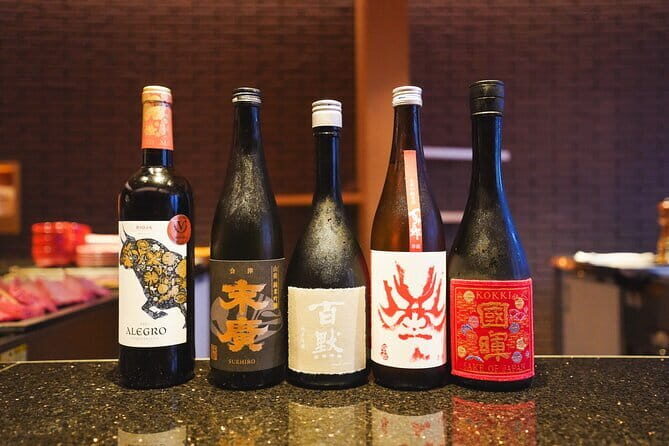
Sake here isn’t an add-on. It’s paired to complement what you’re making and eating. People talk about the sake as smooth, and you’ll likely notice that the drink choice feels intentional rather than random.
This part is useful even if you’re not a big alcohol person. You can still learn the matching concept: how sweetness, dryness, and aroma interact with savory flavors, and why the same food can taste different when the pairing shifts.
A few more Tokyo tours and experiences worth a look


4) Learning Bits: Stories and a Quick Quiz Style Check-In
Beyond cooking, the session includes short learning moments about sushi and ramen. Some people remember a fun quiz about facts and history, and that kind of “light check” can be great because it keeps you paying attention without turning the class into a lecture.
More importantly, the instructor shares the stories behind the dishes. That’s where you’ll start understanding why certain flavors are common in Japan—and why home cooking becomes easier once you know what the dish is trying to achieve.
The Setting in Tsukuda: Meeting at HAUS Tsukishima
You start at 2-chōme135 HAUS Tsukishima, Chuo City, Tokyo (104-0051). The address is very specific, so save it and plan your route early. This side of Tokyo can feel calmer than the busiest central areas, and people have mentioned the view, including a river-area feel.
The practical side: the class is near public transportation, and there’s a mobile ticket. If you travel light and like walking a few blocks, you should be fine. If you prefer being picked up, note that there’s no hotel pickup—so you’ll need to make your own way to the meeting point.
The location also helps the vibe. You’re not stuck in a basement kitchen with fluorescent lighting and a crowd. Instead, the space feels relaxed, which makes it easier to ask questions and laugh a bit while you cook.
The Group Size Trick: Why Up to Eight Changes Everything
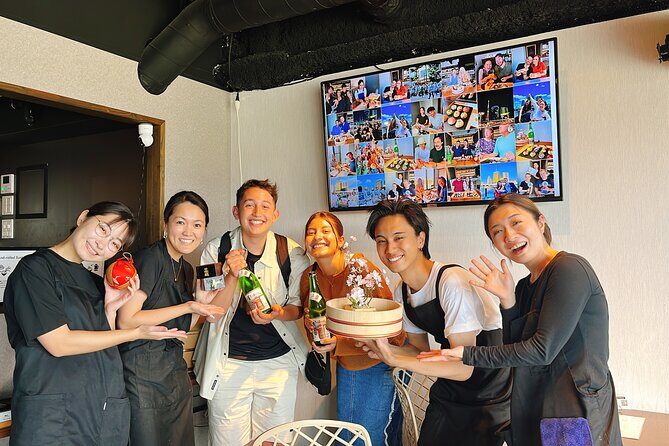
A maximum of eight travelers is not a marketing detail here. It changes how the lesson feels.
With that size, instructors can:
- correct technique while you still have the chance to fix it
- answer questions without rushing
- keep the pace moving so everyone gets to eat what they make
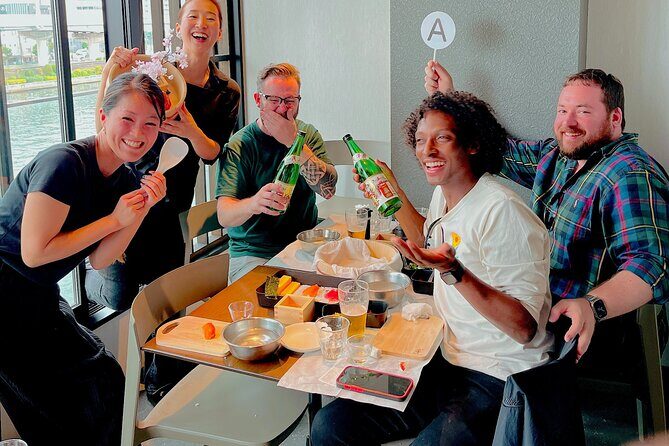
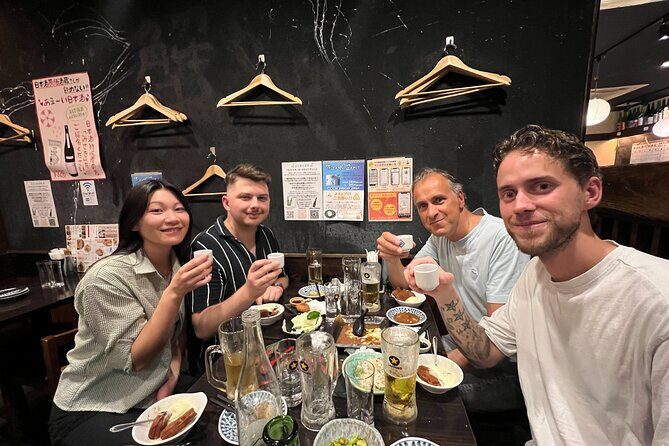
You’ll also tend to get a more comfortable “small table” energy. Several people mention that the hosts feel warm and create an easy atmosphere, and that lines up with what you want in a cooking class: a place where mistakes don’t feel embarrassing.
If you’re the type who likes asking why something works—rather than only how to do it—this small group format makes that possible.
What You Actually Eat (And Why You Won’t Leave Hungry)
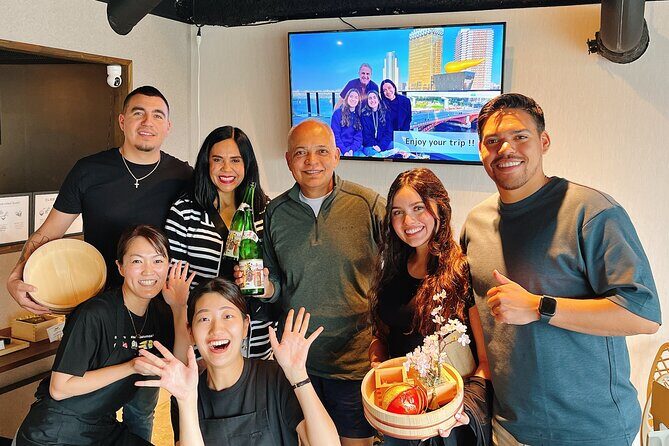
The class includes the meal and everything that goes with it: ingredients of the cooking class and the meal, plus all drinks. That’s a big part of the value. You’re paying for food and instruction together, not paying for instruction and then having to find dinner afterward.
And because you cook sushi and prepare ramen as part of the experience, the meal feels like a finish line, not a bonus. People mention the food is delicious, and also that they didn’t go away hungry—exactly what you want from a 3-hour afternoon plan.
You also get the satisfaction of tasting your own work. That sounds obvious, but it’s the difference between remembering food and remembering technique.
Price and Value: Is $79.59 Worth It?
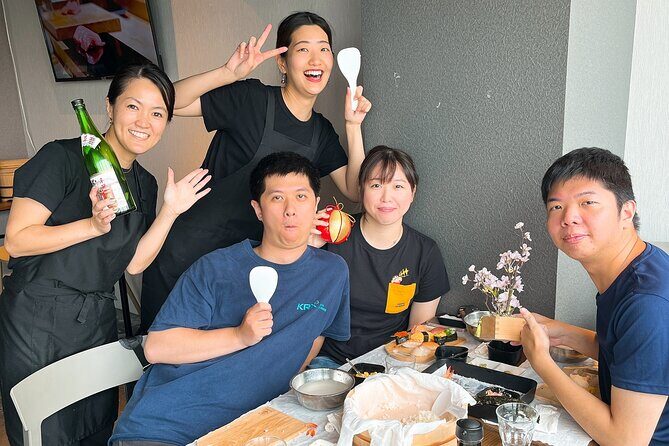
At $79.59 per person, the question is really: what does that price include, and how much time is truly instruction-based?
Here’s the value math that matters:
- 3 hours of guided cooking (not just viewing)
- Sushi + ramen broth from scratch, plus tasting
- Ingredients included
- All drinks included, including the sake pairing
- English-speaking instructor
- Max group of eight, which improves coaching quality
You’re not paying for transportation or hotel pickup here, so those costs are on you. But the class handles the rest, and the drinks inclusion is often what makes cooking classes feel expensive—unless that part is built in. In this case, it is.
If you compare this to paying for sushi dinner plus separate sake tasting plus a standalone class, this tends to price like a single experience that covers multiple parts of a Tokyo food day.
Who This Tour Fits Best
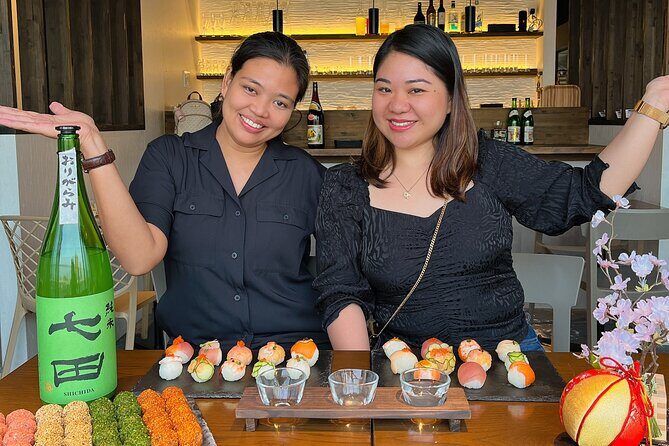
This is a strong match if you:
- want a hands-on Tokyo food experience you can remember and repeat
- like structured learning with friendly coaching
- enjoy Japanese food but want help getting the details right
- want sake pairing without feeling lost
It’s also a good option for couples or small groups who want a shared activity with conversation built in.
If you’re extremely picky about dietary needs, you’ll want to check specifics with the operator ahead of time, since the data provided only confirms ingredients are included—not ingredient options.
Practical Tips Before You Book
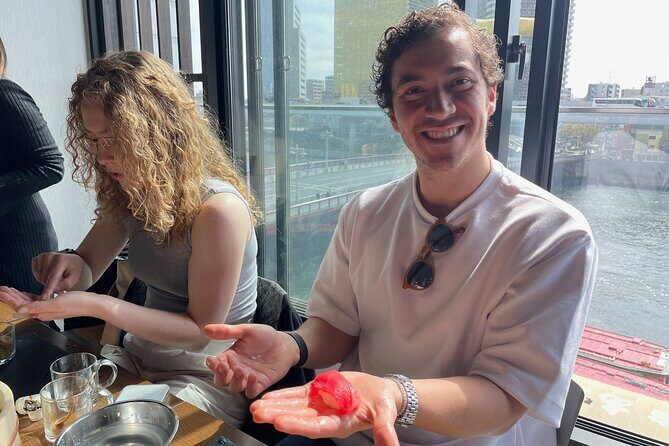
Here’s how to make this class smoother when you arrive:
- Go with a light appetite. You’ll eat what you make, and the drinks are included.
- Save the exact meeting address (HAUS Tsukishima) so you don’t waste time searching.
- Bring a curious mindset. The cultural stories and techniques work best when you want to understand the why.
- Expect sushi to be more hands-on than ramen, but still take notes on the broth logic.
Also, since it’s a maximum of eight, you’ll likely get more attention than in big-group cooking tours. That’s a reason to show up on time—your questions will matter.
Should You Book This Sushi and Ramen Class in Tokyo?
I think you should book it if you want the kind of Tokyo experience that gives you skills, not just photos. With small-group attention, sushi plus ramen broth from scratch, and sake pairing included, it’s one of those activities that feels like a focused afternoon plan rather than a vague “food tour.”
Skip it only if you strongly prefer being passive, or if you know you won’t enjoy hands-on cooking. And plan for your own arrival since there’s no hotel pickup.
If your goal is to come home able to cook at least part of these dishes with more confidence than YouTube alone, this class is built for that.
FAQ
How long is the cooking class?
The class runs for about 3 hours.
How many people are in the class?
It has a maximum group size of eight travelers.
Is the class taught in English?
Yes. The experience includes an English-speaking instructor.
What will I cook and eat?
You’ll make sushi and ramen broth from scratch, and you’ll also have the meal made during the class.
Is sake included?
Yes. The experience includes a sake pairing with the meal, and drinks are included.
What’s included in the price?
The price includes the English-speaking instructor, ingredients for the cooking class and meal, and all drinks.
Is hotel pickup offered?
No. There is no hotel pickup and drop-off.
Where do I meet for the class?
You meet at 2-chōme135 HAUS Tsukishima, Chuo City, Tokyo (104-0051), and the activity ends back at the same meeting point.
What kind of ticket do I use?
You receive a mobile ticket.
Can I cancel for a refund?
Yes, you can cancel for a full refund up to 24 hours in advance of the experience start time. If you cancel within 24 hours, the amount paid is not refunded.
More Workshops & Classes in Tokyo
More Cooking Classes in Tokyo
More tours in Tokyo we've reviewed






Sake & Food Pairings, compared.
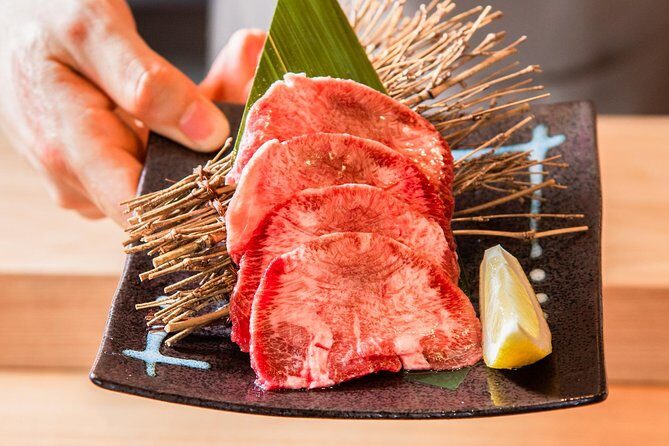 ★ 5.0Wagyu & Sake Pairing in Shinjuku – Steak, Shabu-Shabu & MoreFrom $148
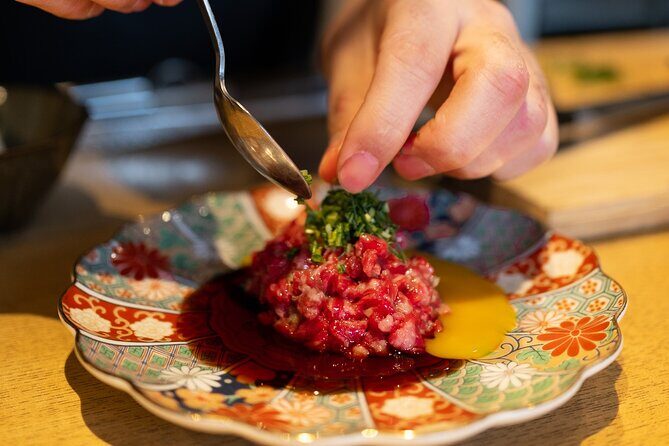 ★ 5.0Tokyo Wagyu & Sake Pairing Tasting Experience with Local FlavorsFrom $151
 ★ 5.0Tokyo: Sushi and Ramen Cooking Class with Sake Pairing SetFrom $1293 hours
 ★ 5.0Cozy Tokyo Class: Ramen, Sushi, Sake Pairing & Cultural ExchangeFrom $79
 ★ 5.0Wagyu Beef and Sake Pairing Foodie Tour in TokyoFrom $218
 ★ 5.0Wagyu Beef & Sake Pairing Foodie Tour in TokyoFrom $1803h 30m
 ★ 5.0Sake Pairing Workshop with Japanese Food in ShinjukuFrom $73
The lists this tour appears in