
Reviewed · COOKING CLASSES
Tokyo: Night Cooking Class: 5 Home-Cooked Japanese Dishes
Tokyo at night tastes different.
This izakaya-style cooking class turns a simple dinner into a lively nomikai-type drinking party, where you cook while you snack and learn what works with Japanese drinks. Two things I especially like: you get hands-on practice with comfort-food staples like wagyu or tofu steak and Japanese rolled omelette, and you also get real guidance on pairing each dish with sake or beer. One consideration: the group cooks with heat and knives, so kids can’t fully participate until age 12, and the format isn’t a fit for everyone.
You’ll meet your English-speaking guide near Iriya Station, then spend the next three hours cooking, tasting, and getting recipe sheets to bring home. Guides like Alice, Masae, and Fuji (as named in past sessions) are part of what makes the evening feel friendly rather than rigid. If you’re sensitive to dietary limits, read the restrictions carefully: this isn’t set up for vegan or gluten-free diets, and allergy-free cooking can’t be guaranteed.
In This Review
- Key highlights you’ll care about
- An izakaya night in Iriya: where the class vibe clicks
- The five dishes you’ll make and why they’re chosen
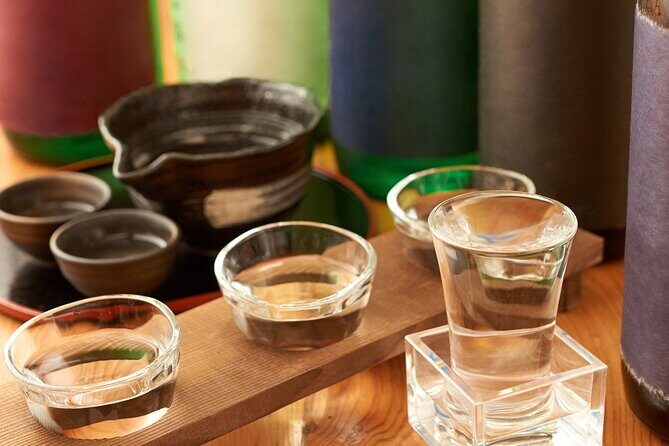
- How drink pairing becomes the real lesson
- The cooking flow: hands-on steps, tasting breaks, and timing
- Price and value: what $103 actually buys you
- Diet restrictions and who should plan ahead
- What the best guides do for you (and why it matters)
- Should you book this Tokyo night cooking class?
- FAQ
- How long is the Tokyo night cooking class?
- What’s included in the ticket price?
- Can kids join, and what can they do?
- Is alcohol included, and who can drink?
- Where do we meet in Iriya Station?
- Is the class suitable for vegan or gluten-free diets?
Key highlights you’ll care about
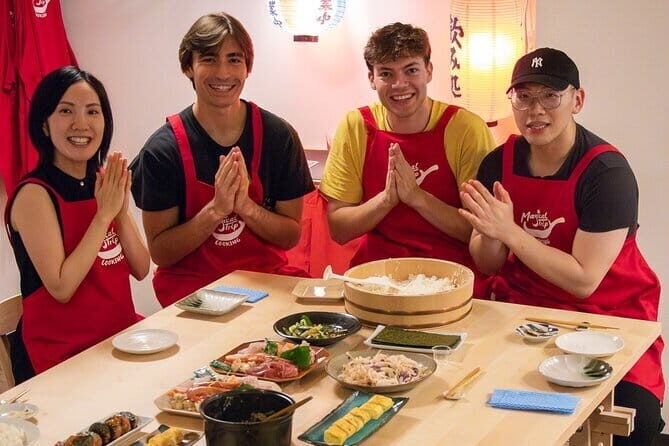
- Small group (max 6) keeps it interactive and makes questions feel normal
- Five home-cooked dishes focus on flavors that pair with Japanese drinks
- Sake/beer pairing tips help you recreate the same dinner vibe at home
- Take-home recipes and tour photos mean you leave with more than just memories
- Vegetarian-friendly (not vegan) so many non-meat eaters can join
An izakaya night in Iriya: where the class vibe clicks
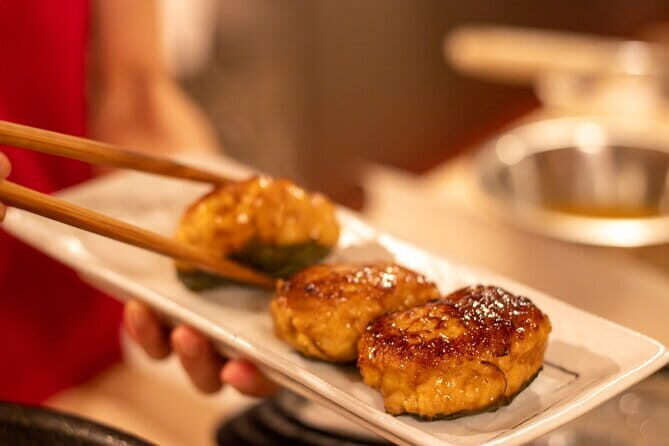
This experience is built for evenings. Instead of a sit-down lesson, you’re thrown into the rhythm of Japanese home drinking culture, where a meal is really a set of small plates designed to go with alcohol. In practice, that changes how you cook and how you taste. You’re not just learning recipes; you’re learning what makes those recipes satisfying alongside a drink.
The meeting point is in a very practical spot: in front of a FamilyMart by Iriya Station Exit 2, specifically the one next to Gindako and Doutor Coffee. There are two FamilyMarts in the station area, so do yourself a favor and confirm you’re in the right one before you start texting your questions to your guide.
Timing matters too. It’s a 3-hour class, which is long enough to do real cooking steps and short enough that you don’t feel stuck in a classroom. You also get a small group format, limited to 6 participants, so it’s easier to actually cook rather than watch.
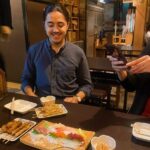
One more vibe check: it’s designed for people who want conversation. The class format encourages mingling, and past sessions have turned into fun social nights where people meet others while cooking and tasting. If you’re solo, you’re not stuck “doing a cooking class alone.” If you’re on a date or with friends, it’s also a good shared activity.
Other cooking classes in Tokyo

The five dishes you’ll make and why they’re chosen
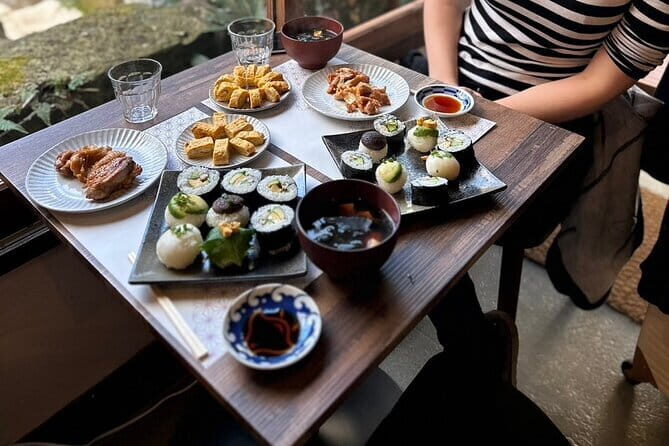
The “5 home-cooked Japanese dishes” theme is real here. You’ll do hands-on cooking that matches the included menu, which gives you a nice spread of textures and tastes—exactly what you want for drink pairings.
Here’s what’s included in the hands-on portion:
- Sushi hand roll
- Wagyu or tofu steak
- Japanese rolled egg (tamagoyaki-style)
- Grilled eggplant with miso sauce
- Plus additional home-style cooking that the class framework uses for the evening’s tasting flow
Why these dishes work: they each solve a different “snack problem” that shows up in Japanese home dining. You get a starchy bite (the hand roll), a savory main (wagyu or tofu steak), a rich egg comfort dish (rolled egg), and a sweet-savory vegetable plate (miso eggplant). Add a skewery element and crispy elements as part of the cooking focus, and the meal becomes a sequence of flavors that don’t flatten out after the first plate.
The wagyu-or-tofu choice is also a smart inclusion. If you eat meat, you get the full experience of Japanese comfort flavor. If you prefer vegetarian-friendly options, you still get a hearty dish that fits the evening’s eating rhythm. That matters because izakaya-style dining isn’t about salads—it’s about satisfying mouthfeel while you sip.
One practical benefit for you: you’re learning recipes with ingredients that are meant to be obtainable back home. That doesn’t mean the exact brand is the same, but the flavor-building ingredients and techniques are the point. The class is structured so you can actually recreate the dishes later without needing a specialist pantry.
How drink pairing becomes the real lesson
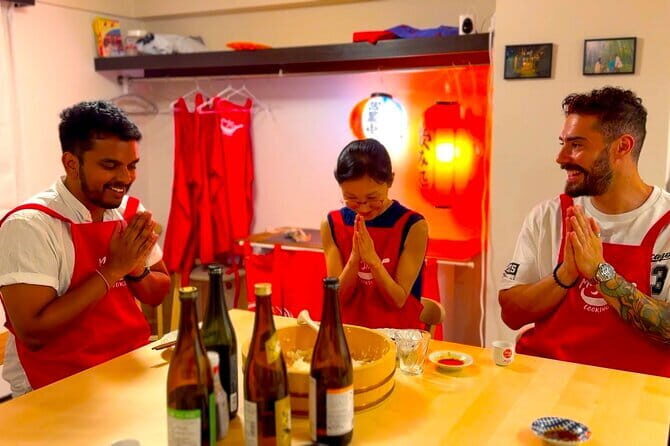
A lot of cooking classes focus on food only. This one builds the meal around drinks, so you learn how flavors behave when you’re sipping sake or Japanese beer.
You’ll learn:
- how to match different dishes with different beverages
- which flavors get better (or worse) when alcohol is involved
- how Japanese home drinking culture thinks about small plates and pairing
In a typical night, the order you taste matters. Rich dishes can feel heavier alone, but they can become more balanced when the next sip resets your palate. Crunchy or tangy bites can do the same. That’s why your dish list includes mix-and-match types: egg, grilled vegetables, and savory steak.
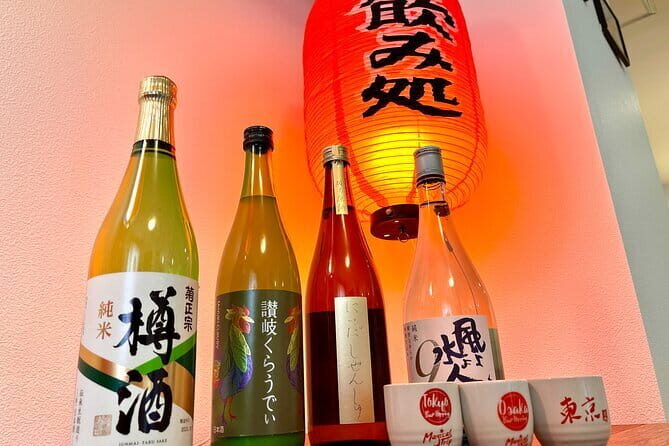
You also get three cans of alcoholic or soft drinks included. Alcohol is included, but there are age rules. Sake tasting and alcoholic beverages are only available for guests aged 20 and over in line with Japanese law. If you’re under that age, you’ll still have non-alcohol options, since the class includes soft drinks too.
For you, the value here is practical. When you go home, you’re not guessing which dish works with what drink. You’re leaving with a mental map: what kind of flavor plays well with sake-style tastes versus beer-style tastes. That makes your next home gathering feel more intentional, not random.
The cooking flow: hands-on steps, tasting breaks, and timing
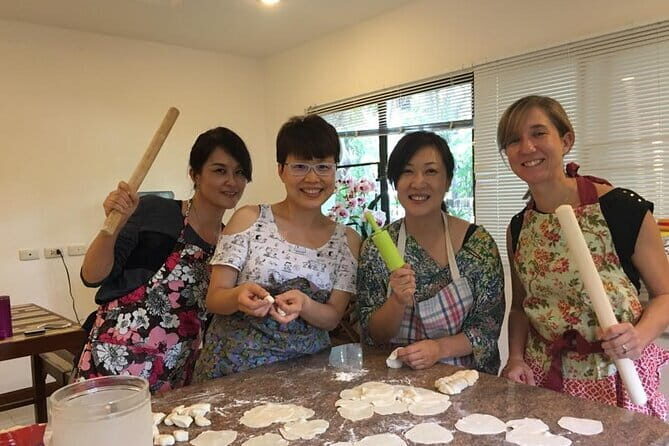
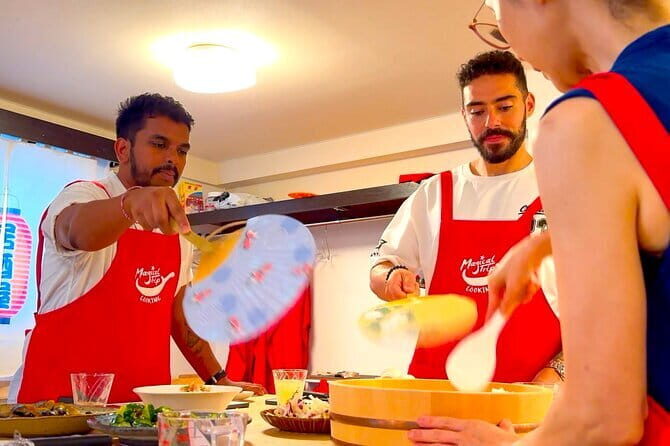
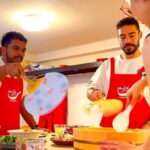
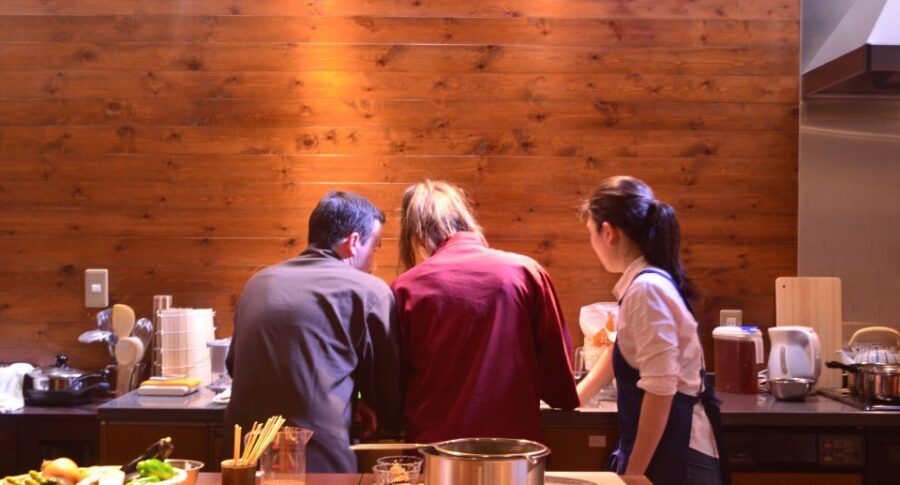
This is a hands-on cooking class, not just a demonstration. You’ll be in the kitchen with your guide and small group, doing the steps yourself. The pacing fits the evening: you cook, taste, and then move on so you don’t get stuck waiting while others finish.
You’ll also learn technique, not just assembly. For example:
- Rolled egg (tamagoyaki style) requires control and patience, and it teaches you how to manage heat and texture rather than just “mix and pour.”
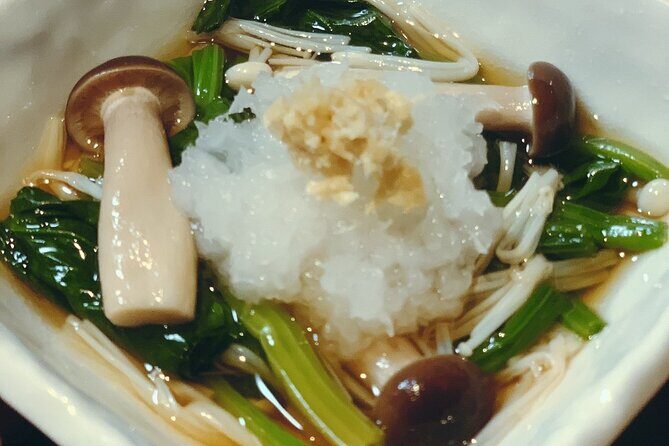
- Grilled eggplant with miso is more about balancing sweetness, salt, and depth than it is about complex ingredients.
- The sushi hand roll teaches portioning and how to build a bite-sized, eat-with-your-drink snack.
There are also real rules for participation. The experience is open to age 6 and above, but steps involving knives and heat are only permitted for participants aged 12 and over, under supervision of a parent or guardian. And the tour is listed as not suitable for children under 12 and not suitable for pregnant women. So if you’re bringing younger kids, you’ll want to double-check whether they can actively participate or if they’ll be more of an observer.
To make the logistics easier, the class setup includes a kids’ playroom, which is why families are welcome in general. Still, the “not suitable under 12” rule means this won’t be a casual babysitting-style option for little ones. It’s more accurate to see this as a family-friendly evening for older kids who can safely take part in the cooking steps.
One small but important note: smoking is not allowed. Tokyo nights can tempt you into quick smoke breaks, but the rules here are clear, so plan around that.
Price and value: what $103 actually buys you
At $103 per person for a 3-hour class, this isn’t a budget activity. But it’s also not overpriced for what you receive.
Here’s what’s included:
- Hands-on class cooking multiple dishes (including sushi hand roll, wagyu or tofu steak, rolled egg, and miso eggplant)
- 3 cans of alcoholic or soft drinks
- All ingredients and cooking equipment
- Recipes to take home
- Local guide
- Tour photos
When I think about value for a Tokyo evening, I usually ask: are you paying for instruction plus meals plus drinks, or just instruction? This setup includes both the food and the drink component, plus take-home recipes. That’s a bigger deal than it sounds. If you only get a recipe list without technique coaching, you’ll struggle the next time. If you only cook without learning pairing, the meal at home feels incomplete.
Also, the small group limit matters. With up to 6 participants, you’re more likely to get help when you need it, especially with technique-heavy steps like rolled egg texture.
The only thing not included is hotel pickup and drop-off. So you’ll rely on your own transit to reach the meeting point near Iriya Station. That’s normal for Tokyo local experiences, but it does affect the “all-in” convenience.
If you want a night activity that combines social fun, cooking skills, and an actual reason to learn flavor pairing, this is priced like an experience—not like a casual workshop.
Other evening experiences in Tokyo



Diet restrictions and who should plan ahead
Food rules are part of the deal here, so plan accordingly.
What’s supported:
- Vegetarian are welcome, and the class arranges ingredients and the cooking process.
What’s not supported:
- The experience is not available for people who are vegan and gluten-free.
What you should know about allergies:
- They can’t guarantee allergy-free cooking, because the food is prepared in kitchens that don’t belong to the provider.
- Substitutions might not be possible at certain stops, though compensation is attempted at different times.
For you, that means this is best for:
- vegetarians who can eat eggs and dairy (the menu includes rolled egg, which usually signals egg use)
- people who don’t have strict allergy requirements and just want authentic flavors
It’s less reliable for:
- vegan diets
- gluten-free diets
- anyone with serious allergies that require strict cross-contamination control
If you fall into any of those categories, message the operator before booking and ask how they handle your specific needs. The safest move is to clarify early rather than hope for substitutions on the night.
What the best guides do for you (and why it matters)
The guides are a major reason this class gets such strong results. In past sessions, names like Alice, Masae, and Fuji have been associated with especially fun, well-taught evenings.
What you should look for in a good guide here:
- clear English instruction
- friendly energy that keeps the kitchen from feeling tense
- practical technique talk, especially for rolled egg and grilling
- a sense of how to explain Japanese home drinking culture without turning it into a lecture
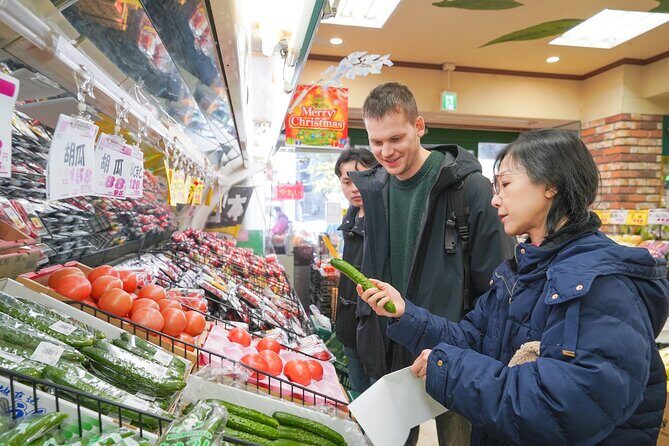
Also, some sessions appear to include a quick stop to see where ingredients come from before you cook. For example, one past experience described a local supermarket visit with Masae before heading to the studio. You might or might not get that exact moment depending on your group and timing, but the overall “learn where flavors come from” approach is clearly part of how guides run the evening.
Either way, the class is structured so you don’t just follow steps blindly. You learn why the steps matter.
Should you book this Tokyo night cooking class?
Book it if you want:
- a hands-on cooking night, not a lecture
- food designed to pair with sake or Japanese beer
- a small group atmosphere where meeting people feels easy
- recipes to take home so you can recreate the “nomikai” dinner later
Skip it if:
- you need a gluten-free or vegan menu
- you have serious allergies that require guaranteed allergy-free preparation
- you’re traveling with children under 12 or you need a fully stroller/wheelchair-friendly route (some areas aren’t accessible)
If your goal is a fun, social Tokyo experience where you leave with real skills—how to make rolled egg, how to grill miso eggplant, how to build a hand roll, and how to pair each bite with the right drink—this is one of the better ways to spend a night.
FAQ
How long is the Tokyo night cooking class?
The experience runs for 3 hours.
What’s included in the ticket price?
You’ll get a hands-on cooking class (including sushi hand roll, wagyu or tofu steak, Japanese rolled egg, and grilled eggplant with miso sauce), 3 cans of alcoholic or soft drinks, all ingredients and equipment, recipes to take home, a local guide, and tour photos.
Can kids join, and what can they do?
The activity is open to age 6 and above, but steps involving knives and heat are only permitted for those aged 12 and over (with supervision by a parent or guardian). It is listed as not suitable for children under 12.
Is alcohol included, and who can drink?
Alcoholic beverages and sake tasting are included as part of the drinks, but they are only available to guests aged 20 and over.
Where do we meet in Iriya Station?
Meet in front of a FamilyMart next to Gindako near Iriya Station Exit 2. There are two FamilyMarts in the station area, so choose the one next to Gindako takoyaki and Doutor Coffee.
Is the class suitable for vegan or gluten-free diets?
No. It is not available for people who are vegan and gluten-free. Vegetarians are welcome, and ingredients and process are arranged, but allergy-free cooking can’t be guaranteed.
More Workshops & Classes in Tokyo
More Evening Experiences in Tokyo
More Cooking Classes in Tokyo
More tours in Tokyo we've reviewed






Cooking Classes, compared.
 ★ 5.0Ramen and Sushi Cooking Class with Sake Pairing Set in TokyoFrom $79
 ★ 5.0Tokyo Washoku 4-hour Cooking Class: From Market to TableFrom $79
 ★ 4.9Kyoto: Afternoon Japanese Izakaya Cooking ClassFrom $673 hours
 ★ 5.0Izakaya Style Cooking ClassFrom $71
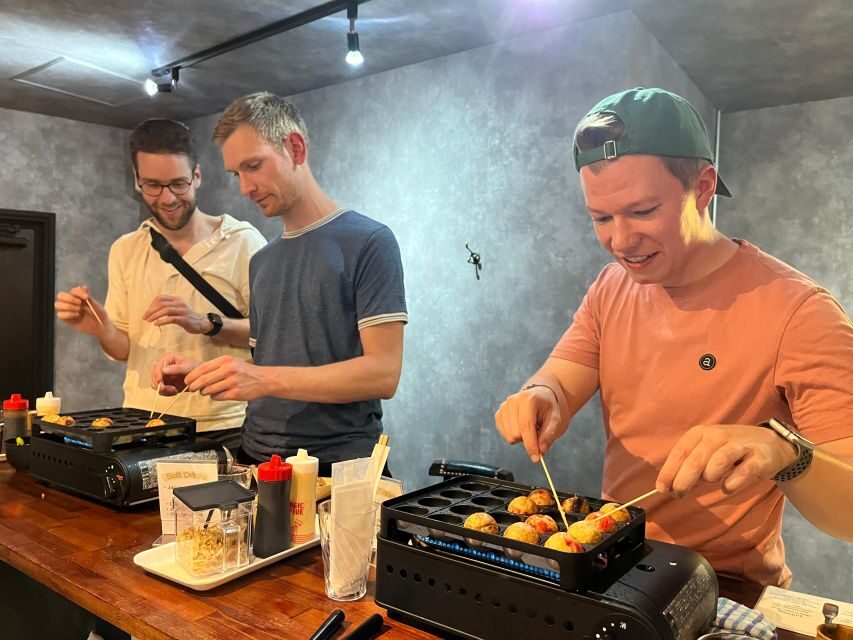 ★ 5.0Osaka Sake Tasting with Takoyaki CookingFrom $702 hours
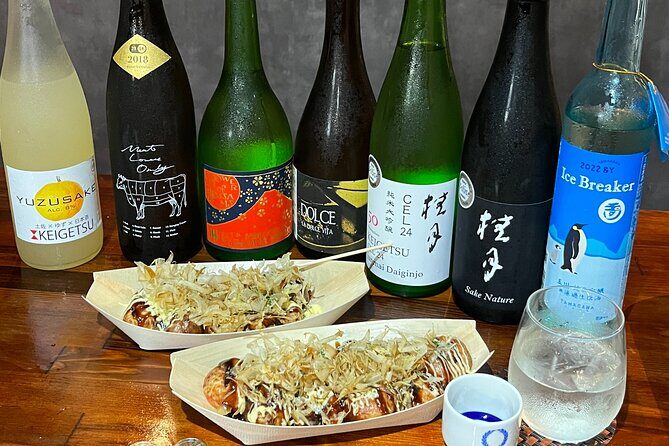 ★ 5.0Osaka Sake Tasting & Takoyaki Cooking ExperienceFrom $72
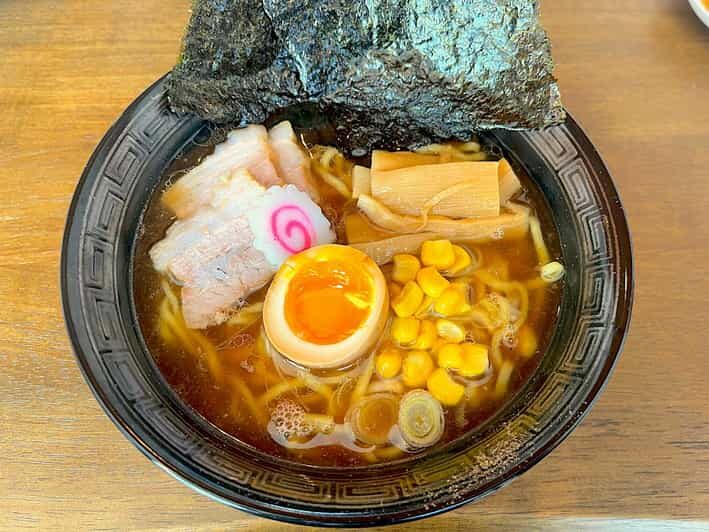 ★ 5.0Tokyo: Sushi and Ramen Cooking Class with Sake Pairing SetFrom $1293 hours
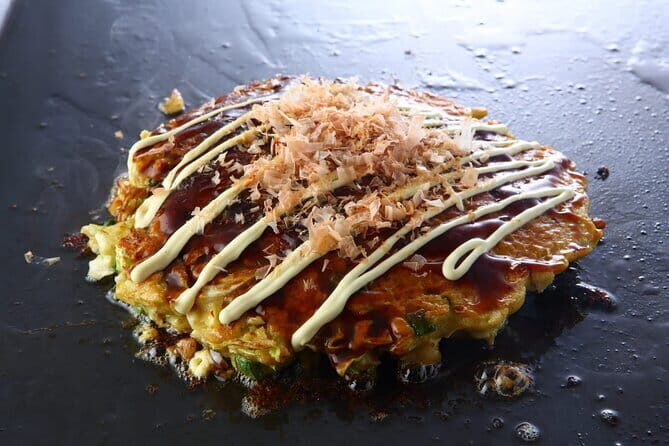 ★ 5.0Osaka Cooking Class and Sake Tasting with Local Supermarket VisitFrom $92
The lists this tour appears in