
Reviewed · SHINJUKU DRINKING TOURS
Tokyo: Shinjuku Bar Hopping & Karaoke Night Tour
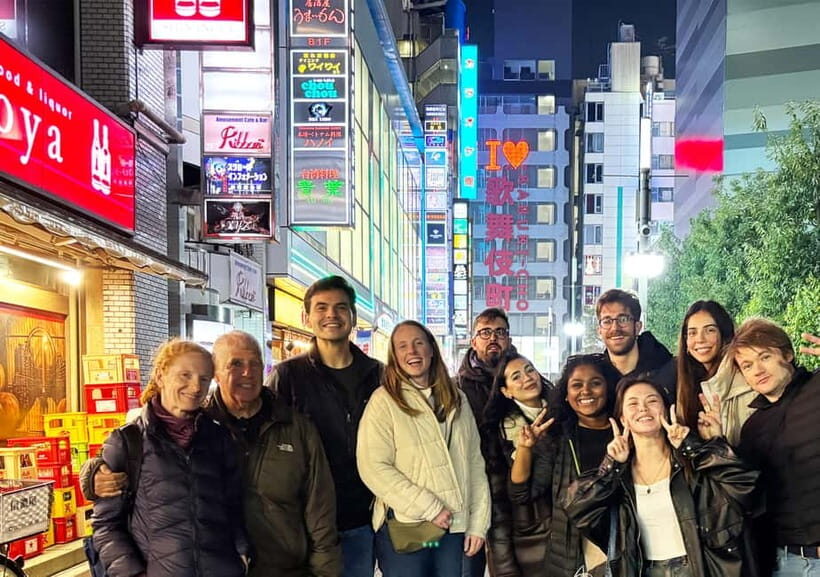
Night in Shinjuku is a sensory overload. This Tokyo bar hopping and karaoke tour strings together the places that feel most real after dark: the neon glow of Kabukicho, the tight alley world of Golden Gai, and a karaoke stop where you sing for laughs, not perfection.
What I like most is how the guide helps you move like you belong. That means easier bar choices, smoother ordering, and a better shot at spots you’d miss on your own. I also love the human pace of the night, with people like Shun and Naoto setting everyone at ease, plus a karaoke vibe that leans friendly and fun even if your Japanese is limited.
One thing to plan for: some bar stops have limited seating, so standing is part of the deal.
In This Review
- Key Highlights You’ll Actually Feel During the Night
- Shinjuku Nightlife: Why This Area Feels Like the Real Tokyo
- Meeting at Shinjuku Station East Exit: Start Fast, Lose Less Time
- Kabukicho’s Neon Warm-Up: The Perfect Place to Learn the Rules
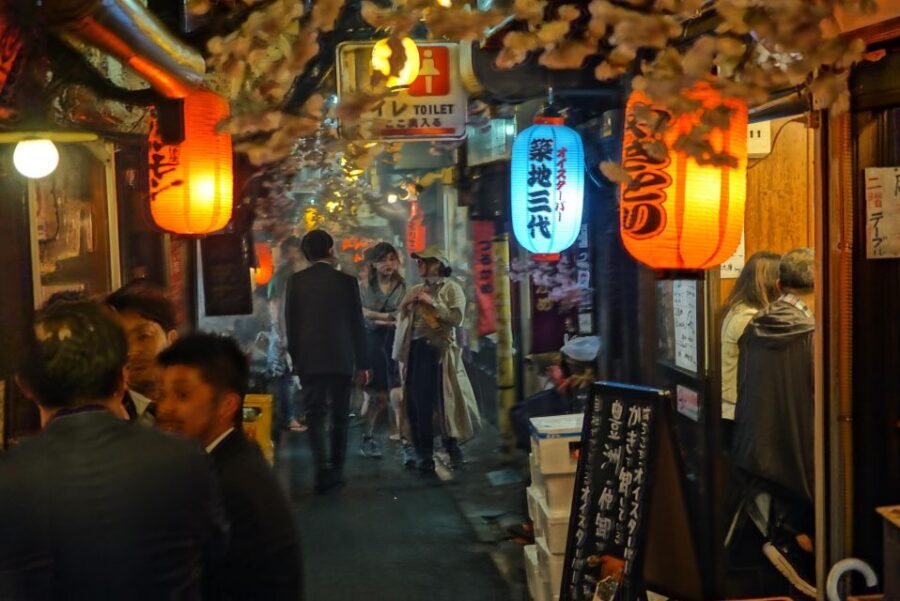
- Golden Gai Alleys: Tiny Doors, Big Personality
- Hidden Spots and Izakaya-Style Culture: What You Gain From Going With a Guide
- Karaoke With Locals: Fun First, Confidence Included
- Food and Drinks: What’s Included, What You Pay, and How to Budget
- Language Barriers: Where This Tour Helps Most
- Price and Value: Is $32 Worth It?
- Who Should Book This Shinjuku Bar Hopping and Karaoke Night
- Quick Practical Tips Before You Go
- Should You Book This Shinjuku Night Plan?
- FAQ
- Where do I meet the tour guide in Shinjuku?
- What is included in the $32 per person price?
- What is not included?
- Do I need to bring cash?
- Can I drink alcohol on this tour?
- What age is this tour for?
- Are there vegetarian options?
- Will I have seating during the bar stops?
- Does the tour run rain or shine, and do they start on time?
- Is there a cancellation option for a full refund?
Key Highlights You’ll Actually Feel During the Night
- Kabukicho start in Japan’s best-known entertainment district, with quick context for how nightlife works
- Golden Gai wandering through tiny alleyways packed with character-filled bars
- Guide access and local confidence that helps you order and choose without second-guessing
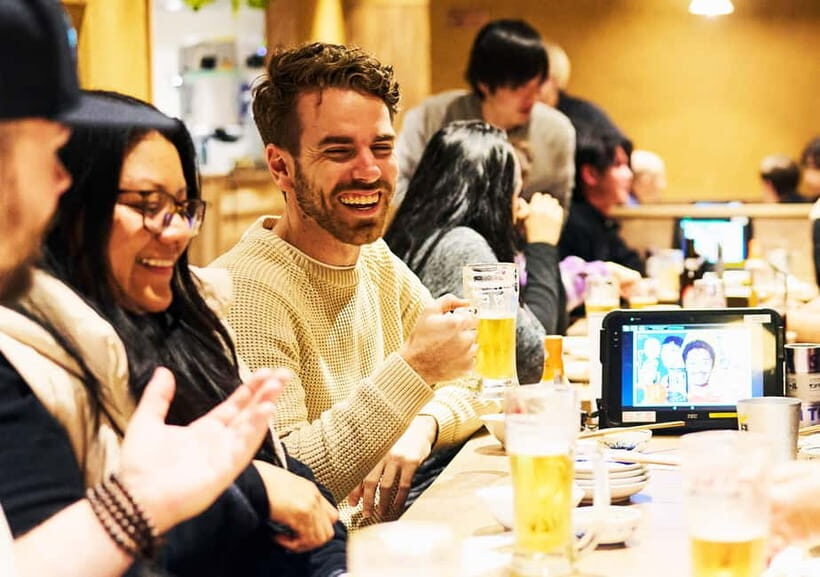
- Izakaya-style drinking culture far from tourist scripts, with real social energy
- Karaoke with locals where the goal is participation, not performance
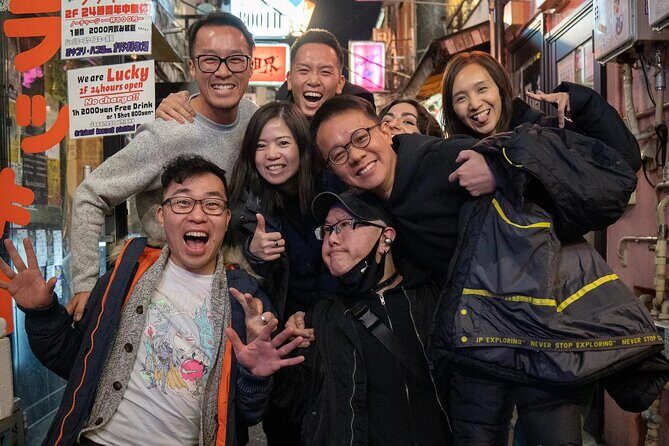
- Photos included so you have proof besides shaky phone videos
Shinjuku Nightlife: Why This Area Feels Like the Real Tokyo
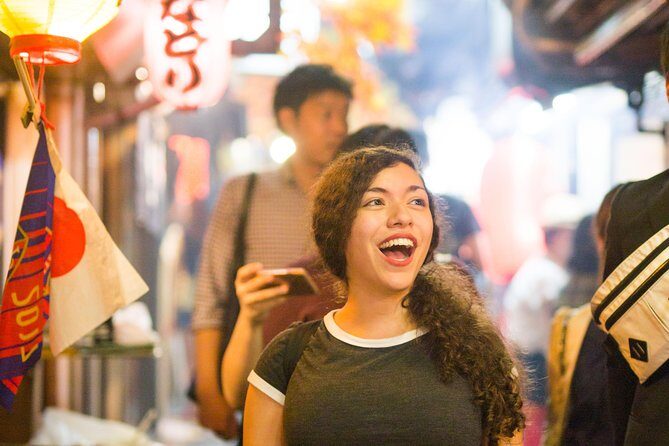
Shinjuku is where Tokyo’s after-dark life turns up its volume. The streets around Kabukicho are busy, loud, and full of characters, so you don’t need to “figure out” how to start a night here. Then you slip into Golden Gai, and the feel changes fast: smaller doors, dimmer corners, and bars tucked into a maze of narrow lanes.
That mix is the point. A lot of Tokyo nightlife tours only cover one style—either sleek rooftop bars or tourist-heavy streets. This one connects the dots between the obvious and the specific. You see the contrast between what’s marketed and what locals treat as normal.
And it’s not just about drinking. Karaoke is part of the cultural rhythm here, a social activity that builds friendships quickly. If you’re traveling with a partner, friends, or even a mixed group, karaoke tends to break the ice fast.
Other bar hopping tours we've reviewed in Tokyo

Meeting at Shinjuku Station East Exit: Start Fast, Lose Less Time
You meet at Shinjuku Station East Exit Police Box, right in front of the Shinjuku Police Station East Exit reference point (the guide holds a sign that says Local Guide Stars). This matters because Shinjuku is huge. If you miss the exact meeting spot, you’ll burn time figuring things out.
The tour also starts on time, rain or shine. That’s a good thing and a little intimidating the first time you’re in Japan at night, but it keeps the route flowing. If you’re late and miss the group, the tour can’t provide refunds or rescheduling. So I’d treat that meeting point like a train departure, not a suggestion.
Kabukicho’s Neon Warm-Up: The Perfect Place to Learn the Rules
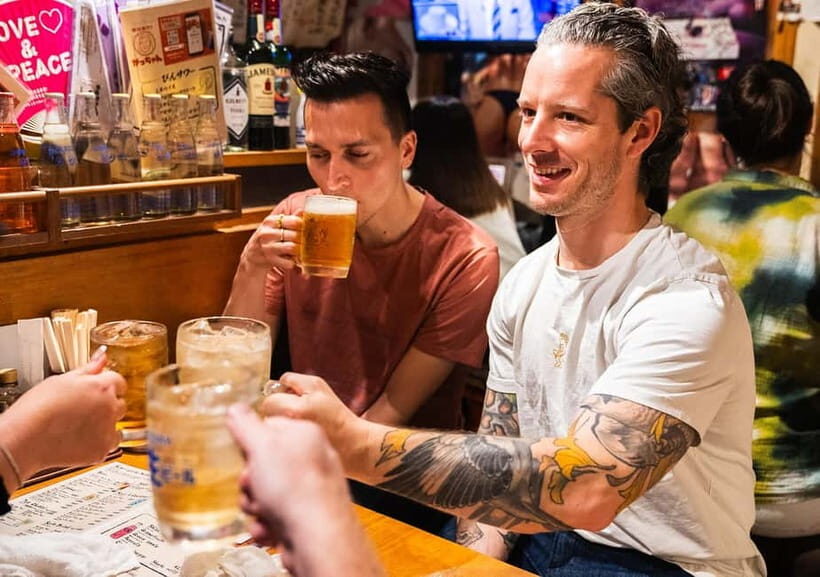
Kabukicho is famous for a reason. Even if you’ve seen photos, being there in person hits different: bright signs, packed sidewalks, and lots of small entrances that don’t look like much until you’re standing right in front of them. Starting the night here gives you a base layer for everything that follows.
This first stretch is also where your guide sets expectations. You learn what kind of bars to look for, how people behave in these spaces, and how you can keep the night comfortable even if there’s a language gap. In a city where basic English may be hit-or-miss, having a guide walking you through the social “how” is a big advantage.
If you’re worried about feeling out of place, Kabukicho can help. There’s enough noise and motion that you don’t have to act like a pro—you just show up and follow along.
Golden Gai Alleys: Tiny Doors, Big Personality
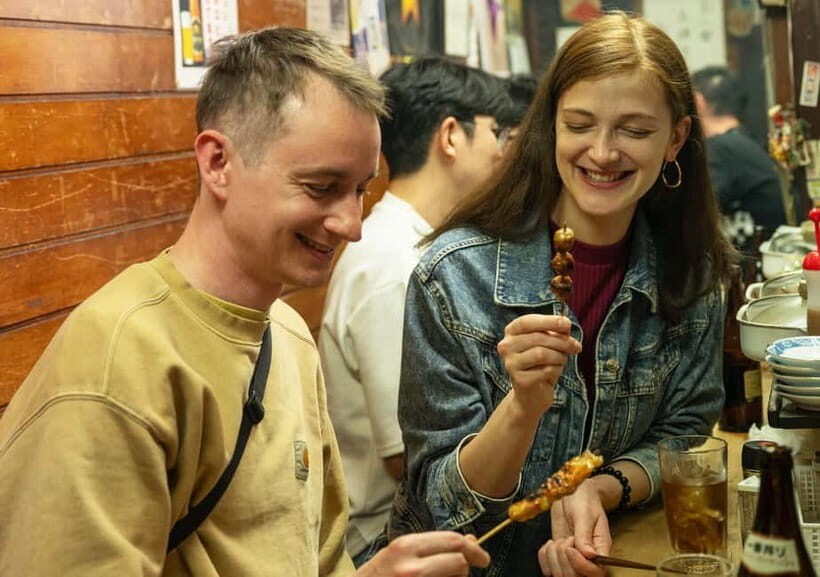
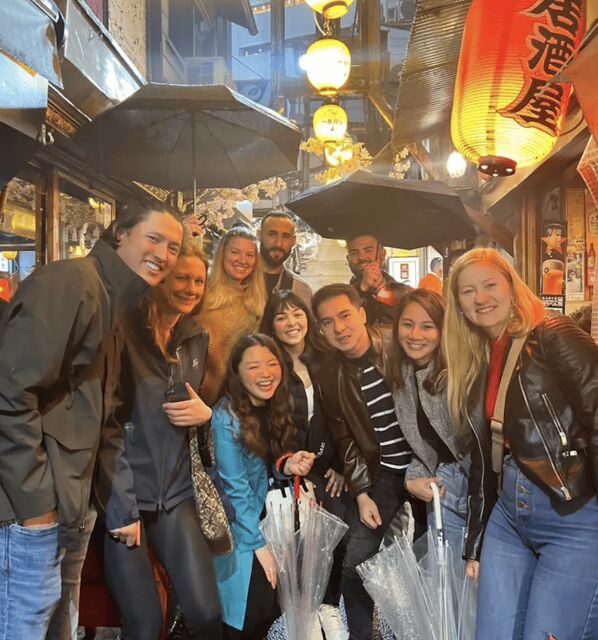
Golden Gai is the part people remember. This is the warren of tiny alleyways where you find small bars and distinct personalities packed into very little space. The best way to understand it is this: the bars are small enough that the crowd energy matters. You don’t just sit and observe—you participate.
Your guide’s local connections can help with access to spots that often don’t welcome first-time visitors the usual way. You might also get gentle reassurance here if Golden Gai feels intimidating at first. One guide (Naoto) is specifically noted for helping people feel comfortable stepping into these bar scenes.
There’s also a practical takeaway. Golden Gai can be confusing if you’re navigating alone at night. With a guide, you spend less time hunting and more time enjoying the atmosphere—especially when you’re moving from alley to alley and hearing what to expect from each stop.
Hidden Spots and Izakaya-Style Culture: What You Gain From Going With a Guide
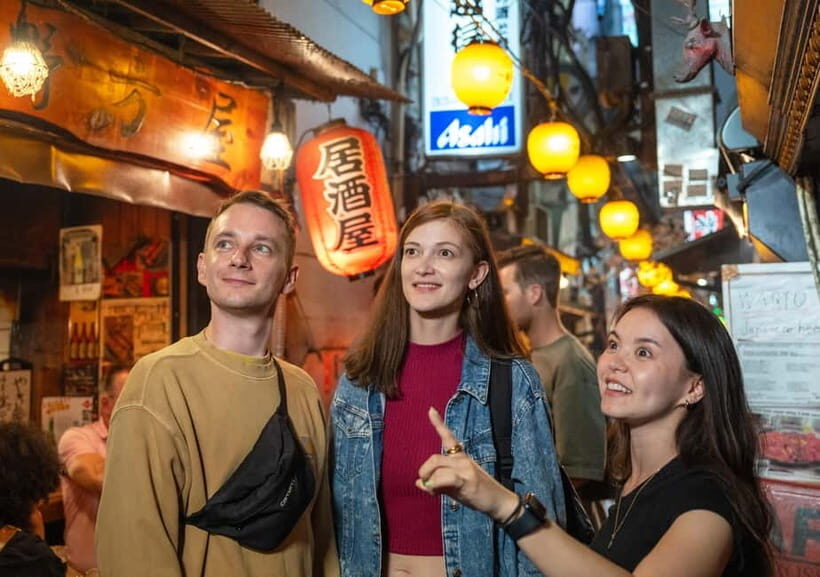
The tour is designed to feel like Tokyo nightlife with local connections, not a checklist of famous names. The bars and stops can vary depending on the night, which is actually helpful. It means the guide can react to what’s open, what fits the group, and what feels right that evening.
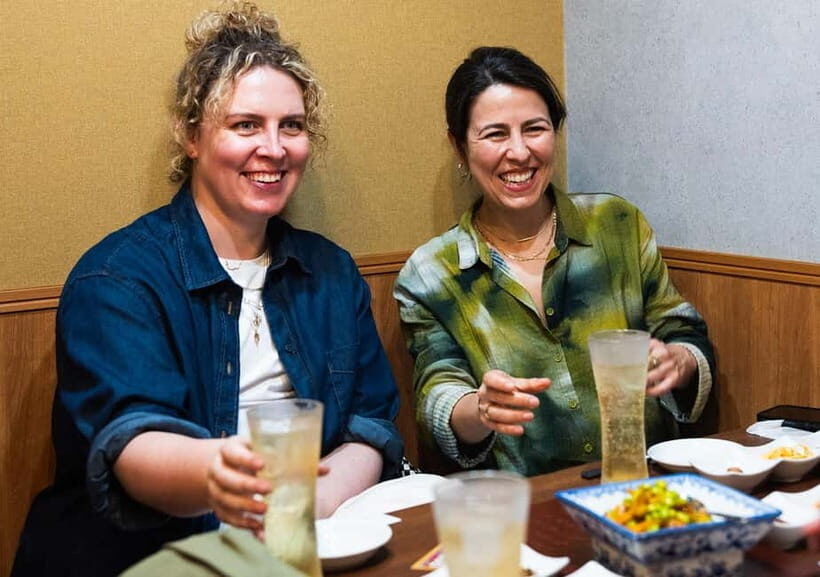
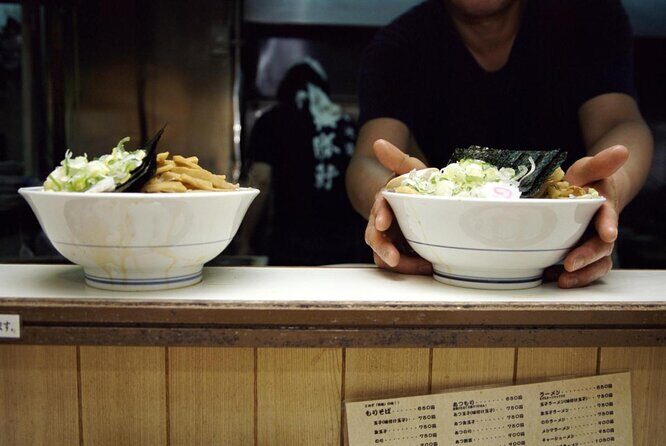
You’ll also experience the izakaya style of drinking and socializing. Even if you’ve eaten Japanese food before, izakaya nightlife is its own world: shared plates, casual ordering, and the sense that conversation is the main event. That’s where a guide earns their fee. They help translate more than words. They help translate social cues.
One useful detail: some bars have limited seating. So you may need to stand during parts of the evening. That’s not a problem if you plan for it. For first-timers, it’s best to keep the tone flexible: don’t expect a long seated hangout at every stop.
Other Shinjuku drinking tours we've reviewed in Tokyo
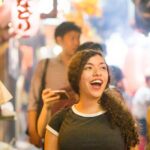
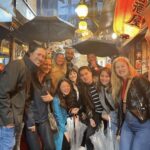
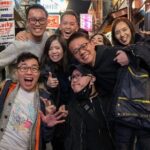


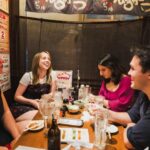
Karaoke With Locals: Fun First, Confidence Included
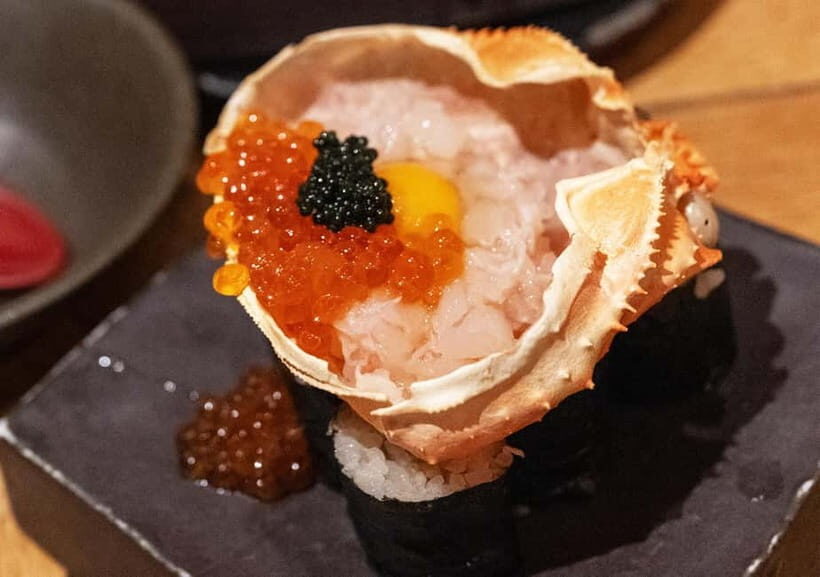
Karaoke is the closer, and it’s a smart choice. After bar hopping, everyone’s warmed up, so karaoke becomes a group activity rather than a test of skill. The tour’s karaoke approach is clear: you pick songs, grab a drink, and sing and laugh with fellow people. It’s not about hitting every note perfectly.
If you’ve never done karaoke in Japan, you’ll still be fine. The whole point is participation. The guides also help make the experience smoother, which matters when you’re dealing with Japanese menus, song selection, and general bar-room flow.
A good example of what you can expect shows up in past nights: people have praised guides such as Chihiro and Kann for making karaoke feel easy and enjoyable. Even when sake isn’t your favorite, the structure helps you try it without turning your night into an ordeal.
Practical reality check: karaoke bars can be busy and rooms can feel compact. Wear something you can move in, keep your phone charged, and go in with the mindset that laughter beats perfection.
Food and Drinks: What’s Included, What You Pay, and How to Budget
Your tour price covers the walking tour, a local guide, and photos during the tour. Food and drinks are not included.
That said, you shouldn’t book this expecting to spend only the $32. You’ll pay for drinks and snacks along the way, and karaoke may involve additional charges depending on the venue setup. One group experience described splitting bills at two restaurants (with a per-person cost around ¥1200) before heading to karaoke. Your exact total will vary, but it’s a good reminder to plan for extra spending.
Cash is required, so don’t rely on the assumption that everything will take cards. Bring enough for your drink and snack needs across multiple stops plus any karaoke-related costs.
Vegetarian travelers should also plan carefully. Most Japanese restaurants are not fully set up with vegetarian menus. Vegetarian options are available on the tour, but they’re limited. If you’re vegetarian, I’d keep your expectations flexible and let the guide help you choose what’s available that night.
Language Barriers: Where This Tour Helps Most
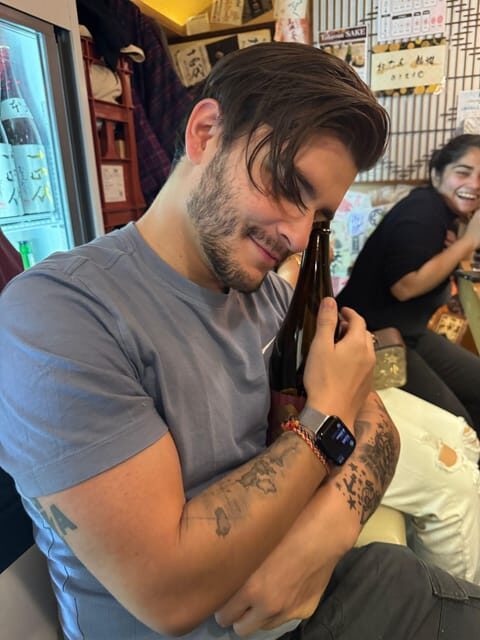
Tokyo nightlife can feel like a language maze, especially if you’re stuck trying to interpret menus and etiquette on your own. This tour handles that reality by pairing you with a guide who can keep things moving.
Even if your Japanese is basic, you can still have a great night. You’ll use simple interactions, gestures, and the guide’s help to place orders and understand what’s going on. One guide, Shun, is noted for having good English, plus a friendly style that turns awkward silence into easy conversation.
That’s a real value here. It’s not just translation. It’s comfort. You spend your energy enjoying the night instead of figuring out every step.
Price and Value: Is $32 Worth It?
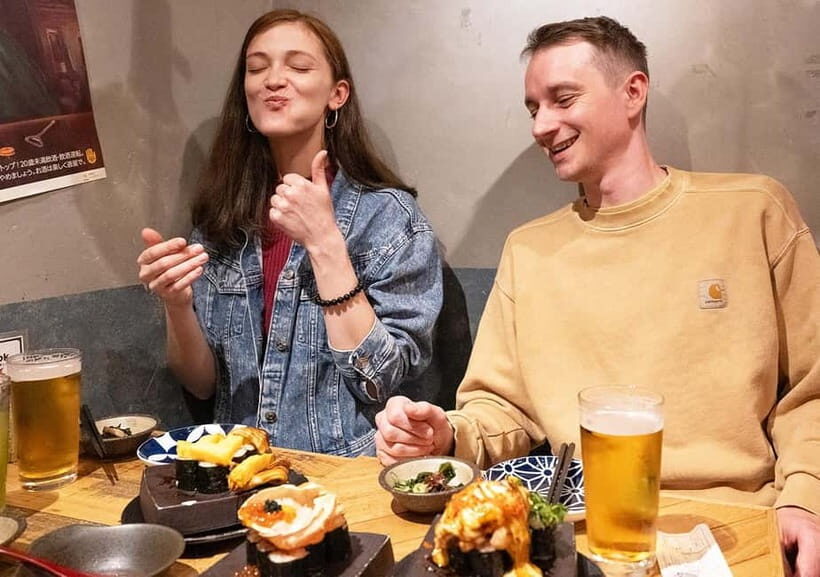
Let’s be honest: $32 is only a small slice of a nightlife evening. The tour price covers the guide, the walking plan, and photos, while you pay for food and drinks yourself. So the real question is whether the guide experience is worth it.
In practice, it usually is, because you’re buying three things that are hard to replicate on your own:
- someone to steer you through Shinjuku at night
- cultural help for how izakaya and bar etiquette works
- better odds of getting into places you’d overlook or struggle to access solo
When you add karaoke at the end, the tour becomes a full night format, not just a walk. And because the stops can change based on what’s going on, you’re less likely to end up on a dead end.
If you’re the type of traveler who wants to wander independently, you might prefer a DIY plan. But if you want your night to start smoothly and keep moving without constant decision fatigue, this is strong value.
Who Should Book This Shinjuku Bar Hopping and Karaoke Night
This tour fits best if you want:
- a guided path through Kabukicho and Golden Gai
- an easy entry point into izakaya nightlife
- karaoke as a social finish
- help handling language and culture gaps
It’s also a great choice for people traveling in small groups who want a fun structure without micromanagement. Some nights have offered a feeling of flexibility in pace and preferences, with guides like AYAKA and MEIKO credited for tailoring the experience and helping people try what they liked.
You might skip it if you strongly dislike standing in crowded spots, or if you need a strict vegetarian-only menu. The tour can work for many diets, but vegetarian options are limited.
Quick Practical Tips Before You Go
- Bring cash. It’s specifically requested.
- Expect some standing at bar stops due to limited seating.
- Plan for a possible schedule stretch. Food and drink service can be delayed, which can push the tour later than expected.
- Alcohol is only for people aged 20 and over, following Japanese law. Also note the tour is not suitable for anyone under 20.
- Dress for comfort. This is a walking and bar-hopping night, often in tight spaces.
- If you care about pacing, ask your guide about the day’s route in advance since stops may vary.
Should You Book This Shinjuku Night Plan?
If you want a Tokyo night that feels like it has local context, this is an excellent bet. The combination of Kabukicho’s chaotic energy, Golden Gai’s compact bar culture, and a karaoke finish makes it a complete evening rather than a single activity.
I’d book it if you’re okay paying extra for drinks and food, you can handle some standing, and you want help smoothing out the language and social pieces. If that sounds like you, you’ll get a night that’s easy to join, fun to share, and far more specific than a generic nightlife walk.
FAQ
Where do I meet the tour guide in Shinjuku?
Meet at Shinjuku Station East Exit Police Box, in front of the Shinjuku Police Station East Exit Police Box. The guide will be holding a sign that says Local Guide Stars.
What is included in the $32 per person price?
The price includes a walking tour, a local guide, and photos taken during the tour.
What is not included?
Food and drinks are not included, so you’ll pay for what you order at the bars and restaurants.
Do I need to bring cash?
Yes. Cash is recommended and specifically listed as something to bring.
Can I drink alcohol on this tour?
Only people aged 20 and over are allowed to drink alcohol by Japanese law.
What age is this tour for?
The tour is not suitable for people under 20 years old.
Are there vegetarian options?
Vegetarian options are available, but they are limited. Most Japanese restaurants aren’t fully equipped with vegetarian menus.
Will I have seating during the bar stops?
Some bars may require standing because seating can be limited.
Does the tour run rain or shine, and do they start on time?
The tour proceeds rain or shine and starts on time. If you’re late and miss the group, refunds or rescheduling are not available.
Is there a cancellation option for a full refund?
Yes. You can cancel up to 24 hours in advance for a full refund.
More Evening Experiences in Tokyo


More Shinjuku Drinking Tours in Tokyo
More Bar Hopping Tours in Tokyo

More tours in Tokyo we've reviewed



Shinjuku Drinking Tours, compared.
 ★ 5.0Tokyo Bar Hopping Tour in Shinjuku (All-You-Can-Drink + Dinner)From $106
 ★ 5.0Best of Shinjuku: Izakaya Food Tour (4 Stops, 14+ Tastings)From $92
 ★ 4.9Tokyo: Shinjuku Local Bar and Izakaya Guided Walking TourFrom $343 hours
 ★ 5.0Tokyo: Shinjuku Local Bar & Izakaya Crawl TourFrom $39
 ★ 4.9Tokyo: Shinjuku Bar Hopping with All-You-Can-Drink & DinnerFrom $1083 hours
 ★ 5.0Sake Tasting Masterclass in Shinjuku (8+ Varieties with a Pro)From $72
 ★ 4.8Tokyo: Shinjuku Nightlife & Secret Backstreets Walking TourFrom $221h 30m
 ★ 4.9Tokyo: The Best of Izakaya in Shinjuku Food & Cultural TourFrom $1293 hours
The lists this tour appears in