
Reviewed · KOBE SAKE TOURS
Kobe: Sake Brewery Tour with Tasting Sake
Old-school craft, in working breweries.
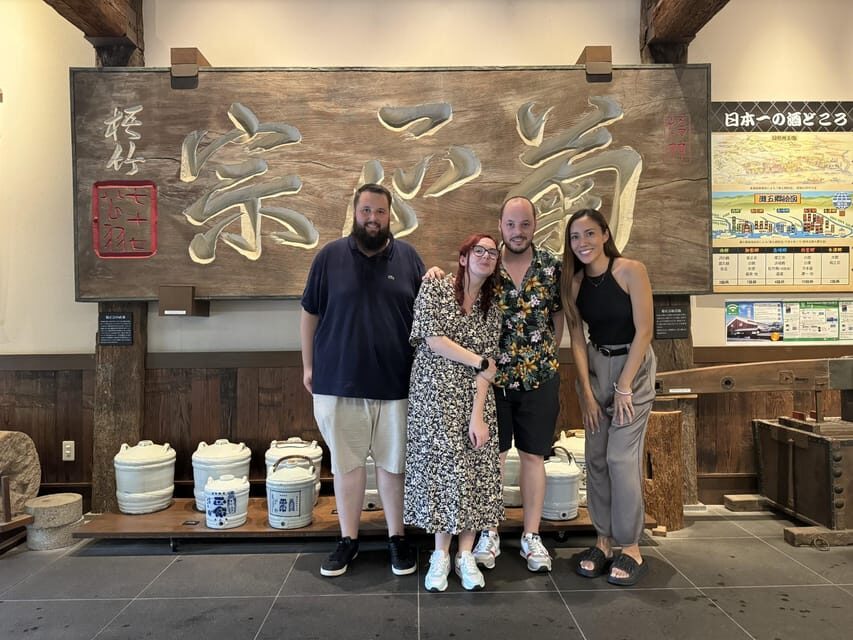
This Kobe tour is built around Nada, the part of town famous for Japan’s biggest sake production. You’ll visit three breweries (Hakutsuru, Kiku-Masamune, and Hamafukutsuru), see how traditional sake is made, and learn why the same ingredients can taste totally different from brewery to brewery. What I like most is the hands-on feel of the route—especially the chance to see long-used brewing tools and even barrel-making work—and the straightforward tasting structure: one included tasting at each brewery.
The main drawback to think about is that this is an alcohol-focused experience. It’s not listed as suitable for kids under 18 or people under 20, and it’s also not ideal for anyone who can’t comfortably handle alcohol tasting plus walking around industrial areas.
In This Review
- Key things to know before you go
- Why Kobe’s Nada is the right place to learn sake
- Meet-up and timing: what “210 minutes” actually feels like
- Hakutsuru Sake Brewery Museum: first tastes and setting the baseline
- Kiku-Masamune Shuzo Kinenkan: comparing style, not just branding
- Hamafukutsuru Brewery: tools, tradition, and the barrel-factor wow
- The tastings: how the included plan helps you choose souvenirs
- The guide experience: why Yumi’s name keeps coming up
- Walking, weather, and who this tour fits best
- Value check: is $83 a fair deal for this day?
- Practical tips to make the most of the day
- Should you book this Kobe sake brewery tour?
- FAQ
- Where does the tour start?
- How long is the tour?
- How many sake breweries do you visit?
- What’s included in the price?
- Is lunch included?
- Are there extra costs for more tasting?
- Can I visit a Japanese style sake bar?
- What language is the guide?
- What should I bring?
- Who should avoid this tour?
Key things to know before you go
- Nada, Kobe’s sake-producing district is the setting, so every stop makes sense.
- Three breweries, one included tasting each gives you a clear A-to-B comparison.
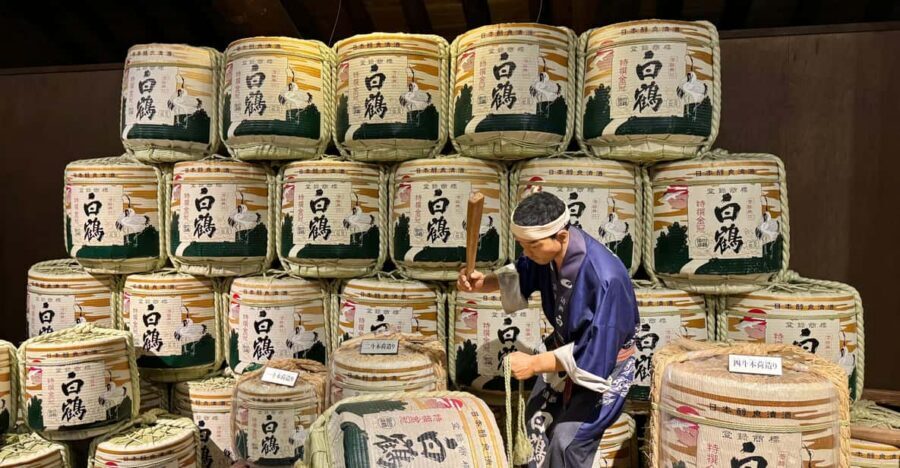
- You’ll see tools used in sake brewing since ancient times, not just gift-shop talk.
- There’s a chance to sneak into a barrel/woodworking factory area for an especially memorable look.
- If the brewery shops are open (Fridays, Saturdays, Sundays), you may find an extra sake bar setup.
- The guide is often the highlight, with Yumi praised for clear communication and smart answers.
Why Kobe’s Nada is the right place to learn sake
Kobe isn’t only about port views and good ramen. It’s also home to Nada, the region that’s strongly tied to Japan’s sake story. That matters because sake isn’t just a drink—you’re tasting the result of climate, fermentation choices, and centuries of brewery know-how.
This tour is designed to help you notice those differences fast. Three breweries means you’re not stuck on one style or one brand explanation. Instead, you compare style, aroma, and flavor across the same day—like having a mini tasting class with real producers in the room.
And you’re not just watching screens. You’re walking through brewery spaces and learning what the process looks like in practice: rice preparation, fermentation work, and the kind of tools breweries used long before modern equipment made everything easier.
Other sake brewery and tasting tours in Kobe
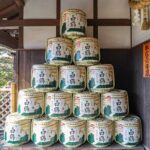
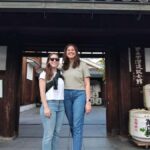
Meet-up and timing: what “210 minutes” actually feels like
The tour runs about 210 minutes, which is long enough to feel complete but not so long that you’ll lose the plot. You meet at 11:00 at JR Sumiyoshi Station (Kobe) or in front of the Hakutsuru Sake Brewery Museum. From Sumiyoshi Station, it’s about a 15-minute walk to the museum.
Plan to start with comfortable shoes and water. Even if the groups aren’t huge, you’ll be moving between brewery buildings and shop areas. If the weather turns, you’ll be glad you packed the basics instead of waiting for a convenience store surprise.
Also note the practical detail: the tour says to bring your passport for Tax. That’s easy to handle if you already travel with it—just don’t leave it in a hotel drawer.
Hakutsuru Sake Brewery Museum: first tastes and setting the baseline
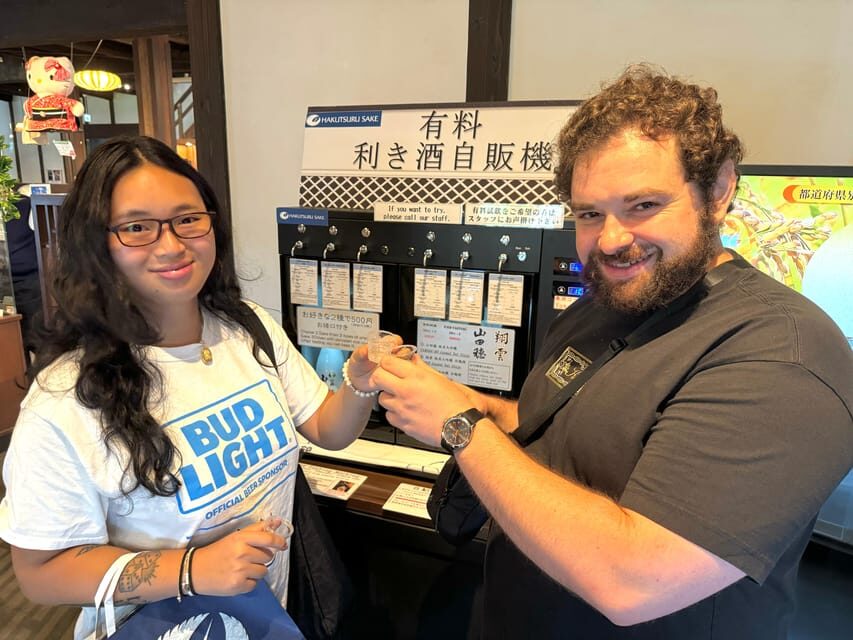
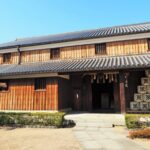
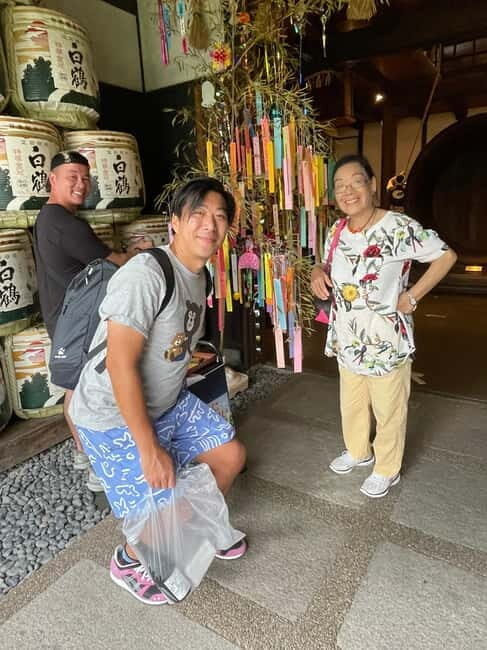
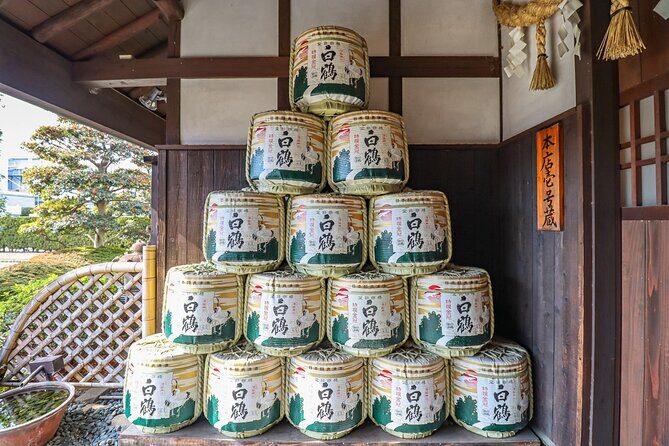
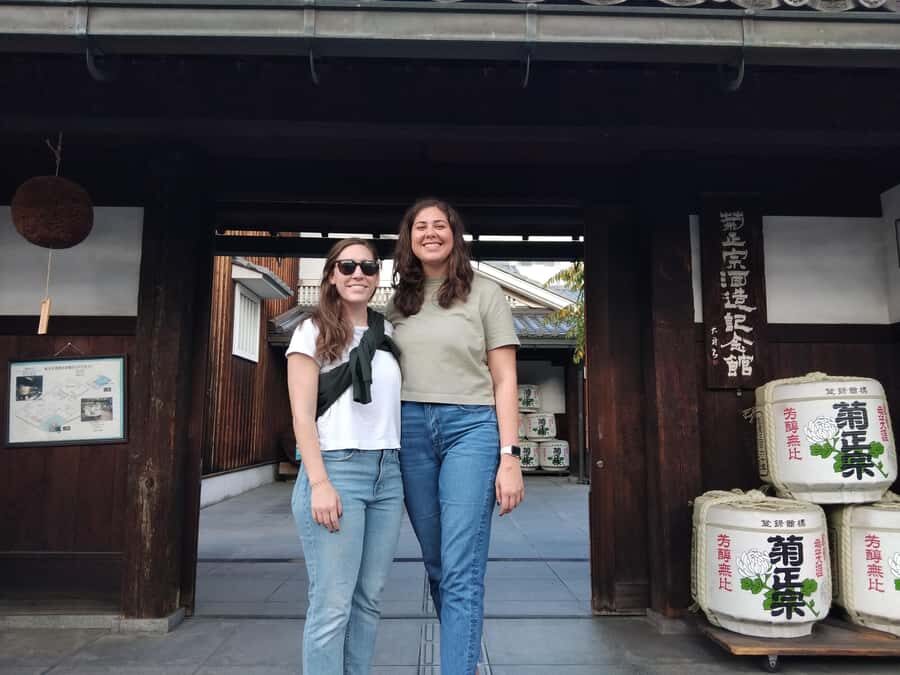
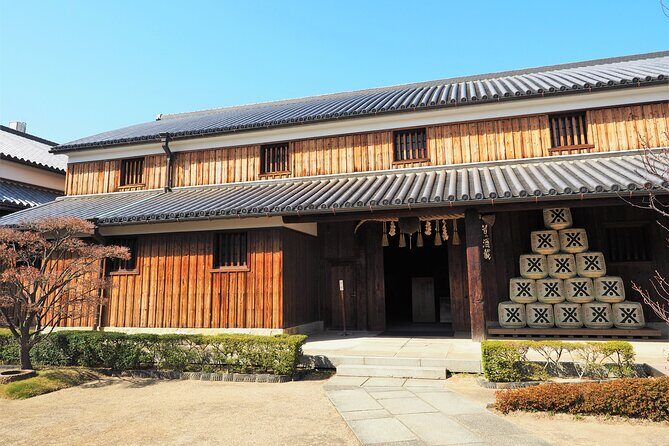
Your route starts at 白鶴酒造資料館 (Hakutsuru’s museum). This first stop is your orientation. You get a chance to understand how the brewery frames its history and process before you jump into other brands.
It’s also your first chunk of shopping and sightseeing time (about 45 minutes). That matters because you can get your bearings early, buy a few items if something catches your eye, and decide what kind of sake you want to target on later tastings.
The value here is the tasting baseline. By the time you reach the second and third breweries, you’ll start to recognize patterns in what you like: crisp vs. soft, dry vs. rounded, and how different labels translate into real flavor. This is the kind of “compare as you go” structure that makes the day more useful than a random brewery stop.
Kiku-Masamune Shuzo Kinenkan: comparing style, not just branding
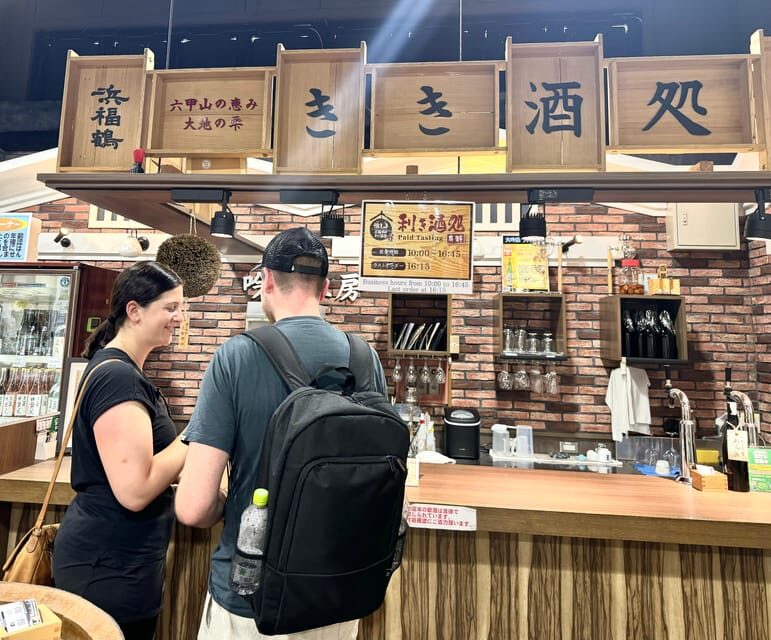
Next up is Kiku-Masamune Shuzo Kinenkan for another 45 minutes of shopping and sightseeing. Even without over-selling it, this stop is one of the keys to making your day feel like real learning.
Why? Because you’re not only tasting sake—you’re tasting the choices behind it. At this point, your included tasting lets you compare how Kiku-Masamune’s style lands on your palate versus Hakutsuru.
This is also where a good guide earns their keep. Several people mention Yumi in particular for clear explanations and for answering follow-up questions without making the whole group wait forever. If you’re the kind of person who asks what makes one sake taste different from another, this tour setup is friendly to that.
Hamafukutsuru Brewery: tools, tradition, and the barrel-factor wow
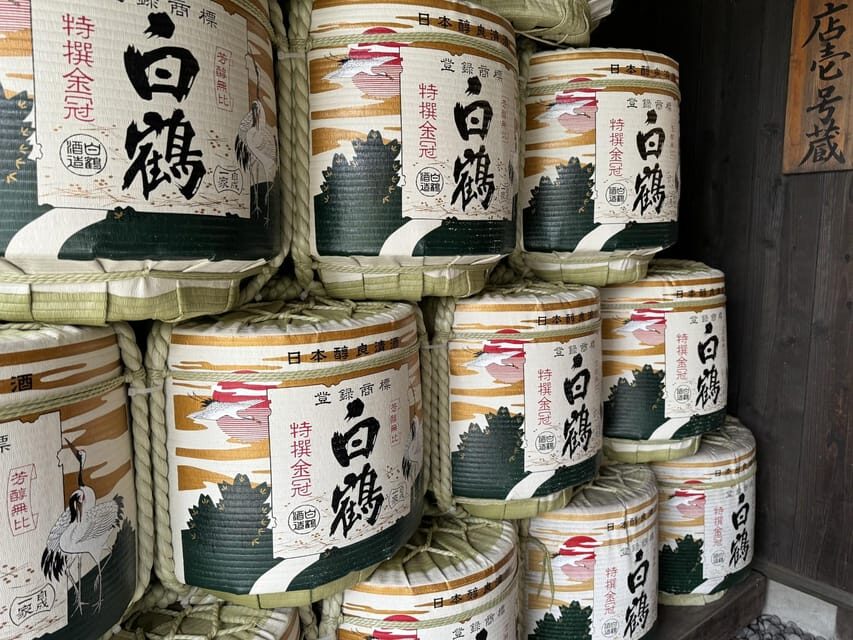
The final brewery stop is Hamahukutsuru Brewery, with about 40 minutes of shopping and sightseeing. This is where the tour information points you toward the deeper craft side: traditional methods, older tools, and the look-and-feel of how sake is actually produced.
The standout possibility here is the barrel angle. The tour description says you may be able to see a very valuable factory that makes sake barrels. Reviews back this up with the kind of “wait, we’re really seeing this?” reaction when wooden barrel-making is part of the visit. If you like crafts and old production methods, this is the moment that can turn a good tasting day into a story you remember later.
There’s also a chance that staff are actively brewing. The tour notes that if you’re lucky, you might see actual brewing work happening. You won’t control that, but the tour is clearly built around giving you observation moments, not just a pass-through.
Other craft beer tours we've reviewed in Kobe
The tastings: how the included plan helps you choose souvenirs
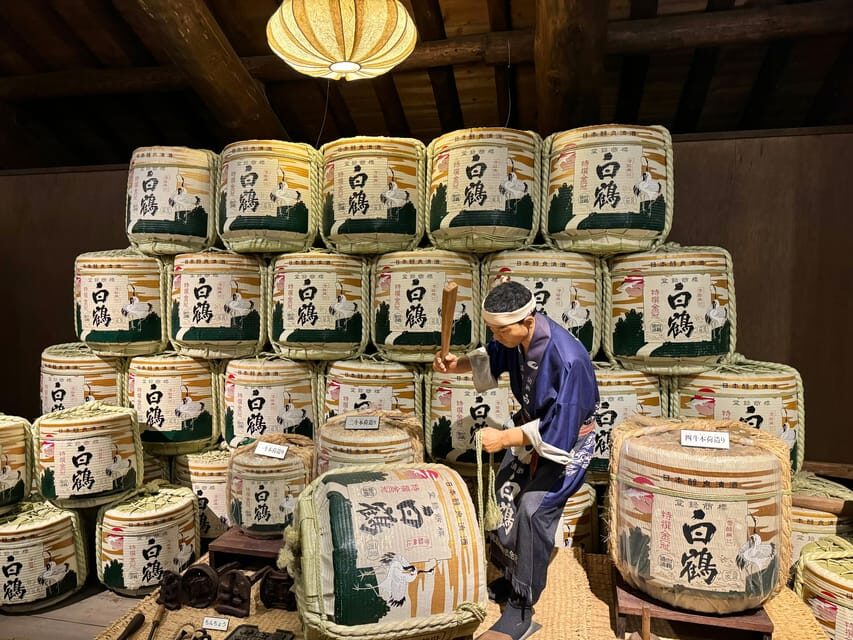
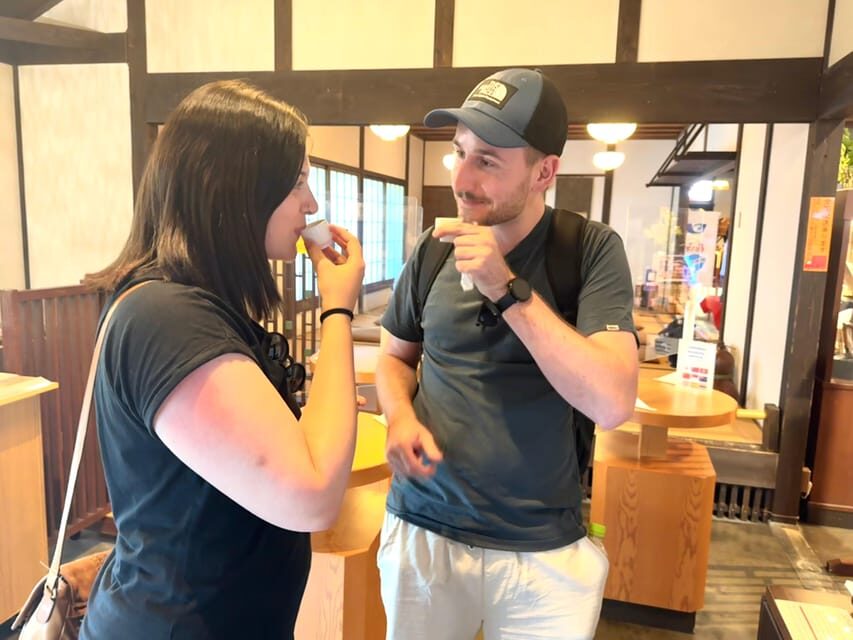
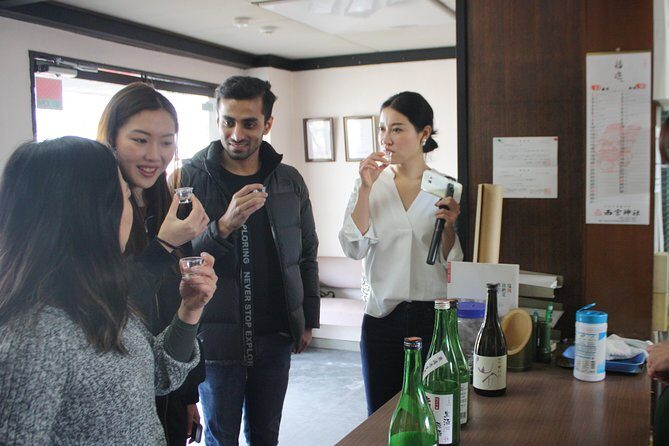
Each brewery includes one free tasting, guided by the tour. That structure is smarter than it sounds. Instead of doing one big flight somewhere, you’re tasting in the context where it’s produced—and you can ask questions right when the flavors are fresh in your mind.
The tour also encourages comparing free and paid sake. Practically, that means you’ll understand what’s included versus what you’d upgrade. You can always keep the day simple and just do the included tastings, then decide later if you want more.
You might also run into fun extras. The tour description mentions the chance to try sake soft serve ice cream, and it also suggests you can buy sake that’s only available locally as a souvenir. I like tours that give you that “take-home” option, because it turns the tasting into something you can recreate at home.
One more point: the tour notes there may be a special Japanese style sake bar on Fridays, Saturdays, and Sundays if the shop is open. There’s an additional fee for that. If you’re booking on a weekend, it’s worth asking about it when you confirm details.
The guide experience: why Yumi’s name keeps coming up
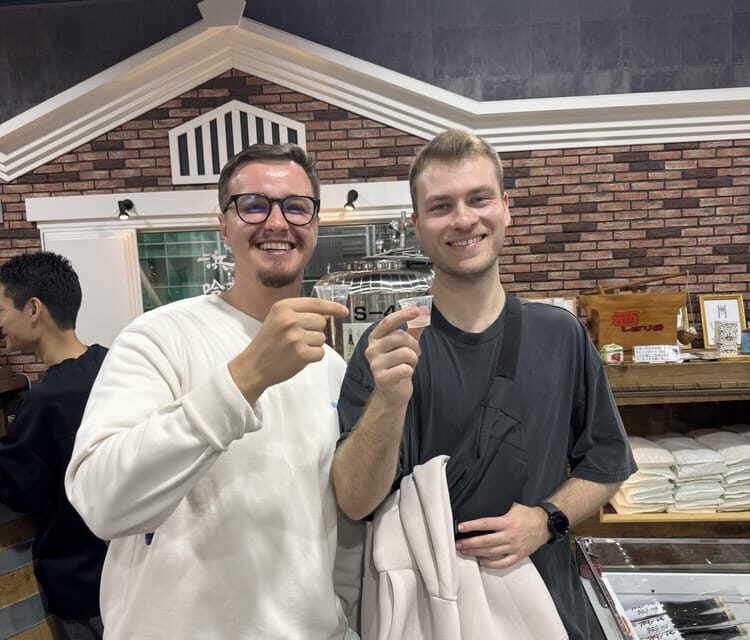
When a tour consistently gets high marks, it’s often because the guide turns logistics into understanding. Here, the guide is Yumi Private Travel Tour, and reviews give a clear pattern: people praise Yumi for communication, for explaining how sake is produced, and for helping guests pick bottles they actually want to drink later.
That “help me pick” part is underrated. Sake shops can overwhelm you with labels, tasting notes, and terms that mean less when you’re standing in a cooler. A good guide can point out what to buy based on what you liked during tastings that day.
Some reviews also mention extra touches like restaurant tips and a video from the tour plus small gifts. Those aren’t the core of the experience, but they do add goodwill. If you’re comparing options, these are the small things that can make a guided day feel warmer and more personal.
Walking, weather, and who this tour fits best
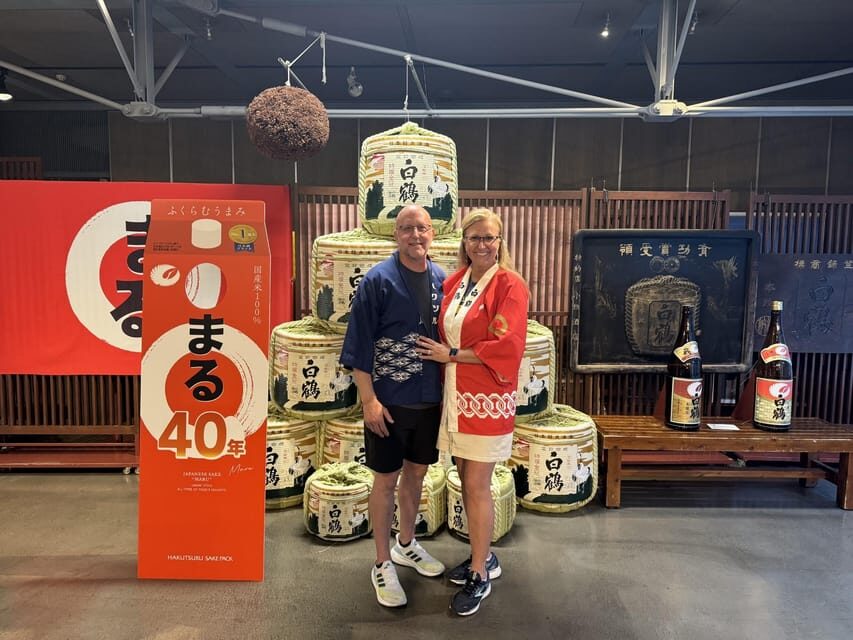
This is a working brewery area, so plan for movement and conditions. The tour asks you to wear comfortable shoes, bring water, and expect weather changes. You’ll also want a camera if you care about photos, especially around craft displays and brewery spaces.
There’s also a clear suitability list. It’s not recommended for pregnant women, wheelchair users, children under 18, people with food allergies, or people under 20. That last one is the big hint that alcohol tasting is central to the format.
If you’re traveling with a group of friends who want a structured tasting experience (and who don’t mind walking), it’s a strong fit. If you’re the only one in your group who doesn’t drink or you have restrictions, you should think carefully before booking.
Value check: is $83 a fair deal for this day?
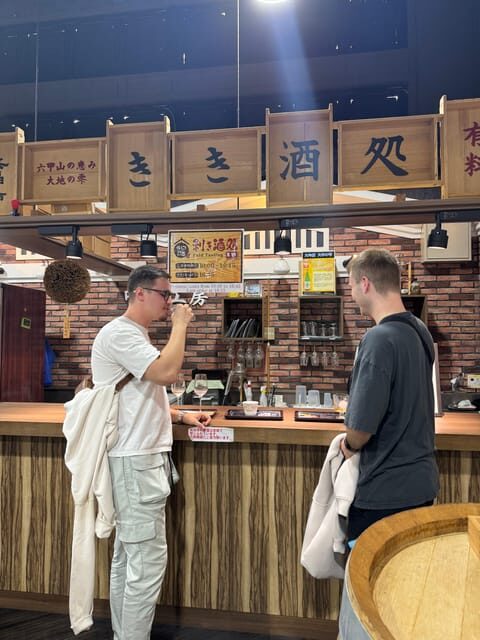
At $83 per person for about 210 minutes, this isn’t a “cheap and cheerful” activity. But it also isn’t overpriced for what you get.
What supports the price:
- You get three brewery visits with included tastings at each.
- You have a live guide (English, Korean, or Japanese).
- You’re not just touring one place—you’re comparing styles across producers.
- There’s a potential bonus look at barrel-making work, which many visitors remember more than the tasting.
What could add cost:
- Extra tastings cost extra if you want more than the included samples.
- The optional sake bar costs extra.
- Lunch isn’t included, and tips aren’t covered.
If you’re already curious about sake and you want a guided way to learn what you like, this price can feel fair. If you only want a quick look and you don’t want alcohol tasting, you may feel like it’s more structured than you need.
Practical tips to make the most of the day
Here’s how to get the best payoff from the schedule:
- Bring cash in case some shops don’t take cards.
- Drink water before you start. Tastings and walking together can sneak up on you.
- If you’re tax-free shopping, keep your passport accessible.
- Ask the guide to connect what you like to what you should buy. This is how you avoid random souvenirs you won’t finish.
- If the special sake bar is relevant to your travel dates, ask early so you’re not deciding at the last minute.
Should you book this Kobe sake brewery tour?
Book it if you want a guided day in Nada that teaches you through three real breweries and structured tastings. It’s especially worth it if you care about how production choices create flavor differences—and if you’re hoping for that extra “craft in action” moment like the barrel-making look.
Skip it if you can’t do alcohol tasting, if walking around brewery spaces is a problem for you, or if you’re only interested in a short, low-commitment stop. Also, if your group needs strict allergy accommodations, the tour’s suitability note for food allergies is a red flag to plan around.
Bottom line: this is a smart pick for travelers who want sake to make sense, not just taste good for an hour.
FAQ
Where does the tour start?
You’ll meet at JR Sumiyoshi (Kobe) station at 11:00 or in front of the Hakutsuru Sake Brewery Museum.
How long is the tour?
The duration is 210 minutes.
How many sake breweries do you visit?
You visit three sake breweries.
What’s included in the price?
The tour includes visiting three breweries, a free tasting at each brewery, and a guided tour.
Is lunch included?
No. Lunch is not included.
Are there extra costs for more tasting?
Yes. The information says an additional fee applies for sake if you want more sake tasting.
Can I visit a Japanese style sake bar?
There may be a special Japanese style sake bar setup on Fridays, Saturdays, and Sundays if the shop is open, but it requires an additional fee.
What language is the guide?
The live guide is available in English, Korean, and Japanese.
What should I bring?
Bring comfortable shoes, water, and cash. The tour also notes to bring your passport for Tax.
Who should avoid this tour?
The tour lists it as not suitable for pregnant women, wheelchair users, children under 18, people with food allergies, and people under 20.
More Kobe Sake Tours in Kobe
More Craft Beer Tours in Kobe
More Sake Brewery Tours in Kobe
More tours in Kobe we've reviewed
Kobe Sake Tours, compared.
 ★ 5.0KOBE Sake Tasting Tour at Breweries (tasting fee included)From $109
 ★ 5.0Kobe: Guided Sake Breweries Tour with TastingsFrom $1063h 30m
 ★ 5.0Sake Brewery and Japanese Life Experience Tour in KobeFrom $83
 ★ 4.51-Day Kobe Highlights Tour including Sake TastingFrom $171
 ★ 4.4Kobe: 3-Hour Sake Breweries Tour with Special TastingFrom $94
 ★ 5.0Exploring Nada Sake Breweries Kobe Private Tour with Government-Licensed GuideFrom $154
 ★ 5.0Kobe: Sake Brewery Tour with Tasting and Kobe Beef BitesFrom $83150 minutes - 3 hours
 ★ 5.0Cruise Shore Excursion: Kobe Sake Tasting with Local GuideFrom $1416 hours
The lists this tour appears in