
Reviewed · KOBE SAKE TOURS
KOBE Sake Tasting Tour at Breweries (tasting fee included)
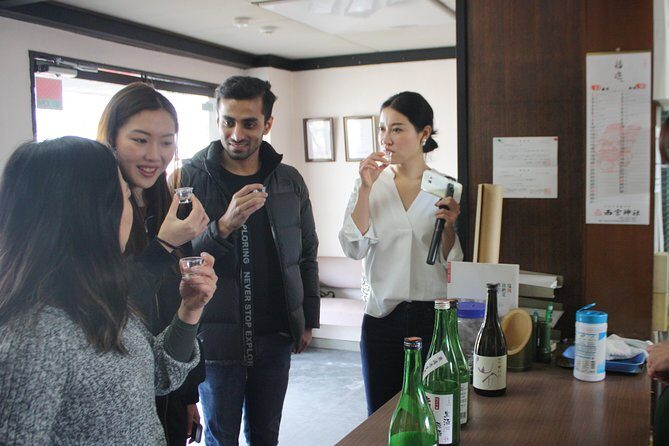
Kobe’s sake district has a way of grabbing you fast. This tour strings together historic Nada breweries and teaches you how different brewing choices taste in your glass. I love that you get a real guided route (not a quick pop-in), plus tastings included alongside the brewing stories and cooling breaks.
One heads-up: it’s a walking tour through brewery areas for about 3.5 hours, and on hot days you’ll want to dress for walking and expect some standing time between stops.
In This Review
- Why this tour works so well (quick highlights)
- Kobe Nada Sake: what makes this district different
- The 3.5-hour route, stop by stop
- Stop 1 at Kobe Shushinkan: Fukuju craft since 1751
- Stop 2 at Okage Tofuan: tofu and pure water thinking
- Stop 3 at Hakutsuru Sake Brewery Museum: seeing sake history in-place
- Stop 4 at Kiku-Masamune Shuzo Kinenkan: kimoto tools and tradition
- What you’ll actually taste (and how to learn fast)
- Guide factor: English explanations, warm hosting, and practical care
- Walking shoes, water, and the heat reality
- Price and value: why $109 is not just a tasting price
- Who this tour is best for
- Quick planning tips before you go
- Should you book the Kobe Sake Tasting Tour at Breweries?
- FAQ
- What is included in the tour price?
- How long is the Kobe sake tasting tour?
- How many people are in the group?
- Where does the tour start and end?
- Is transportation to and from the tour included?
- Which stops are part of the experience?
- Is it okay to spit during tastings?
Why this tour works so well (quick highlights)
- Nada Gogo brewery focus: You’re tasting in Kobe’s top sake-producing zone, not random shops.
- Tastings are built in: The price covers a tasting allowance (¥2,000 worth), so you won’t feel nickel-and-dimed.
- Small group size: Max 10 travelers keeps questions lively and the pace comfortable.
- Brewing methods get explained: You’ll hear how choices like the kimoto approach shape flavor.
- Tofu as a real palate break: Okage Tofuan isn’t a throwaway stop; it adds local food context.
- Guide quality shows up repeatedly: People mention guides like Hiro, Romi, Aki, Aya, and Fumi by name.
Kobe Nada Sake: what makes this district different
Kobe’s Nada district is famous for a reason: it’s not just about buying a bottle, it’s about understanding why the same idea of sake can taste totally different across breweries. The tour is built around that mindset. You’re guided through brewery spaces where the focus is craft, water, and method—then you taste the results.
A big win here is the flow. You’re not doing one long museum lecture and then rushing through tastings. The rhythm is walking, brief explanations, tastings, and short breaks. That matters because sake is sensitive to small factors: temperature, glass shape, the style served (unfiltered versus seasonal), and even what you ate beforehand.
If you’re a beginner, this structure helps you learn what to notice without overthinking it. If you’re already into sake, the route gives you enough variety—unfiltered and seasonal bottles, plus method-based brewing stories—to compare rather than just sample.
Other sake tasting experiences we've reviewed in Kobe
The 3.5-hour route, stop by stop
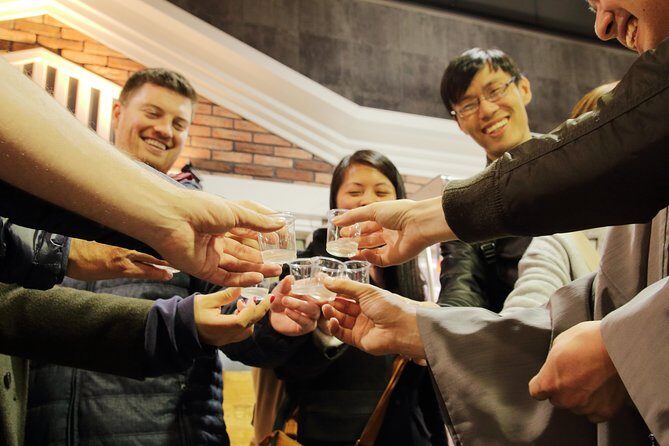
This runs about 3 hours 30 minutes and is designed as an easy-to-follow walking route with a professional English-speaking guide. The tour starts at Ishiyagawa Station (address listed on the booking info) at 1:00 pm and ends at Hanshin Uozaki Station.
One practical note: the itinerary can shift depending on which breweries are open, so don’t treat it like a rigid script. That said, the stops you’ll plan around are consistently the major ones below.
Here’s what the stops add to your day.
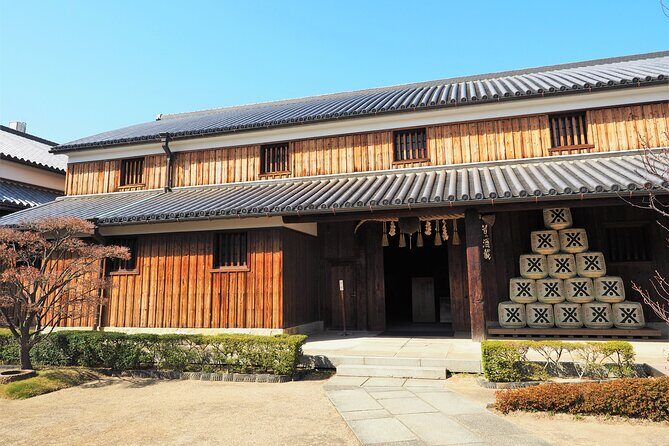
Stop 1 at Kobe Shushinkan: Fukuju craft since 1751
Your first tasting stop is Kobe Shushinkan Brewery, tied to a long-running brewing identity associated with the name Fukuju. The point of starting here isn’t just the age. It sets the tone: craft, careful ingredients, and attention to how brewers approach production.
Why it’s a great early stop:
- You get a foundation for what “handcrafted production” looks like in practice.
- It’s a strong place to begin tasting because the guide can help you anchor your impressions before you move on to other styles.
- You’re still fresh enough to compare unfiltered and other serving styles as the tour progresses.
A drawback to be aware of: early tastings can blur together if you’re not paying attention. Bring a little focus—pick one thing to notice each time (aroma, body, finish). Your guide will also point out differences, but you’ll get more from doing one small job yourself.
Stop 2 at Okage Tofuan: tofu and pure water thinking
Next comes Okage Tofuan, a short stop framed around fresh tofu made daily and delivered carefully. The reason this stop matters isn’t the length (it’s brief); it’s the theme.
The tour connects tofu to the idea of water quality and care in production. You’ll hear a local line of thinking: great tofu begins with pure water, and that mindset shows up again and again in sake culture.
What you’ll get out of this stop:
- A palate reset between brewery tastings
- A quick taste of local everyday food culture in the middle of the sake focus
- A break that keeps the walking tour from feeling like a constant “sip, sip, sip” loop
If you have dietary restrictions, you’ll want to ask in advance, since the exact pairing details aren’t spelled out here. But as a concept, the tofu stop is there to help your taste buds reset.
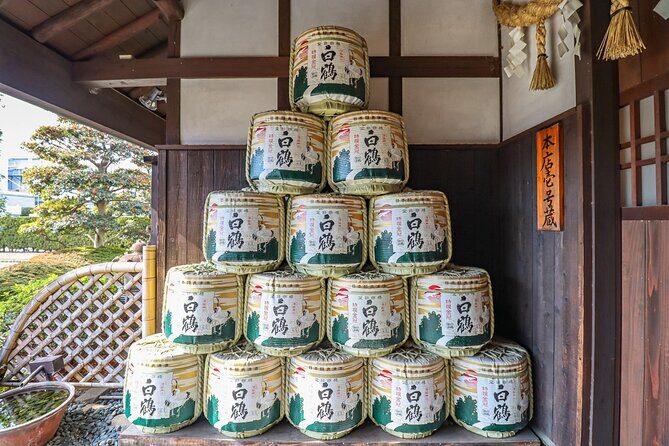
Stop 3 at Hakutsuru Sake Brewery Museum: seeing sake history in-place
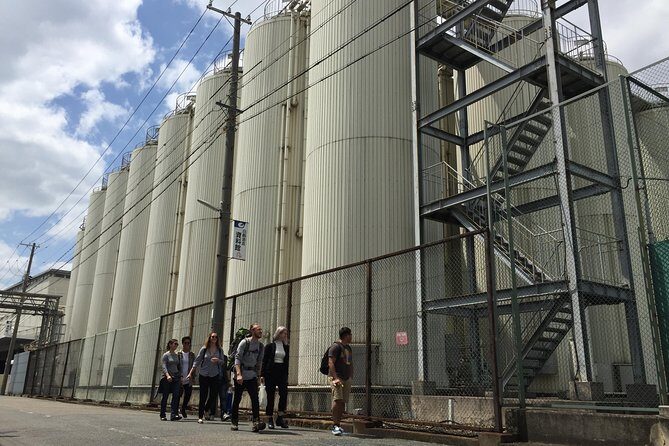
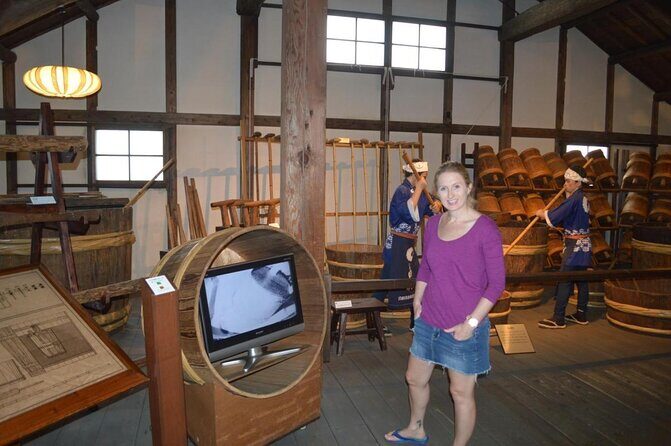
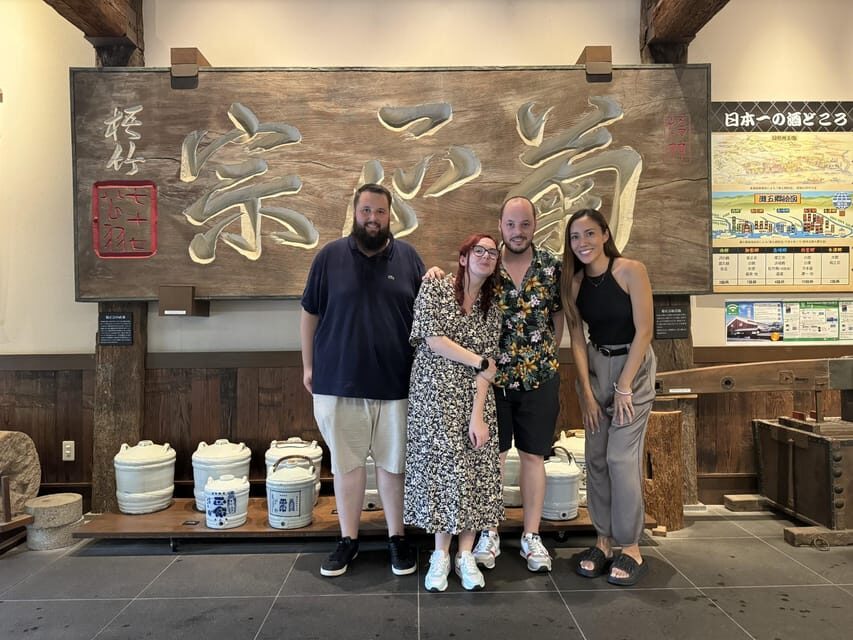
Then you head to Hakutsuru Sake Brewery Museum. This is a museum stop built around brewery heritage—old brewhouse structures shown in their original form. It’s also tied to the fact that Hakutsuru is described as Japan’s largest brewery, so you’re not just seeing small-scale tradition; you’re seeing how large production still connects back to methods and craft spaces.
Why this stop is valuable (even if you’re not a museum person):
- You get visual context for how the process works.
- You can connect what you tasted earlier to the physical environment where sake is made.
- A museum stop gives your brain a chance to organize what you learned so far.
One small consideration: museum time can feel more educational than sensory. If you’re mainly chasing flavor, plan to lean on your guide for what to look for while you’re walking through the space.
Other Kobe sake tours we've reviewed in Kobe
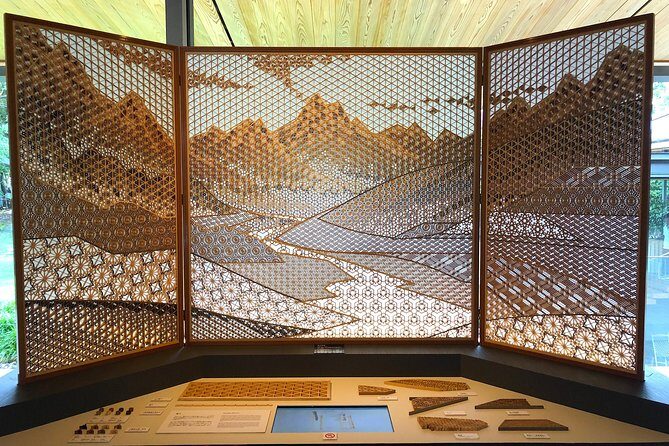
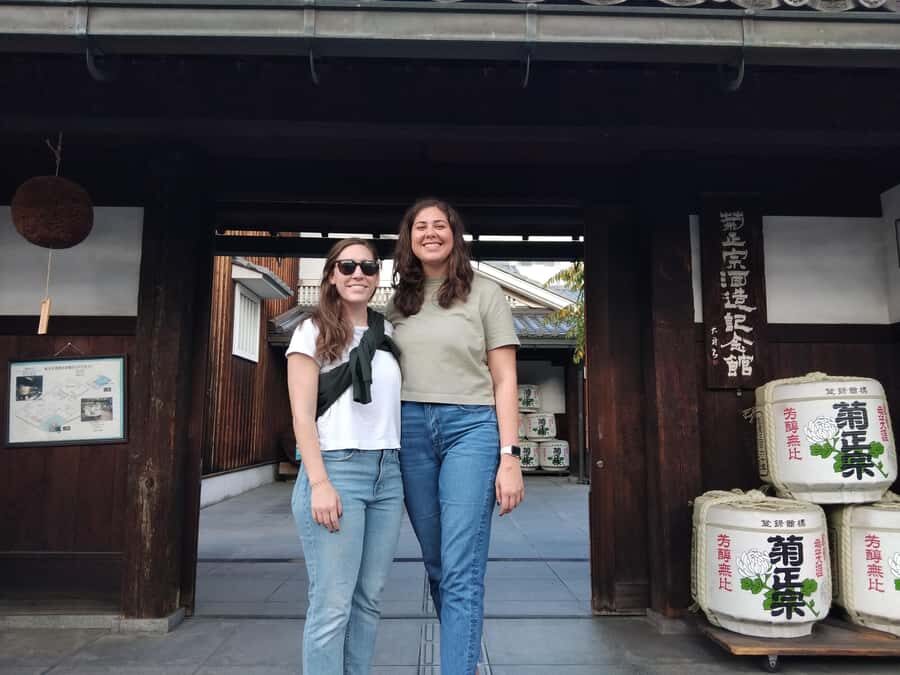
Stop 4 at Kiku-Masamune Shuzo Kinenkan: kimoto tools and tradition
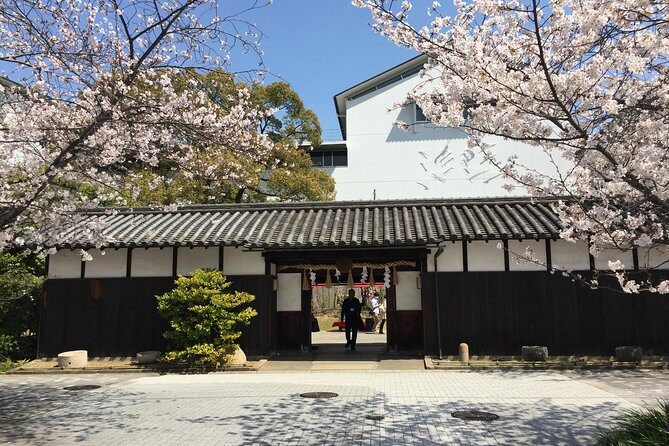
The final major stop is Kiku-Masamune Shuzo Kinenkan, known for keeping the traditional kimoto-method approach. This stop is museum-style and focused on showing tools used in sake making, including wooden implements connected to the process.
This is where the tour starts rewarding the people who care about method. The kimoto approach is the kind of detail that can sound technical until your guide ties it back to flavor outcomes. Even if you can’t remember every term, you’ll likely leave with a better sense of how brewing choices translate into differences in character.
Practical note: museum stops mean more walking indoors and around exhibit spaces. Comfortable shoes still win here.
What you’ll actually taste (and how to learn fast)
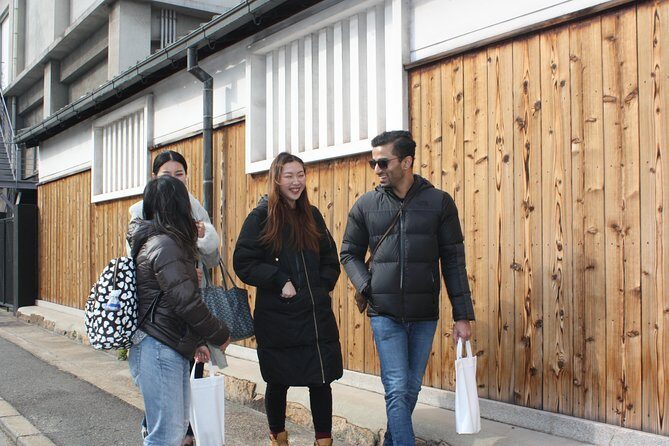
You’re tasting premium sake across different categories mentioned in the tour overview: unfiltered and seasonal specialties, plus the idea that each brewery’s approach leads to its own style. The tastings are included, with a stated allowance of ¥2,000 worth, so your time is built around comparing rather than budgeting every sip.
A good way to learn during the tour:
- Taste in order, then pause and name it simply: light or full, dry or softer, aroma-forward or more mellow.
- Pay attention to temperature. Even within the same style, warm versus chilled can shift how you perceive sweetness and aroma.
- Ask your guide which style to expect next. When the guide tells you what you’re about to taste, you start noticing patterns instead of random differences.
From the guide stories people share (like Hiro, Romi, Aki, and Aya), one thing keeps coming up: the guides don’t just talk history. They help you sort out what you like and why. That’s the difference between a tasting tour and a tasting tour that teaches.
And yes, shopping is part of the fun. Many people end up wanting souvenirs after tasting. The tour also has enough time for that kind of browsing at the stops, rather than forcing a frantic rush.
Guide factor: English explanations, warm hosting, and practical care
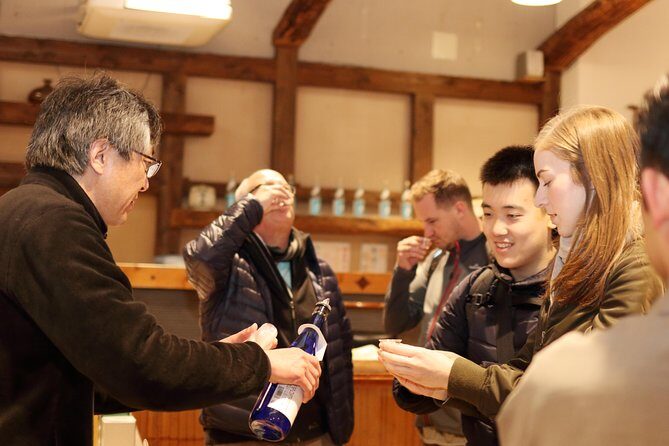
This tour’s reputation isn’t just about sake. It’s about how the day feels in motion. Guides are described as professional, friendly, and actively focused on answering questions.
A few guide details that stand out from what people report:
- Guides like Hiro and Romi are repeatedly praised for clear explanations and a friendly pace.
- On very hot days, guides brought practical help like water and fans, and even umbrellas for sun protection.
- You’ll often hear extra context tied to the region, including why Nada is considered a top sake-producing area, with mentions like the Rokko Mountain water connection.
This matters because you’re walking between stops. If you’re comfortable and hydrated, the tastings land better—and you remember more.
Walking shoes, water, and the heat reality
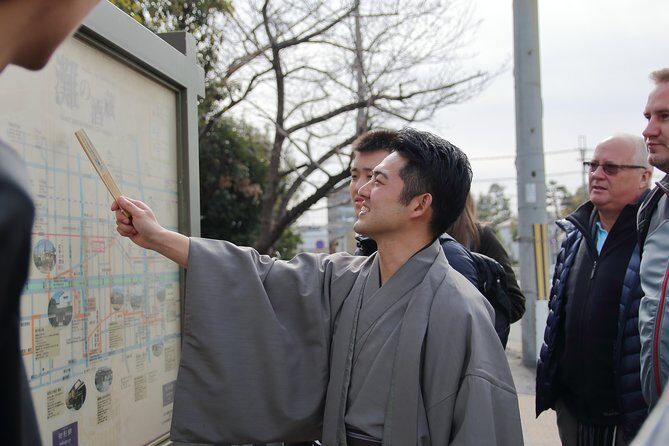
A walking tour in Kobe’s sake district isn’t a sprint, but it is real footwork. Reviews emphasize wearing good walking shoes, and I agree with that logic. You’ll be moving between breweries and museum spaces, and your comfort decides whether the day feels relaxed or stressful.
Also, bring water when you can. Even though guides are reported to bring water on hot days, you’ll still appreciate having your own bottle so you can sip whenever you want.
And if you’re the kind of traveler who might spit during tastings for professional evaluation: the tour information says you should contact in advance. That’s a specific instruction, so don’t skip it if it applies to you.
Price and value: why $109 is not just a tasting price
At $109.01 per person, this can look like a “sake splurge” until you break down what’s included. The tour lists sake tasting value of ¥2,000 worth, plus taxes, fees, handling charges, and a professional guide.
The best value here is not just the number of sips. It’s the structure:
- You get multiple brewery-related stops, including a museum.
- Tastings are part of the schedule, not an add-on.
- The route covers the Nada area with a local guide, so you’re not guessing which places matter or how to compare them.
There’s also a small-group cap (max 10), which usually means better pacing and better questions. If you’re traveling solo or with a friend group, that can feel more personal than a larger tour.
And because it has a mobile ticket and group discounts, it’s set up for easy booking and smooth entry once you’re there.
Who this tour is best for
I’d point this tour toward you if:
- You want to learn sake without needing to be an expert first
- You like walking tours that include food or tastings
- You’re curious about how brewing method and region shape flavor
- You want a Kobe experience that isn’t limited to the main tourist strips
It’s also a good fit if you’re traveling with friends and want social energy. Small group size helps conversation, and guides are described as encouraging questions.
One constraint: it’s not recommended for children aged 19 and under. If you’re traveling with younger kids, you’ll likely want a different plan.
Quick planning tips before you go
Here’s what I’d do before your day:
- Wear comfortable walking shoes and plan for a lot of steady movement.
- Bring water and some sun protection if it looks hot.
- Keep some space in your bag for bottles and souvenirs—you may find you want to take a few things home after tasting.
- If you care about formal tasting practices (like spitting for evaluation), message the provider in advance.
Also, the tour requires good weather. If weather turns, you should expect a different date or a full refund as part of the provider’s weather approach.
Should you book the Kobe Sake Tasting Tour at Breweries?
If you want a Kobe afternoon that mixes real local place with actual learning, I think this is an easy yes. The tour is built around a strong region, multiple brewery-focused stops, and tastings that feel integrated rather than scattered. You’re paying for guidance and comparison, not just alcohol.
I’d hesitate only if you hate walking or you’re expecting a very short, low-footprint tasting. Since the experience is about moving between sites for around 3.5 hours, comfort matters.
If your goal is to taste widely across Nada styles—unfiltered and seasonal—while learning how kimoto and other brewing choices shape flavor, this is the kind of tour that tends to pay off fast.
FAQ
What is included in the tour price?
The tour includes sake tasting (listed as ¥2,000 worth), a professional guide, and all taxes, fees, and handling charges.
How long is the Kobe sake tasting tour?
It runs for about 3 hours 30 minutes.
How many people are in the group?
The tour has a maximum of 10 travelers.
Where does the tour start and end?
It starts at Ishiyagawa Station (address provided in the booking info) at 1:00 pm and ends at Hanshin Uozaki Station (address provided in the booking info).
Is transportation to and from the tour included?
No. Transportation to and from the attraction is not included.
Which stops are part of the experience?
The tour includes stops at Kobe Shushinkan Brewery, Okage Tofuan, Hakutsuru Sake Brewery Museum, and Kiku-Masamune Shuzo Kinenkan.
Is it okay to spit during tastings?
If you intend to spit during the tasting for professional evaluation practices, the tour notes that you should contact in advance.
More Breweries in Kobe
More Kobe Sake Tours in Kobe
More Sake Tasting Experiences in Kobe
More tours in Kobe we've reviewed
Kobe Sake Tours, compared.
 ★ 5.0Kobe: Guided Sake Breweries Tour with TastingsFrom $1063h 30m
 ★ 5.0Sake Brewery and Japanese Life Experience Tour in KobeFrom $83
 ★ 4.51-Day Kobe Highlights Tour including Sake TastingFrom $171
 ★ 4.4Kobe: 3-Hour Sake Breweries Tour with Special TastingFrom $94
 ★ 5.0Exploring Nada Sake Breweries Kobe Private Tour with Government-Licensed GuideFrom $154
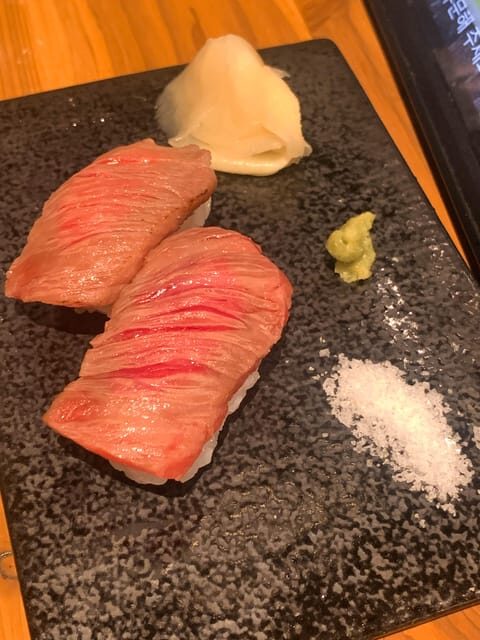 ★ 5.0Kobe: Sake Brewery Tour with Tasting and Kobe Beef BitesFrom $83150 minutes - 3 hours
 ★ 4.7Kobe: Sake Brewery Tour with Tasting SakeFrom $833h 30m
 ★ 5.0Cruise Shore Excursion: Kobe Sake Tasting with Local GuideFrom $1416 hours
The lists this tour appears in