
Reviewed · KOBE SAKE TOURS
Full Day Walking Tour Around Kobe Mountains Sea and Sake
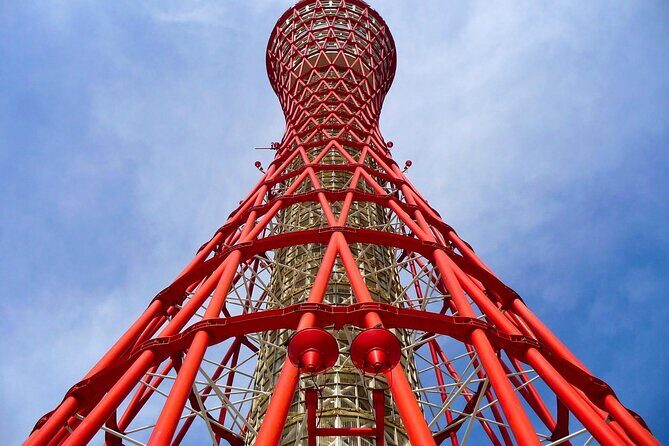
Kobe feels like it was built for a one-day sampler. This full-day walk strings together mountain views and sea-city night lights, with a real local-style route through neighborhoods like Kitano and Chinatown. I especially like how the day blends famous sights such as Kobe Tower and Ikuta Shrine with smaller, easy-to-miss stops, and the pace is guided so you’re not figuring everything out alone.
Two highlights for me: you get a proper scenic break at Kobe Nunobiki Herb Gardens (with ropeway and garden time), and you finish with a sake-tasting experience connected to Kobe’s brewing areas in Itami/Nada. The one drawback to plan for is simple: it’s an 8-hour day with several legs and walking between spots, and lunch isn’t included, so budget time and cash for a meal in Chinatown.
In This Review
- Key Things I Think You Should Know Before You Go
- A One-Day Kobe Plan That Actually Feels Like Kobe
- The Morning Start at Shin-Kobe: Convenient, Organized, and Not Chaotic
- Nunobiki Herb Gardens and the Ropeway: Your Scenic Reset
- Kitano Ijinkan-gai: Old-World Streets and a Cultural-Property Photo Stop
- Ikuta Shrine and Ikuta Forest: Calm Grounds Plus Water Fortune Telling
- Kobe Chinatown Nankinmachi: Lunch Time With Street-Food Options
- Itami and Nada Sake Area: One Paid Tasting Ticket Done Right
- Harbourland Night View: A Port City Finish You’ll Remember
- Price and Value: Is $150.50 Worth It
- Who This Tour Fits Best (and Who Might Want Something Else)
- The Guide Factor: Why This Tour Feels Smooth
- Should You Book This Kobe Mountains, Sea, and Sake Walking Tour?
- FAQ
- What time does the tour start?
- Where does the tour meet?
- Does the tour include entrance tickets?
- Is lunch included?
- Do I get a sake tasting?
- Is the tour mostly walking?
- How large are the groups?
Key Things I Think You Should Know Before You Go
- Nunobiki Herb Gardens + ropeway: a scenic start that sets the mood for the whole day.
- Kitano Ijinkan-gai photo stop: you’ll pass a Starbucks in the Kitano area connected to a Tangible Cultural Property building.
- Ikuta Shrine isn’t just a postcard: you can try water fortune telling at Ikuta Forest.
- Chinatown is more than a pass-through: there’s time for lunch and street-food wandering in Nankinmachi.
- Sake time is built into the route: you get one paid sake ticket tied to the Itami and Nada Gogo brewing areas.
- Small groups (up to 20): the itinerary feels paced, not rushed, and your guide can answer questions.
A One-Day Kobe Plan That Actually Feels Like Kobe
If you’re working with limited time, you want a day that does two things at once: helps you understand the city’s geography, and gives you a few “I get it now” moments you can’t easily copy on your own. This tour is designed for exactly that. You start in the Shin-Kobe area and move through mountain viewpoints, older shrine grounds, foreign-influenced streets in Kitano, and the food-and-shopping energy of Nankinmachi, then end down by the port for night illumination.
I like that it’s not only about ticking off big names. The day gives context for Kobe’s two faces: hill towns and sea life. That’s why Nunobiki Herb Gardens matters so much early on—it’s not random scenery. It helps you feel the city’s vertical layout, so later, neighborhoods and sea views make more sense.
It also helps that the tour runs with an English-speaking guide. In a small group (maximum 20), you’re more likely to get clear explanations and practical directions—exactly what you want on a packed day. One review praised the guide’s calm pace and helpful explanations, and I’d treat that as a sign this tour aims to be more than a fast conveyor belt of stops.
Other Kobe sake tours we've reviewed in Kobe

The Morning Start at Shin-Kobe: Convenient, Organized, and Not Chaotic
Meeting at Shin-Kobe Station is a smart choice. It’s easy to reach and helps you avoid the stress of getting across town before the walking even starts. The tour begins at 9:30 am, and it’s built as an all-day route that’s approximately 8 hours long, so you’ll want to treat it like a full commitment—not a casual half-day stroll.
What makes the start work well is that the day includes train tickets required for the tour. That means you’re not constantly deciding what line to take while also trying to keep up with timing. For a city like Kobe, where transfers can eat into your day, having the transit handled is real value.
If you’re sensitive to long days, build your expectations around “movement with breaks,” not “all walking all the time.” The itinerary includes set blocks for each major stop, plus sightseeing opportunities that don’t require you to keep your phone out the whole time. You’ll be walking, yes, but it’s guided walking with logical flow.
Practical tip: wear shoes you can handle for a full day. This isn’t a sit-and-sip tour, and your feet will notice if your footwear is only okay for an hour or two.
Nunobiki Herb Gardens and the Ropeway: Your Scenic Reset
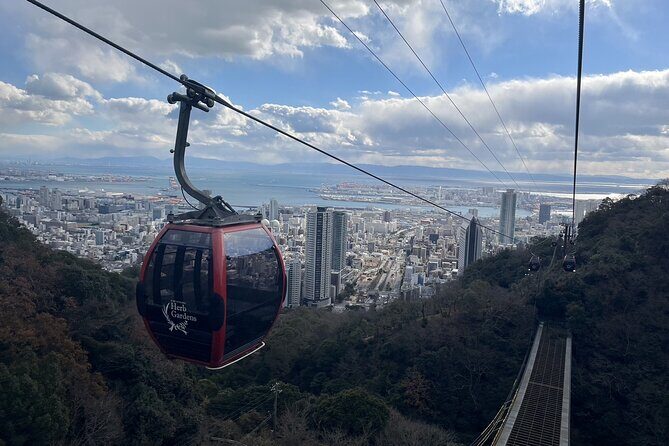
Your first major stop is Kobe Nunobiki Herb Gardens, reached via ropeway access with entrance included. This is the kind of start that pays off later, because it puts you up high where Kobe’s “mountain meets city meets sea” layout becomes obvious.
You’ll get about two hours here, which is a generous block for gardens and viewpoint time. One of the best things about this stop is the sensory angle: you’re walking through herb gardens, so you get that mix of flowers and herb aroma while you take in the views. Even if you’re not a dedicated garden person, it’s a pleasant way to transition from the transit world into the outdoors world.
What I like most is the way the viewpoint works as a visual warm-up. After Nunobiki, places like Kitano, shrine areas, and the later port-night scene all feel connected. You’re not just moving from random attraction to random attraction—you’re moving across the same city in a way that makes sense.
The only thing to consider is weather. If it’s rainy or very windy, ropeway and hillside walking can feel less comfortable. Plan layers and keep a small umbrella in your day bag if the forecast looks uncertain.
Kitano Ijinkan-gai: Old-World Streets and a Cultural-Property Photo Stop
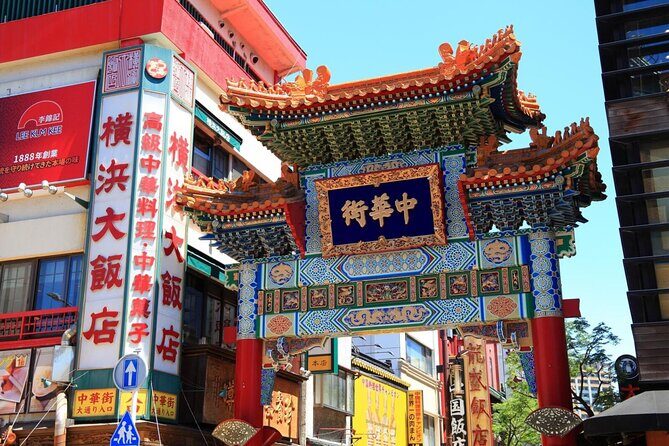
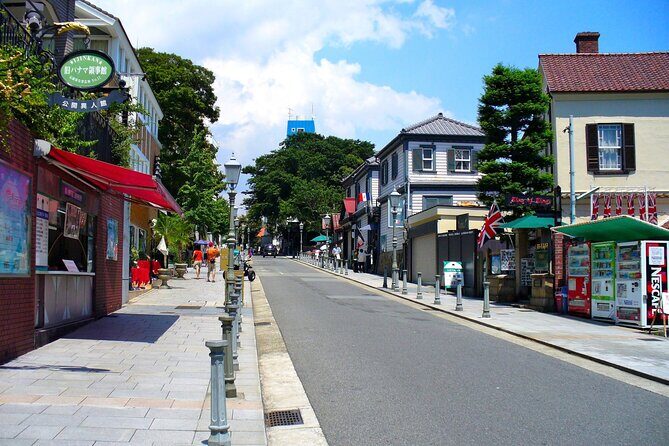
Next comes Kitano Ijinkan-gai, a neighborhood where Kobe’s historic foreign-resident era still shows in the streetscape. You’ll walk through the area and reach a well-known Starbucks stop in Kitano that’s connected to a Tangible Cultural Property building.
This matters because it’s not just a coffee break. It’s a chance to step into a specific architectural mood—one that helps explain why Kobe has this distinct international feel. The building’s design and preserved character make it a natural photo stop, and even if you don’t buy anything, it’s still worth seeing.
You’ll have about one hour here. That’s long enough to walk, look closely, and get your bearings through the streets without turning it into a full afternoon detour. If you’re the type who likes to stop and stare at doorways, staircases, and street details, you’ll appreciate the time.
One drawback to keep in mind: this is a walking stop in a neighborhood with slopes and side streets. If your pace is slower, you may want to ask your guide to adjust where you linger so you don’t feel rushed.
Ikuta Shrine and Ikuta Forest: Calm Grounds Plus Water Fortune Telling
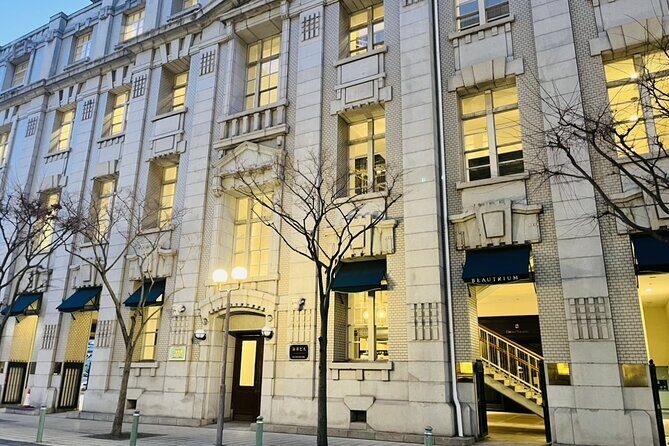
Ikuta Shrine is the oldest shrine in the prefecture, and it’s a powerful change of pace from the more urban streets you’ve covered so far. You’ll spend about an hour here, and the tour includes time to experience water fortune telling at Ikuta Forest.
Even if you’re not a shrine ritual person, the value here is the atmosphere. Shrines tend to slow the day down, and Ikuta gives you a specific kind of Kobe spirituality that feels old, grounded, and easy to observe without needing to understand everything on day one.
The water fortune-telling part adds a playful element. It gives you something active to do while staying respectful of the setting. If you like small traditions you can try once, this is a good one because it’s built into the visit and doesn’t require you to hunt for how-to info.
What I’d watch for: if you’re sensitive to crowds or standing around, go into the shrine sections prepared for short waits depending on the time of day. Your guide can help you plan your movement, so you’re not stuck in bottlenecks.
Other walking tours we've reviewed in Kobe

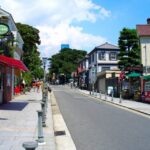
Kobe Chinatown Nankinmachi: Lunch Time With Street-Food Options
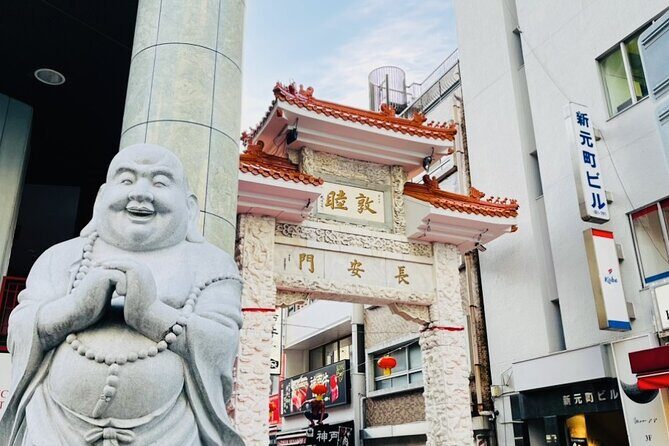
Then you head into Chinatown (Nankinmachi), where the tour allots about two hours. This stop is designed for food and atmosphere—there’s time for lunch at the restaurants in the area, plus opportunities to try street food.
Here’s the practical part: lunch isn’t listed as included, so you’ll want to decide your meal plan once you’re in the neighborhood. The tour gives you the window to do that without rushing. If you go with a group itinerary, you avoid the classic problem of arriving hungry and then spending 20 minutes deciding where to eat.
I also like the “if you finish early” idea included in the plan. It gives you a light extra wander time around nearby Motomachi area if your timing is good. That flexibility is helpful when you’re trying to balance photos, snacks, and rest stops.
One caution: Chinatown can get lively. Keep an eye on where your guide is, especially in busier street-food lanes. In a small group, it usually runs smoothly, but your attention still matters.
Itami and Nada Sake Area: One Paid Tasting Ticket Done Right
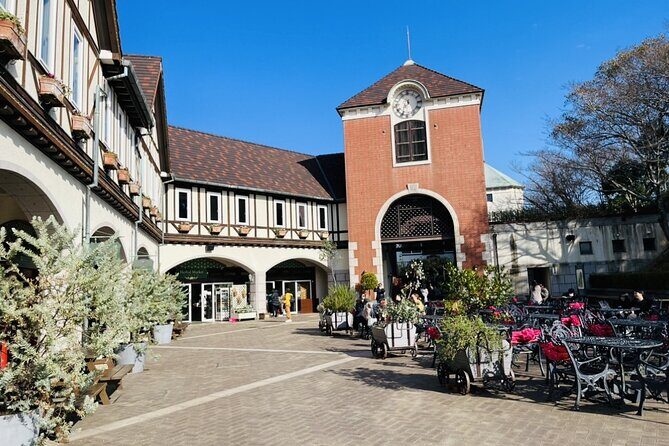
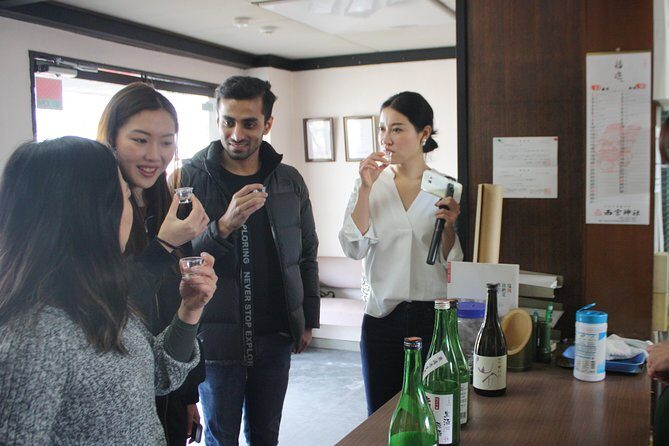
The sake portion is where the tour connects the city’s culture to its production story. You’ll finish with a stop connected to Itami Morohaku and Nada’s fresh sake, tied to the Itami and Nada Gogo brewing areas—areas famous for sake brewing.
You get one paid sake ticket. The itinerary doesn’t spell out multiple tasting pours, so I’d treat this as a focused sampling moment: enough to let you taste, ask questions, and understand the basic identity of Kobe-area sake without turning your day into an all-consuming alcohol session.
This is also where your guide’s explanation matters. A good sake tasting experience is partly about flavor and partly about context—why this region, why this style, and how the local production culture fits into Kobe’s identity as a port city. Even without a long classroom-style segment, the tour format keeps the explanation connected to what you’re doing.
Safety note: pace yourself. Even if you only have one ticket, you’ll still be walking and later heading toward a night-view area. Drink water and keep your energy steady.
Harbourland Night View: A Port City Finish You’ll Remember
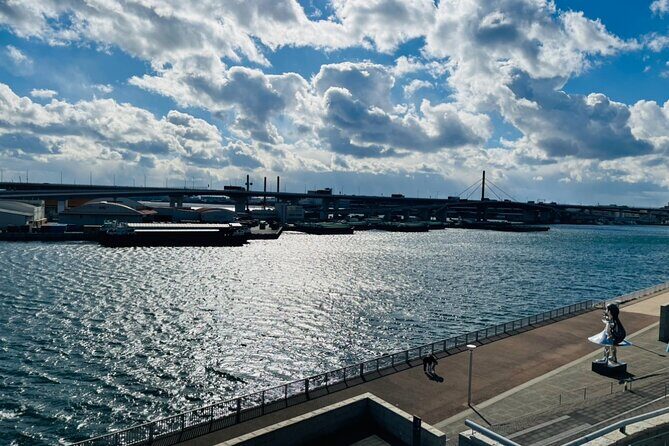
After the sake stop, the tour returns to the port area and makes room for the night view. The highlight mentioned is Harbourland, where you can enjoy illumination around the harbor.
This is a great way to close the loop. During the day, you climb and walk through different Kobe “zones.” At night, you come back to the sea-facing side and get that visual contrast: city lights against water and a more relaxed atmosphere than the daytime streets.
About two hours is allocated here, which is enough time to slow down and enjoy. Night views can feel like the last stretch where people lose energy, but Harbourland is the kind of finish that gives you a reason to stand still for a bit and just look.
Tip: if it’s cold or breezy, wear something warmer than you think you need. Harbor areas often cool down, and the last part of the day is when fatigue makes you notice temperature more.
Price and Value: Is $150.50 Worth It
At $150.50 per person for a tour that’s about 8 hours, it’s not the cheapest way to see Kobe. But the pricing makes more sense when you look at what’s actually included.
You get:
- entrance fees for Kobe Nunobiki Herb Gardens and ropeway
- train tickets required for the tour
- one paid sake ticket
- an English-speaking guide
You also get a planned route that covers multiple neighborhoods that are not just “one street over” from each other. For many travelers, the biggest value isn’t any single attraction—it’s the time saved and the stress removed by having the transit and pacing handled.
What you should budget separately:
- lunch in Chinatown (not listed as included)
So is it worth it? If you like structure, want a guide to connect the dots, and prefer not to piece together transit + tickets + route logic yourself, the value is strong. If you’re a total DIY planner with unlimited time, you can build something similar. But for a one-day visit where you want maximum payoff, this is priced like a “time-saving Kobe orientation.”
One extra signal: the tour is booked about 25 days in advance on average. That suggests it’s popular, especially for first-time Kobe visitors.
Who This Tour Fits Best (and Who Might Want Something Else)
This tour is a good match if you want a guided day that feels like a curated path through Kobe’s mix of mountains, heritage, food, and sake. It’s especially suitable for first-timers who don’t want to spend their limited time figuring out where everything is.
It’s also ideal if you enjoy:
- sightseeing with context (not only photo stops)
- walking with breaks planned into the day
- eating in a neighborhood where you can sample street food
The pacing might be less ideal if you have limited mobility or tire quickly with day-long walking and transit. The tour does say most travelers can participate, but the day is still packed with moving between sites.
If you’re traveling with a “one day, many highlights” mindset, this is your kind of day. If you’d rather take it slow and linger in fewer places, you might feel pressure to keep up.
The Guide Factor: Why This Tour Feels Smooth
The best clue about quality is the guide experience. One review specifically mentioned a guide named Wingki, praising her politeness, the amount of information she shared, and how she took her time explaining things and stayed helpful throughout.
That kind of guide approach matters because it turns a list of stops into a storyline. You’re not just walking from point A to point B—you’re learning how Kobe’s neighborhoods connect, why those places matter, and what to pay attention to while you’re there. When a tour guide is patient and willing to explain, you feel like you’re getting value from the time you spend.
In a small group setting (up to 20), that explanation can also be more interactive. Even if you don’t ask lots of questions, you benefit when the guide clarifies what’s ahead.
Should You Book This Kobe Mountains, Sea, and Sake Walking Tour?
I’d book it if you have one day in Kobe and you want an easy-to-follow plan that covers mountains, heritage streets, Chinatown food time, and a sake finish with a night view. It’s a practical “get your bearings fast” day that still has enough variety to feel fun, not repetitive.
I’d hesitate if you don’t like long days of walking, or if you want a more flexible, pick-your-own-adventure style without set stops. Also plan to handle lunch on your own in Chinatown.
If your goal is a single day that helps you understand Kobe—where it sits, how the neighborhoods differ, and why sake fits into the story—this tour is a strong choice.
FAQ
What time does the tour start?
The tour starts at 9:30 am and runs for approximately 8 hours.
Where does the tour meet?
The meeting point is Shin-Kobe Station (1-chōme-3-1 Kanōchō, Chuo Ward, Kobe, Hyogo 650-0001, Japan).
Does the tour include entrance tickets?
Yes. Entrance fees for Kobe Nunobiki Herb Garden and the ropeway are included.
Is lunch included?
Lunch is not included. The tour includes time to have lunch in Kobe Chinatown (Nankinmachi).
Do I get a sake tasting?
Yes. The tour includes one paid sake ticket.
Is the tour mostly walking?
It is a walking tour across multiple neighborhoods, with scheduled time at each stop and train travel included for required segments.
How large are the groups?
The tour has a maximum of 20 travelers.
If you tell me your travel dates and whether you care more about photos, food, or views, I can suggest a smart day plan around this tour.
More Walking Tours in Kobe
More Kobe Sake Tours in Kobe
More tours in Kobe we've reviewed
Kobe Sake Tours, compared.
 ★ 5.0KOBE Sake Tasting Tour at Breweries (tasting fee included)From $109
 ★ 5.0Kobe: Guided Sake Breweries Tour with TastingsFrom $1063h 30m
 ★ 5.0Sake Brewery and Japanese Life Experience Tour in KobeFrom $83
 ★ 4.51-Day Kobe Highlights Tour including Sake TastingFrom $171
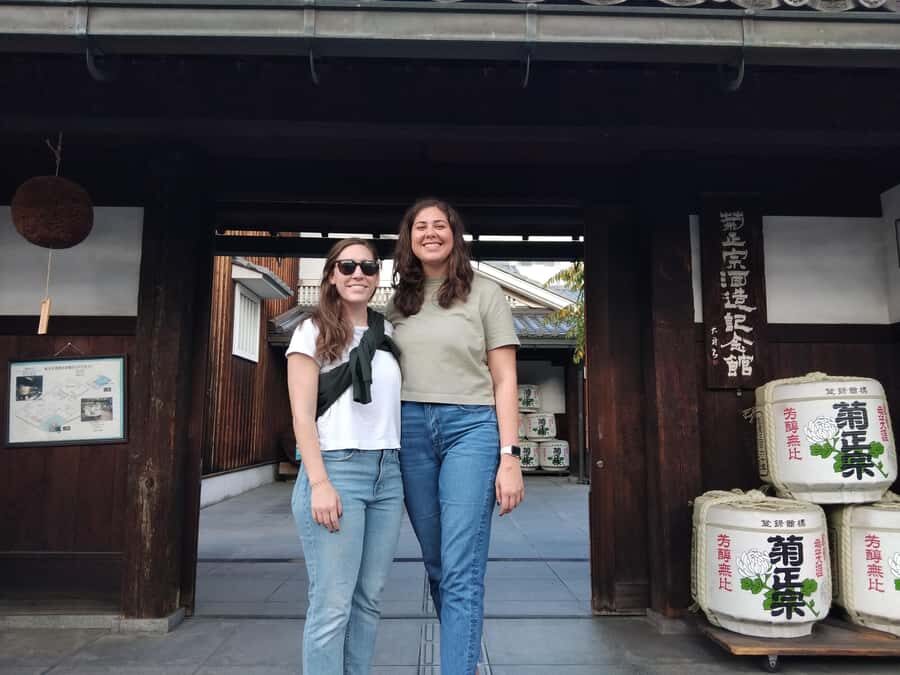 ★ 4.4Kobe: 3-Hour Sake Breweries Tour with Special TastingFrom $94
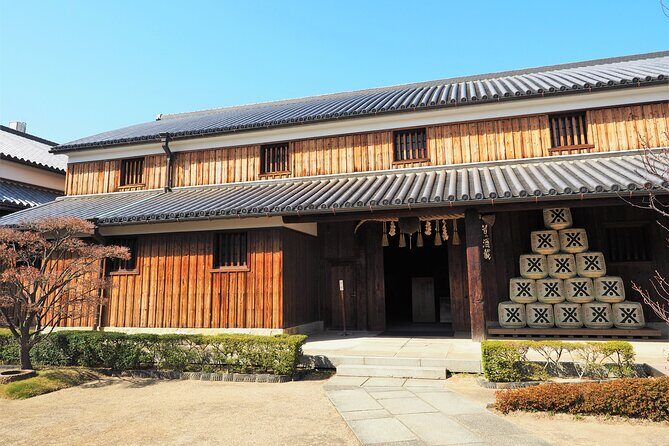 ★ 5.0Exploring Nada Sake Breweries Kobe Private Tour with Government-Licensed GuideFrom $154
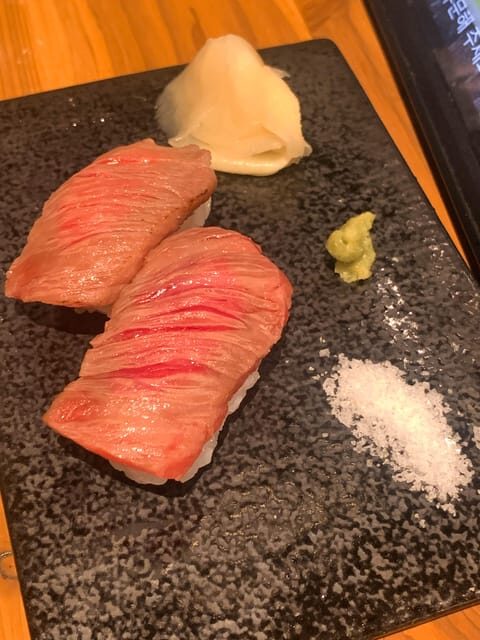 ★ 5.0Kobe: Sake Brewery Tour with Tasting and Kobe Beef BitesFrom $83150 minutes - 3 hours
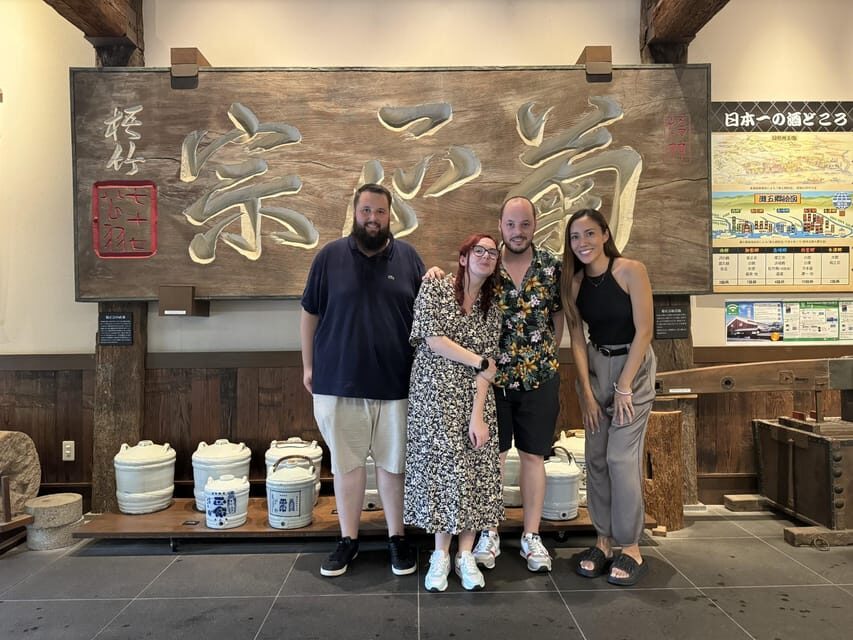 ★ 4.7Kobe: Sake Brewery Tour with Tasting SakeFrom $833h 30m
The lists this tour appears in