
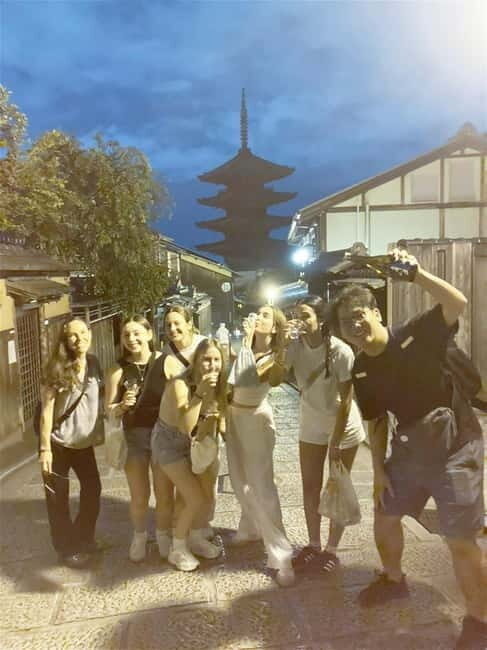
Reviewed · KYOTO DRINKING TOURS
Kyoto: Gion Evening Walk with Hidden Gems, Geisha & Sake
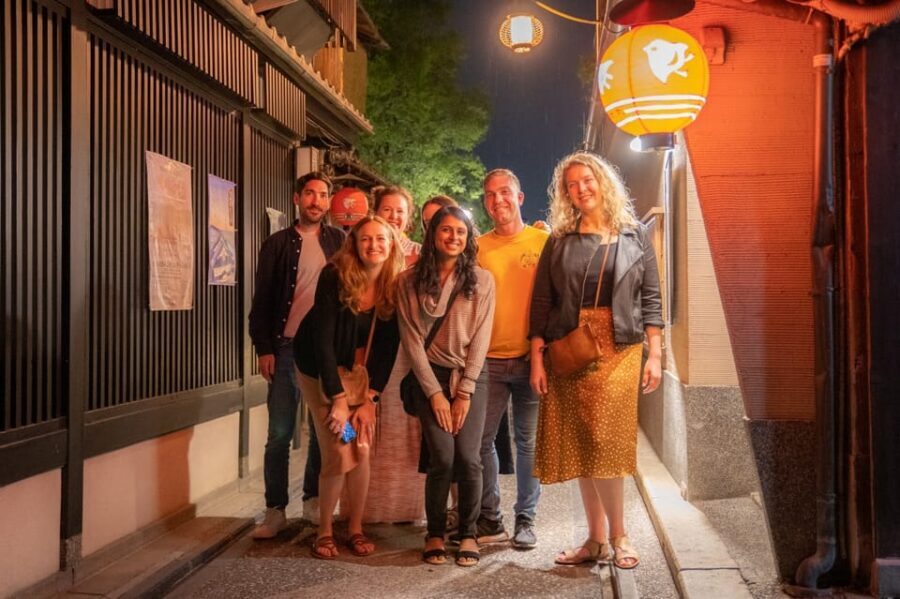
Gion looks better after dark. I love how this small-group evening walk keeps you in Kyoto’s Geisha district when the big crowds have thinned, so the streets feel calm and readable. I also like the included sake, which turns history into something you can actually taste as you move between shrines and old streets.
The one thing to plan for: it’s still a walking tour. Wear comfy shoes, keep your pace steady, and if you have back problems, this may not be your best match.
In This Review
- Key things that make this Gion night walk worth your time
- Gion after dark: why the timing changes everything
- Meeting at Shijo Kiyamachi: start point matters more than you think
- Walking with a guide you can actually talk to
- Hanamikoji Street at night: the Geisha lanes with breathing room
- Yasui Kompira-gū Shrine: the power-stone ritual in plain terms
- Hōkan-ji Temple and the Yasaka Pagoda: night lighting without the daytime grind
- Ninenzaka after dark: traditional streets that feel like a time jump
- Finishing at Yasaka Shrine: when the walk turns from street to spirit
- Sake included: how to enjoy it without losing the vibe
- Photo help on night streets: the practical advantage
- Price and value: what $32 buys you in Kyoto time
- Who should book this (and who should skip it)
- The vibe check: a relaxed evening, not a sprint
- Should you book this Gion evening walk?
- FAQ
- How long is the Kyoto Gion evening walk?
- What group size is this tour?
- Is sake included?
- Where do I meet the guide?
- What are the main sights on the route?
- Is the tour guide English-speaking?
- What should I bring, and is it okay if I have back problems?
Key things that make this Gion night walk worth your time
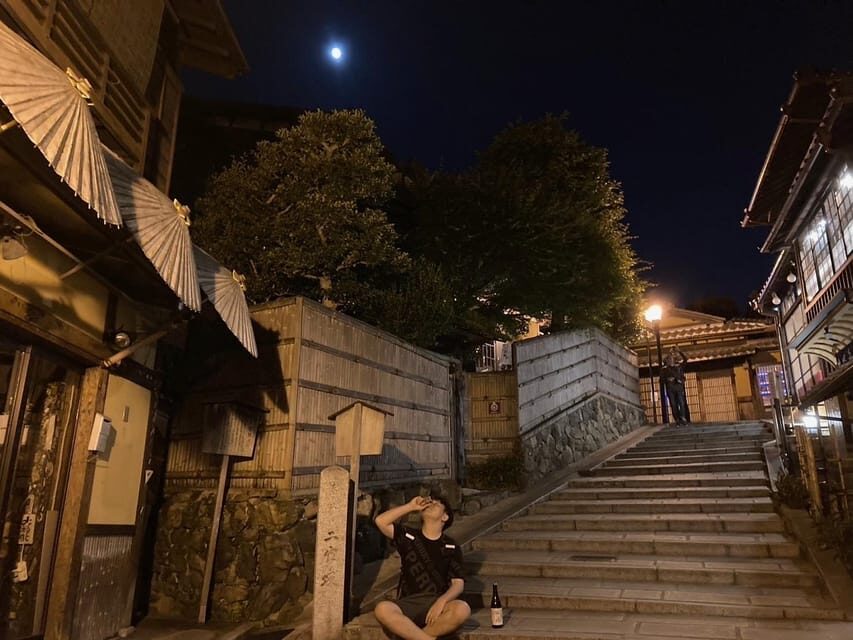
- Lantern-lit Gion at night when Hanamikoji Street feels quieter and more photogenic
- Photo assistance at key stops so you’re not guessing angles in the dark
- Yasaka Pagoda (Hōkan-ji Temple) lighting without daytime crush
- Two shrine stories that explain local rituals in plain English
- Sake included as you stroll, with a guide who helps you enjoy it responsibly
- Max 10 people, so you can actually ask questions (and get real answers)
Gion after dark: why the timing changes everything
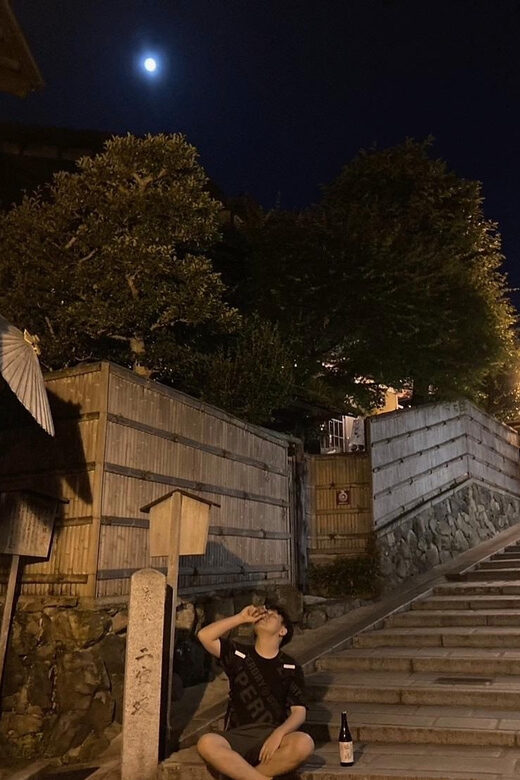
Kyoto’s Gion district is famous for a reason. But the real difference comes when night falls. The lantern light softens the edges, alleys feel less like a maze, and you get time to notice details you’d miss in the daytime rush.
This 90-minute walk is built around that moment. You’ll see iconic spots—without the day-ticket chaos—and you’ll be moving at a relaxed pace. That pace matters because Gion is a neighborhood you read with your eyes. Slow helps.
Other Kyoto drinking tours we've reviewed in Kyoto


Meeting at Shijo Kiyamachi: start point matters more than you think
Your tour meets at Shijo Kiyamachi, where an Otatrip guide is holding a sign that says Otatrip Guide. The location is between McDonald’s and the Japanese restaurant Kikunoi Roan, just a little south along Kiyamachi Street.
I recommend you arrive a few minutes early and do one quick scan: the guide will be visible, but you don’t want to be the person doing a last-second sprint at night streets. The tour starts promptly.
And yes, you’ll be in a residential and sacred-area zone for parts of the walk. Keep voices low. It’s respectful, and it also keeps the atmosphere from turning into noise.
Walking with a guide you can actually talk to
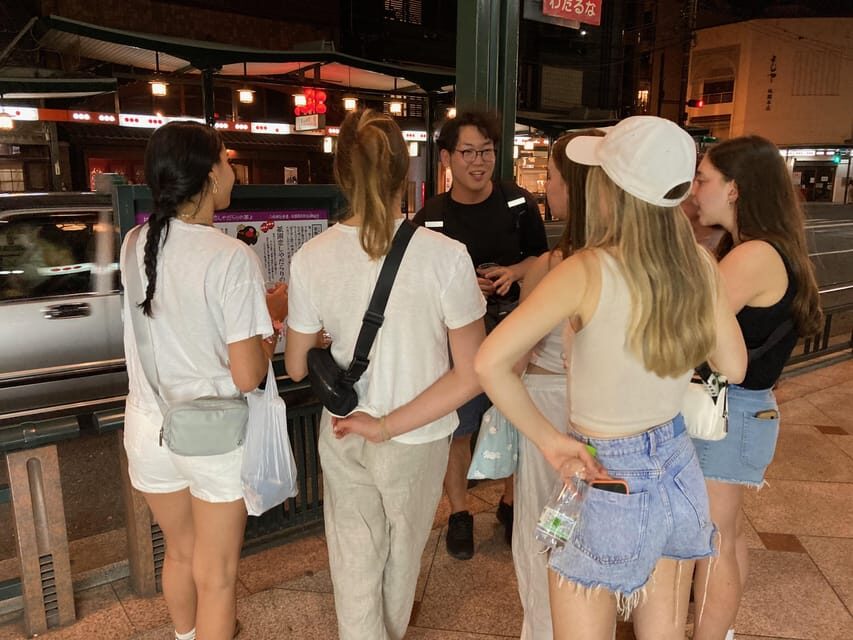
This isn’t a lecture where you watch from behind a group. The whole point is conversation. With a small group (up to 10), you can ask about anything from how Geiko and Maiko culture works to what to do next in Kyoto.
In the feedback for this tour, guides named Shumpei and Nick come up as friendly, funny, and patient—exactly the kind of vibe that helps you feel comfortable asking questions. One person even said the guide helped them feel confident in places they might have found intimidating alone.
You’ll also get practical photo help at stops. That’s not just, take a picture here. It’s more like: how to frame it, where to stand, and how to avoid awkward glare or dark faces on night streets. You’ll still be doing the walking, but you won’t feel lost.
Hanamikoji Street at night: the Geisha lanes with breathing room
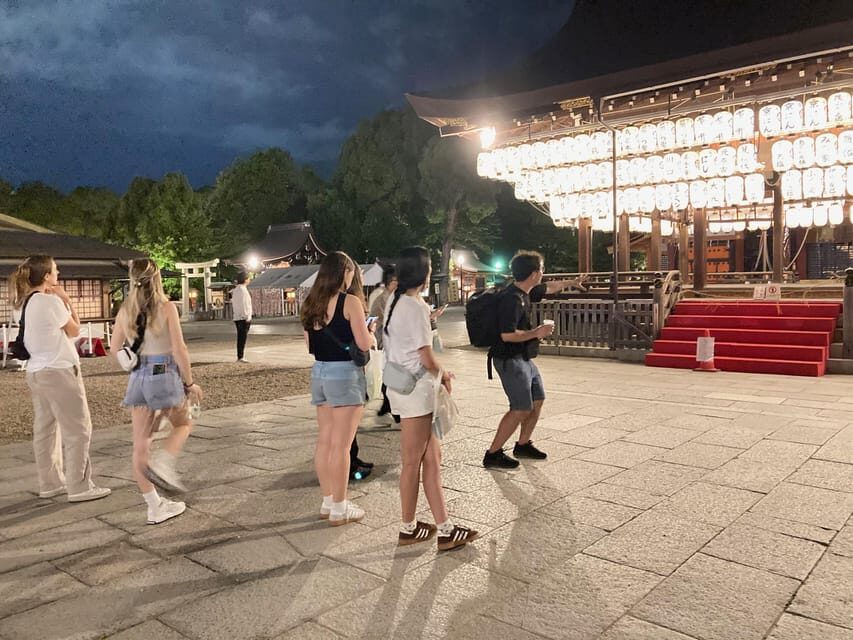
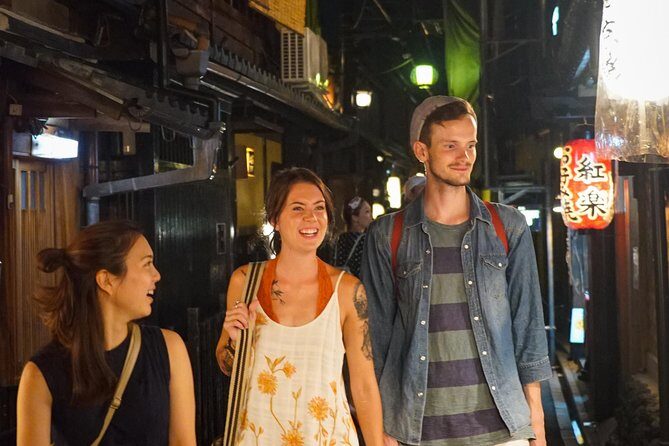
Most people come to Gion for the photos, and Hanamikoji Street is usually the main reason. At night, it’s still iconic, but it’s different: the tea-house frontage and traditional atmosphere feel easier to take in.
You’ll get a photo stop and time to look around during the Gion portion of the route. This is where you’ll start noticing patterns—wooden facades, lantern glow, and the way the street reads as a living neighborhood instead of a set.
What I like for you here: you’re not just seeing a landmark. You’re getting a feel for the rhythm of the area, and the pace gives you room to catch the quiet moments between the footsteps.
Yasui Kompira-gū Shrine: the power-stone ritual in plain terms
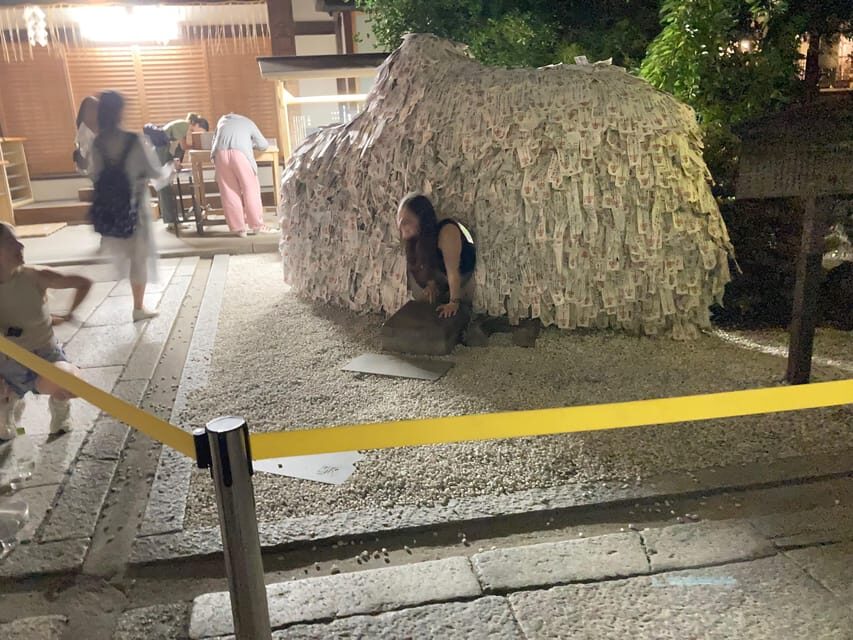
Next comes Yasui Kompira-gū Shrine, a site with a specific local story: it’s known for a unique power stone. People come to cut bad ties and build good ones, and your guide explains the meaning in a way that doesn’t require you to already know Shinto.
The practical benefit of this stop is that it breaks up the street scenery with something more grounded. You shift from lantern-lined lanes into a space where ritual and everyday faith meet.
Watch for: the mood shift. This stop asks you to slow your brain down. You don’t need to memorize anything. Just let the place do the work—then listen as your guide connects the dots.
Other walking tours we've reviewed in Kyoto

Hōkan-ji Temple and the Yasaka Pagoda: night lighting without the daytime grind
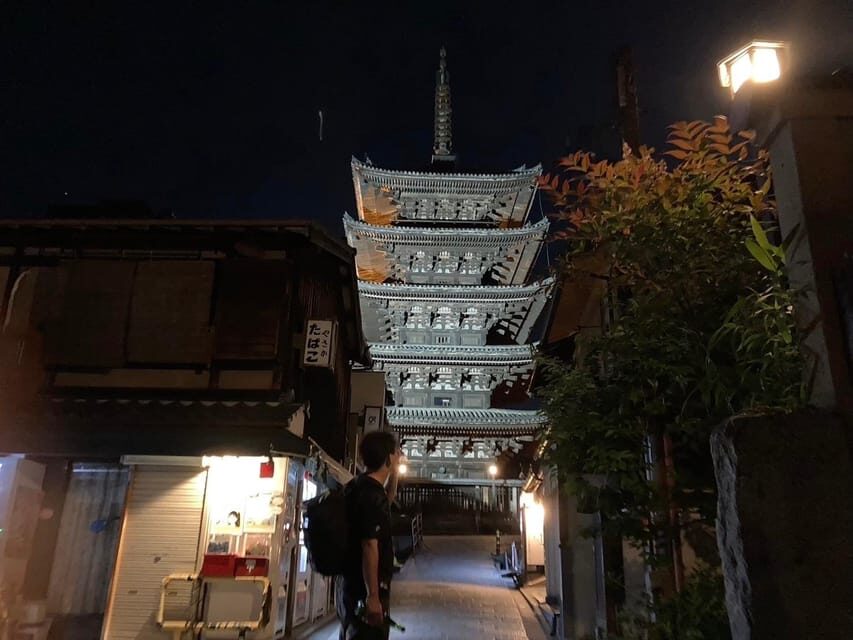
The tour includes Hōkan-ji Temple, and this is where the famous Yasaka Pagoda takes center stage. During the day, it can feel crowded and busy. At night, it’s lit up, so the pagoda becomes a focal point rather than a background detail.
You’ll have a photo stop and guided time here. The goal isn’t to rush through the view. It’s to help you get a good angle and appreciate the structure under the light.
Why this is good value: even if you’ve seen pictures before, night lighting changes how you perceive the layers of a five-story pagoda. It’s one of those sights where the difference between good and great photos is mostly timing and placement—both things a guide can help with.
Ninenzaka after dark: traditional streets that feel like a time jump
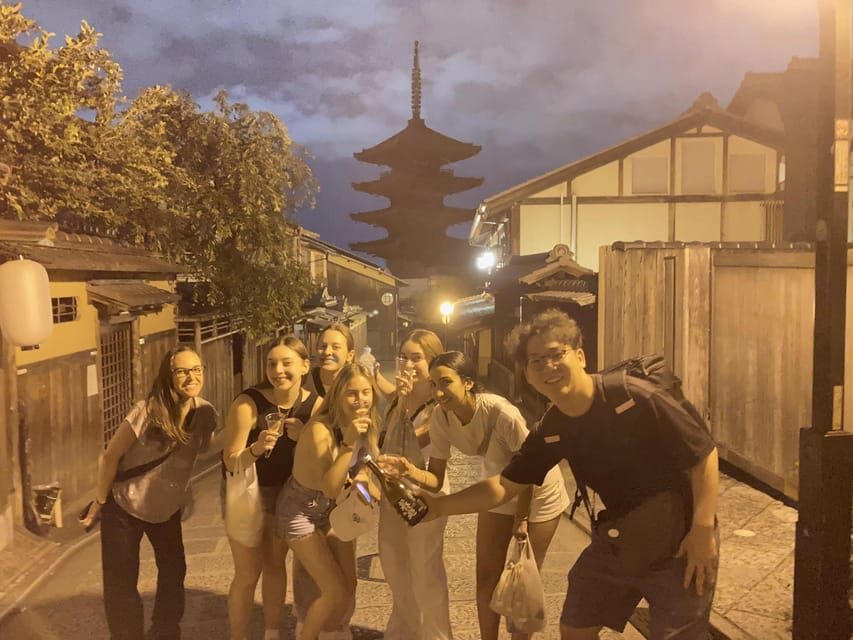
Then you move toward Ninenzaka, the cobblestone slope lined with traditional wooden townhouses. Walking it at night makes it feel less like a tourist photo line and more like stepping back into another era.
During this portion, you get another photo stop and guided time. This is a good stretch for people who like architecture and street texture. The slope also naturally slows your pace, which fits the tone of the tour.
If it rains, the streets may feel even quieter. One guide-led experience shared that rainy weather made the area unusually calm and beautiful—so if your schedule allows, you might even treat bad weather as a chance for a softer atmosphere.
Finishing at Yasaka Shrine: when the walk turns from street to spirit
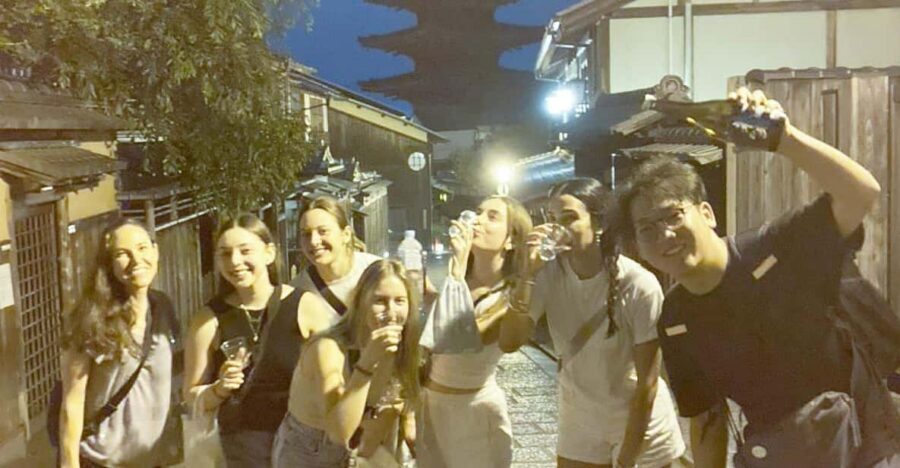
The route finishes at Yasaka Shrine, a spiritual landmark tied to Gion’s long timeline—over 1,300 years watching over the area. This end point changes the vibe. You’ve spent much of the evening on streets and landmark views. Now you land somewhere that feels more ceremonial.
It’s a strong finish because it gives your tour meaning. You don’t just leave with pictures. You leave with a better sense of why these neighborhoods and traditions shaped each other over time.
Sake included: how to enjoy it without losing the vibe
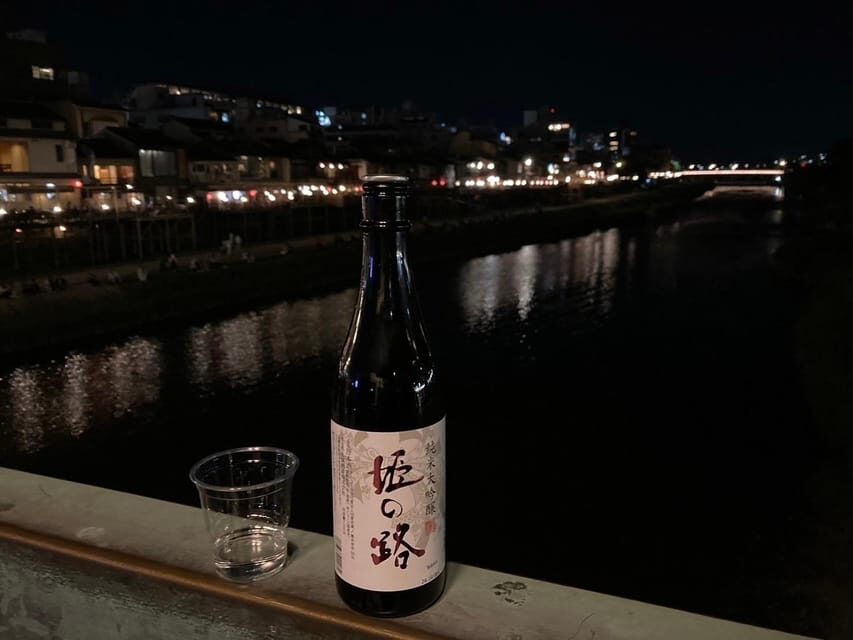
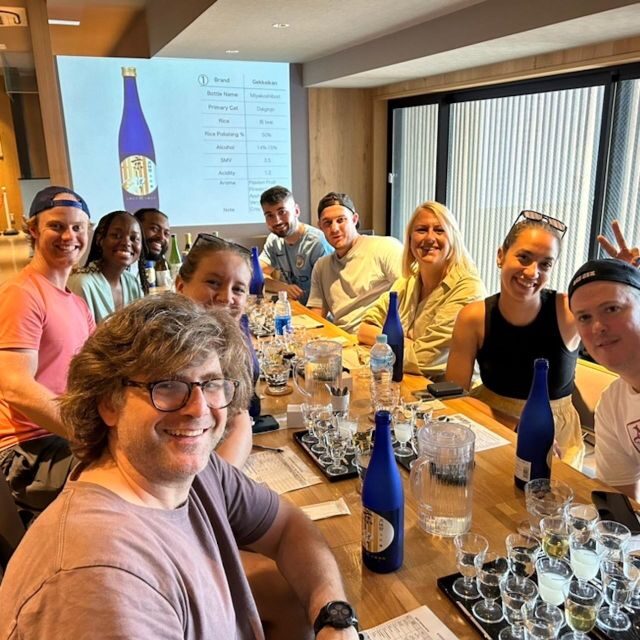
You’ll receive a cup of local sake during the walk. The idea is simple: enjoy it as you move, not as a party plan. Feedback notes that the sake can be delicious, and some people said the guide is generous with it.
That said, this is still a cultural walking experience. Keep the pace respectful. Keep voices low. If you’re the type who drinks fast and talks loud, this is one of those tours where you’ll want to control that urge so the atmosphere stays dignified.
Photo help on night streets: the practical advantage
Night photography in Japan can be tricky. Lighting is uneven, streets are busy or reflective, and it’s easy to end up with blurry shots or faces swallowed by darkness.
This tour’s photo assistance helps you avoid that. You’ll get guidance at multiple stops, which means you aren’t relying on your own instincts to make night scenes look right.
If you care about photos but don’t want to spend your evening playing photographer, this is a sweet spot. You can enjoy the walk while still capturing the key sights—especially the Yasaka Pagoda and the traditional street angles.
Price and value: what $32 buys you in Kyoto time
At about $32 per person for 90 minutes, the value is in the mix, not just the walking.
You’re paying for:
- A live English guide for the full route
- Photo assistance at key landmarks
- The included cup of sake
- A compact route that hits major highlights without feeling like a scavenger hunt
- A small group size that keeps the experience personal
Could you do this on your own? Sure, you could map it and wander. But you’d lose the real advantage: interpretation. The guide explains Geiko and Maiko culture, plus Shinto and Buddhist history in plain English, and ties it to what you’re seeing in the moment.
In Kyoto, that kind of context often makes a bigger difference than a second souvenir stop.
Who should book this (and who should skip it)
This is a great match if you:
- Want Gion at night with a quieter, more atmospheric feel
- Enjoy walking tours that include cultural explanation, not just photo ops
- Like asking questions and getting answers in real time
- Care about night photography but don’t want the stress of figuring it out alone
It’s not the best fit if you:
- Have back problems (this tour isn’t suitable for that)
- Want a fully sit-down experience (it’s primarily on your feet)
The vibe check: a relaxed evening, not a sprint
A theme in the feedback is that the experience feels friendly and easy. People describe the guides as funny, patient, and warm, and one person noted they had a private tour when others chose an earlier time slot—so sometimes you might get an even more intimate experience.
Also, don’t ignore the small details your guide will remind you about. In sacred and residential areas, low voices help keep the mood respectful. And the tour is designed as a “walk-and-talk” style, so resist the urge to treat it like a checklist where you don’t engage.
Should you book this Gion evening walk?
Yes, if your ideal Kyoto evening includes lantern light, iconic night views, and a guide who helps you understand what you’re seeing. The combination of a short, well-paced route; photo help; and the included sake makes it feel like money spent on comfort and clarity rather than just transportation between landmarks.
Skip it if you need a more accessible option for back issues or if you want a longer, deeper temple circuit. This is designed for an evening stroll—so choose it for the right mood: curious, calm, and ready to look closely.
FAQ
How long is the Kyoto Gion evening walk?
The tour lasts about 90 minutes, with roughly 70 to 90 minutes of walking during the guided experience.
What group size is this tour?
It’s a small group tour limited to a maximum of 10 participants.
Is sake included?
Yes. A cup of local sake is included so you can sip as you stroll.
Where do I meet the guide?
Meet at Shijo Kiyamachi. The guide holding a sign that says Otatrip Guide will be between McDonald’s and the Japanese restaurant Kikunoi Roan, slightly south along Kiyamachi Street.
What are the main sights on the route?
You’ll visit Hanamikoji Street in Gion, Yasui Kompira-gū Shrine, Hōkan-ji Temple for the Yasaka Pagoda, Ninenzaka, and you finish at Yasaka Shrine.
Is the tour guide English-speaking?
Yes, the live tour guide speaks English.
What should I bring, and is it okay if I have back problems?
Wear comfortable shoes since it’s a walking tour. It is not suitable for people with back problems.
More Evening Experiences in Kyoto



More Walking Tours in Kyoto
More Kyoto Drinking Tours in Kyoto
More tours in Kyoto we've reviewed






Kyoto Drinking Tours, compared.
 ★ 5.03-Hour Kyoto Insider Sake Brewery Tour with Tastings & PairingsFrom $84
 ★ 4.9Kyoto: Izakaya Bars Guided Walking TourFrom $253 hours
 ★ 5.0Kyoto: Insider Sake Brewery Tour with Sake and Food PairingFrom $873 hours
 ★ 5.0Kyoto Sake Brewery & Tasting Walking TourFrom $98
 ★ 5.0Kyoto Bar Hopping Night TourFrom $105
 ★ 5.0Kyoto Local Bar Crawl in Kawaramachi AreaFrom $28
 ★ 5.01.5-Hour Kyoto Insider Sake Experience with 7 Tastings & PairingsFrom $68
 ★ 5.0Kyoto: Insider Sake Experience with 7 Tastings and SnacksFrom $661h 30m
The lists this tour appears in