
Reviewed · KYOTO DRINKING TOURS
Experience of pairing sake tasting with snacks in Kyoto
Tucked in a narrow alley, sake gets a whole new angle. This 60-minute class at BAR OAGE in Kawaramachi walks you through how sake is made (including the rice polishing ratio) and then pairs five different sakes with five thoughtful snacks. I love the hands-on flow: you taste, take notes on a tasting sheet, then match flavors instead of just learning theory.
Two things I especially like: first, the way the host breaks the day into clear rounds (plain sake taste, then pairing). Second, the structure includes a guided explanation for both newcomers and fans, so you’re not stuck either being lost or bored. One possible drawback to consider is that it’s a small, hidden bar setting, so the experience is fairly social and paced fast—best if you’re comfortable tasting and talking in a group.
If you’re lucky with your time slot, you’ll also get one of the friendlier guides connected to this format—people have highlighted Kahoko for being openly passionate and welcoming, which matters in a tasting where you’re meant to compare impressions out loud.
In This Review
- Key points to know before you go
- A 60-minute Kyoto sake pairing class in Kawaramachi’s alleyway
- Meeting at Shine, then finding BAR OAGE for your first pour
- The intro: rice polishing ratios and how five sakes get their personalities
- Tasting in two rounds: plain sake first, then pairing with snacks
- What ginjoshu and nigorishu taste lessons can do for you
- The pacing, group size, and the group photo moment
- Price and value: why ¥7,500 feels fair for Kyoto
- Who this Kyoto sake workshop is best for
- Should you book this BAR OAGE sake tasting pairing?
- FAQ
- How long is the sake tasting and pairing workshop?
- What is included in the ticket?
- Where does the workshop take place?
- What is the group size limit?
- What times are available for this experience?
- How much does it cost?
- Is it possible to cancel for a full refund?
Key points to know before you go
- Hidden-bar setting in Kawaramachi: you’ll start at a nearby meeting point and then find BAR OAGE in an alley
- Rice polishing ratio explained visually: you’ll see why milling changes flavor
- Five sake styles, two tasting rounds: sake first, then snacks that change the story
- Tasting sheet support: helps you remember what you liked and why
- Small group size (max 20): enough interaction, not a huge crowd
- Group photo at the end: a simple, memorable wrap-up
A 60-minute Kyoto sake pairing class in Kawaramachi’s alleyway
Kyoto does “food culture” in a way that’s often calm, precise, and surprisingly personal. This workshop fits that mood. It’s short at about 1 hour, but it’s built like a mini tasting journey: learn the basics, taste with attention, then test how snacks reshape each sake.
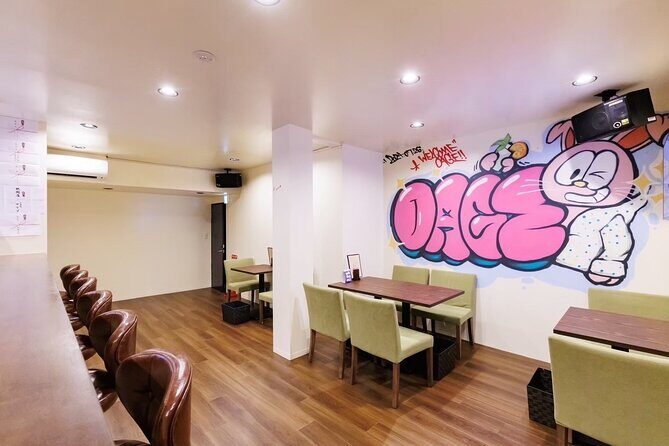
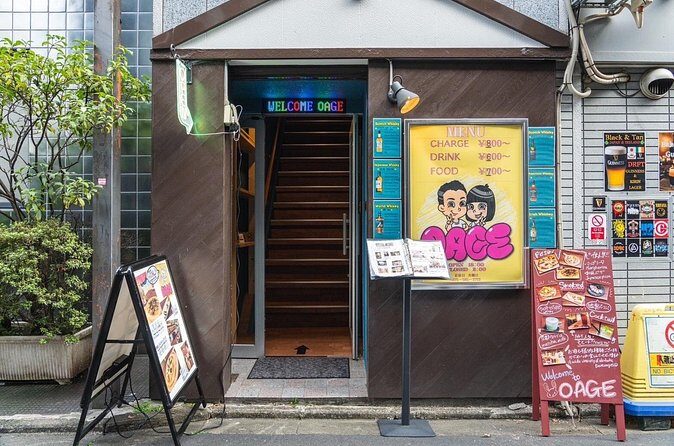
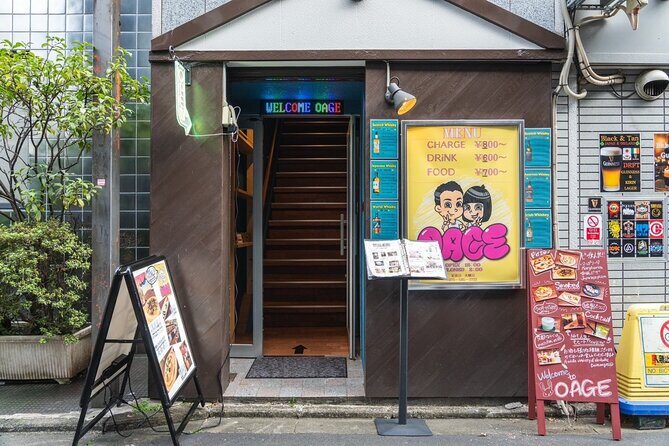
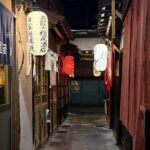
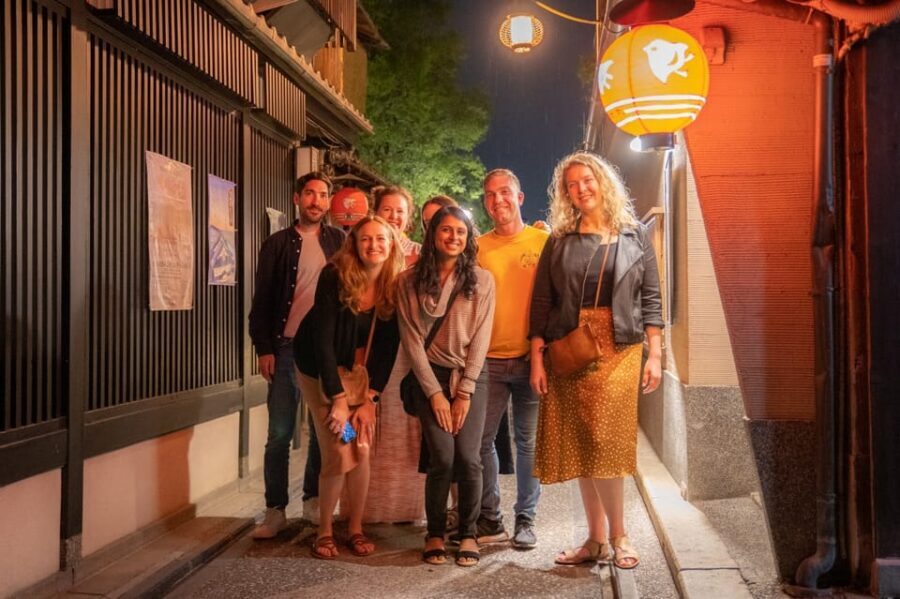
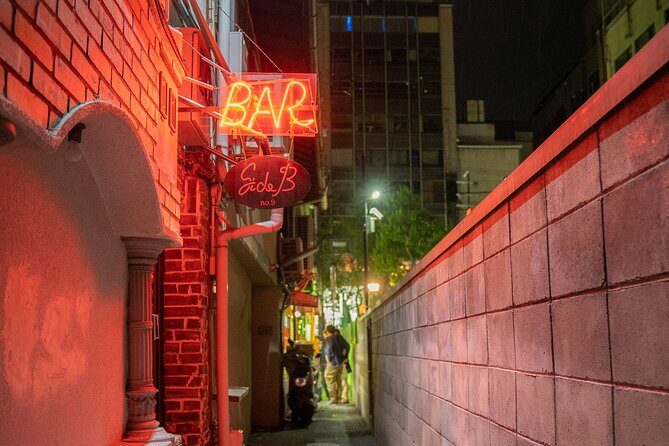
The location is a big part of the charm. You’re going to BAR OAGE, a bar in the Kawaramachi area, described as a hidden spot in an alleyway. If you like your Japan experiences a little off the main drag, this kind of venue helps the whole thing feel less like a classroom and more like a night out that happens to teach you stuff.
The format also rewards curiosity. You’re not asked to memorize lots of technical terms. You taste, compare, and talk. That’s the fastest path to understanding why one bottle tastes clean and another tastes cloudy, or why a ginjo-style aroma can feel completely different once you try it with the right bite.
Other sake tasting experiences we've reviewed in Kyoto

Meeting at Shine, then finding BAR OAGE for your first pour
Your start point is listed clearly: Shine, 371 Kamiyachō, Nakagyo Ward, Kyoto. From there, you’ll be guided to the bar where the workshop runs, and the experience ends back at the same meeting point.
Why this matters: hidden venues in Japan can be easy to miss, especially if you’re walking in from a different neighborhood. Using the given meeting point helps you get oriented quickly, and the fact that it’s in central Kyoto means you can usually reach it using public transport without a long haul.
Also, you’ll get a mobile ticket, and you should receive confirmation at the time of booking. That keeps things simple when you’re moving around Kyoto, where you might otherwise juggle paper tickets, transit cards, and last-minute plan changes.
One practical note: because it’s in an alleyway bar area, dress for comfort. You’ll likely be standing and shifting positions for tastings, and you don’t want to be fussing with shoes or layers when the first pour happens.
The intro: rice polishing ratios and how five sakes get their personalities
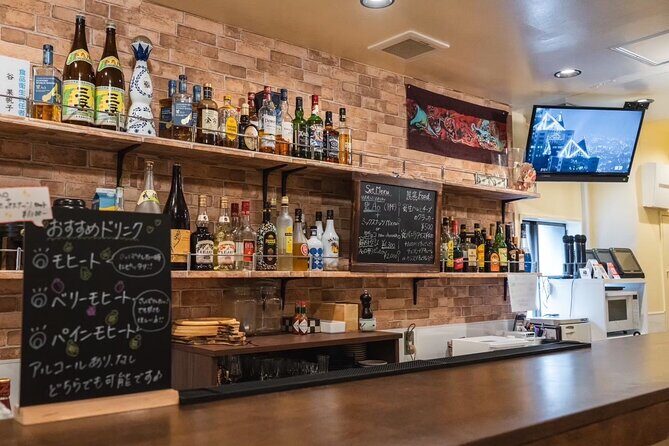
The first segment is about understanding the product before the snacks start doing their flavor magic. After you introduce yourself, the session focuses on sake production in a way that’s meant to be visual and easy to grasp.
A key topic is the rice polishing ratio—the amount of outer layers removed from the rice before fermentation. This is one of the most useful concepts for beginners, because it connects a process you can’t see to a result you can taste. Higher polishing often points you toward a cleaner, more refined profile, while lower polishing tends to support a fuller, more robust impression.
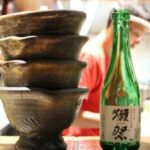
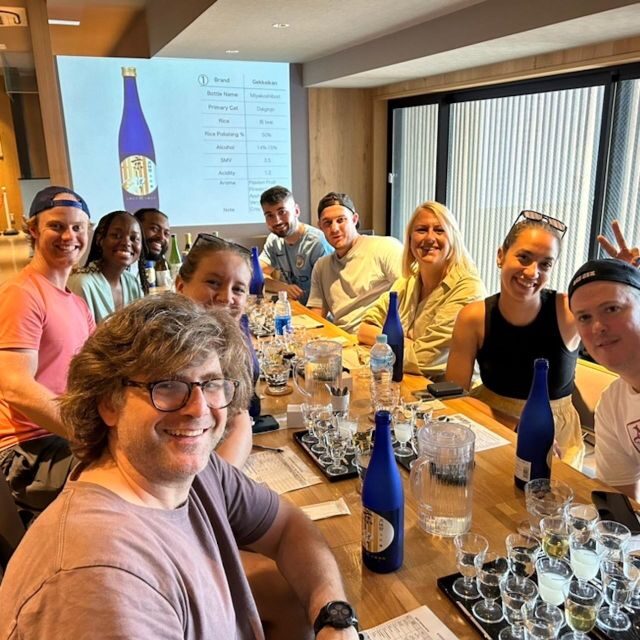
Then comes the “today’s line-up” part. You’ll go through five types of sake and learn what makes each one distinct. You’ll hear about flavor and aroma styles such as ginjoshu and nigorishu. Even if you’ve had sake before, this kind of guided naming can help you stop guessing and start describing what’s in your glass.
You also set up your tasting workflow. Expect a tasting sheet and items that help you record what you think as you go. That’s not busywork. For sake, tiny differences—aroma intensity, texture, sweetness, acidity—can fade quickly if you don’t write them down.
Tasting in two rounds: plain sake first, then pairing with snacks
This workshop uses a smart order: you taste the sake by itself first, then you taste it again with snacks. That sounds obvious, but it’s exactly what makes pairing education click.
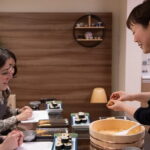
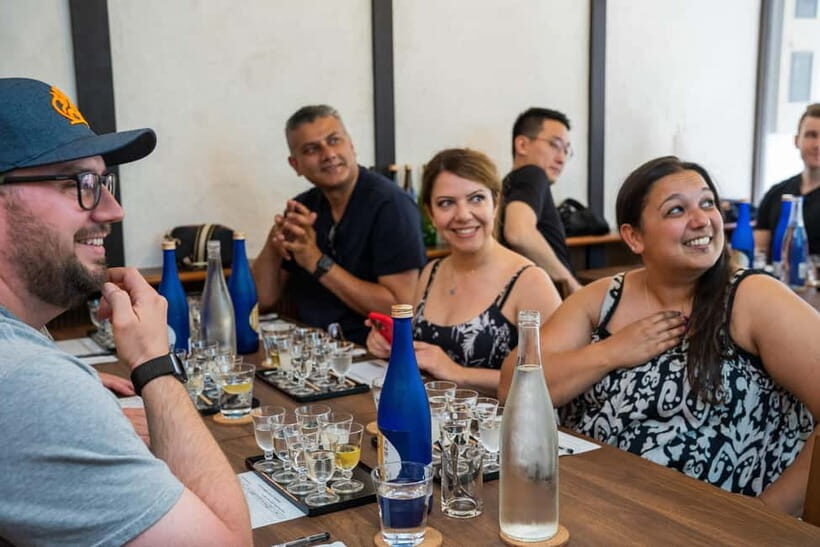
In the first tasting round, you enjoy the five sakes on their own. The goal isn’t to “finish all the bottles fast.” It’s to notice. The host explains each one, then you taste and compare. Since you’re tasting in sequence, you’ll start picking up patterns—how one style feels lighter, how another feels rounder, how aroma changes even before you swallow.
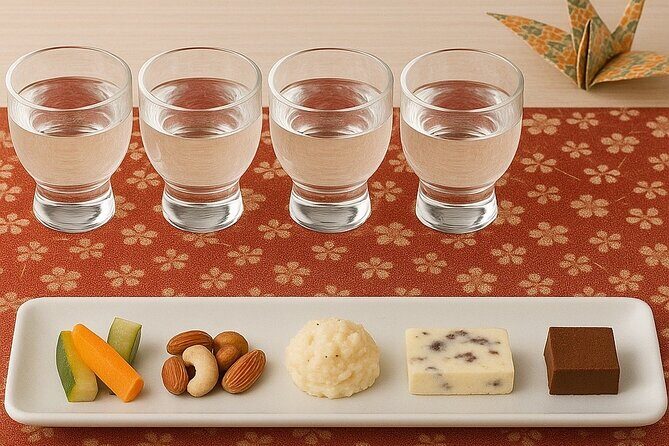
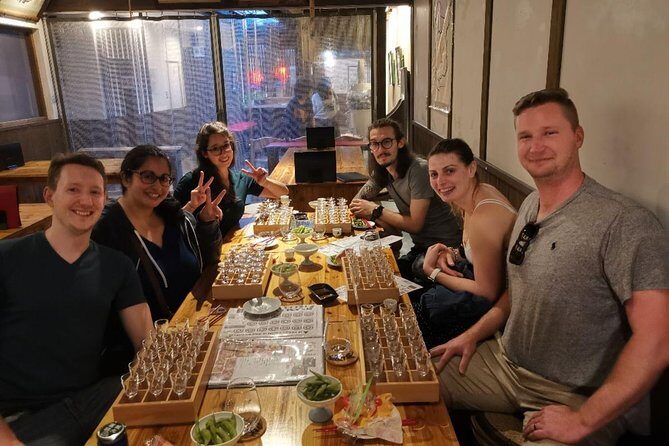
Then you move to the pairing round. Appetizers are prepared to match each of the five sake types. The snacks are designed to shift the way you perceive the drink, so you can learn how food interacts with alcohol, texture, and aroma.
This is where most people get the real value. Sake is sometimes treated like a “standalone” drink, but pairing teaches you that it’s actually flexible. The snack can lift fruit notes, soften harsh edges, or bring forward gentle sweetness. You’re not just drinking; you’re running small flavor experiments with guidance.
If you’re worried about ordering food on your own later, this also helps. You’ll leave with a clearer sense of what to seek in Kyoto restaurants when you want sake with food, not sake instead of food.
What ginjoshu and nigorishu taste lessons can do for you
You’re not likely to leave memorizing technical charts, and you shouldn’t need to. The learning target is practical: being able to recognize what a style is aiming for.
Ginjoshu is brought up as an example of a sake with particular flavor and aroma characteristics. In guided tastings like this, that usually translates to cleaner aromatics and a more composed feel. Nigorishu is another style you’ll learn about, typically connected with a cloudier texture and a different flavor direction.
Here’s the useful part for you: once you’ve tasted styles like these in a structured setting, you can start to read menus faster. When you see a label describing style type, you’ll have a reference point for what it tends to feel like in the glass. That makes your next sake decision in Kyoto less stressful.
And because you’re pairing each style with a matching snack, you’ll also understand how to choose food accompaniments later. Maybe you’ll discover you prefer a certain sake with savory bites, or that a cloudy style makes more sense alongside something richer.
Other Kyoto drinking tours we've reviewed in Kyoto




The pacing, group size, and the group photo moment
The total time is about 60 minutes, split into a first explanation segment (around 15 minutes) and then the tasting and pairing flow. That timing makes it a good activity when you want something “worth doing” but don’t want a half-day commitment.
Group size is capped at 20 travelers. That’s large enough for conversation energy, but small enough that a host can keep an eye on how you’re tasting and whether people are following along. If you’re the type who asks questions, this size makes it easier to jump in without feeling like you’re speaking to an audience of strangers.
The experience also encourages talking and connecting through shared tasting impressions. That matters because sake tasting isn’t only about your tongue—it’s also about how you compare notes. Even a simple comment like I taste more aroma than sweetness can help you calibrate your own perception.
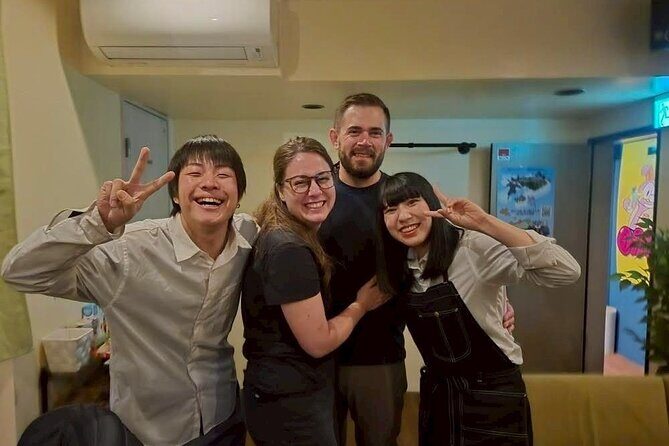
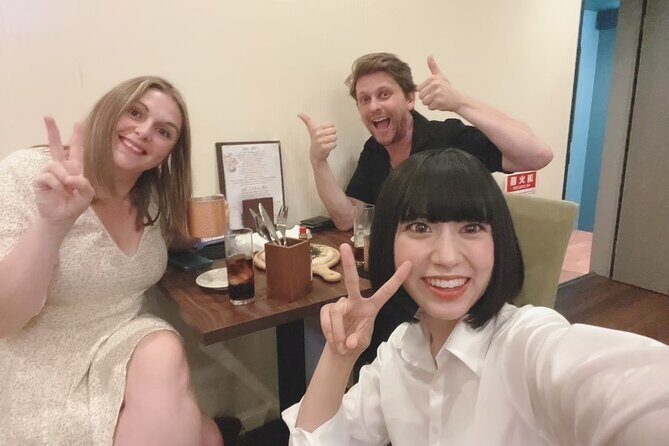
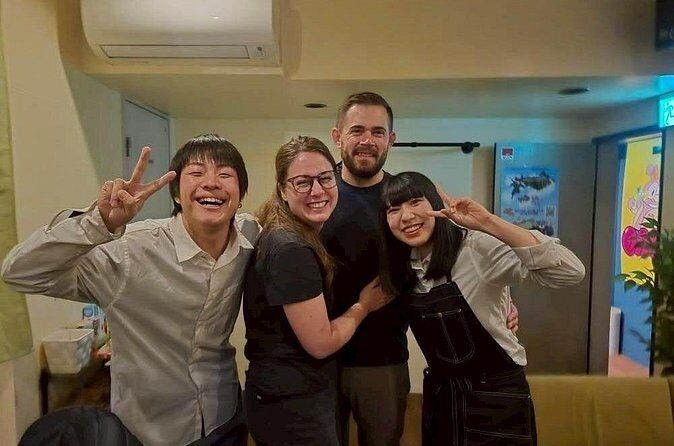
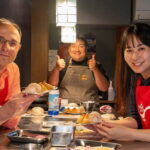
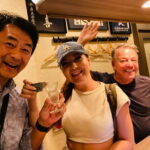
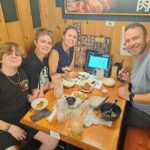
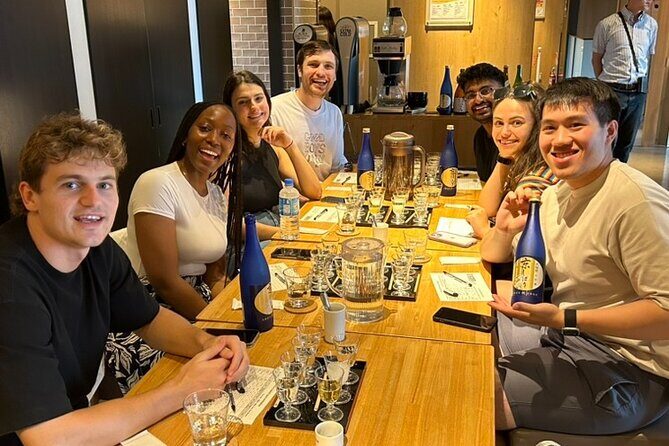
At the end, there’s a group photo and a clear finish. It’s not a big spectacle, but it gives you a quick “we did it” moment before you head back out into Kyoto at night.
Price and value: why ¥7,500 feels fair for Kyoto
The price is listed as ¥7,500 per person (tax included), which comes out to about $45.53. For a Kyoto food-and-drink experience, that sits in the mid-range. The key question is what you get for that money.
You’re receiving:
- 5 kinds of sake
- 5 appetizers paired to each sake
That pairing structure is the main value driver. You’re not just paying for pours; you’re paying for guidance on why each pairing works, plus the tasting sheet support that keeps your impressions organized. Since the workshop is about flavor compatibility, you’re getting a framework you can reuse when you order sake on your own later.
Also, the session is time-efficient. If you only have a day (or an evening) in Kyoto and want a cultural activity that doesn’t require a long commute or multiple transfers, this 60-minute format helps you spend your time well.
If you’re a sake novice, the value is in getting your bearings fast. If you’re a sake lover, the value is in tasting multiple styles side-by-side and learning pairing logic rather than just trying random bottles.
Who this Kyoto sake workshop is best for
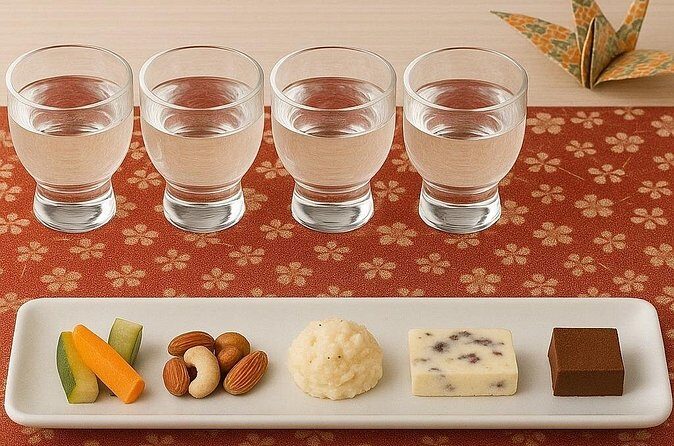
This is an easy fit if you’re:
- New to sake and want a clear, structured start
- Curious about how production choices lead to flavor differences
- Interested in food pairing, not just drinking
- Traveling with friends and want a shared activity that leads to conversation
It’s also appealing if you don’t want a lecture-heavy experience. The workshop is designed for participation and sensory comparison. The hidden-bar setting adds a fun, local feel too.
It’s less ideal if you prefer quiet solo activities or you don’t like tasting multiple small servings in a short time. Since the vibe is social and the pacing is guided, you’ll enjoy it most if you’re open to engaging.
In general, it’s described as suitable for both novices and sake lovers, and the “pair, then compare” structure backs that up.
Should you book this BAR OAGE sake tasting pairing?
I’d book it if you want a Kyoto experience that is practical and fun, not just “drink and smile.” The strongest reasons to go are the two-round tasting approach (sake first, then pairing) and the focus on a concrete production concept like rice polishing ratio. That combination turns sake from something you might enjoy into something you can actually understand and choose.
You should also feel good about the group size and guide-led atmosphere. With a max of 20, you’re unlikely to feel lost in the shuffle, and the host emphasis on explanation and pairing makes it beginner-friendly.
One more decision factor: timing. It runs with four reception hours per day—10:00, 12:00, 14:00, and 16:00—so you can fit it into a sightseeing day. If you’re the kind of traveler who likes to plan ahead, booking early is smart since it’s commonly scheduled well in advance.
If you want, tell me what days you’ll be in Kyoto and what neighborhood you’re staying in. I can suggest which time slot usually works best for a smooth day plan around Kawaramachi.
FAQ
How long is the sake tasting and pairing workshop?
It lasts about 60 minutes.
What is included in the ticket?
You get 5 kinds of sake and 5 appetizers for pairing.
Where does the workshop take place?
It’s held at Bar OAGE in the Kawaramachi area of Kyoto. The meeting point is Shine, 371 Kamiyachō, Nakagyo Ward, Kyoto.
What is the group size limit?
The maximum group size is 20 travelers.
What times are available for this experience?
There are four reception hours each day: 10:00, 12:00, 14:00, and 16:00.
How much does it cost?
The price is ¥7,500 per person (tax included), listed also as about $45.53.
Is it possible to cancel for a full refund?
Yes. You can cancel up to 24 hours in advance for a full refund.
More Kyoto Drinking Tours in Kyoto
More Sake Tasting Experiences in Kyoto
More tours in Kyoto we've reviewed





Kyoto Drinking Tours, compared.
 ★ 5.03-Hour Kyoto Insider Sake Brewery Tour with Tastings & PairingsFrom $84
 ★ 4.9Kyoto: Izakaya Bars Guided Walking TourFrom $253 hours
 ★ 5.0Kyoto: Insider Sake Brewery Tour with Sake and Food PairingFrom $873 hours
 ★ 5.0Kyoto Sake Brewery & Tasting Walking TourFrom $98
 ★ 5.0Kyoto Bar Hopping Night TourFrom $105
 ★ 5.0Kyoto Local Bar Crawl in Kawaramachi AreaFrom $28
 ★ 5.01.5-Hour Kyoto Insider Sake Experience with 7 Tastings & PairingsFrom $68
 ★ 5.0Kyoto: Insider Sake Experience with 7 Tastings and SnacksFrom $661h 30m
The lists this tour appears in