
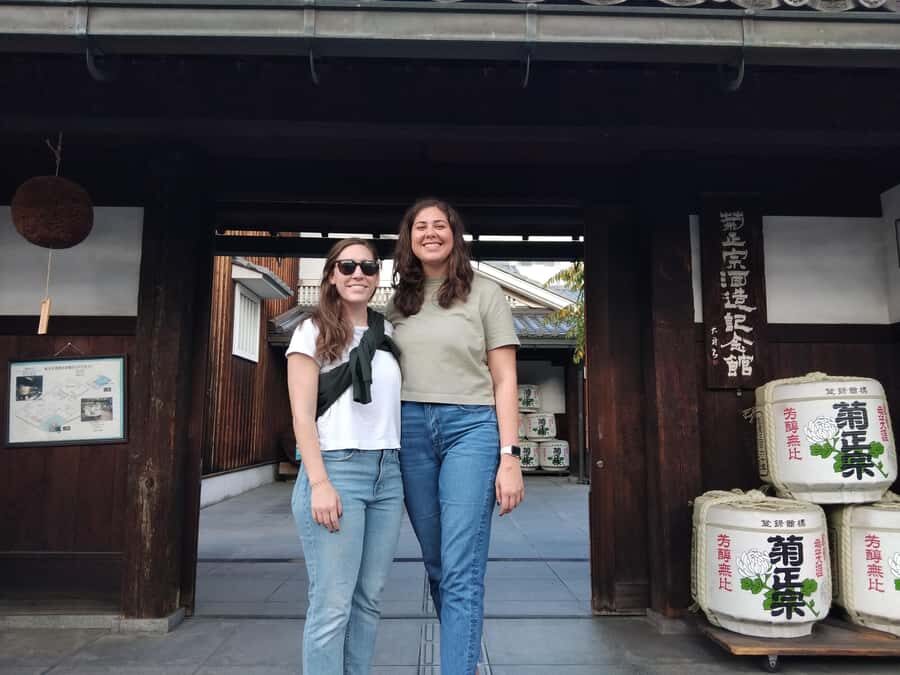
Reviewed · KOBE SAKE TOURS
Kobe: 3-Hour Sake Breweries Tour with Special Tasting
Three breweries. One big sake lesson.
This Nada Gogo tour turns sake from a drink into a craft you can actually name and compare. I like that you visit three breweries with different approaches, so you get variety instead of the same tasting copy-pasted three times. I also like the human side: guides bring the process to life with real explanations, quick Japanese sayings, and (in at least one group I heard about) thoughtful extras like medicine for family members dealing with illness. One drawback to plan for: the walking between stops can be rough in summer heat—one group described 37°C weather and needed extra help staying comfortable.
You’ll meet your guide at the Hanshin Uozaki Station ticket gate, where they hold a yellow sign with the DeepExperience logo. From there, the tour runs about 3 hours, ends back at the meeting point, and is offered in English and Japanese. It also includes tasting fees up to 1,000 yen per brewery, which makes the $94 price feel less like a gamble and more like a structured food-and-drink lesson.
Keep in mind that you’re tasting multiple sakes during the tour. If you’re a light drinker or you’re sensitive to alcohol, go slow, sip, and pace yourself between breweries.
In This Review
- Key things to know before you go
- Nada Gogo in Three Stops: what this tour is really about
- Hanshin Uozaki Station meeting point and real-world timing
- Brewery Stop 1: how Kikumasamune frames the rice polishing lesson
- Brewery Stop 2: Hamafukutsuru and the tradition-meets-modern angle
- Brewery Stop 3: Hakutsuru, lathe craft vibes, and special tastings
- Tastings that actually help you compare (not just sample)
- Price and value: does $94 make sense?
- Who should book this Nada Gogo sake breweries tour
- Should you book this tour?
- FAQ
- Where do I meet the guide?
- How long is the tour?
- What’s included in the price?
- Which languages are offered?
- What happens at the end of the tour?
- Will I get to taste sake?
- Can I pay later?
- What if I need to cancel?
Key things to know before you go

- Three-brewery route in Nada Gogo: you compare styles instead of only touring one site.
- Tastings are built in: tasting fees are covered up to 1,000 yen per brewery.
- Rice polishing + fermentation explained: you learn what changes flavor before you taste.
- Guides add culture, not just facts: sayings, humor, and good pacing show up across groups.
- Walking is part of the experience: hot days can make the schedule feel longer.
Nada Gogo in Three Stops: what this tour is really about

Nada Gogo is the kind of place where sake isn’t a niche hobby—it’s industry, identity, and daily rhythm. This tour focuses on the core story: how brewers shape flavor through rice polishing choices, careful fermentation, and the skill of turning water, labor, and time into something consistent. You’re not just looking at tanks and labels. You’re learning the logic behind the taste.
The format matters. Instead of one brewery and a quick sampling, you move through three different brewing stops in Nada Gogo. That changes everything for your palate. You start noticing how a dry, crisp style feels different from something smoother or more aromatic. You also pick up the vocabulary your brain needs—things like how rice milling affects texture and how fermentation decisions influence character.
What I like most is the balance between old and new. Each stop includes traditional brewing facilities while also showing modern practices. You’ll hear how the craft is carried forward—then you’ll see how today’s brewers refine it.
Other sake brewery and tasting tours in Kobe
Hanshin Uozaki Station meeting point and real-world timing
The meeting point is simple: go to Hanshin Uozaki Station and meet your guide in front of the ticket gate. The guide holds a yellow DeepExperience sign, so you can get your bearings fast.
The tour runs for about 3 hours, and it ends back at the same spot. That return-to-base setup is helpful if you’re planning the rest of your day in Kobe or nearby. It also means you won’t get stuck wondering how to get yourself across town after the tasting.
The schedule is tight enough that comfort matters. One group called out 37°C heat during the walking segments, and their guide helped keep spirits up. That’s not something you can control, but you can prepare: wear breathable clothes, use sun protection, and bring water. If you’re traveling with someone who gets overheated quickly, plan extra breaks outside the tour timeline.
Brewery Stop 1: how Kikumasamune frames the rice polishing lesson
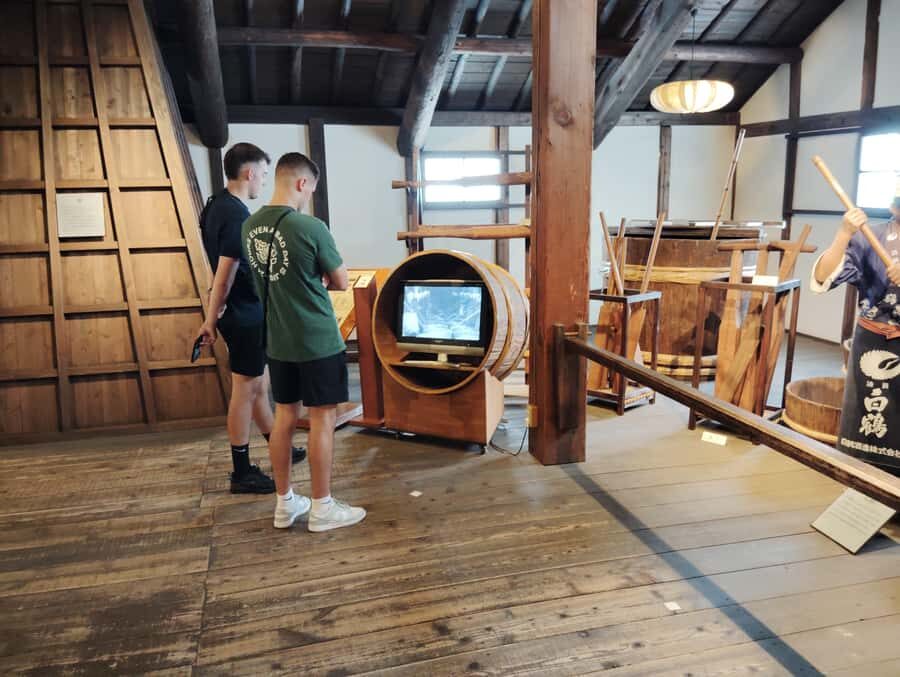
One of the stops on this route is Kikumasamune, and it’s a strong choice for the first part of the tour. Why? It sets your palate up for the technical side without making it feel like a textbook.
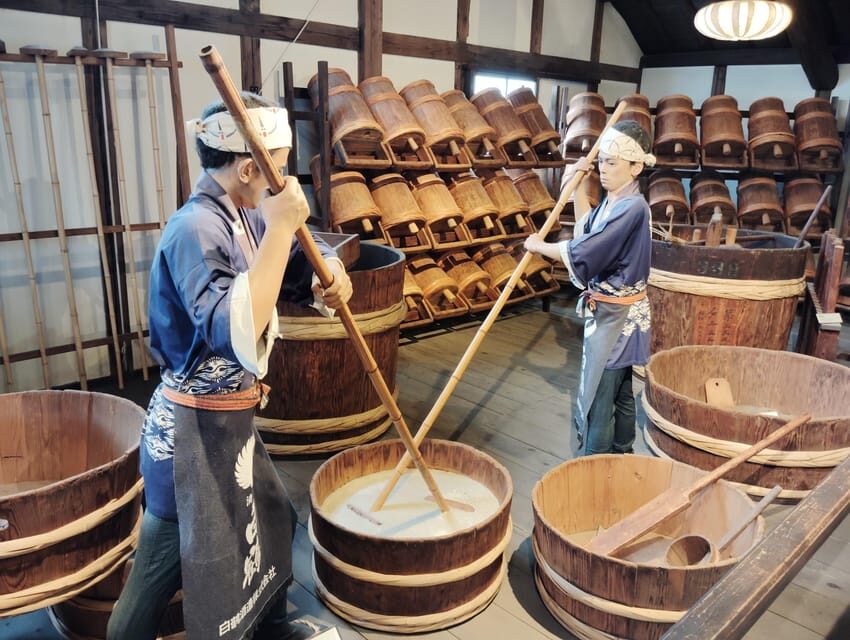
This stop is where you’ll likely hear how rice polishing changes sake quality. When rice grains are polished, you remove outer layers, and that alters what starch and nutrients become available during brewing. In practical tasting terms, that means you can start noticing texture and clarity in a way you probably couldn’t before. The guide’s job here is to connect the technical terms to what ends up in your glass.
You’ll also see traditional brewing facilities alongside newer methods. That contrast is useful early on. It explains why Nada Gogo’s sake tradition stayed relevant: the fundamentals don’t disappear, they get refined.
If you’re thinking you might not care about the “how,” this is still worth it. The early learning helps you taste better later. Without that baseline, all the labels start to blur together.
Brewery Stop 2: Hamafukutsuru and the tradition-meets-modern angle
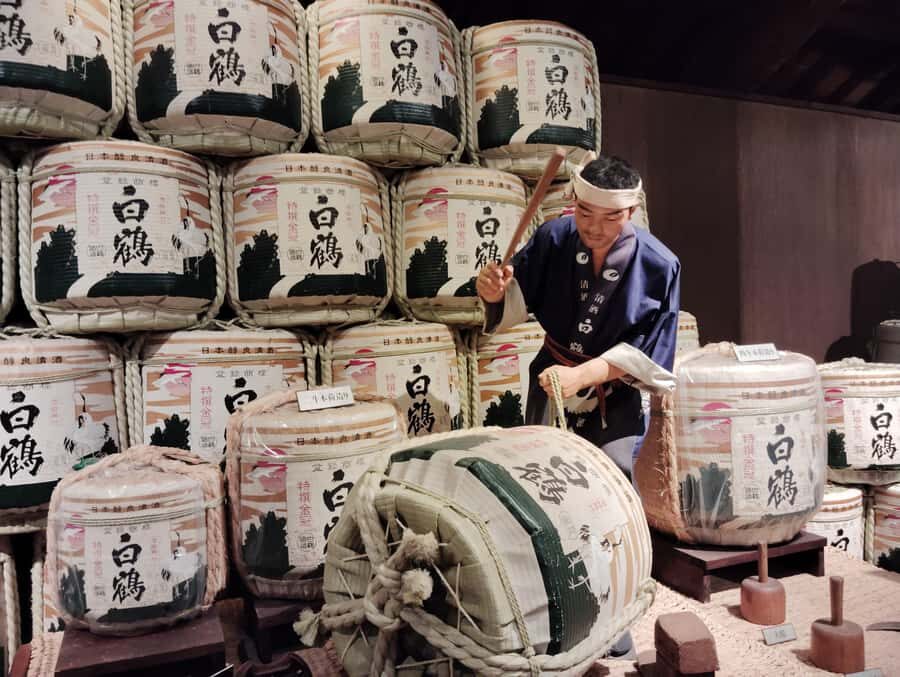
Next comes Hamafukutsuru, a stop that helps fill in the middle of the story. After you’ve heard about rice and basics, you get a clearer view of how brewers work day to day and how production choices shape the final drink.
This is where the tour’s pacing really matters. A good guide keeps your attention moving—explaining what you’re seeing, then rewarding you with tastings that connect back to the explanation. Some guides also bring quick cultural notes and light humor to keep the walk-to-taste rhythm from feeling like you’re just waiting around.
The tour focus here stays on craftsmanship: careful selection of rice, the role of fermentation, and the way brewing conditions influence Nada Gogo’s character. You’re learning what to pay attention to while tasting—dryness, aroma, smoothness, and how a sake’s finish lingers.
Drawback to consider: if you’re expecting a long sit-down experience, this route isn’t that. It’s structured walking with stops and tastings. If you want lots of free time inside a single building, you may find it a bit “on the move.”
Brewery Stop 3: Hakutsuru, lathe craft vibes, and special tastings
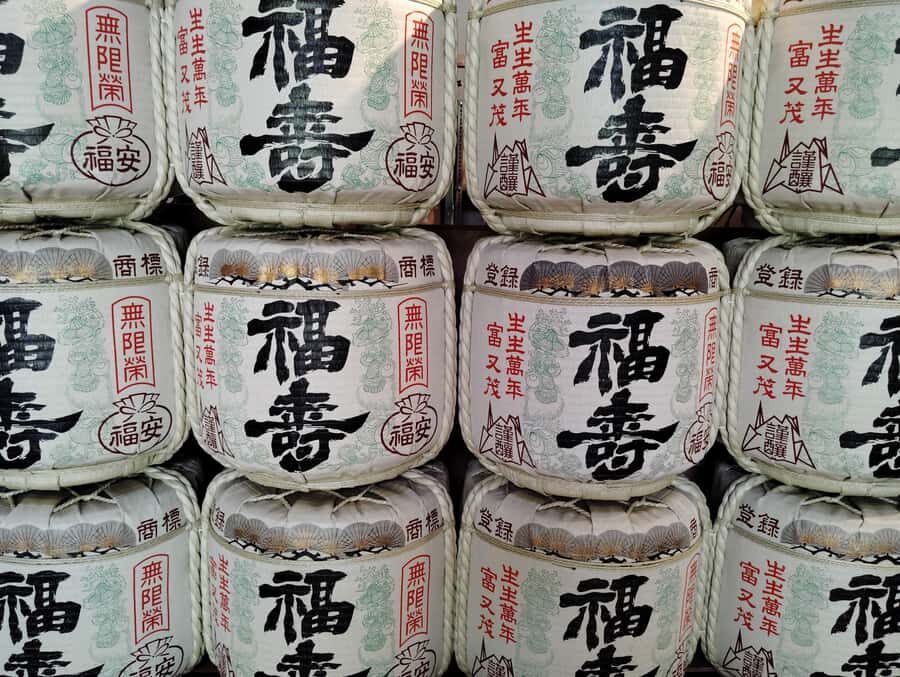
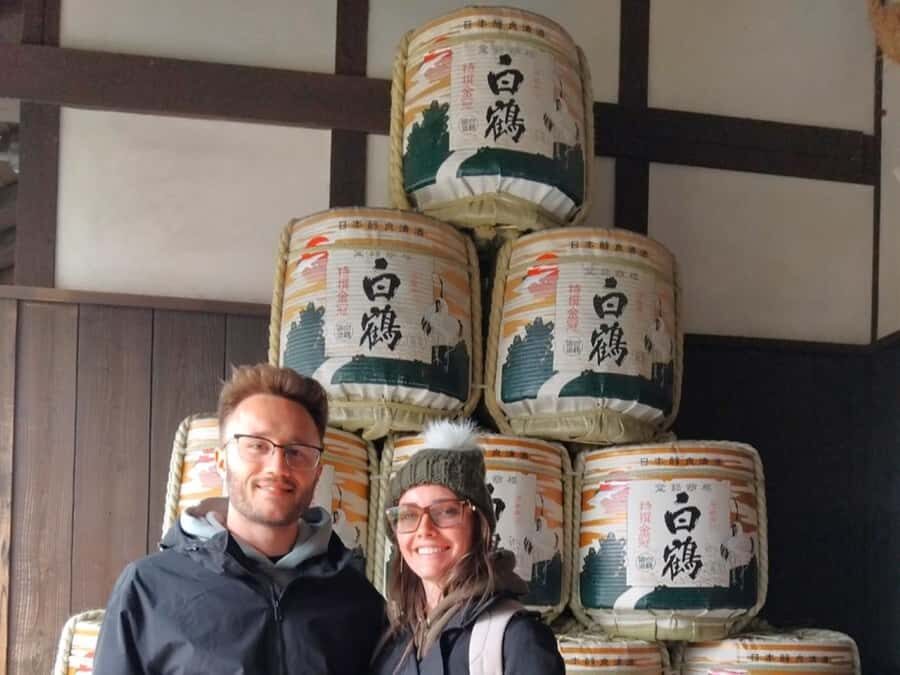
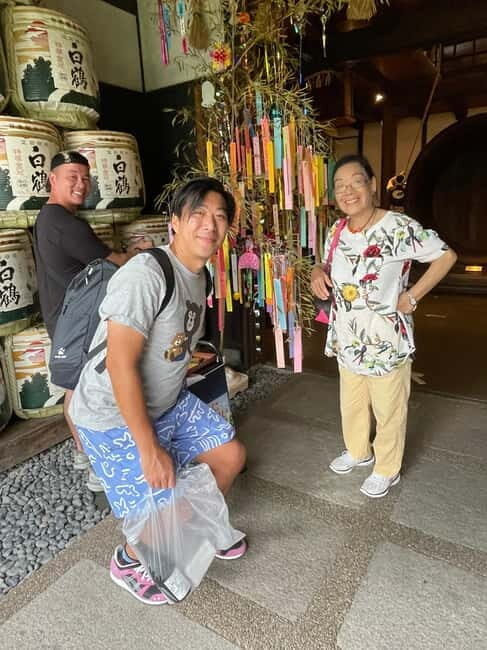
The last stop is Hakutsuru, and this is often where the energy turns up. One highlight from a group I heard about: seeing the lathe at Hakutsuru and getting a sense for how tools and craft culture show up in real production environments.
This stop also tends to land big for sake lovers because it’s where you can compare the styles you tried earlier and tighten your understanding of what changed. By the time you reach Hakutsuru, you’re more likely to taste with intent: not just What does it taste like? but What makes it taste like this?
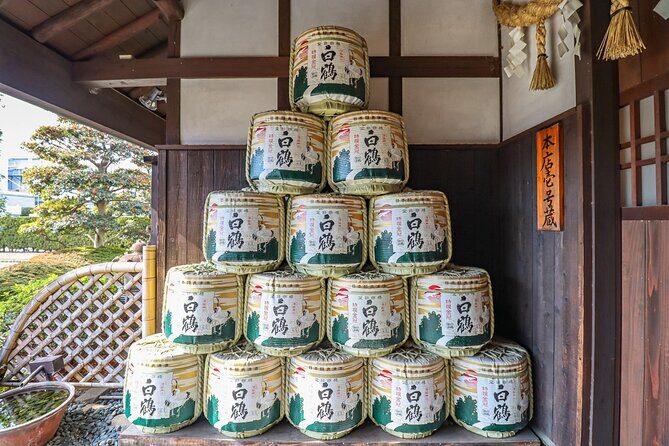
Hakutsuru also represents the “three breweries, three personalities” goal of the tour. You get to experience how different makers interpret the same region’s advantages. The guide’s explanations often focus on how brewing decisions shape flavor, not just on facts and dates.
Another comfort note: since this is the part of the route where heat can feel worst, it helps that some guides in real groups have used small morale boosters—like giving each person ice cream—to help everyone reset.
Other Kobe sake tours we've reviewed in Kobe
Tastings that actually help you compare (not just sample)
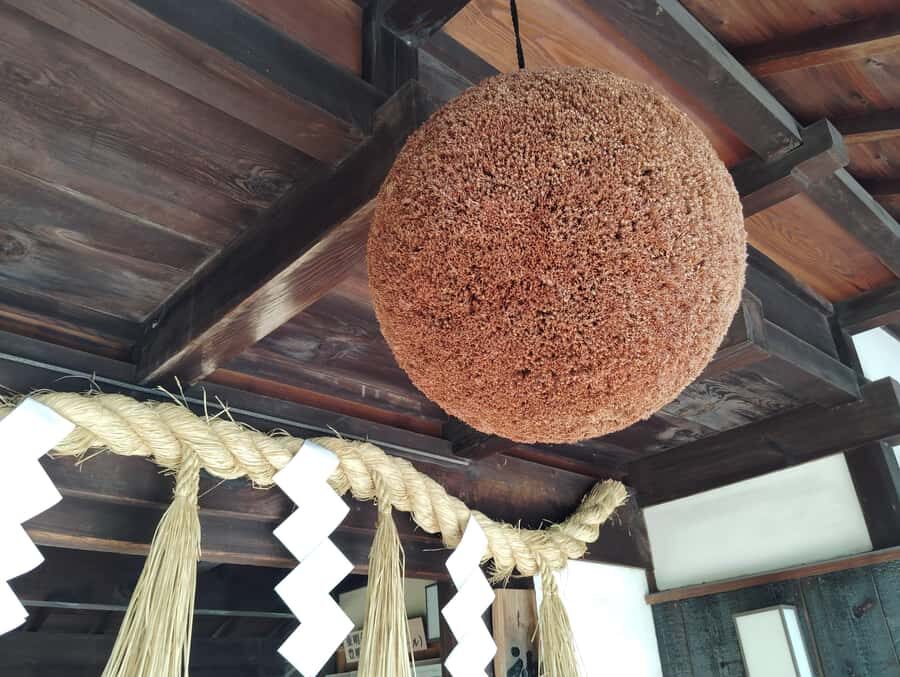
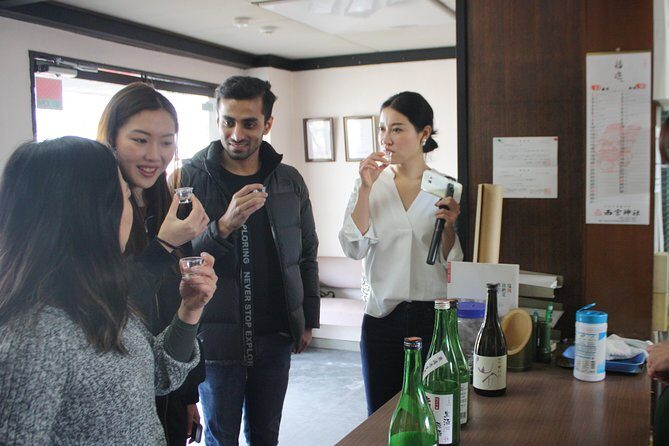
This tour isn’t a loose tasting crawl. It’s designed so the tasting serves the lesson. You’ll have exclusive tastings of a range of sake varieties, which is ideal for building a sense of range. You get more than one style, and you hear enough context to start connecting flavor to process.
Here’s how to make the tastings work for you:
- Take a small sip first, then smell. Even a quick second helps your brain lock in aroma differences.
- Compare by finish, not just sweetness. Finish length and dryness often tell you more than immediate flavor.
- Use the guide’s cues. If they mention polishing, fermentation, or brewing conditions, treat that as your checklist for the next pour.
A small reality check: multiple sakes over a few hours can add up. You don’t need to taste every drop. In fact, stopping to re-center between breweries usually makes the experience better.
Also, the tour includes tasting fees up to 1,000 yen per brewery, which helps keep the price clear. You’re not walking into a situation where you suddenly need to pay extra for the “real” tasting.
Price and value: does $94 make sense?
At $94 per person, this tour isn’t budget travel. It is, however, good value when you break down what you’re actually getting: guided access, structured visits to multiple breweries, and tasting fees covered up to 1,000 yen per brewery.
What makes the price feel reasonable is that you’re paying for:
- a guide who connects production to tasting
- multiple brewery stops (not one)
- tastings that are part of the planned experience
- a route that saves you from trying to organize brewery visits on your own
If you compare this to doing it DIY—transport, entry uncertainties, translation gaps, and your own learning curve—the guided format saves stress. The cost also makes sense if you’re a real sake fan who wants more than a casual “try some sips” moment.
Who should book this Nada Gogo sake breweries tour
I’d recommend this tour if you:
- want a sake education tied to what you taste
- enjoy food-and-drink experiences with strong guiding
- like structured walking tours more than sit-and-stare museums
- want to understand why Nada Gogo is such a big deal in Japan’s brewing world
You might want to skip it if:
- you hate walking in heat and don’t want a moving schedule
- you’re not interested in production basics like fermentation and rice polishing
- you prefer deep time in one place over a multi-stop comparison
One more “fit” point: the tour runs in English and Japanese. If you’re studying Japanese, it’s a nice chance to hear culture and craft terms while learning short sayings.
Should you book this tour?
If you’re the type of person who likes to learn what you’re tasting—then yes, book it. The multi-brewery structure is the key. You’ll leave with more than a souvenir palate. You’ll understand how process choices show up in flavor, and you’ll be able to compare sakes you try later with a lot more confidence.
If you’re sensitive to heat or you’re traveling with someone who needs lots of breaks, adjust your plan: start the day early, wear breathable clothes, and bring water. The tour experience is worth it, but the route still has real walking in real weather.
FAQ
Where do I meet the guide?
Meet your guide in front of the Hanshin Uozaki Station ticket gate. The guide will be holding a yellow sign with the DeepExperience logo.
How long is the tour?
The tour runs for about 3 hours.
What’s included in the price?
The price includes the guide fee, and up to 1,000 yen per brewery for tasting fees.
Which languages are offered?
The tour is available in English and Japanese.
What happens at the end of the tour?
The activity ends back at the meeting point (Hanshin Uozaki Station).
Will I get to taste sake?
Yes. You’ll enjoy exclusive tastings of a diverse range of sake varieties at the breweries.
Can I pay later?
Yes. You can reserve now and pay later, meaning you pay nothing today.
What if I need to cancel?
You can cancel up to 24 hours in advance for a full refund.
More Breweries in Kobe
More Kobe Sake Tours in Kobe
More Sake Brewery Tours in Kobe
More tours in Kobe we've reviewed
Kobe Sake Tours, compared.
 ★ 5.0KOBE Sake Tasting Tour at Breweries (tasting fee included)From $109
 ★ 5.0Kobe: Guided Sake Breweries Tour with TastingsFrom $1063h 30m
 ★ 5.0Sake Brewery and Japanese Life Experience Tour in KobeFrom $83
 ★ 4.51-Day Kobe Highlights Tour including Sake TastingFrom $171
 ★ 5.0Exploring Nada Sake Breweries Kobe Private Tour with Government-Licensed GuideFrom $154
 ★ 5.0Kobe: Sake Brewery Tour with Tasting and Kobe Beef BitesFrom $83150 minutes - 3 hours
 ★ 4.7Kobe: Sake Brewery Tour with Tasting SakeFrom $833h 30m
 ★ 5.0Cruise Shore Excursion: Kobe Sake Tasting with Local GuideFrom $1416 hours
The lists this tour appears in