
Reviewed · KOBE SAKE TOURS
1-Day Walking Tour around Kobe : Mountains, Sea and Sake
Kobe hits different when you walk it. You get big views from the Nunobiki ropeway and then a hands-on look at Nada-gogo sake in one packed day. The route stitches together mountain calm, stylish western-style streets, shrine atmosphere, city food streets, and the port, all with an English-speaking guide.
My favorite parts are the way the stops connect naturally (you’re never just riding past things) and the chance to understand sake beyond a quick label. The main drawback to plan for is a genuinely long walking day outdoors, so comfort matters more than usual.
In This Review
- Key highlights worth your time
- Starting at Shin-Kobe: the ropeway climb and herb-garden payoff
- Kitano Ijinkan-Gai: old-street charm with a story behind the buildings
- Ikuta Shrine: a short guided visit that grounds the day
- Lunch time at Shin-Kobe: plan your food with 75 minutes of breathing room
- China Town (Nankin-machi): street energy and an easy cultural swing
- Kobe Harborland: sea views, ports, and the sea-meets-city feeling
- The train segment to Nada-gogo: switching gears to sake country
- Nada-gogo sake experience: lesson + tasting with your paid ticket
- The day’s rhythm: time, walking, and why shoes win
- Price and value: what you’re paying for at $136
- Who should book this Kobe walk?
- Should you book this Kobe tour?
- FAQ
- Where do I meet the guide?
- What time does the tour start and end?
- Is the tour entirely guided?
- What’s included in the price?
- Are meals included?
- What about the sake tasting?
- What should I wear for this walking tour?
Key highlights worth your time
- Ropeway-to-herb-garden views right next to Shin-Kobe Station
- Kitano Ijinkan-Gai western-style houses and neighborhood history
- Ikuta Shrine for a deep sense of place in the Kobe area
- Kobe China Town + Harborland for street life and sea views
- Nada-gogo sake lesson and tasting with a paid sake ticket included
Starting at Shin-Kobe: the ropeway climb and herb-garden payoff
Most Kobe sightseeing starts with the sea. This tour starts with height. You meet at 09:30 at Shin-Kobe Station, specifically between a 7-Eleven and a cafe, in front of the directory sign, with a guide holding a board that says Snow Monkey Resorts. It’s an easy meeting point once you know where to stand.
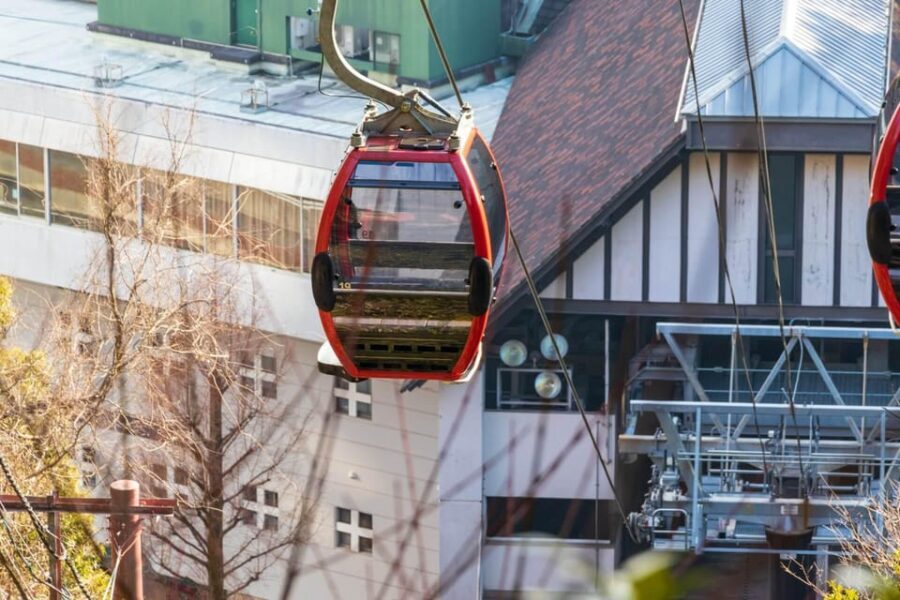
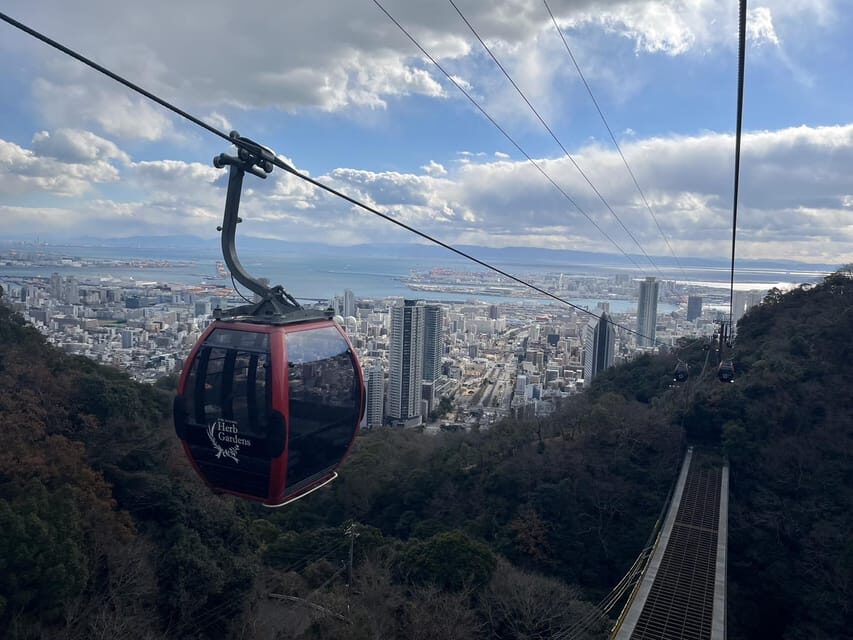
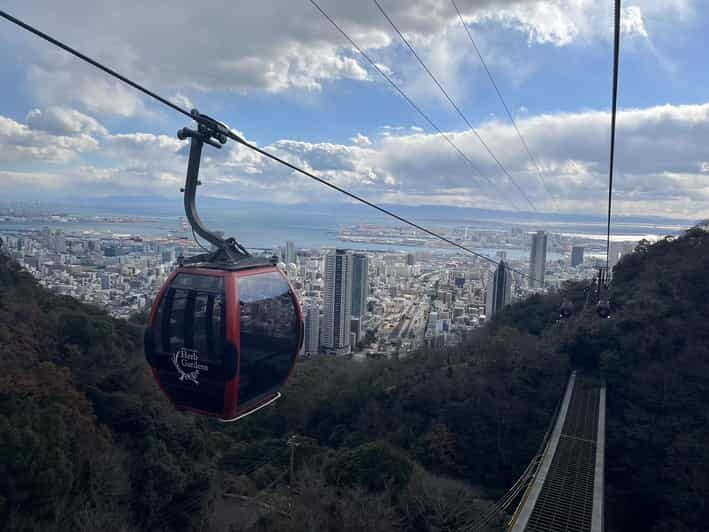
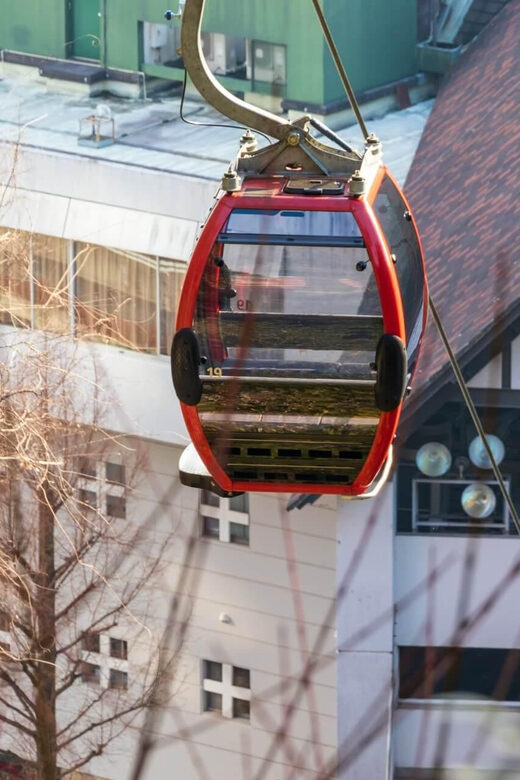
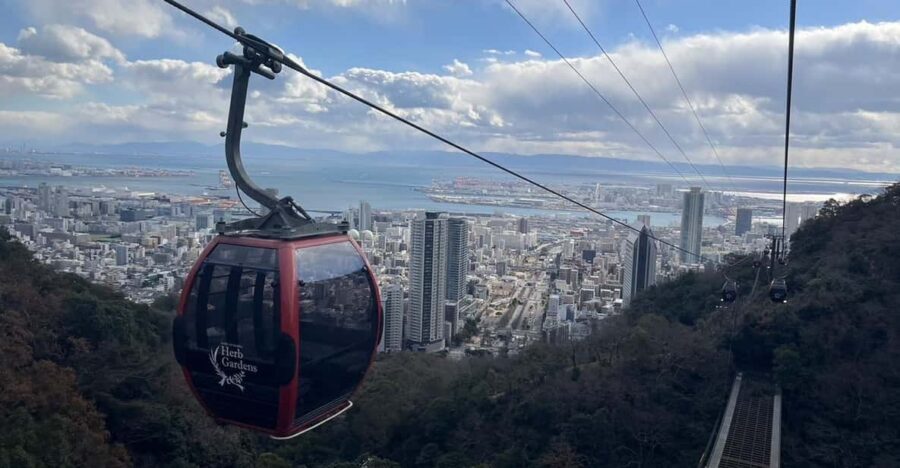
From there, the plan is simple: you begin at the Kobe Nunobiki Herb Gardens area and use the ropeway to get up to the hilltop gardens. This is one of those starts that quickly settles you into vacation mode. You’re rising fast, and the city starts to unfold in layers—roofs, streets, and the feeling of Kobe’s hills wrapping around the built-up areas.
Once you reach the top, you’ll walk through the gardens with a guide. The experience here is calm and sensory: herb and flower aromas, easy paths, and that gentle “we’re above the noise” feeling. I like this kind of opening because it helps you get your bearings fast before you hit the denser parts of the city later.
Practical tip: wear shoes you trust. The ropeway saves your legs from the steepest climb, but you still walk on uneven outdoor paths after you arrive.
Other Kobe sake tours we've reviewed in Kobe
Kitano Ijinkan-Gai: old-street charm with a story behind the buildings
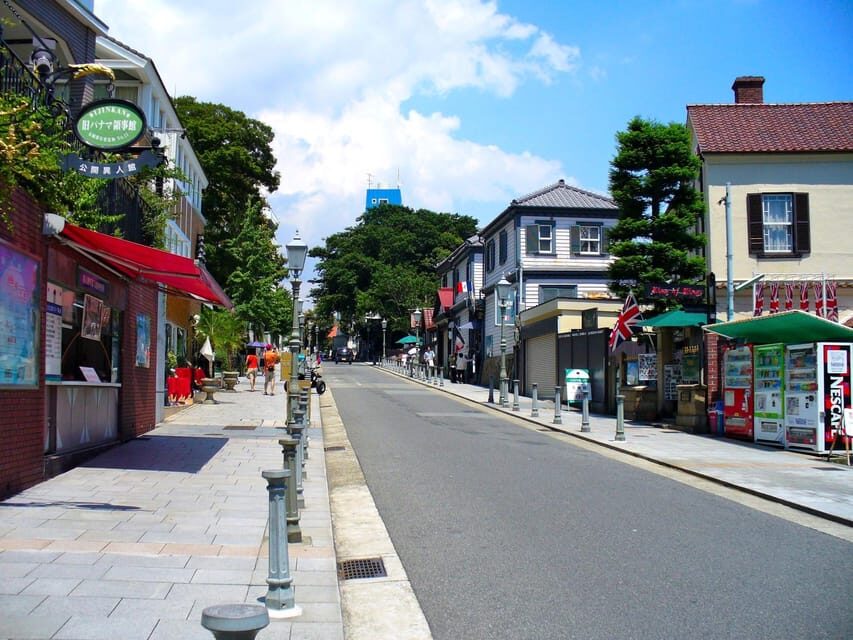
After the gardens, you head down and continue on foot toward Kitano Ijinkan-Gai. This is Kobe’s famous western-style residential district, and the tour treats it like more than a photo stop. You get a guided visit (about 40 minutes) through the streets and house-style architecture that helped define the area.
Why this stop matters: it’s a visible reminder that Kobe grew into an international port city long before most travelers think about Japan’s foreign-district history. Even if you don’t read every label, the guided approach helps you notice the design choices—rooflines, building shapes, and the overall “why would people build this here?” logic.
This is also the neighborhood where the tour’s pace makes sense. You’ve already had movement and views, now you get something slower: architecture and streetscape. If you like cities that show you different chapters of their past, Kitano is a good match.
Ikuta Shrine: a short guided visit that grounds the day
Next is Ikuta Jinja, one of the older shrines in the Kitano area. Your stop is guided (about 30 minutes), which is exactly what you want here. Shrines can turn into “point and photo” if you’re on your own, but a guide helps you understand what you’re seeing as you walk through the grounds.
This is the moment when the tour stops feeling like a checklist and starts feeling like a place. The shrine atmosphere adds quiet balance after Kitano’s street charm and before lunch and the more active areas later in the afternoon.
If you’re the type who usually rushes religious sites, this one is short enough to keep it meaningful without stealing your whole day.
Lunch time at Shin-Kobe: plan your food with 75 minutes of breathing room
After Ikuta, you return to Shin-Kobe Station for lunch and free time (about 75 minutes). Food and drinks aren’t included, so this is your chance to eat what you actually want: traditional Japanese options, something simple, or international food nearby.
This break is valuable for two reasons:
- You reset before the afternoon crowd-and-walking portion.
- It gives you space to buy water or snacks for the later sea-and-sake parts.
A real-life tip from a past guest’s experience: good guides often help you work out menus and even practical shopping questions. One guide named Winki has been praised for being great at helping people figure out what to order, including how to decode menus and choose cosmetics. That kind of support can make this lunch break less stressful, especially if you’re not fluent in Japanese.
China Town (Nankin-machi): street energy and an easy cultural swing
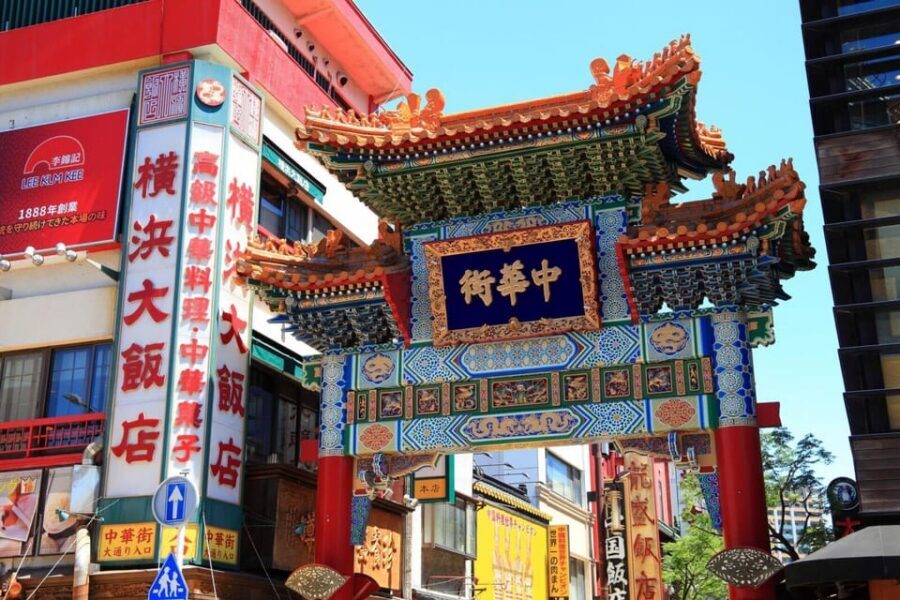
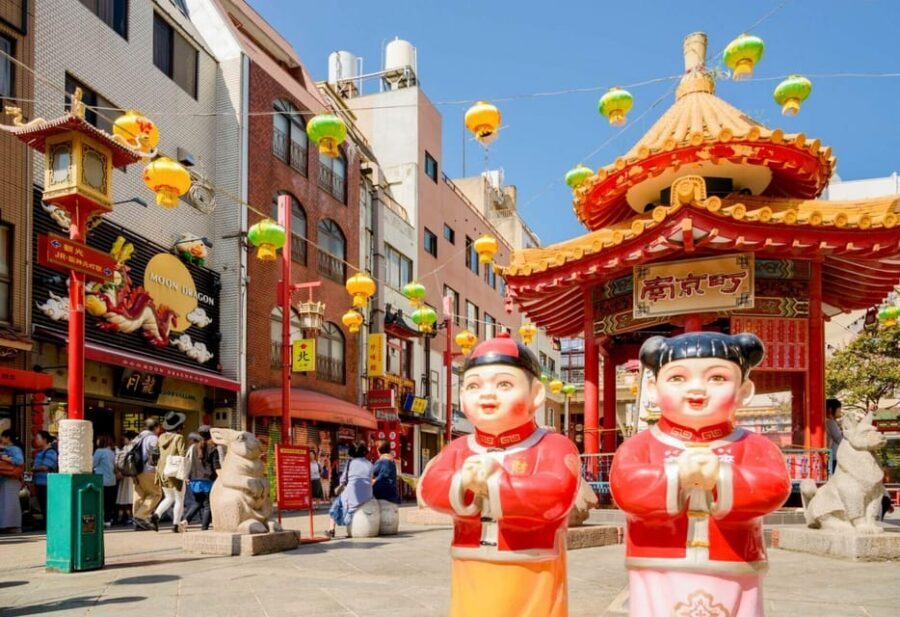
Your afternoon starts with Kobe China Town, Nankin-machi. You’ll have a guided visit (about 1 hour), which is the right amount of time for this area. China Town isn’t just about one landmark—it’s about the street grid, shopfronts, smells, and the general buzz.
With a guide, you’re more likely to notice details that you’d otherwise miss. Think of this stop as a change in texture: different signage styles, different food cues, and a feeling that Kobe’s port history shaped more than just Japanese trade.
If you’re hungry, you can often find snacks. Just remember you’ve still got Harborland and sake later, so don’t pack in a full meal too early unless you’re confident you’ll keep energy for the next legs of the walk.
Other walking tours we've reviewed in Kobe
Kobe Harborland: sea views, ports, and the sea-meets-city feeling
After China Town, you’ll shift toward the harbor area for Kobe Harborland, guided for about 75 minutes. This is where the tour leans into Kobe’s maritime side—views, sea air, and the port energy of boats and ships.
Why I like Harborland in a guided tour: it gives context to what you’re seeing. A harbor can look like “just scenery” if you don’t know what parts matter. A guide helps connect the dots between Kobe’s city life and the port activity.
Also, this part of the day is often a little cooler near the water, even if the rest of the city feels warm. Bring a light layer if you tend to feel chilly in coastal wind.
The train segment to Nada-gogo: switching gears to sake country
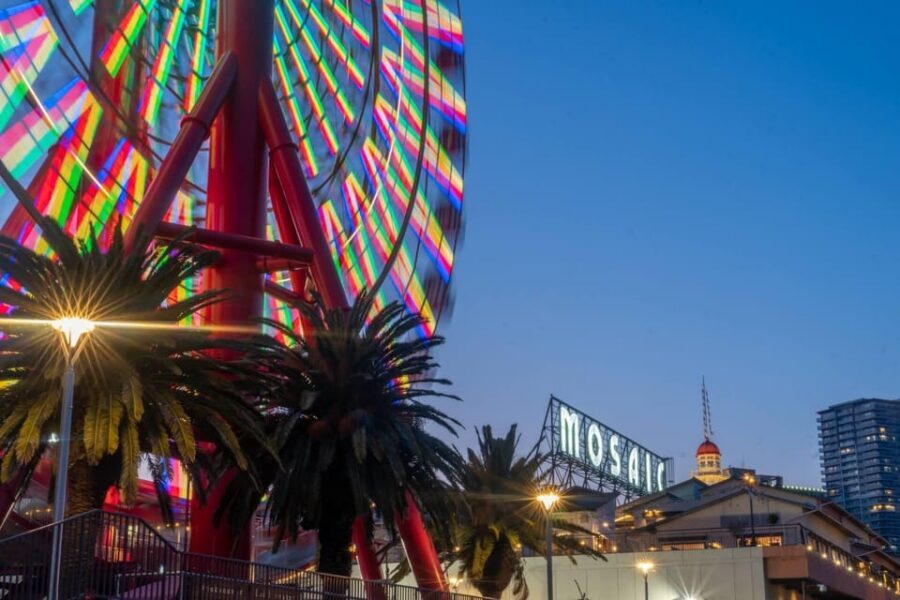
From Harborland, the day includes train time (about 30 minutes) as you move toward 灘五郷酒所 in the Nada-gogo area. This is the part that turns the city tour into something more specialized. Instead of staying in Kobe’s central neighborhoods, you head into the heart of Japan’s major sake production region.
The train hop also helps pacing. You’ve walked through multiple neighborhoods and now you get a breather without ending the day.
Nada-gogo sake experience: lesson + tasting with your paid ticket
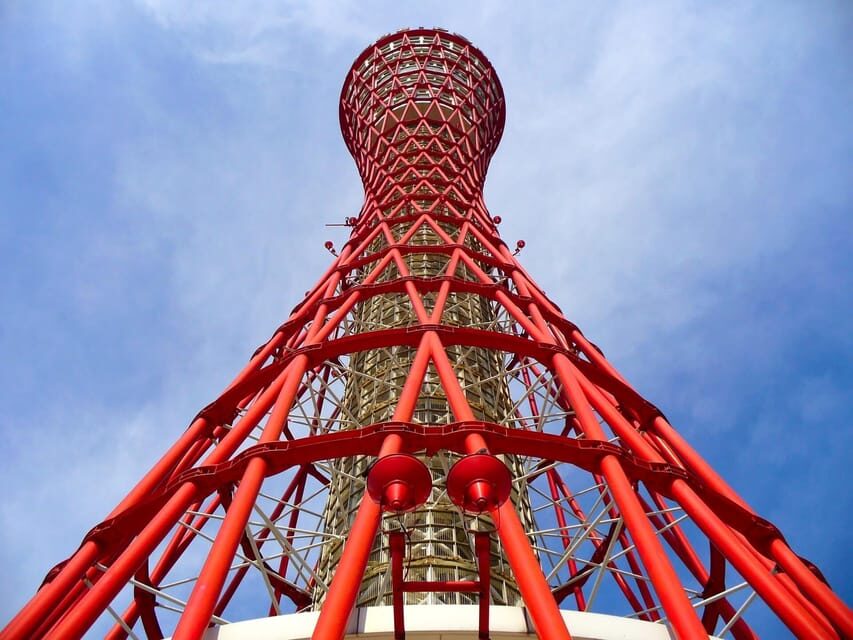
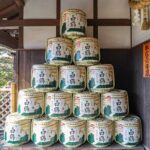
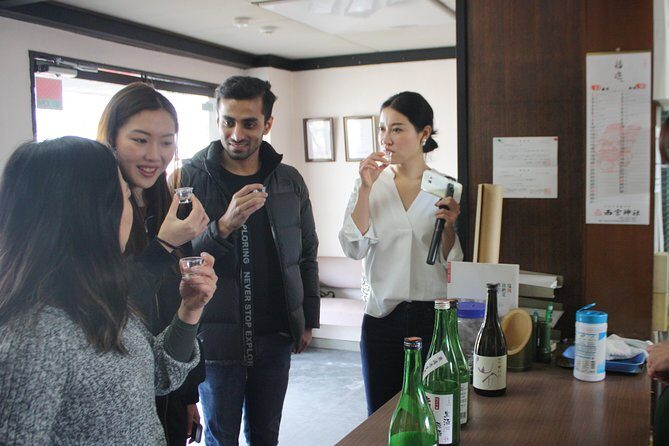
The highlight here is the Nada-gogo sake area visit, guided with food tasting (about 40 minutes). A paid sake ticket is included, and that matters because it signals you’ll actually sample sake as part of the experience—not just hear about it.
Why this stop is valuable: sake can be confusing when it’s just a menu of bottle names. A guided visit gives you the basics you need to taste with context. You’ll learn about sake traditions and the brewing process, then you’ll have a chance to try varieties and notice how flavors differ.
This is also a good moment for practical questions. If you want to buy bottles afterward, the tasting helps you understand what kind of profiles you like—so your shopping trip becomes purposeful instead of random.
Budget note: only the first sake ticket is included. If you want extra tastings, they’ll cost extra.
The day’s rhythm: time, walking, and why shoes win
The tour runs from 09:30 to 16:30, ending back at Shin-Kobe Station. Along the way, you alternate guided walks with small chunks of free time. That structure keeps you from getting stuck in one neighborhood too long, but you should still plan for steady movement.
Here’s what to think about when packing:
- Comfortable walking shoes are non-negotiable.
- Bring sun protection and rain protection. Outdoor time is significant, and the garden and neighborhood walking can feel long if the weather turns.
- If you’re traveling with someone who has limited mobility, be aware that this is still an active walking tour even though there’s ropeway use and train rides.
One past experience included a helpful guide assist when someone needed a taxi for a family member who wasn’t fit for the day’s walking. That’s reassuring. It’s also a reminder to speak up early if your body is telling you to slow down.
Price and value: what you’re paying for at $136
At $136 per person, this tour isn’t the cheapest walking option in Japan. But it’s not just a guide walking you from place to place either.
Your cost is supported by a bundle of items that add up:
- Entrance fee for Kobe Nunobiki Herb Gardens and the ropeway
- Train tickets used during the day
- An English-speaking guide for the day
- One paid sake ticket plus tasting during the Nada-gogo stop
Meanwhile, what’s not included is also clear: food and drinks. So you’ll still spend on lunch and any snacks, and if you want extra sake beyond the included ticket.
My take: this price makes sense if you want a guided “mountains-to-sake” circuit and you prefer not to figure out transit and timing on your own. If you’re a solo expert and you know your way around, you might do it cheaper solo. But if you want structure and context, this is a fair use of money.
Who should book this Kobe walk?
Book it if you want:
- A full-day Kobe mix: mountains, shrine area, China Town, harbor views, and sake
- A guide who helps you connect the dots (including practical help with things like menus and everyday questions)
- An English tour format with planned time for tasting and sightseeing
Skip it (or reconsider) if:
- You hate walking for hours outdoors, even with breaks
- You’re sensitive to weather and don’t pack protection
- You’re expecting a light, mostly indoor tour—this one is active
Should you book this Kobe tour?
If you want a one-day sampler that still feels meaningful, I think it’s a strong choice. The combination of Nunobiki views, Kitano architecture, Ikuta’s grounded atmosphere, and a guided Nada-gogo sake tasting gives you a balanced Kobe story that’s hard to replicate efficiently alone.
Just go in with the right expectations: you’ll walk a lot. Bring good shoes, pack for weather, and don’t be shy about asking your guide for help if you need a different pace.
FAQ
Where do I meet the guide?
You meet at Shin-Kobe Station. The guide will be between a 7-Eleven and a cafe, in front of the directory, holding a sign that says Snow Monkey Resorts.
What time does the tour start and end?
It starts at 09:30 and ends back at Shin-Kobe Station at 16:30.
Is the tour entirely guided?
Most major stops are guided: Kobe Nunobiki Herb Gardens, Kitano Ijinkan-Gai, Ikuta Jinja, China Town (Nankin-machi), Kobe Harborland, and 灘五郷酒所. Lunch includes free time.
What’s included in the price?
Included are entrance fees for Kobe Nunobiki Herb Gardens and the ropeway, the train tickets used during the tour, one paid sake ticket, and an English-speaking guide.
Are meals included?
No. Food and drinks are not included. Lunch time is provided with free time for you to buy what you want.
What about the sake tasting?
You get one paid sake ticket included, and there’s a sake tasting at the 灘五郷酒所 stop. Additional sake tickets are not included.
What should I wear for this walking tour?
It’s an outdoor walking tour for hours, so wear comfortable shoes and plan for weather. The tour recommends bringing sunshade and rain protection.
If you want, tell me your travel month and what pace you prefer (slow, normal, or fast), and I’ll suggest how to time lunch and how to pack for the day.
More 1-Day Tours in Kobe
More Walking Tours in Kobe
More Kobe Sake Tours in Kobe
More tours in Kobe we've reviewed
Kobe Sake Tours, compared.
 ★ 5.0KOBE Sake Tasting Tour at Breweries (tasting fee included)From $109
 ★ 5.0Kobe: Guided Sake Breweries Tour with TastingsFrom $1063h 30m
 ★ 5.0Sake Brewery and Japanese Life Experience Tour in KobeFrom $83
 ★ 4.51-Day Kobe Highlights Tour including Sake TastingFrom $171
 ★ 4.4Kobe: 3-Hour Sake Breweries Tour with Special TastingFrom $94
 ★ 5.0Exploring Nada Sake Breweries Kobe Private Tour with Government-Licensed GuideFrom $154
 ★ 5.0Kobe: Sake Brewery Tour with Tasting and Kobe Beef BitesFrom $83150 minutes - 3 hours
 ★ 4.7Kobe: Sake Brewery Tour with Tasting SakeFrom $833h 30m
The lists this tour appears in