
Reviewed · KOBE SAKE TOURS
1-Day Kobe Highlights Tour including Sake Tasting
A day in Kobe can feel like a puzzle. This tour turns it into a smooth route with timed stops and small-group pacing. You’ll hit big highlights without building a plan, from mountain views at Nunobiki to a traditional shrine and a sake museum.
I love the mix of nature, craft, and local culture in one itinerary. I also like that key logistics are handled for you: the guide, the included train segment, and the ropeway ride mean less guesswork.
One consideration: the Nunobiki area involves a ropeway and walking on uneven, sloped paths. If you’re dealing with mobility issues or expect everything to be flat and easy, plan for that.
In This Review
- Key things to know before you go
- Kobe Highlights in One Day: 7 Hours That Save Your Brain
- Small Group Energy (Up to 8) and Guides That Matter
- Nunobiki Herb Gardens and Ropeway Views: Worth the Effort
- Takenaka Carpentry Tools Museum: Practical, Japan-Style Craft
- Ikuta-jinja: A Short Shrine Stop With a Real Purpose
- Hakutsuru Sake Brewery Museum and Tasting: Trends You Can Actually Taste
- Getting Around: Included Train Ride, Ropeway, and Where Lunch Fits
- Price and Value: When $171.31 Feels Like a Deal
- Who Should Book This Kobe Tour (and Who Should Skip It)
- Should You Book It? My Straight Answer
- FAQ
- How long is the Kobe highlights tour including sake tasting?
- What’s included in the price besides the guide?
- Is lunch included?
- Where does the tour start and end?
- How many people are in the group?
- Can I cancel and get a full refund?
Key things to know before you go
- Kobe Nunobiki Herb Gardens with standout views and 75,000 herbs across 200 flower species
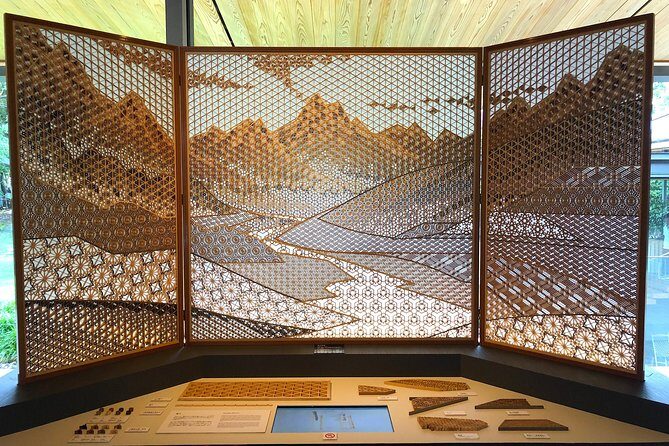
- Takenaka Carpentry Tools Museum, Japan’s only carpentry tool museum (and it’s a short walk from Shin-Kobe)
- Ikuta Shrine stop with a quick, meaningful hit of local tradition (20 minutes)
- Hakutsuru Sake Brewery Museum plus sake tasting (50 minutes)
- Ropeway included for the Nunobiki segment, plus an included Sannomiya → Sumiyoshi train ride
- Group size is limited to 8 travelers, keeping the day from feeling like a cattle line
Kobe Highlights in One Day: 7 Hours That Save Your Brain
Kobe is one of those cities where you can easily waste time. Wrong turns, long transfers, and figuring out routes in Japanese can chew up your whole day. This is built to prevent that. In about 7 hours, you’ll see several of the most worthwhile stops spread across Kobe’s hills and waterfront-adjacent areas, with a guide keeping the flow tight.
The schedule is designed around variety. You get a plant-filled hilltop break at Kobe Nunobiki Herb Gardens, a hands-on museum stop at Takenaka Carpentry Tools Museum, a shrine with deep local ties at Ikuta Shrine, and then you end with the Hakutsuru Sake Brewery Museum and tasting. It’s a nice mix if you want Kobe’s “how it works” rather than just photos at each landmark.
Where this really shines is the structure. You’re not stuck deciding what to do next, and you’re not paying time-or-money penalties to connect scattered sites. The day includes transportation pieces—like the included train segment and ropeway—so you spend your energy on the experience instead of logistics.
Other sake tasting experiences we've reviewed in Kobe

Small Group Energy (Up to 8) and Guides That Matter
Kobe days can go two ways: either you get a guide who helps you connect dots, or you get a checklist. The strong theme here is the guides. Across the experience, names like Aki, Akari, Sunny, Mizu, Koko, and Etsuko show up in the praise for clear explanations and thoughtful pacing.
That small-group limit—up to 8 travelers—isn’t just a comfort perk. It affects the quality of your day. You’ll have space to ask questions at the shrine, pause for photos at viewpoints, and move at a human pace through museums. It also makes the group dynamic easier if you’re traveling solo or as a couple.
Practical tip: since the tour runs with scheduled stops, wear shoes you can trust. The gardens sit on a steep hillside, and you’ll walk parts of the route even with the ropeway doing the heavy lifting.
Nunobiki Herb Gardens and Ropeway Views: Worth the Effort
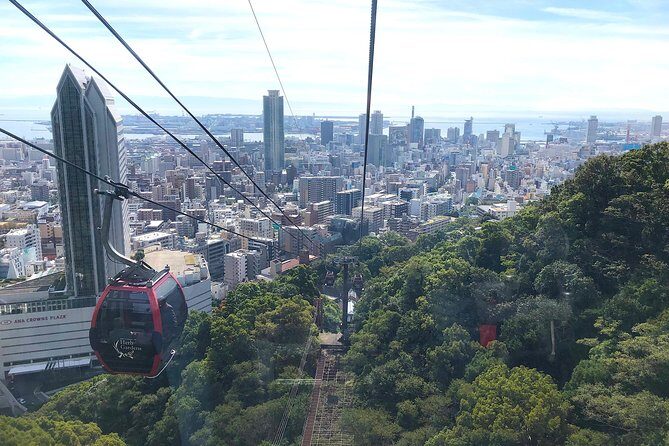
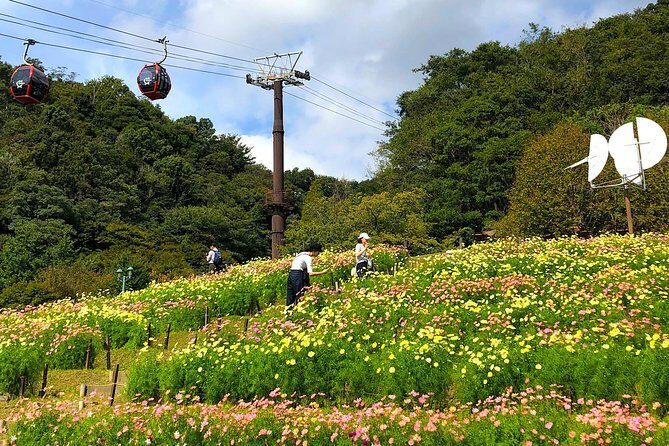
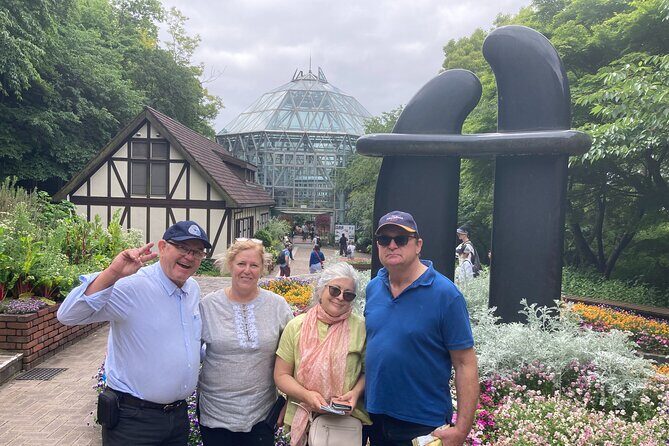
Your day kicks off at Kobe Nunobiki Herb Gardens. It’s described as the largest herb garden in Japan, with 75,000 herbs and 200 flower species. Translation: this isn’t a quick “sniff-and-go” garden. It’s a place where you’ll want time to slow down and look.
The highlight here is the viewpoint. The garden sits above Kobe, and you get wide views over the city and toward the sea area. There’s also a focus on dramatic scenery from above, including falls views that feel like they’re staged for a camera. If you like photo stops but hate feeling rushed, the 1 hour 30 minutes gives you breathing room.
Logistics matter, too. The tour includes a round-trip ropeway, which helps you manage the hillside elevation without turning your day into an endurance event. Still, expect walking on paths that aren’t flat. If you’re the type who enjoys strolling and stopping for angles, you’ll have a great time. If you prefer level ground only, this might be the part where you feel the most physical effort.
Admission is included, so once you’re there, you’re not doing math in your head about ticket costs. Just follow the guide’s pacing and take the time you need for the views.
Takenaka Carpentry Tools Museum: Practical, Japan-Style Craft
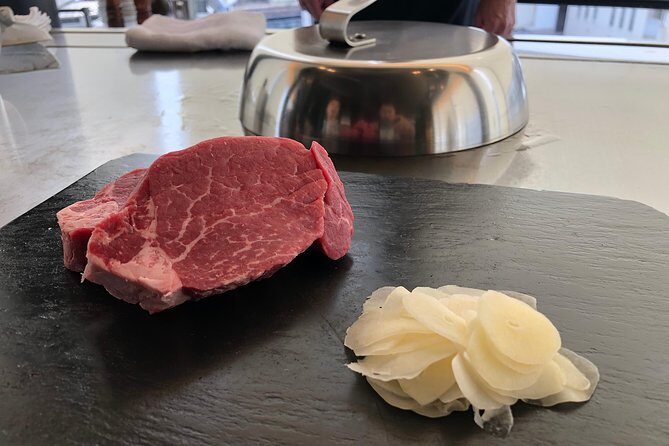
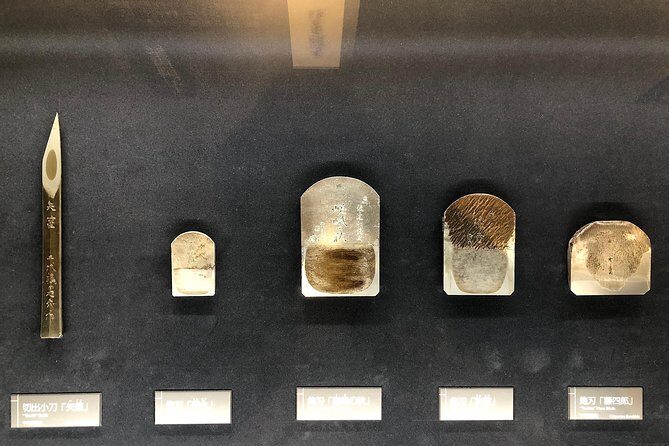
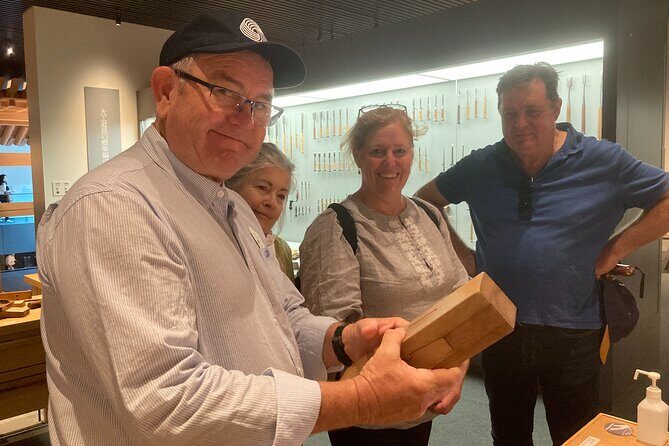
After the gardens, you move to Takenaka Carpentry Tools Museum, a short walk from Shin-Kobe Station. It’s a focused museum, and that’s a good thing for a one-day tour. You’re not trapped in a sprawling building that swallows time.
What makes it special is the subject. It’s the only carpentry tool museum in Japan, founded in 1984. That narrows the story in a useful way: you’re seeing tools and techniques related to how structures are built and how carpentry traditions are preserved and explained.
There’s also a physical design element worth mentioning. The museum experience is designed so you can move through exhibits efficiently, even in a one-hour stop. Admission is included, so again, you can just enjoy it rather than budgeting on the fly.
A fair warning: some people expect an art museum and get something more technical. If you like craftsmanship, building methods, and how “making” works, you’ll likely love this stop. If you’re purely shopping-focused, you might find it less exciting than the views or the sake tasting.
Ikuta-jinja: A Short Shrine Stop With a Real Purpose
Next up is Ikuta-jinja, Kobe’s most popular shrine. It’s connected to the origin of Kobe’s name and honors the god of marriage. That’s why the shrine is known for couples visiting—many hold wedding ceremonies here.
You get about 20 minutes at this stop. That’s short, but for a shrine visit in a day plan, it can be perfect. You get the key atmosphere and cultural meaning without turning it into a half-day detour.
Drawback to consider: 20 minutes means you’ll be seeing the main areas only. If you want a deep, slow ritual experience, you’ll need more time than this tour allows. But if your goal is to understand how Kobe expresses tradition in everyday life, this is a strong hit.
Other Kobe sake tours we've reviewed in Kobe
Hakutsuru Sake Brewery Museum and Tasting: Trends You Can Actually Taste
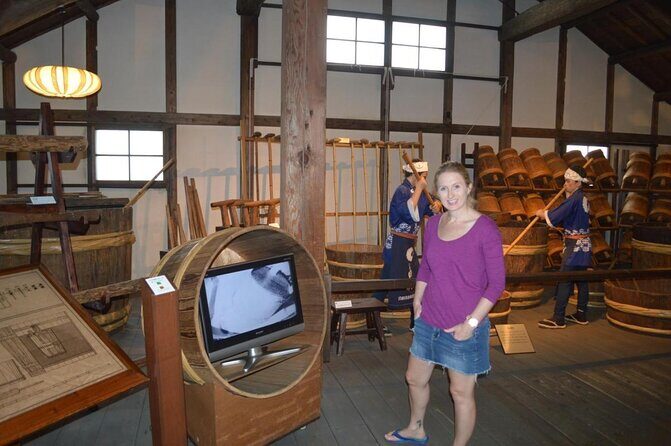
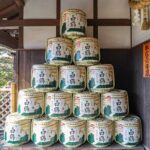
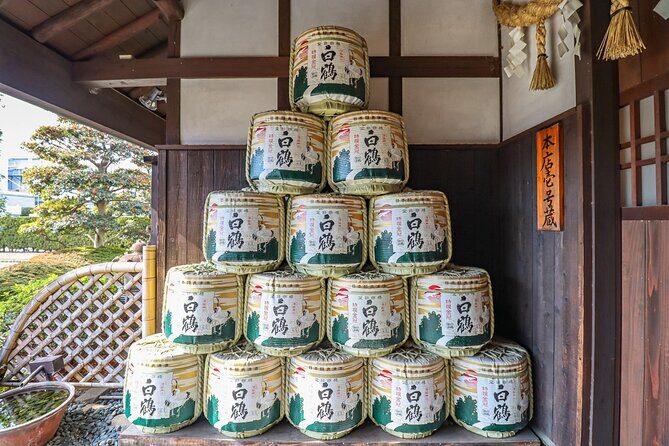
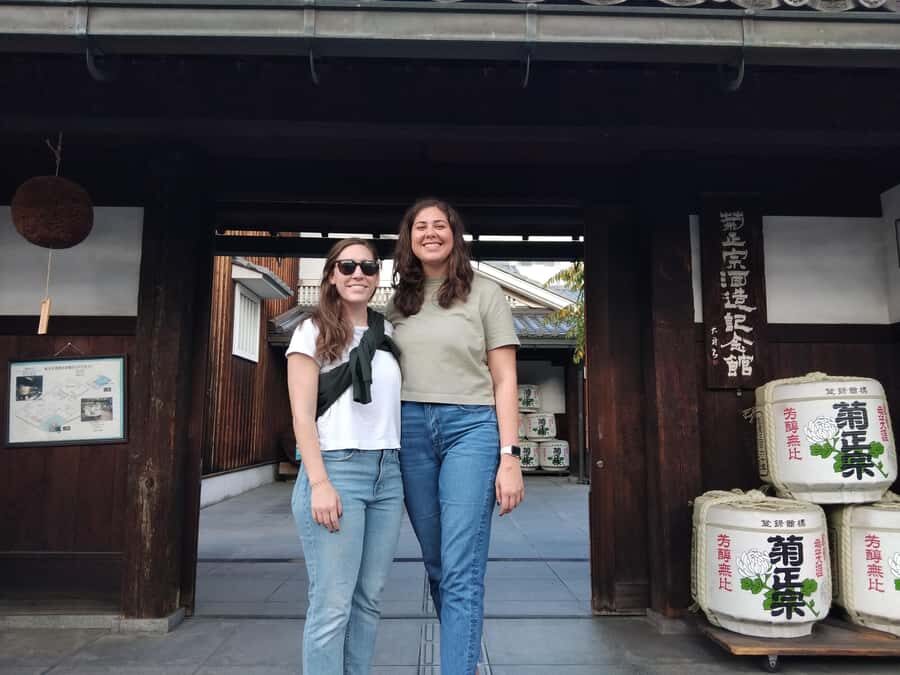
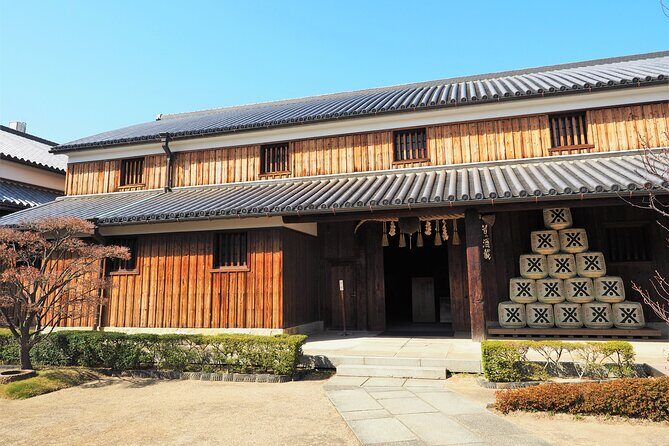
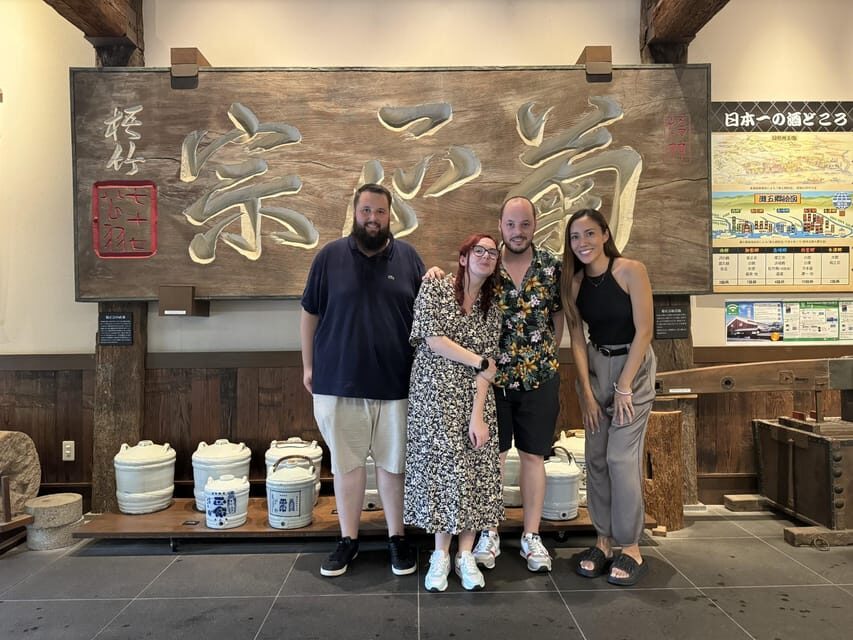
Your final highlight is the Hakutsuru Sake Brewery Museum. It’s not just a passive history stop. The museum focuses on how sake production and distribution reflect changing trends, including the introduction of chilled sake and packaging choices like easy-to-use bottle formats.
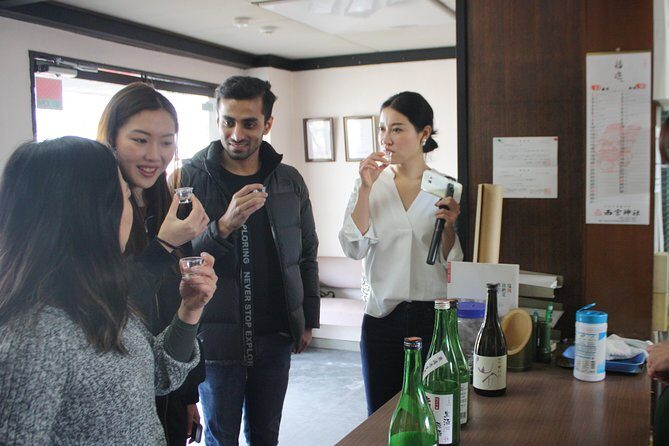
You’ll have about 50 minutes, and admission is free as part of the experience. The big payoff is the sake tasting, which turns information into something you can evaluate with your palate.
This is also a smart end-of-day stop. After museums and hillside walking, the sake tasting gives you a relaxed finish. You can compare flavors, learn how production choices affect the final drink, and leave with something tangible you can remember.
Important practical note: Japan sake tastings can include multiple pours. If you’re sensitive to alcohol, pace yourself and drink water. The tour includes transportation pieces, but you still don’t want to be stuck feeling off-balance for the final stretch of the day.
Getting Around: Included Train Ride, Ropeway, and Where Lunch Fits
One of the strongest value elements is that the tour handles parts of transit. You’re included for a train ticket (Sannomiya station → Sumiyoshi station). That matters because those transfers can be annoying when you’re planning your own route and trying to match timetables.
The tour also includes hotel pick up and drop off only in Kobe city, and it includes Kobe/Osaka Port pick-up & drop-off. That’s useful if you’re starting from a port area instead of a city hotel. The day begins at Shin-Kobe Station (with the provided address) and ends back at the meeting point area.
Lunch is not included. In practice, that means you should plan to budget for a meal or go with the guide’s recommendations if they suggest a place nearby. One of the happier notes tied to the experience is that some guides have helped people find a great lunch spot, but since lunch isn’t included, don’t count on it being built into the package price.
If you’re food-driven, consider this your chance to choose exactly what you want to eat in Kobe—sushi, local dishes, or something lighter—without being forced into one set meal you may not enjoy.
Price and Value: When $171.31 Feels Like a Deal
At $171.31 per person, this tour isn’t the cheapest way to “see Kobe.” But it can be good value if you add up what you’re getting.
You’re paying for:
- an English guide
- admissions for Nunobiki Herb Gardens and Takenaka Carpentry Tools Museum
- round-trip ropeway
- sake tasting
- a train ticket segment
- pickup/drop-off in Kobe city, plus port pickup/drop-off
The math shifts when you compare it to doing everything on your own. Kobe highlights are spread out enough that DIY logistics can add time and cost. When a tour includes ropeway and train segments, it usually saves you the stress of planning and reduces the chance you end up paying twice due to missed connections.
Where it might not feel like a deal: if you love building your own schedule, are comfortable with Japanese transit planning, and already know you’ll skip one of the included experiences. But if your goal is to hit several top stops in one shot with minimal effort, the package pricing tends to make sense.
Also, booking is typically made around 100 days in advance. If you’re traveling in a peak season window, try to lock it in earlier so you get your preferred date and guide availability.
Who Should Book This Kobe Tour (and Who Should Skip It)
This tour is a strong fit if you’re:
- a first-time visitor to Kobe who wants a guided highlight route
- short on time and want a plan that covers nature + culture + museum stops
- someone who likes learning context, not just standing in front of a building
You should think twice if:
- you need mostly level, low-walking sightseeing (Nunobiki involves a ropeway and then walking)
- you’re expecting a long shrine experience or an unhurried, deep-dive museum day
- you want lunch fully handled in the price (it isn’t included)
For most people, the short stop times are a feature, not a bug. You get variety without feeling stuck for hours in one type of attraction.
Should You Book It? My Straight Answer
If you want Kobe highlights in one day without wrestling trains and tickets, this is an easy yes. The small group size keeps it personal, the itinerary covers the big three—views, craftsmanship, and culture—and the sake tasting at Hakutsuru is a fun payoff.
Just go in knowing the day includes walking on hillside paths, and lunch will be on your dime. If that fits your travel style, you’ll likely come away feeling like you actually got a real Kobe snapshot instead of a collection of random stops.
FAQ
How long is the Kobe highlights tour including sake tasting?
It’s listed as about 7 hours.
What’s included in the price besides the guide?
The tour includes all fees and taxes, an English guide, round-trip ropeway, sake tasting, hotel pick up and drop off within Kobe city, a train ticket from Sannomiya station to Sumiyoshi station, and Kobe/Osaka port pick-up and drop-off. It also uses a mobile ticket.
Is lunch included?
No. Lunch is not included.
Where does the tour start and end?
The start is Shin-Kobe Station (1-chōme-3-1 Kanōchō, Chuo Ward, Kobe, Hyogo 650-0001, Japan). The tour ends back at the meeting point.
How many people are in the group?
The tour is described as an intimate small-group experience limited to 8 travelers.
Can I cancel and get a full refund?
Yes. There is free cancellation up to 24 hours in advance of the experience start time for a full refund. The experience also requires good weather; if it’s canceled due to poor weather, you’ll be offered a different date or a full refund.
More 1-Day Tours in Kobe
More Kobe Sake Tours in Kobe
More Sake Tasting Experiences in Kobe
More tours in Kobe we've reviewed

Kobe Sake Tours, compared.
 ★ 5.0KOBE Sake Tasting Tour at Breweries (tasting fee included)From $109
 ★ 5.0Kobe: Guided Sake Breweries Tour with TastingsFrom $1063h 30m
 ★ 5.0Sake Brewery and Japanese Life Experience Tour in KobeFrom $83
 ★ 4.4Kobe: 3-Hour Sake Breweries Tour with Special TastingFrom $94
 ★ 5.0Exploring Nada Sake Breweries Kobe Private Tour with Government-Licensed GuideFrom $154
 ★ 5.0Kobe: Sake Brewery Tour with Tasting and Kobe Beef BitesFrom $83150 minutes - 3 hours
 ★ 4.7Kobe: Sake Brewery Tour with Tasting SakeFrom $833h 30m
 ★ 5.0Cruise Shore Excursion: Kobe Sake Tasting with Local GuideFrom $1416 hours
The lists this tour appears in