
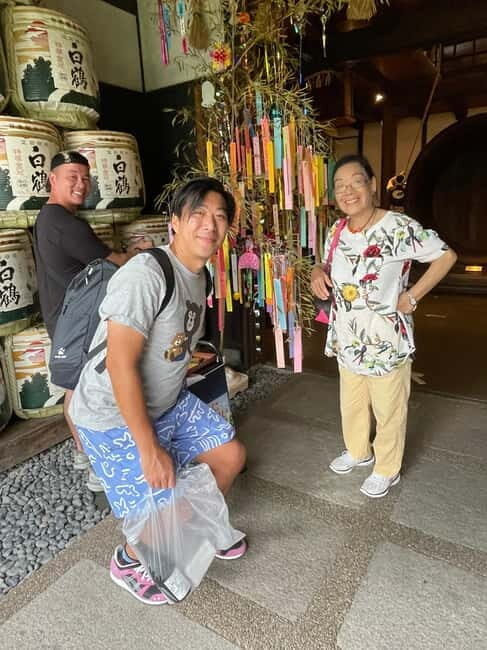
Reviewed · KOBE SAKE TOURS
Kobe: Guided Sake Breweries Tour with Tastings
Sake tasting in Kobe, on foot, works. In Nada, Japan’s top brewing zone, you’ll hop through classic brewery stops and sample multiple sakes as you learn how they’re made.
I like that it’s built around a small group and a friendly English guide who turns brewing details into something you can actually taste and remember. Many groups are led by guides such as Hiro or Romi, and the energy tends to be high.
One thing to consider: it’s a 4 km walking tour with a long stretch between stops, and the exact breweries can shift due to closures or weather.
In This Review
- Key highlights you’ll actually feel on the day
- Kobe’s Nada District: Why These Breweries Matter
- Meeting at Ishiyagawa Station and the Real Pace to Uozaki
- Stop 1: Kobe Shushinkan (Fukuju) and Your First Set of Tastings
- Stop 2: Okage Tofu-an for Food and Sake Chemistry
- Stop 3: Hakutsuru Sake Brewery Museum and Japan’s Biggest Brewery Story
- Stop 4: Kiku-Masamune Shuzo Kinenkan (Since 1625) and the Kimoto-Method
- How the Guide Turns Tastings Into Learning (Not Just Drinking)
- Price and Value: What $106 Really Covers in Kobe
- What to Bring, What to Watch For, and Who Should Skip This Tour
- Should You Book This Tour? My Straight Answer
- FAQ
- How long is the Kobe sake breweries guided tour with tastings?
- Where do we meet, and where does the tour end?
- How many breweries will we visit?
- Is the guide available in English?
- What tastings and food are included?
- Is the tofu shop stop always included?
- Is the tour only for adults?
Key highlights you’ll actually feel on the day
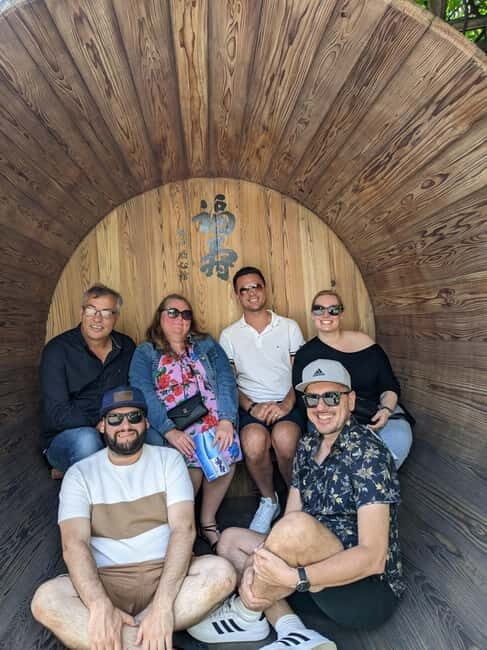
- Nada district focus: Kobe’s top sake-producing area, with 26+ breweries in the wider zone
- Taste the range: multiple sake styles across different makers, not just one brand
- Real variety of stops: from an old brewery museum to a traditional Kimoto-method shop stop
- Tofu pairing moment: a midday snack/food stop that fits the sake theme
- Fun guide factor: guides like Hiro and Romi are repeatedly praised for clear English and humor
- Plan for walking: comfy shoes matter, especially if weather forces longer/shorter routes
Kobe’s Nada District: Why These Breweries Matter
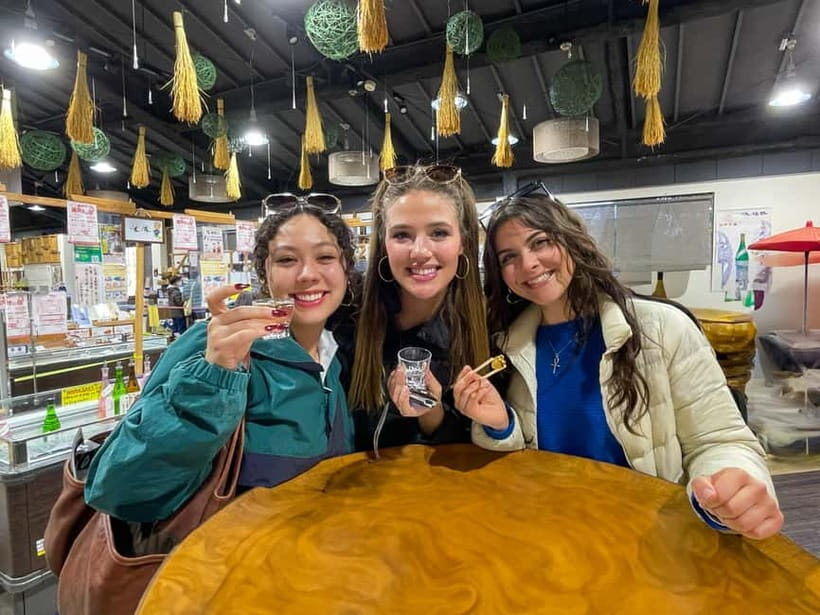
If you’ve ever wondered why Japanese sake tastes different from region to region, Nada is one of the best places to understand it. The area has a long reputation as the leading sake-producing district in Japan, with more than 26 breweries in the broader area of Kobe. That concentration matters, because it means you can compare styles without doing a giant round-the-island itinerary.
This tour keeps you in one place—Kobe—so your brain can make sense of what you’re tasting. Instead of jumping across towns, you’re moving through the same cultural and brewing environment, then seeing how different breweries interpret it. That’s the key value here: the differences don’t feel random. They feel grounded.
Another big plus is that the stops aren’t all the same kind of experience. You’re not only looking at tanks and uniforms. You’ll also visit a museum-style facility at Hakutsuru, plus a brewery-linked museum experience at Kiku-Masamune. That blend is what makes the tour useful even if you’re not a hardcore sake nerd yet.
Other sake brewery and tasting tours in Kobe
Meeting at Ishiyagawa Station and the Real Pace to Uozaki
The tour starts at Ishiyagawa Station (Hanshin Line) at 13:00. You’ll meet staff wearing a KampaiSakeTours name tag with the logo. From there, the plan is mostly on foot, ending around 16:30 at Uozaki Station on the Hanshin Line.
The walk totals around 4 km, and it’s not the kind of stroll where you barely sweat. It’s enough walking that you’ll want comfortable shoes and a little stamina in your legs. The tour also notes to eat something before you join, which I think is smart. Sake tastings are tastings, but your body still likes food first—especially with a tofu stop in the middle.
One practical detail I’d underline: bring a backpack. The tour notes that you’ll find great local sake for souvenirs. That’s not a promise of a shopping spree, but it’s realistic. When you taste multiple makers, you’ll usually want to buy at least one bottle afterward.
Stop 1: Kobe Shushinkan (Fukuju) and Your First Set of Tastings
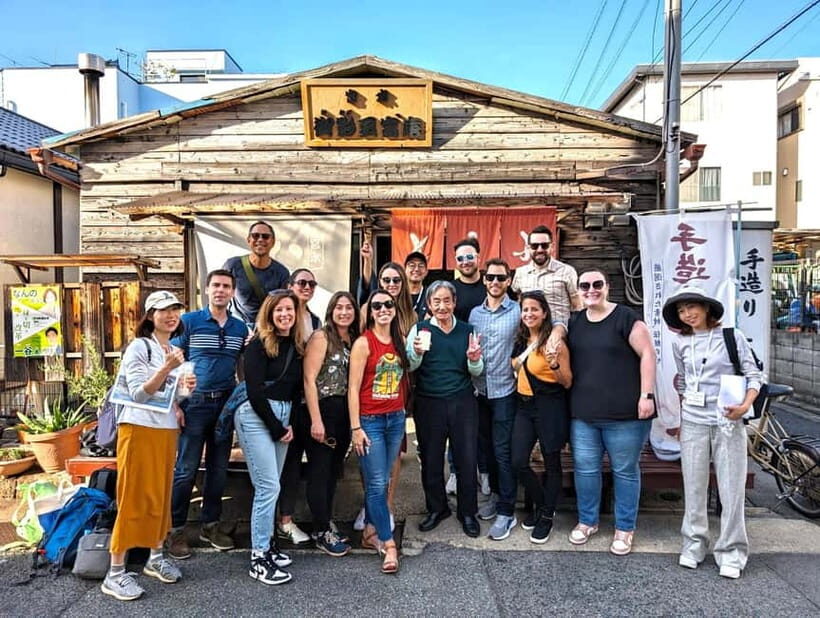
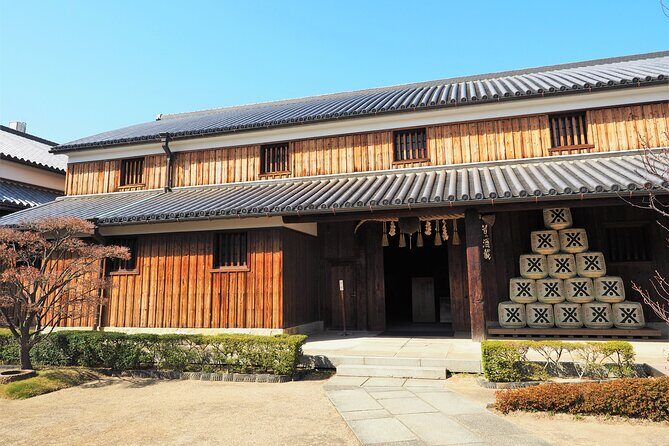
Your first brewery stop is Kobe Shushinkan, associated with the brand Fukuju. The brewery’s founding dates back to 1751, and the tour frames it as a place that keeps a handcrafted approach. The general message you’ll hear is that time, ingredient quality, and careful brewing choices build sake that carries meaning beyond just alcohol.
What I like about starting here is pacing. The tour doesn’t throw you into the biggest-name museum first. It begins with a working brewery story, so when you later see larger facilities and more formal presentations, you understand what you’re comparing.
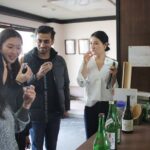
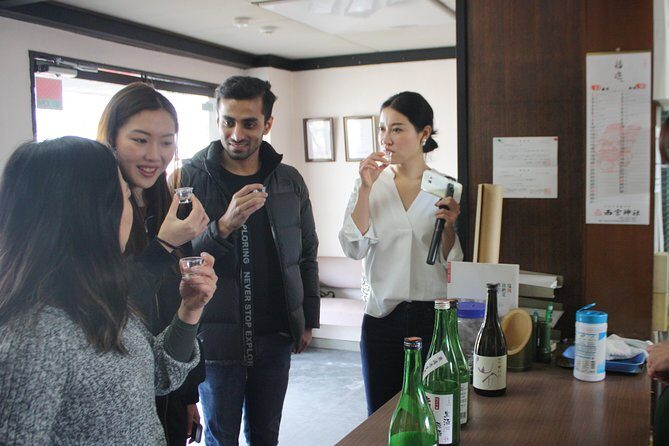
You’ll also taste sake as part of the flow. The idea is to sample different types from the breweries you visit, so your first tastings help set your internal vocabulary: do you prefer fruitier notes, drier styles, or rounder textures? Then the later stops give you contrast.
Stop 2: Okage Tofu-an for Food and Sake Chemistry
Between brewery visits, there’s a food stop at Okage Tofu-an (Okage Tofu Shop & Tasting). This one is more than a break; it’s a sake-friendly palate reset.
The shop is known for making fresh tofu every morning and delivering it with care. The tour description specifically connects great tofu to pure water, which is a fun connection because water quality is also central to sake brewing. If you like the science side of food and drink, you’ll probably enjoy how often the day links ingredients and water to flavor.
Timing matters here. The tour notes that on Sundays and public holidays, the tofu shop is closed, so this stop and tofu tastings won’t be available. That means your exact midday experience could be slightly different depending on day-of-week.
Even with that caution, this food stop tends to be a strong memory. It gives you something gentle and savory between tastings, and it helps you avoid the common tourist mistake of trying to judge everything with a heavy, empty palate.
Stop 3: Hakutsuru Sake Brewery Museum and Japan’s Biggest Brewery Story
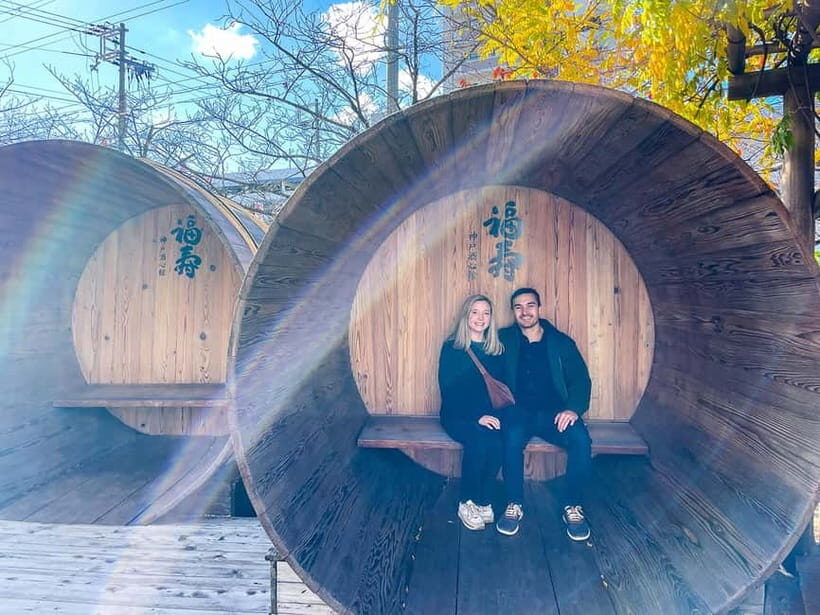
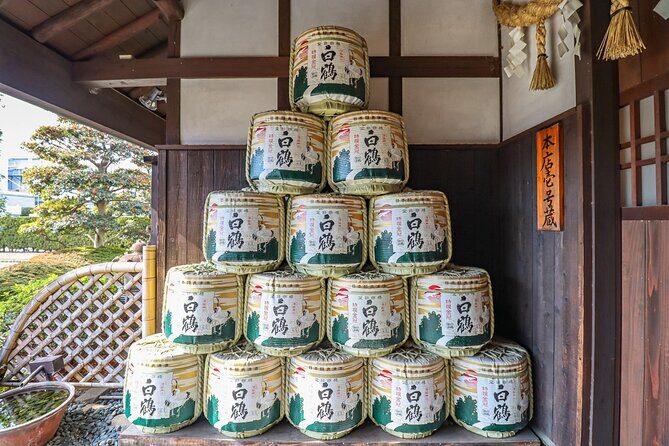
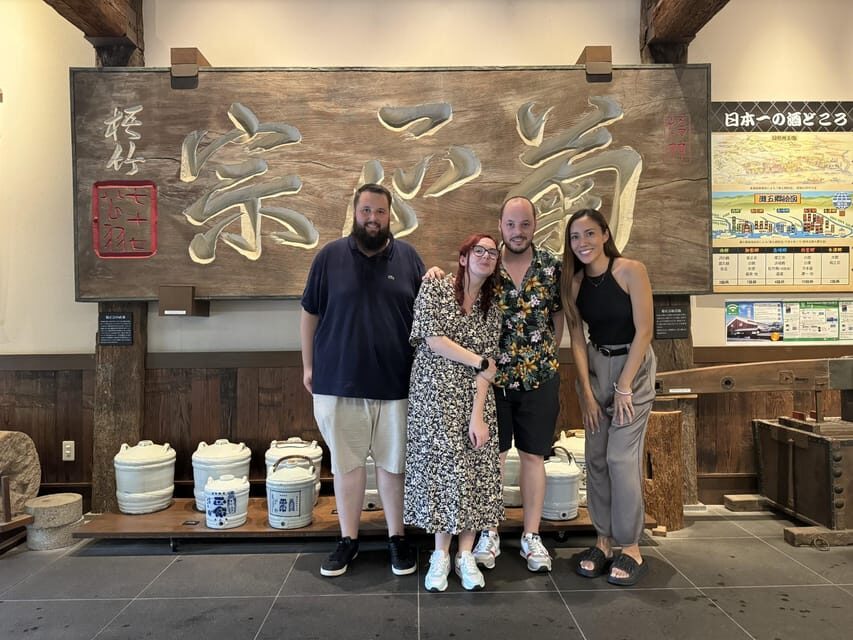
Next is HAKUTSURU Sake Brewery Museum. Hakutsuru is described as Japan’s largest brewery, and the museum lets you see an older brewhouse in its original form. That matters because it’s not only about modern production. It’s about tradition—how sake-making looks when you view it as craft, tools, and process over generations.
You’ll get a tasting corner at the museum. There’s also a shop in the same building where you can buy alcohol and souvenirs. That’s practical for you because it’s the kind of place where you’ll want your notes and your preferences ready. After tasting multiple styles, you’ll have a better sense of what you actually want to take home.
The Hakutsuru stop also helps you understand why sake museums work as learning spaces. They give you a visual timeline. You can connect the earlier handcrafted feel of Fukuju with a broader scale of production, then notice how tradition and size coexist.
If it’s raining, the day can still work. One review notes that when the weather made walking inconvenient, the organization arranged a car to keep the program moving and even allow visits to additional breweries. So don’t panic if the sky changes. The tour is designed to keep things on track.
Other Kobe sake tours we've reviewed in Kobe
Stop 4: Kiku-Masamune Shuzo Kinenkan (Since 1625) and the Kimoto-Method
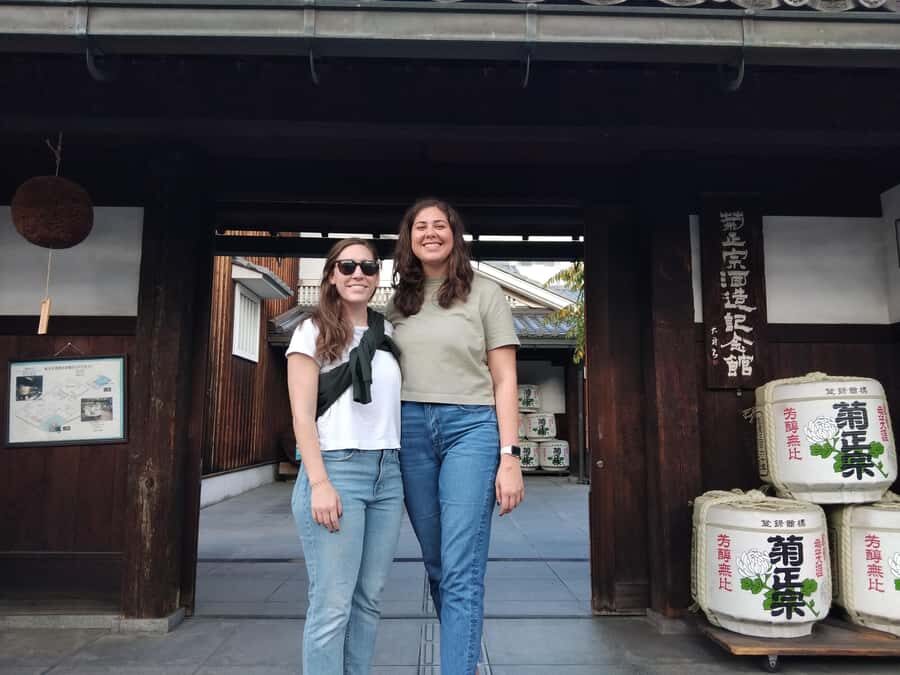
The last brewery-related museum experience is Kiku-Masamune Shuzo Kinenkan, tied to a brewery history that goes back to 1625. This stop highlights the traditional Kimoto-method yeast style. Even if you don’t know what that means right now, your guide can translate it into something you can hear and taste.
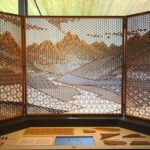
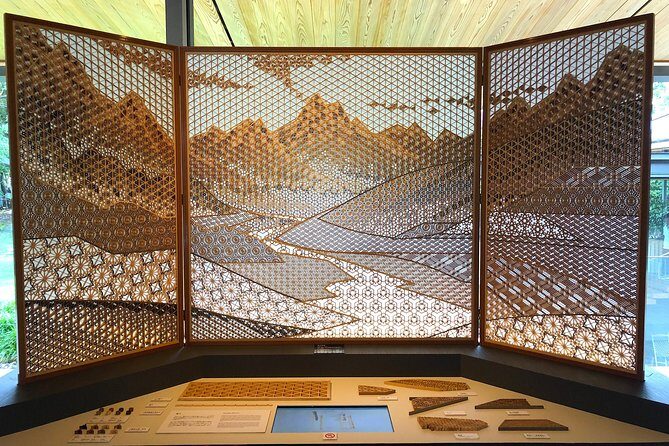
Here you’ll see wooden sake-making tools in the museum. It’s a visual education moment: instead of only hearing about fermentation and technique, you get a sense of the physical tools and the craft culture behind them. Then you’ll also taste a dedicated sake in front of a garden setting. The garden detail is small, but it helps. You get a calm pause that makes the final tasting feel less like an assembly line and more like a moment to evaluate what you’ve learned.
One helpful mindset here: treat the last stop like your tasting exam. By now, you’ll have a few comparisons in your head. Is this one drier? More aromatic? Smoother? The guide’s explanations can steer you, but your own taste impressions are the real payoff.
How the Guide Turns Tastings Into Learning (Not Just Drinking)
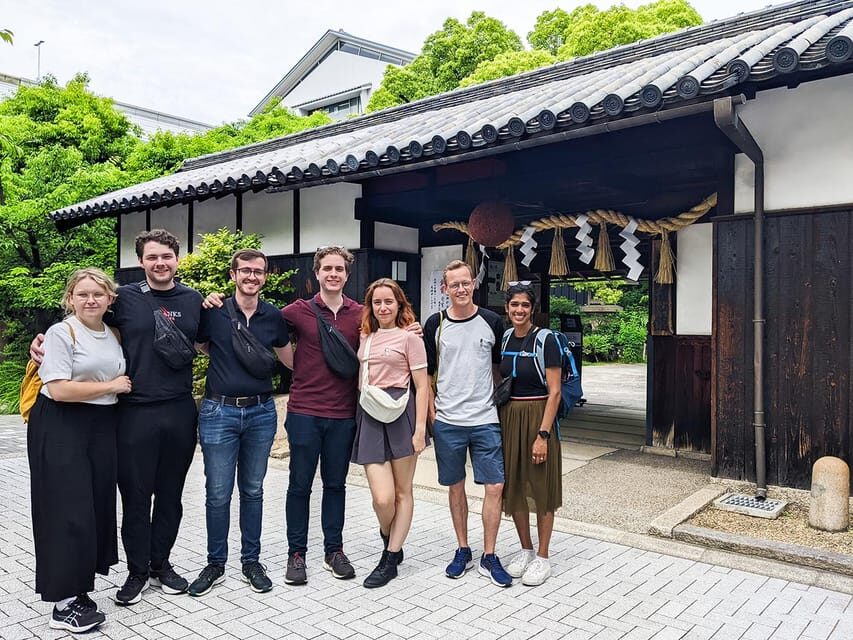
A lot of tasting tours fail for one reason: you taste, you smile, then you leave with no clear mental map. This one stands out because the guide experience is repeatedly described as clear, enthusiastic, and easy to follow in English.
Guides you might meet include Hiro, Romi, Aya, Aki, and Fuma, with multiple mentions of strong English explanations and humor. That matters because sake isn’t like ordering wine at a restaurant. The labels and categories can feel confusing. A good guide helps you understand what each style is trying to do.
From the way the tour is set up, you’re not only tasting sake from different breweries. You’re learning the brewing process while you’re tasting. That pairing is what keeps it from feeling like random sips. You’re watching process become flavor.
In at least one recent experience, the team also set up a private tasting space for their group, and there was even an opportunity to speak directly with a master brewer. I can’t guarantee that exact add-on for every date, but it does suggest the company pays attention to making the experience feel special once the group is on site.
Price and Value: What $106 Really Covers in Kobe
At $106 per person for about 210 minutes, you’re paying for more than just a drink. You’re paying for:
- a timed program that moves you through multiple branded locations
- an English-speaking live guide
- sake tastings tied to each stop
- snacks, including the food break that fits the day
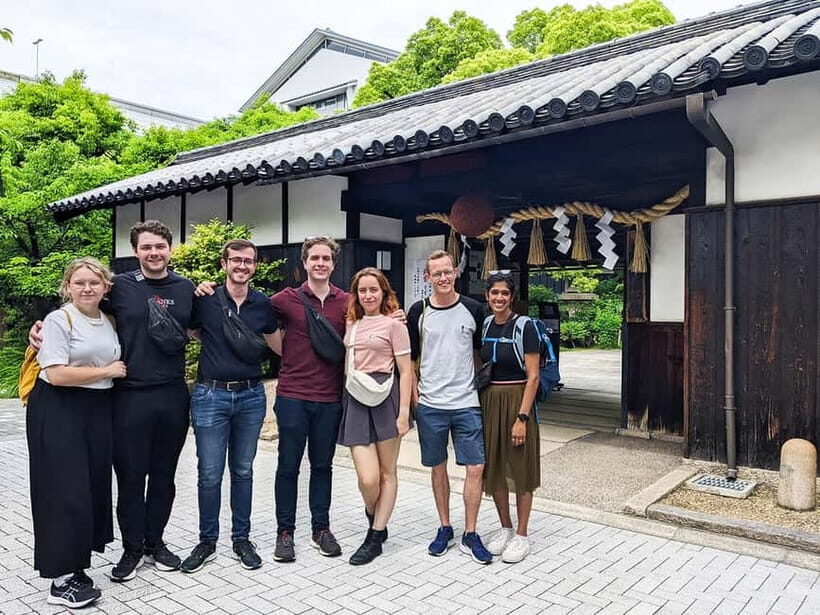
- a small group format (limited to 10 participants)
If you tried to DIY this on your own, you’d still need to figure out where to go, how to compare, and how to get tasting access. Many breweries and related spaces won’t hand you a clean, guided comparison on the spot. Paying for a guided structure is what turns Kobe’s sake scene into a straightforward experience instead of a research project.
Also, you might be able to save on purchases if you’re eligible: the tour notes that tourists with a passport are exempt from tax on purchases over JPY 5,500 at breweries. If you’re planning to buy a bottle or two, that can make the day feel even more worth it.
Finally, the program ends at Uozaki Station. That gives you a logical finish point for your afternoon, rather than getting stuck far from transit.
What to Bring, What to Watch For, and Who Should Skip This Tour
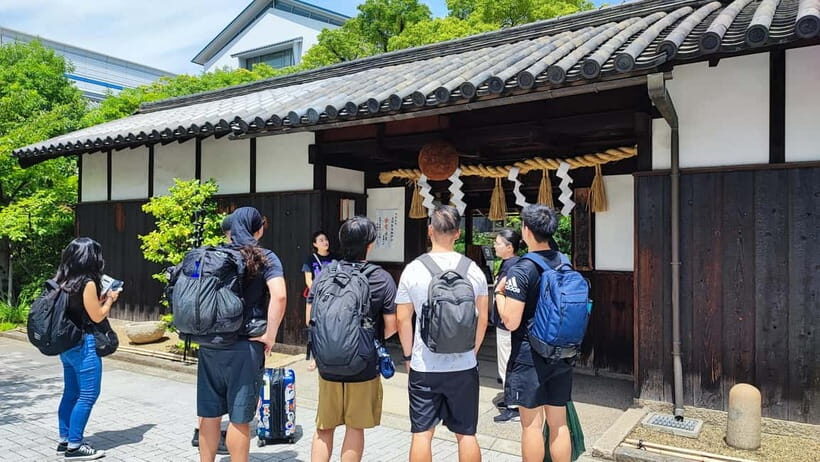
The big prep items are simple. Wear comfortable shoes, and plan for a walk around 4 km. Bring a backpack if you want to carry sake purchases comfortably.
Food-wise, eat something before you start. It’s not a full meal tour, and you’ll likely enjoy the tastings more with a steadier stomach. Also, the tour description notes a tofu stop timing change on Sundays and public holidays, so if that particular food moment matters to you, check the day you’re booking.
There are also clear limits. The tour isn’t suitable for pregnant women and for people under 20. If you’re using a wheelchair or a stroller, you should let the provider know when you reserve.
One more practical note: the tour says to contact the team in advance if you intend to spit during tastings for professional evaluation practices. Regular tasting is built into the experience, but professional-style spitting isn’t the default flow.
Should You Book This Tour? My Straight Answer
Book it if you want a guided, structured way to taste multiple Kobe/Nada sake styles in one afternoon. The best reason to choose this tour is the combination of tasting plus explanation. It’s not only about drinking. It’s about learning what you’re drinking while you’re doing it.
Skip it if you hate walking, because the 4 km trek is real. Or skip it if you’re expecting a pure museum day with zero alcohol involvement. This is a tasting tour first.
If your goal is to come away with a better sense of sake beyond the basics—and you like the idea of learning from guides like Hiro or Romi who keep the day moving—this is a strong use of time in Kobe.
FAQ
How long is the Kobe sake breweries guided tour with tastings?
It lasts about 210 minutes.
Where do we meet, and where does the tour end?
You meet at Ishiyagawa Station on the Hanshin line and the tour finishes at Uozaki Station on the Hanshin line.
How many breweries will we visit?
The tour visits 3 to 4 locations, and the exact breweries can change due to regular closing days or weather.
Is the guide available in English?
Yes. The tour has a live guide in English.
What tastings and food are included?
You’ll have sake tastings and snacks during the tour, including a food tasting stop at Okage Tofu-an when it’s operating.
Is the tofu shop stop always included?
No. The tour notes that on Sundays and public holidays the tofu shop is closed, so the stop and tofu tastings won’t be available on those days.
Is the tour only for adults?
It’s not suitable for people under 20, and it’s also not suitable for pregnant women.
More Guided Tours in Kobe
More Kobe Sake Tours in Kobe
More Sake Brewery Tours in Kobe
More tours in Kobe we've reviewed
Kobe Sake Tours, compared.
 ★ 5.0KOBE Sake Tasting Tour at Breweries (tasting fee included)From $109
 ★ 5.0Sake Brewery and Japanese Life Experience Tour in KobeFrom $83
 ★ 4.51-Day Kobe Highlights Tour including Sake TastingFrom $171
 ★ 4.4Kobe: 3-Hour Sake Breweries Tour with Special TastingFrom $94
 ★ 5.0Exploring Nada Sake Breweries Kobe Private Tour with Government-Licensed GuideFrom $154
 ★ 5.0Kobe: Sake Brewery Tour with Tasting and Kobe Beef BitesFrom $83150 minutes - 3 hours
 ★ 4.7Kobe: Sake Brewery Tour with Tasting SakeFrom $833h 30m
 ★ 5.0KOBE Sake brewery PRIVATE walking tour with Local guideFrom $84
The lists this tour appears in