
Reviewed · KOBE SAKE TOURS
Sake Brewery and Japanese Life Experience Tour in Kobe
If you like food and stories, this fits. This Kobe tour mixes sake tasting, brewery craft, and everyday flavor culture in one compact 4.5-hour walk. You’ll start at Hakutsuru Sake Brewery Museum, then move through major local breweries and shops where sake isn’t a museum piece—it’s part of meals and local life.
I especially like the stop at Hakutsuru, where you get hands-on context for how sake is made and you can try sake along the way. I also love the Fukuju connection at Kobe Shushinkan—Fukuju sake has been served at Nobel Prize dinners, so you get a practical bridge between Kobe industry and global prestige.
One thing to consider: the tour does not include a dining stop, and some places don’t accept credit cards. So come prepared with cash and a plan for lunch or snacks after.
In This Review
- Key things to know before you go
- A Kobe sake day that’s about real craft, not just tasting
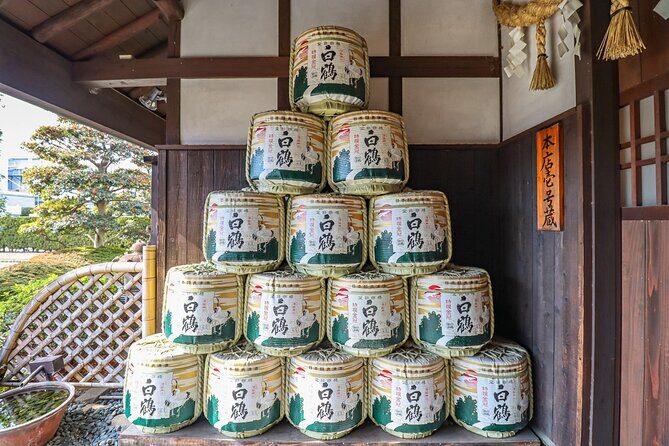
- Hakutsuru Sake Brewery Museum: where the process becomes clear
- Kobe Shushinkan breweries: the Fukuju Nobel Prize connection
- Mirin and pickles at Konan Muko no Sato: sake’s side-quests you’ll actually use
- Shopping streets like Oyasutei Ichiba: Kobe’s old commerce rhythm
- Walking, timing, and how the 4.5 hours stays focused
- Price and value: what $83.56 really buys
- Guide matters here: Norio and Tomoko set the tone
- Who this tour is best for (and who may want something else)
- Should you book this Kobe sake brewery and Japanese life tour?
- FAQ
- Where is the meeting point for this tour?
- How long is the tour?
- Do I need cash during the tour?
- Is food included in the price?
- Can people under 20 drink during the tour?
- Is free cancellation available?
Key things to know before you go
- Sake tasting happens during the museum visit, not as a random extra at the end
- Fukuju is the star at Kobe Shushinkan, with a Nobel Prize dinner link
- Mirin and pickles get explained, including how mirin connects to sake ingredients
- You’ll walk through long-running local shopping streets, including areas tied to old Kobe commerce
- Expect to cover a bit of ground, so comfortable shoes matter
A Kobe sake day that’s about real craft, not just tasting
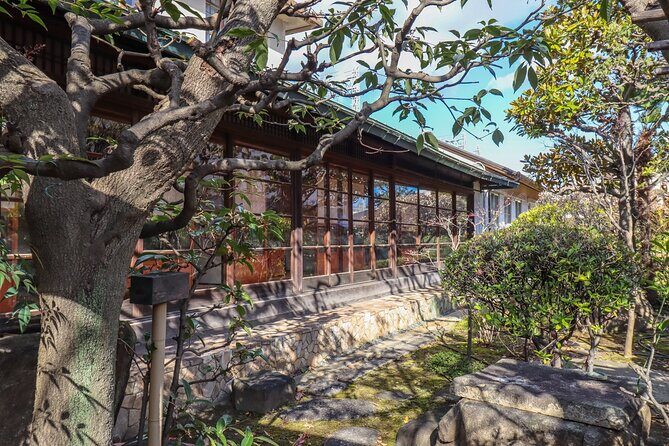
Kobe does a lot of things well—port city energy, seafood, shopping, and a strong connection to old Japanese industry. This tour channels that same theme: it focuses on sake production in Nada (Kobe’s famous brewing region) and then follows the flavor trail from sake into foods you actually see in Japanese kitchens.
A private tour is a big deal here. You’re not squeezed into a giant group shuffle, and you get a guide who can steer the pace. The tour averages 4.8 stars with a 97% recommendation rate, and names like Norio and Tomoko pop up in standout feedback—both are praised for keeping the day clear, fun, and human.
Other sake brewery and tasting tours in Kobe
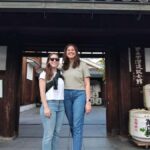
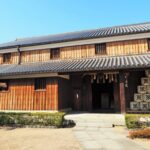
Hakutsuru Sake Brewery Museum: where the process becomes clear
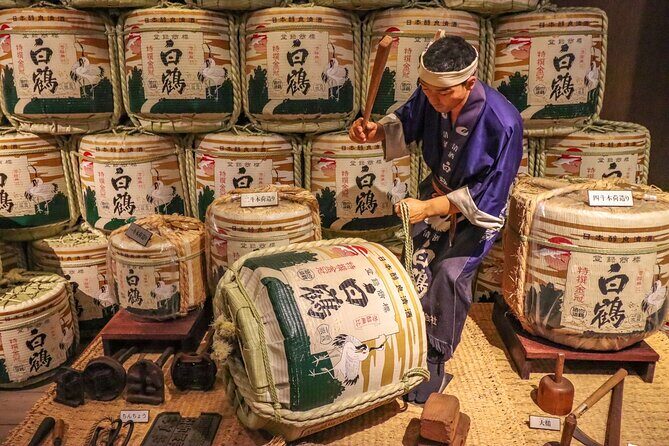
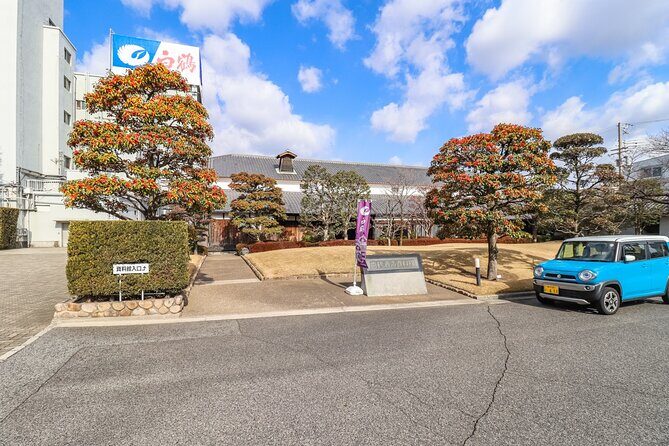
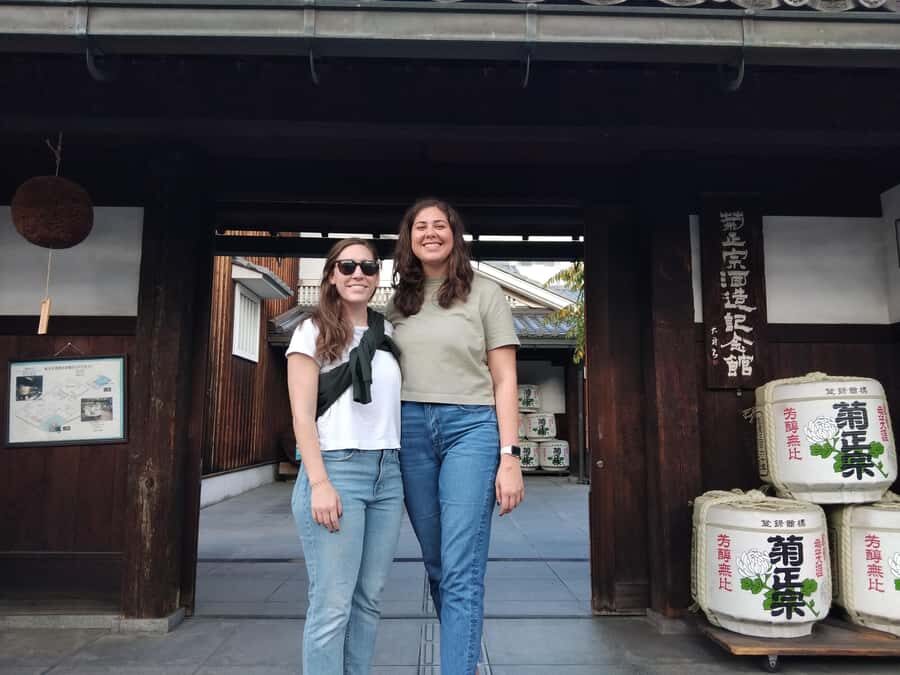
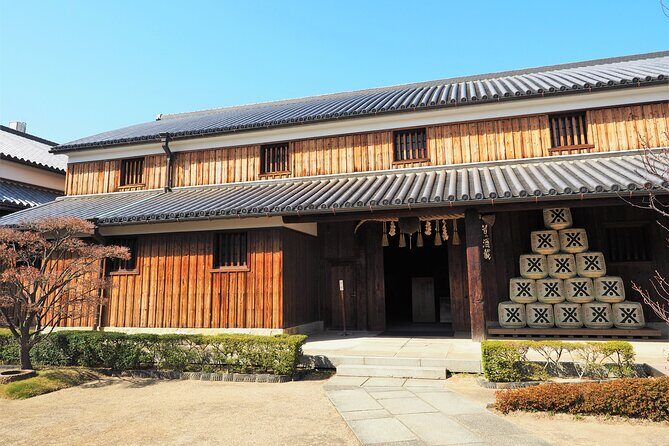
Your day begins at Hakutsuru Sake Brewery Museum, a museum built in the early Taisho era. That old-building feel matters because it frames sake as long-term craftsmanship, not a trendy “food experience.” Inside, you’ll see how traditional sake brewing was done and how the brewery operated.
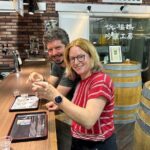
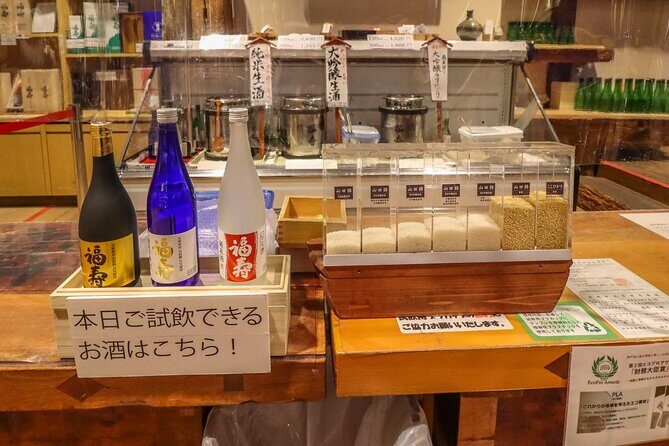
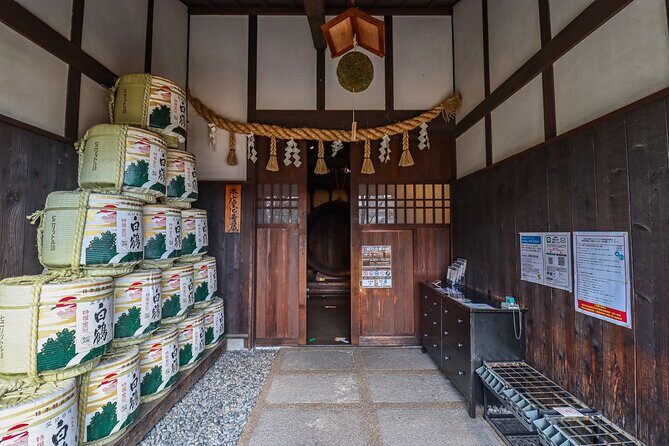
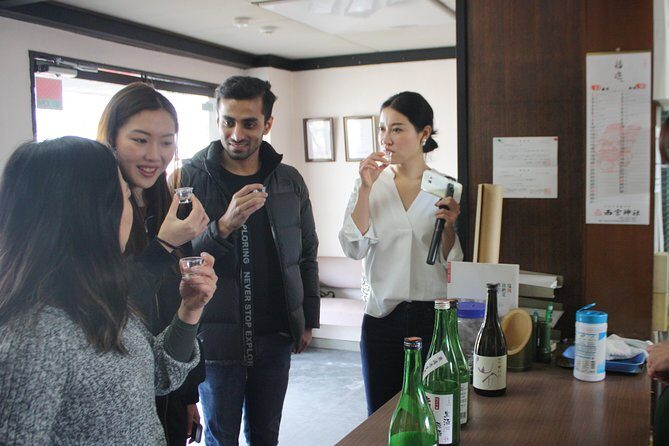
This is also where the tasting comes in. The tour includes sake tasting at the museum, so you’re not just reading panels—you’re tasting while concepts are still fresh in your head. That pairing helps you notice differences in style and aroma, even if you’re new to sake.
Practical note: the museum admission fee is listed as ¥530, but the stop info also shows an admission ticket as free. Because you’re dealing with small fees and real-world ticket rules, I’d plan to have a little cash available just in case.
What to do to get more out of this stop
- Ask your guide what to look for during tasting (smell first, then sip, then notice finish).
- Take a quick photo of any explanation that mentions brewing steps—you’ll remember it later at the next brewery.
Kobe Shushinkan breweries: the Fukuju Nobel Prize connection
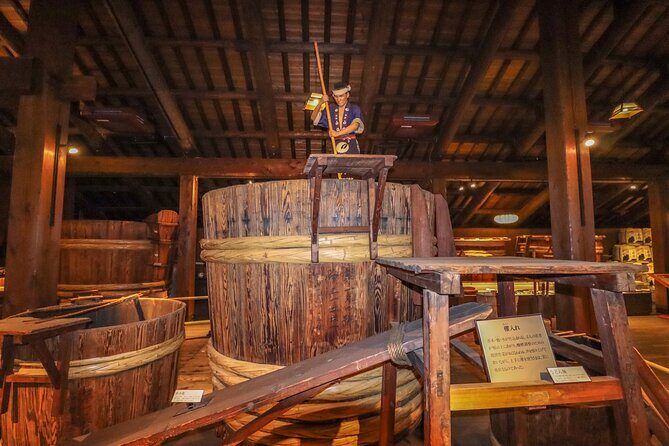
Next up is Kobe Shushinkan, a sake brewery operating for about 250 years since the Edo period. That long timeline is more than trivia. It helps explain why Kobe/Nada sake has such a reputation: brewing here isn’t a one-off product line—it’s an inherited craft shaped by place.
The tour’s hook at Shushinkan is Fukuju, produced by this brewery and known for being served at Nobel Prize dinners. That’s a neat detail because it makes the tasting feel bigger than Kobe. You’re standing in the same kind of brewing tradition that has ended up on dinner tables far outside Japan.
You can expect a clear explanation of how sake brewing works and why Nada is considered ideal for production—particularly the role of local conditions like climate, rice quality, and water. Even when you don’t remember every technical word, you’ll likely understand the logic: great sake comes from a system, not one lucky batch.
Mirin and pickles at Konan Muko no Sato: sake’s side-quests you’ll actually use
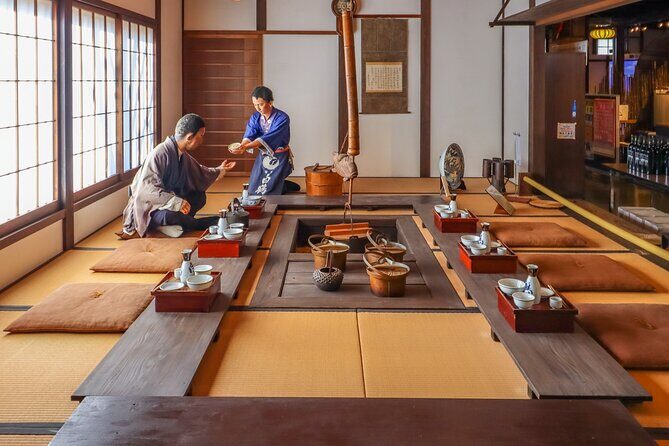
If you’ve ever wondered why Japanese meals taste the way they do, this stop answers a big part of that question. Konan Muko no Sato specializes in pickles and mirin. Mirin is a sweet cooking rice wine, and the tour explains that it’s made from the same raw materials as sake.
That connection is useful. Once you understand mirin’s relationship to sake, Japanese pantry staples start to make sense. You’ll also learn why mirin is essential in Japanese cuisine, especially for adding sweetness, depth, and balance to cooking.
Pickles are part of that same everyday story. Instead of treating fermentation as a one-day science project, you’ll see it as a regular part of flavor—something that shows up beside rice bowls, sides, and snacks. It’s a smart contrast after the breweries: one place is the origin, the other is how those flavors land in daily life.
A small expectation check
This isn’t a sit-down food tasting with a full meal. It’s learning and observing, centered on ingredients and how they’re used. If you’re hoping for a long snack crawl, you may need to add your own stop before or after.
Shopping streets like Oyasutei Ichiba: Kobe’s old commerce rhythm
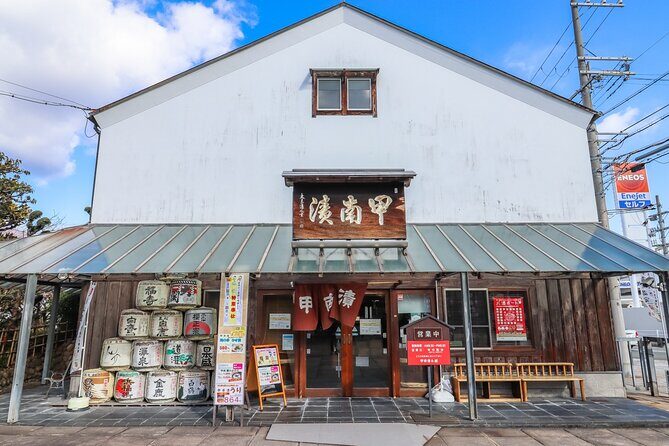
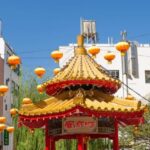
The last part of the tour shifts from production to place—specifically local shopping streets. You’ll visit Oyasutei Ichiba Shopping Street, described as having a history over 100 years and often referred to as the oldest shopping street in Kobe. The point here isn’t shopping for shopping’s sake. It’s seeing how people live around markets that have kept going through changing eras.
The tour also includes time around Suidosuji Shotengai, a long local arcade with 500+ shops. That’s the kind of space where you can feel how neighborhoods support small businesses. Even if you don’t buy much, you’ll likely pick up on the energy: quick purchases, familiar routines, and a casual rhythm.
Bring cash here
Some spots don’t accept credit cards, so you’ll want yen on hand, especially for small snacks or last-minute souvenirs.
Other Kobe sake tours we've reviewed in Kobe
Walking, timing, and how the 4.5 hours stays focused
This experience runs about 4 hours 30 minutes. That’s a good length for people who want more than a quick photo stop but don’t want a half-day van plan. It also means each stop needs to be efficient—which is where a good guide earns their pay.
Because it’s private, the guide can likely adjust pace for your group. Still, you should assume you’ll be on your feet. Wear comfortable clothing and shoes that handle city sidewalks.
Also, remember: the tour ends at a different spot than it starts. You begin at Kobe Sannomiya area near Sannomiya Station, and you finish at Kobe-Sannomiya Station (7 Chome). If you want to change the ending location, you’ll need to tell the guide.
Bad weather can also shift routes. It’s not rare for walking tours to reroute if it’s raining or too cold, so keep some flexibility in your day plan.
Price and value: what $83.56 really buys
The price is listed at $83.56 per person for a private tour with a tour guide. That’s not just “paying for time in a van.” You’re getting a guided day across multiple stops tied directly to sake production and Japanese food culture.
What’s usually worth highlighting is what you still pay on your side:
- You’ll likely cover local transportation costs (the tour info lists ¥530 for transportation).
- The museum admission is separately listed as ¥530 for Hakutsuru.
- The tour does not include a dining spot, so you’ll pay for snacks or lunch separately.
So in real life, your wallet budget looks like: the tour fee up front, plus a little extra cash for transit and a museum fee. That’s pretty normal for this style of experience, and the structure is still good value because you’re not just visiting one place—you’re connecting four themes: brewing, Nobel-famed Fukuju, mirin/pickles, and local street culture.
One extra practical advantage: mobile ticket support is listed, which usually cuts down on hassle at the start.
Guide matters here: Norio and Tomoko set the tone
A sake tour can go two ways. It can be dry and lecture-heavy, or it can turn into a day that feels like you’re traveling with someone who genuinely enjoys the subject. Feedback highlights guides like Norio and Tomoko for being energetic and clear, and that matters for this tour because the subject has enough technical steps to get boring if the guide doesn’t connect it to real life.
Here’s how you can tell if this will be a good match for you:
- If you like learning how ingredients connect—like sake to mirin—you’ll appreciate strong guiding.
- If you want someone to help you understand what you’re seeing at the breweries, a good guide turns a museum visit into a memorable story.
If a guide doesn’t click with your interests, you might feel the pacing and depth more than you expect. One feedback note mentioned a mismatch with guide enthusiasm. So if you’re going for this specifically because of sake focus, choose a time you can pay full attention and ask questions early.
Who this tour is best for (and who may want something else)
This is ideal for:
- You if you want food-and-culture travel, not just sightseeing
- You if sake tasting and brewery context appeals to you
- You if you like connecting ingredients to what you’ll see in Japanese cooking—especially mirin and pickles
- You if you prefer a private format with a guide who can adapt to your pace
You might skip it or add a different plan if:
- You’re hunting for a full meal or lots of prepared food samples. This isn’t built as a dining tour.
- You hate walking in the city. It’s not a marathon, but you are moving between multiple stops.
- You need a strict card-only plan. Cash is smart because some places may not take credit cards.
Should you book this Kobe sake brewery and Japanese life tour?
I’d book it if you want a structured introduction to sake that also explains how sake-related flavors show up in everyday Japanese eating. The combination of a museum tasting experience plus a brewery stop tied to Fukuju and Nobel Prize dinners makes the day feel grounded in something bigger than just “trying alcohol.”
Also, the private format plus strong guide feedback is a real advantage. At $83.56, you’re paying for guided context and multiple sites, not just for a single tasting. Add a little cash and plan your food around the fact that there’s no dining stop, and you’re set.
FAQ
Where is the meeting point for this tour?
You meet at Sannomiya Station (4丁目-1-1番-1, Nunobikichō, Chuo Ward, Kobe, Hyogo 651-0097, Japan).
How long is the tour?
It runs about 4 hours 30 minutes (approx.).
Do I need cash during the tour?
Yes. Some spots visited on the day do not accept credit cards, so bring cash.
Is food included in the price?
No. The tour does not include a dining spot, so you’ll need to handle meals/snacks separately.
Can people under 20 drink during the tour?
No. Under the age of 20 are not allowed to drink in Japan.
Is free cancellation available?
Yes. You can cancel up to 24 hours in advance for a full refund. If you cancel less than 24 hours before the start time, the amount paid is not refunded.
More Breweries in Kobe
More Kobe Sake Tours in Kobe
More Sake Brewery Tours in Kobe
More tours in Kobe we've reviewed
Kobe Sake Tours, compared.
 ★ 5.0KOBE Sake Tasting Tour at Breweries (tasting fee included)From $109
 ★ 5.0Kobe: Guided Sake Breweries Tour with TastingsFrom $1063h 30m
 ★ 4.51-Day Kobe Highlights Tour including Sake TastingFrom $171
 ★ 4.4Kobe: 3-Hour Sake Breweries Tour with Special TastingFrom $94
 ★ 5.0Exploring Nada Sake Breweries Kobe Private Tour with Government-Licensed GuideFrom $154
 ★ 5.0Kobe: Sake Brewery Tour with Tasting and Kobe Beef BitesFrom $83150 minutes - 3 hours
 ★ 4.7Kobe: Sake Brewery Tour with Tasting SakeFrom $833h 30m
 ★ 5.0Cruise Shore Excursion: Kobe Sake Tasting with Local GuideFrom $1416 hours
The lists this tour appears in