
Reviewed · SAKE TASTING EXPERIENCES
Japanese Sake Tasting and Masu Crafting Experience in Tokyo
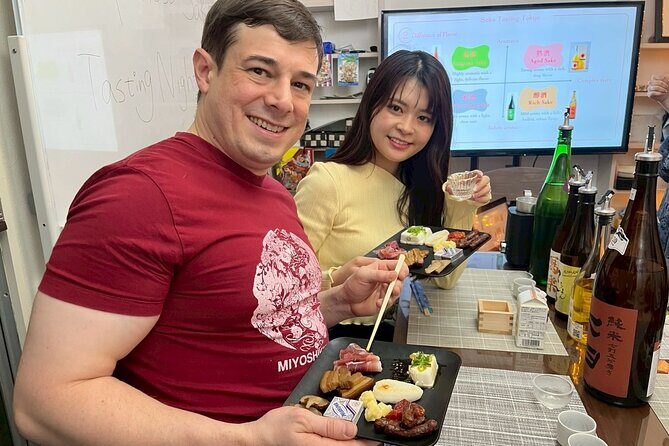
Sake tasting gets more fun. This one pairs a guided English sake tasting with a cozy masu cup crafting session in Ikebukuro, near Manga Dojo Tokyo. I especially like that you get to compare 5–6 sake varieties (including hot sake), so you can actually taste how style and temperature change what’s in your glass. I also like that the snacks are part of the lesson, not an afterthought, so you learn how pairing affects aroma and flavor. The main thing to consider is that the experience does not offer vegetarian or vegan options.
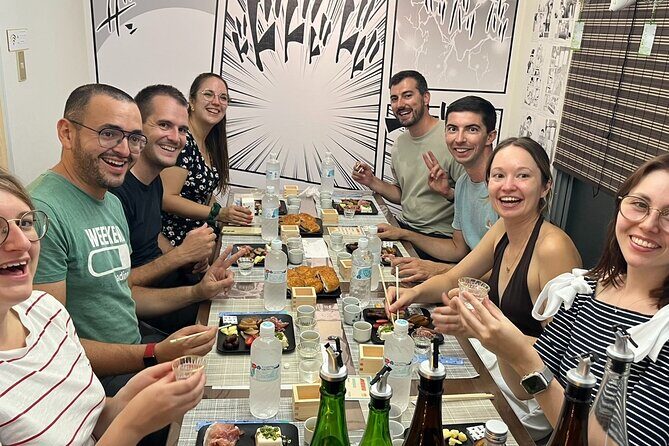
What makes it work in Tokyo is the flow: a short explanation of how sake is made and how to taste, followed by tastings with light food, then a hands-on take-home craft. The group stays small, with a maximum of 8 people, which helps if you want to ask questions without feeling rushed. The host is Aki-san, and the vibe leans friendly and creative, with a manga-themed touch in the room.
In This Review
- Key things to know before you go
- Where Manga Dojo Tokyo sits in your Ikebukuro evening
- The guided sake lesson: what you’ll learn and taste
- Why hot sake is a big deal (and not just a detail)
- Snacks that teach your palate instead of distracting it
- Decorating your own masu cup: the take-home souvenir part
- Who this experience suits best in Tokyo
- Value check: is $60 worth it?
- Should you book this sake and masu experience?
- FAQ
- What is the duration of the experience?
- Where do I meet, and what time does it start?
- How many sake types will I taste?
- Is hot sake included?
- Can I take my masu cup home?
- Do you offer vegetarian or vegan options?
Key things to know before you go
- 5–6 sake varieties, including hot sake so you notice temperature shifts
- Guided tastings in English with explanations on how sake differs
- Light snacks paired with each pour to help your palate learn faster
- Decorate your own masu cup with Japanese brush pens to take home
- Small group size (up to 8) for better interaction
- No vegetarian or vegan menu, though allergy-friendly options are available if you tell them in advance
Where Manga Dojo Tokyo sits in your Ikebukuro evening
This experience takes place at Manga Dojo Tokyo, in Higashiikebukuro, a few minutes from Ikebukuro Station. Your start time is 6:00 pm, and it runs about 1 hour 30 minutes. Expect a low-key setup rather than a formal restaurant setting, with a creative, manga-adjacent atmosphere in the room.
The address is: Manga Dojo Tokyo, 170-0013 Tokyo, Toshima City, Higashiikebukuro, 1-chōme316 三昌ビル 602. You’ll meet there, and the activity ends back at the same point. You get a mobile ticket, so you’re not scrambling for paper tickets later.
Why location matters here: Ikebukuro is one of those Tokyo hubs where you can arrive easily by train, and then head straight into something cultural without needing a long transit detour. Also, since the session is in English, it’s a good “I want Tokyo culture, not just a restaurant meal” choice that doesn’t require advanced language skills.
One practical note: because alcohol is involved, there’s a strict age rule under Japanese law. Drinking alcohol is prohibited for anyone under age 20, so if you’re with a younger friend, this may not be the right fit.
Other sake tasting experiences we've reviewed in Tokyo



The guided sake lesson: what you’ll learn and taste
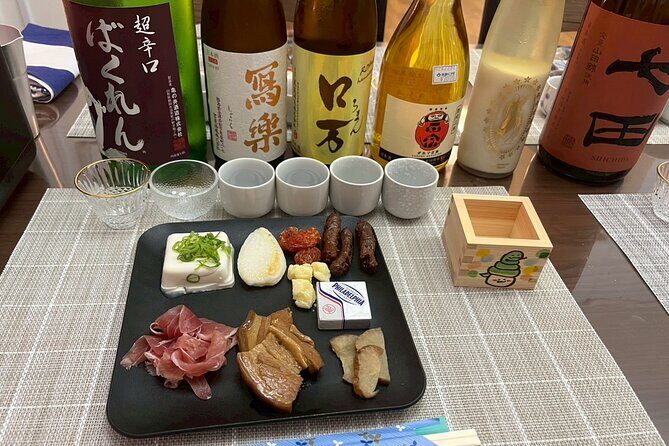
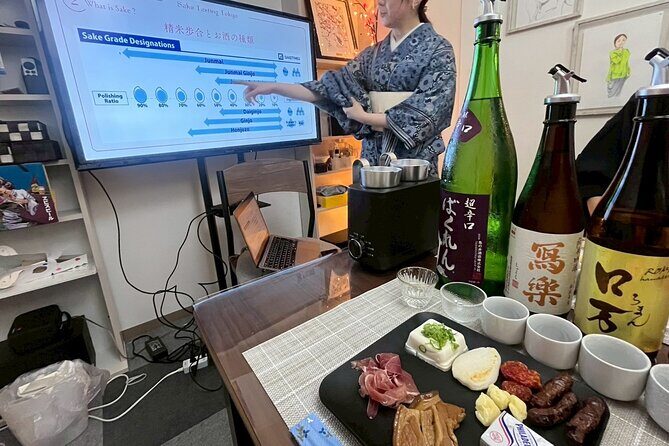
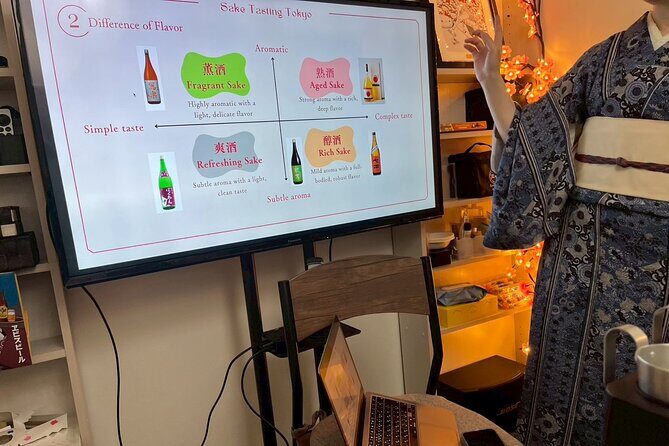
The core of the evening is a guided introduction to sake. Your expert host explains the basics, including how sake is made and how to taste it in a way that helps you understand the differences. The tasting is not just about drinking. It’s structured so you can compare aroma, flavor, and texture from one pour to the next.
You’ll then sample 5–6 different sake varieties. That number is key. It’s enough variety to feel real progress in your palate, but not so many that everything blurs together. In particular, the lesson includes kanzake-style hot sake, which matters because many people only taste sake at one temperature at home or in bars. Here you get to compare how the same drink category can come across differently when warmed.
A big part of the value is that the explanations are paired to what you’re actually tasting. It’s the difference between reading about sake grades and actually noticing what those differences do in your mouth. The group stays small, which makes it easier for the host, including Aki-san, to answer questions if something doesn’t make sense.
Why hot sake is a big deal (and not just a detail)
Temperature changes everything with sake, and this experience builds that into the schedule. You’ll sample hot sake, and you’ll likely notice that warmth can pull out aromas and soften or alter the way flavor spreads. Even if you’re new to sake, the contrast is easy to feel, which is why this is a smart choice for beginners.
Here’s what makes the hot component useful for you, not just interesting: it gives you a “reference point.” Once you’ve tasted hot sake in the context of a guided comparison, you’ll be able to order sake in Tokyo with more confidence. Instead of guessing, you can think, I liked how that tasted warm, or I preferred the sharper profile when it cooled.
Also, the lesson frames sake as something with choices. You’re shown that it’s not one drink. It’s a range. Styles can differ, and temperature becomes one more dial you can turn. That’s a real win if you’re the kind of person who likes understanding what you’re eating and drinking.
Snacks that teach your palate instead of distracting it
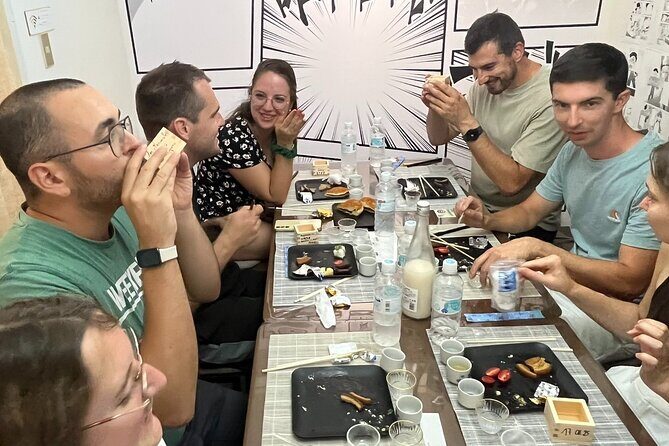
You’ll be served light snacks alongside the tasting. The goal is pairing: each snack helps you notice how the sake’s aromas and flavors respond when you take a bite. This is one of the most praised parts of the experience, and I agree with that instinct. In a tasting, food should do work. It should reset your palate, change your perception, and make you more attentive, not just keep you from getting hungry.
One pairing detail that really sticks: curry bread can work unexpectedly well with sake. The reason this matters is simple. It tells you the menu choices aren’t random. They’re there to create contrasts, which is where the learning happens.
Seasonality is part of the deal. The snack menu may vary depending on the season, so don’t expect the exact same set every time. But the guiding principle stays the same: you’re getting light bites designed to pair with what you’re drinking.
If you have allergies, the good news is that allergy-friendly options are available if you inform the team in advance. The data doesn’t list which ingredients are always used, so if you’re sensitive, message ahead with specifics.
Decorating your own masu cup: the take-home souvenir part
The second half becomes hands-on. You’ll decorate your own traditional wooden masu cup using Japanese brush pens. This isn’t a passive craft. It’s a short creative project that lets you leave with something you made, not just something you bought.
Why this matters for your Tokyo trip: a sake tasting already gives you a cultural story, but the masu cup turns it into a physical memory. It also gives you time away from the tasting routine. You stop drinking, focus on the craft, and come back to the evening’s theme with fresh energy.
The format is straightforward. You’ll be given what you need to decorate the cup, and you’ll use brush pens to add your design. Since it’s traditional and functional as a sake cup, it’s the kind of souvenir that doesn’t feel like clutter the way some tourist items can.
If you’re traveling with a couple or friends, this part also tends to create conversation. Even people who don’t speak much Japanese can still communicate through the craft and share what they’re drawing.




Who this experience suits best in Tokyo
This works especially well if you want more than a standard drink-and-leave activity. It’s built for a mix of curiosity and fun: you get a real explanation, you taste multiple types, and you take part in a creative keepsake.
It’s also a strong option if:
- You’re a sake lover or you’re trying sake for the first time
- You want an English-friendly cultural activity
- You prefer small groups (up to 8)
- You like interactive experiences, not just lectures
It may not be your best fit if you’re strict about dietary choices. There are no vegetarian or vegan options, and while allergy accommodations exist, the base menu isn’t designed for vegetarian diets. Also, if you’re looking for a longer, restaurant-style meal, this is only about 1 hour 30 minutes, so keep expectations aligned.
For solo travelers, this is a good social format because the small group size and the structured tasting make it easier to talk to the host and other participants. The host, including Aki-san, runs the session in a way that feels approachable, which helps if you’re nervous about sounding “too beginner.”
Value check: is $60 worth it?
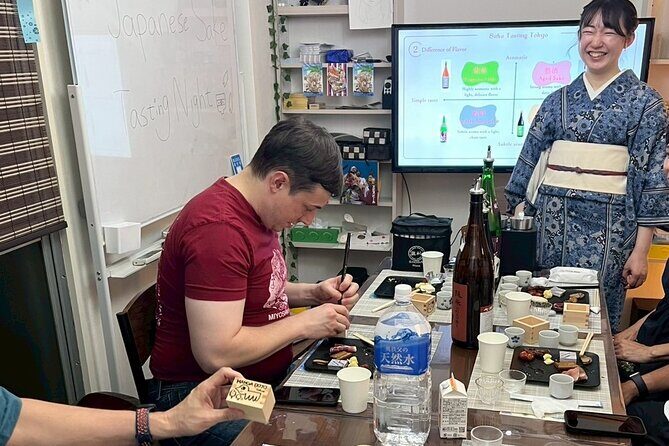
At $60 per person for about 1 hour 30 minutes, this sits in the middle of what you might pay for guided food and drink experiences in Tokyo. The value comes from the combination.
You’re paying for:
- A guided tasting of 5–6 sake varieties
- A hot sake component that changes the way you experience the drink
- Snack pairings that are included in the experience
- A take-home craft: your decorated masu cup
- An English session in a small group (max 8), which usually means more attention per person
If you were to recreate this yourself, you’d likely spend time hopping between shops to compare multiple sakes at different temperatures, and you’d still miss the guided tasting framework. The masu crafting part is the wildcard that pushes it beyond a typical tasting. You end with something usable, not only photos.
One watch-out for value: it’s alcohol-based, so you’ll get the most out of it if you’re comfortable with tasting multiple pours. If you only want a single small taste, this may feel like overkill.
Should you book this sake and masu experience?
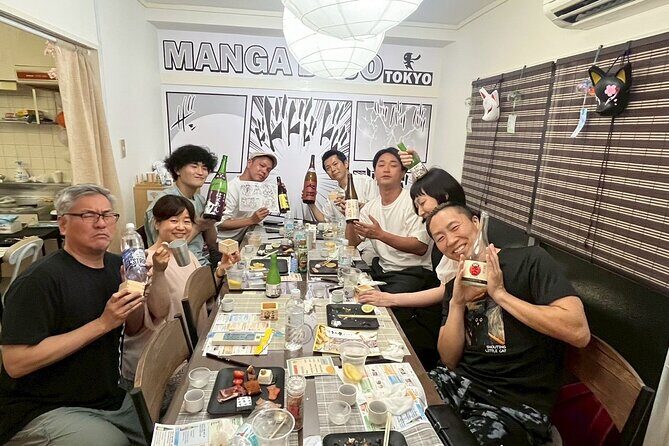
I’d book it if you want an evening that feels like Tokyo culture, not a generic tourist meal. The mix of structured tasting, hot-and-cold contrast, snack pairings, and the masu craft keeps the time moving and makes the experience memorable.
Skip it if you need vegetarian or vegan food options. Also consider it less ideal if you want a very quiet event with no interaction. This one is designed to be talk-friendly, and that’s a plus for most people, but not everyone.
If you do book, aim to lock in your slot earlier rather than later. On average, this gets booked about 68 days in advance, which suggests it’s a popular setup.
FAQ
What is the duration of the experience?
It’s about 1 hour 30 minutes.
Where do I meet, and what time does it start?
You meet at Manga Dojo Tokyo at 6:00 pm. The activity ends back at the same meeting point.
How many sake types will I taste?
You’ll sample 5–6 different sake varieties.
Is hot sake included?
Yes. The tasting includes a hot sake option so you can compare how temperature changes the flavors.
Can I take my masu cup home?
Yes. You decorate your own traditional wooden masu cup, and it becomes your souvenir.
Do you offer vegetarian or vegan options?
No vegetarian or vegan options are offered. Allergy-friendly options are available if you inform them in advance.
More Sake Tasting Experiences in Tokyo


More tours in Tokyo we've reviewed






Sake Tasting Experiences, compared.
 ★ 5.0Sake Tasting Masterclass in Shinjuku (8+ Varieties with a Pro)From $72
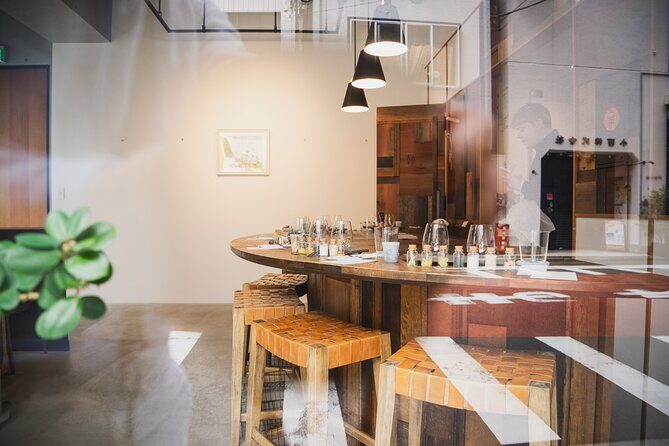 ★ 5.0Sake Omakase in Tokyo: Guided Tasting by Certified SommeliersFrom $79
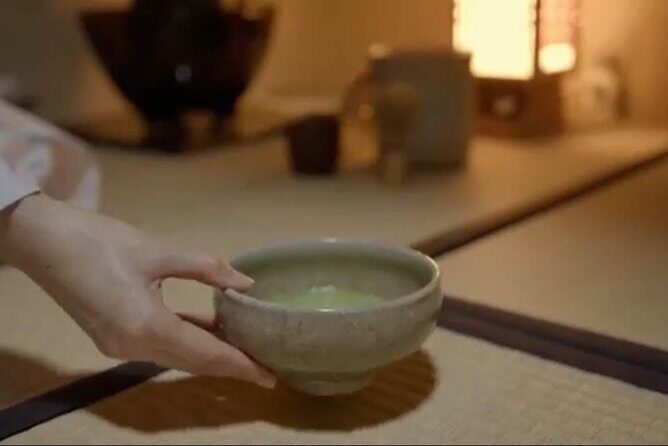 ★ 5.0Private Tea Ceremony and Sake Tasting in Kyoto Samurai HouseFrom $99
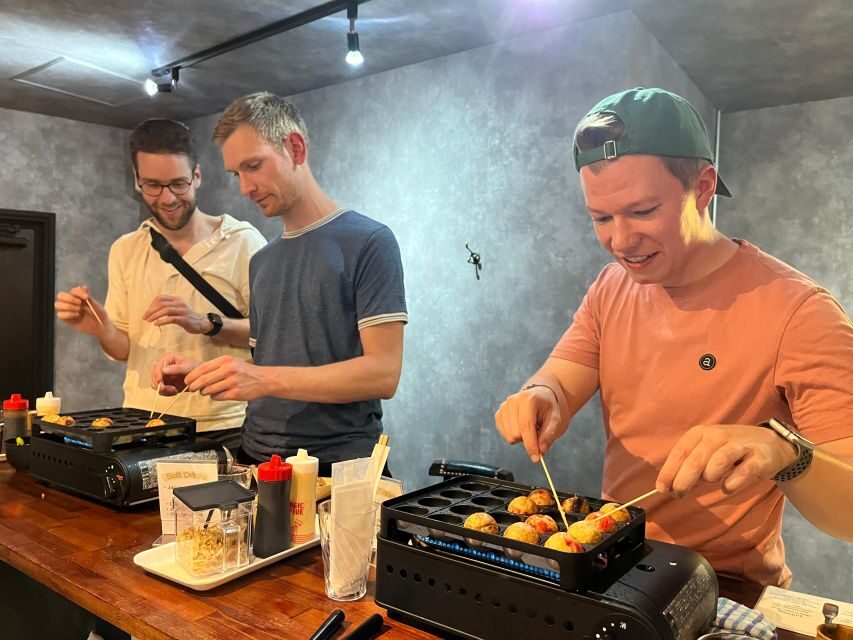 ★ 5.0Osaka Sake Tasting with Takoyaki CookingFrom $702 hours
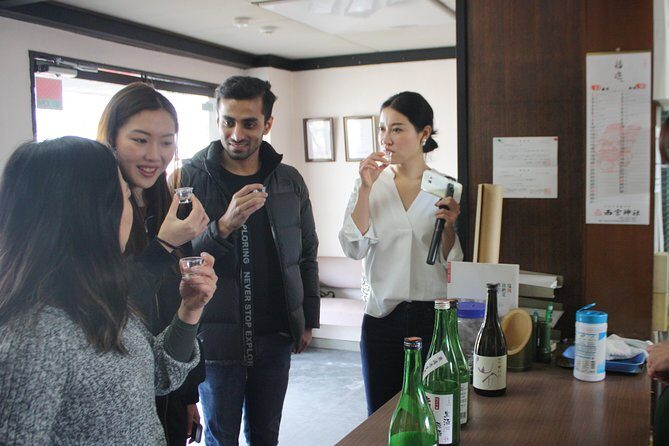 ★ 5.0KOBE Sake Tasting Tour at Breweries (tasting fee included)From $109
 ★ 5.0Osaka Sake Tasting & Takoyaki Cooking ExperienceFrom $72
 ★ 5.0Hiroshima Saijo Sake Tasting Tour with visit to 7 BreweriesFrom $50
 ★ 4.9Tsukiji: Outer Market Walking Tour & Sake Tasting ExperienceFrom $703 hours
The lists this tour appears in