
Reviewed · SAKE TASTING
Mt FUJI – Panoramic Tour w/ Hoto Lunch, JP Sake & Onsen tatto OK!
Mt. Fuji looks different at every stop. This small-group day tour (max 8) is built for questions, not just sightseeing, so you get real guide time from Shinjuku. I especially love the photo-friendly viewpoints and the chance to enjoy Hottarakashi Onsen even with tattoos.
The schedule is full and timing matters, so if clouds steal the view, you’ll still have a great day—but the wow-factor can drop. Keep weather in mind when you pick your date.
In This Review
- Key Points Before You Go
- From Shinjuku at 7:30 to the Fuji Area: how the day really flows
- Nishikatsura and Fujiyoshida: your first Fuji glimpse plus snack time
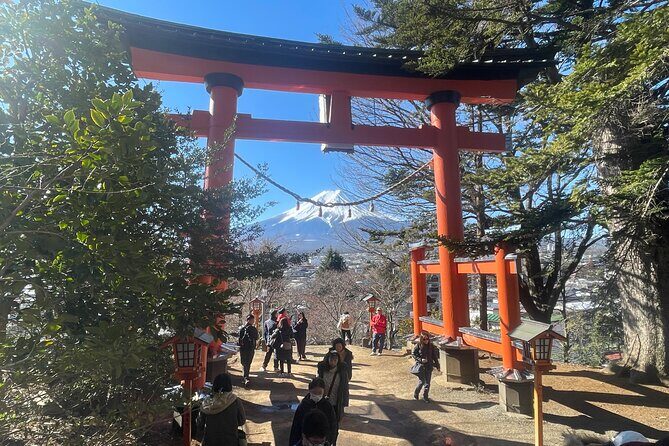
- Arakura Fuji Sengen Shrine: the stairs that turn into a real postcard
- Saiko Iyashi-no-Sato and the kimono option: old village vibes near Fuji
- Kanadorii and Oishi Park: torii gate + lake views
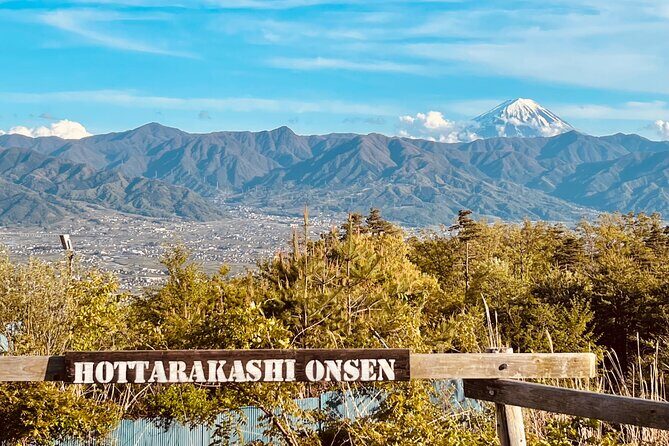
- Hottarakashi Onsen: tattoo OK and Fuji in the distance
- Misaka Pass for lunch: where the day shifts from views to fuel
- Dangozaka Service Area: breads for when breakfast got too far back
- Sasaichi Shuzo Shuyukan: sake tasting that feels local, not touristy
- Why small-group Fuji beats big bus tours (especially for questions)
- Price and optional fees: what you’re really paying for
- Who this Mt. Fuji panoramic tour suits best
- Should you book this Mt. Fuji panoramic tour?
- FAQ
- How long is the Mt. Fuji panoramic tour?
- When does the tour start, and where do I meet?
- What’s the group size?
- What’s included in the price?
- Are onsen tattoos allowed on this tour?
- Is onsen entry included?
- What optional experiences cost extra?
- Is Mount Fuji guaranteed to be visible?
Key Points Before You Go
- Small-group setup (max 8) means more direct answers and less rushing.
- Classic Fuji photo stops stack together, so you see the mountain from multiple angles.
- Hoto lunch + local sweets keep the day from feeling like a nonstop drive.
- Hottarakashi Onsen with tattoo OK lets you plan a real reset, not just a look.
- Sake distillery tasting (Sasaichi) gives you something more specific than a souvenir stop.
From Shinjuku at 7:30 to the Fuji Area: how the day really flows
You start in Shinjuku at 7:30am at the Shinjuku Post Office (1-chōme-8-8 Nishishinjuku). From there, it’s a long, structured day that’s designed to hit a lot of the best Fuji viewpoints without turning the trip into a cattle-drive.
You’re on the road for roughly 3.5 hours each way (the tour notes the round trip is over 400 kilometers). That’s time to nap, check your phone, and generally reset—exactly what you’ll want before you start climbing stairs and hopping between scenic stops. The whole experience runs about 10 hours.
This is also a mobile-ticket tour. That matters because you won’t be wasting time at the last minute hunting for paper tickets.
If you're still narrowing it down, here are other tours in Tokyo we've reviewed.

Nishikatsura and Fujiyoshida: your first Fuji glimpse plus snack time
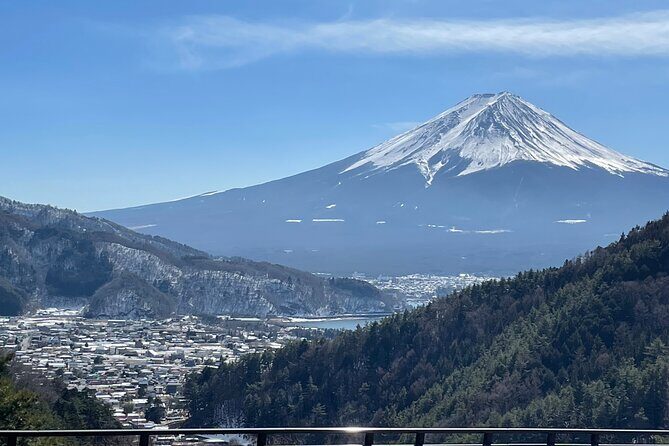
The day kicks off at Nishikatsura-cho for about 20 minutes, with your first real look at Mount Fuji. It’s short, but it’s smart: you get your bearings early, and you start noticing how often the mountain “shows up” between hills and rooftops, not just as one perfect peak.
Next you head to Fujiyoshida for another 20 minutes. Here you get a contrast view—town in the foreground and Fuji in the background—plus a chance to try local Japanese confectionaries. This stop is partly about photos, but it’s also a useful break so you don’t burn energy before the shrine climb later.
If you’re the type who likes to ask questions, this is where it can pay off. A smaller group means your guide can explain what you’re looking at instead of just pointing and moving on.
Arakura Fuji Sengen Shrine: the stairs that turn into a real postcard
At Arakura Fuji Sengen Shrine, you’re in the “walk and look up” zone. The stop is about 50 minutes, and it includes the main entry.
This is one of the iconic Fuji viewpoints where the shrine position and the stair climb create that classic layered look—Fuji framed by the approach. Plan to go steady. It’s not a marathon, but it is physical, and the tour assumes a moderate physical fitness level.
Here’s why I like this stop: it’s not only a viewpoint. It’s also a chance to see how locals connect everyday spaces to Fuji. You’re not just taking a picture—you’re moving through a place that’s built around the mountain.
Saiko Iyashi-no-Sato and the kimono option: old village vibes near Fuji
After Arakura, you shift into a calmer, historic feel at Saiko Iyashi-no-Sato Nemba, a traditional Japanese village. You get about 40 minutes, and entry is included.
This is the “Fuji with character” stop. You’re set up to view Mount Fuji from a picturesque old village setting, and there’s an optional kimono experience for about ¥2,500 per person. One useful detail from experience with this tour style: the kimono setup isn’t a casual walk-in rental. It’s reserved, so when your guide gives instructions, follow them closely.
If your priority is the mountain view and a relaxed pace, you might find this stop pairs better with a lighter sightseeing approach. If you’d rather spend that time standing at viewpoints or sitting at the onsen, you can treat the kimono option as optional, not mandatory.
Kanadorii and Oishi Park: torii gate + lake views
Two quick stops sharpen the “different angles” theme.
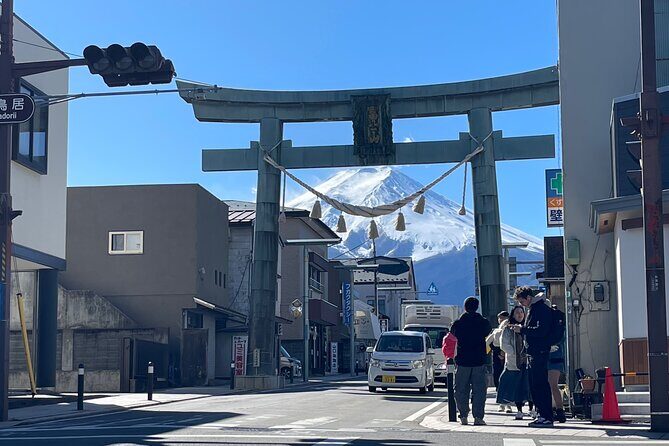
First is Kanadorii, with about 15 minutes to see the first torii gates that guard the base area of the mountain. It’s brief, but it’s a nice switch from the village feel into something more sacred and directional.
Then comes Oishi Park for about 20 minutes. This is where you get Mount Fuji with Kawaguchiko Lake in the frame. You’re in classic postcard territory, and it’s a good place to slow down and wait for the light. Even if the mountain is partially obscured, this is often still worth it because of how the lake and sky change the mood.
A few more Tokyo tours and experiences worth a look

Hottarakashi Onsen: tattoo OK and Fuji in the distance
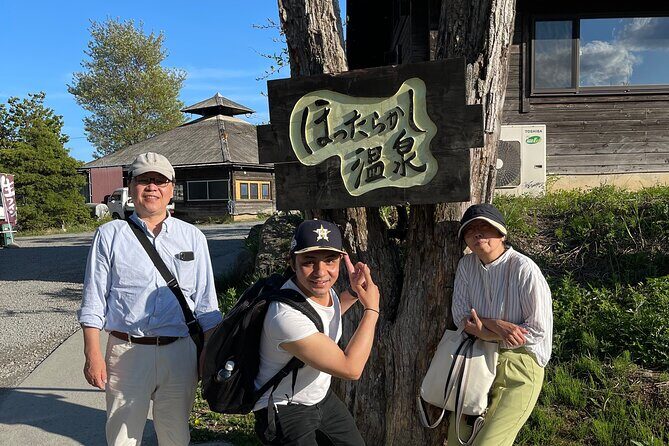
This is one of the biggest reasons to pick this tour. Hottarakashi Onsen is about 50 minutes, and it’s listed as included on the plan. At the same time, onsen entry is an optional add-on (about ¥900 per person), so you’ll want to confirm what’s covered in the format you book and what’s paid on-site.
The headline benefit is clear: tattoos are OK. If you’ve ever skipped an onsen because of strict rules elsewhere, this matters.
The other big value is elevation. You’re not just soaking in a random hot bath; you’re doing it in an area where you can look back toward Fuji from far away. That “soak first, see second” timing helps. By the time you get here, you’ve already walked shrines and climbed your way through several viewpoints. The onsen is your reset button.
One practical consideration: if your day feels like it’s moving too fast, this is where you’ll feel the difference. On shorter days, I’d prioritize a longer onsen moment over extra add-ons.
Misaka Pass for lunch: where the day shifts from views to fuel
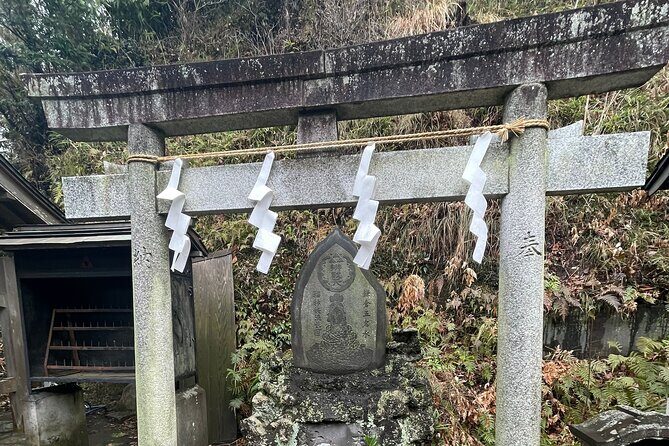
Then you head to Misaka Pass for about 1 hour 10 minutes. This is where the included Japanese lunch happens.
If you’re hungry, this stop works well because it’s long enough to actually eat, not just grab food while standing. The name on the tour is Mt Fuji – Panoramic Tour w/ Hoto Lunch, and the lunch is part of what’s baked into that mid-day timing.
From a value perspective, this is smart planning: you get your main food time before the final “sweets and tasting” rhythm kicks in again.
Dangozaka Service Area: breads for when breakfast got too far back
If your morning breakfast is long gone, this stop helps. At Dangozaka Service Area (Inbound) you get about 20 minutes to try local-style breads.
It’s a simple stop, but it has a practical purpose: it keeps energy up for the last stretch of the day. Service area snacks in Japan can be surprisingly good, and this one is placed at the moment when people usually start dragging.
Sasaichi Shuzo Shuyukan: sake tasting that feels local, not touristy
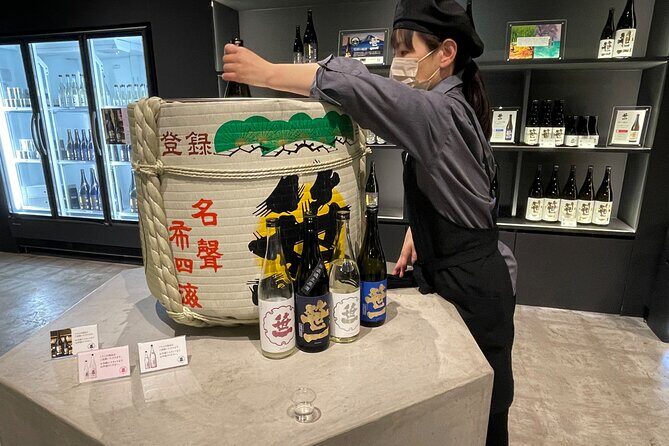
Now for one of the most “Japan” parts of the day: Sasaichi Shuzo Shuyukan, a sake distillery, with about 45 minutes. Entry is included here.
You’ll sample sake, including the tour’s emphasis on virgin sake and other liquored products made locally in the area. This isn’t just picking up a bottle at the end. It’s a guided taste that helps you understand what you’re drinking and why the choices matter.
And it pairs nicely with the Fuji theme. The area isn’t only about views. It’s also about how locals live and produce things that have nothing to do with postcard photography.
Why small-group Fuji beats big bus tours (especially for questions)
Big bus tours can be efficient, but they often feel rigid: you get moved from point A to point B, and if you miss something, you miss it. Here, the max of 8 travelers changes the feel. You can ask why a viewpoint is framed the way it is, or what to watch for as clouds drift.
I also like that the day is designed to fit in multiple photo stops without skipping the “human” moments like sweets, lunch, and the onsen. One of the guides associated with this tour style is known for being patient and caring—like a Japanese mom—and that kind of calm attention makes the day feel easier when plans shift because of cloud cover.
Even in cases where Fuji isn’t visible, you still get a structured itinerary that keeps you moving through meaningful places instead of staring at a mountain that refuses to cooperate.
Price and optional fees: what you’re really paying for
At $172 per person for a full-day 10-hour outing, this can be good value if you like guided pacing and want the tour to do the hard work for you. You’re not only paying for transportation; you’re also paying for the sequence of stops, entry on key places, and the chance to taste sake and eat a planned lunch.
Here’s the part you should budget for:
- Included: lunch, parking fees, and an air-conditioned vehicle
- Optional: onsen entry around ¥900, a tea experience around ¥500, and a kimono experience around ¥2,500
- Most viewpoint-related admissions are listed as free, while specific stops (like Arakura shrine and the distillery) have included entry.
My advice: if you’re on a tight budget, consider skipping the kimono option and focusing on the onsen and the distillery. If you’re planning to do everything, build in the optional costs early so you don’t feel surprised later.
Who this Mt. Fuji panoramic tour suits best
This is a strong fit if you:
- Want a small group with time to ask questions
- Like classic Fuji viewpoints but also want structured breaks (snacks, lunch, onsen)
- Prefer guided sequencing over trying to stitch buses and trains together yourself
- Care about onsen rules and need tattoo-friendly access
You might want to think twice if you’re the type who needs total control. The day is scheduled tightly, and it’s built around seeing a lot in one shot. There isn’t a lot of freeform wandering.
Should you book this Mt. Fuji panoramic tour?
If your goal is to maximize Fuji viewpoints from Tokyo in one day—while still getting a real cultural slice (sake, a traditional village, and onsen)—this is an easy yes for many travelers.
Book it if you can handle a long drive and you’re excited to move through several stops in a row. Don’t book it if you want a slow, flexible day or if you only care about one perfect mountain photo. Also, remember the experience is weather dependent. If clouds cover Fuji, you’ll still have a full itinerary—but the dramatic view you came for may be less dramatic.
FAQ
How long is the Mt. Fuji panoramic tour?
It runs about 10 hours.
When does the tour start, and where do I meet?
It starts at 7:30am at the Shinjuku Post Office (1-chōme-8-8 Nishishinjuku, Shinjuku City, Tokyo).
What’s the group size?
The tour has a maximum of 8 travelers.
What’s included in the price?
Lunch, parking fees, and an air-conditioned vehicle are included. Some activities have included admissions, while other experiences may be optional.
Are onsen tattoos allowed on this tour?
Yes. The tour is described as having tattoo OK for the onsen stop.
Is onsen entry included?
Onsen entry is listed as an optional fee (¥900 per person).
What optional experiences cost extra?
Optional add-ons include an onsen fee (¥900), a tea experience (¥500), and a kimono experience (¥2,500).
Is Mount Fuji guaranteed to be visible?
The experience requires good weather. If it’s canceled due to poor weather, you’ll be offered another date or a full refund.
More Spa & Hot Springs in Tokyo
More tours in Tokyo we've reviewed

Sake Tasting, compared.
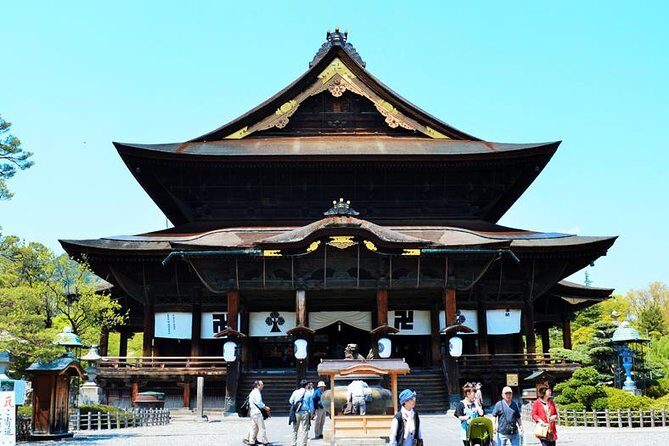 ★ 5.01-Day Snow Monkeys, Zenko-ji Temple & Sake in NaganoFrom $151
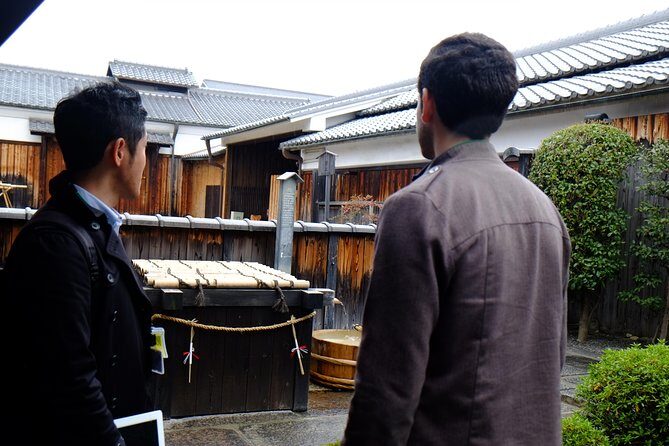 ★ 5.03-Hour Kyoto Insider Sake Brewery Tour with Tastings & PairingsFrom $84
 ★ 4.9Nagano: Snow Monkeys, Zenkoji Temple & Sake Day TripFrom $1358 - 12 hours
 ★ 5.0Kyoto: Insider Sake Brewery Tour with Sake and Food PairingFrom $873 hours
 ★ 5.0Kyoto Sake Brewery & Tasting Walking TourFrom $98
 ★ 5.01.5-Hour Kyoto Insider Sake Experience with 7 Tastings & PairingsFrom $68
 ★ 5.0Ramen and Sushi Cooking Class with Sake Pairing Set in TokyoFrom $79
 ★ 5.0Sake Tasting Masterclass in Shinjuku (8+ Varieties with a Pro)From $72
The lists this tour appears in