
Reviewed · SAKE & FOOD PAIRINGS
Tokyo: Sushi and Ramen Cooking Class with Sake Pairing Set
Sushi and ramen, taught at once. This 3-hour Tokyo class mixes nigiri sushi technique with hands-on ramen making, including the pork-belly chashu part, plus a 3-sake tasting. I like that the teaching is very practical and guided step-by-step, so you actually leave with skills you can repeat at home. One key consideration: it is not suitable for vegans or vegetarians, since the menu centers on pork and fish-based elements.
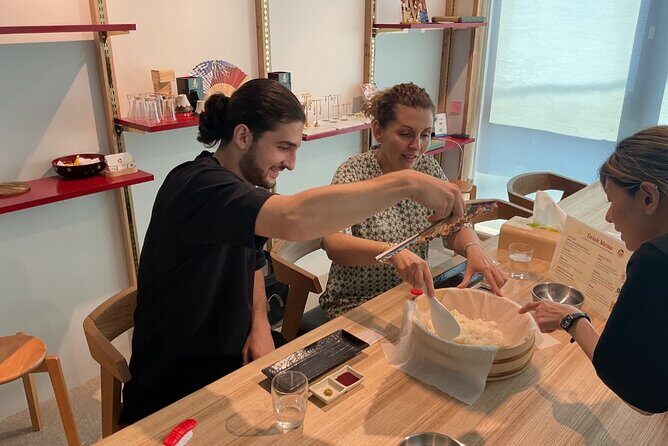
The vibe is relaxed and friendly, and you’re cooking in a small group (limited to 8, with many sessions feeling closer to 4). You may meet instructors like Sato, Haruko, and Risa, who are repeatedly praised for patient, warm coaching and for adding cultural context as you work. If you’re the type who needs hotel pickup, plan for the fact that you’ll meet at HAUS Tsukishima yourself, a quick walk from Tsukishima Station.
In This Review
- Key Things I Think You’ll Enjoy Most
- Why This Tokyo Class Works in 3 Hours
- Getting Oriented at HAUS Tsukishima (Your Meeting Point)
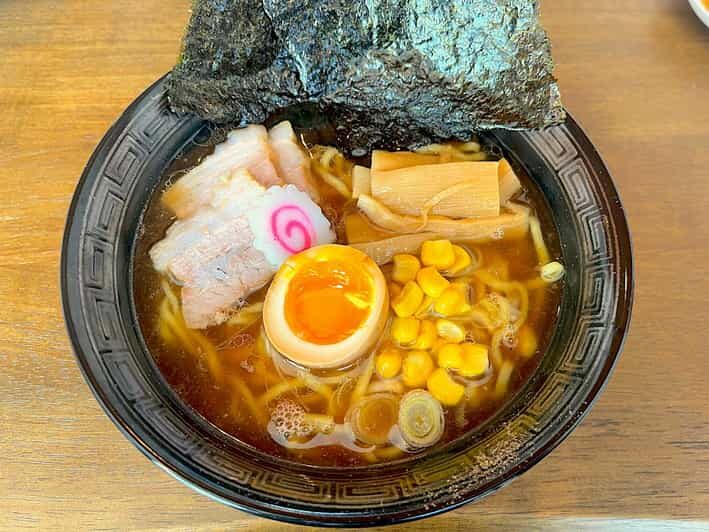
- Ramen Soup and Chashu: The Real Skill Behind the Bowl
- Nigiri Sushi: Turning Rice Into Something You Can Shape
- What the Sake Pairing Adds (And How to Use It)
- Eating the Results: Where the Class Becomes a Meal
- Take-Home Value: Recipe Booklet and Chopsticks
- Price and Value: What $129 Gets You
- Who This Class Is Best For (And Who Should Skip It)
- Practical Tips for a Smooth Class Day
- Should You Book This Tokyo Sushi and Ramen Class?
- FAQ
- How long is the cooking class?
- How big is the group?
- Where is the meeting point?
- Is hotel pickup included?
- Is the class taught in English?
- What food do you learn to make?
- Is sake tasting included?
- Is this class suitable for vegans or vegetarians?
Key Things I Think You’ll Enjoy Most
- Hands-on ramen broth + chashu coaching that turns a restaurant bowl into a doable home project
- Nigiri skills you can practice immediately, using provided rice, tools, and ingredient tips
- Three premium sake tastings led by a certified sake sommelier
- Small-group attention in a session limited to about 8 people
- Take-home help: a recipe booklet plus souvenir chopsticks
Why This Tokyo Class Works in 3 Hours
This class is smartly designed for real-world travelers: you get both sushi and ramen in one afternoon, without spending your whole day zigzagging the city. 3 hours sounds tight on paper, but the structure is built around hands-on work and keeping the timing smooth, so you’re not just watching while someone else does everything.
What I like most is the pairing of skills. Ramen teaches you flavor building—broth, seasonings, and the pork-belly component that gives chashu its character. Nigiri teaches form—rice handling and shaping, plus the basics of why sushi is more than raw fish on top. Put together, it feels like you’re learning two sides of Japanese food culture at once, not doing two random cooking demos back-to-back.
The class also includes cultural context and ingredient tips, which matters more than it sounds. When you know the why behind a technique, you can adjust ingredients later at home without turning your results into sad, sticky rice experiments.
Other cooking classes in Tokyo
Getting Oriented at HAUS Tsukishima (Your Meeting Point)
You meet on the 2nd floor of HAUS Tsukishima: 2-13-5 Tsukuda, Chuo-ku, Tokyo 104-0051. It’s a 5-minute walk from Exit 4 of Tsukishima Station (Y21). If you’re arriving by taxi, the address in Japanese for your driver is 東京都中央区佃2-13-5 HAUS Tsukishima 2階.
Why this matters: Tsukishima is close enough to popular sights (like Tsukiji Fish Market, Ginza, Tokyo Station) to fit into many itineraries, but it’s not the kind of location where you’ll spend your class time fighting crowds on a train platform. The venue is described as cozy and clean, and the small-group setup makes it feel more like a hosted cooking session than a factory-style workshop.
Practical tip: arrive 5 minutes early. People who show up late can throw off the pace, especially when everyone is supposed to start hands-on cooking around the same time.
Ramen Soup and Chashu: The Real Skill Behind the Bowl
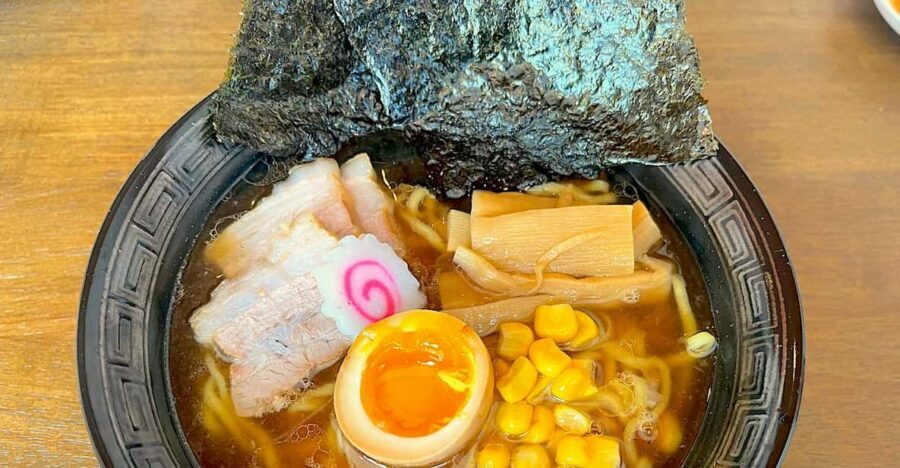
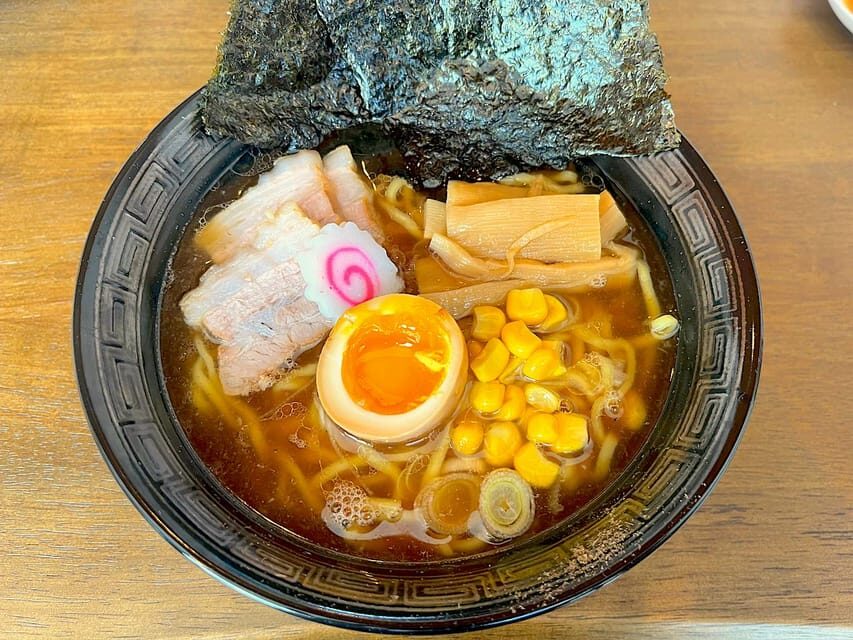
Ramen is where a lot of people get let down at home. You can follow a recipe, but if you miss the core structure—how the broth is built and how the chashu is handled—you still end up with something that tastes vaguely like ramen. That’s why I’m glad this class focuses on the fundamentals of ramen soup from scratch and the chashu pork-belly component.
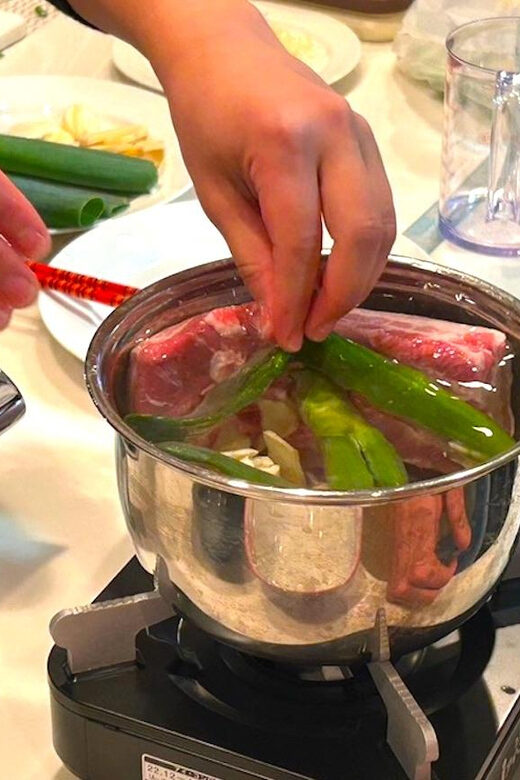
In the class, you’ll learn the process for making a flavorful ramen broth, and you’ll work with chashu pork. The instructors don’t just hand you ingredients; they guide you through what’s happening so you can understand the role of each element. That’s the kind of teaching that pays off later when you’re shopping for substitutes.
Chashu is also a timing test. Pork belly isn’t something you can fake with random seasonings and hope. The class handles the ramen and chashu parts in a way that fits a 3-hour window, and the overall flow is arranged so you don’t feel rushed. The goal is not to turn you into a ramen chef overnight; it’s to give you the parts you can repeat with confidence.
You’ll also get ingredient tips and cultural insights that help you connect what you’re doing to what you’d see in Japanese ramen shops. And if you’ve ever wondered why ramen tastes the way it does—now you’re working toward the answer, not just getting a finished bowl.
Nigiri Sushi: Turning Rice Into Something You Can Shape
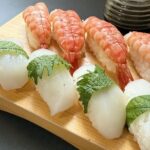
Nigiri has a simple look and a sneaky level of technique. This class teaches you how to make nigiri sushi by hand, using provided ingredients and tools. You also learn the origins of sushi, so you understand why sushi developed the way it did, rather than treating it like a trendy food hack.
Rice is usually the hardest part for beginners. If your rice is too wet, too dry, or handled badly, the whole nigiri collapses—literally and figuratively. Here, the teaching is step-by-step, and the class format gives you enough time to actually practice. That matters because sushi is one of those skills where watching once isn’t the same as doing it at least a few times.
One small detail I appreciate: the class doesn’t treat sushi and ramen as separate universes. The timing is coordinated so ramen-making and nigiri prep don’t feel disconnected. You’re learning two different food skills, but in a single cooking rhythm—prep, shape, cook, eat.
It’s also a good sign that people repeatedly mention how approachable the instruction feels, even when they’d never made sushi before. For you, that means this isn’t only for experienced cooks.
What the Sake Pairing Adds (And How to Use It)

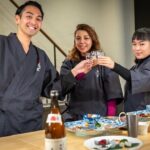
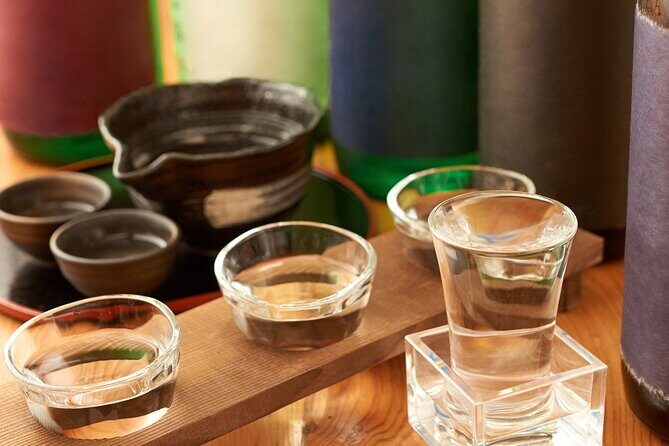
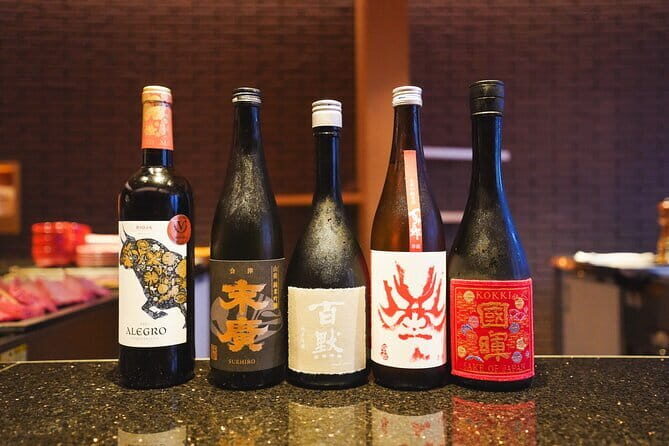
Sake tasting is included as part of the experience: three premium Japanese sakes, selected by a certified sake sommelier. You’ll learn enough to make the tastings feel like part of the meal, not a random bonus drink.
The value here is pairing knowledge. Once you taste different sakes alongside what you’re cooking, you start to notice how flavor changes with sweetness level, acidity, and the overall style of the sake. That kind of awareness is useful far beyond this one meal. It helps when you’re choosing sake later with sushi, ramen, or izakaya-style small plates.
Some class sessions also include beer alongside the sake, based on what people have experienced in their sessions. Either way, you’re not stuck with only one beverage profile.
And yes, drinking while cooking can make you overconfident. So pace yourself. You want enough focus to remember how the sushi shaping feels with your hands, and enough energy to enjoy the whole meal.
A few more Tokyo tours and experiences worth a look


Eating the Results: Where the Class Becomes a Meal
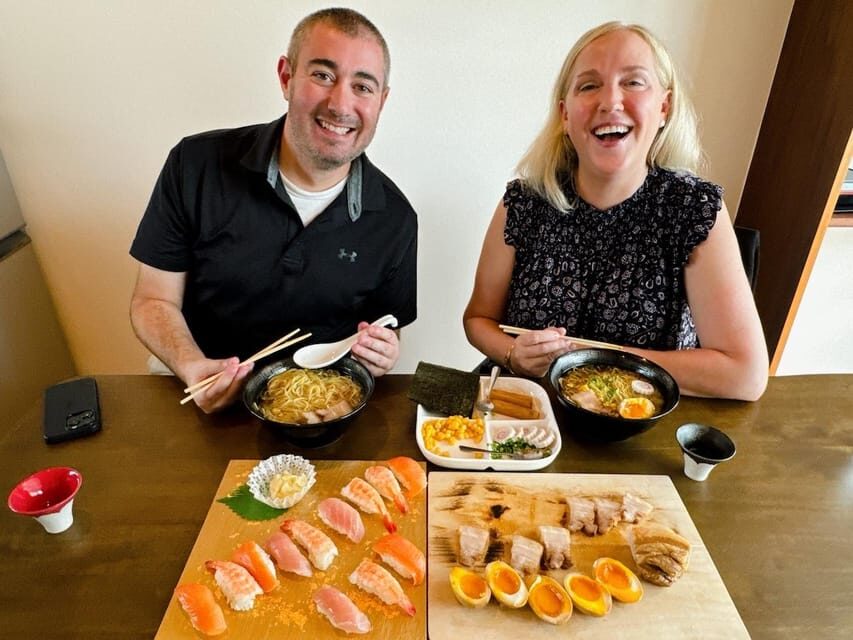
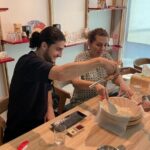
This isn’t a quick grab-and-go situation. You cook and then enjoy what you make together as part of the session. That’s a huge quality-of-life detail, because you’ll judge your success while the food is hot and fresh, not hours later when memory has faded.
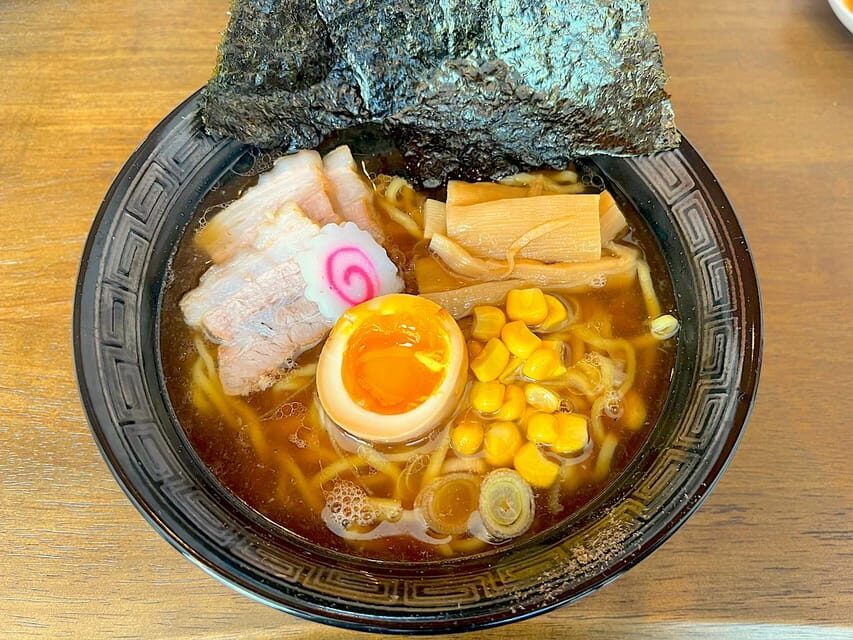
The ramen you create is paired with your chashu work, and the nigiri you shape becomes part of the final spread. Many people mention the food is both delicious and plentiful. Even if you’re not an over-eater, you’re likely to leave satisfied and happy—without needing to immediately hunt for dinner plans.
There’s also an easy social element. With a small group and English-speaking instruction, you can chat without feeling like you’re interrupting cooking. In some sessions, instructors add fun engagement like quick prompts and group interaction, which helps if you enjoy meeting people but don’t want a stiff classroom vibe.
Take-Home Value: Recipe Booklet and Chopsticks
You leave with more than a full stomach. The class includes a professionally designed recipe booklet with detailed instructions to recreate ramen, gyoza, and sushi at home. Even if your goal is ramen or nigiri only, that booklet gives you a next step, including related dishes like gyoza.
You also get souvenir chopsticks from the experience. It’s a small item, but it works as a reminder when you’re cooking later and you want to do a proper table setup.
Here’s the real win: the recipes aren’t just for reading. They’re for using. The class includes practical ingredient substitutions and cooking tips for making these dishes overseas, which is exactly what you want when you don’t have access to the same exact products.
Price and Value: What $129 Gets You
At $129 per person for a 3-hour class, the price makes sense when you look at what’s included: sushi making, ramen cooking, all necessary ingredients, English-speaking instruction, the sake tasting, and take-home materials (recipe booklet and chopsticks).
What you’re really paying for is time with instructors who can correct your technique, plus the cost of ingredients and the guided process. In Tokyo, buying sushi or ramen one time is easy. Buying enough instruction so you can reproduce the style at home is the harder part—and that’s what this class is built around.
Also, the small group size matters for value. Limited capacity means you’re more likely to get hands-on support rather than just following along at a distance. If you want a personal experience, this is the kind of class where the headcount directly affects the quality.
Who This Class Is Best For (And Who Should Skip It)
This class is a great fit if you:
- want one afternoon that covers both sushi and ramen technique
- like hands-on cooking rather than sitting and watching
- want a structured path to learn ramen broth and nigiri shaping
- enjoy sake tasting as part of the meal experience
You should skip it if you:
- are vegan or vegetarian, since it’s not suitable for those diets
- need a cooking class that avoids mess entirely (you’ll be wearing comfortable clothes you don’t mind getting a bit dirty)
It also works well for first-time visitors who want more than a food stop. The cultural insights and ingredient tips help you connect what you’re making to what you’ll see around Tokyo, so your trip feels more anchored.
If you’re cooking as a couple or small group, it’s especially enjoyable because the class stays interactive and personal.
Practical Tips for a Smooth Class Day
Here are the small things that can make or break your afternoon:
- Wear clothes you don’t mind getting messy. Cooking involves rice handling and kitchen work, and the class asks you to be comfortable.
- Arrive 5 minutes early. It keeps everyone on the same rhythm.
- Bring an open mind about technique. Sushi and ramen both reward patience, especially rice handling and broth building.
- Ask questions in the moment. The instruction is English-speaking, and the best tips come when you’re actively doing the step.
- Plan your transport. There’s no hotel pickup/drop-off, so you’ll want to know how you’re getting to Tsukishima Station.
If you’re the type who likes to eat right after activities, this class is perfect. You’ll finish with a meal you cooked, so you won’t need to scramble for food while hungry.
Should You Book This Tokyo Sushi and Ramen Class?
I think you should book it if your goal is to leave Tokyo with more than memories. This class is built for practical take-home skills: ramen broth and chashu basics, plus nigiri shaping you can repeat. The small-group feel, the English-speaking instruction, and the inclusion of three premium sake tastings are strong signals that you’re paying for an experience that’s meant to teach, not just feed.
If you’re vegan/vegetarian, or you want a no-mess, no-alcohol, or strictly hands-off experience, this won’t match your needs. For everyone else—especially first-time sushi and ramen fans—it’s a solid use of one afternoon, with real value in the recipe booklet and the technique you learn while the food is in front of you.
FAQ
How long is the cooking class?
The class lasts 3 hours.
How big is the group?
It’s a small group, limited to about 8 participants.
Where is the meeting point?
Meet at the 2nd Floor, HAUS Tsukishima, 2-13-5 Tsukuda, Chuo-ku, Tokyo 104-0051. It’s a 5-minute walk from Exit 4 of Tsukishima Station (Y21).
Is hotel pickup included?
No, hotel pickup and drop-off are not included.
Is the class taught in English?
Yes, the instructor provides English instruction.
What food do you learn to make?
You’ll learn ramen (including the broth and chashu) and nigiri sushi. A recipe booklet also includes instructions for recreating ramen, gyoza, and sushi.
Is sake tasting included?
Yes. You’ll enjoy three premium Japanese sakes selected for the tasting, with help from a certified sake sommelier.
Is this class suitable for vegans or vegetarians?
No, it is not suitable for vegans or vegetarians.
If you want, tell me your travel dates and whether you’re visiting with food restrictions or kids, and I’ll help you decide if this specific class timing and setup fits your Tokyo plan.
More Workshops & Classes in Tokyo
More Cooking Classes in Tokyo
More tours in Tokyo we've reviewed






Sake & Food Pairings, compared.
 ★ 5.0Ramen and Sushi Cooking Class with Sake Pairing Set in TokyoFrom $79
 ★ 5.0Wagyu & Sake Pairing in Shinjuku – Steak, Shabu-Shabu & MoreFrom $148
 ★ 5.0Tokyo Wagyu & Sake Pairing Tasting Experience with Local FlavorsFrom $151
 ★ 5.0Cozy Tokyo Class: Ramen, Sushi, Sake Pairing & Cultural ExchangeFrom $79
 ★ 5.0Wagyu Beef and Sake Pairing Foodie Tour in TokyoFrom $218
 ★ 5.0Wagyu Beef & Sake Pairing Foodie Tour in TokyoFrom $1803h 30m
 ★ 5.0Sake Pairing Workshop with Japanese Food in ShinjukuFrom $73
The lists this tour appears in