
Reviewed · BREWERIES
Kanazawa Historic Brewery: Fermentation Tour, Tasting, Lunch
Fermentation can be surprisingly fun. This Kanazawa koji experience turns a food buzzword into something you can taste, smell, and even cook with, starting with a guided talk on the starter culture that drives soy sauce and miso flavor. I especially love how the koji tour explains the process in plain language, and I love getting hands-on with miso soup making using two different miso ages.
One practical thing to plan: the meeting point isn’t a straight shot from the station. You’ll need the bus route to Oonomachi area and a short walk, or you can use a taxi to save time and stress.
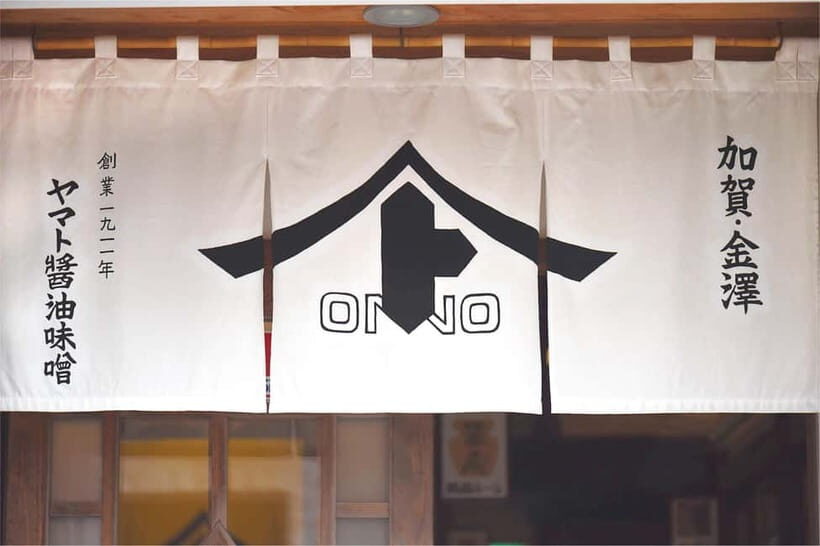
What makes this tour feel worthwhile is the setting and the pace. You’re in Oonomachi at a soy sauce and miso brewery that’s been operating since 1911, with photogenic production buildings like a red brick boiler and a chimney that (yes) seems to carry the scent of roasted wheat on the breeze.
In This Review
- Key takeaways before you book
- Why this Kanazawa fermentation tour makes a smart food break
- Getting to Yamato Koji Park from Kanazawa Station
- Koji Park Tour & Koji Talk (12:00–12:30): what you actually learn
- Miso Soup Making & Tasting (12:30–13:00): your bowl is the lesson
- Lunch course (13:00–14:00): koji shows up in more than one dish
- Doburoku tasting (14:00–14:30): yuzu and black currant
- Exploring after the tour: product showroom and sweet finish
- Price and value: is $77 for 150 minutes worth it?
- Who should book this tour?
- Should you book Kanazawa Historic Brewery: Fermentation Tour, Tasting, Lunch?
- FAQ
- How long is the Kanazawa fermentation tour?
- What’s included in the tour price?
- Is the miso soup workshop included, and do I taste different miso?
- What’s the default lunch during the fermented food course?
- What doburoku flavors are tasted?
- What language is the tour guide speaking?
- Where is the meeting point?
- Do you enter the factory where miso or soy sauce is actually made?
- Is this tour suitable for children?
- When is the tour closed, and what’s the cancellation/payment policy?
Key takeaways before you book
- Learn koji and fermentation with a guided talk that’s built for beginners and doesn’t drag
- Make miso soup yourself and compare two miso pastes aged 6 to 12 months
- Eat a lunch course built around koji and fermented ingredients, with a default koji beef steak option
- Taste two doburoku styles: yuzu and black currant
- Small group size (up to 8) means more interaction with the English/Japanese guide
Why this Kanazawa fermentation tour makes a smart food break
Kanazawa has plenty of temples and gardens, but this is a different kind of “culture visit.” It’s about how daily Japanese staples get their magic: fermentation science you can understand, plus food you can compare. In about 150 minutes, you go from learning what koji is to tasting the results in miso soup, lunch dishes, and finally doburoku.
I like that the experience isn’t just lectures. It’s timed like a meal and designed like a walkthrough. You start at Koji Park for the koji explanation, then you shift into cooking, then you eat, then you drink—each step building on the last.
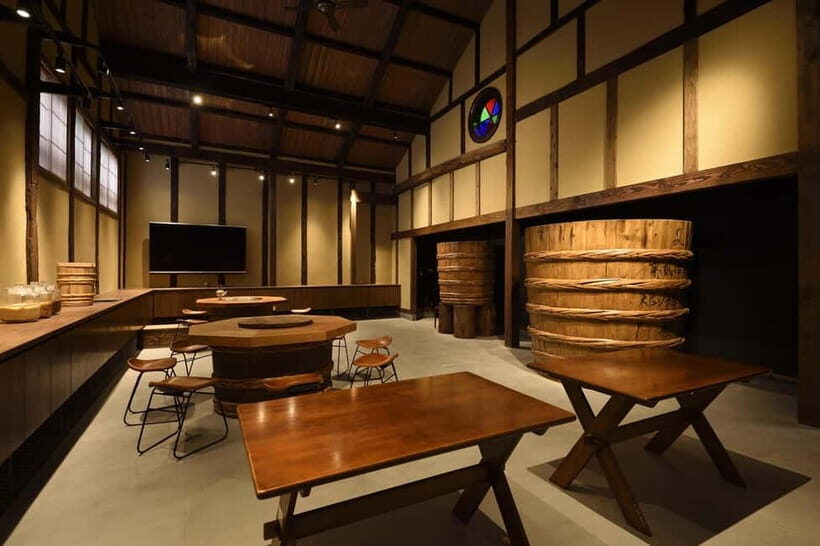
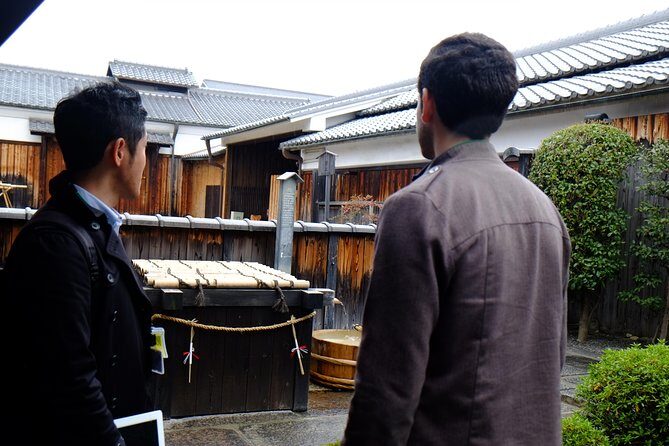
The brewery complex matters too. Koji Park sits in Oonomachi, a historic port town known since the Edo period as one of Japan’s top soy sauce production regions. The buildings and grounds are part of the story: traditional wooden storehouses repurposed for production, plus that red brick boiler and chimney vibe that turns the whole place into a living food museum.
If you're still narrowing it down, here are other tours in Kanazawa we've reviewed.
Getting to Yamato Koji Park from Kanazawa Station
This is the one part you should not wing. The tour meets at Hishiho-Gura (Product Showroom) at Yamato Koji Park, 4-I-170 Oonomachi, Kanazawa.
From Kanazawa Station, the route is doable but not the kind you’d call simple:
- Walk 3 minutes from the Kanazawa Station West Exit to the Nakabashi bus stop under the Nakabashi overpass.
- Take Hokutetsu Bus Line 61 toward Ono for about 30 minutes.
- Get off at the final stop, Ono, then walk 3–8 minutes toward Minato Bridge.
For the return:
- From Ono, take Line 34 bound for Takao/Kanazawa Institute of Technology.
- Get off at Nakabashi to walk back to Kanazawa Station.
If you’re short on time or you dislike bus juggling, a taxi is often the least annoying way to get there and back for a timed food tour.
Koji Park Tour & Koji Talk (12:00–12:30): what you actually learn
The tour begins at Koji Park with a guided session focused on koji and fermentation basics. The format is short—about 30 minutes—but it covers the ideas that usually confuse people.
You’ll learn:
- What koji is
- The secret of fermentation
- How fermentation culture connects to intestinal health (with the explanation kept visitor-friendly)
One nice touch is that the guide’s job is to make the process feel logical, not mystical. You’re not asked to memorize chemistry. Instead, you learn what koji does and why the same ingredient family can end up tasting so different depending on aging time and how it’s used.
Weather note: the outside portion might not be available depending on conditions, so some views and open-air stops can be shortened.
Also, you’re in a real facility with a real production setting, even though you’re not touring the inside of the factories. If you want the practical “how it’s made” feel, this still gives you the context through the complex layout and educational content, including production scenes shown via video.
If you’re lucky, you might hear the story from people like Yamamoto (the 4th generation owner mentioned in guides’ introductions) and Yukiko, who appears in multiple tours as a warm presence and excellent host.
Miso Soup Making & Tasting (12:30–13:00): your bowl is the lesson
After the talk, you move into the most interactive part: miso soup making.
You’ll use simple recipes and two miso pastes aged 6 to 12 months, then compare the flavors side by side. That aging range is the point. Younger miso usually tastes brighter and more straightforward. Older miso generally leans deeper and more rounded. When you make the soup yourself, you stop thinking of miso as one thing and start tasting it as a spectrum.
The hands-on part is also why this tour is good value. At $77, you’re paying for ingredients plus guided instruction plus time. Miso soup might sound basic, but the comparison element turns it into a real learning moment. You’ll also get utensil rental and the ingredients as part of the experience.
Here’s how to get the most out of it: take small sips, not big spoonfuls. Let the warmth hit, then notice how the flavor changes as it cools slightly in your cup. That little pause makes the aging difference much easier to recognize.
Lunch course (13:00–14:00): koji shows up in more than one dish
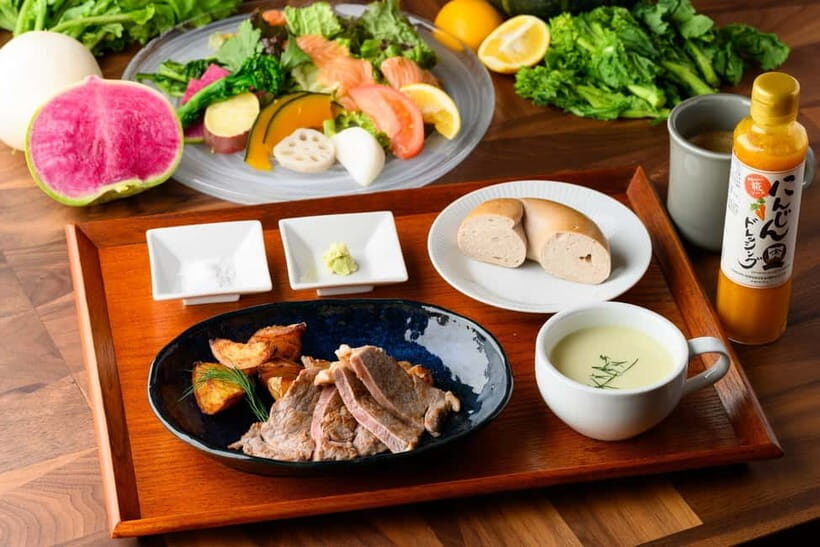
Lunch is built as a course, not a one-plate meal. The default option is Koji Beef Steak Lunch Course, and the menu uses koji plus other fermented ingredients across multiple dishes.
Timing matters here: lunch lands right after the miso workshop, so your palate is already tuned to the “fermentation effect.” That’s when you’ll notice how fermentation can show up as savory depth, gentle tang, and aroma that makes even simple items feel more complete.
The lunch course is generous, and it’s not only steak. You may see fermented ingredients showing up in sides and items like salad, soup, and even unexpected menu elements such as a bagel (based on what some groups received). The key point is that the meal is structured to demonstrate fermentation flavor across different textures—warm soup, savory mains, and lighter bites.
Dietary restrictions: if you have one, the tour info says to email after reservation. So it’s not something you should plan to handle last-minute on your own.
If you’re curious about the “feel” of the lunch area, some tours were described as being in a private space rather than a large cafeteria setup, which makes the whole meal calmer and easier to enjoy.
Doburoku tasting (14:00–14:30): yuzu and black currant
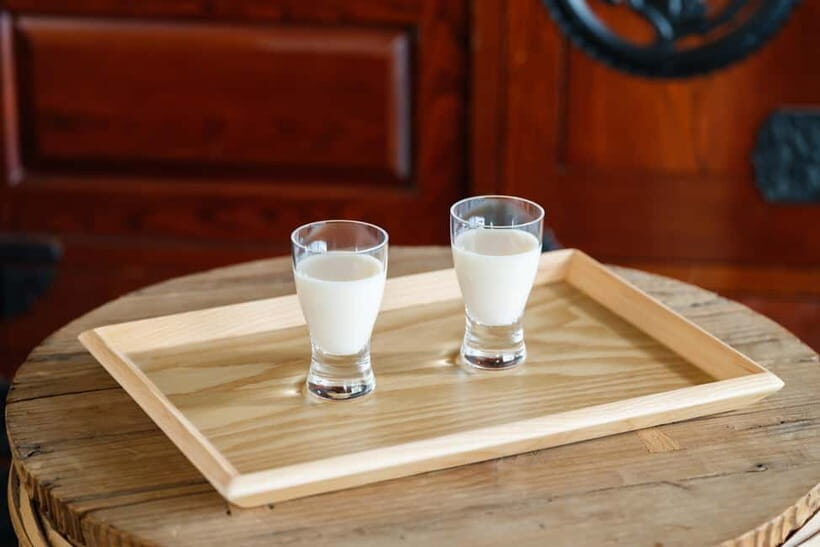
After lunch comes the drinking part: doburoku tasting. You’ll sample two types of doburoku, a cloudy fermented rice beverage made with koji, yeast, and lactic acid bacteria.
The two flavors are:
- One flavored with yuzu
- One flavored with black currant
The tour frames it as a kind of “superfood,” and even if you don’t buy health hype, the taste is still the point. Doburoku is easy to drink, and it comes with a gentle buzz—enough to feel pleasantly affected, not enough to turn your afternoon into a nap.
A good strategy is to taste slowly and keep water handy. The fruit styles are meant to be refreshing, so the flavors should feel brighter than you might expect from something that’s fermented.
Exploring after the tour: product showroom and sweet finish
Once the formal tour ends, you can browse and shop at the Koji Park facility. This is where you turn food lessons into souvenirs.
You’ll usually find the product showroom area where you can compare items and take home things that are directly tied to what you tasted—miso, soy sauce products, and other fermented goods.
Several visitors point out sweet treats like cheesecakes, plus items such as soy sauce ice cream and other tastings and retail samples. Hand creams also show up as a fun, unusual souvenir in tour stories. If you’re the type who likes to bring back a small edible or a quirky non-edible token, this is a good place to do it.
My advice: if you’re buying food for later in the trip, think about how much you can carry and how quickly you’ll eat it. Fermented products can be incredible, but they’re not always light. Pick a couple things you genuinely want, not everything because the shop is tempting (and it is).
Price and value: is $77 for 150 minutes worth it?
At $77 per person for about 150 minutes, you’re paying for a tight package:
- Koji Park guided talk
- Miso soup making with ingredients and utensil rental
- A fermented food lunch course
- Doburoku tasting
- Then additional time for browsing and shopping
This is not just a tasting event. The value comes from the mix of learning + eating + doing. If all you wanted was samples, the price might feel steep. But because you make miso soup yourself and compare different miso ages, you leave with actual understanding you can carry into your own cooking and food choices back home.
Also, small group size is part of the math. With a maximum of 8 participants, you’re more likely to get questions answered and pay attention instead of fading into a crowd.
Who should book this tour?
This tour is a strong match if you:
- Like food with explanations, not just “eat and move on”
- Want a break from typical sightseeing and you enjoy hands-on workshops
- Care about fermentation culture and want to taste it across miso, soy sauce-linked products, and doburoku
- Prefer quieter, guided attention in a small group
It may not suit you if you:
- Hate public transit logistics. The route needs a bus and short walks unless you use a taxi.
- Want a full inside factory manufacturing tour. The experience focuses on the facility and history, not entering where soy sauce or miso are actually produced.
- Are looking for a kids’ tour. It’s listed as not suitable for people under 20.
If you’re going on a day with a packed Kanazawa itinerary, treat this like a main event. It’s timed and it shapes your afternoon palate.
Should you book Kanazawa Historic Brewery: Fermentation Tour, Tasting, Lunch?
I’d book it if you want a Kanazawa experience that feels different and gives you real food memories. The best part is the sequence: koji lesson → miso soup you make → fermented lunch → doburoku. That flow turns fermentation from an idea into a set of flavors you can actually recognize.
Book it sooner if you want a specific lunch option or you’re hoping your guide is the owner-host style you might hear described by others. If you’re flexible and you like learning through eating, this is one of those tours that makes the city’s food culture feel suddenly practical.
FAQ
How long is the Kanazawa fermentation tour?
The experience lasts about 150 minutes.
What’s included in the tour price?
It includes the Koji Park Tour & Koji Talk, miso soup making and tasting, a fermented food lunch course, and a doburoku tasting.
Is the miso soup workshop included, and do I taste different miso?
Yes. You make your own miso soup using simple recipes and compare two types of miso pastes aged from 6 to 12 months.
What’s the default lunch during the fermented food course?
The default lunch is the Koji Beef Steak Lunch Course. If you have dietary restrictions, you should email following your reservation.
What doburoku flavors are tasted?
You taste two types of doburoku: one flavored with yuzu and one flavored with black currant.
What language is the tour guide speaking?
The tour offers English and Japanese.
Where is the meeting point?
You meet at Hishiho-Gura (Product Showroom) at Yamato Koji Park, 4-I-170 Oonomachi, Kanazawa.
Do you enter the factory where miso or soy sauce is actually made?
No. This tour does not include entering the production factory where the products are made. It focuses on exterior views and history, with production scenes available via video.
Is this tour suitable for children?
It is not suitable for people under 20 years old.
When is the tour closed, and what’s the cancellation/payment policy?
It’s closed Tuesdays and Wednesdays and during the New Year holidays. You can cancel up to 24 hours in advance for a full refund, and there’s a reserve now & pay later option.
More tours in Kanazawa we've reviewed
Breweries, compared.
 ★ 5.03-Hour Kyoto Insider Sake Brewery Tour with Tastings & PairingsFrom $84
 ★ 5.0Kyoto: Insider Sake Brewery Tour with Sake and Food PairingFrom $873 hours
 ★ 5.0Kyoto Sake Brewery & Tasting Walking TourFrom $98
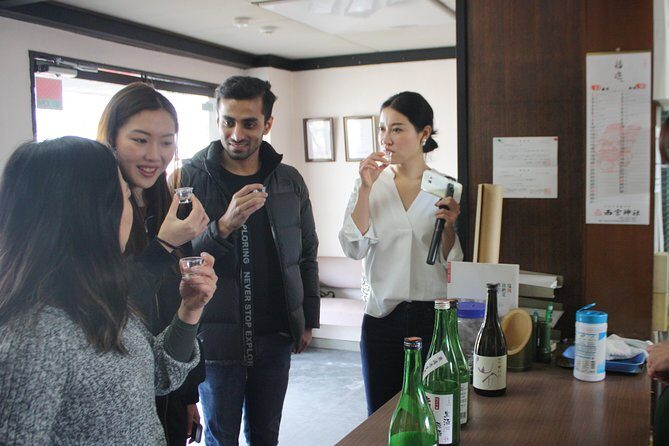 ★ 5.0KOBE Sake Tasting Tour at Breweries (tasting fee included)From $109
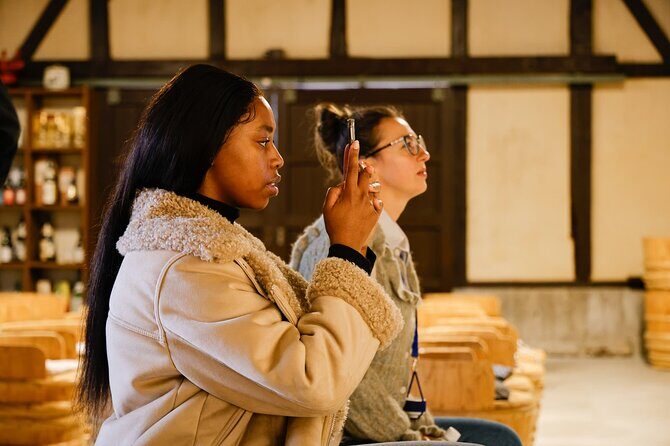 ★ 5.0Hiroshima Saijo Sake Tasting Tour with visit to 7 BreweriesFrom $50
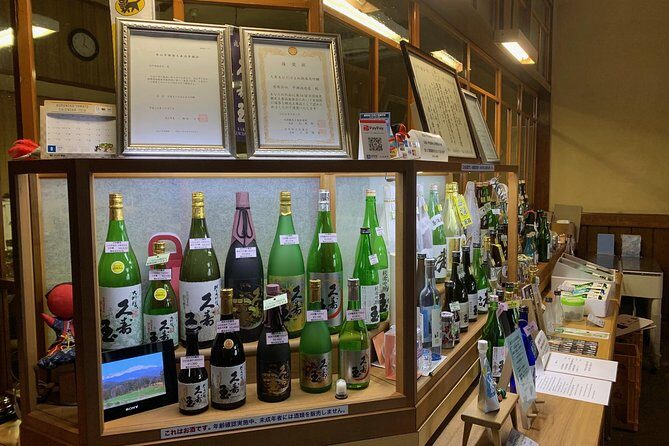 ★ 5.0Takayama: Authentic Sake Tasting at a Historic BreweryFrom $50
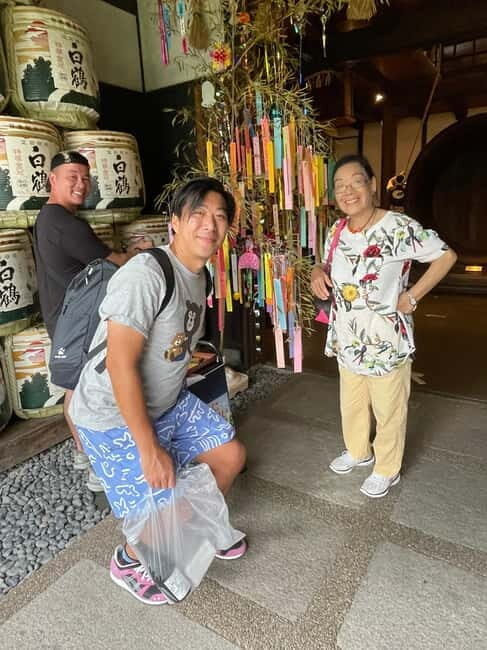 ★ 5.0Kobe: Guided Sake Breweries Tour with TastingsFrom $1063h 30m
 ★ 5.0Sake Brewery and Japanese Life Experience Tour in KobeFrom $83
The lists this tour appears in