
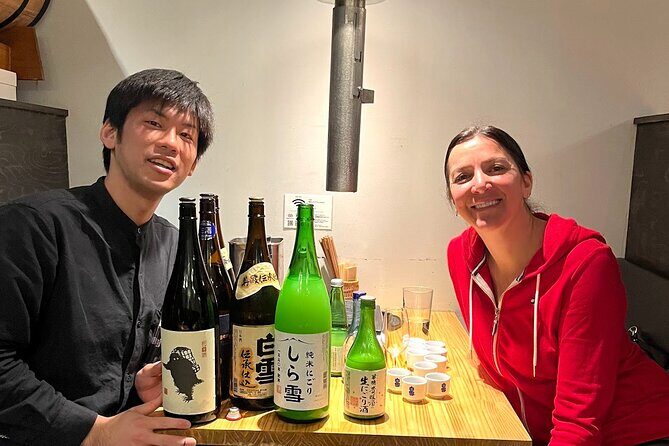
Reviewed · SAKE TASTING EXPERIENCES
10 kinds Sake Tasting Experience in Tsukiji with local!!
If sake has always felt like a mystery, this helps. This 1.5-hour private tasting turns Tokyo drinking culture into something you can actually use: you’ll learn the basics of how to drink sake, pick up sake quality labels like Junmai/Daiginjo, and taste multiple styles with a local guide who can bridge language gaps. It’s relaxed, informal, and built for conversation, not a stiff lecture.
My two big wins are the hands-on structure (you get repeated tastings across different styles) and the fact that the guide explains what makes each one distinct while you’re still tasting. One thing to consider: you’re drinking a lot in a short window, so if you’re sensitive to alcohol, slow down and pace yourself with water and snacks.
In This Review
- Key things I’d plan for before you go
- Tsukiji Area, But the Real Focus Is Sake Culture
- Where You Meet (and Why That Location Helps)
- What You Learn: Etiquette, Quality Terms, and Brewing Basics
- The Tasting Flow: How 10 Varieties Become a Clear Story
- Regional Differences: Taste the Country, Not Just the Label
- Snacks, Water, and Pacing: The Unsexy Part That Makes It Fun
- Your Guide Experience: Conversation-First, Not Performance-First
- Price and Value: Is $62.40 Worth It?
- Who Should Book This Sake Tasting in the Tsukiji Area
- What I’d Watch For Before You Go
- Should You Book It?
- FAQ
- How long is the sake tasting experience?
- How much does the experience cost?
- How many sake varieties will I taste?
- Is this a private experience?
- Where do we meet, and where does it end?
- Is it near public transportation?
- Will I get snacks?
- Do I need a print ticket?
- Can I cancel if plans change?
Key things I’d plan for before you go
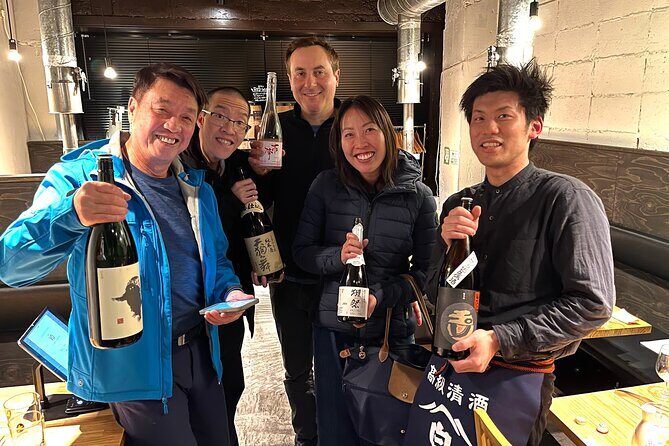
- Around 10 sake varieties tasted in one session, not just a couple sips and done
- Basic etiquette and drinking know-how so you know what to do during and after your pours
- Quality labels like Junmai/Daiginjo explained in plain terms while you taste
- Regional differences across Japan highlighted through the lineup of samples
- Snacks in-between tastings, including nuts and soy beans in the mix
Tsukiji Area, But the Real Focus Is Sake Culture
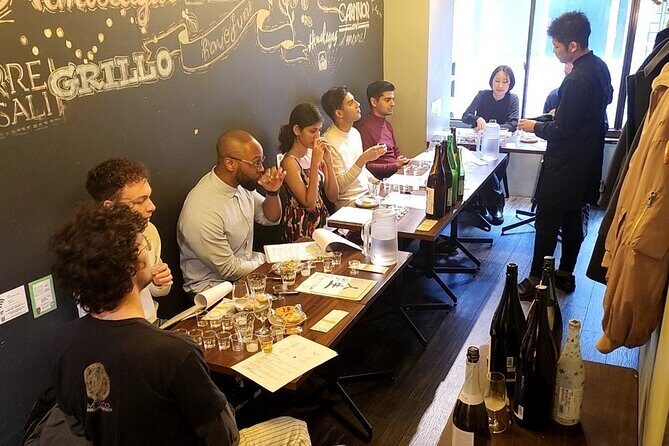
This experience is set up for people who want the real deal: how sake culture works in everyday life, not just facts from a brochure. You start with the basics, then you taste through multiple styles, so the learning sticks. The “local enthusiast” approach matters here. It’s casual enough to ask questions, but structured enough that you’re not just sampling randomly.
You’re also not stuck in a big group. It’s private, meaning your guide can adjust the pace for you. If you’re curious about brewing methods, how sake is made, or how etiquette affects the experience, you’ll have space to ask and connect the dots with each pour.
One more practical point I like: the tasting runs about 1 hour 30 minutes, so it fits well between meals or as an early evening activity. And you’ll end back where you started, so you don’t waste time figuring out a second destination after you’ve been drinking.
Other sake tasting experiences we've reviewed in Tokyo


Where You Meet (and Why That Location Helps)
You’ll meet at Wagyu Yakiniku & Sake all-you-can-drink Niku-no-Himalaya at 2-chōme-13-2 Shintomi, Chuo City, Tokyo 104-0041, Japan. Then you return to the meeting point at the end.
That matters more than it sounds. Starting and ending in the same place keeps logistics simple when you’re walking around Tokyo with a phone ticket and a light schedule. The tour info also says it’s near public transportation, so you’re not relying on a long taxi hop for something that only lasts 90 minutes.
Also, this is a good pick if you’re staying around the Tsukiji/Shintomi side of central Tokyo. You can build the rest of your evening with minimal movement, and you don’t have to plan a whole second stop after the tasting.
What You Learn: Etiquette, Quality Terms, and Brewing Basics
The session is designed like a guided tasting class you actually want to be in. You start by learning how to drink sake and the basic information that makes the rest of the tasting easier to understand. If you’ve ever felt unsure about things like what to pay attention to in aroma, texture, or serving habits, this is where you get your footing.
Then the guide moves into what the labels mean. The experience specifically targets the difference between sake quality classifications such as Junmai / Daiginjo. The best part of this approach is that it’s not abstract. As the guide explains categories, you taste styles back-to-back. So you’re not memorizing terms for later. You’re linking the label to what’s in the glass right now.
Finally, you’ll cover the differences in sake from different parts of Japan, plus how brewing methods connect to what you taste. That’s a big deal if you want to understand why Japanese people treat sake like more than just a drink.
The Tasting Flow: How 10 Varieties Become a Clear Story
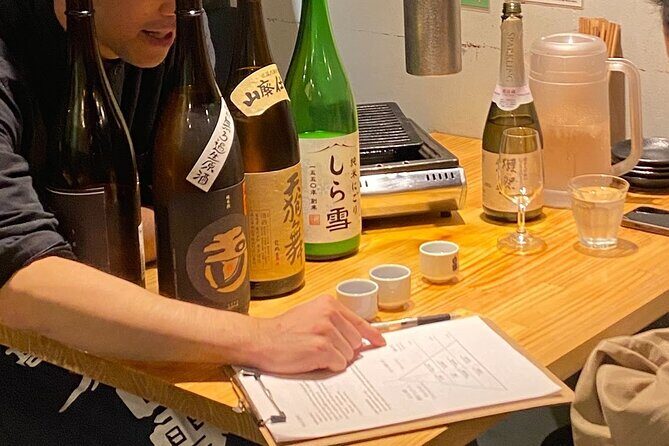
This is a guided session built around sampling about 10 varieties of sake. The intent is that you taste multiple styles, then learn what makes each one distinct. One of the reviews mentioned an 11th sample, so I’d mentally plan for about 10, with the possibility of an extra pour.
In practice, the progression matters. You’ll go through different types and compare them with the guide’s help. That means you’ll get a clearer sense of what changes between styles, instead of trying to remember details from a single moment.
I also like that the guide provides materials. One guest specifically called out handouts and a booklet, plus a thorough explanation of types and how they’re made. That kind of printed support is useful in Japan, where it’s easy to lose details later after a busy day.
Regional Differences: Taste the Country, Not Just the Label
A lot of tastings stop at the categories. This one goes further by connecting the samples to where in Japan the sake comes from and what that can mean for taste. The session includes discussion of regional differences, so you’re learning a way to think about sake like a food—ingredients, production choices, and local style.
Why that’s valuable for you: Tokyo can feel like one big melting pot. Regional tastings are one of the fastest ways to feel how Japan still has distinct “local identities,” even for something as everyday as rice wine.
It also helps when you’re choosing sake later in a shop. Instead of guessing, you’ll have a vocabulary for what you liked and what you didn’t, and you’ll know what to ask about.




Snacks, Water, and Pacing: The Unsexy Part That Makes It Fun
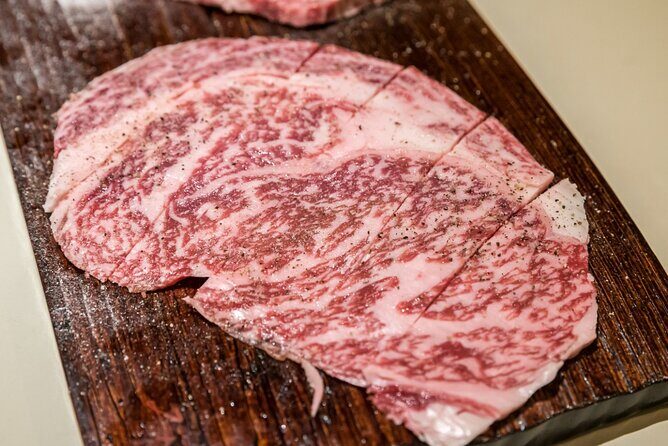
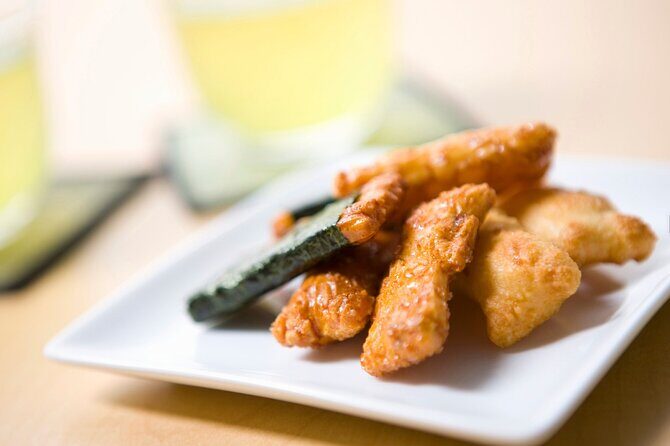
The experience includes snacks, and one review specifically mentioned nuts and soy beans between tastings. That’s not just a nice bonus. It helps you reset your palate so you can actually compare sakes without your taste buds going numb.
Pacing is also key. One guest flat-out noted it was best to pace yourself. So here’s what I’d do if you’re even slightly new to sake: take smaller sips than you think you need, use the snacks to slow your drinking, and drink water between rounds when the opportunity comes up.
If you’re going in expecting one or two sips and a quick chat, you’ll be surprised by how much you taste in 90 minutes. The upside is that you leave with a much better sense of your own preferences. The tradeoff is that you don’t want to treat it like a light cocktail stop.
Your Guide Experience: Conversation-First, Not Performance-First
This is private, but what makes it feel local is how the guide handles the conversation. The experience is described as relaxed and informal, and one review highlighted that the guide spoke English very well. Another pointed out strong conversation with the host.
One name came up in a review: Matsu. That guest mentioned receiving a booklet, plus a lot of explanation before and during tasting. Another review mentioned the guide is also a chef at nomuno. That chef perspective likely helps, because chefs think in terms of taste shifts and how ingredients (and methods) show up on the tongue.
If you like learning through questions, this format fits you. If you prefer silent, checklist-style tours, you might still enjoy the structure, but the charm here comes from dialogue.
Price and Value: Is $62.40 Worth It?
The price is $62.40 per person for about 1 hour 30 minutes. That’s not the cheapest way to drink in Tokyo, but it can be good value if you treat this like a guided tasting lesson.
Here’s why I think it’s worth considering:
- You’re not just buying alcohol. You’re buying explanations, a guided comparison of styles, and etiquette knowledge.
- You taste around 10 varieties, so you’re getting multiple points of reference for what you like.
- You’re also getting snacks during the session, which makes the tasting easier to handle.
Another practical value signal: this experience is booked about 27 days in advance on average. That usually means it’s a popular slot and not something you can casually leave to the last minute if your dates matter.
Who Should Book This Sake Tasting in the Tsukiji Area
This is a smart choice if you’re any of the following:
- A food-curious traveler who likes learning how something is made, then tasting it
- Someone who wants an easy way to understand sake labels and etiquette without feeling awkward
- A couple or solo traveler who prefers private attention over a group pace
- You’re staying near central Tokyo (the Shintomi meeting point makes it convenient)
It’s especially good if you want conversation. The private format and English support (as mentioned in reviews) help you feel confident asking questions even if your Japanese is limited.
What I’d Watch For Before You Go
Keep expectations realistic. You will taste a lot in a short time, so plan to stop other drinking plans beforehand. Also, the meeting point can be a little hard to spot, based on one review comment about it being hard to find. So give yourself extra time to locate the exact spot at arrival, then settle in.
Finally, keep your goal simple: leave with better taste awareness. You’re learning sake quality categories and regional differences, but the real win is that you’ll know what you enjoyed and why, based on the tasting you just did.
Should You Book It?
Yes, I’d book it if you want a guided sake experience that teaches you how to taste and talk about what’s in your glass. The best reasons are the private, conversation-friendly format, the around 10 variety lineup, and the clear focus on sake etiquette plus quality categories like Junmai/Daiginjo.
Skip it only if you hate structured tastings, want a completely quiet experience, or you’re very sensitive to alcohol and don’t want to pace through multiple samples.
If you want one small “Japan moment” that’s cultural and practical at the same time, this one fits the bill.
FAQ
How long is the sake tasting experience?
It lasts about 1 hour 30 minutes.
How much does the experience cost?
The price is $62.40 per person.
How many sake varieties will I taste?
You’ll taste multiple styles, around 10 varieties in the session.
Is this a private experience?
Yes. It’s private, and only your group participates.
Where do we meet, and where does it end?
You meet at Wagyu Yakiniku & Sake all-you-can-drink Niku-no-Himalaya at 2-chōme-13-2 Shintomi, Chuo City, Tokyo 104-0041, Japan. The experience ends back at the meeting point.
Is it near public transportation?
Yes, it’s near public transportation.
Will I get snacks?
Yes, snacks are included, and there are nuts and soy beans mentioned between tastings.
Do I need a print ticket?
No. It uses a mobile ticket.
Can I cancel if plans change?
Yes, there is free cancellation, and you can cancel up to 24 hours in advance for a full refund.
More Sake Tasting Experiences in Tokyo

More tours in Tokyo we've reviewed





Sake Tasting Experiences, compared.
 ★ 5.0Sake Tasting Masterclass in Shinjuku (8+ Varieties with a Pro)From $72
 ★ 5.0Sake Omakase in Tokyo: Guided Tasting by Certified SommeliersFrom $79
 ★ 5.0Private Tea Ceremony and Sake Tasting in Kyoto Samurai HouseFrom $99
 ★ 5.0Osaka Sake Tasting with Takoyaki CookingFrom $702 hours
 ★ 5.0KOBE Sake Tasting Tour at Breweries (tasting fee included)From $109
 ★ 5.0Osaka Sake Tasting & Takoyaki Cooking ExperienceFrom $72
 ★ 5.0Hiroshima Saijo Sake Tasting Tour with visit to 7 BreweriesFrom $50
 ★ 4.9Tsukiji: Outer Market Walking Tour & Sake Tasting ExperienceFrom $703 hours
The lists this tour appears in