
Reviewed · IZAKAYA FOOD TOURS
Tokyo: Izakaya Bar at Bistro Fukumimi, Ginza Corridor
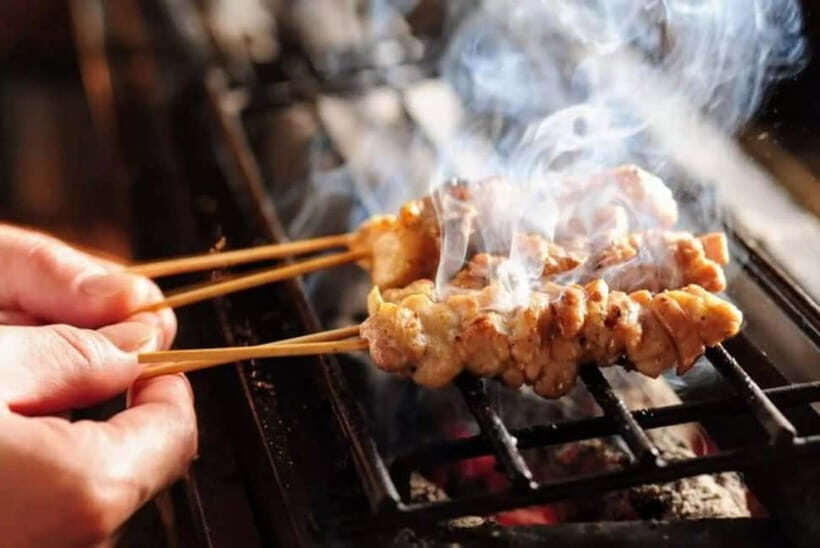
Skewers hit different in Ginza. This Bistro Fukumimi izakaya course is all about serious grilling—yakitori and kushiyaki handled by yakiniku masters—and it leans hard into beef cuts that fit a WAGYU-focused theme. One possible drawback: it is not a quiet, fancy dining room. It can feel more rustic and loud than the polished look some photos give you.
I like that you get a full, structured meal in just 2 hours, not a slow, wandering food tour. You can also aim for standout drinks like MIO sake and sparkling sake, which makes it feel like real Tokyo nightlife. If you are hoping for a guided experience or a tranquil atmosphere, this is probably not the right fit.
In This Review
- Key Points You Should Know Before You Go
- Ginza Corridor Izakaya Energy at Bistro Fukumimi
- How the 2-Hour Meal Works (It’s a Course, Not a Free-For-All)
- Fukumimi Course vs Kushiyaki Satisfaction: Pick Your Skewer Mood
- Fukumimi Course: 7 assorted skewers
- Fukumimi Kushiyaki Satisfaction: 12 assorted skewers
- Drinks options: food-only or all-you-can-drink
- What Makes the Skewers Special (and How to Enjoy Them)
- A practical tip for your order brain
- The Fish, Salad, Nanban, and the Rice That Closes the Deal
- Seared mackerel (shimesaba)
- Salad and a palate reset
- Golden tartar chicken nanban
- Tori takikomi gohan: rich chicken broth rice porridge
- Drinks: MIO Sake, Sparkling Sake, and the WAGYU Pairing Angle
- Value and Price: Why $41 Can Make Sense Here
- Practical Tips for Ginza: Meeting Point and How to Show Up
- Should You Book This Bistro Fukumimi Izakaya Course?
- FAQ
- What is included in the course price?
- How many skewers do I get in each course?
- Is there an option for all-you-can-drink?
- How long is the reservation and when do I need to finish?
- Will there be a guide during the meal?
- Are there rules about children and alcohol?
Key Points You Should Know Before You Go
- Master-grilled yakitori and kushiyaki: skewers handled by certified yakiniku masters
- Two course sizes: Fukumimi (7 assorted skewers) vs Kushiyaki Satisfaction (12 assorted skewers)
- Beef-forward skewers: harami and beef tongue show up on the menu
- More than chicken: seared mackerel and tori takikomi gohan rice porridge anchor the meal
- Sake you can actually enjoy: MIO sake is singled out as sweet, smooth, and easy to drink
- WAGYU-style positioning with wine pairing energy: the experience is framed around WAGYU and wine pairings
Ginza Corridor Izakaya Energy at Bistro Fukumimi
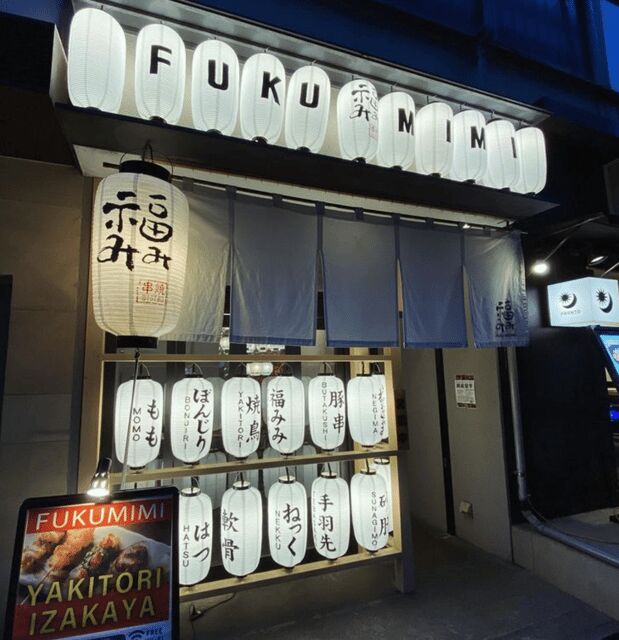
If your idea of a perfect Tokyo night involves smoke, sizzling, and someone handing you skewers at just the right moment, this course will make sense fast. Bistro Fukumimi sits in Tokyo’s Ginza Corridor area, where you get the slick city vibe outside, but an izakaya mood inside.
This is not a sightseeing-style activity. It is a restaurant reservation, built around a set course meal—so the value is in the food flow, not in roaming or meeting a guide. You go in, you eat, you drink (if you choose that option), and you leave after your up-to-2-hour reserved seating window.
The restaurant focuses on yakitori and kushiyaki, which is basically grilled skewer culture in two flavors. Yakitori is chicken-forward, often with classic cuts. Kushiyaki is the broader skewered-grill world—beef, seafood, pork, and more—so you get variety without leaving the core theme.
There is also a clear WAGYU-focused identity. Even when the menu items are named like harami, tongue, and other beef cuts, the overall presentation is that WAGYU-style beef is the point. The experience also frames the meal around the idea of wine-and-WAGYU pairings, even though you can also pair with local sake or beer.
Other izakaya food tours we've reviewed in Tokyo


How the 2-Hour Meal Works (It’s a Course, Not a Free-For-All)
The big reason this works is timing. You get a complete sequence of dishes within a two-hour slot, which helps if you want a real meal in Tokyo without spending your whole evening in lineups and transit.
You do not get to pick every single skewer. Several are described as selected by the grill master, which is part of the fun. It also prevents decision fatigue. If you love food but hate menus, this is your friend.
Here’s the typical rhythm of what you can expect from the course structure:
- A small opening plate to get you started
- Salad and a seared fish course
- A set of assorted skewers that escalate the variety
- Fried chicken (golden tartar chicken nanban)
- A rice dish (tori takikomi gohan, rich chicken broth rice porridge)
- Sparkling sake appears on the menu description as part of the course experience
Because this is built as a set menu, the kitchen is moving with intent. It is not one of those meals where you finish an appetizer and then wait forever for the next plate. That pace is exactly what keeps the izakaya feeling alive.
Fukumimi Course vs Kushiyaki Satisfaction: Pick Your Skewer Mood
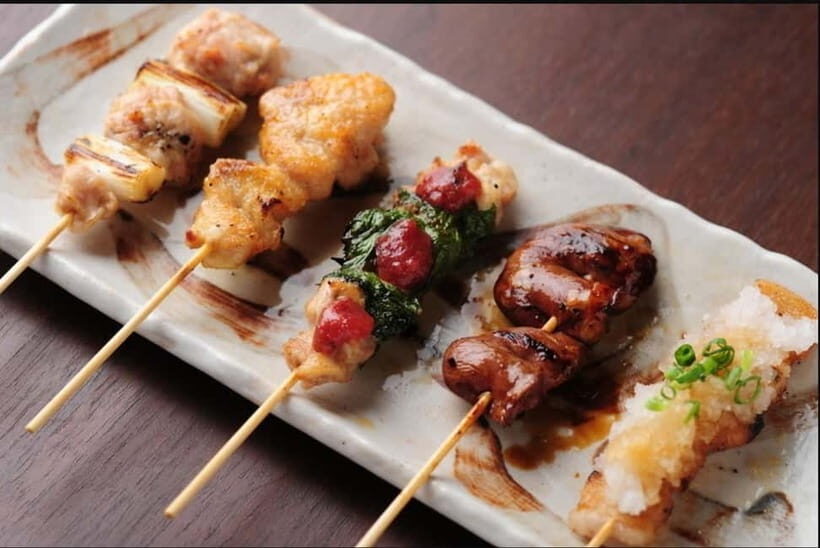
You get four menu choices total, depending on food-only or food-plus-drinks, and which skewer-heavy version you choose.
Fukumimi Course: 7 assorted skewers
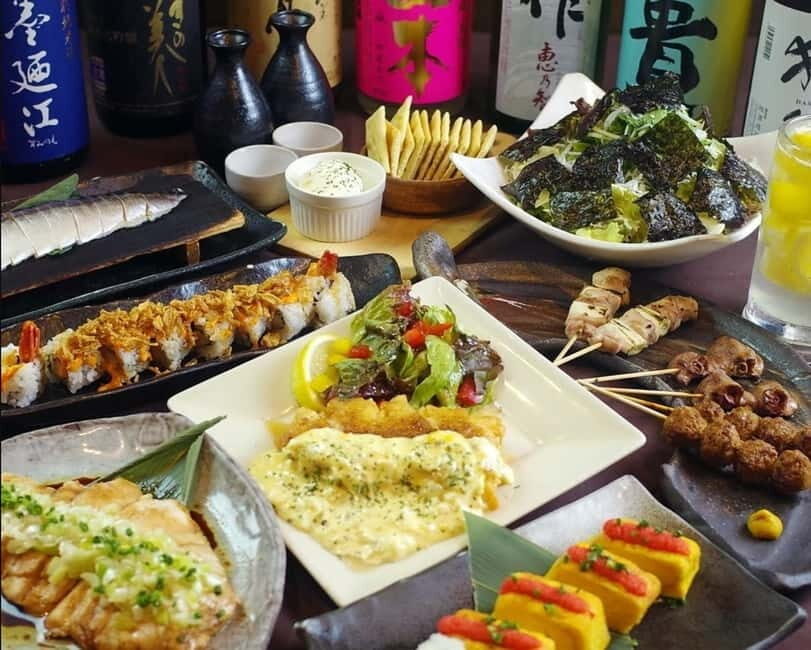
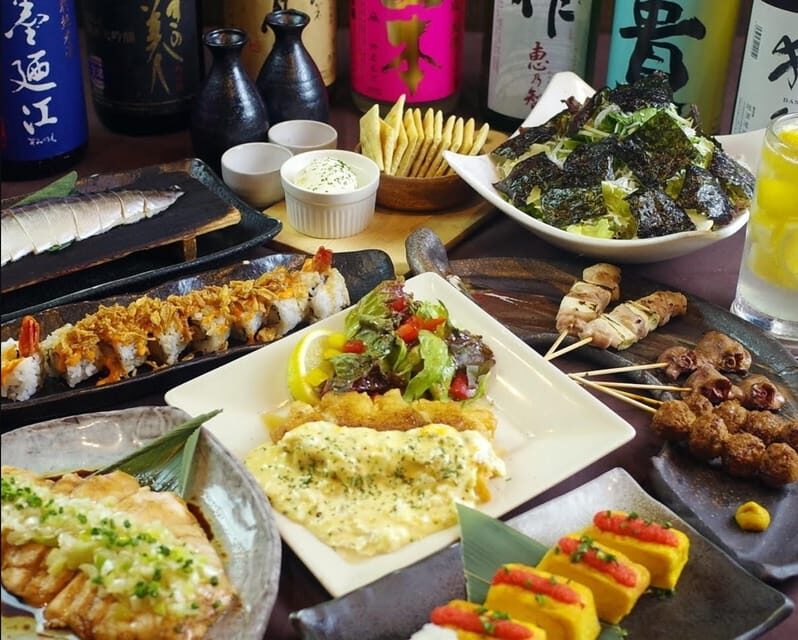
The Fukumimi Course keeps things tight and focused. It starts with homemade apple cream cheese with crackers, followed by today’s salad. Then you get seared mackerel (shimesaba), which is a nice shift from the chicken-heavy expectation.
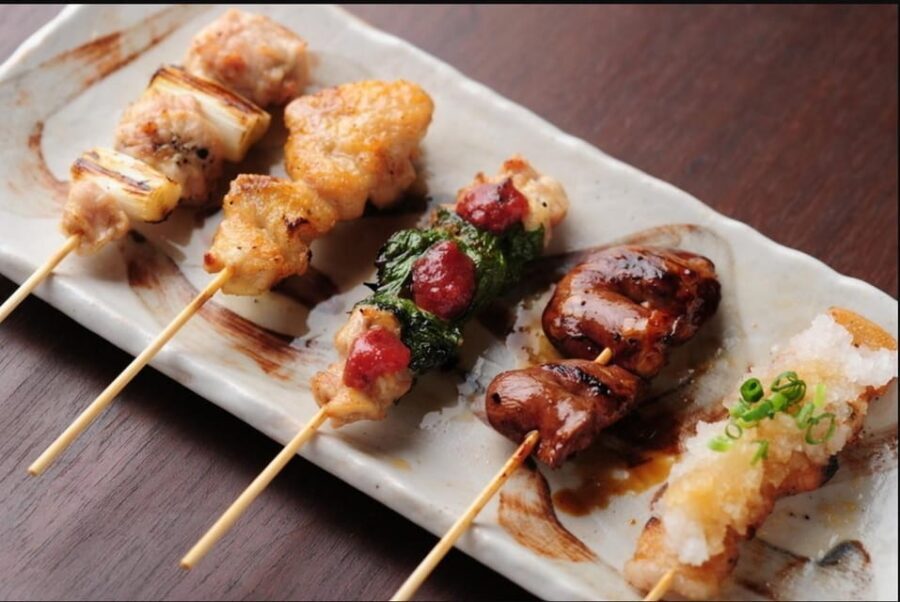
After that comes the core: 7 assorted skewers, selected by the grill master. Specific items listed include:
- Beef harami skewer
- Beef tongue skewer
- Man’s tsukune (chicken meatball) skewer
- Negima (chicken and leek)
- Chicken skin skewer
- Chicken wing skewer
- Grilled tomato skewer
Then you finish with golden tartar chicken nanban and tori takikomi gohan (rich chicken broth rice porridge). Sparkling sake is listed as part of the course menu description, including one bottle per group.
If you want a first-timer course, this is the safer bet. You get enough variety to see what the kitchen does best without overwhelming your appetite.
Fukumimi Kushiyaki Satisfaction: 12 assorted skewers
The Kushiyaki Satisfaction Course is for skewer people. Same foundation (salad, seared mackerel, chicken nanban, and tori takikomi gohan), but you get a bigger skewer lineup: 12 assorted skewers.
The menu expands with additional items such as:
- Chicken cartilage skewer
- Pork belly skewer
- Bonjiri (chicken tail)
- Cheese mochi skewer
- Garlic sprout-wrapped skewer
So instead of just learning the classics, you also get more adventurous textures. If you have ever said yes to chicken skin, you will probably enjoy the “extra” cuts here—cartilage and bonjiri tend to be the kinds of things that make a grill meal feel memorable.



Drinks options: food-only or all-you-can-drink
For both course sizes, you can choose food-only or a version that includes all-you-can-drink. The meal content is the same, but the drinks set changes the vibe. If you are the type who wants to linger over pairings, all-you-can-drink is the obvious move.
What Makes the Skewers Special (and How to Enjoy Them)
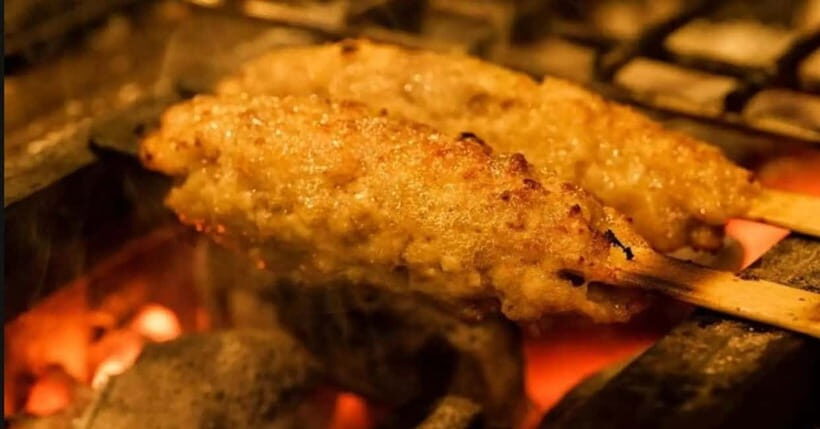
This is built around one skill: grilling that tastes intentional. The menu description says skewers are expertly grilled by certified yakiniku masters, and that matters because yakitori is not just food—it is timing and heat control.
A few items give you a hint about how the kitchen thinks:
- Chicken skin: if you love that crisp-yet-juicy texture, you will understand why people chase yakitori.
- Tsukune: described as man’s tsukune (chicken meatball) on the menu list. This usually means a tender, savory bite with enough char to feel grilled, not steamed.
- Beef tongue and harami: these cuts are flavorful and rich. They also tend to reward you for slowing down and eating thoughtfully rather than going full speed.
One review detail to anchor your expectations: one diner highlighted beef liver as tender enough to almost melt in the mouth, which lines up with the idea that the grill work here is careful.
Another key detail: the menu is not purely chicken. You get beef, tomato, and even skewers with cheese mochi and garlic sprout-wrapped items in the larger course. That variety makes it easier to keep interest even if you are repeating the same skewer format.
A practical tip for your order brain
Even though some skewers are selected for you, try to eat in a sequence that matches texture. Start with items that are lighter or brighter (tomato, lighter chicken cuts), then move toward richer bites like tongue and fatty cuts. It helps your palate stay clean as the meal gets heavier.
The Fish, Salad, Nanban, and the Rice That Closes the Deal
If this were only skewers, it could turn into a one-note meal. It does not. The course is balanced with several non-skewer elements that help you reset.
Seared mackerel (shimesaba)
You get seared mackerel early. That matters because mackerel has a stronger flavor profile than chicken, and it gives your palate something smoky and salty to latch onto before the skewer wave starts.
Salad and a palate reset
Today’s salad sounds simple, but in a course meal, salads do the job: they cut the fat and salt so your next skewer feels distinct, not repetitive.
Golden tartar chicken nanban
Chicken nanban is basically fried chicken with a tartar sauce vibe. The menu describes golden tartar chicken nanban as part of both courses. This is a good mid-to-late course turning point, because it adds crunch and tang when you might otherwise be in a steady grilling rhythm.
Tori takikomi gohan: rich chicken broth rice porridge
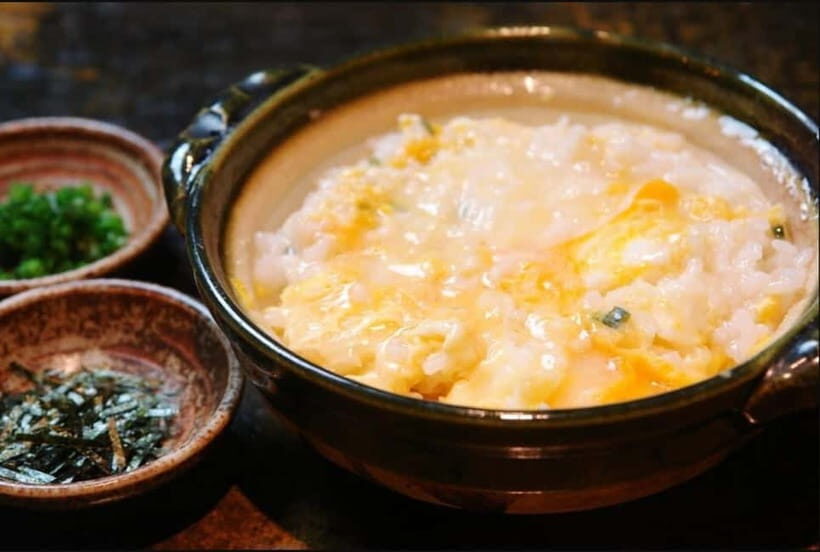
The rice porridge is where the meal becomes satisfying, not just fun. Rich chicken broth rice porridge (tori takikomi gohan) is a comfort finish that pulls the flavors together and gives you something warm after all the grill-smoke.
If you are the type who always wants a final “last plate” that feels like closure, this is one of the reasons I think the course is worth your time.
Drinks: MIO Sake, Sparkling Sake, and the WAGYU Pairing Angle
You have options here, and you do not have to be a sake scholar.
The menu list calls out sparkling sake and mentions one bottle per group. That’s a friendly way to start because it lowers the intimidation factor. You also have the choice of local sake or beer mentioned in the course description, depending on the drink option you selected.
One drink detail really sticks out from the experience reports: MIO sake is described as sweet, smooth, and incredibly easy to drink, with people calling it one of the best Japanese drinks they had.
Why this matters for you: if you are worried sake will be too intense, a smoother style like MIO can make the experience feel welcoming, even if you normally stick to beer or wine.
And about that wine-and-WAGYU angle: the experience is themed around the marriage of wine and WAGYU. You might see wine included or promoted as part of the pairing concept, but the only drink guarantees in the provided info are the sparkling sake element and the ability to add all-you-can-drink depending on your selected option.
So if wine is a must for you, pick the drinks-inclusive option and use the checkout notes to communicate what you want to pair.
Value and Price: Why $41 Can Make Sense Here
The price listed is $41 per person, and the included items are important for value: you are paying for a full course menu (food only or with drinks based on your selected option), plus taxes and a reservation.
What makes it good value is that you are not assembling multiple costs:
- you are not paying separately for each course dish
- you are not piecing together a skewer set across different places
- you are getting the grill master concept and the structured meal flow
Also, the limited seating window helps keep the experience efficient. You are not stuck for hours. You get what you pay for, within a clear 2-hour frame.
The main value trade-off: this is still a set menu. If you hate fish, or if you have very specific dislikes, you might find the course less flexible. The good news is that dietary restrictions can be left as a comment during checkout, so do that before you arrive.
Practical Tips for Ginza: Meeting Point and How to Show Up
Your meeting point is diagonally across from Starbucks. When it is time for your reservation, you enter the restaurant directly.
No guide is provided, so go in ready to enjoy the meal rather than expecting a commentary-style experience. Staff will run the course through service, but your role is simple: eat, drink (if you chose that option), and keep an eye on the clock.
Seats are reserved for a maximum of 2 hours, and specific seat types cannot be guaranteed. So if you care deeply about view, lighting, or room at your elbow, do not treat this like a theater-grade seat assignment.
Also note two practical rules:
- The legal drinking age in Japan is 20+
- Children under 8 are free of charge, while those 8 and older are required to order the regular course
For most people, the best approach is to treat this as your planned dinner or late supper in Ginza. It fits well before or after a stroll, but it is strongest when you let it be the main event.
Should You Book This Bistro Fukumimi Izakaya Course?
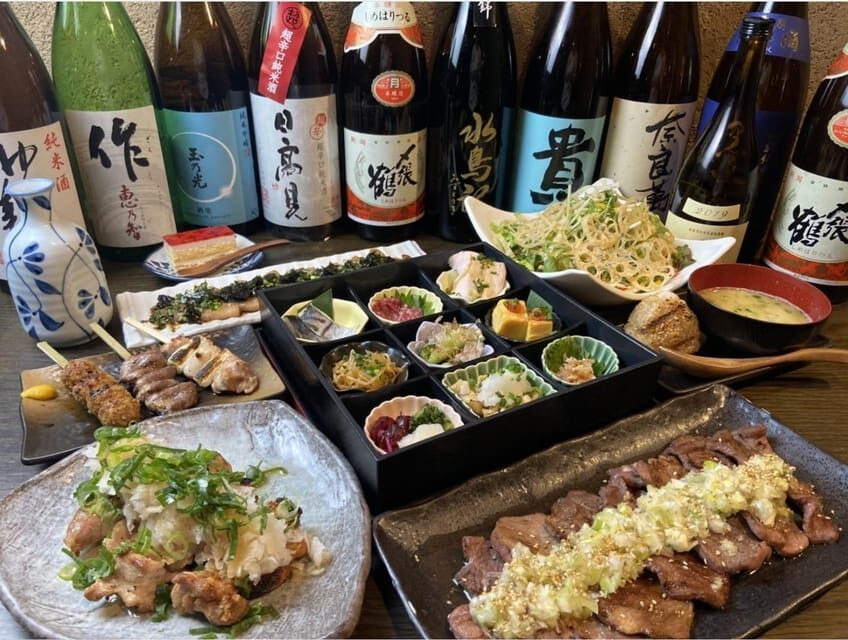
Book it if you want a real Tokyo izakaya night without the planning headache. The master-grilled skewers, the beef cut lineup, and the way the meal builds from small plates to skewers to rice make it feel like a complete experience, not just a snack stop.
Skip it (or think twice) if you need a quiet dining room, or if you want lots of choice. This is a set course, and some skewers are selected by the grill master, not by you.
If you are a sake person, you will likely appreciate how approachable the drink pairing can be—especially with sparkling sake and the mention of MIO sake being sweet and smooth.
FAQ
What is included in the course price?
The booking includes the full course menu (food-only or with drinks based on your selected option), taxes, and the reservation.
How many skewers do I get in each course?
The Fukumimi Course includes 7 assorted skewers selected by the grill master. The Fukumimi Kushiyaki Satisfaction Course includes 12 assorted skewers selected by the grill master.
Is there an option for all-you-can-drink?
Yes. You can choose the course with all-you-can-drink, which keeps the same meal content but changes the drink portion.
How long is the reservation and when do I need to finish?
Your reserved seating is for a maximum of 2 hours. The listing says to check available starting times, then plan to stay within that slot.
Will there be a guide during the meal?
No guide is provided. You enter the restaurant at your reservation time.
Are there rules about children and alcohol?
The legal drinking age in Japan is 20 years or older. Children under 8 are free of charge, and those 8 and older must order the regular course.
If you want, tell me your group size and whether you prefer food-only or all-you-can-drink, and I’ll help you pick the Fukumimi vs Kushiyaki Satisfaction course based on appetite and preferences.
More Izakaya Food Tours in Tokyo
More tours in Tokyo we've reviewed







Izakaya Food Tours, compared.
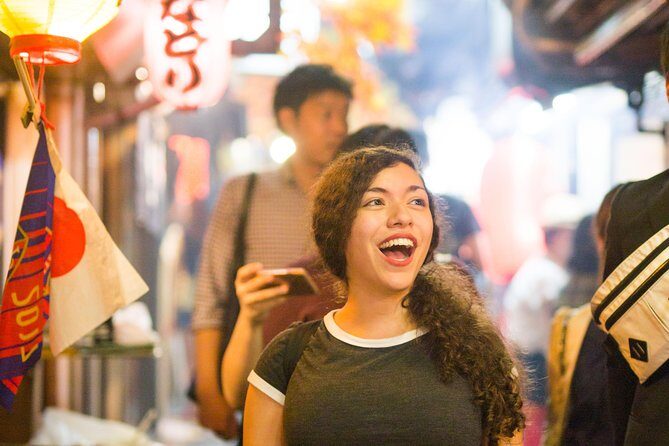 ★ 5.0Best of Shinjuku: Izakaya Food Tour (4 Stops, 14+ Tastings)From $92
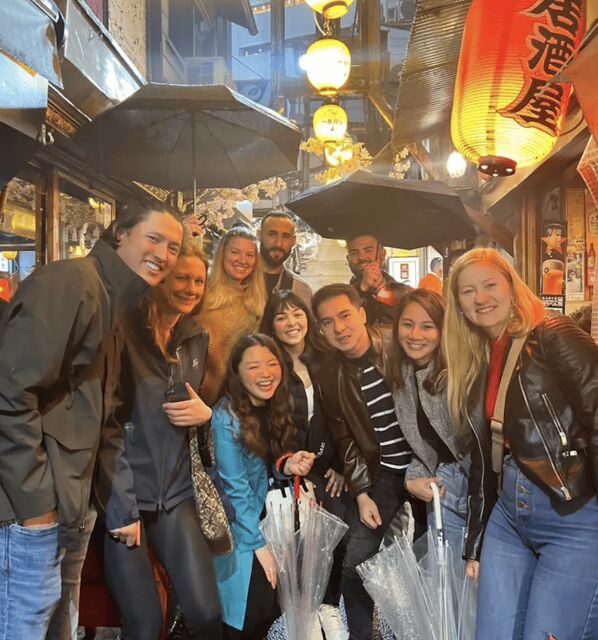 ★ 4.9Tokyo: Shinjuku Local Bar and Izakaya Guided Walking TourFrom $343 hours
 ★ 5.0Tokyo: Shinjuku Local Bar & Izakaya Crawl TourFrom $39
 ★ 4.9Kyoto: Izakaya Bars Guided Walking TourFrom $253 hours
 ★ 4.9Osaka: Izakaya Bars Guided Walking TourFrom $193 hours
 ★ 4.9Shibuya: Local Bar & Izakaya CrawlFrom $293 hours
 ★ 5.0Hiroshima Izakaya Food and Drink Night TourFrom $110
 ★ 4.9Kyoto: Afternoon Japanese Izakaya Cooking ClassFrom $673 hours
The lists this tour appears in