

Reviewed · COOKING CLASSES
Osaka: Okonomiyaki Cooking Class with Beer or Soft Drink
One hour, and you eat your own.
This Osaka okonomiyaki cooking class is a hands-on lesson with an actual payoff: you’ll cook, finish, and eat a hot pancake you customized yourself. I especially like the small group of up to 4, which keeps things friendly and lets the instructor check that you’re comfortable. I also love that you get real guidance plus context, including the history of okonomiyaki. The one big consideration: it’s not suitable for wheelchair users and people with gluten intolerance.
You start right by Nakatsu Station (Midosuji Line, Exit 3), so you’re not wasting time hunting for the place. Then you spend the hour choosing your preferences, learning the method step by step, and ending with a Japanese beer or soft drink that matches the flavors well. If you want a quick, fun food skill you can use at home, this is a good bet.
In This Review
- Key things to know before you go
- Osaka Okonomiyaki: More Than a Savory Pancake
- Where The Class Starts: Nakatsu Station to Your Cooking Bench
- A Step-by-Step Lesson You Can Actually Repeat
- Choosing Your Ingredients From 10 Variations
- The Meal Part: Japanese Beer or Soft Drink Pairing
- Learning Okonomiyaki History in a Way That Changes How You Cook
- Small Group Comfort: Why Up to 4 People Matters
- Price and Value: Is $51 Worth It?
- Who Should Book This Class (and Who Should Skip It)
- The Logistics That Actually Matter Day-of
- Should You Book This Osaka Okonomiyaki Class?
- FAQ
- Where is the meeting point?
- How long does the okonomiyaki class last?
- What does the class include?
- Can I choose what goes into my okonomiyaki?
- Do I have to be a good cook to join?
- Is it suitable for wheelchair users or gluten intolerance?
- Can I get a full refund if I cancel?
Key things to know before you go
- Up to 4 participants means close coaching instead of standing on the sidelines.
- Choose from 10 variations so your okonomiyaki feels personal, not copy-and-paste.
- You’ll learn the history of okonomiyaki, not just how to flip a pancake.
- One okonomiyaki per participant keeps the meal part simple and satisfying.
- Beer or soft drink included pairs naturally with savory, eggy, umami-heavy food.
Osaka Okonomiyaki: More Than a Savory Pancake

Okonomiyaki is one of those dishes that sounds simple until you actually cook it. It’s a Japanese savory pancake built around flexible preferences—so the fun isn’t only eating it, it’s deciding what goes in your version and understanding why it works.
In this class, you’re treated less like a tourist collecting photos and more like a person learning a practical, repeatable meal. You’ll pick ingredients, assemble your own pancake, and eat it hot. That combination matters because it turns okonomiyaki from a restaurant curiosity into a skill you can recreate later.
And because it’s short—1 hour—you don’t need a half-day food plan. It’s a solid add-on to a day of Osaka sightseeing, especially if you want a memorable dinner moment without committing to something long and formal.
Other cooking classes in Osaka
Where The Class Starts: Nakatsu Station to Your Cooking Bench
Meeting points matter in Japan, and this one is clear: your English-speaking guide is on the ground floor of Nakatsu Station on the Midosuji Subway Line, at Exit No. 3. That’s helpful if your day is already packed, because it’s easy to orient quickly and get moving.
Once you’re with the instructor, the class format stays relaxed. You meet your host, you get an overview (including okonomiyaki history), and then you move into cooking with personal guidance. The tone you’re aiming for is comfort and clarity, and the small group setup helps a lot here.
One more practical point: because you’re cooking, plan for being on your feet and working hands-on. If you’re someone who gets frustrated with kitchens, don’t worry. The class is designed to teach you the method step by step, not test you. It still helps to arrive on time so you don’t feel rushed at the mixing stage.
A Step-by-Step Lesson You Can Actually Repeat
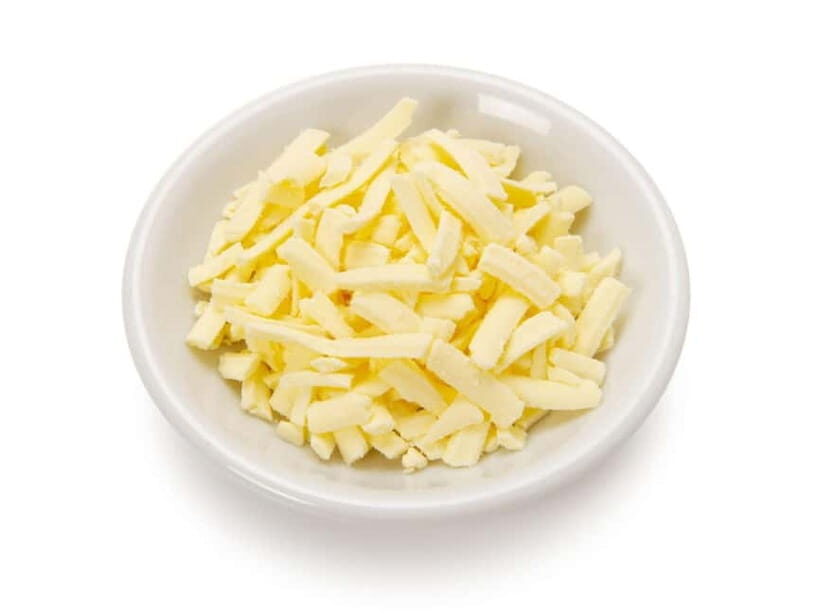
The best cooking classes teach technique, not just recipes. Here, the instructor carefully walks you through how to make okonomiyaki, so you’re not guessing from a written card. That approach is especially valuable if you’ve never cooked Japanese-style savory pancakes before.
Here’s what you can expect, in plain terms:
- You’ll start with a short explanation and the history of okonomiyaki, so the dish makes more sense culturally.
- You’ll choose what you want your okonomiyaki to be like from the 10 variations offered.
- You’ll then make your own version with guidance from your instructor.
- Finally, your pancake is finished and served hot, and you eat right away.
The reason this works well is simple: you learn while you’re actively doing. You’re not just watching. You’re building the pancake you’ll eat.
Also, you’re not left with a sad portion size. The class includes one okonomiyaki per participant, which keeps the experience from feeling like a sample event. You leave fed, not just informed.
Choosing Your Ingredients From 10 Variations

This is where the class feels like yours.
Instead of a single fixed recipe, the structure lets you choose among 10 variations and build an okonomiyaki that matches your taste. That matters because okonomiyaki is traditionally flexible. Some people lean toward seafood-forward choices, others prefer more classic savory combinations, and many just want what sounds good that day.
In practice, this selection step is also how the instructor helps you think like a cook. You learn that okonomiyaki isn’t only about the batter. It’s about how the fillings and toppings create the balance of texture and flavor.
My advice for getting the best experience: when you arrive, think about what you genuinely like. If you already know you enjoy umami-rich flavors and savory toppings, go bold with your choice. If you’re unsure, pick the variation that sounds closest to what you’d order in an Osaka restaurant. You can always experiment next time once you’ve learned the core method.
The Meal Part: Japanese Beer or Soft Drink Pairing
The class ends the way good experiences should: you eat your work while it’s hot.
You’ll get a Japanese beer or a soft drink included with your meal. It’s not just an add-on. The drink pairing fits the food’s vibe. Okonomiyaki is savory, filling, and a little eggy and comforting, so the carbonation and mild bitterness from beer—or the refreshing lift from a soda—helps reset your palate between bites.
If you’re going with beer, this is an easy, low-pressure way to enjoy Japan’s drink culture without planning a full bar night. If you’re going with a soft drink, you still get the intended flavor rhythm. Either way, you’re eating as part of the class, not after it.
One practical note: since the pancake is served hot, eat soon after it lands. It’s best before it cools and thickens. If you’re used to waiting at restaurants, don’t. Here, the timing is part of the deal.
A few more Osaka tours and experiences worth a look
Learning Okonomiyaki History in a Way That Changes How You Cook
Most people associate okonomiyaki with Osaka and casual comfort. This class goes one notch deeper by including the history of okonomiyaki from your instructor.
Why does that matter? Because when you know how a dish evolved, you cook it differently. You start noticing the logic behind ingredients and the idea that the dish can shift. Okonomiyaki isn’t treated like a fragile formula. It’s treated like something people customize and share.
During the class, that history is woven into the lesson, so it doesn’t feel like a separate lecture. You’ll also have time for conversation. Based on past participants’ experiences, the instructor may chat about Osaka, Japanese food culture, and what makes the dish meaningful beyond the kitchen.
That combo—cooking plus context—helps you remember what you learned. You’re not just copying steps. You’re understanding why they exist.
Small Group Comfort: Why Up to 4 People Matters
A big group can still be fun, but it often turns cooking lessons into watching time. Here, the limit is 4 participants, which keeps the experience intimate and makes it easier to get help when you need it.
That small-group format often leads to:
- clearer instructions (less confusion, fewer repeats)
- quicker feedback (you can adjust as you go)
- more chances to ask questions (instead of waiting your turn)
It also makes the class feel more social without being crowded. You can share your ingredient choices, compare tastes, and bond over the shared goal: getting a pancake that you actually want to eat.
From what participants have said, the host energy matters too. The best classes don’t just teach technique; they make you feel at ease while you learn something hands-on. That’s the vibe you should expect here.
Price and Value: Is $51 Worth It?
At $51 per person for a 1-hour class, the value is all about what’s included.
You’re not only getting instruction. You also get:
- all necessary ingredients
- personal guidance from the instructor
- one okonomiyaki per participant
- a included Japanese beer or soft drink
- ingredient choice via 10 variations
If you compare this to buying okonomiyaki at a restaurant, you’re not paying just for a meal. You’re paying for the ability to make it yourself, with coaching and ingredient flexibility. That’s a meaningful difference.
If your goal is purely to eat, you can likely find cheaper options. But if your goal is to leave with a new food skill—and a meal that’s part of the learning—this price makes more sense.
For me, the best sign of value is the combination of hands-on + customization + included drinks in a time-efficient format. One hour is short enough that it fits into a tight itinerary, but long enough to create a real experience.
Who Should Book This Class (and Who Should Skip It)
This works great if you want:
- a fun, interactive food skill in a short time
- a chance to customize your dish from 10 variations
- an atmosphere that fits adults, kids, or families together
- an included meal with a beer or soft drink
It’s also a nice fit for couples who want a shared activity that doesn’t require advanced cooking knowledge.
You should consider skipping it if:
- you’re a wheelchair user (not suitable)
- you have gluten intolerance (not suitable)
If any of these apply, you’ll have a better time elsewhere rather than forcing a situation.
The Logistics That Actually Matter Day-of
The key day-of details are simple:
- Meet at Nakatsu Station (Midosuji Line), Exit 3, ground floor.
- Plan for 1 hour of active participation.
- Expect the class to be led in English and Japanese.
Also, because it’s a small group, it helps to arrive with a calm attitude and a willingness to try. Cooking lessons are easier when you treat them like a guided experiment rather than a strict performance.
Should You Book This Osaka Okonomiyaki Class?
Yes, if you want a compact, high-reward cooking experience that ends with a real meal you helped make. The standout reasons are the small group size, the 10-variation ingredient choices, and the fact that you get personal instruction instead of just watching.
Book it if:
- you like learning through doing
- you want to bring home an okonomiyaki skill, not just memories
- you enjoy savory Japanese food and casual social conversation
Skip it if you need wheelchair accessibility or you have gluten intolerance. In those cases, you’ll be happier choosing an option that better matches your needs.
FAQ
Where is the meeting point?
You meet your English-speaking guide on the ground floor of Nakatsu Station at Midosuji Subway Line, Exit No. 3.
How long does the okonomiyaki class last?
The class lasts 1 hour.
What does the class include?
It includes the okonomiyaki cooking class, all necessary ingredients, personal guidance from an instructor, one okonomiyaki per participant, and a Japanese beer or soft drink.
Can I choose what goes into my okonomiyaki?
Yes. You can choose from 10 variations to customize your dish.
Do I have to be a good cook to join?
No. The instructor provides step-by-step guidance, so you don’t need prior cooking experience.
Is it suitable for wheelchair users or gluten intolerance?
It’s not suitable for wheelchair users and it’s not suitable for people with gluten intolerance.
Can I get a full refund if I cancel?
Yes. You can cancel up to 24 hours in advance for a full refund.
More Workshops & Classes in Osaka
More Cooking Classes in Osaka

More tours in Osaka we've reviewed






Cooking Classes, compared.
 ★ 5.0Ramen and Sushi Cooking Class with Sake Pairing Set in TokyoFrom $79
 ★ 5.0Tokyo Washoku 4-hour Cooking Class: From Market to TableFrom $79
 ★ 4.9Kyoto: Afternoon Japanese Izakaya Cooking ClassFrom $673 hours
 ★ 5.0Izakaya Style Cooking ClassFrom $71
 ★ 5.0Osaka Sake Tasting with Takoyaki CookingFrom $702 hours
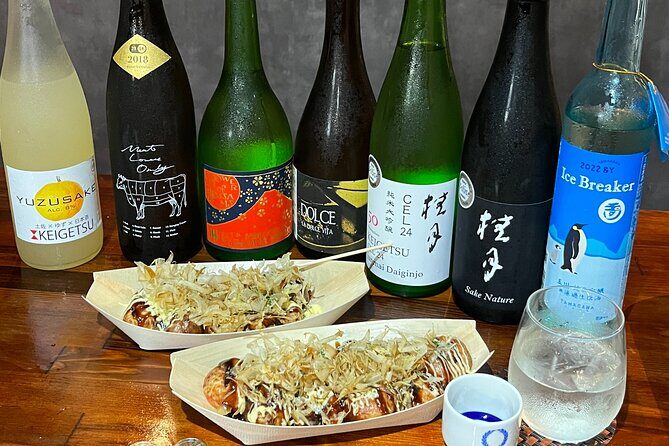 ★ 5.0Osaka Sake Tasting & Takoyaki Cooking ExperienceFrom $72
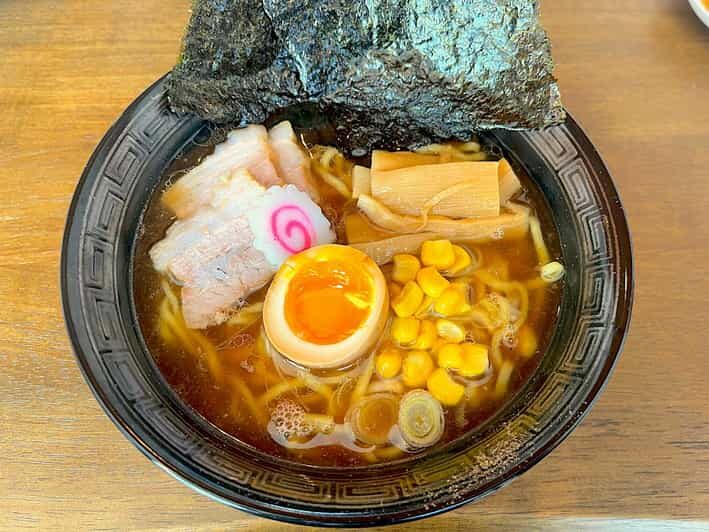 ★ 5.0Tokyo: Sushi and Ramen Cooking Class with Sake Pairing SetFrom $1293 hours
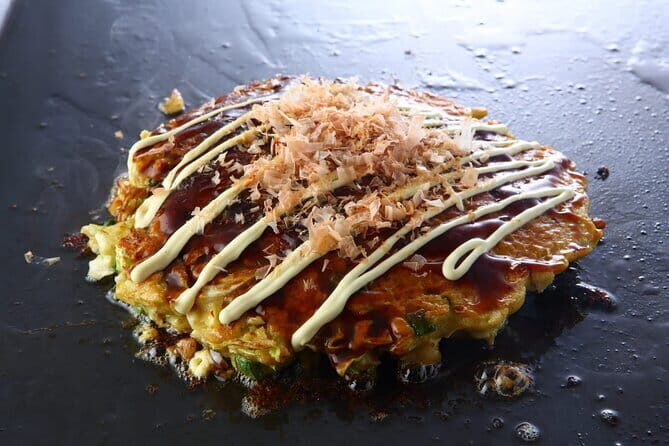 ★ 5.0Osaka Cooking Class and Sake Tasting with Local Supermarket VisitFrom $92
The lists this tour appears in