
Reviewed · SAKE TASTING
Sake “Omakase” in Osaka : Guided Tasting by a Active Sake brewer
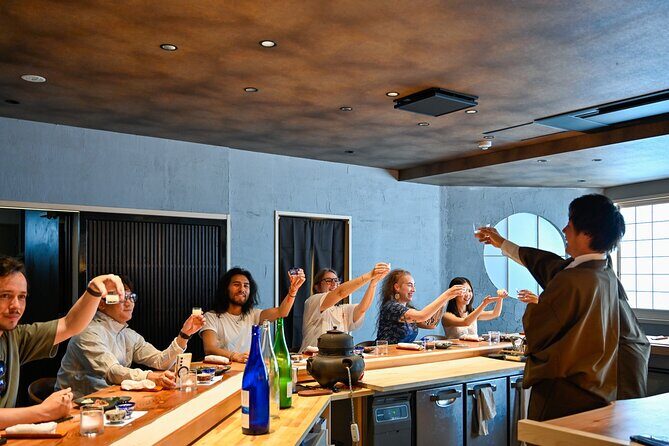
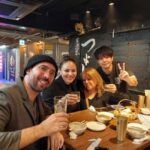
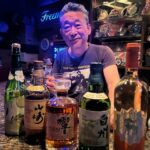
Sake tastes better when someone explains it. This Osaka session is guided by Yuki, the owner and an active sake brewer who trained for a year at a sake brewery in Osaka, so you get real brewing context, not just bar talk. The setting is Sake Pairing Bar Potan in Fukushima—traditional Japanese space where sake feels like the main event, and you can see brewing materials up close while learning how rice, water, and koji shape what’s in your glass.
I especially love how the flight is built for comparison: you taste 7 sakes that test style, rice variety, and temperature, including the same sake served two ways. I also like the personal touch at the end—after you fill out a tasting sheet, you get a “Sake Preference Diagnosis,” so ordering later feels simple. One possible drawback: this is a sit-down learning experience, not a loud party—if you want lots of freedom to wander or skip explanations, this may feel a bit structured.
In This Review
- Key highlights you’ll notice right away
- Meeting Yuki at Sake Pairing Bar Potan (Fukushima, Osaka)
- What you learn in the first part: sake basics in plain language
- The 90-minute plan: style, rice, temperature, then your diagnosis
- Style-based tasting (3 sakes)
- Rice variety comparison (2 sakes)
- Temperature comparison (2 sakes)
- Q&A and open conversation
- Sake Preference Diagnosis (your tasting-sheet moment)
- The 7-sake tasting: how to taste like you actually mean it
- Snacks and pairing dishes: why food is part of the lesson
- Price and value: what $71.54 buys you in Osaka
- Who this is best for (and who should rethink it)
- Quick tips before you go
- Should you book this Osaka sake omakase-style tasting?
- FAQ
- How long is the sake tasting experience in Osaka?
- How many sakes will I taste during the guided session?
- What food is included?
- Where do I meet, and does it start and end at the same place?
- Is transportation or tips included in the price?
- What’s the group size?
- Can I cancel, and are service animals allowed?
Key highlights you’ll notice right away
- Active brewer host (Yuki): taught and practiced brewing, so explanations match the real process
- 7-sake guided comparisons: style, rice variety, and temperature changes, clearly separated
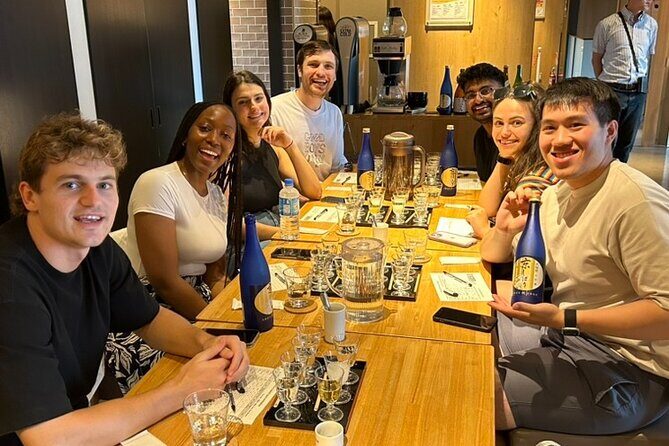
- Small group size (up to 10): easy questions and less waiting around
- Traditional setting at Potan: sake-focused room in Fukushima, just minutes from central Osaka
- Tasting sheet + Sake Preference Diagnosis: helps you find what you’ll actually order next
- 3 seasonal pairing dishes: food is included to teach balance, not just fill your stomach
Meeting Yuki at Sake Pairing Bar Potan (Fukushima, Osaka)
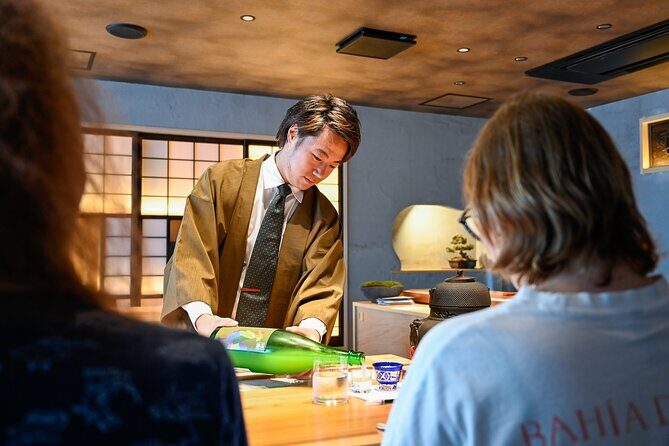
This is the kind of sake experience where the host matters. Here, you’re not stuck with a “sake guide” who mostly explains from books. Yuki is the owner and an active brewer. That means when you ask about how something changes—like why a rice choice reads sweeter or why aroma shifts at different temperatures—you’re usually getting a straightforward answer tied to the process.
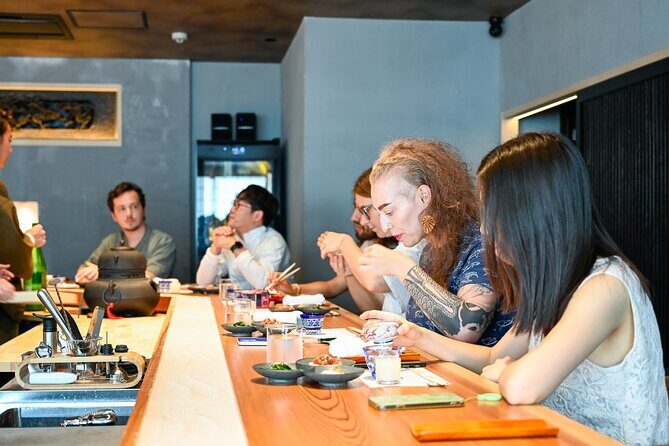
You’ll meet at Sake Pairing Bar Potan, located in Fukushima Ward (Fukushima area), in a traditional-style bar space. The address is 2-chōme724 NANEI Fukushima building 4F (553-0003, Osaka). It’s near public transportation, and that matters because you don’t want to spend your “sake time” fighting transit or long walks.
The vibe is calm and focused. The room is designed so sake is the star, not a side feature next to cocktails. For me, that’s one of the underrated parts of a tasting like this: when the space is quiet and intentional, you pick up the subtle differences faster.
Other guided tours in Osaka



What you learn in the first part: sake basics in plain language
The session runs about 1 hour 30 minutes, and it follows a simple flow. It starts with an introduction to sake brewing and context—history, ingredients, and basic etiquette—so you’re not tasting in the dark.
Expect topics like:
- how sake is made at a high level
- the roles of rice, water, and koji
- rice polishing ratios (why polishing matters to flavor)
- a few basic etiquette points so you can navigate sake conversations without worry
One nice thing: the basics are explained while you’re still fresh. If you wait until the end to learn what koji is, it’s harder to connect the dots. Here, you build the framework first, then you test it immediately with the tasting flight.
Also, English support seems to be strong. In prior experiences of this type, language can make or break the “learning” part. Here, Yuki’s explanations have been repeatedly described as clear and easy to follow, even if you’re not a sake person yet.
The 90-minute plan: style, rice, temperature, then your diagnosis
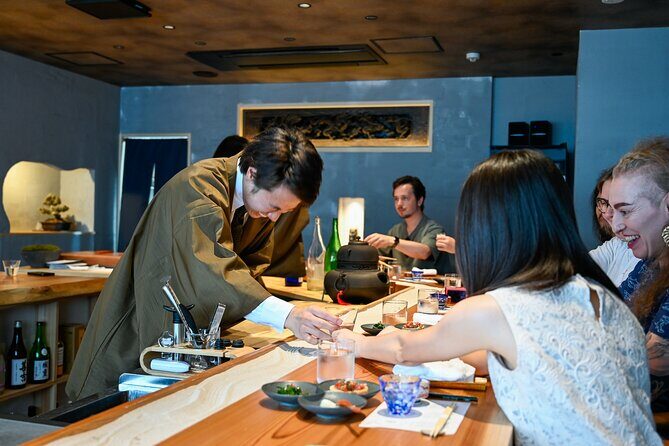
The tasting is structured like a guided mini-masterclass. While the timing can vary slightly, a typical order looks like this:
- 13:00 Introduction (sake history basics, rice polishing, simple etiquette)
- 13:30 Style-based tasting (3 sakes)
- 14:00 Rice variety comparison (2 sakes)
- 14:20 Temperature comparison (2 sakes)
- 14:40 Q&A and open conversation
- 14:55 Sake Preference Diagnosis and closing
That structure is actually useful. It keeps you from getting overwhelmed by seven sakes at once. Instead, you learn in small steps and you can compare like-for-like.
Style-based tasting (3 sakes)
This is where you learn how “style” changes the experience. You’ll taste three sakes in a sequence that highlights different profiles. The goal isn’t just to say which one is best—it’s to notice how aroma and flavor shift when the style changes.
If you’ve ever had sake that felt totally different from a bottle you liked, style is often the reason. This part helps you stop treating sake like one generic thing.
Rice variety comparison (2 sakes)
Next you compare two sakes made from different rice varieties. This is where it gets interesting fast. Rice variety can affect things like texture impression and flavor character, and you get a direct taste comparison rather than vague explanations.
You’ll learn to taste for the changes instead of guessing. That’s a big deal if you want to buy bottles later without relying on luck.




Temperature comparison (2 sakes)
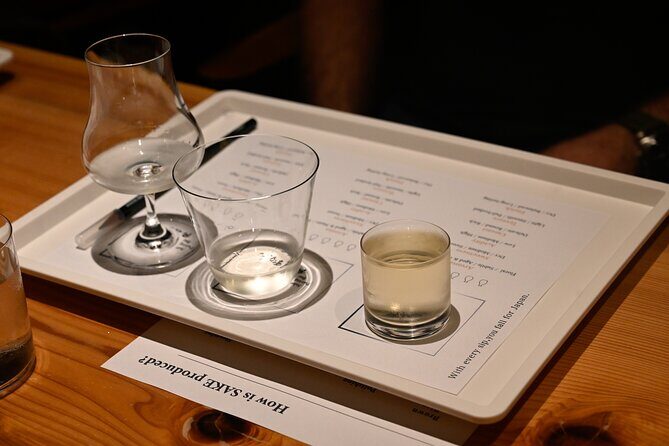
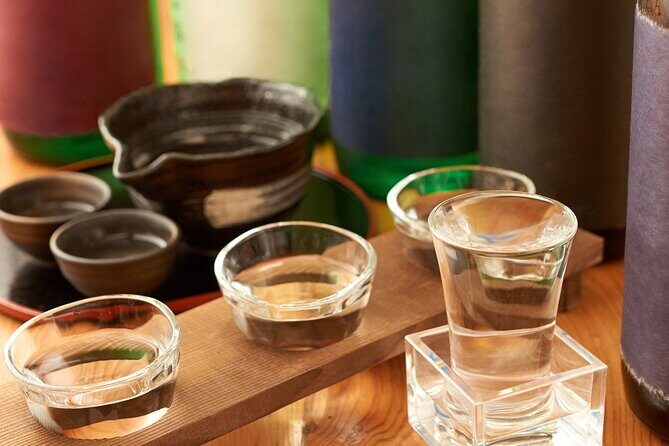
Then comes the most practical “why didn’t I know this earlier?” segment: the same sake served at two temperatures. You’re basically training your palate to recognize how warmth and chill alter aroma intensity, smoothness, and how the flavor lands.
For real-world ordering, this matters. Many people assume sake flavor is fixed. Temperature proves otherwise.
Q&A and open conversation
You end with Q&A and a relaxed conversation segment. This is your chance to ask the stuff that usually comes up when you’re drinking sake with locals: what to try next, what region means, how you should think about sweetness, and how to talk about it without sounding lost.
Yuki also brings cross-cultural conversation into the room. If you like travel chats and want to share stories, you’ll likely find the group-friendly tone fits.
Sake Preference Diagnosis (your tasting-sheet moment)
Finally, you fill out a tasting sheet and receive a personalized “Sake Preference Diagnosis.” The point is simple: help you identify your preferences so you can order confidently afterward.
If you’ve ever stood in a bottle shop thinking, I liked it once but I can’t remember what it was called, this part is your fix.
The 7-sake tasting: how to taste like you actually mean it
The tasting flight is built around what you can compare clearly:
- three different sake styles
- two sakes from different rice varieties
- the same sake at two temperatures
That totals seven sakes.
Here’s how to use this as a real learning experience when you’re sitting there with a cup in hand:
- Smell first, then sip. Aroma leads, especially in temperature comparisons.
- Don’t chase the “best.” Focus on what changes between glasses: sweetness impression, dryness, aroma intensity, and texture.
- Take quick notes. The tasting sheet isn’t busywork. It’s how your final preference diagnosis becomes accurate.
Also, the flight pacing helps. You’re not trying to “remember everything” across a half dozen sips. You’re comparing in chunks, which makes the differences easier to detect.
Snacks and pairing dishes: why food is part of the lesson
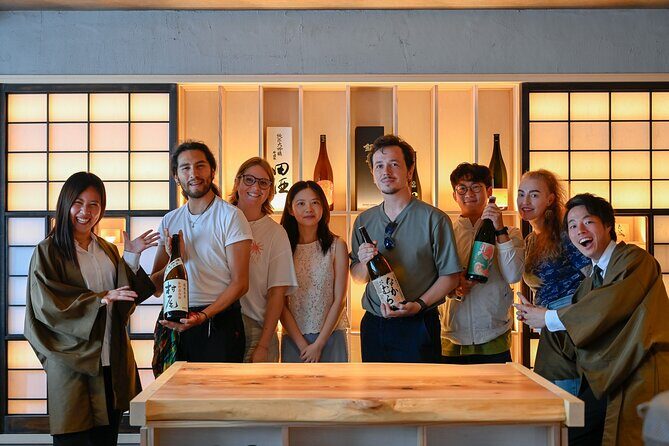
You get snacks with the session: 3 seasonal Japanese pairing dishes included. These aren’t just there so you don’t get lightheaded.
Pairings teach balance. When you taste a new sake, the food helps you understand how acidity, saltiness, umami, and texture interact with alcohol flavor. That makes it easier later when you want to recreate the feeling at dinner.
If you’re choosing a sake for a meal (like at a yakitori spot or an izakaya), pair awareness matters. A sake that tastes great alone might behave differently with food. This format trains you to expect that.
Price and value: what $71.54 buys you in Osaka
The price is $71.54 per person. For Osaka, that’s not a bargain flight, but it’s also not just paying for a pour.
You’re paying for:
- guided teaching from an active brewer (Yuki)
- 7 sake tastings with structured comparisons
- 3 seasonal pairing dishes
- a small group experience capped at 10 people
- a personal tasting-sheet diagnosis to guide future buying
Compare it to doing a similar flight on your own at a bar: you might taste several sakes, but you won’t get the structured comparisons, the ingredient connections, or the “same sake at two temperatures” lesson delivered with context.
So I’d frame the value like this: you’re paying to shorten your learning curve. That’s worth it if you want to leave Osaka knowing what you like, not just leaving with a pleasant buzz.
Who this is best for (and who should rethink it)
This experience is great if:
- you want to learn how sake works, not just taste it
- you like structured sessions with time for questions
- you’re a beginner and want a clear starting point
- you’re shopping for sake later and want a preference guide
It may be less ideal if:
- you want an unstructured nightlife-style drinking session
- you don’t want to participate in any tasting sheet or explanations
- you’re mainly there for food and want a full restaurant meal (this includes 3 dishes, but it’s still a tasting masterclass format)
One more practical note: it’s alcohol-focused and explicitly includes sake and snacks. If you’re doing a heavy itinerary day, plan your timing so you’re not rushing in the middle of everything.
Quick tips before you go
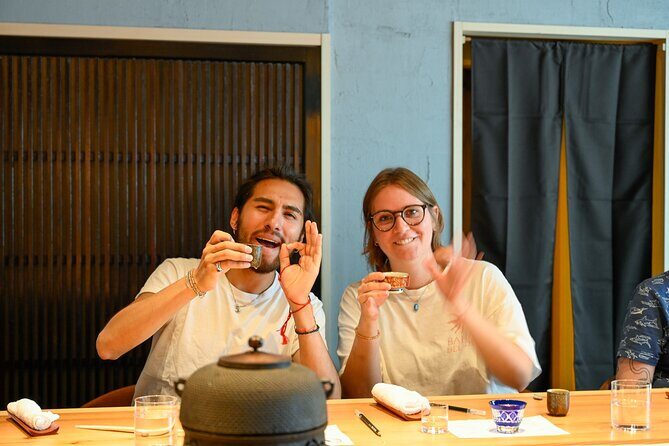
You don’t need to study sake beforehand. But you can make the most of the experience with a few simple moves:
- Arrive on time so you don’t miss the introduction and etiquette basics.
- Go with questions. Even one question helps—like what you should try next if you prefer crisp or smooth sake.
- Take your tasting seriously, but don’t get stiff. The session is designed for conversation, not performance.
- Plan for local transit. Public transportation is nearby, but the tour doesn’t include it, so have your route ready.
Should you book this Osaka sake omakase-style tasting?
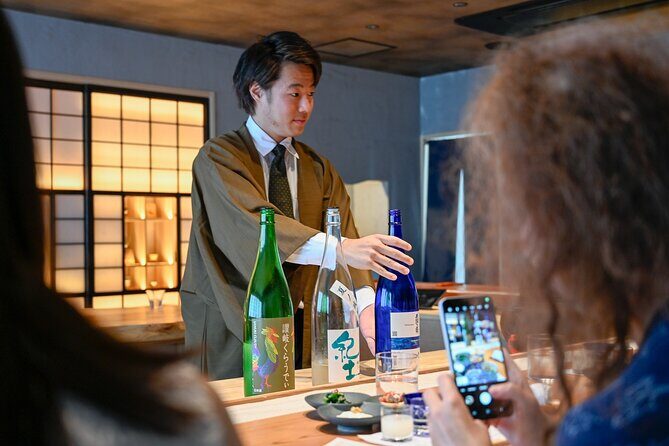
I think you should book it if you want a meaningful sake education in a short time. The combination of an active brewer host, structured comparisons across style, rice, and temperature, and a personal “Sake Preference Diagnosis” makes this more useful than a standard flight.
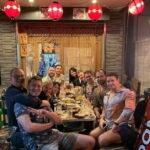
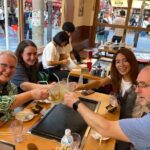
Also, the small group size (up to 10) changes the feel. You get a real back-and-forth with Yuki, and that’s where the learning becomes personal.
Skip it only if you’d rather drink with minimal instruction or you’re looking for a long, multi-course dinner.
If your goal is to leave Osaka able to order with confidence—this is the kind of session that does the job.
FAQ
How long is the sake tasting experience in Osaka?
It runs for about 1 hour 30 minutes (approx.).
How many sakes will I taste during the guided session?
You’ll taste 7 sakes, including 3 different styles, 2 sakes made from different rice varieties, and the same sake served at two temperatures.
What food is included?
The experience includes 3 seasonal Japanese pairing dishes alongside the sake.
Where do I meet, and does it start and end at the same place?
You meet at Sake Pairing Bar Potan in Fukushima (Osaka) and the experience ends back at the meeting point.
Is transportation or tips included in the price?
Tips are not included, and public transportation is also not included.
What’s the group size?
The session is limited to a maximum of 10 travelers, which keeps it intimate and conversation-friendly.
Can I cancel, and are service animals allowed?
The experience has free cancellation with a full refund if you cancel at least 24 hours before the start time. Service animals are allowed.
More Guided Tours in Osaka
More tours in Osaka we've reviewed



Sake Tasting, compared.
 ★ 5.01-Day Snow Monkeys, Zenko-ji Temple & Sake in NaganoFrom $151
 ★ 5.03-Hour Kyoto Insider Sake Brewery Tour with Tastings & PairingsFrom $84
 ★ 4.9Nagano: Snow Monkeys, Zenkoji Temple & Sake Day TripFrom $1358 - 12 hours
 ★ 5.0Kyoto: Insider Sake Brewery Tour with Sake and Food PairingFrom $873 hours
 ★ 5.0Kyoto Sake Brewery & Tasting Walking TourFrom $98
 ★ 5.01.5-Hour Kyoto Insider Sake Experience with 7 Tastings & PairingsFrom $68
 ★ 5.0Ramen and Sushi Cooking Class with Sake Pairing Set in TokyoFrom $79
 ★ 5.0Sake Tasting Masterclass in Shinjuku (8+ Varieties with a Pro)From $72
The lists this tour appears in