
Reviewed · SAKE BREWERY TOURS
Special Food and Sake Factory Tour in Takayama
Sake, snacks, and old-town Takayama in one run. This Takayama food-and-sake tour strings together history stops, two morning markets, and hands-on making time, ending with a brewery visit at Hirase Shuzo. I especially like the way the guide turns everyday alleyways into something you can actually explain, and how the meal part is built in—so you’re not stuck hunting for food alone.
One thing to consider: the rice cracker factory can sometimes pause operations, so you’ll want to confirm ahead of time that the making experience will run on your day.
In This Review
- Key highlights at a glance
- Why this Takayama food-and-sake walk works in 2–3 hours
- Kamininomachi to Nakabashi Bridge: old streets on a moving timeline
- Takayama Jinya from the outside, plus the shrine stop that adds meaning
- Morning markets: Miyagawa and Jinya-Mae for real food browsing
- Yume Kojo Hida rice-cracker making: fun hands-on time, with one big caveat
- Hirase Shuzo brewery tour and sake tasting: the flavor payoff
- Price and value: what you’re paying for at $130.31
- Small group feel, mobile ticket, and what rain changes
- Who should book this Takayama sake and rice cracker tour
- Should you book this special food and sake factory tour?
- FAQ
- How long is the Special Food and Sake Factory Tour in Takayama?
- What’s included in the tour price?
- Does the tour include a sake tasting?
- Is the rice cracker making guaranteed?
- Can you do this tour if it’s raining?
- How many people are in the group?
Key highlights at a glance
- Old-town Takayama stroll with photo stops like Nakabashi Bridge and a look at the Takayama Jinya area
- Morning market time at both Miyagawa Morning Market and Jinya-Mae Morning Market
- Hands-on rice cracker making (heater-used) at Yume Kojo Hida, time permitting
- Hirase Shuzo brewery tour + tasting at an older, big-name brewery in the region
- Small groups (max 10), plus an English guide and a mobile ticket
Why this Takayama food-and-sake walk works in 2–3 hours
If you only have a morning in Takayama, this style of tour is a smart move. You’re not just sightseeing—you’re eating while you learn. The route is built around short stops (often free to view) and two market breaks, so the pacing stays lively without feeling like a full-day marathon.
I like that it’s organized around the way Takayama actually feels: wooden town streets, early-day market energy, and local food you can taste right where it’s made or sold. At the end, you shift from street food mode into something more structured at the brewery, where the tasting portion helps you connect flavors back to place.
The other practical win is that the sake and food experience fees are part of the tour package. That helps you avoid the usual travel problem: pay for the tour, then get surprised by extra costs for tastings or workshops.
If you're still narrowing it down, here are other tours in Takayama we've reviewed.
Kamininomachi to Nakabashi Bridge: old streets on a moving timeline
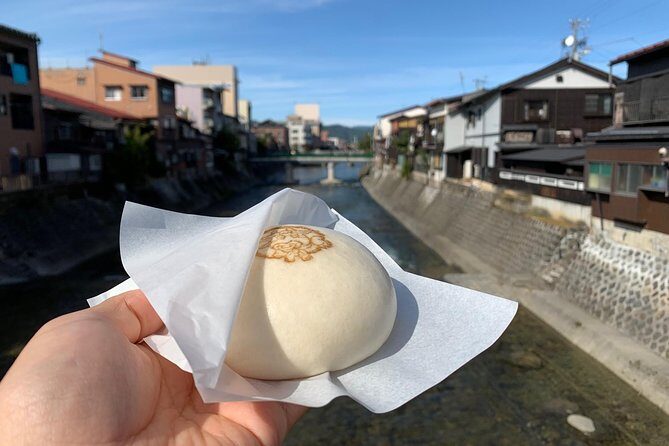
Your morning begins at Kamininomachi, which is a good choice because it sets the tone fast. This is where you can absorb the older township layout and get a simple explanation of how Takayama’s story shaped the streets you’re walking on.
Then you move to Nakabashi Bridge, a short stop that’s basically made for photos. It’s quick, but it matters because bridges like this are often where the town’s layout, river life, and historic routes come together.
The tour also keeps you from doing that awkward first-time thing—wandering, guessing, and feeling lost. Instead, you get a guided path that links landmarks to context, so when you look around, you understand why it’s there.
Practical tip: wear shoes you can walk in comfortably. This is a walking tour through the center of Takayama, so you’ll want grip for uneven pavement and stairs.
Takayama Jinya from the outside, plus the shrine stop that adds meaning
One of the highlights is seeing the Takayama Jinya area. This place is special because it’s a government office type that’s noted as unique within Japan. Even when you’re only viewing from the outside, you get a sense of how the town was organized and managed in the past.
You’ll also have an option to go inside the Jinya, but that part isn’t included. So think of this tour as a guided exterior look with enough context to make an extra visit feel worthwhile if you’re curious.
Next up is Yamazakura Shrine. This stop adds the spiritual layer to your morning. The guide connects the shrine to local craft traditions—specifically the kind of technical people who supported life in the Hida Takayama area. It’s the sort of stop that can feel short, but the explanation makes it land.
Why this works: it prevents the tour from becoming only a food crawl. You taste, yes—but you also pick up small pieces of how Takayama ties people, work, and belief together.
Morning markets: Miyagawa and Jinya-Mae for real food browsing
Now we switch gears to the markets. You’ll visit the Hida-Takayama Miyagawa Morning Market and later the Jinya-Mae Morning Market. These aren’t staged bazaars; they’re the kind of places where locals shop early and where the food stands feel part of daily life.
I like having market time twice. The first visit helps you orient to the local specialties and how vendors set up. The second one feels like a chance to refine your instincts—what looks good, what smells right, what you want to circle back to.
Even if you don’t buy everything, just watching the rhythm helps. You see food laid out simply, you notice how items relate to the season, and you get a better feel for what “local Takayama food” actually means.
Food reality check: markets are busy and sometimes snack-heavy. If you’re sensitive to strong smells or you get full quickly, plan to nibble rather than try to eat a full meal before the workshop and tasting later.
Yume Kojo Hida rice-cracker making: fun hands-on time, with one big caveat
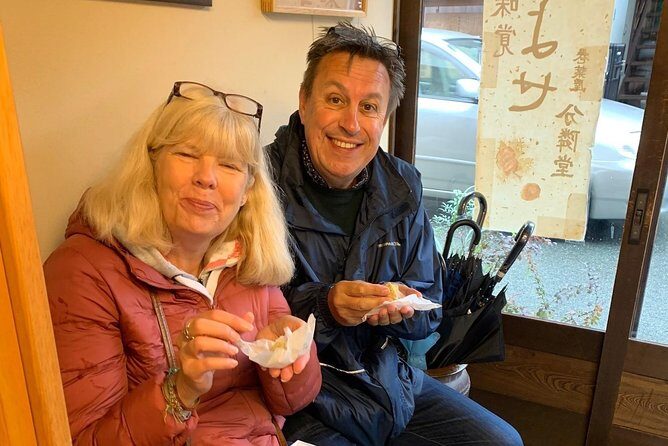
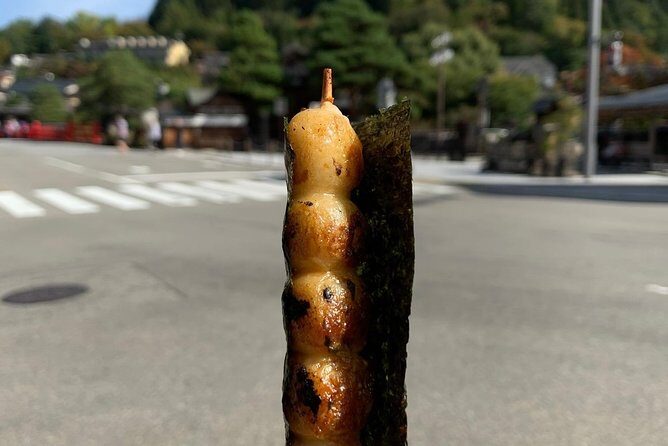
The tour includes making your own rice crackers at the Yume Kojo Hida rice-cracker factory. The process uses a heater, and the making time is about 15 minutes. It’s the kind of hands-on activity that turns your morning from watch-and-eat into do-and-learn.
Here’s the honest consideration: rice cracker factory operations can sometimes pause suddenly. That means you should confirm that making is actually possible on your specific date.
If it does run, you’ll get the satisfaction of doing something small but memorable—then pairing it naturally with the sake-tasting portion later. If it doesn’t, you may still get value from the rest of the walk and brewery visit, but you’ll lose the workshop moment that makes this tour feel special.
Best way to prepare: bring a little patience. You’re in a shared schedule, and workshops move at factory speed.
Hirase Shuzo brewery tour and sake tasting: the flavor payoff
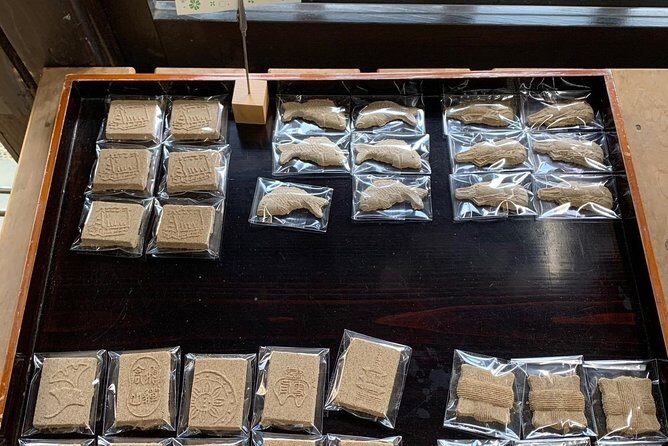
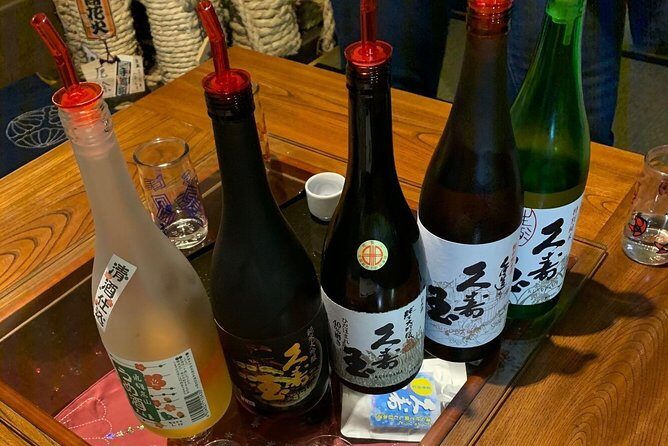
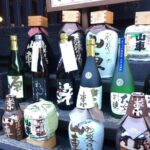
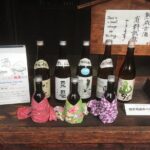
The finale is at Hirase Shuzo Brewery, described as the oldest and biggest brewery in the area. You’ll have time inside the brewery, and your tour includes the tasting fee.
This is where your morning’s tastes start to connect. Instead of guessing what you’re drinking, you get context from the guide and then sample multiple sake styles. The value here is not just the liquid—it’s the explanation that helps you notice differences.
From the vibe on this kind of stop, you can expect a slower pace than the street portion: listen, observe, and take your time with the tasting. If you’re not a huge sake drinker, this still works because the tasting portion often helps you discover a style you actually like, rather than forcing a single flavor profile on you.
Sake tip: sip, don’t chug. You’ll still be walking afterward, and you’ll enjoy the flavors more if you slow down a bit.
Price and value: what you’re paying for at $130.31
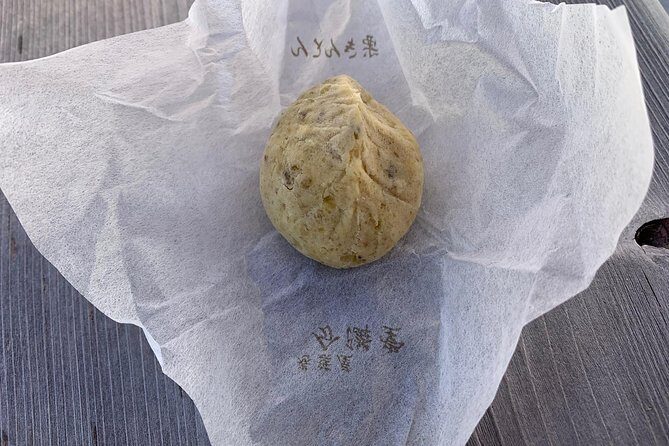
At $130.31 per person for roughly 2–3 hours, you’re not just paying for a map and a time slot. You’re paying for:
- an English-speaking guide,
- market time in central Takayama,
- an included food and experience portion (rice cracker making and the Hirase brewery tasting).
That matters because Takayama can be easy to tour on your own, but it’s harder to do well without guidance—especially if you want tastings and a workshop without spending extra time booking and figuring things out.
There are also group discounts, which is useful if you’re traveling with friends or family and want a shared plan. And because the tour is capped at 10 travelers, you’re less likely to feel lost in a crowd.
Who gets the best value: first-timers, couples, and anyone who likes food and wants a guided structure that still leaves room to look around.
Small group feel, mobile ticket, and what rain changes
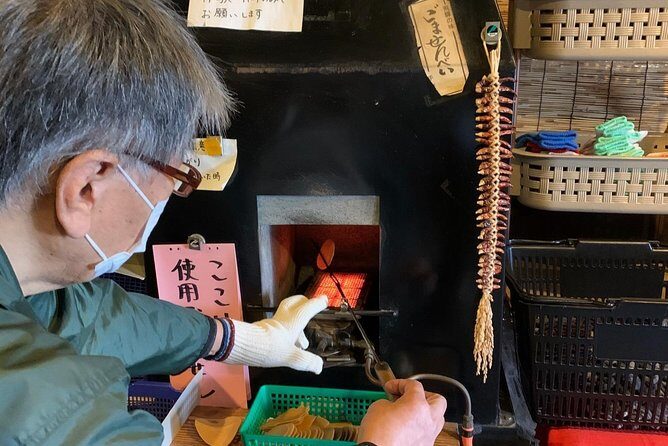
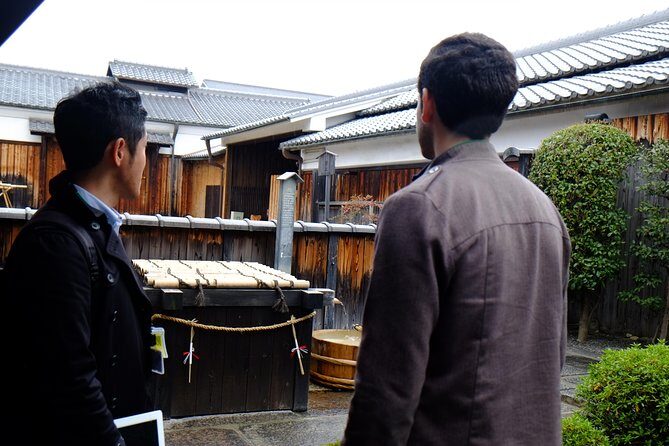
This tour is designed for small groups (maximum 10 travelers). Smaller groups tend to mean better pacing and clearer explanations—especially for a format that mixes short landmark stops with market browsing and a brewery visit.
It’s also set up with a mobile ticket, which keeps things simple on your end. You meet at Kamininomachi (22 Kamininomachi, Takayama) and the walk ends at Hirase Sake Brewery (Hirase Sake Brewery address listed in Kamiichinomachi).
Weather is mixed. The tour notes that if it’s raining, it’s possible to do. But the broader experience notes good weather as a condition, meaning in truly bad conditions you may be offered a different date or a refund. That’s typical for walking-and-factory schedules.
My practical advice: pack a small umbrella or light rain layer. You’ll be outside between stops, and it’s easier to handle drizzle than to let it ruin your morning mood.
Who should book this Takayama sake and rice cracker tour
This is a great fit if you want:
- a guided walking tour that explains Takayama while feeding you,
- a hands-on activity like rice cracker making,
- a structured sake tasting at a well-established local brewery,
- and a small-group experience with English support.
It’s also a good option if you’re traveling solo and want the comfort of having someone set the route and timing. If you prefer private time, private tours are available for groups of at least 2—so you can ask for a schedule that matches your pace.
If you need another language guide, you can request it. And if you travel with a service animal, the tour allows service animals.
Should you book this special food and sake factory tour?
Book it if you’re the type of traveler who wants Takayama to involve your stomach as much as your eyes. The combination of old-town landmarks, two morning markets, rice cracker making, and the Hirase Shuzo brewery tasting is a rare mix for a half-morning window.
Skip or rethink it if you mainly want museum-style interiors, or if workshop operations would stress you out. Also, double-check the rice cracker making on your exact date—because that’s the one part that can pause.
If you do book, go in hungry (but not stuffed), bring comfortable shoes, and take your time during the tasting. This is the kind of morning where the best souvenir might be the flavors you can still picture later.
FAQ
How long is the Special Food and Sake Factory Tour in Takayama?
The tour runs about 2 to 3 hours.
What’s included in the tour price?
The package includes an English guide plus the food and experience fees for the rice cracker making and the Hirase brewery tour and tasting.
Does the tour include a sake tasting?
Yes. The Hirase Shuzo Brewery stop includes a tasting fee as part of the experience.
Is the rice cracker making guaranteed?
The tour notes that the rice cracker factory sometimes stops suddenly, so you should confirm that the making experience will be possible on your day.
Can you do this tour if it’s raining?
It’s noted that the tour can still be done if it’s raining. At the same time, the experience may be canceled due to poor weather, with an alternate date or a full refund offered.
How many people are in the group?
The tour has a maximum of 10 travelers. Private tours are also available if you have at least 2 people.
More Food Experiences in Takayama
More tours in Takayama we've reviewed
Sake Brewery Tours, compared.
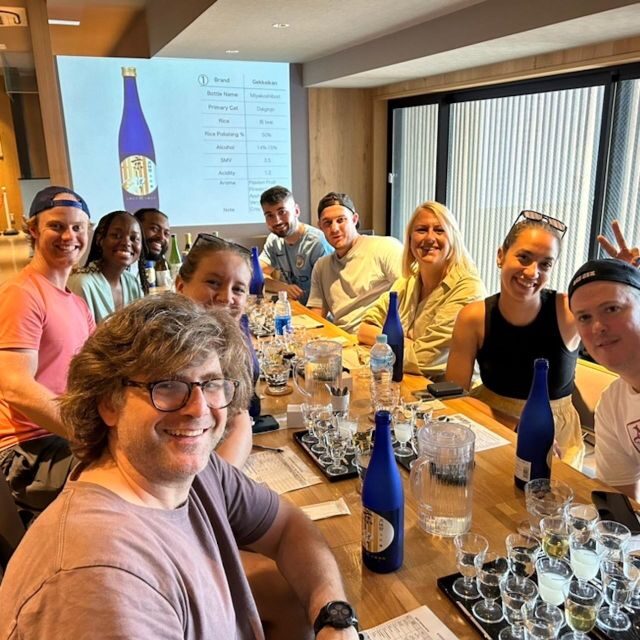
 ★ 5.03-Hour Kyoto Insider Sake Brewery Tour with Tastings & PairingsFrom $84
 ★ 5.0Kyoto: Insider Sake Brewery Tour with Sake and Food PairingFrom $873 hours
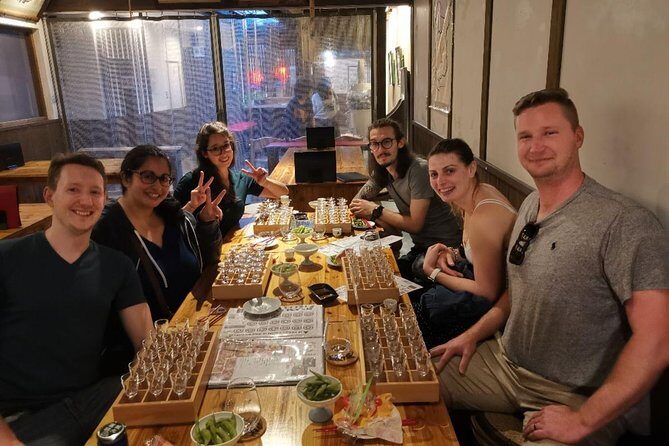 ★ 5.0Kyoto Sake Brewery & Tasting Walking TourFrom $98
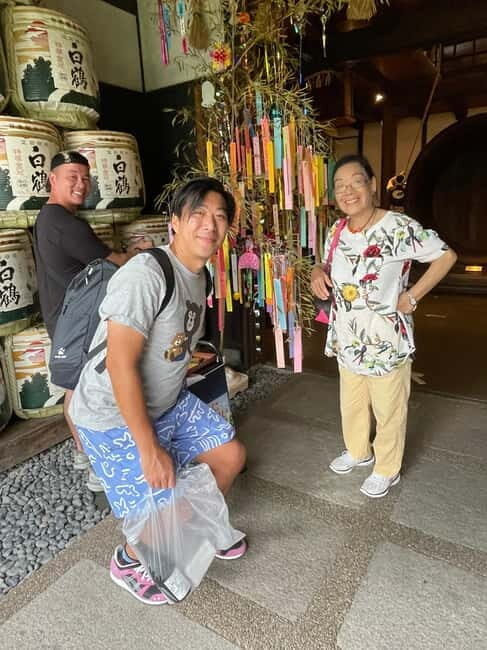 ★ 5.0Kobe: Guided Sake Breweries Tour with TastingsFrom $1063h 30m
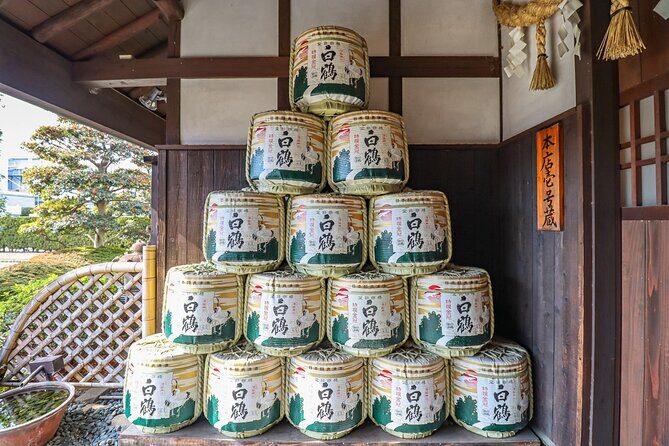 ★ 5.0Sake Brewery and Japanese Life Experience Tour in KobeFrom $83
 ★ 4.7Kyoto: Fushimi Sake Brewery Tour – 18 Tastings in 2.5 HoursFrom $932h 30m
 ★ 4.4Kobe: 3-Hour Sake Breweries Tour with Special TastingFrom $94
 ★ 5.0Private Tour: Tokyo’s Oldest Sake Brewery and Riverside WalkFrom $229
The lists this tour appears in