
Reviewed · OSAKA DRINKING TOURS
Osaka: Private Food Tour & Bar Hopping in Namba
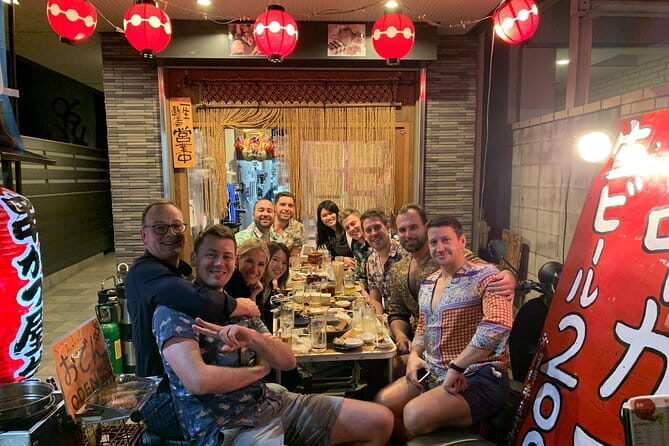
Namba has a way of pulling you in fast. This Osaka private food tour is built for that exact feeling, guiding you through Ura Namba backstreets and the Dotonbori area where street life and food culture collide. I especially like the clear rhythm: you stop for a photo moment, then sit down for classic Osaka comfort food, then head back through the sights.
Two things I like a lot are the included one drink and one food at each stop (if you book the meal-included option) and the way the route keeps you moving through crowded streets without turning the tour into a chore. One drawback to watch for: depending on which option you chose, the lower-priced booking may not include food and drink, and you could be asked to pay.
If you want a short, high-impact taste of Osaka without planning every bite yourself, this is a strong fit. A guide named Yayoi is mentioned as a highlight in the experience feedback, with praise for keeping things relaxed and helping the group maneuver through crowds like locals. Just be aware the exact restaurants can change based on seat availability, closing days, and guest preferences.
In This Review
- Key highlights you will actually care about
- Namba in 3 Hours: Why this route works
- Starting with the Glico Man: photos plus instant orientation
- Kushikatsu Shirotaya Main store: the deep-fried skewered start
- Hozenji Temple: an oasis in the middle of commerce
- Honke Otako Hozenji: okonomiyaki in a lantern-lit setting
- The bar hopping style: more street-smart than party-heavy
- Price and meal value: what $48.78 buys you
- How to get the most out of your 3-hour crawl
- Who should book this Osaka Namba food and bar tour
- Should you book it or skip it?
- FAQ
- FAQ
- How long is the Osaka private food tour and bar hopping in Namba?
- Where does the tour start and end?
- Is the Glico Man sign included?
- What food and drinks are included?
- How many people are in the group?
- What if the restaurant choice changes?
Key highlights you will actually care about
- Glico Man photo stop to get your bearings in Dotonbori
- Kushikatsu Shirotaya Main store for Osaka’s classic skewered, deep-fried ritual
- Hozenji Temple area with photo-friendly sights like Mizukake Fudo-o and nearby street atmosphere
- Honke Otako Hozenji for okonomiyaki pancakes in a lantern-lit setting
- Small group size (max 6) so the guide can keep things moving
- One drink + one food per stop on meal-included bookings
Namba in 3 Hours: Why this route works
Osaka is famous for eating hard and then doing it again. The trick is not just finding food, but finding the right flow: where the streets make sense, where lines can be managed, and where you can actually sample a few specialties without feeling stuffed before you’re done.
This tour is timed at about 3 hours, which is long enough to try multiple dishes and short enough that you don’t burn the day waiting on reservations. You also get a guided path into the Namba area, including the Ura Namba feel (backstreets and side lanes) rather than staying only on the main Dotonbori strip. That matters because Namba can look chaotic from the outside, and a good guide helps you move with purpose.
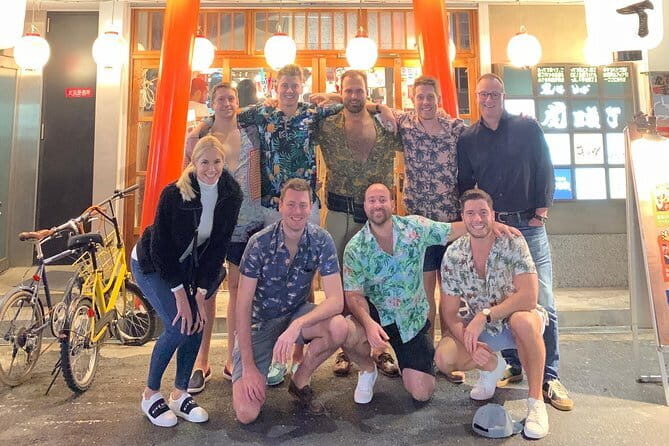
It also helps that the group is limited to 6 travelers. In a small group, the guide can adjust pacing for crowds, keep track of where everyone is, and handle simple decisions like what to photograph and when to sit down. If you’ve ever tried to “DIY” a food crawl in this part of Osaka, you’ll appreciate having the pressure taken off.
Other bar hopping tours we've reviewed in Osaka
Starting with the Glico Man: photos plus instant orientation
The tour begins in the Dotonbori area, at the Osaka Shochiku building address (Chuo Ward, 542-0071). The first stop is simple but smart: taking pictures in front of the Glico Man sign.
Why is this useful? Because the Glico Running Man is basically the visual shorthand for Dotonbori. When you start there, you anchor yourself before you get swept into side streets. You’ll also notice how many people use that spot as a meetup point, a landmark, and a reference in general. Even if you’re a first-timer, that reduces the mental load fast.
If you’re traveling with a phone camera and want clean shots, try to pick a spot where you’re not constantly getting jostled by foot traffic. The guide won’t stop the crowd for you, but the timing and group flow can make it easier to get at least a few good angles without turning the whole tour into a photo-only exercise.
Kushikatsu Shirotaya Main store: the deep-fried skewered start
Next up is Kushikatsu Shirotaya Main store, a 40-minute stop centered on one of Osaka’s signature comfort foods: skewered meats and vegetables, deep-fried and served with dipping sauces.
The value here is practical. Kushikatsu is straightforward to try, and it’s a great “first heavy bite” because it’s easy to understand: you get a variety of skewers, you learn the local rhythm, and you can keep eating without translating a menu for every order. It’s also a natural lead-in to the rest of the tour because you’ll be grounded in the core Osaka flavor profile: savory, crunchy, and built for sharing.
A drawback to consider: kushikatsu is crunchy and fried, so if you’re sensitive to heavy food, you’ll want to pace yourself. This tour gives you food at stops, but you still control how fast you eat once you sit down. If you’re also planning to snack later in the day, treat the first sitting as your foundation and not as a dessert warm-up.
Hozenji Temple: an oasis in the middle of commerce
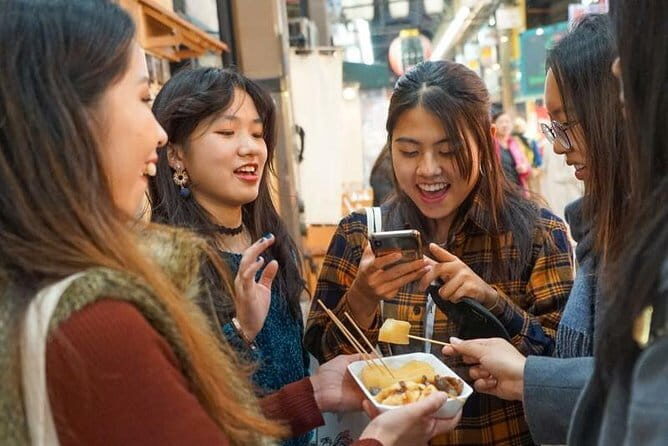
After the kushikatsu stop, the tour heads toward the Hozenji Temple area for sightseeing and atmosphere. You’ll see the solemn, moss-overgrown Mizukake Fudo-o statue, plus the surrounding streets have their own mix of old and new.
This part is more than a walk-by photo. Hozenji Temple is tucked into the same commercial zone that surrounds Dotonbori. That contrast is what makes it worth slowing down for. One moment you’re among signs and shops; the next you’re looking at a stone figure that feels rooted in time.
If you like texture in your travel days, this is a win. The lantern-lit vibe and the temple grounds give you a visual reset before another meal. And if you’re into small curiosities, you might notice nearby details along the route, like the Issun-boshi shrine area that shows up as part of the older-street feel.
This is also where a guide’s crowd skills matter. Temple zones and shopping lanes can get jammed at peak times, and having someone guide your walking path helps you spend time looking at things instead of spending it negotiating elbows.
Honke Otako Hozenji: okonomiyaki in a lantern-lit setting
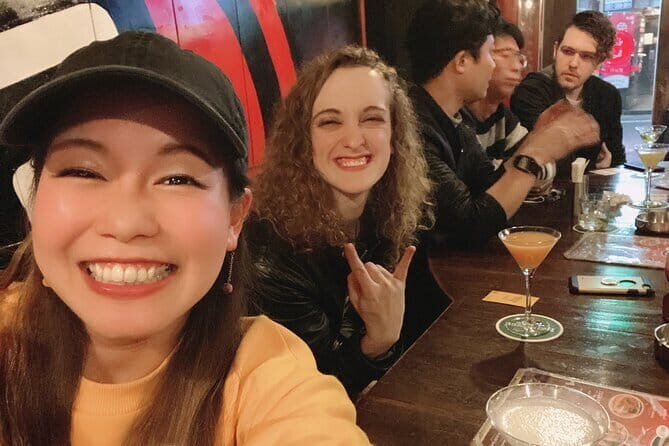
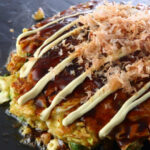
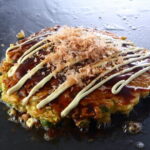
The tour’s final food stop is Honke Otako Hozenji, focused on okonomiyaki pancakes. The place is described with a lantern-lit facade, which is exactly the kind of detail that makes a meal feel like part of the experience, not just fuel.
Okonomiyaki is one of Osaka’s best “end-of-tour” dishes because it’s satisfying without being the same texture as fried food. After kushikatsu, you’ll get a different kind of comfort: savory batter, toppings, and that griddle-to-plate feel that makes it fun to watch even if you don’t fully understand the menu.
One practical consideration: okonomiyaki can be filling. If you tend to eat lightly, you may still want to try it as planned, but consider eating slowly and saving room for the walk back through the sights. The tour does not just drop you at one restaurant; it’s designed to keep your day moving.
Other Osaka drinking tours we've reviewed in Osaka
The bar hopping style: more street-smart than party-heavy
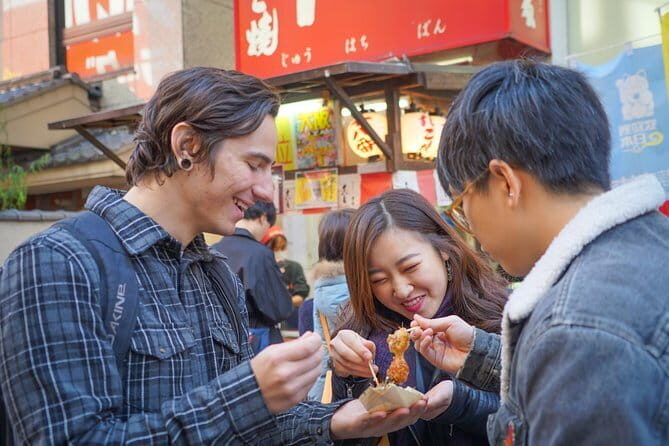
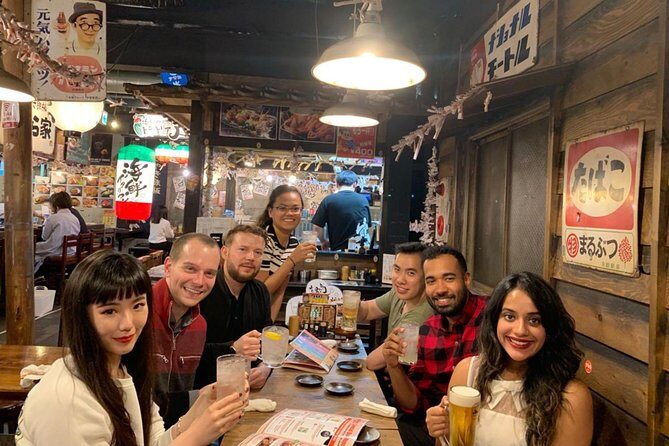
The tour is described as bar hopping, but here’s what that usually means in real life for this kind of Namba experience: you’re not necessarily doing a wild pub crawl. You’re getting a local-led sequence of stops where food and drinks are woven into the route.
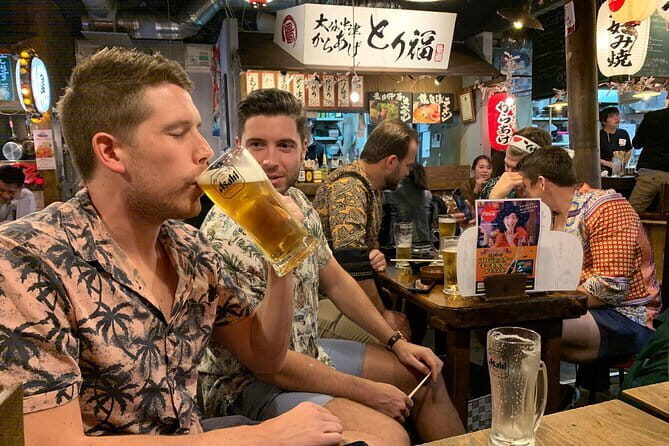
Because the tour includes one drink and one food at each store visited on meal-included bookings, the “bar hopping” piece feels like short tastings tied to specific specialties. That’s a smarter structure than wandering into random places where you’re guessing what’s best.
The key benefit is pacing. Instead of you trying to decide what to order every time, the guide brings you to places with a strong “this is why people come here” reputation and keeps the group synced. The crowd navigation is part of the value too. In the feedback, Yayoi is praised for keeping the whole thing relaxing while maneuvering through tight streets.
Price and meal value: what $48.78 buys you
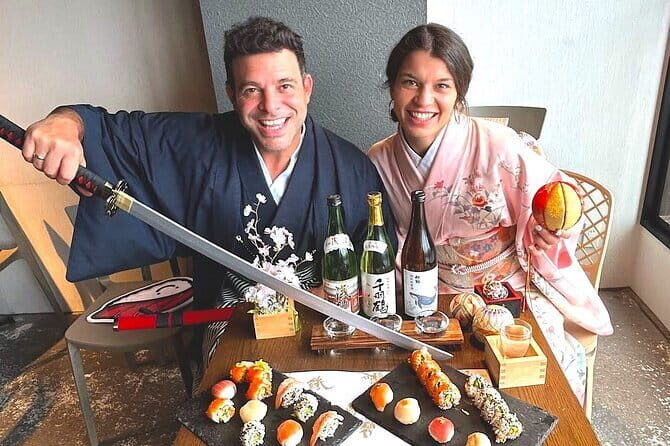
At $48.78 per person, this tour isn’t aiming to be a super-budget snack parade. It’s priced like an organized experience: a local guide, a structured route through Namba, and food/drink coverage depending on the option you choose.
Here’s the part you should verify before you go: the info provided says that one drink and one food are included at each store visited for the Private Tour and the Expense-Included Group Tour. It also mentions that the lower-priced option may not include food and drink, which can lead to confusion if you expected everything covered.
So my advice is simple: when booking, check whether your selected option is expense-included. If it is, plan to sample what’s offered at the stops and skip the extra ordering unless you’re hungry. If you booked the cheaper version, treat the listed dishes as “recommended stops” rather than a guaranteed full meal package.
Also remember what is not included: private transportation and additional food and drinks. That’s common for tours like this, but it’s worth internalizing so you don’t get surprised later when you’re deciding whether to add another snack mid-walk.
How to get the most out of your 3-hour crawl
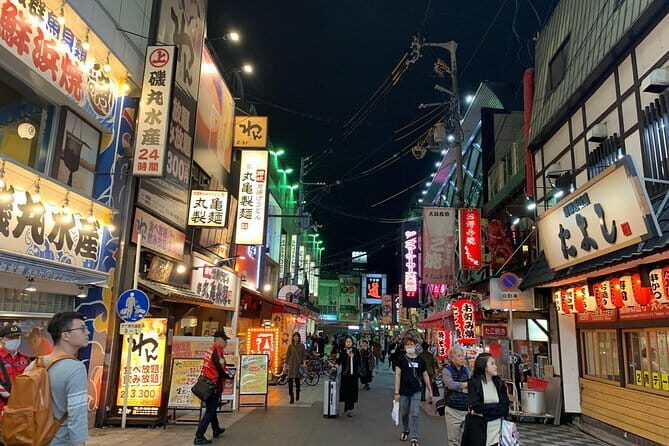
A great food tour is as much about your choices as it is about the route. Since this one moves through a busy entertainment district, these tactics help you get more pleasure and less stress.
- Start hungry, but don’t sprint. Kushikatsu is fried and can be heavy. Eat steadily, not fast.
- Leave time for photos. The Glico Man sign is an obvious must, and the Hozenji area is a good contrast shot. Don’t use all your energy on one stop.
- Expect crowds and plan for it. The tour is built to maneuver through the busy Namba zone, but you’ll still be walking among lots of people.
- Be clear about food inclusion. If you chose an expense-included booking, you can relax about ordering. If not, set expectations that you may pay at the restaurants.
- Wear shoes you trust. Three hours of moving through Dotonbori and side streets adds up, especially if you stop for photos at multiple points.
If you’re doing other Osaka must-dos the same day, treat this as your “food anchor.” It’s not meant to replace your whole day of eating, but it will cover major flavors so you don’t have to chase each dish on your own.
Who should book this Osaka Namba food and bar tour
This is a good match if you want a focused taste of Osaka without spending mental energy decoding menus or figuring out which streets to prioritize. It’s also a good fit for people who like a mix of food and atmosphere—Glico Man for energy, Hozenji for calm, then back to comfort food.
It’s especially suitable for:
- Osaka first-timers who want quick orientation plus classics
- Repeaters who want a structured re-visit of Namba’s key textures
- Small-group travelers who prefer guidance over a solo food scramble
If you’re the type who hates guided group logistics, you might find a short “stop-and-sit” structure less appealing. But even then, the small group size and the clear stop sequence can make it feel less restrictive than some big-city tours.
Should you book it or skip it?
I’d book this tour if you want a compact Osaka food experience with two major tastings (kushikatsu and okonomiyaki) and an easy photo-and-sight flow through Dotonbori and Hozenji. The biggest reason to choose it is value: a guided route plus one drink and one food at each stop can turn a busy district into a planned, comfortable evening.
I’d think twice if you’re booking last-minute or if you tend to choose the lowest price without reading what’s included. The experience feedback shows that meal/drink inclusion depends on the option you select, and that misunderstanding can sting. If you confirm you’re on an expense-included booking, it becomes a much smoother deal.
FAQ
FAQ
How long is the Osaka private food tour and bar hopping in Namba?
It’s about 3 hours.
Where does the tour start and end?
It starts at Osaka Shochiku building in Dotonbori (Chuo Ward, Dōtonbori, 1-chōme) and ends at the Glico Sign in Dotonbori (Chuo Ward, 1-chōme).
Is the Glico Man sign included?
Yes. The tour includes a stop for pictures in front of the Glico Man sign.
What food and drinks are included?
For Private Tour and Expense-Included Group Tour options, it includes one drink and one food at each store visited. Additional food and drinks are not included.
How many people are in the group?
The maximum group size is 6 travelers.
What if the restaurant choice changes?
The exact restaurant may change based on things like seat availability, closing days, guest preference, and other circumstances. The tour can still proceed with substitutions.
If you’d like, tell me which option you’re considering (meal-included or expense-excluded), and I’ll help you plan how hungry to be and what to prioritize in Namba that day.
More Food Experiences in Osaka
More Osaka Drinking Tours in Osaka
More Bar Hopping Tours in Osaka
More tours in Osaka we've reviewed
Osaka Drinking Tours, compared.
 ★ 5.0Osaka Bar Hopping Night Walking Tour in Namba (3 bars, 6 tastes)From $98
 ★ 4.9Osaka: Namba Pub Bar Crawl with a Local GuideFrom $303h 30m
 ★ 5.0Osaka Local Bar Crawl in Dotombori & Uranamba AreaFrom $26
 ★ 5.03Hour Osaka Pub Crawl Bar Hopping Nightlife Guided Tour in NambaFrom $46
 ★ 4.7Osaka: Bar-Hopping Night Tour in NambaFrom $1123 hours
 ★ 4.7Osaka Bar Hopping | Explore Hidden Bars & Izakayas in NambaFrom $192 hours
 ★ 5.0Osaka Soul : IZAKAYA Shinsekai to Dotonbori Food Paradise!From $125
The lists this tour appears in