
Reviewed · KYOTO DRINKING TOURS
Kyoto: Foodie Night Tour in Gion with 9 dishes + 6 Sake
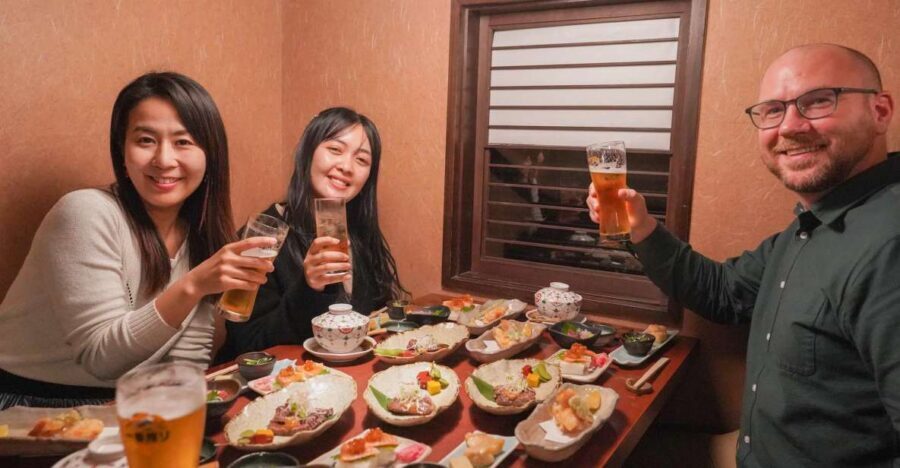
Gion at night clicks for food lovers. This Kyoto foodie night tour puts you in the middle of the Gion atmosphere with an experienced local guide, a shared table, and just enough storytelling to make the dishes feel tied to the place. I like the 6 Kyoto sake tastings with explanations, because it turns drinking into something you can actually compare (instead of just sampling). The main drawback is the price: at $361, you’ll want to be sure you’re happy paying for guided pacing, set stops, and tasting portions instead of building your own perfect meal.
You start outside the Izumo no Okuni statue at Gion Shijo Station, then walk through old streets where a geisha sighting is possible if you’re lucky. One English-speaking guide I’d watch for is Rika, who’s been noted for making it easy to chat at the table, not just lecture. Quick heads-up: many places are cash-only, so I strongly recommend you bring yen and a little extra for anything beyond the included course.
In This Review
- Key highlights worth caring about
- Why Gion and Pontocho Make This Tour Work
- Meeting at Gion Shijo: The Izumo no Okuni Start
- Stop One in Gion: Seasoned Kyoto Plates in a Traditional Setting
- The Sake Portion: Taste Comparisons With Real Guidance
- Walking Through Pontocho: Where the Night Feels Like Food
- Second Dinner Stop and Course Rhythm
- Dessert Finale: Wrapping Up With Something Sweet
- Price and Value: What $361 Really Buys You
- Who This Tour Fits Best (and Who Might Be Disappointed)
- Practical Tips to Make Your Night Go Smoothly
- Should You Book This Kyoto Foodie Night Tour?
- FAQ
- Where do I meet the guide?
- How long is the tour?
- What food and drink are included?
- Can I drink alcohol on the tour?
- Are dietary requests possible?
- Do I need cash?
- What language is the tour in?
Key highlights worth caring about
- 9-dish course + dessert for a real Kyoto-style food run in one sitting
- 6 kinds of sake with guide context, so you taste with a purpose
- Gion and Pontocho at night on foot, with time to take in the streets
- Shared table conversation that helps the experience feel social and local
- Traditional dishes you can recognize like obanzai, oden, and yuba
- Cash planning matters because many stops don’t take credit cards
Why Gion and Pontocho Make This Tour Work
Kyoto after dark is a different city. Daytime sightseeing is loud and bright; night brings softer light, narrower lanes, and more of that “locals actually go here” feeling. That’s exactly why a guided food crawl in Gion and Pontocho makes sense.
Gion is where you go to understand old Kyoto rhythms: the architecture, the respect for craft, and the sense that the neighborhood has rules. Pontocho, just across from the river, feels more like the dining layer of the city, where the alleys are built for eating, lingering, and people-watching. With this tour, you’re not just following a map to restaurants. You’re walking the same streets you’d browse yourself, but you get a guide who can translate what you’re seeing into something you’ll taste later.
The “9 dishes + sake” format also matters. Kyoto food tours that only serve tiny bites can feel like snack hopping. Here, the plan is built around a dinner course and a finishing dessert, so the night has a structure. You’ll still be sampling, but it’s organized sampling, with breaks that let you reset between flavors.
Other Kyoto drinking tours we've reviewed in Kyoto


Meeting at Gion Shijo: The Izumo no Okuni Start
Your evening begins at the statue of Izumo-no-Okuni in front of Gion Shijo Station (right outside exit 5). I like starting at a clear, public landmark like this. In Kyoto, that’s not a small thing. Streets shift names, alleys fork unexpectedly, and the “one block” idea can mislead you. A solid starting point keeps the first 20 minutes from turning into stress.
From there, you’ll be walking through the Gion area where you can spot older Kyoto-style buildings. That first stretch is more than warm-up. It gives you a sense of scale and vibe so the restaurants feel like part of the neighborhood, not random stops. If you’re the kind of person who enjoys noticing details—signs, woodwork, the way people move through small spaces—this part will feel satisfying.
One practical note: this tour is not ideal for mobility limitations. It includes locations that aren’t accessible by wheelchair or stroller, and some parts require stairs or uneven surfaces. If you’re traveling with that in mind, you’ll have a better time choosing a different format that’s more step-free.
Stop One in Gion: Seasoned Kyoto Plates in a Traditional Setting
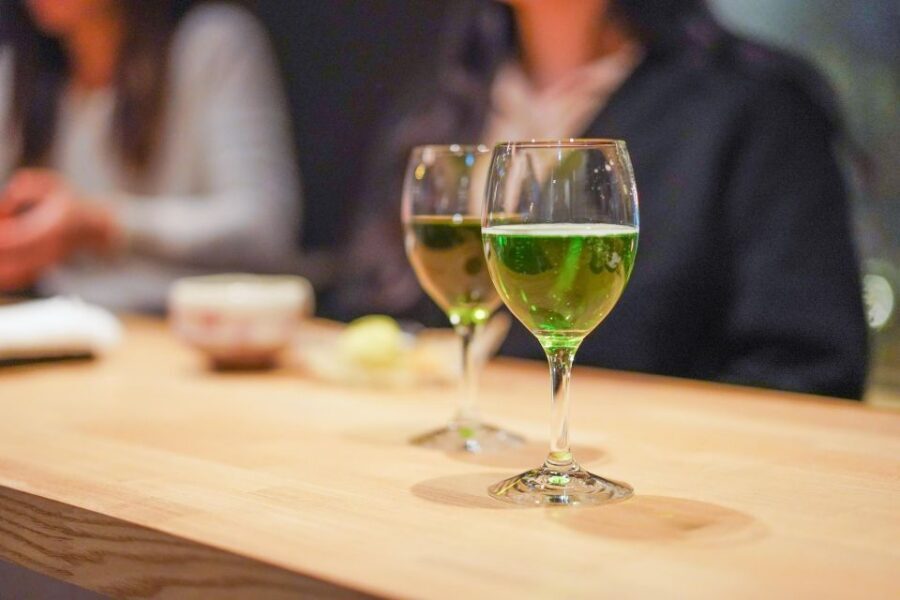
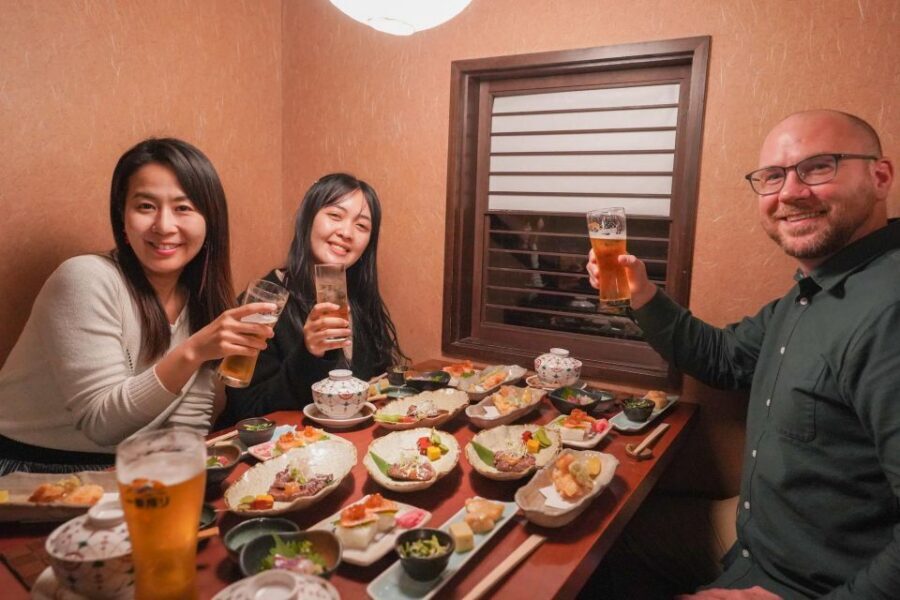
The first meal stop is in a traditional restaurant you’d likely miss without help. The food focus is classic Kyoto comfort: obanzai (Kyoto-style home cooking), oden (stew), and yuba (tofu skin). I like this because these are flavors that don’t rely on flash. They rely on seasonings, stock, and technique.
Here’s what “seasoned” means in Kyoto terms: the seasoning is usually subtle but deliberate—something that tastes composed rather than loud. Obanzai often highlights local seasonal ingredients. Oden is warming and steady, good for a night walk when the air changes fast. Yuba brings a chewy, delicate texture that makes you pay attention to mouthfeel, not just taste.
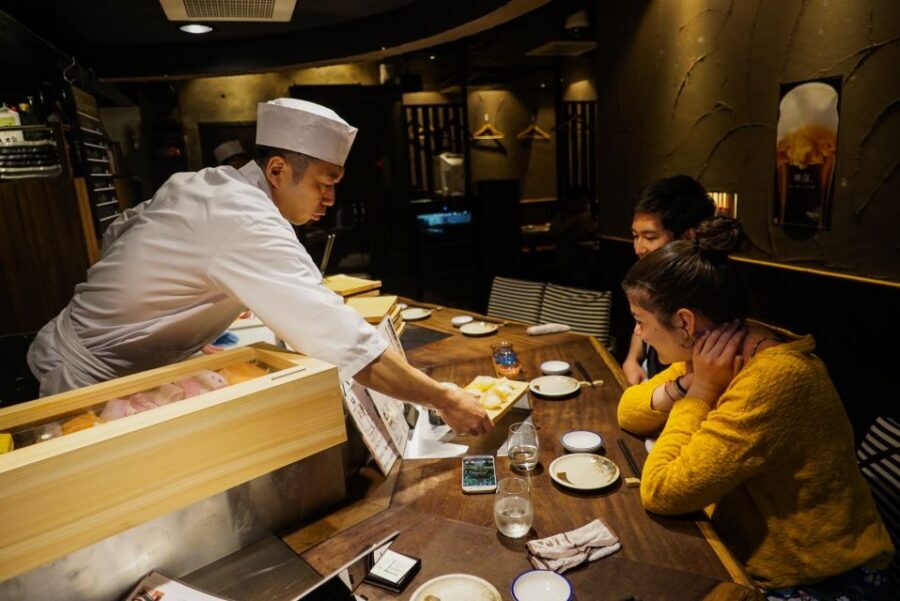
This is also where the tour’s social format matters. You’ll share the table with your guide. That changes the experience from solo eating to guided listening. You can ask questions while plates land in front of you, and the guide can point out why a dish is Kyoto, not generic Japanese comfort food.
The atmosphere is part of the deal too. You’re eating in a traditional setting, and that tends to slow people down in a good way. Even if you’ve had Japanese food in the past, this stop pushes you into a Kyoto lane.
The Sake Portion: Taste Comparisons With Real Guidance
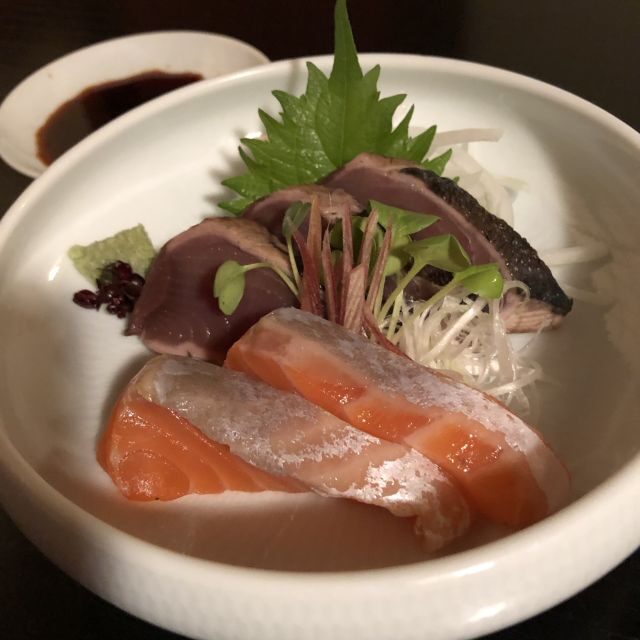
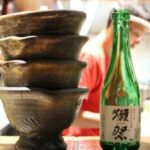
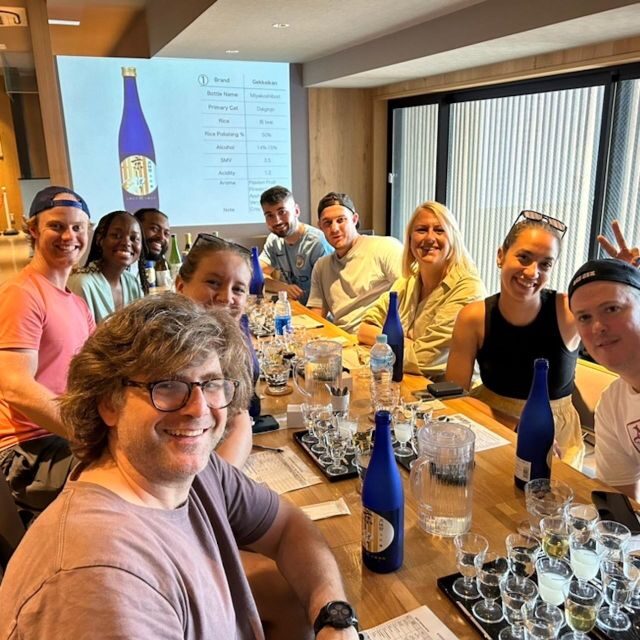
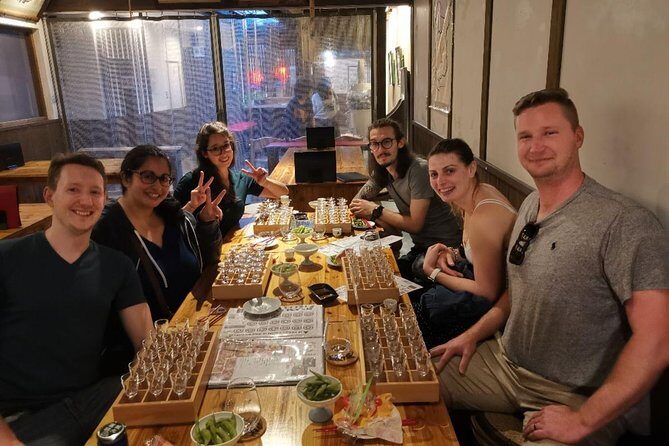
Sake can become meaningless if it’s just pours and no context. The smart move here is that the tour includes 6 sake tastings and pairs them with explanation from your English-speaking guide.
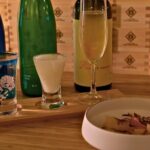
Kiki sake is called out as part of what you’ll taste, with 3 different types produced in Kyoto. That matters because it gives you a built-in comparison set. Instead of tasting six unrelated bottles, you get a way to notice differences in style across a connected theme.
Also pay attention to the alcohol rules. Due to Japanese laws, alcohol is only available for people over 20. The tour also says non-alcoholic drinks are available, so you’re not stuck just sipping water. I like that the tour still includes the structure of tasting even if you choose not to drink.
If you’re deciding whether you’re a “sake person,” this is where you’ll learn quickly. You don’t need to be a connoisseur. You just need curiosity. The guidance is designed to help you connect what you like (or don’t) to taste profiles you can recognize later.
Walking Through Pontocho: Where the Night Feels Like Food
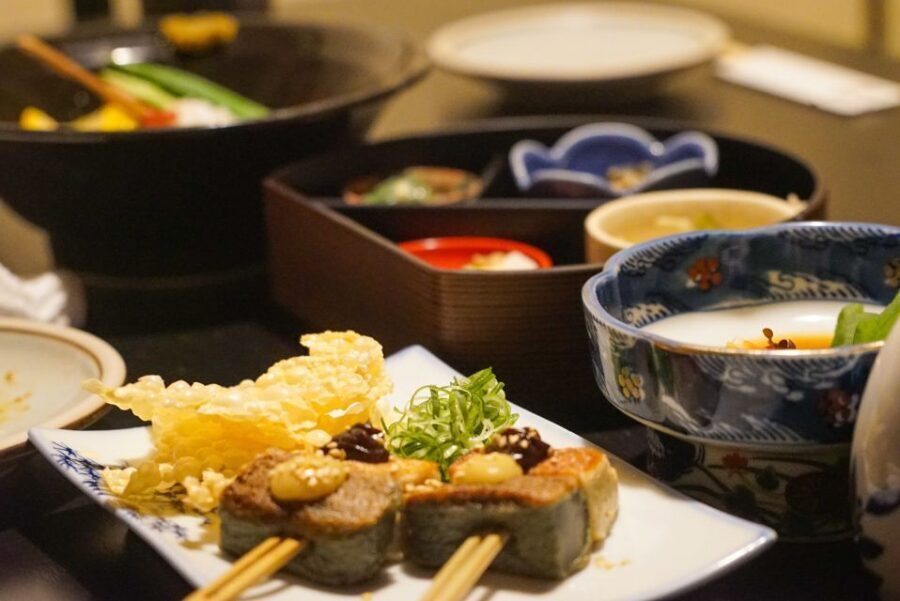
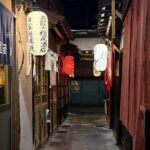
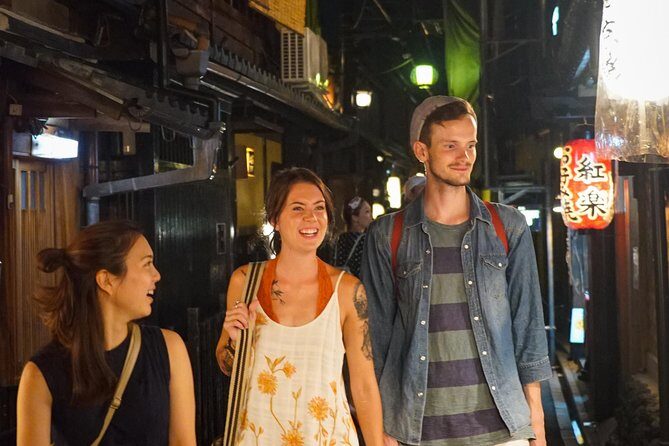
After the Gion start, you’ll keep moving and cross into the Pontocho area, a stretch known for dining alleys and restaurants tucked into narrow spaces. The walk isn’t just transit. It’s pacing.
I like Pontocho for night eating because it feels like a corridor of small choices—your eyes keep catching signs and entrances. With a guide, you’re not distracted by decision-making. You enjoy the atmosphere, and you arrive at the next stop ready to eat rather than still wondering where to go.
This pacing also helps with the “set course” style. Food tours can fail when you feel rushed through courses. Here, the structure keeps you from feeling like you’re zig-zagging city blocks in between bites. You’ll have time to arrive, eat, then reset.
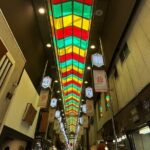
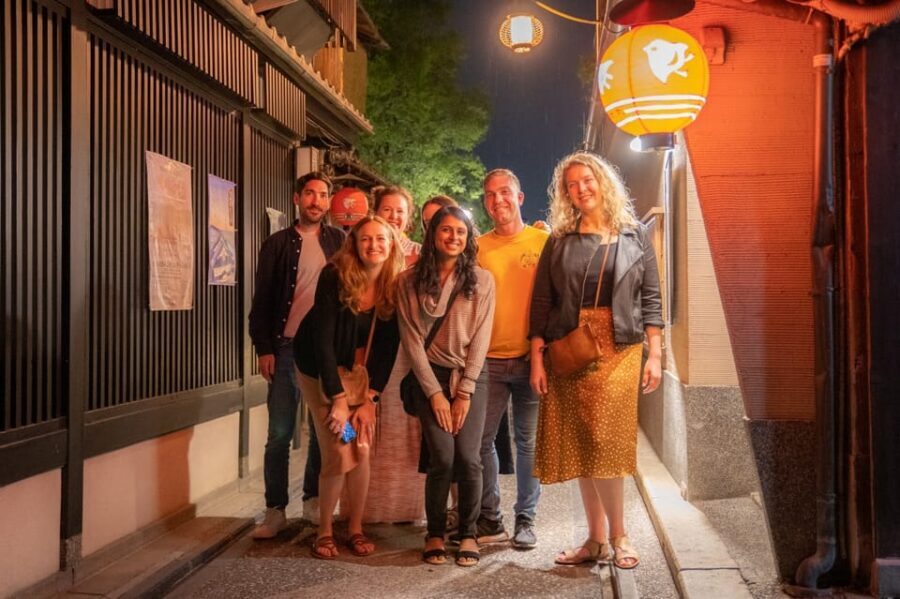
And yes, the tour has that extra “Kyoto night” factor: old street shapes, lantern-style lighting, and the sense that something is always happening just out of frame.
A few more Kyoto tours and experiences worth a look

Second Dinner Stop and Course Rhythm
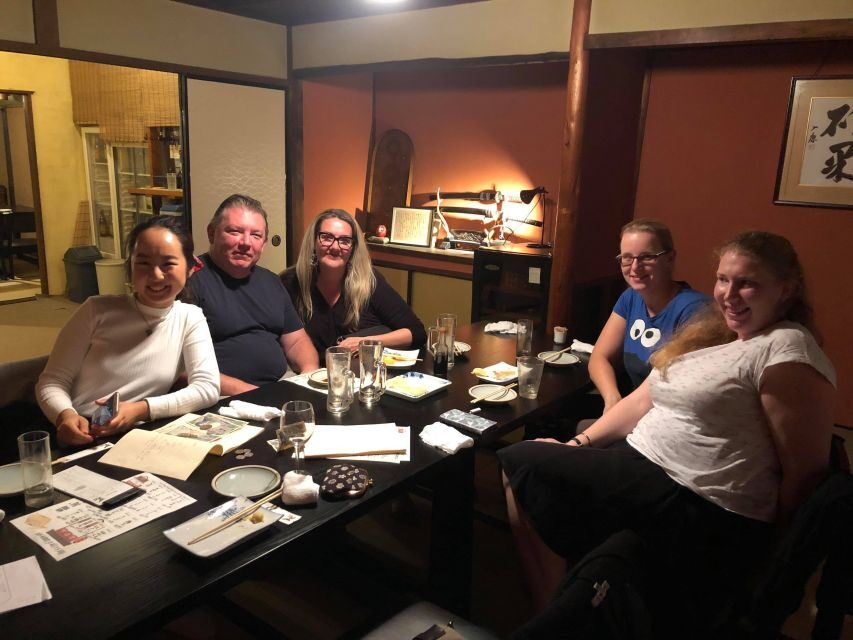
Your tour includes dinner at Pontocho Alley (two separate stretches of time are built in), which signals that you’re not eating just one long meal and calling it done. The structure is likely designed to change textures and pacing: warm items, different seasoning directions, and a rhythm that keeps your palate awake.
Because the exact dishes can vary by stop, I’d go in with a mindset of flexibility. Don’t assume you’ll get the same menu emphasis every night, and don’t lock your expectations onto one specific “headline” ingredient. The value here is the overall arc—Kyoto comfort foods first, then more dining in the Pontocho lane, then dessert.
There’s also a reality check worth making: the best experience for many people comes when you treat this as a guided tasting of Kyoto food culture, not a guaranteed parade of your personal favorites. One part of the meal may hit harder than another depending on how your taste preferences line up with what’s served that night.
Still, if you’re excited about Kyoto’s traditional styles—seasoned plates, warming stews, and tofu skin—your odds are strong.
Dessert Finale: Wrapping Up With Something Sweet
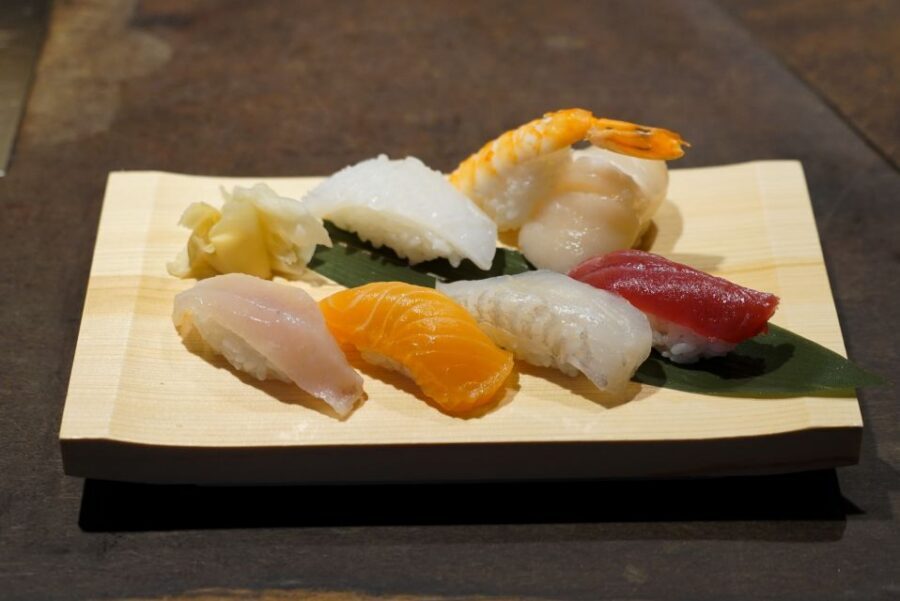
The tour ends with a dessert stop in the Pontocho area, in a traditional building. Dessert in Kyoto often feels more restrained than you might expect if you’re used to big Western-style sweets. That’s not a flaw; it’s the point. After savory dishes and sake tastings, lighter sweetness helps you finish without feeling weighed down.
This is a smart finale for two reasons:
- You get a closing taste that feels Kyoto-specific, not just a generic pastry run.
- The dessert timing keeps the night from feeling like you’re trapped at a restaurant until the end. You still get some streetscapes time after you eat.
If you like finishing meals with tea-adjacent flavors, subtle sweetness, or seasonally inspired ingredients, this final stop can land well.
Price and Value: What $361 Really Buys You
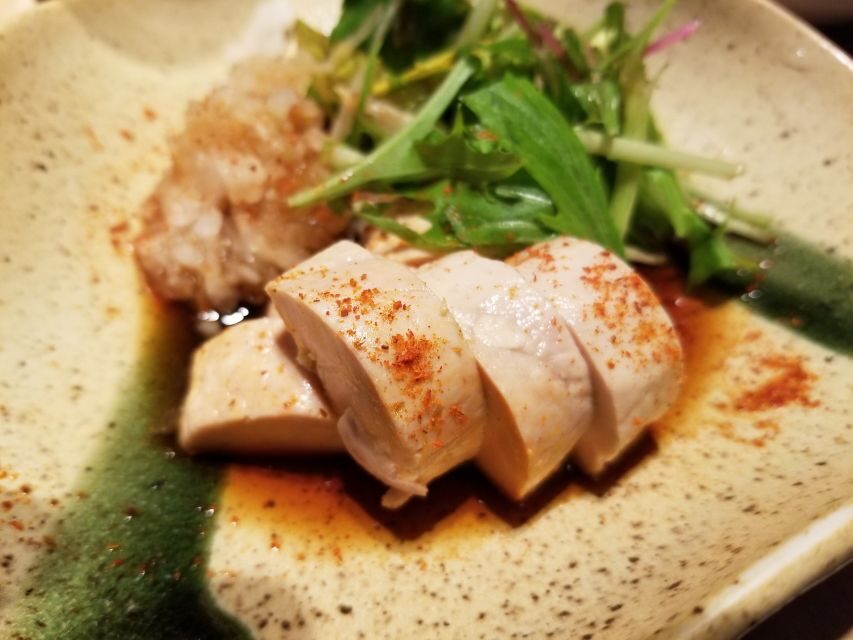
Let’s talk money plainly. At $361 per person for a roughly 210-minute (3.5-hour) guided experience, this is not an inexpensive “quick bite” tour. So what are you paying for?
You’re paying for:
- An English-speaking guide (certified through the provider)
- A set structure with 9 dishes + dessert
- 6 sake tastings with explanation (not just pours)
- Photo support (tour photos are included)
- The logistics of getting you to food stops that you’d likely miss on your own
The value question comes down to your travel style. If you love wandering and picking from menus yourself, you might feel boxed in by a fixed route. One critical review pointed out a mismatch in value when expectations leaned toward high-end meat or consistently top-tier dishes.
But if you want a night where the planning is done for you—especially when you’re eating in smaller traditional places with cash-only tendencies—then guided value improves fast. In Kyoto, “harder-to-find” often costs you time and effort. Here, you’re buying time saved and translation delivered.
So I’d judge the price against your priorities:
- If your priority is learning and tasting Kyoto in a guided rhythm, the cost can feel justified.
- If your priority is control and maximum luxury, you might prefer building your own dinner plan.
Who This Tour Fits Best (and Who Might Be Disappointed)
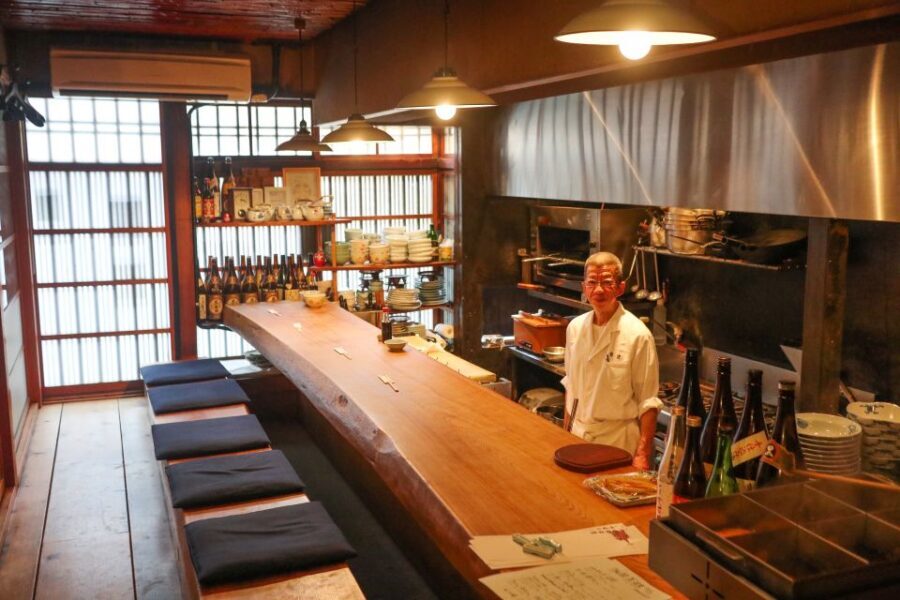
This tour is best for people who:
- Want a guided night walk in Gion and Pontocho
- Enjoy traditional Kyoto comfort foods like obanzai, oden, and yuba
- Like structured tastings, especially sake with explanations
- Don’t mind sharing a table with the guide as part of the experience
- Prefer set stops over figuring out where to eat in the evening
It’s less ideal if:
- You’re looking for a private, no-sharing experience. The tour is described as a private group, but it’s also noted as not a private tour, so you should expect a guided group format.
- You have mobility limits due to stairs and uneven access in some areas.
- You’re very strict about allergies. The tour notes that it can’t guarantee allergy-free meals and dietary substitutions may not be possible at every stop.
One more practical match check: if you’re traveling in summer, the tour warns about heat and humidity. You’ll be walking at night, which still doesn’t erase the heat for long. Bring water and a hat. That’s not sightseeing advice; that’s good health advice.
Practical Tips to Make Your Night Go Smoothly
These are small things that can seriously improve your experience:
- Bring cash. Many of the bars and restaurants may not accept credit cards.
- If you plan to drink, confirm you’re eligible. Alcohol is only for people over 20, with non-alcohol options available for others.
- Plan dietary requests ahead of time. Requests need to be made by the day before, and the tour can’t promise allergy-free kitchens.
- Dress for walking. Even though you’re eating most of the time, you’ll still be moving between stops.
- Have a light plan for photos. Tour photos are included, but you’ll still want to be ready with your phone/camera when you see a good street view.
Should You Book This Kyoto Foodie Night Tour?
Book it if you want a guided Kyoto night that mixes Gion street atmosphere, traditional Kyoto comfort foods, and guided sake tastings in a set rhythm. The shared table format and local explanations are a big part of why this works. It’s especially compelling if you’d rather spend your energy enjoying the evening than hunting down hard-to-find places.
Skip it or choose carefully if you expect consistently high-end luxury dishes at every stop, or if you need strict allergy handling. At this price, you should go in with realistic expectations: you’re buying the structure and cultural guidance as much as you’re buying food.
If you want, tell me your dietary preferences (and whether you plan to drink sake). I can help you decide if this tour’s style fits your tastes and suggest what to look for as you compare alternatives in Kyoto.
FAQ
Where do I meet the guide?
Meet your guide in front of the Izumo-no-Okuni statue at Gion Shijo Station, right outside exit 5.
How long is the tour?
The tour lasts about 210 minutes.
What food and drink are included?
You get a dinner course with dessert (9 dishes), plus 6 kinds of sake tastings. Two drinks are also included, with alcohol and non-alcohol options available.
Can I drink alcohol on the tour?
Alcohol is available only for people over 20 due to Japanese laws. Non-alcoholic drinks are available.
Are dietary requests possible?
You can request dietary accommodations in advance (by the day before). Requests made on the day of the tour can’t be accepted. Allergy-free meals can’t be guaranteed, since food is prepared in kitchens that do not belong to the tour provider.
Do I need cash?
Yes. The tour information advises you to bring cash for food and drinks, plus any extras, because many bars don’t accept credit cards.
What language is the tour in?
The tour guide speaks English.
More Evening Experiences in Kyoto

More Food Experiences in Kyoto
More Kyoto Drinking Tours in Kyoto
More tours in Kyoto we've reviewed


Kyoto Drinking Tours, compared.
 ★ 5.03-Hour Kyoto Insider Sake Brewery Tour with Tastings & PairingsFrom $84
 ★ 4.9Kyoto: Izakaya Bars Guided Walking TourFrom $253 hours
 ★ 5.0Kyoto: Insider Sake Brewery Tour with Sake and Food PairingFrom $873 hours
 ★ 5.0Kyoto Sake Brewery & Tasting Walking TourFrom $98
 ★ 5.0Kyoto Bar Hopping Night TourFrom $105
 ★ 5.0Kyoto Local Bar Crawl in Kawaramachi AreaFrom $28
 ★ 5.01.5-Hour Kyoto Insider Sake Experience with 7 Tastings & PairingsFrom $68
 ★ 5.0Kyoto: Insider Sake Experience with 7 Tastings and SnacksFrom $661h 30m
The lists this tour appears in