
Reviewed · COOKING CLASSES
Osaka: Cooking Class & Sake Tasting with Local Market Visit
Hungry in Osaka? This class makes it useful. I like the way it starts with a local market run, so you can spot fresh ingredients before you cook. I also like the small group size, which means your English-speaking guide can actually check what you’re doing.
One thing to plan around: gluten-free options are unavailable, and the tour can’t guarantee allergy-free meals since food may be prepared in external kitchens.
In This Review
- Key highlights to know before you go
- Why This Osaka Cooking Class Feels Practical (Not Just Performance)
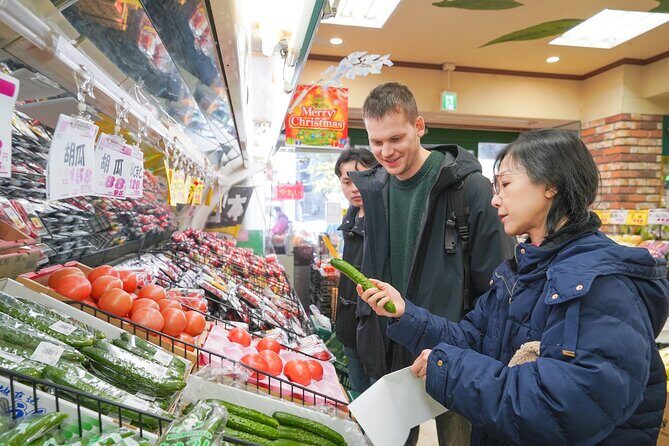
- The Smart Start: Meeting at Minami Morimachi and Shopping for Ingredients
- Your Three-Recipe Menu: Niku-sui, Okonomiyaki, and Gyoza
- Niku-sui: Osaka Beef Soup with Comfort-Food Logic
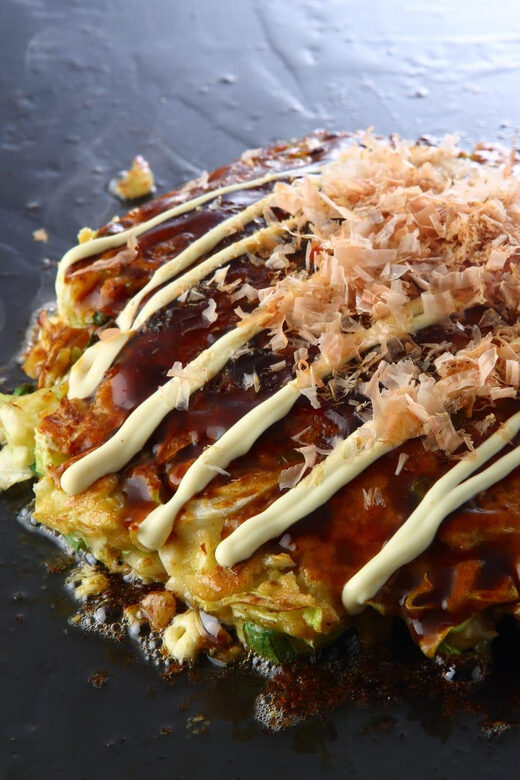
- Okonomiyaki: Osaka’s Savory Pancake and Its Many Variations
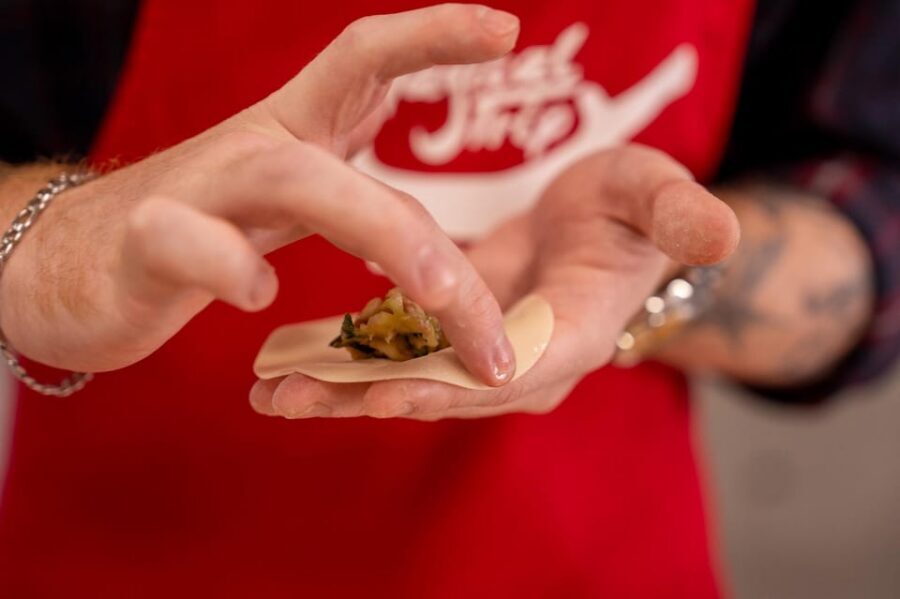
- Gyoza: Folding Dumplings That Turn Cooking Into a Game
- Inside the MagicalTrip Cooking Studio: Coaching for Real People
- Drinks, Tea, and the Sake Tasting Angle
- What You Take Home: Recipes, Photos, and Easy Home Repeats
- Price and Value: What $90 Buys You in Real Terms
- How to Plan Your Timing and Stay Comfortable
- Dietary Needs: What You Can Expect (and What You Should Not Assume)
- Who This Tour Suits Best (And Who Might Want Another Option)
- Should You Book This Osaka Class?
- FAQ
- What dishes will I cook in the Osaka class?
- How long is the experience?
- Where do I meet the guide?
- Is the tour in English?
- Does this include sake tasting and drinks?
- Is there a gluten-free option?
- Who can join the tour?
- How big is the group?
Key highlights to know before you go
- Market walk for real ingredients: You shop at a local supermarket, not just for show
- Hands-on trio of Osaka favorites: niku-sui, okonomiyaki, and gyoza made by you
- Sake tasting and casual drinks: canned alcoholic or non-alcoholic drinks plus tea during the experience
- Small-group coaching: limited to 7 participants with a step-by-step local guide
- Take-home results: recipes download link and tour photos emailed afterward
Why This Osaka Cooking Class Feels Practical (Not Just Performance)
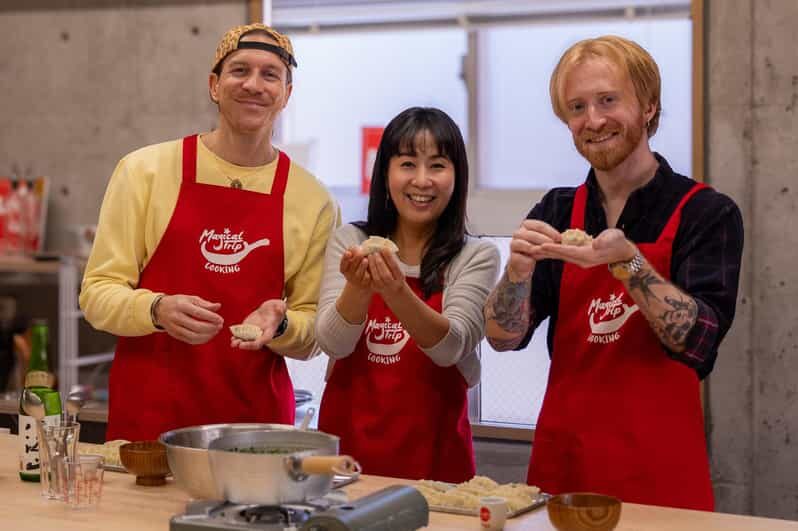
Osaka food has a reputation for being bold, fast, and fun. This cooking class leans into that spirit. You’re not watching someone else cook for four hours—you’re making the dishes yourself, with a guide who keeps things calm and doable even if you’re not a home-cook.
I especially like how the format hits two goals at once. First, you learn recipes with straightforward ingredients, designed to be repeated later at home. Second, you get context for what you’re eating and why Osaka people love it—because your guide can explain the ingredients, the method, and the small choices that make the final result feel right.
The experience also has a social edge. Between chopping, cooking, and chatting, you’ll have time to swap travel notes and ask questions that go beyond food. If you care about how Japanese daily life shows up in supermarkets, kitchens, and meal habits, you’ll get a lot from this.
Other sake tasting experiences we've reviewed in Osaka
The Smart Start: Meeting at Minami Morimachi and Shopping for Ingredients
You meet in front of FamilyMart, about a 1-minute walk from Exit 4B of Minami Morimachi Station. That’s a helpful detail because it’s easy to locate when you’re doing Osaka on foot and trains.
The market stop is more than a quick photo break. You’ll pick up what you need for the dishes, which gives you a baseline for what’s normal to buy locally—cuts of meat for a beef soup, the seasonings that show up in Osaka kitchens, and dumpling ingredients that don’t feel complicated once you’re holding them.
Here’s what this shopping time does for you:
- You learn what to look for when you shop back home (or at least how to identify equivalents)
- You understand portion sizes and ingredient combos, so your later attempt doesn’t fail at the “I guessed wrong” stage
You also get a window into Osaka habits. If you’ve ever wondered why Japanese cooking feels so consistent, shopping is a big clue: people buy for what they plan to cook right now, not for months in advance.
Your Three-Recipe Menu: Niku-sui, Okonomiyaki, and Gyoza
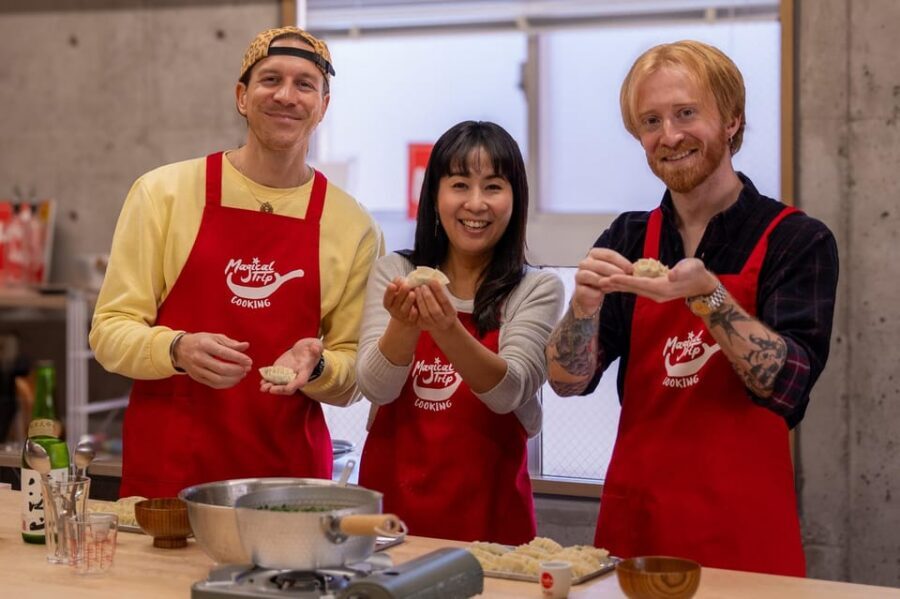
This class centers on three iconic dishes. The nice part is that they represent different cooking styles, so you come away with skills—not just tasting notes.
Niku-sui: Osaka Beef Soup with Comfort-Food Logic
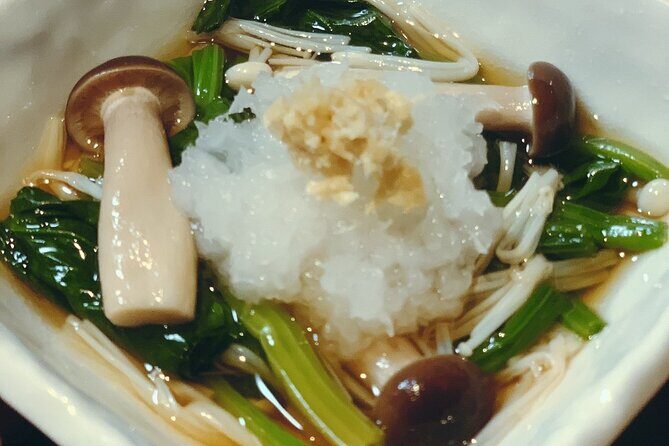
Niku-sui is a flavorful beef soup locals love, and it’s described as a hidden gem worth learning. The technique matters: you’re not just “boiling beef.” You’re building a soup that tastes layered even with simple inputs. That makes it a great dish to take home because soup is forgiving and repeatable.
Okonomiyaki: Osaka’s Savory Pancake and Its Many Variations
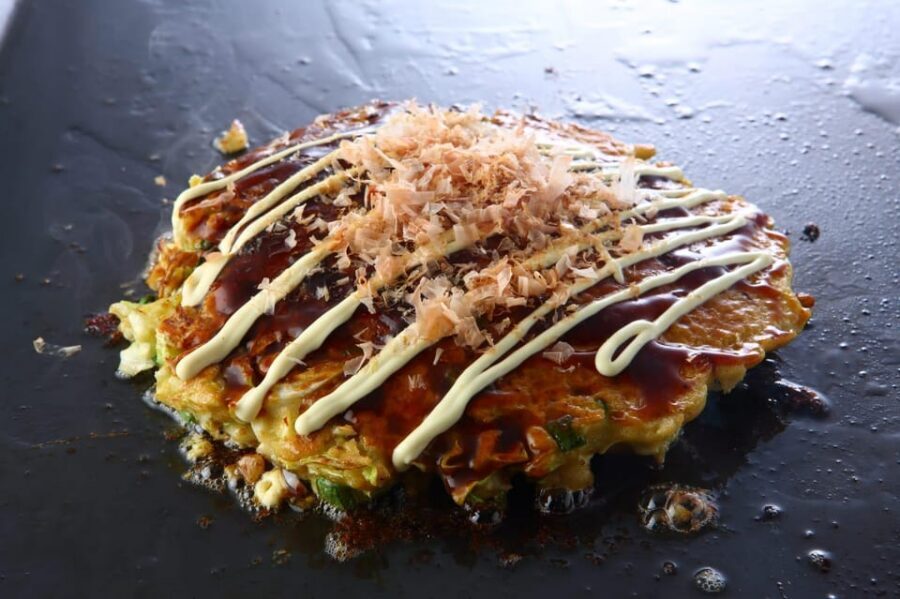
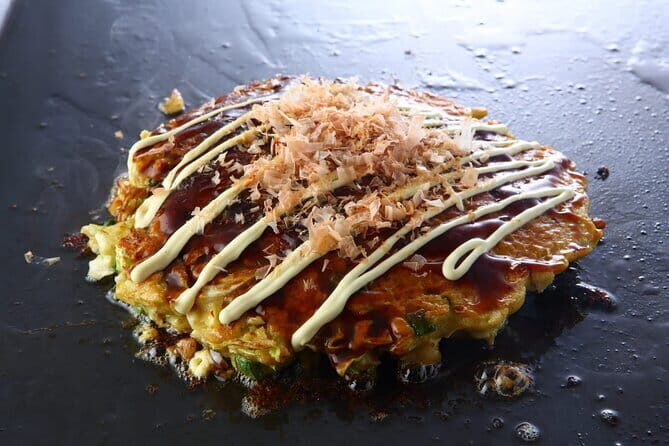
Okonomiyaki is the classic Osaka dish—savory pancake, cooked with variations that let people put their personal stamp on it. This class gives you the core method and then shows you how choices change the outcome. That’s valuable because it means you’ll understand the why, not only the steps.






Gyoza: Folding Dumplings That Turn Cooking Into a Game
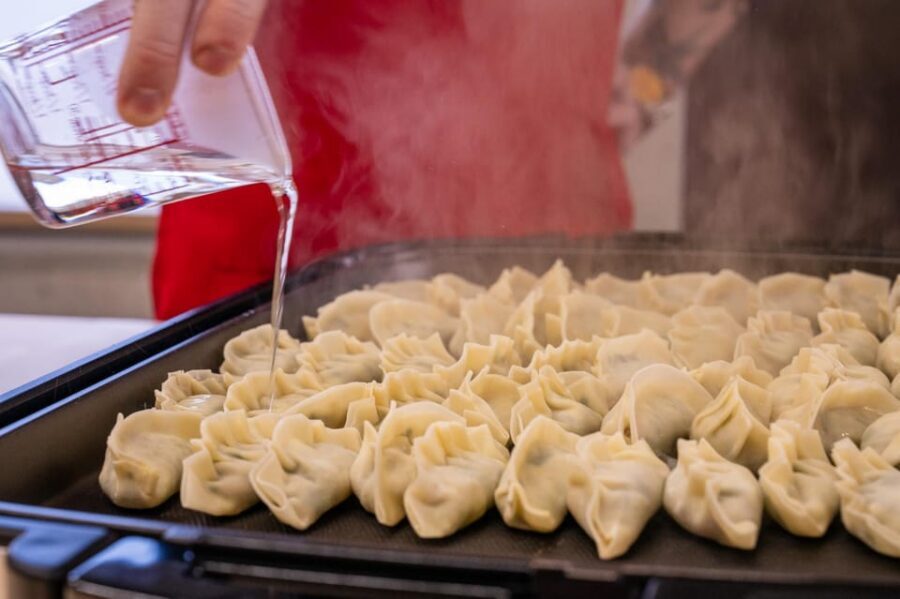
Gyoza is where the experience gets hands-on in a fun way. Folding dumplings is interactive and, based on guide feedback patterns, it’s often where the laughter happens—because getting consistent folds is tricky in the beginning and funny in the middle.
Also, gyoza teaches a practical skill: how to manage a dumpling so it ends up crisp and juicy rather than soggy. Even if you don’t nail the first batch perfectly, you’ll leave knowing what the texture should feel like.
Inside the MagicalTrip Cooking Studio: Coaching for Real People
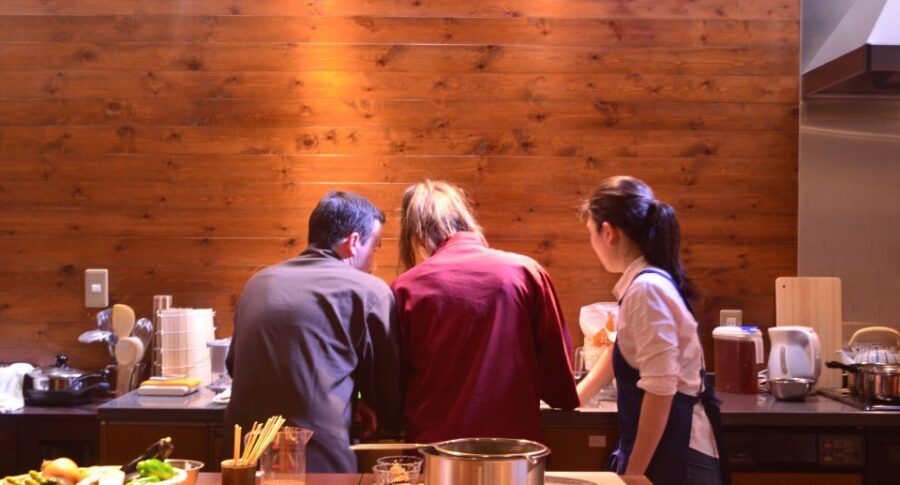
After the supermarket visit, you head to the exclusive MagicalTrip Original Cooking Studio. Cooking happens in a relaxed, welcoming setup, and the guide walks you through each recipe step-by-step.
This matters for two reasons:
- You get enough guidance to keep moving without slowing the group down.
- You can ask questions while you cook instead of saving them for the end.
Small group size is the quiet hero here. Limited to 7 participants means you’re less likely to feel lost at the cutting board, and you’re more likely to get specific corrections. That’s one reason this class earns high marks for being easy and fun.
Different guides bring different energy, and that shows up in the names you might get. For example, Chie and Eri are described as friendly and attentive, with Chie also sharing Japanese history and product knowledge that connects food to the places and culture behind it. Other instructors, like Emi and Akko, are praised for making the class feel smooth and conversational while you work. One guide, Linda, is noted for extra care such as decorating the room for Christmas.
Bottom line: you’re not just learning to cook—you’re learning how to cook with someone who explains clearly and stays upbeat.
Drinks, Tea, and the Sake Tasting Angle
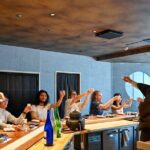
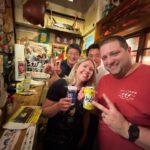
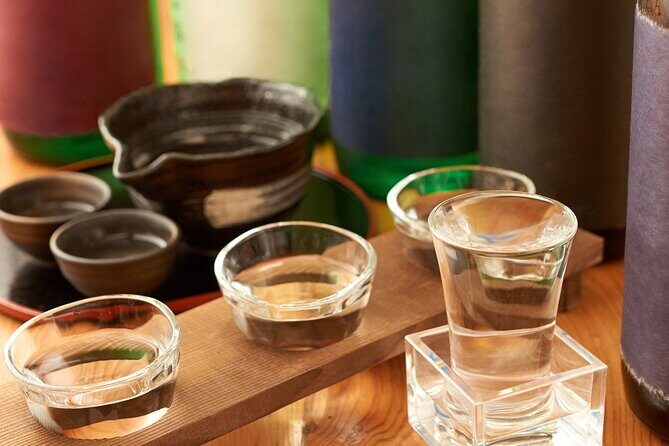
This experience includes tea served during the time together, plus three canned drinks (alcoholic or non-alcoholic). Highlights specifically point to local sake and beer, and some guide stories include taking people out to buy sake.
The best part about having drinks in a cooking class is that it lowers the pressure. You can ask questions, compare notes with others, and keep the vibe relaxed while you’re focused on the heat and timing.
A practical tip: if you’re planning to taste sake, pace yourself. Dumplings and pancakes move quickly once the stove is hot. Enjoy the drinks, but treat the kitchen like a kitchen—watch the pan, not the empty cup.
What You Take Home: Recipes, Photos, and Easy Home Repeats
This class comes with a strong “use it again” payoff. You get:
- A lunch included as part of the experience
- Recipes designed to be authentic yet simple to recreate at home
- Recipes you can download after the tour
- Tour photos taken by your guide and sent by email
The recipe download is the difference between a memorable meal and a repeatable win. If you’ve ever tried to copy a dish from memory and failed, this format fixes that gap. It gives you a cleaner path from Osaka to your next dinner party.
Photos are also more than souvenirs. When you’re cooking with steam, heat, and fast hands, you may not fully register how the dish is supposed to look at each step. Having pictures afterward helps you replicate the finish the next time.
Price and Value: What $90 Buys You in Real Terms
At $90 per person for about four hours, the question isn’t just cost. It’s value for time, coaching, and ingredients.
This price includes:
- Cooking experience and lunch
- All ingredients
- An English-speaking local guide
- Three canned drinks (alcoholic or non-alcoholic)
- Tea during the class
- Photos emailed after
- Recipe access after the tour
- Small group format (up to 7 participants)
You’re basically paying for a guided “market-to-meal” experience plus a skill-building session. In many cities, you can find cooking classes that only cover the cooking part. Here you get the supermarket piece too, which usually makes the learning stick.
Is it the cheapest way to eat in Osaka? Probably not. Is it one of the more practical ways to eat and learn at the same time? Yes, especially if you want recipes you can actually recreate.
How to Plan Your Timing and Stay Comfortable
This is a four-hour tour, and it starts on time. Late arrivals can’t join, and late changes can mean you miss the experience entirely—so treat the meeting point like a real appointment.
Also, Osaka’s weather can swing hard. Summer highs can reach 40°C (110°F), and winter lows can drop to -5°C (20°F). Dress for temperature first, and then for walking. You’ll be moving between the station area and the supermarket and cooking studio.
One more practical note: cooking involves cutting and heating, so anyone over 12 can join. If you’re traveling with teens, this is often a good age range for hands-on participation.
Dietary Needs: What You Can Expect (and What You Should Not Assume)
Vegan and vegetarians are welcome. That’s a good signal for flexibility in menus. But gluten-free options are unavailable, and you need to inform the team about dietary needs or allergies at least one day in advance—same-day requests can’t be accommodated.
Also, allergy-free meals can’t be guaranteed because food is prepared in external kitchens. Substitutions might not always be possible, but compensation may be offered at other stops.
So here’s my balanced advice:
- If you can eat gluten, you’ll have the easiest experience.
- If you’re gluten-free, plan another option or message first to confirm what’s possible.
- If allergies are involved, submit details early and keep your expectations realistic.
Who This Tour Suits Best (And Who Might Want Another Option)
This class is a strong fit if you want Osaka’s food culture in a hands-on format. It’s especially good for:
- Food lovers who want recipes they can repeat
- People traveling solo who want an easy way to meet a guide and chat
- Couples or small groups who like interactive experiences more than museum-style tours
It can be less ideal if:
- You need gluten-free meals
- You have mobility issues, since parts of the tour may include locations that aren’t accessible by wheelchair or stroller
- You prefer long unstructured free time instead of a guided four-hour flow
If mobility is a concern, the experience itself suggests booking a private tour.
Should You Book This Osaka Class?
Yes, I’d book it if you want a realistic, skill-based way to eat Osaka—not just sample dishes. You get a market ingredient start, three specific recipes you can reproduce (niku-sui, okonomiyaki, gyoza), and take-home support with downloadable recipes plus emailed photos. The small group size and step-by-step English coaching make it feel approachable.
I’d think twice if gluten-free is a hard requirement, or if you have serious allergies that require strict controls. In that case, message early and consider whether another food experience with stricter kitchen handling is a better match.
If you show up hungry, wear weather-appropriate clothes, and treat cooking like a team activity, this tour is one of the more useful ways to turn time in Osaka into something you’ll still be doing back home.
FAQ
What dishes will I cook in the Osaka class?
You’ll make three local dishes: niku-sui, okonomiyaki, and gyoza.
How long is the experience?
The tour lasts 4 hours.
Where do I meet the guide?
Meet in front of FamilyMart, about a 1-minute walk from Exit 4B of Minami Morimachi Station.
Is the tour in English?
Yes. You’ll have an English-speaking local guide.
Does this include sake tasting and drinks?
It includes tea during the experience and 3 canned drinks. The drinks can be alcoholic or non-alcoholic, and the experience highlights local sake and beer.
Is there a gluten-free option?
Gluten-free options are unavailable. You should inform the team about dietary needs or allergies at least one day in advance.
Who can join the tour?
Anyone over 12 can join.
How big is the group?
The group is small, limited to 7 participants.
More Sake Tasting Experiences in Osaka
More tours in Osaka we've reviewed




Cooking Classes, compared.
 ★ 5.0Ramen and Sushi Cooking Class with Sake Pairing Set in TokyoFrom $79
 ★ 5.0Tokyo Washoku 4-hour Cooking Class: From Market to TableFrom $79
 ★ 4.9Kyoto: Afternoon Japanese Izakaya Cooking ClassFrom $673 hours
 ★ 5.0Izakaya Style Cooking ClassFrom $71
 ★ 5.0Osaka Sake Tasting with Takoyaki CookingFrom $702 hours
 ★ 5.0Osaka Sake Tasting & Takoyaki Cooking ExperienceFrom $72
 ★ 5.0Tokyo: Sushi and Ramen Cooking Class with Sake Pairing SetFrom $1293 hours
 ★ 5.0Osaka Cooking Class and Sake Tasting with Local Supermarket VisitFrom $92
The lists this tour appears in