
Reviewed · SAKE TASTING
Sake & Food Pairing with Sake Professional
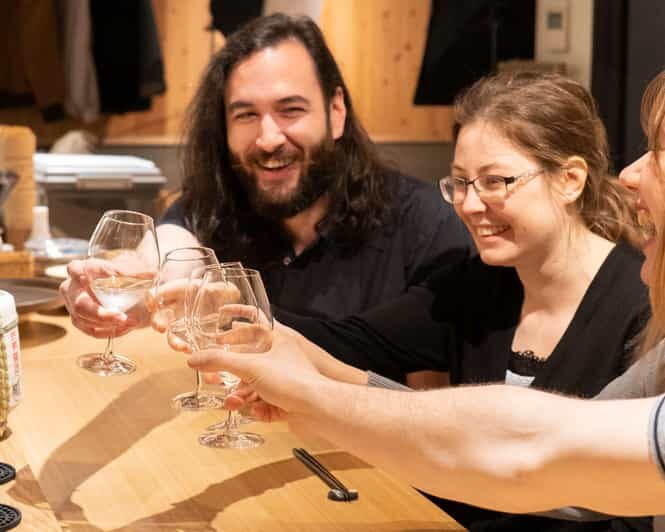
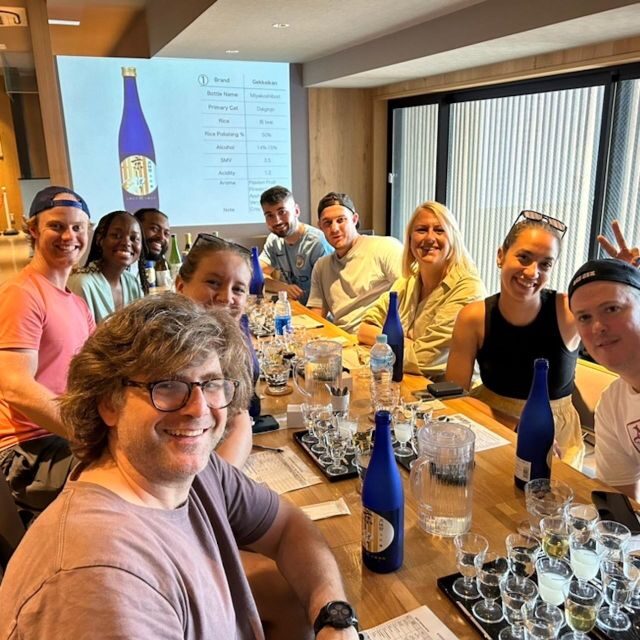
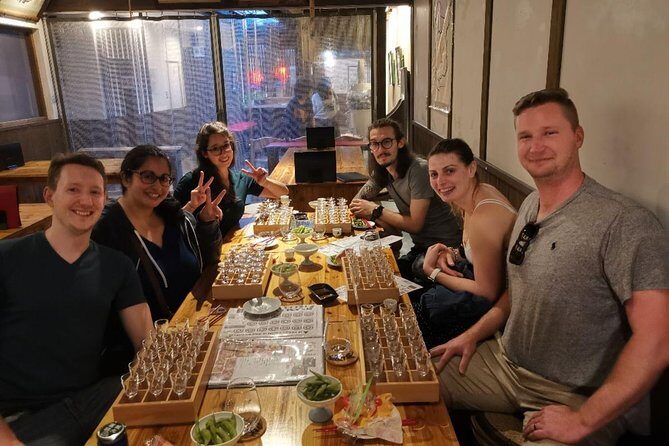
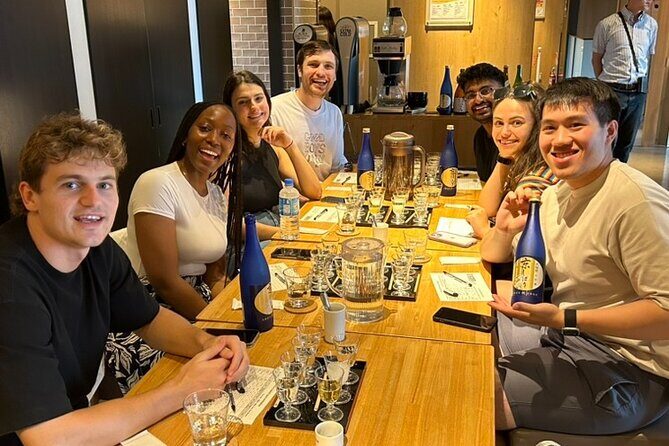
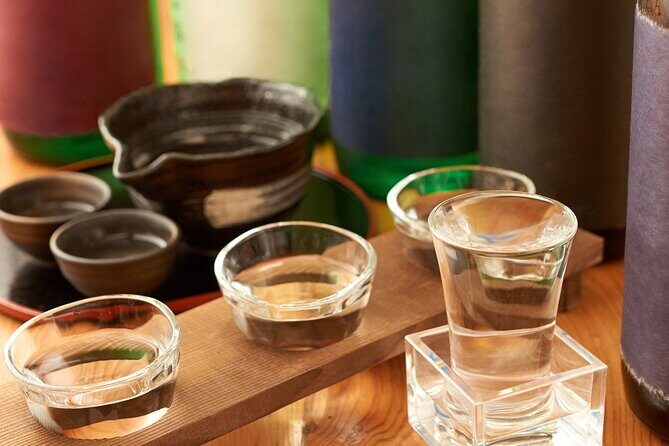
Sake can taste totally different. This 150-minute class at Ushinobi Sake Bar in Shinjuku is designed to change how you think about sake, not just how it tastes. You’ll sample five different types of sake from across Japan, match them with local Japanese snacks, and learn how to build your own tasting chart as you go.
What I like most is the hands-on pace and the small group setup. You get to try multiple styles in one sitting, and the session stays friendly and understandable thanks to an English-speaking guide—people in past groups have mentioned guides like Tadashi, Joe, Max, and Andrea for their energy and clear explanations.
One drawback to plan for: it’s not a full meal. You’ll get Japanese snacks, but you should eat beforehand, especially if you tend to feel hungry during a 2.5-hour food-and-drink experience.
In This Review
- Key takeaways before you go
- Shinjuku’s Ushinobi Sake Bar: where the class really starts
- 150 minutes, 5 sakes, and your own tasting chart
- What sake professional-led instruction changes for you
- Food pairing: why snacks matter more than you think
- Learning across Japan: tasting different styles back-to-back
- Meeting Japanese sake lovers in Tokyo: the tips you can use later
- Price and value: what $69 buys you in a city like Tokyo
- Who should book this sake pairing class—and who shouldn’t
- Practical tips: how to get the most from your tasting
- Should you book Sake & Food Pairing with Sake Professional?
- FAQ
- How long is the Sake & Food Pairing experience?
- What is included in the ticket price?
- How many types of sake will I try?
- Where does the tour meet?
- Is transportation included?
- Is the tour guide available in English?
- What if I have dietary restrictions?
- Is the group size small?
- Is there free cancellation?
- Is it suitable for pregnant women?
Key takeaways before you go

- Five sake tastings in one session, with snack pairings that help you notice the differences
- A personal tasting chart so you leave with a way to remember what you liked and why
- Small group (up to 10) in an English-led format, which keeps questions easy
- Shinjuku at Ushinobi Sake Bar in a location with a slightly hidden entrance on the 2nd floor
- Local Tokyo tips from a guide who’s plugged into the city’s sake scene
Shinjuku’s Ushinobi Sake Bar: where the class really starts
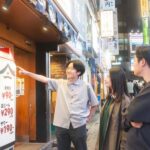
This experience meets at Ushinobi Sake Bar in Shinjuku, on the 2nd floor. The closest station is Okubo (JB09), and you’ll use the South Exit. The entrance can feel tucked away, so I’d treat finding the venue as part of your start time—don’t wing it at the last second.
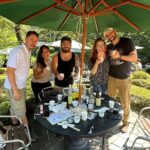
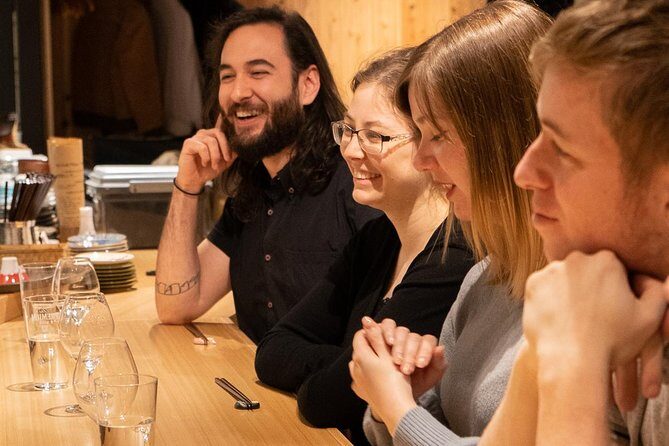
Once you’re inside, the setup is made for conversation. This isn’t a big lecture hall where you just watch someone else taste. It’s a small-group format, so the room feels more like a friendly tasting table than a formal class.
If you’re the type who likes to get oriented fast, take a quick look at the entrance instructions before you arrive. A few people have said the venue can be easy to miss without that heads-up, and you don’t want your first ten minutes to be stress.
A few more Tokyo tours and experiences worth a look


150 minutes, 5 sakes, and your own tasting chart
At the heart of the tour is a simple goal: you should understand sake in a new way after tasting it. Even if you’ve only had sake back home as a single “strong alcohol” impression, this class is built to show you why that picture is too narrow.
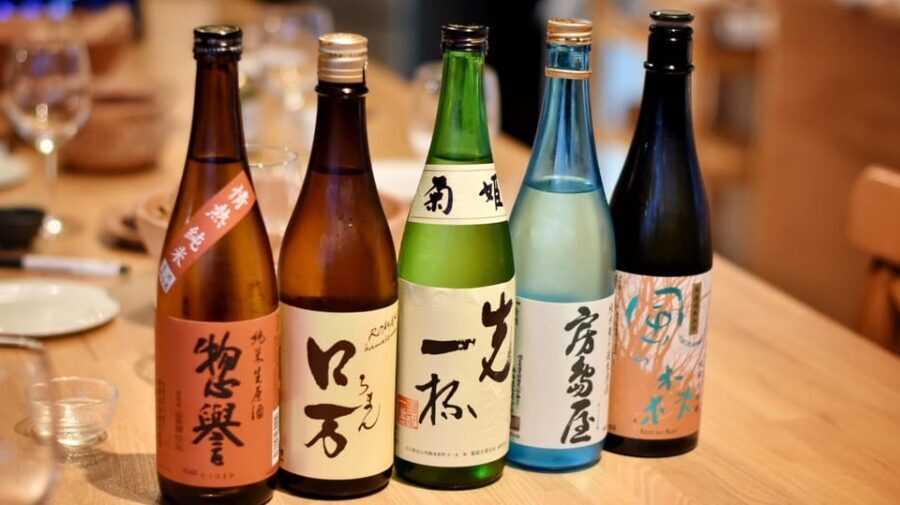
The structure is straightforward. You’ll taste five different types of sake, and each one comes with local Japanese snacks meant to pair alongside it. As you go, you’ll make your own tasting chart, which forces you to pay attention to what you’re actually tasting rather than just whether it’s good or not.
That tasting chart is a big deal for practical travelers. After the class, you’ll have a personal reference for what you liked—so when you see bottles later, you’ll know how to compare instead of buying the first one that looks familiar. Think of it as your at-a-glance system, built from real tastings, not generic advice.
What sake professional-led instruction changes for you
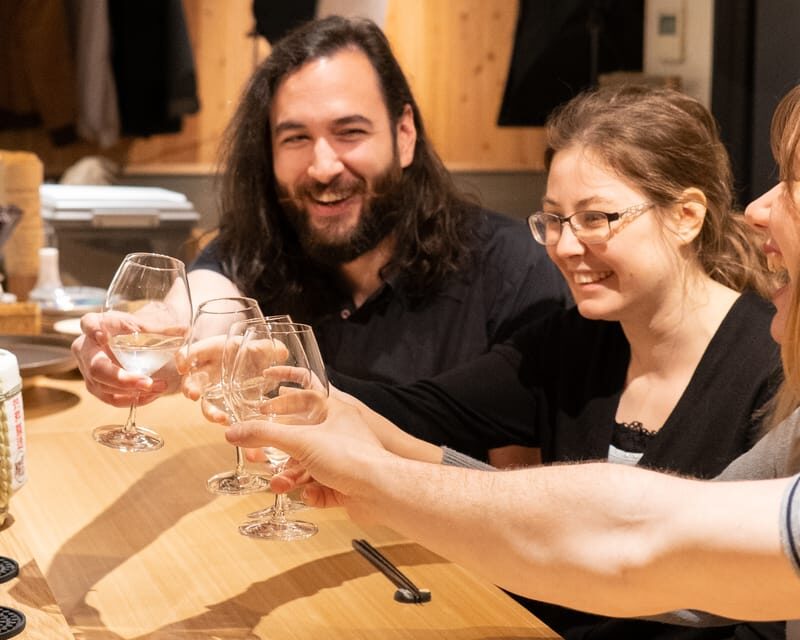
This is led by a live English guide who’s there to explain what you’re tasting while keeping it approachable. Past groups have highlighted how guides like Tadashi and Andrea made the session fun without turning it into a dry talk. The goal is that you leave with new mental categories for sake, not just a list of flavors.
When the guide is actively talking, you also learn what to look for when you’re choosing sake later. People have specifically mentioned that they came away with a better sense of what to consider, which is exactly what matters if you plan to order sake at a restaurant or buy a bottle to take home.
The small group size (limited to 10 participants) also helps. You can ask quick questions without feeling like you’re interrupting. And if your group ends up being smaller than expected, it can turn more personal, with a more tailored pace and more room for conversation.
Food pairing: why snacks matter more than you think
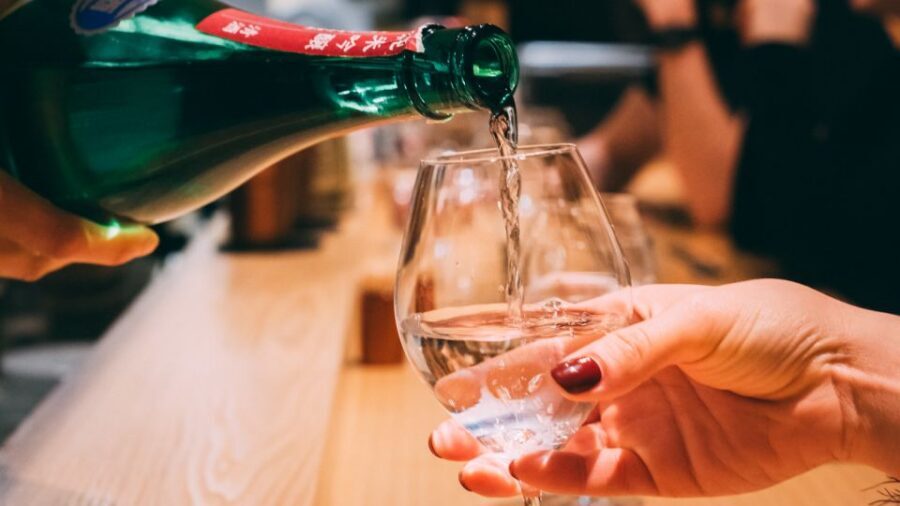
This experience isn’t a full meal, but the snacks are intentional. Each tasting is paired with Japanese snacks, and that pairing helps you notice how food changes the sake experience.
Here’s what to expect in real life terms: if a sake tastes sharp on its own, the right snack can soften the edges and make it feel smoother. If you find a sake too sweet or too strong when you’re not paying attention, pairing can show you a different side of it. The pairing is there to train your palate, so you’re not judging each pour in isolation.
Just don’t make the classic mistake of arriving on an empty stomach. Several reviews mention there’s plenty to drink, and one practical note that came up is that the snacks may not feel like enough for everyone. So eat before you go—then you’ll enjoy the session more and you won’t end up focusing on hunger instead of nuance.
Learning across Japan: tasting different styles back-to-back
The five sakes in the class are described as coming from across Japan, which matters because it helps you compare. Instead of treating “sake” like one flavor family, you start to hear the differences in style.
The best part of tasting back-to-back is that your palate is still calibrated to the last pour. That makes it easier to remember what changed: how the aroma feels, how the taste develops, and how it finishes. You’ll be creating a chart while tasting, which gives your brain a structure for comparison.
People who said they normally didn’t like sake have often credited this kind of side-by-side testing. When you remove the assumption that sake equals one punchy profile, you can find styles you genuinely enjoy. You don’t need to become a sake expert to get that benefit.




Meeting Japanese sake lovers in Tokyo: the tips you can use later
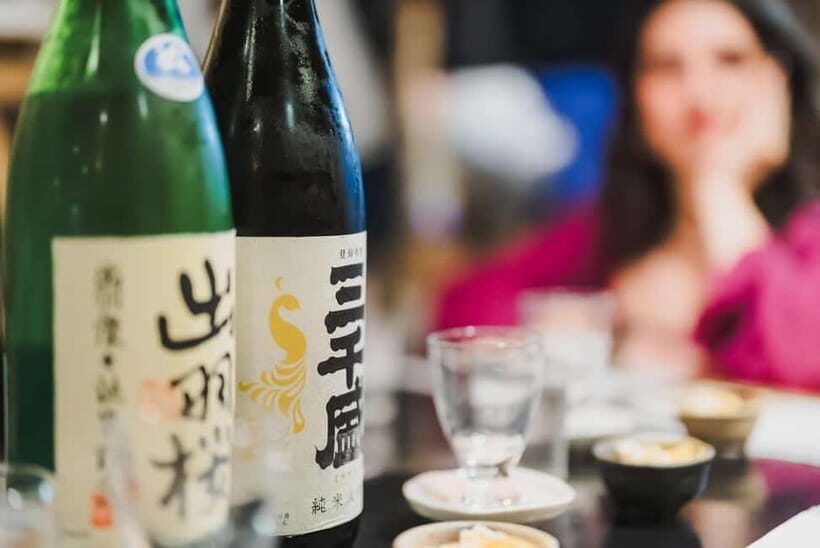
One of the highlights is meeting Japanese sake lovers in Tokyo and getting local tips. In practice, that means the guide isn’t just reciting facts. They’re steering you toward how locals think about choosing and enjoying sake.
That local perspective is useful when you’re in Tokyo and trying to decide what to order. You’ll be more confident asking for recommendations, and you’ll know how to explain what you like based on what you tasted in class. In other words, it turns sake buying from guesswork into something closer to a conversation.
It also helps that the experience is English-led, so you’re not left translating on your own. Guides such as Joe, Max, and others have been called out for clear explanations and upbeat energy, which makes the learning stick rather than fade at the end of the afternoon.
Price and value: what $69 buys you in a city like Tokyo
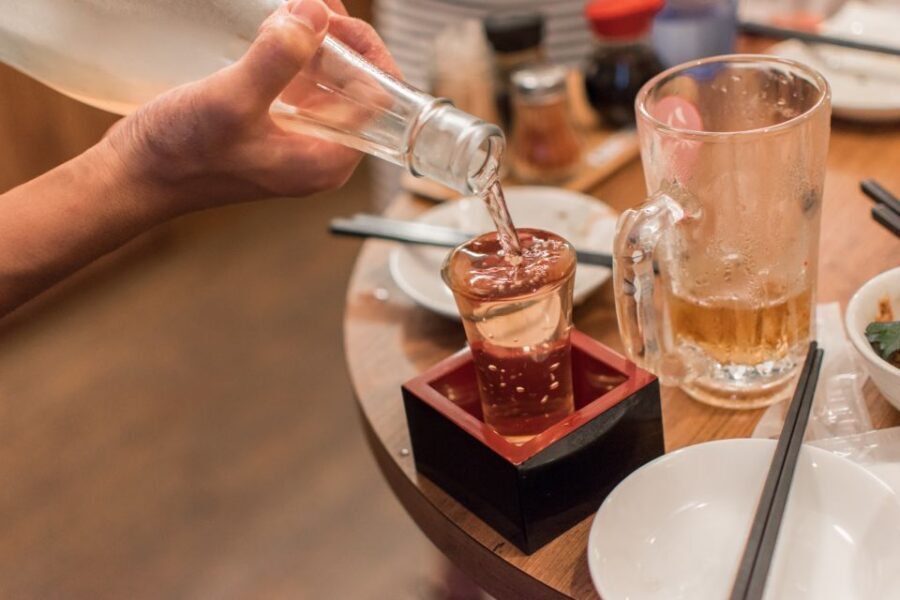
At $69 per person, the value depends on one thing: are you buying this for tastings and guidance, or just for drinks? Here, you’re paying for a structured tasting of five different sakes, plus Japanese snack pairings, plus a live guide who helps you interpret what you’re tasting.
If you’ve ever spent money on random sake at bars without learning what made one bottle different, this class is a smarter way to spend the same kind of “food and drink budget.” You’re not just consuming—you’re collecting information in a format you’ll actually use later (your tasting chart).
Also, the small group limit matters. In Tokyo, you can pay a lot and still get a crowded experience where it’s hard to ask questions. Keeping the group small means you’re more likely to feel like the time is actually yours.
Who should book this sake pairing class—and who shouldn’t
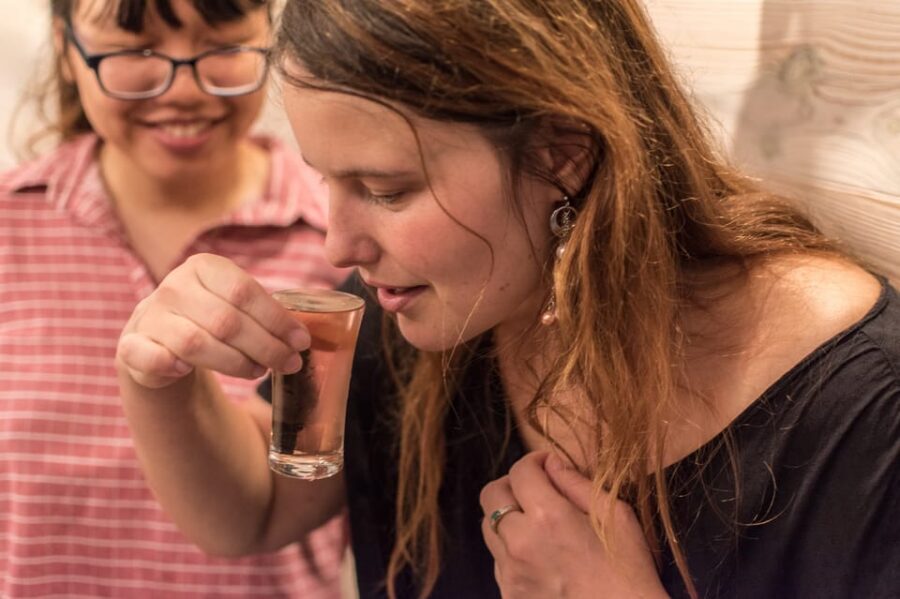
This experience fits especially well if you:
- Have limited sake experience and want a fresh baseline
- Want to taste multiple styles in one go, without planning a multi-stop crawl
- Like food pairing and want to learn how it changes what you taste
It’s also a solid date or couples option because it’s social but not chaotic. One review noted planning it for a boyfriend who loves sake, and the surprise was that even non-sake-lovers found sakes they enjoyed. That’s a good sign for first-timers.
Two cautions to keep in mind:
- It’s not suitable for pregnant women, based on the tour’s info.
- It’s snacks, not a full meal, so eat first if you’re prone to getting hungry during a two-and-a-half-hour session.
Practical tips: how to get the most from your tasting
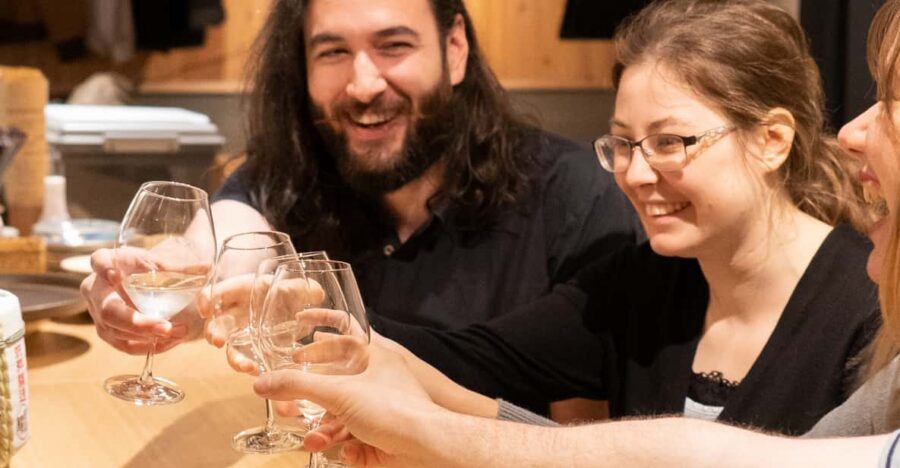
To make the experience feel worth your time, show up ready to taste. That means eating beforehand and coming with an open mind.
If you have dietary restrictions, tell the supplier in advance. The info says they want to be informed ahead of time, and that’s the only way pairings can work smoothly.
Finally, don’t treat the tasting chart as homework. Use it like a personal cheat sheet. If you liked something, write down what felt right to you. If something didn’t work, note that too. That way, your next sake purchase becomes a “repeat what worked” moment instead of a fresh gamble.
Should you book Sake & Food Pairing with Sake Professional?
I’d book it if you want a real sake intro without the intimidation. The combo of five tastings, snack pairings, and a tasting chart turns sake from a single-category drink into something you can actually compare and choose. Add the English-led small-group format and you get enough guidance to make the tasting stick.
Skip it only if you specifically need a full meal or you don’t want to drink enough to do five tastings. If you’re traveling fast and hate structured experiences, you might prefer a bar crawl. But if you want value and learning in one clean package in Shinjuku, this is a strong bet.
FAQ
How long is the Sake & Food Pairing experience?
It lasts 150 minutes.
What is included in the ticket price?
The ticket includes sake tastings and Japanese snacks. It is not a full meal.
How many types of sake will I try?
You’ll taste five different types of sake.
Where does the tour meet?
You meet at Ushinobi Sake Bar, Shinjuku, on the 2nd floor. The closest station is Okubo (JB09), South Exit.
Is transportation included?
No, transport is not included.
Is the tour guide available in English?
Yes, the tour includes a live guide in English.
What if I have dietary restrictions?
You should let the supplier know in advance if you have any dietary restrictions.
Is the group size small?
Yes. The group is limited to 10 participants.
Is there free cancellation?
Yes, you can cancel up to 24 hours in advance for a full refund.
Is it suitable for pregnant women?
No, it is not suitable for pregnant women.
If you want, tell me your travel dates and whether you’re a total beginner or already like certain sake styles, and I’ll help you decide if this fits your Tokyo plan.
More Food Experiences in Tokyo


More tours in Tokyo we've reviewed





Sake Tasting, compared.
 ★ 5.01-Day Snow Monkeys, Zenko-ji Temple & Sake in NaganoFrom $151
 ★ 5.03-Hour Kyoto Insider Sake Brewery Tour with Tastings & PairingsFrom $84
 ★ 4.9Nagano: Snow Monkeys, Zenkoji Temple & Sake Day TripFrom $1358 - 12 hours
 ★ 5.0Kyoto: Insider Sake Brewery Tour with Sake and Food PairingFrom $873 hours
 ★ 5.0Kyoto Sake Brewery & Tasting Walking TourFrom $98
 ★ 5.01.5-Hour Kyoto Insider Sake Experience with 7 Tastings & PairingsFrom $68
 ★ 5.0Ramen and Sushi Cooking Class with Sake Pairing Set in TokyoFrom $79
 ★ 5.0Sake Tasting Masterclass in Shinjuku (8+ Varieties with a Pro)From $72
The lists this tour appears in