
Reviewed · SAKE & FOOD PAIRINGS
Cozy Tokyo Class: Ramen, Sushi, Sake Pairing & Cultural Exchange
Small-group ramen and sushi lessons feel like Tokyo magic. This is a cozy, English-friendly class where hosts such as Umi-san and Kou-san keep things moving, and you get to cook while learning the stories behind Japanese food, with sake pairing in the mix. Small class energy matters here, because you can actually hear instructions and ask questions without shouting across the room.
I like two things most. First, the setup is intentionally intimate, with a small group size capped at four (and listed as up to eight total). Second, you get a detailed recipe gift so you can repeat what you made after you leave.
One consideration: with only about 3 hours, the pace is friendly but efficient. You will make major parts of both ramen and sushi (and gyoza may be optional), so this isn’t the kind of class where you slow-cook every step like you’re filming a cooking show.
In This Review
- Key points to know before you book
- Why a cozy ramen and sushi class beats the big-city crowd
- What you’ll cook: ramen, sushi, and optional gyoza
- The 3-hour flow: from welcome to take-home skills
- 1) Welcome and a quick reset
- 2) Ramen prep with real technique
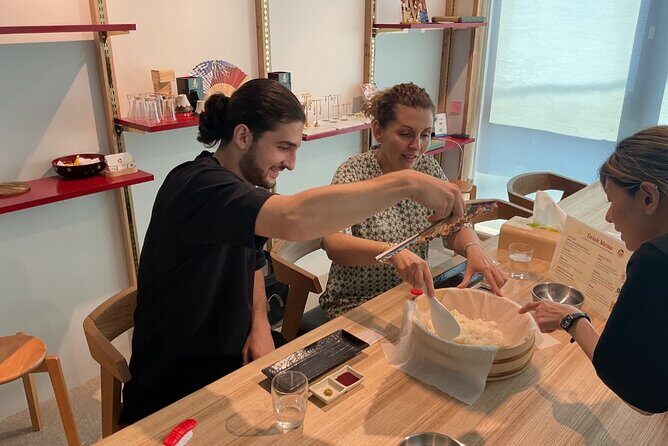
- 3) Sushi making: practice you can actually repeat
- 4) Optional gyoza: dumplings with a crisp edge
- 5) Taste, chat, and connect
- 6) Recipe gift for re-making at home
- The drinks: unlimited sake pairing and how to use it
- Price and value: is $79 worth your time?
- Who this class is for, and who might want a different plan
- Getting there: Tsukishima, timing, and what to plan
- The best parts to look forward to (based on the vibe you’ll get)
- Should you book this cozy ramen and sushi class?
- FAQ
- What dishes will I learn to make?
- How long is the class?
- How big is the group?
- Do I get to drink sake during the class?
- Is the class beginner-friendly?
- Is English used during the class?
- Do I receive recipes to take home?
- Where does the class start and end?
- Can I cancel for a full refund?
Key points to know before you book
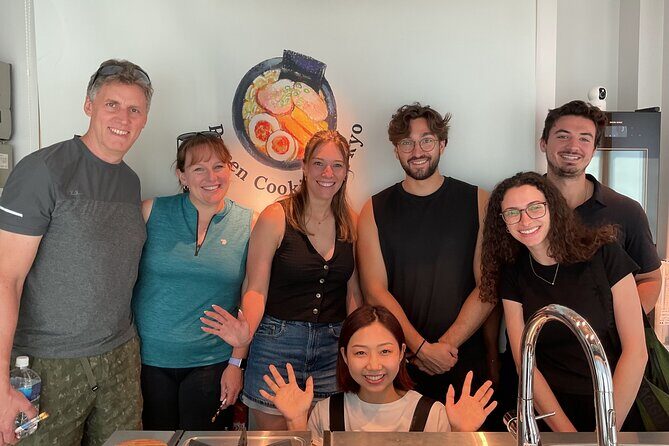
- A small group that stays personal: capped at four, with the activity listed as up to eight travelers
- Hands-on ramen and sushi: you make the real deal from scratch, not just assemble items
- Optional gyoza: you can often add dumplings depending on the session
- Unlimited sake pairing and more: you can pair with sake, plus Japanese beer or non-alcoholic drinks
- Recipe handoff for home cooking: a detailed guide helps you recreate the dishes later
Why a cozy ramen and sushi class beats the big-city crowd
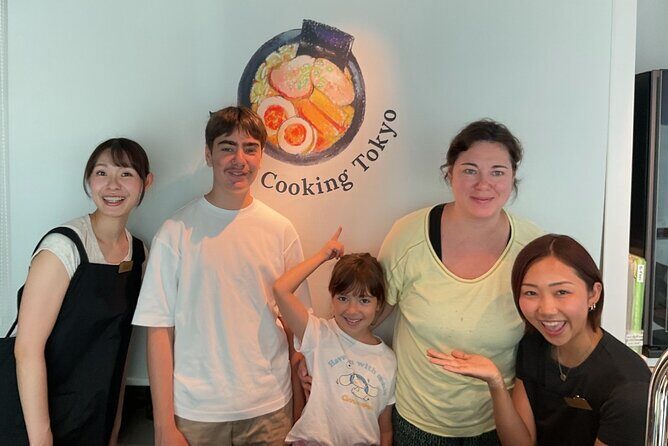
Tokyo can be intense. Even when you plan well, you can end up standing in lines, scanning menus you cannot pronounce, and eating something you did not really choose. A class like Cozy Tokyo Class is different because it slows you down on purpose. You’re not just learning what ramen and sushi are. You’re practicing how they come together, with real people standing close enough to correct your grip, your timing, and your taste.
The best part is the emotional tone. Hosts keep it relaxed and conversational, with cultural exchange built into the cooking. In the reviews, you’ll see names like Umi-san, Kou-san, Komi, Alissa, Umi and Namiko, plus Risa showing up around the same theme: warm guidance, clear pacing, and lots of room for questions. That matters, because ramen and sushi look simple until you try them.
You’ll also appreciate the small-group promise. A class capped at four means the instructor can actually watch what you’re doing. And even though the listing notes a maximum of eight travelers, the practical feel still tends to be intimate. Either way, you’re less likely to get lost in the background.
A few more Tokyo tours and experiences worth a look


What you’ll cook: ramen, sushi, and optional gyoza
This class centers on two iconic dishes: ramen and gyoza plus sushi in the overall flow. The exact mix can vary by session wording, but the teaching is clearly built around ramen and sushi, with gyoza as an optional addition.
Here’s why that matters for your time in Tokyo. You’re not choosing between ramen and sushi like you’re picking one restaurant for dinner. You’re learning a skill set that connects. Ramen teaches you broth structure, seasoning balance, and the logic of toppings. Sushi teaches knife skills (even if basic), rice handling, and the idea of restraint: everything has a job.
And gyoza adds another layer. Dumplings are a street-food bridge between home cooking and restaurant craft. The technique is practical, too. Even if you do not become a dumpling chef, you’ll learn how heat, timing, and filling ratios affect the final bite.
If you’re a beginner, this setup still works. You get step-by-step instruction and a take-home recipe. If you already cook, it’s a useful refresher because Japanese cooking often comes down to small decisions: texture, salt level, and the order you do things.
The 3-hour flow: from welcome to take-home skills
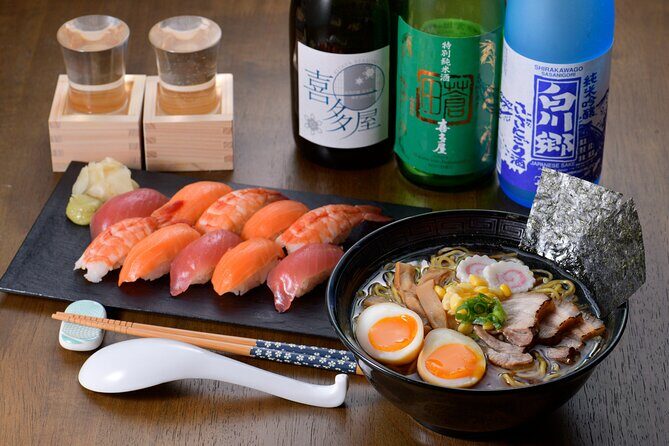
The class runs about 3 hours. Expect the rhythm to be “cook, talk, eat, repeat,” with cultural stories threaded in rather than delivered like a lecture. The exact minute-by-minute schedule isn’t spelled out in your info, but the structure is consistent: welcome, ingredient prep, cooking ramen, cooking sushi (and possibly gyoza), tasting together, and wrapping with recipes.
1) Welcome and a quick reset
You start at the meeting point in Tsukishima, near public transportation: HAUS Tsukishima, Chuo City, Tsukuda, 2-chōme135. The class begins with a welcome and a simple overview of what you’ll make. This part sounds basic, but it’s a real help. It gets you oriented fast—what you’re holding, what you’re waiting on, and when to start seasoning.
2) Ramen prep with real technique
Ramen can feel intimidating because people associate it with complicated broth making. This class keeps it doable. You’ll work on components and build toward a bowl you can recognize and repeat. The instructor stories matter here: learning about ramen traditions makes the steps click. Seasoning is not random. It’s a balance game.
You’ll get instructions paced for a group. Several reviews stress the guidance is easy to follow and the pace feels comfortable. That’s exactly what you want in a cooking class. Ramen should be fun, not frustrating.






3) Sushi making: practice you can actually repeat
Then you shift into sushi. Sushi is where a lot of home cooks get stuck at home, because rice and topping handling are touchy. In class, you’re learning the order of operations and the small handling details that affect texture.
If the class you book includes sushi as a main component, you’ll get hands-on practice rather than just tasting. And since the class is small, you can get feedback quickly. Reviews point to good English and clear explanations, which is a big deal because Japanese cooking is full of subtle terms.
4) Optional gyoza: dumplings with a crisp edge
If gyoza is included in your session, you’ll add dumpling craft on top. Even without gyoza, you’ll probably still notice how the class emphasizes timing and heat control. Dumplings are a great teaching tool for that, because you can see the results as you cook.
5) Taste, chat, and connect
After cooking, you’ll taste what you made together. This is where the cultural exchange becomes more than a line on the schedule. The hosts explain what’s behind the dishes—why certain ingredients show up, how families and regions approach flavors, and why the small techniques matter.
Reviews repeatedly mention exchanging cultures through conversation, and the “small class environment” helping everything feel relaxed. That matches the setup: fewer people, more talking.
6) Recipe gift for re-making at home
Finally, you leave with a detailed recipe. That’s one of the most practical parts of the whole experience. A lot of cooking classes give you a generic sheet. Here, you get enough detail to recreate your dishes later, which turns the class from a fun evening into actual skill.
The drinks: unlimited sake pairing and how to use it
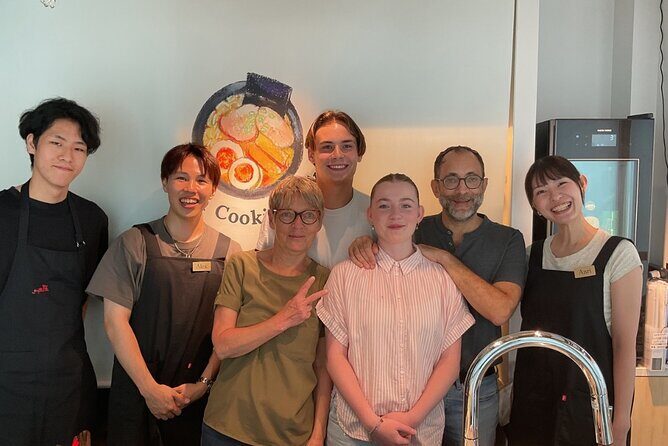
This is one of the standout perks. You get unlimited sake pairings, plus Japanese beer, or non-alcoholic beverages. That choice matters because your taste changes as you go. You’ll likely notice how different notes in sake play with salty broth, savory fillings, and the lighter feel of sushi.
The practical advice here is simple: treat it like a tasting tool, not a race. Start with small pours, taste your food plain first, then taste again with the pairing. You’ll pick up flavor logic faster that way. Even if you do not drink much, the availability of non-alcoholic beverages means you can keep the experience comfortable.
Also, the fact that they pair drinks while you cook signals that they expect you to be curious. The class isn’t just hands-on. It’s hands-on plus discussion about why flavors match.
Price and value: is $79 worth your time?
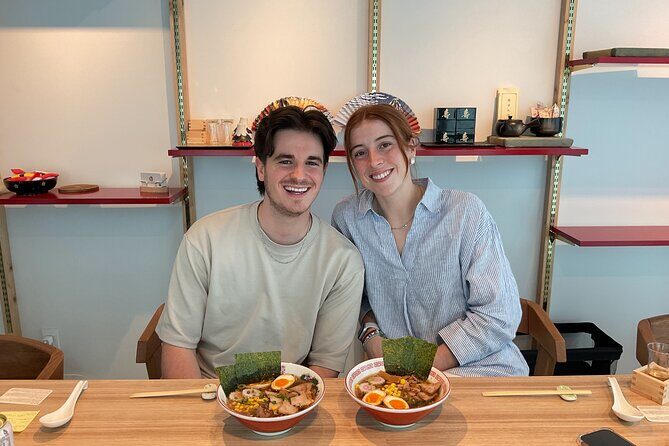
At $79 for about 3 hours, this sits in the “serious experience” category, not the “walking tour and snacks” category. The value comes from three places.
First, you’re paying for hands-on instruction in a small group. Most food tours in Tokyo are expensive because of guiding and logistics. Here, your cost is tied directly to labor: instructors teaching technique while keeping everyone on track.
Second, you get multiple dishes and components. You’re not just making ramen or just making sushi. You’re learning both, and gyoza may be part of the session. That density makes the price feel more fair. You’d easily spend similar money in Tokyo on just one workshop-style meal, especially if you also factor in drinks.
Third, the take-home recipe turns your payment into a lasting item. If you cook even a couple times after, the class pays for itself in practice.
One more value point: the class is capped at four (with a maximum listed for the activity), which usually means better attention per person. That’s where cooking classes live or die. Bigger groups can leave you feeling like a background character. This one is designed to avoid that.
Who this class is for, and who might want a different plan
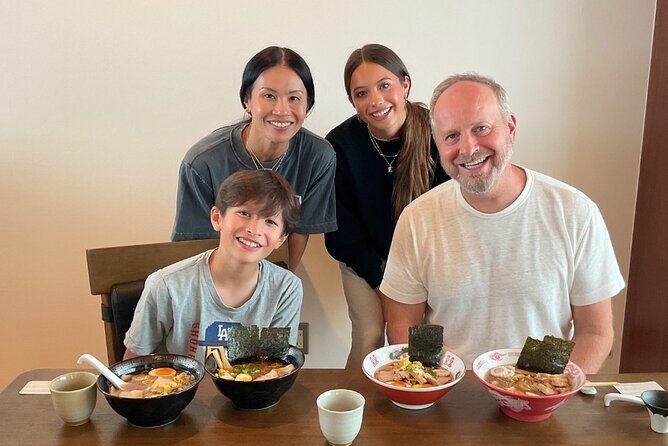
This fits best if you want a true Tokyo food skill, not just a meal. It’s a nice option for:
- Couples and friends who want a shared activity and a reason to talk
- Families since the experience is described as fun for parents and kids
- Beginners who want guided steps and a recipe to follow later
- More experienced cooks who want Japanese technique and seasoning balance explained in an approachable way
It may not be the best match if you’re hoping for one of these:
- A long, slow class focused on one dish only
- A strict sushi-only or ramen-only deep specialization
- A wine-and-cheese style atmosphere (this is sake pairing focused)
Also keep your expectations realistic. The class is relaxed and friendly, but 3 hours is still 3 hours. You’ll get technique and results, but you won’t leave with Michelin-level mastery over every component.
Getting there: Tsukishima, timing, and what to plan
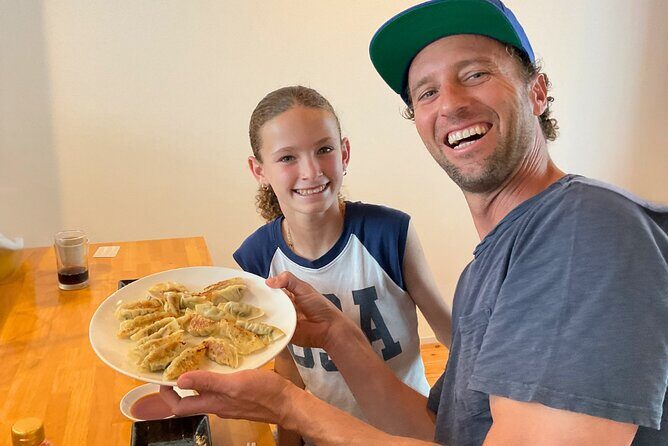
Your meeting point is in Tsukishima at HAUS Tsukishima. The location is listed as near public transportation, which helps a lot in Tokyo where waiting for taxis can eat your time.
Since the activity ends back at the meeting point, plan your Tokyo day with that in mind. This is best as an early-to-mid afternoon slot or right before an easy dinner plan nearby. You’ll be eating your creations during the class, so you may not need a heavy second meal right after.
If you’re coming from a hotel in another area, give yourself buffer time. Even though it’s near transit, Tokyo connections can be fast but not always simple. Arrive a few minutes early so you can settle in before the group starts cooking.
The best parts to look forward to (based on the vibe you’ll get)
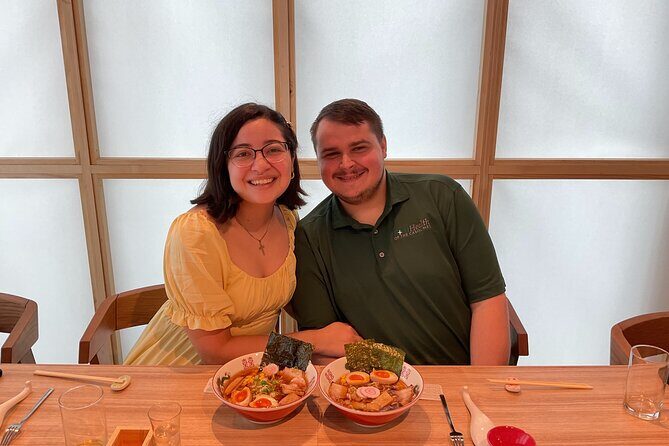
From what you’ve been told about the experience, the most praised aspects line up into a simple pattern: people feel welcomed, the instruction is clear, and the class stays personal.
In the reviews, the language you’ll see over and over includes things like:
- Incredible, kind hosts who guide without rushing
- Great English that makes instructions actually usable
- Fresh ingredients and cooking outcomes that taste great
- A small-group feel that keeps questions from piling up
- Sake being offered generously and paired as part of the experience
- Fun conversation that makes it feel like cultural exchange, not just a cooking session
- Support for different ages and skill levels
That blend is exactly what you want from a short class in Tokyo. You get technique, you get a good meal, and you get a story to tell later that’s more than I ate ramen.
Should you book this cozy ramen and sushi class?
I’d book it if your main goal is a hands-on food experience that gives you something you can repeat. You want ramen and sushi skills in one session, plus a cultural chat with English-friendly hosts, in a group size that avoids the chaotic feeling.
I’d skip it if you’re chasing one ultra-specific dish and you want to spend most of the time on that single item, or if you prefer alcohol-free pairings as a hard requirement and want no mention of sake at all. The class does offer non-alcoholic beverages, so you’re not stuck, but sake pairing is part of the identity of the experience.
If you’re on the fence, here’s an easy decision rule: if you’d rather learn how to cook Japanese food than just eat it, this is a strong choice for your Tokyo day.
FAQ
What dishes will I learn to make?
You’ll learn to create ramen and sushi. Gyoza may be included as an optional part of the class depending on the session.
How long is the class?
The class is about 3 hours.
How big is the group?
The experience is designed as a small group capped at four people, and it’s also listed as having a maximum of 8 travelers.
Do I get to drink sake during the class?
Yes. The class includes unlimited sake pairings, along with Japanese beer or non-alcoholic beverages.
Is the class beginner-friendly?
Yes. It’s described as inclusive for beginners and experienced cooks alike.
Is English used during the class?
Yes. Hosts are described as English-friendly.
Do I receive recipes to take home?
Yes. You receive a detailed recipe as a gift so you can recreate what you made at home.
Where does the class start and end?
It starts at HAUS Tsukishima in Tokyo and ends back at the same meeting point.
Can I cancel for a full refund?
Yes, you can cancel for a full refund up to 24 hours before the experience’s start time. If you cancel within 24 hours of the start time, you won’t receive a refund.
More Workshops & Classes in Tokyo


More tours in Tokyo we've reviewed







Sake & Food Pairings, compared.
 ★ 5.0Ramen and Sushi Cooking Class with Sake Pairing Set in TokyoFrom $79
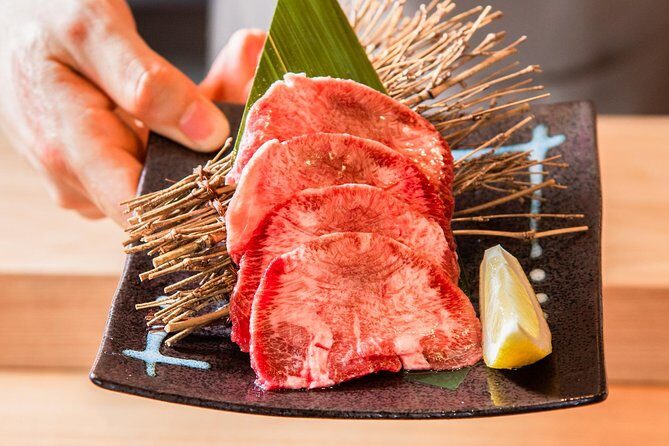 ★ 5.0Wagyu & Sake Pairing in Shinjuku – Steak, Shabu-Shabu & MoreFrom $148
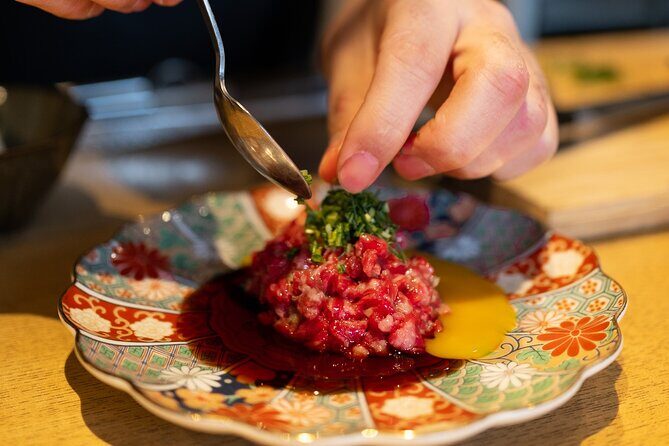 ★ 5.0Tokyo Wagyu & Sake Pairing Tasting Experience with Local FlavorsFrom $151
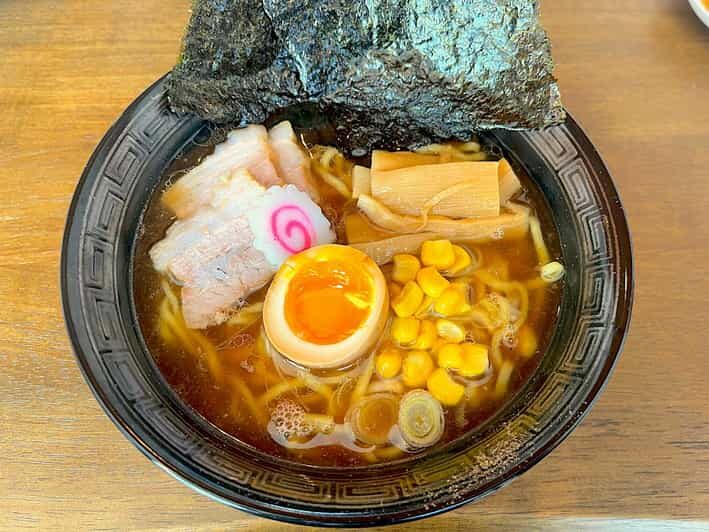 ★ 5.0Tokyo: Sushi and Ramen Cooking Class with Sake Pairing SetFrom $1293 hours
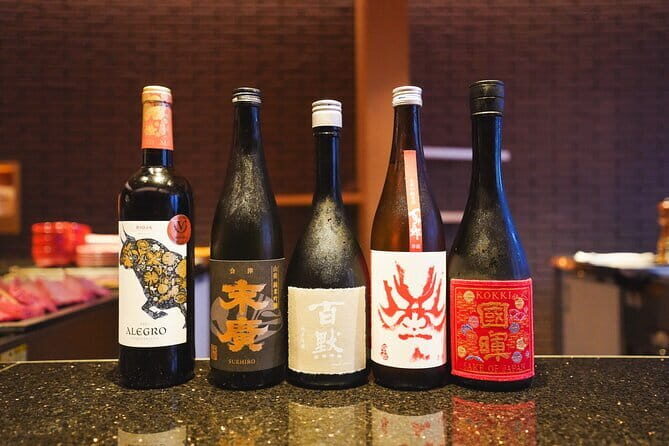 ★ 5.0Wagyu Beef and Sake Pairing Foodie Tour in TokyoFrom $218
 ★ 5.0Wagyu Beef & Sake Pairing Foodie Tour in TokyoFrom $1803h 30m
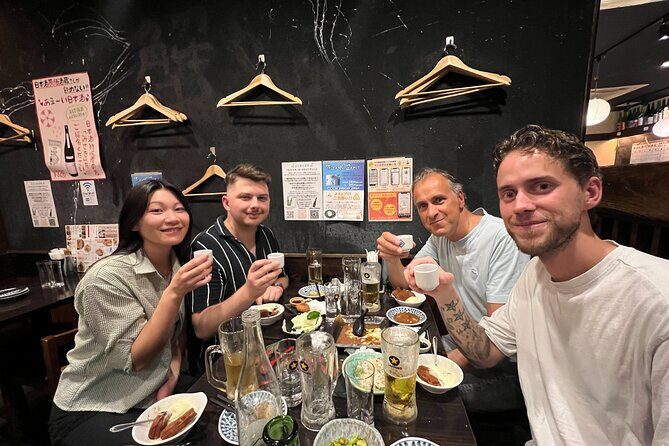 ★ 5.0Sake Pairing Workshop with Japanese Food in ShinjukuFrom $73
The lists this tour appears in