
Reviewed · SHIBUYA DRINKING TOURS
Shibuya: Local Food & Culture Walk in Sangenjaya District
Tokyo’s local side starts fast. Sangenjaya is just two stops from Shibuya, yet the mood feels old-school: lantern-lit lanes, tiny shrines, and retro bars between bites. I love the yakitori start on Suzuran Street (freshly grilled, easy-going vibe) and the Carrot Tower free deck for a 360-degree night view. The main drawback is the pace: it’s a steady night of walking and eating for about four hours, so comfy shoes matter, and if you need lots of dietary changes, you should plan to flag them early with the guide.
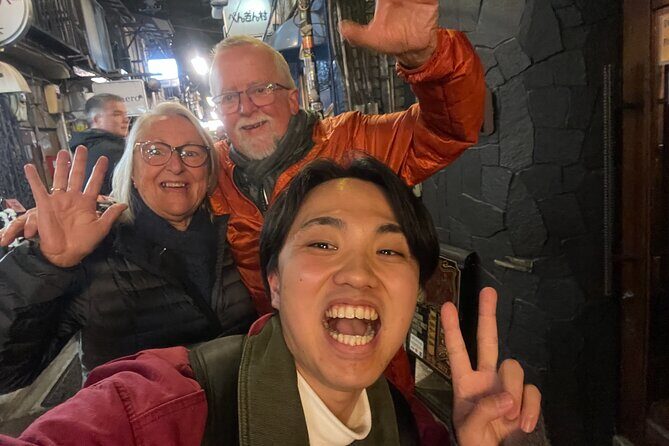
This is also the kind of small-group night I appreciate. With a maximum of 4 travelers and an expert guide like Hiro, you get conversation, real local context, and a route that skips the big tourist traps without feeling like you’re wandering alone.
In This Review
- Why Sangenjaya Feels More Like Real Tokyo Than Shibuya
- Key highlights you can plan around
- Price and value: what $123.57 buys you
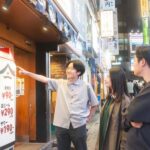
- Meeting Hiro and getting your bearings near Carrot Tower
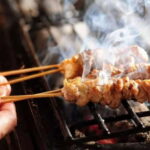
- Suzuran Street izakaya start: yakitori and an easy first sip
- Gorilla Building: a quick photo break with local character
- Taishido Hachiman Shrine: a calm reset between the food stops
- Chazawa-dori dinner with all-you-can-drink and classic dishes
- Carrot Tower free deck: your 360-degree night view
- Ending in Sankaku Chitai: a triangle district of tiny bars
- How the group size changes the feel
- Who this walk is best for
- Who might want a different plan
- Should you book this Sangenjaya food and culture walk?
- FAQ
- How long is the Sangenjaya food and culture walk?
- How much does it cost, and what’s the price per person?
- What’s included in the tour besides the guide?
- Are drinks included, and do you have non-alcoholic options?
- Where do I meet, and where does the tour end?
- Is the tour a large group or a small group?
- Do I get a ticket on my phone?
- Can I cancel for a full refund?
Why Sangenjaya Feels More Like Real Tokyo Than Shibuya
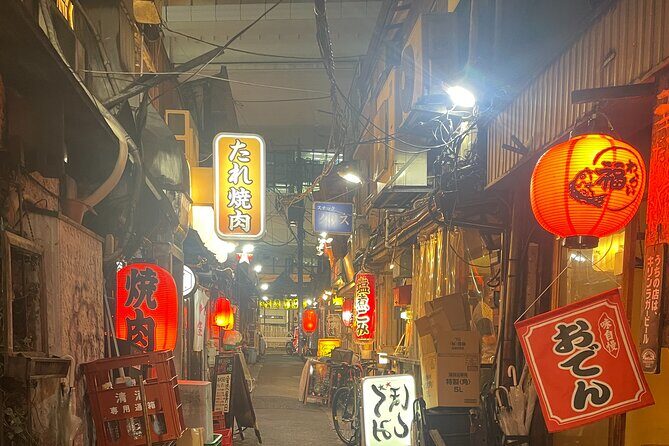
If you’ve been to Shibuya at night, you know the drill: crowds, flash, and everyone aiming for the same photos. Sangenjaya is close enough to reach easily, but it moves at a different tempo. You’re in a neighborhood of small izakayas, retro bars, and a few landmarks that locals actually talk about.
This walk works because it mixes food with context. You’re not just eating; you’re learning how these streets function after dark—where people linger, where you grab a quick skewer, and how the vibe changes block to block. Even the route order makes sense: you start casual, build to dinner, then finish with views and nightlife.
Key highlights you can plan around
- 13 Japanese dishes across 3 stops so you sample widely, not just one meal
- Suzuran Street yakitori as an easy entry to izakaya culture
- Gorilla Building photo stop for a quick, funny Tokyo moment
- Taishido Hachiman Shrine for a calm pause near your food crawl
- Carrot Tower free observation deck with a sweeping night panorama
- Sankaku Chitai Triangle District to end in an alley maze of tiny bars
Other Shibuya drinking tours we've reviewed in Tokyo

Price and value: what $123.57 buys you
At $123.57 per person for about 4 hours, this isn’t a budget snack-and-wander. But the value comes from what’s bundled.
You get a professional expert guide, city walking, and food that’s not shy on quantity. The package includes 13 Japanese dishes at 3 eateries, plus 2 complimentary drinks, and the main dinner stop includes an all-you-can-drink plan with a variety of Japanese drinks. When a tour feeds you like this, you’re paying for the guide’s local access and the convenience of not having to sort out where to go next.
One practical note: gratuity is optional and not included. If you’re happy with the pace and the explanations, you’ll know what to do.
Meeting Hiro and getting your bearings near Carrot Tower
You’ll meet at FRESHNESS BURGER Sangenjaya, inside the Carrot Tower North building (1F) area. The end point is in the Sankaku Chitai nightlife lanes, at a bar about a 2-minute walk from Sangenjaya Station.
This matters more than it sounds. Carrot Tower is a strong reference point, and the meeting spot is close to public transport, so you’re not burning time figuring out where to stand. The tour is also capped at 4 travelers, so you won’t get lost in a giant group.
Bring a phone with decent camera storage. You’ll have at least one quick photo stop where being ready pays off.
Suzuran Street izakaya start: yakitori and an easy first sip
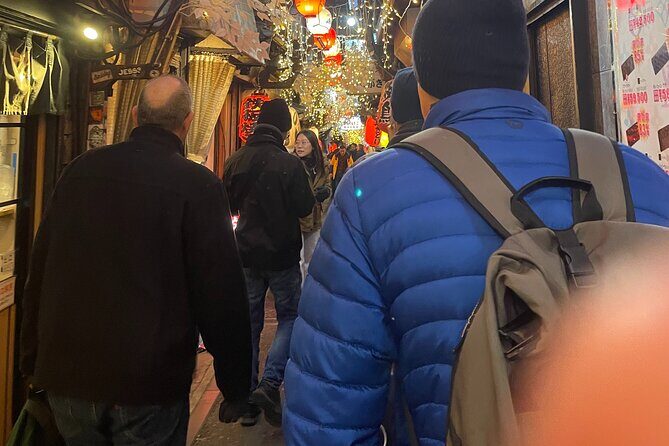
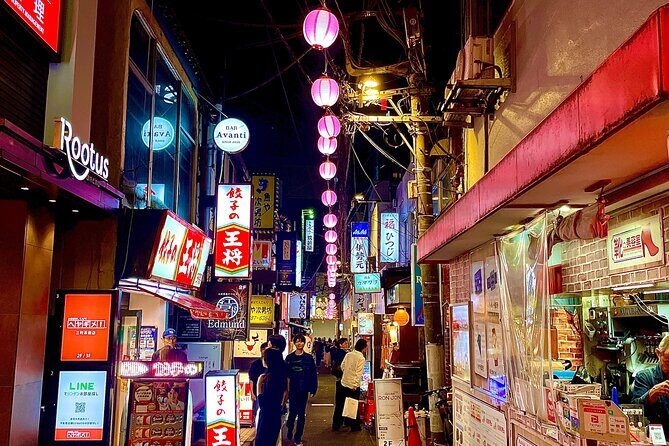
Your evening begins on Suzuran Street, a lantern-lit alley that feels like a throwback to older Tokyo. The start is designed to lower the volume and warm you up for the rest of the night.
You’ll get freshly grilled yakitori—juicy chicken skewers—plus a drink choice that includes beer, highballs, or a non-alcoholic option. That mix is practical: you can pace yourself without the pressure of committing to one style of drinking.
This stop lasts about an hour, which is a sweet spot. It gives you time to try the food, get comfortable talking with your guide, and ask questions before the itinerary turns into a full-on dinner and views sequence.
One consideration: izakaya nights are social by nature. If you prefer silent sightseeing, you may find the atmosphere a bit lively.
Gorilla Building: a quick photo break with local character
Next up is the Sangenjaya Gorilla Building, a quirky landmark locals nickname for the giant gorilla climbing the facade. It’s a short stop—around 10 minutes—so think of it as a playful pause, not a museum visit.
This is a good time to do two things:
- Snap your photos.
- Check your energy. If you’re hungry, you’ll be ready for dinner soon. If you’re full, you can pace your drinking for the next leg.
The best part is that it doesn’t feel forced. It’s a real neighborhood photo spot, not some far-away detour.
Other walking tours we've reviewed in Tokyo
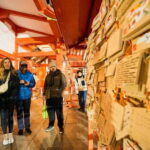



Taishido Hachiman Shrine: a calm reset between the food stops
Then you slow down at Taishido Hachiman Shrine in Sangenjaya. It’s smaller than the big famous shrines, but that’s the point. It’s a quiet pocket where you can step out of the street noise for about 15 minutes.
The shrine is described as being founded in the 17th century to protect the area and its people. Even if you don’t read every plaque, that sense of continuity is what you feel—this is where the neighborhood roots show through, right next to nightlife streets.
Practical tip: when the group moves again, you’ll be walking. So use this stop to reset your breath and your posture, not just your camera.
Chazawa-dori dinner with all-you-can-drink and classic dishes
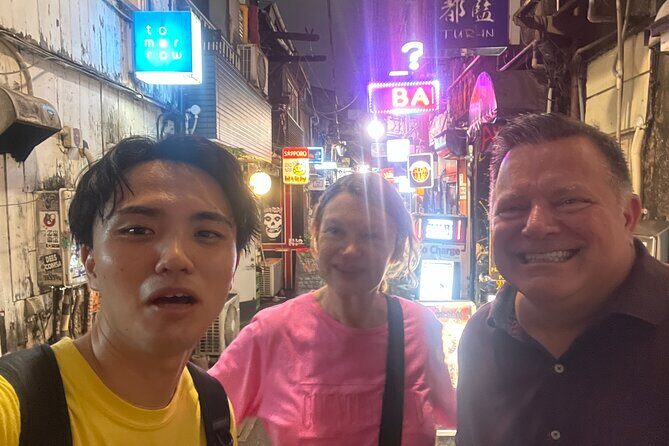
Dinner is the big payoff. You head to Chazawa-dori, one of Sangenjaya’s main roads known for its local food scene.
Here you’ll find a lively izakaya and an all-you-can-drink plan. You can expect classic Japanese dishes such as karaage, sashimi, grilled fish, and edamame. The timing is about an hour, which keeps the evening flowing without dragging.
This is also where the tour’s “13 dishes” idea starts to feel real. Instead of eating one heavy set meal and calling it a night, you’re tasting multiple items so the flavors stay interesting.
A balanced note: if you’re the type who only eats one or two things at a time, you may want to pace yourself through the all-you-can-drink portion. The food keeps coming, and you’ll want to enjoy it, not rush it.
Carrot Tower free deck: your 360-degree night view
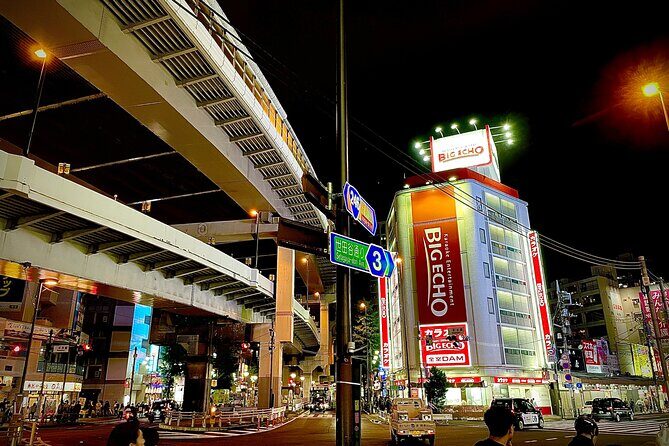
After dinner, you get a rooftop-style perspective at Carrot Tower. The observation deck is free, and you spend about 20 minutes up there.
The view is described as a 360-degree panorama with night lights stretching from Shibuya toward central Tokyo. This is where the route makes emotional sense. You’ve been inside alleys and narrow streets, so seeing the city spread out gives you bearings fast—like your whole evening turns into a map.
This stop also helps you transition. After a meal-heavy hour, a quick view break lets your stomach settle and gives your brain something visual to latch onto.
If you go during a clearer evening, you’ll likely get better definition in the far lights, but the tour doesn’t promise weather. Still, Tokyo at night is photogenic on most nights.
Ending in Sankaku Chitai: a triangle district of tiny bars
The tour finishes in Sangenjaya Sankaku Chitai, sometimes explained as the Triangle District. Picture narrow alleys with neon signs and tiny bars packed close together, giving the area an underground-feeling vibe.
You end around an atmospheric bar spot that’s about a two-minute walk from Sangenjaya Station. This is smart design. You can either keep going on your own afterward or head back without hunting for transportation.
You also get a subtle “locals do this” lesson here. The point isn’t to cover every bar. It’s to see how the nightlife forms a network of small places where people drop in, drink, and move on.
If you’re worried about feeling overwhelmed, remember your group ends here, not earlier. You’ll already have a guide’s framing and the confidence of knowing the neighborhood rhythm.
How the group size changes the feel
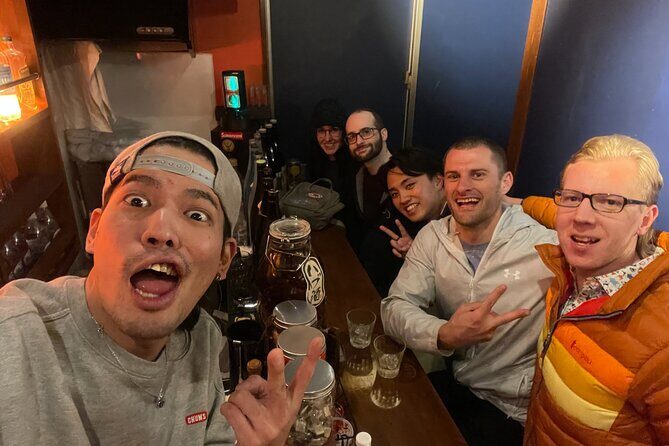
With a maximum of 4 travelers, you get something you won’t always get on food tours: space. You can ask questions without shouting. You can also adjust your pace if you feel you’re moving too fast.
This small size is especially useful at izakayas, where seating can be tight. It’s easier for the guide to manage the flow when the group is small, and you’re less likely to feel like a line in a theme park.
Who this walk is best for
I think this tour fits best if you want:
- Real local neighborhood energy without the big Shibuya crush
- A guided route that takes you to food spots you might not find on your own
- A mix of snacks, dinner, and night views in one smooth evening
It’s also a strong choice if you like meeting other people and talking. The format is social, and the guide’s role is not just logistics—it’s helping you understand what you’re eating and why the places matter.
Who might want a different plan
Skip this style of tour if you’re trying to avoid food-and-drink pacing. You’re on your feet, you’ll eat multiple items, and the evening is structured to keep moving.
Also, if you have serious dietary restrictions, the information you have doesn’t spell out alternatives. You can still ask, but you should expect you’ll need to coordinate with the guide.
Should you book this Sangenjaya food and culture walk?
If you want a Tokyo night that feels like you’re borrowing a local’s route, this is a good match. The combination of yakitori on Suzuran Street, a main dinner with all-you-can-drink, a calm shrine stop, and then Carrot Tower’s free deck makes for a well-balanced evening. You end in Sankaku Chitai, where the streets keep humming even after you finish the guided portion.
The only real reason to hesitate is the walking-and-eating pace. If that sounds fun, go for it—especially since the group is small and the guide support is part of the value. If that pace stresses you out, you might prefer a shorter food tour or a daytime neighborhood walk instead.
FAQ
How long is the Sangenjaya food and culture walk?
It runs for about 4 hours.
How much does it cost, and what’s the price per person?
The price is $123.57 per person.
What’s included in the tour besides the guide?
You get city walking, 2 complimentary drinks, and 13 Japanese dishes across 3 eateries, including a traditional street-stall style stop, an izakaya with all-you-can-drink, and an atmospheric bar stop.
Are drinks included, and do you have non-alcoholic options?
Yes. The start includes a choice of beer, highball, or a non-alcoholic drink, and the dinner stop includes an all-you-can-drink plan.
Where do I meet, and where does the tour end?
Meet at FRESHNESS BURGER Sangenjaya (Carrot Tower North building, 1F). The tour ends at a bar in Sangenjaya Sankaku Chitai, about a 2-minute walk from Sangenjaya Station.
Is the tour a large group or a small group?
It has a maximum of 4 travelers.
Do I get a ticket on my phone?
Yes, it uses a mobile ticket.
Can I cancel for a full refund?
Yes. You can cancel up to 24 hours in advance for a full refund.
More Food Experiences in Tokyo



More Walking Tours in Tokyo
More Shibuya Drinking Tours in Tokyo



More tours in Tokyo we've reviewed




Shibuya Drinking Tours, compared.
 ★ 5.0Shibuya Meltdown Nightlife Tour: All-You-Can-Drink Bar HoppingFrom $106
 ★ 4.9Shibuya: Local Bar & Izakaya CrawlFrom $293 hours
 ★ 5.0Tokyo: Shibuya Local Bar & Izakaya Crawl TourFrom $39
 ★ 5.03-Hour Tokyo Pub Crawl Nightlife Welcome Guided Tour in ShibuyaFrom $46
 ★ 4.8Shibuya Meltdown Night Tour: All-You-Can-Drink Bar HoppingFrom $1033 hours
 ★ 5.0Tokyo: Private Shibuya Bar Crawl Tour -3 Drinks & Local Foods-From $105
 ★ 5.0Tokyo Shibuya Hidden Izakaya and Karaoke Night TourFrom $19
 ★ 5.0Shibuya Bar Hopping Adventure Unique and Drank ExperienceFrom $125
The lists this tour appears in