
Reviewed · KOBE SAKE TOURS
Nishinomiya: Sake Brewery Tour Near Kobe – Visit 3 Breweries
Three breweries, one easy walk.
This tour is a tight, high-impact way to understand why Nishinomiya is such a serious sake region. You visit three different breweries—Hakushika, Hakutaka, and Nihon Sakari—and you get tastings tied directly to what the makers believe is important: rice choice, fermentation style, and the way aroma and taste develop. I especially like that the guide doesn’t treat it like a factory tour only; you also get Nishinomiya’s cultural context. One practical drawback: with multiple tastings and a few sips of other drinks during the stops, you’ll want to go in expecting alcohol on the agenda and to pace yourself.
You start near Hanshin Nishinomiya Station and end at Imazu Station, so it feels like a little neighborhood stroll, not a round-trip mission. There’s a strong cultural opener at Nishinomiya Jinja (Nishinomiya Ebisu), then you move into brewing spaces where traditional technique meets modern improvements. In the same spirit, guides such as Julien, Aki, and Kaito have been praised for turning sake into something you can connect to daily Japanese life, not just science on a poster.
In This Review
- Key things that make this Nishinomiya sake tour click
- Nishinomiya Sake Country: why this 3-hour loop is smart
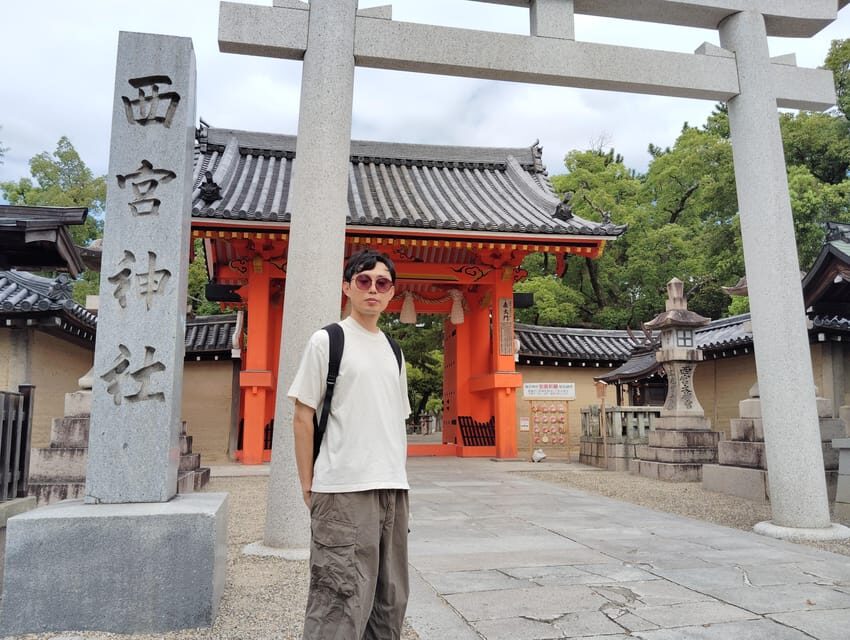
- Nishinomiya Ebisu shrine: starting with culture before the first sip
- Hakushika at 白鷹禄水苑: crisp style, museum pacing, and a wine break
- Hakutaka: clean sharp taste and why fermentation choices matter
- Nihon Sakari: aromatic standouts and the walk to Imazu Station
- How the tastings work: from Junmai to Junmai Daiginjo, without the guesswork
- Price and value: $74 for three breweries and included tasting fees
- Who this tour suits best (and who might want a different plan)
- Should you book this Nishinomiya sake tour?
- FAQ
- Where do I meet the guide?
- How long is the tour?
- Which breweries are visited?
- What’s included in the price?
- Are there tastings during the tour?
- What languages are available?
- Is free cancellation available?
Key things that make this Nishinomiya sake tour click
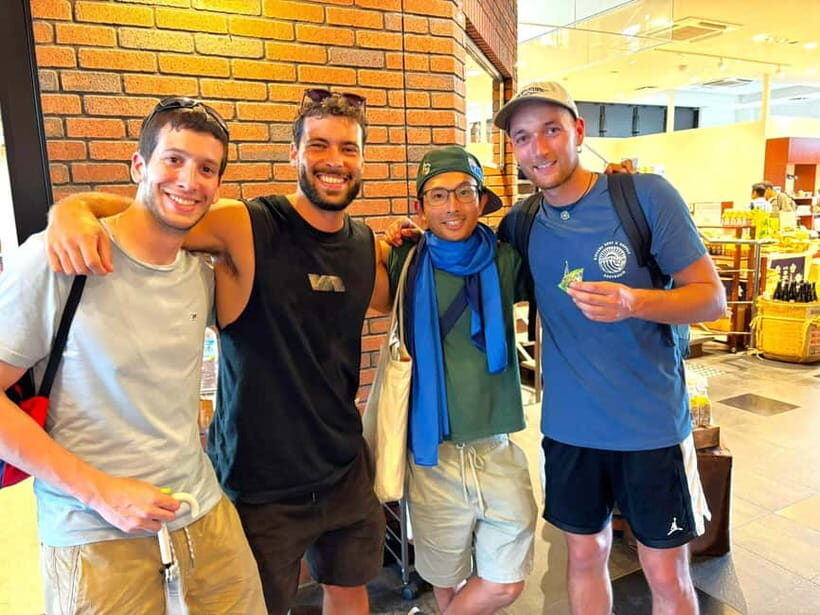
- Three-brewery format: Hakushika, Hakutaka, and Nihon Sakari, each with a different personality in the glass.
- A shrine stop first: Nishinomiya Ebisu sets the tone before you ever taste.
- Tastings with range: you can sample multiple styles, from Junmai through Junmai Daiginjo, and often more than eight kinds.
- Brewing process explained in plain language: rice selection and fermentation are tied to aroma and flavor.
- Taste it, then buy it: if you fall for a label, bottles may be available for purchase at/near tasting points, including some that are sold only there.
- Not just sake: wine tastings show up at select stops, so you get a quick comparison mood.
Nishinomiya Sake Country: why this 3-hour loop is smart
If your goal is to understand Nishinomiya, this tour hits the sweet spot: enough structure to compare breweries, but short enough that you don’t spend your whole day in transit. Nishinomiya is known for sake production that’s both traditional and technically serious—think careful rice work, controlled fermentation, and a style of brewing that keeps aroma clear rather than muddy.
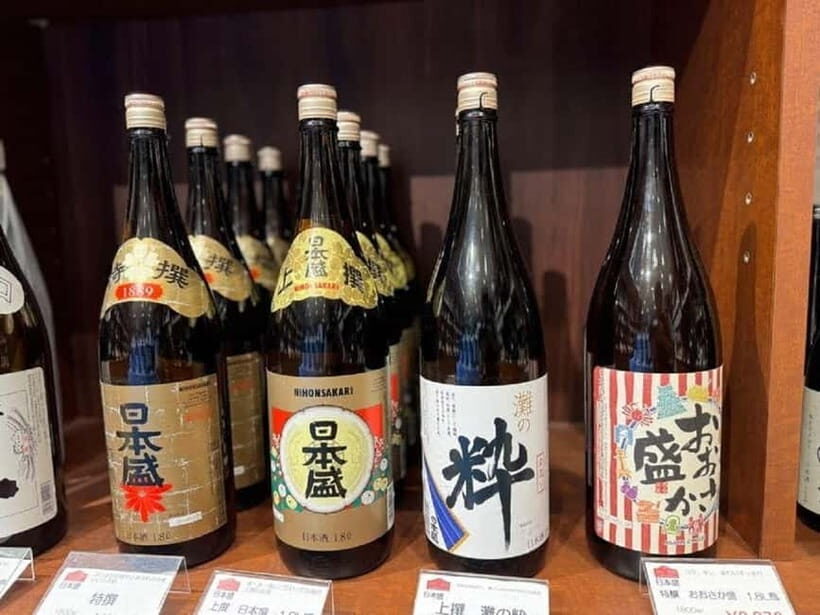
What makes this experience feel especially practical is the way the tour frames the differences between breweries. Hakushika is often associated with sake that leans fragrant and crisp—easy to enjoy even if you’re new to Japanese sake. Hakutaka tends to come across more subtle in aroma, with a taste that feels sharp and clean. Nihon Sakari’s sake is known for being notably aromatic, so it’s the kind of stop where you start noticing how aroma can guide your expectations before you even taste.
You’ll also get guidance on the culture behind the process. That matters because sake isn’t treated as just a drink in Japan. It’s connected to local identity, seasonal rhythms, and community traditions—especially in areas like this where production is a point of pride.
Nishinomiya Ebisu shrine: starting with culture before the first sip
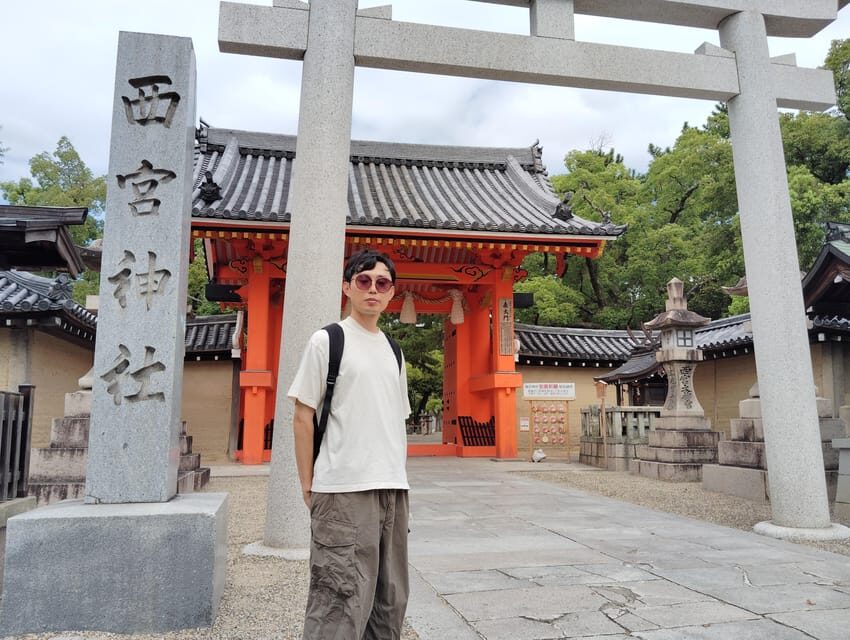
The tour begins at Nishinomiya Jinja (Nishinomiya Ebisu), reached by a short walk from the station. This isn’t a random photo stop. Ebisu shrines connect to themes of good fortune and prosperity, and the guide explains why that relationship shows up in how people think about sake and community celebrations.
In a short 15-minute guided visit, you get just enough background to make later moments click. When you’re standing near brewing facilities, you’ll understand the sense that sake-making isn’t isolated craft—it’s part of a local world. It’s also a good mental reset: instead of rushing straight to tastings, you start with atmosphere and context.
Practical tip: if it’s a rainy day, you may still want a light layer. It’s a walk-and-stand sort of schedule, and shrine areas tend to be better enjoyed with comfortable shoes and a quick weather-proof plan.
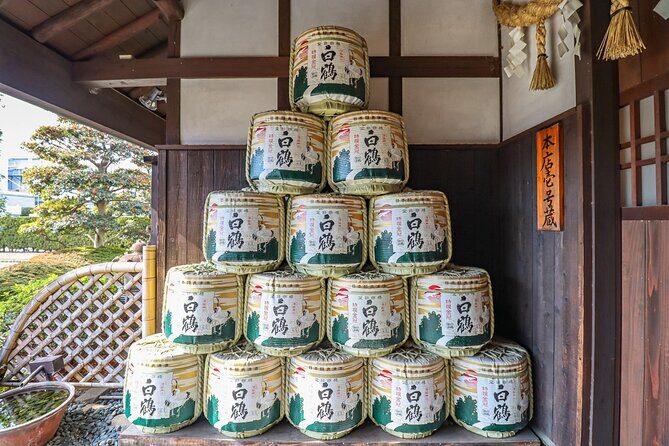
Hakushika at 白鷹禄水苑: crisp style, museum pacing, and a wine break
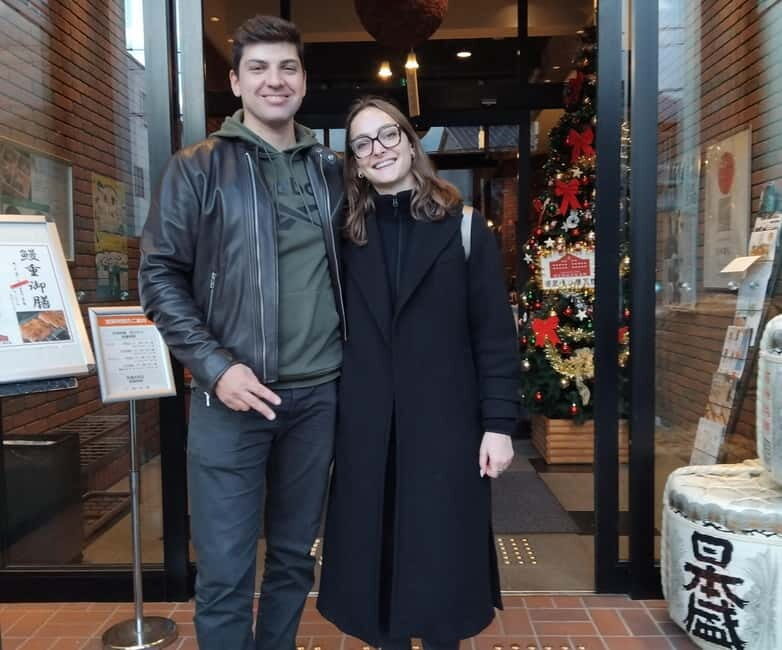
Next comes 白鷹禄水苑, tied to Hakushika. This stop mixes guided explanation with a tasting element, including wine tasting time. The point isn’t to turn it into a wine tour; it’s more like a palate warm-up and a comparison tool, helping you pay attention to aroma and acidity in a broader sense before you focus purely on nihonshu.
Hakushika’s sake reputation fits what you’re learning here: fragrant, crisp profiles that are meant to be easy to enjoy without feeling simplistic. During the guided portion (which lasts long enough to feel structured), you’ll get a look at traditional brewing approach alongside modern improvements. The tour pacing usually makes it clear that what you smell and taste in the cup is the result of choices upstream—how the rice is treated, how fermentation is managed, and how makers aim for clarity.
One subtle value of this stop is that it teaches you how to listen with your senses. If the guide explains what to notice, you start tasting with a checklist: aroma first, then texture and finish. You can leave this part of the day with a mental map of what different brewing priorities produce.
Hakutaka: clean sharp taste and why fermentation choices matter
After the Hakushika segment, the tour continues with Hakutaka and its own guided time and tasting. Hakutaka’s style is often described as having subtle aroma but a sharp, clean taste. That’s a great pairing with the earlier Hakushika stop because it trains your palate not to assume that the strongest smell automatically equals the best experience.
In this part of the tour, the guide’s job is especially important. Sake can feel like one big category when you’re new, but it becomes understandable when someone ties the process to the result. You’ll hear about how brewing decisions influence the final balance—how the fermentation process shapes what you perceive as crispness, smoothness, or firmness.
You’re also learning a practical travel skill: how to taste like you’re making choices, not just collecting sips. The best guides have you think in terms of structure—aroma, body, and finish—so each new tasting becomes a comparison rather than a repeat.
If you have dietary concerns or strong preferences about alcohol, this is where you’ll appreciate that the tour is guided and paced. You’ll be able to regulate your participation rather than being dropped into an unstructured sampling table.
Nihon Sakari: aromatic standouts and the walk to Imazu Station
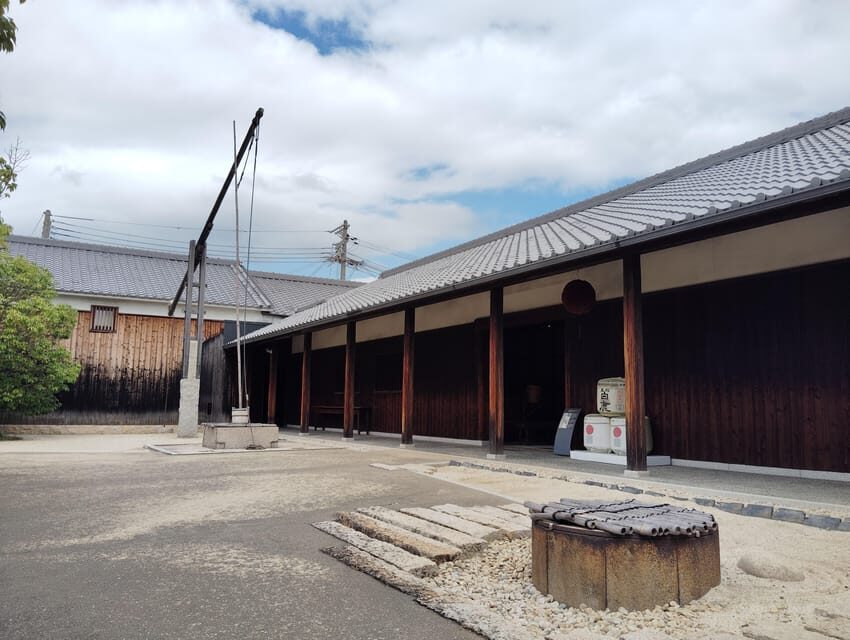
The final brewery stop is Nihon Sakari, known in the region for remarkably aromatic sake. This is a satisfying way to close the loop because it returns you to aroma—stronger and more pronounced—after you’ve tasted the cleaner, sharper Hakutaka style and the crisp, easy-to-enjoy Hakushika profile.
By the time you reach Nihon Sakari, you should have enough context to notice how aromatics can change your expectations of sweetness, dryness, and texture. That’s not just tasting trivia. It helps you understand why someone might love one brewery’s approach and not another, even if the labels look similar on a shelf.
At the end, you finish at Imazu Station. That matters for planning: you can step right into your next leg of the day without backtracking the same route. It’s also a nice end-of-tour moment. After three hours of learning and sipping, it feels good to get back into normal travel mode.
How the tastings work: from Junmai to Junmai Daiginjo, without the guesswork
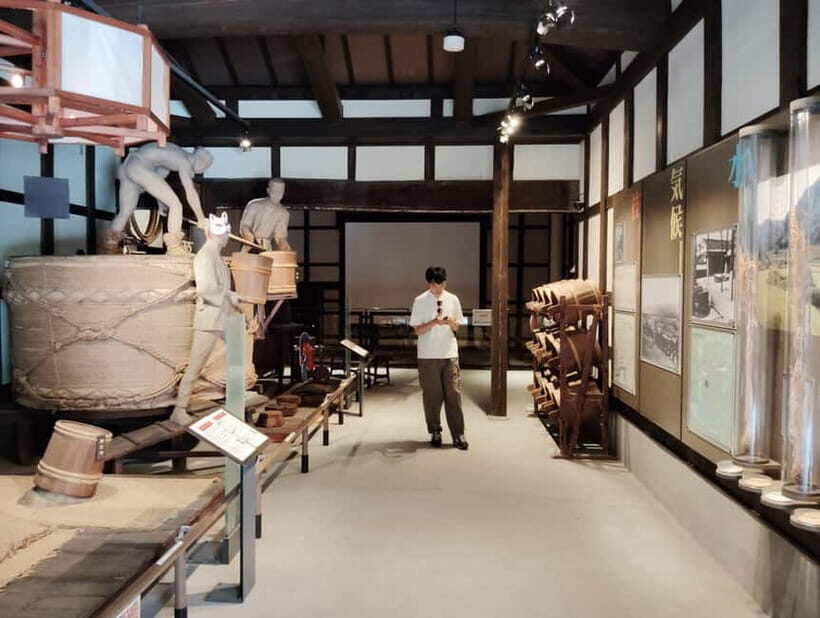
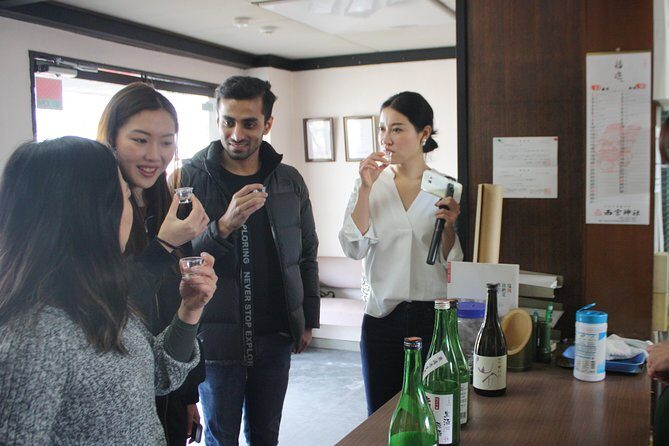
This tour’s main strength is that tasting isn’t treated like a free-for-all. You get explanations tied to each stop, and you sample multiple sake varieties across breweries. One group has been guided through more than eight types of nihonshu, ranging from Junmai to Junmai Daiginjo. Even if your exact selection differs, the structure is the same: you’re meant to compare styles and recognize how aroma and fermentation priorities shift the final cup.
Here’s how to make the tastings pay off:
- Take notes in your head: aroma words you actually use (fruity, rice-forward, clean, earthy).
- Watch your finish: does it fade quickly or linger? Crisp finishes often read as cleaner.
- Expect comparisons: Hakushika and Hakutaka make a helpful contrast, then Nihon Sakari adds an aromatic punch.
Also, don’t underestimate the practical value of a good guide. Past groups have credited guides like Julien, Aki, and Kaito with explaining not only sake, but also Japanese culture and the symbolism around Ebisu. That kind of context makes you remember what you tasted for longer than the trip.
Price and value: $74 for three breweries and included tasting fees
At about $74 per person for a 3-hour tour, the value comes from two things: you’re paying for a guided loop plus the tasting fees. That’s the key difference between a guided experience and self-guided brewery shopping. You’re not just walking into places; you’re getting someone to connect process to taste while you sample multiple styles.
Is it cheap? No. But for what you get—three brewery visits, guided time at each stop, and included tasting costs—it’s in the reasonable zone for a premium food-and-drink experience in Kansai. The fact that you can end the tour by buying bottles you like also sweetens the deal, especially if the tasting venues sell labels at sensible prices and sometimes offer bottles exclusive to that location.
If you’re comparing to tasting sessions you’d book at specialty shops, the included guidance is what usually justifies the price. You’re not paying just to drink; you’re paying to understand what you’re drinking.
Who this tour suits best (and who might want a different plan)
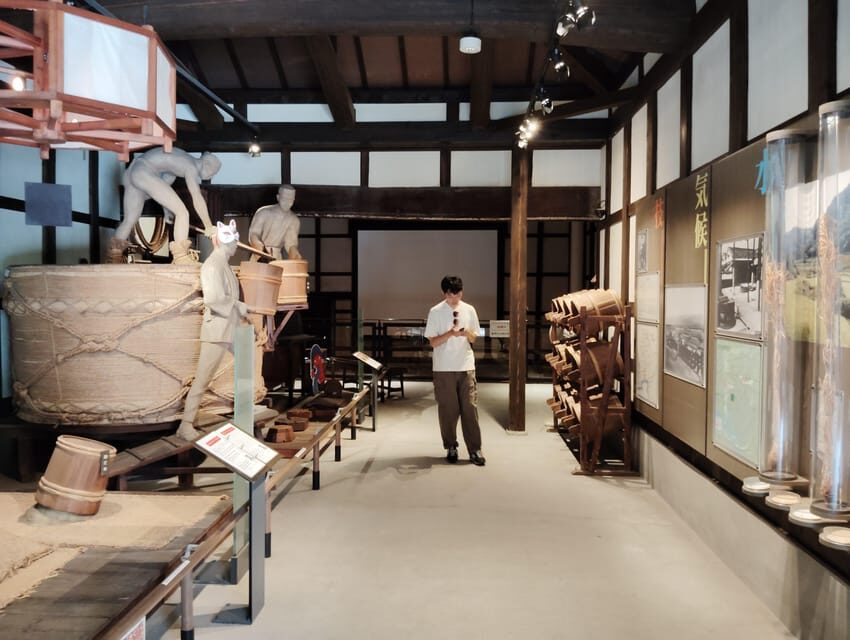
This tour is ideal if you want a guided, efficient way to learn Nishinomiya’s sake identity without getting lost in details on your own. It’s also a good match if you like structured travel: you’ll have a clear starting point, set visits, and a finish at Imazu Station.
You’ll probably enjoy it even more if you’re the type who likes comparisons—crisp versus sharp, subtle aroma versus aromatic intensity. And if you’re traveling in a small group or going private, you’ll likely get more direct attention from the guide when you ask questions.
Consider a different activity if you want a deep technical class with lots of lecture time. This is a taste-and-context tour, not a full day of fermentation labs. Also, because tastings are part of the experience and the itinerary includes wine tasting segments at select stops, you’ll want to be comfortable with sampling alcohol during the 3 hours.
Should you book this Nishinomiya sake tour?
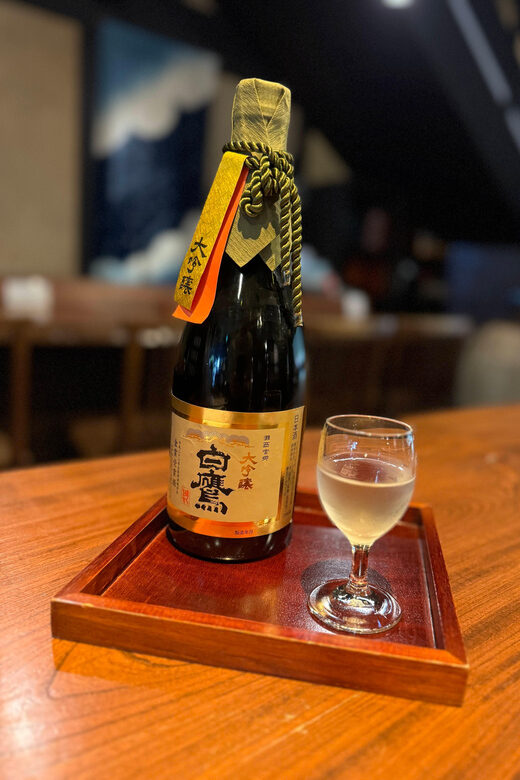
Yes, if you want a high-value way to understand Nishinomiya sake in just a few hours. You’ll see three major breweries—Hakushika, Hakutaka, and Nihon Sakari—and you’ll taste enough variety to figure out what styles you actually like. The shrine start and the guide-led explanations make it feel grounded in the local culture, not just a stop list.
Book it especially if:
- you’re short on time near Kobe and want a focused sake experience
- you prefer guided tastings over wandering on your own
- you want to compare breweries rather than sample the same style repeatedly
Skip or adjust if:
- you don’t want alcohol sampling during the tour
- you’re looking for a long, lecture-heavy workshop
If you’re staying in the Kobe area, this is one of the easiest ways to get serious about sake without making your day complicated.
FAQ
Where do I meet the guide?
Meet your guide in front of the Hanshin Nishinomiya Station Ebisu-Guchi ticket gate. The guide will be holding a yellow sign with the DeepExperience logo.
How long is the tour?
The tour duration is 3 hours.
Which breweries are visited?
You’ll visit three breweries in Nishinomiya: Hakushika, Hakutaka, and Nihon Sakari.
What’s included in the price?
The price includes the guide fee and the sake tasting fee.
Are there tastings during the tour?
Yes. You’ll enjoy sake tastings as part of the visits, and the itinerary also includes wine tasting segments at specific stops.
What languages are available?
The live tour guide is available in English and Japanese.
Is free cancellation available?
Yes. You can cancel up to 24 hours in advance for a full refund.
Kobe Sake Tours, compared.
 ★ 5.0KOBE Sake Tasting Tour at Breweries (tasting fee included)From $109
 ★ 5.0Kobe: Guided Sake Breweries Tour with TastingsFrom $1063h 30m
 ★ 5.0Sake Brewery and Japanese Life Experience Tour in KobeFrom $83
 ★ 4.51-Day Kobe Highlights Tour including Sake TastingFrom $171
 ★ 4.4Kobe: 3-Hour Sake Breweries Tour with Special TastingFrom $94
 ★ 5.0Exploring Nada Sake Breweries Kobe Private Tour with Government-Licensed GuideFrom $154
 ★ 5.0Kobe: Sake Brewery Tour with Tasting and Kobe Beef BitesFrom $83150 minutes - 3 hours
 ★ 4.7Kobe: Sake Brewery Tour with Tasting SakeFrom $833h 30m
The lists this tour appears in