
Reviewed · SAKE TASTING EXPERIENCES
Casual Japanese sake tasting and snack experience, Kabukicho
Sake and snacks in Shinjuku can be surprisingly educational. This casual Kabukicho experience walks you through 8 types of sake in a way that’s easy to follow, and it pairs each pour with snacks so you can taste differences, not just sip alcohol. Two things I especially like: the snack pairings that make the flavors easier to notice, and the planned progression from simpler profiles to more complex ones. One drawback to consider: there’s no elevator, so it’s not wheelchair accessible.
I also appreciate that this is built for real first-timers. You’ll learn the basics fast, taste both lighter and stronger options, and finish with amazake as a sweet dessert-style closer. Plus, it’s a small group (limited to 6), so you’re not shouting over a crowd.
The vibe is casual, but you still leave with a better sense of what you like in Japanese sake—and why.
In This Review
- Key takeaways before you go
- Kabukicho sake tasting: what this really feels like
- Finding the meeting point near Shinjuku Station (and the easiest way in)
- The 8-sake lineup: why the order matters
- Pairing snacks: the secret teacher in the room
- Cold, hot, and the amazake finish
- Who guides you and how the language works
- Price and value: is $38 worth it?
- Time, pacing, and group size in a max-6 setting
- Kabukicho reality check: helpful advice for your first visit
- What I’d do if it’s your first sake tasting
- Who should book this sake tasting (and who should skip it)
- Should you book this Kabukicho sake tasting?
- FAQ
- How many types of sake will I taste?
- Does the tasting include snacks?
- What is included in the price?
- Where is the meeting point near Shinjuku Station?
- How long is the experience?
- What languages will the instructor speak?
- Is this activity wheelchair accessible?
- Who is the experience not suitable for?
- Can I cancel and get a refund?
Key takeaways before you go
- 8 carefully selected sakes designed for comparison, not random sampling
- Lower-alcohol first so your palate can reset and learn the differences
- Traditional Japanese snacks that help each sake show its character
- You’ll taste more than just straight sake, including amazake at the end
- Small group size (max 6) for questions and pacing you can actually keep up with
- Kabukicho location near Shinjuku Station, easy to reach, but the area can feel intense at night
Kabukicho sake tasting: what this really feels like
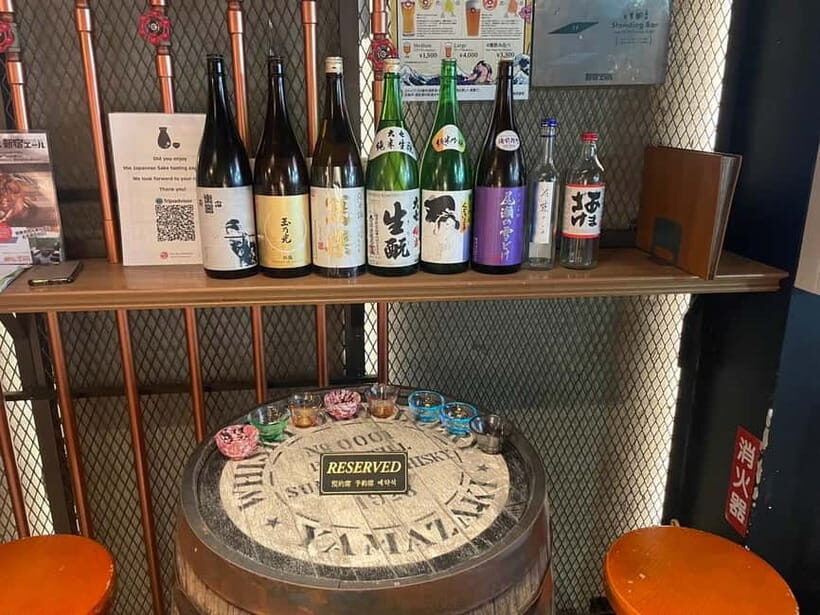
This is the kind of experience I like in Japan: structured enough to teach you something, but laid-back enough that you’re not afraid to ask questions. You’re in a casual setting in Kabukicho, the famous Shinjuku nightlife district. That means the energy can feel a little hectic outside. Inside, the tone is more friendly classroom than formal tasting room.
The core idea is simple. You compare sake side by side, and you do it with food in the mix. If you’ve ever tasted something new and thought, okay… but what am I supposed to notice, this format helps. The tasting order and the pairing snacks are doing the heavy lifting.
A good sign: the experience is described as enjoyable even if it’s your first time with sake. That doesn’t mean it’s watered down. It means it’s built to help you get your bearings quickly.
Other sake tasting experiences we've reviewed in Tokyo



Finding the meeting point near Shinjuku Station (and the easiest way in)
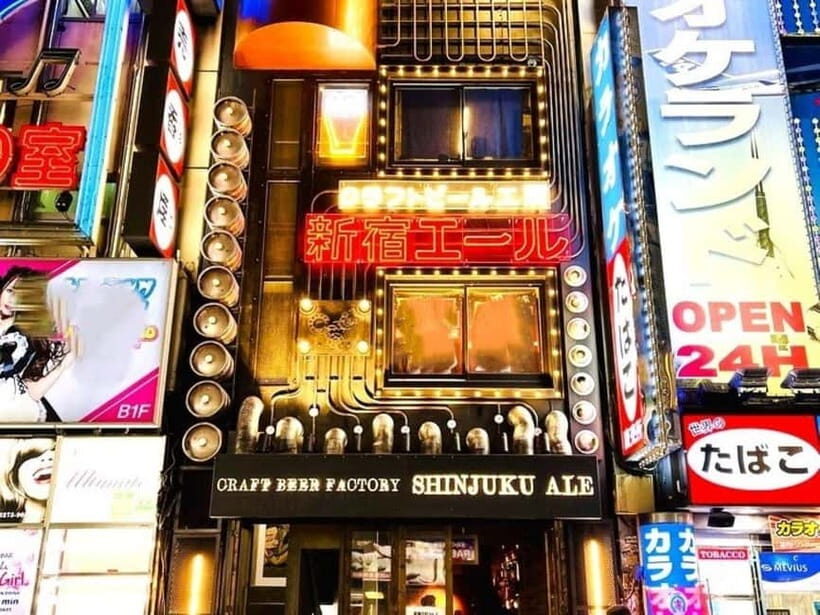
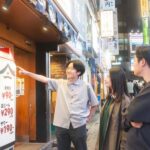
You meet about a 5-minute walk from Shinjuku Station on the JR Yamanote Line. The route is straightforward: walk along Kabukicho Central Road toward TOHO Cinemas. Look for Shinjuku Ale next to Karaoke 747 on your right.
A practical note from the ground: one review mentioned that the sign for the venue could be a bit hard to spot. So I’d plan to arrive a few minutes early and double-check your map before you step into the building. In Kabukicho, one wrong turn can turn into a scavenger hunt.
Also, expect the tasting to be on the upper level. One review specifically said the activity is on the 2nd floor of the bar, so don’t be surprised if you head upstairs when you get there.
The 8-sake lineup: why the order matters
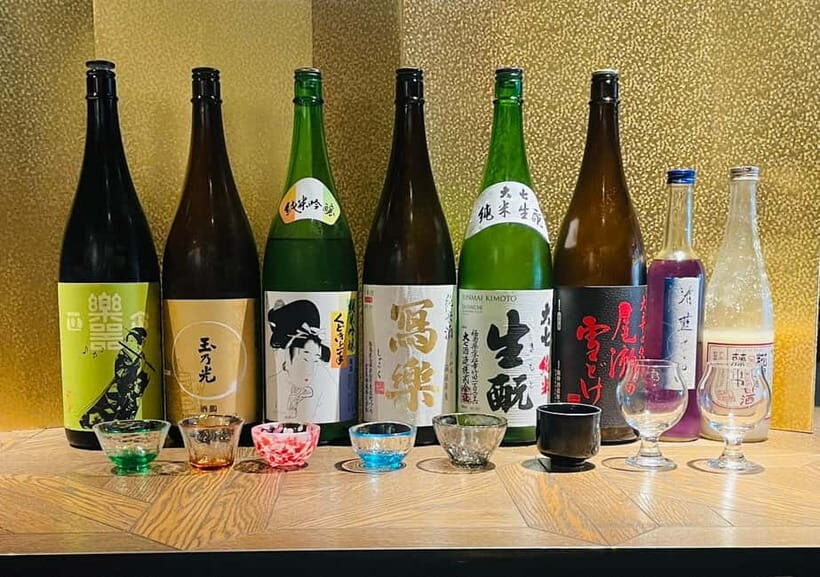
The experience centers on comparing 8 carefully selected varieties of sake. That’s the main event, and it’s where the value comes from. Instead of tasting a single bottle with generic narration, you’re tasting a sequence.
Here’s the pacing logic. You start with sake that has lower alcohol content. The guide info notes that average sake alcohol content is typically 15–16%, with some lower and some higher. Moving from lower to higher alcohol is a real palate strategy. When alcohol gets stronger, flavors can punch harder and overwhelm subtleties. Starting lighter helps you notice what changes before your senses get dulled.
As the flight progresses, you’ll get a broader sense of what you personally respond to—whether you prefer something that feels softer and easygoing, or something that feels more pronounced.
And since this is explicitly about comparison, the differences aren’t meant to be abstract. You’re meant to connect the sake you taste with what it tastes like in your mouth right then, and what happens when you add the snack pairing.
Pairing snacks: the secret teacher in the room
The snacks are not an afterthought. They’re part of how you learn. The experience includes traditional Japanese snack pairings alongside the sake, with the intention that the pairing enhances your appreciation of the drink.
In practical terms, this is what you’re doing:
- You taste the sake on its own.
- You try the accompanying snack.
- You notice how flavors shift—sweetness, saltiness, richness, and how the aftertaste feels.
This matters because sake can be tricky if you’re expecting it to behave like wine. In sake tasting, food pairing often changes the perception of balance. A snack can make a sake taste smoother, or it can highlight a sharper edge you didn’t notice before.
If you’re worried about not knowing the right words, don’t. You can keep it simple: does it feel lighter or heavier with each bite? Does it taste cleaner or more rounded? That’s the kind of feedback this format is built to support.
Cold, hot, and the amazake finish
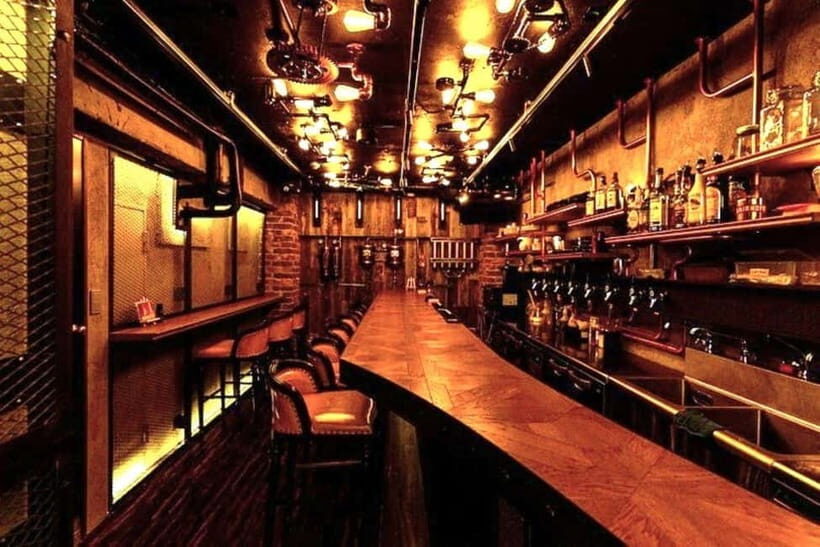
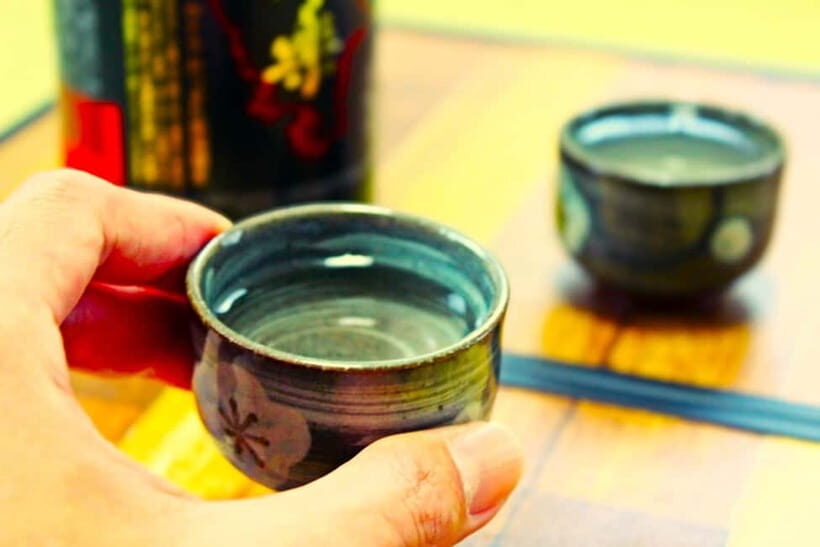
One review mentioned a range that goes beyond standard straight pours, including cold, hot, and even a cocktail-style option. While you shouldn’t assume your exact lineup until you’re there, it’s a good sign the tasting isn’t stuck in one temperature or one serving style.
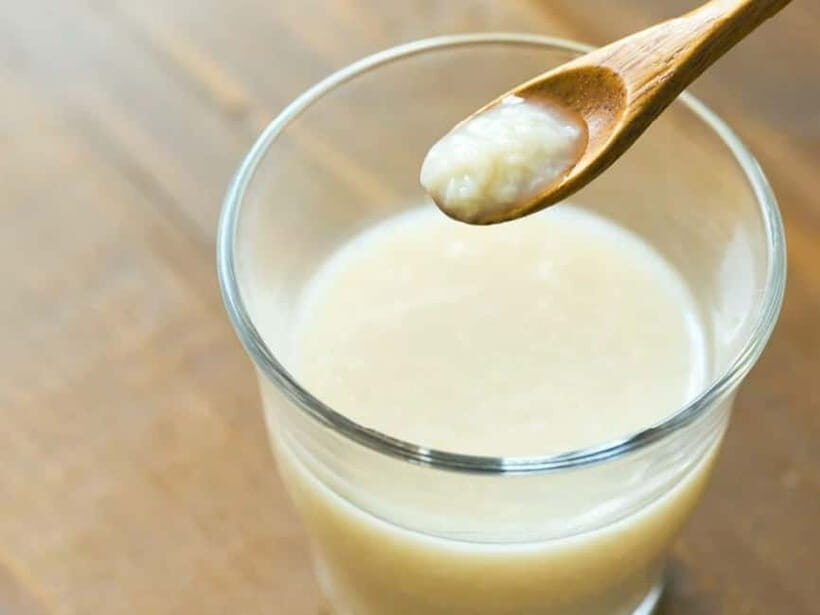
Then you end with amazake as a dessert. Amazake is described as a sweet, fermented drink made from rice malt. Ending on something sweet and comforting works. It helps you wrap up the experience with a palate reset, and it gives you a sense of how rice-based fermentation can show up in a non-dry, dessert-like form.
If you’re the type who likes a sweet finish after tasting sessions, you’ll likely appreciate this closer. It also makes the whole experience feel complete, not just an alcohol-focused lesson.





Who guides you and how the language works
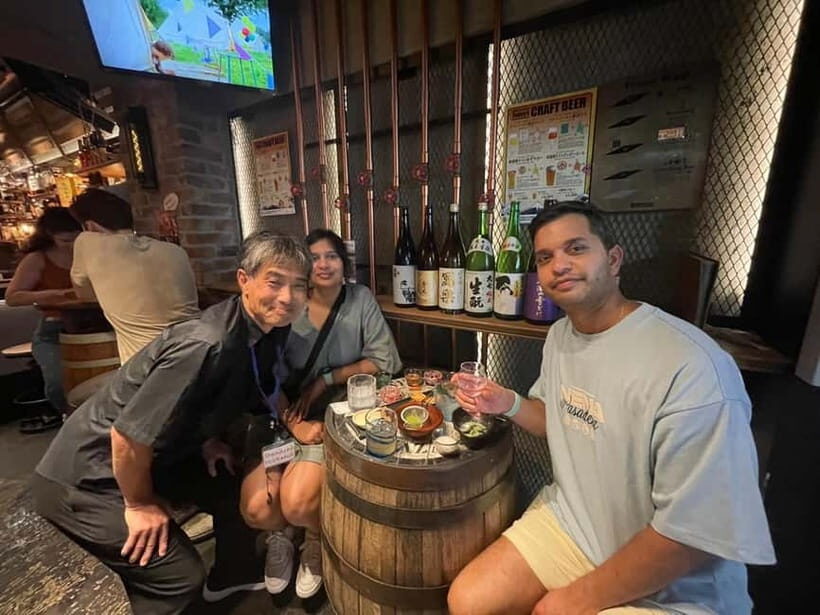
The instructor is listed as English and Japanese. In real life, that means you’ll be able to follow the explanation without needing special knowledge.
One important heads-up: some staff may not be strong in English, and they may use a translator machine. That’s very normal in Japan, especially for smaller groups. It’s not a deal-breaker. It usually just means you’ll get shorter chunks of explanation and you might ask questions slower than you would in a fully bilingual setup.
In terms of hospitality, one review called out a guide named Mai as friendly and welcoming. Another review highlighted that the guide explained things in a simple, progressive way and was responsive to questions. That combo—clear structure plus human warmth—is exactly what you want in a tasting.
Price and value: is $38 worth it?
At $38 per person for a 1-day experience, this isn’t the cheapest thing you can do in Tokyo. But it also isn’t trying to sell you a luxury souvenir or a long fancy dinner.
The value comes from what’s included:
- tasting 8 types of sake
- traditional snack pairings
- and all fees and taxes are included
What’s not included is also clearly stated: additional meals and drinks, transportation to the meeting point, and hotel pick-up/drop-off. So you’re paying specifically for the tasting experience, not a full-day itinerary with transport.
For comparison, if you usually spend money on bottles without learning what you like, this can be a smarter way to figure it out. The tasting gives you a set of reference points. Even if you don’t end up buying anything, you leave with better instincts for what to look for next time—what styles you prefer, and how alcohol strength and pairing change the experience.
If you’re trying to do a fun activity in central Tokyo and you like food, this price feels reasonable for what you get.
Time, pacing, and group size in a max-6 setting
This is a small group limited to 6 participants. That matters more than people think. In a tasting, you don’t just want the drinks. You want room to ask how to interpret what you’re tasting.
The pace is also built around comparison, starting with lower alcohol and moving upward. That structure helps you avoid the common mistake: getting halfway through and realizing you forgot what the first one tasted like.
You should also expect it to be on the shorter side, given it’s a single experience slot within a 1-day activity. Check available starting times when you book so you match it to your schedule in Shinjuku.
Kabukicho reality check: helpful advice for your first visit
Kabukicho is not for everyone. Even if you love Tokyo at night, the street energy can feel intense. One review mentioned the street where they arrived felt special in a way that made them a little afraid.
So here’s my practical suggestion: treat it like you would any nightlife district. Keep your phone charged, follow the route to the venue, and plan to arrive with enough time to locate the exact door calmly. Once you’re inside, the tasting setting is the part that matters.
If you’re coming late, don’t rush the meeting point search. A slower, more careful arrival keeps the whole experience from starting on the wrong foot.
What I’d do if it’s your first sake tasting
If you’ve never tried sake before, you don’t need to act like you’re training for a sommelier exam. Just use the format to learn.
- Start by paying attention to how alcohol strength changes your perception.
- During snack pairings, try one bite first, then sip. Then swap. Notice which order makes more sense to you.
- Keep a simple mental note: which ones feel easy to drink, and which ones feel heavier or sharper.
And if you buy a souvenir drink at the end, do it because you like the taste you actually remember—not because it looks cute. (Some tastings tempt you into souvenir shopping. Here, you’ll at least understand what you’re buying.)
Who should book this sake tasting (and who should skip it)
This experience fits you if:
- you want an easy introduction to Japanese sake with guided comparison
- you like food pairings and want to taste how they change the drink
- you prefer small groups where you can ask questions
It’s also a good plan if you’re in Shinjuku and want something focused that doesn’t require long travel time across town.
Skip it if:
- you’re under 20 (it’s not suitable for people under 20)
- you’re pregnant (not suitable for pregnant women)
- you need wheelchair accessibility (there’s no elevator)
Should you book this Kabukicho sake tasting?
Yes, if you want a short, structured way to learn what you like in sake. You’re getting 8 comparisons, snack pairings, and a sweet ending with amazake—all in a small group near Shinjuku Station. The $38 price makes sense because you’re paying for the tasting lesson and the pairing, not for extra meals.
You should think twice if you’re sensitive to the Kabukicho area’s atmosphere or if you need elevator access. For most visitors, though, the practical route from Shinjuku Station and the clear meeting point description make it manageable.
If you’re the type who enjoys trying multiple versions of the same thing—like coffee flights or whiskey samplers—this is exactly that, but with Japanese sake.
FAQ
How many types of sake will I taste?
You’ll compare and taste 8 carefully selected varieties of sake during the experience.
Does the tasting include snacks?
Yes. Traditional Japanese snacks are included alongside the sake, designed to help you enjoy pairings.
What is included in the price?
The price includes all fees and taxes. Additional meals and drinks are not included.
Where is the meeting point near Shinjuku Station?
It’s about a 5-minute walk from Shinjuku Station on the JR Yamanote Line. Walk along Kabukicho Central Road toward TOHO Cinemas and look for Shinjuku Ale next to Karaoke 747 on your right.
How long is the experience?
The duration is listed as 1 day. Specific starting times depend on availability.
What languages will the instructor speak?
The instructor provides English and Japanese.
Is this activity wheelchair accessible?
No. It is not wheelchair accessible because there is no elevator.
Who is the experience not suitable for?
It’s not suitable for pregnant women and people under 20 years old.
Can I cancel and get a refund?
Yes. Free cancellation is available up to 24 hours in advance for a full refund.
More Sake Tasting Experiences in Tokyo


More tours in Tokyo we've reviewed





Sake Tasting Experiences, compared.
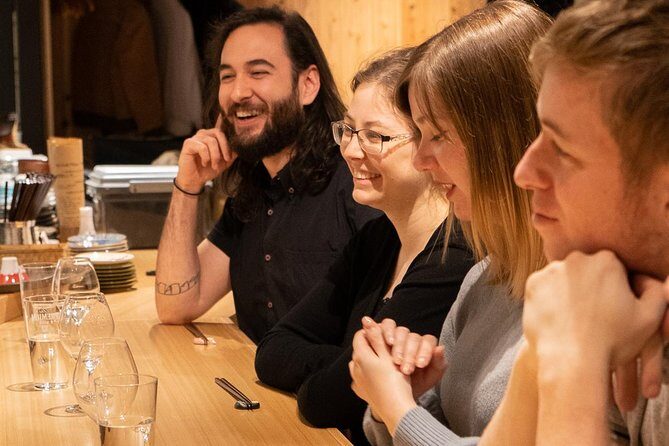 ★ 5.0Sake Tasting Masterclass in Shinjuku (8+ Varieties with a Pro)From $72
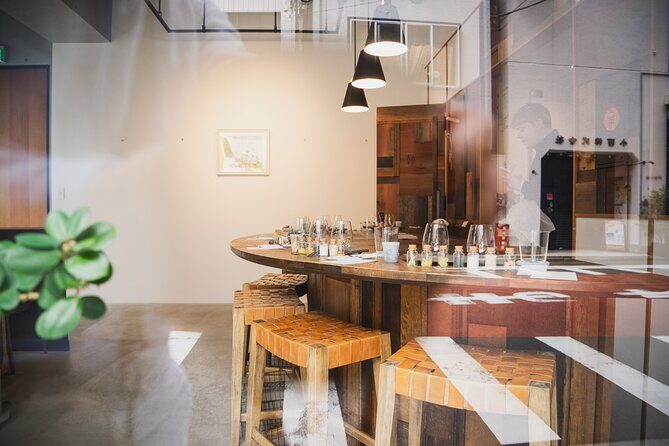 ★ 5.0Sake Omakase in Tokyo: Guided Tasting by Certified SommeliersFrom $79
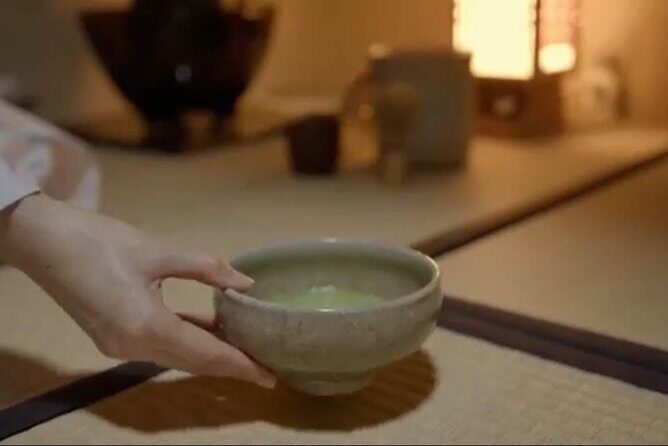 ★ 5.0Private Tea Ceremony and Sake Tasting in Kyoto Samurai HouseFrom $99
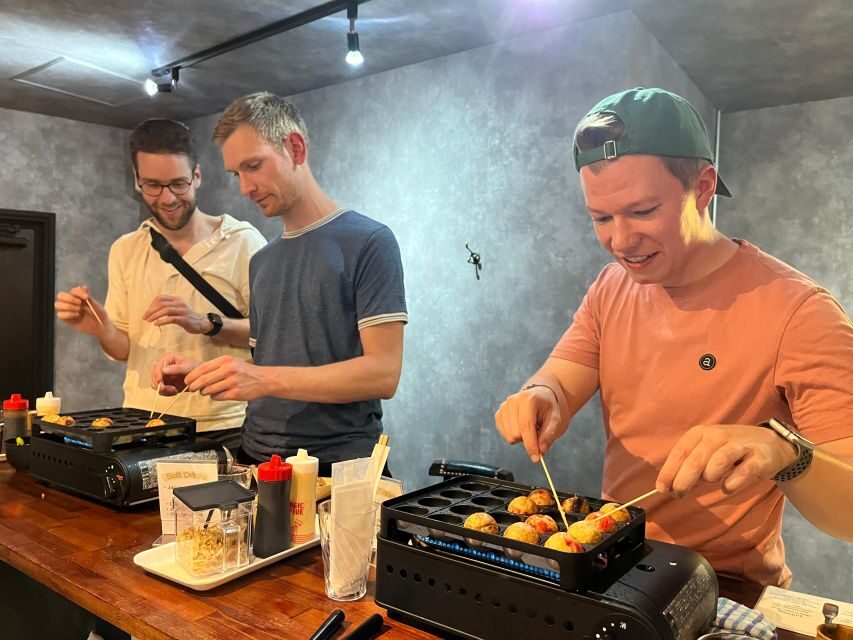 ★ 5.0Osaka Sake Tasting with Takoyaki CookingFrom $702 hours
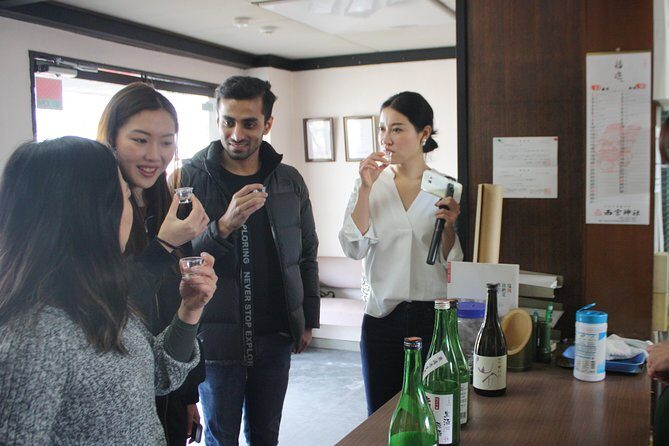 ★ 5.0KOBE Sake Tasting Tour at Breweries (tasting fee included)From $109
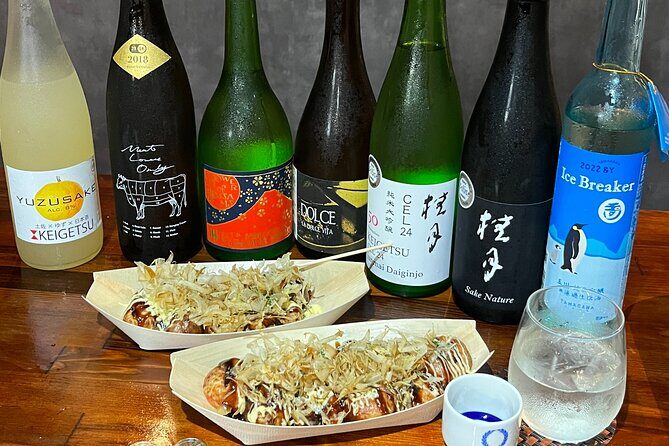 ★ 5.0Osaka Sake Tasting & Takoyaki Cooking ExperienceFrom $72
 ★ 5.0Hiroshima Saijo Sake Tasting Tour with visit to 7 BreweriesFrom $50
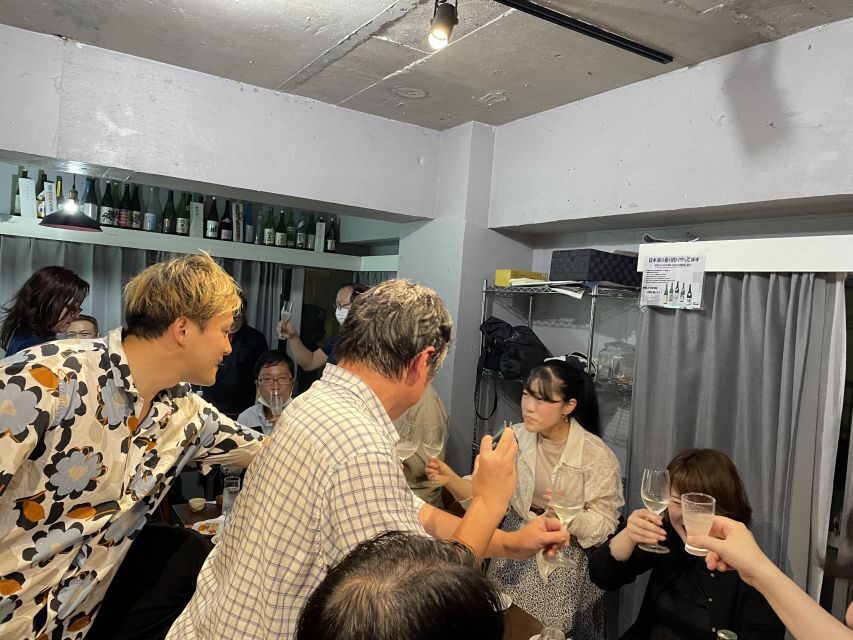 ★ 4.9Tsukiji: Outer Market Walking Tour & Sake Tasting ExperienceFrom $703 hours
The lists this tour appears in