
Reviewed · COOKING CLASSES
Osaka Cooking Class and Sake Tasting with Local Supermarket Visit
Osaka food lessons start with a grocery basket.
This 4-hour small-group class pairs a local supermarket visit with hands-on cooking of Osaka favorites like niku-sui, okonomiyaki, and gyoza, then finishes with a casual sake tasting (plus beer or soft drinks). I love how the instructor guides you step-by-step while you’re actually cooking, and I also love that you start by learning what to buy and why, including the kind of shopping tips Yuka and Mari shared during their sessions.
One thing to consider: it’s a fast, practical session. You’ll spend most of the time cooking and tasting, so it’s not the place for long sightseeing stops or a slow walk-and-chat tour.
In This Review
- Key highlights at a glance
- A four-hour Osaka plan that starts with smart shopping
- How the studio class actually works (step-by-step, not “watch only”)
- The Osaka dishes you’ll make, and the “why” behind them
- Niku-sui (beef soup)
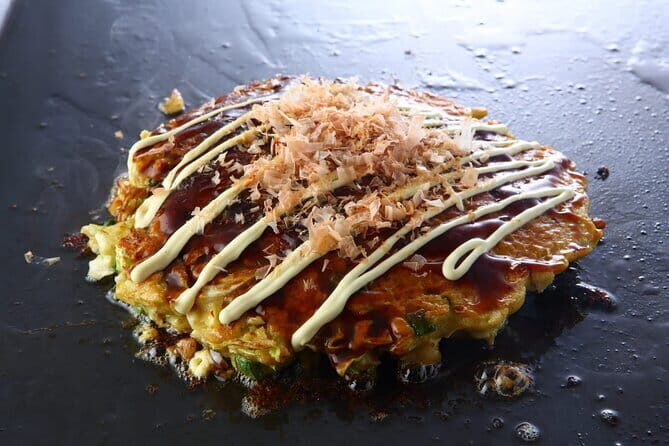
- Okonomiyaki (savory pancake)
- Gyoza (dumplings), including the fold practice
- The two real skills: gyoza folding and okonomiyaki assembly
- Learning gyoza folding you can repeat later
- Building okonomiyaki in layers, not as a vague pancake
- Sake tasting with your meal: small pours, big context
- Price and value: is $92.50 worth it?
- Who should book this, and who might pass
- Logistics that matter (without getting stuck in details)
- Should you book this Osaka cooking and sake class?
- FAQ
- How long is the cooking class?
- How much does it cost?
- Where do I meet for the tour?
- What dishes will I cook?
- Do I need prior cooking experience?
- Is there sake tasting?
- How many people are in the group?
- What is the cancellation policy?
Key highlights at a glance
- Supermarket ingredient practice before you ever touch a pan, with clear guidance on what to select
- Live instruction in a small group (max 7) so you can ask questions while you cook
- Osaka staples on the menu including okonomiyaki, niku-sui, and gyoza
- Technique-focused cooking like learning how to fold gyoza and build okonomiyaki properly
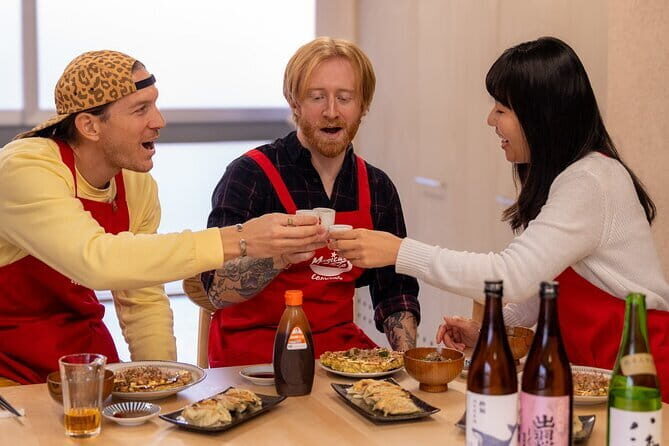
- Meal-time tasting of local sake, plus beer or soft drinks
A four-hour Osaka plan that starts with smart shopping
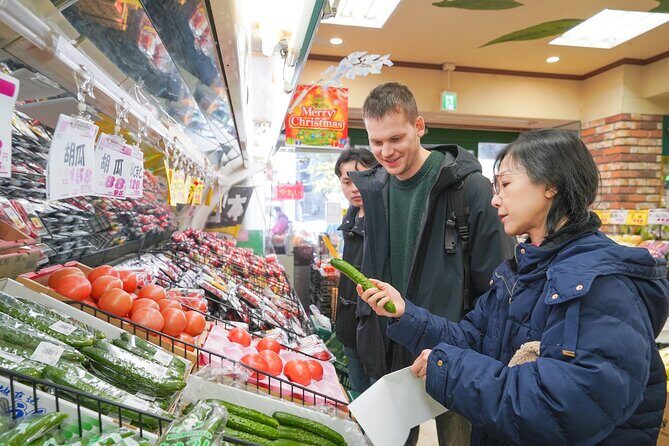
The day begins at 10:00 am, and it starts right where many visitors miss the best part: the supermarket. You meet at FamilyMart near Minamimorimachi Station (South side), then you head out to shop for the ingredients that match the dishes you’ll cook back at the studio.
Why I like this approach: you’re not just learning recipes. You’re learning the logic of Japanese cooking—what ingredients matter, what substitutions can be annoying, and how shoppers in Osaka actually build flavor. Mari, for example, explained what to shop for with each recipe in a way that made the later cooking feel simpler. Yuka did similar ingredient walkthroughs, showing and explaining a lot along the way.
You’ll also get a more realistic snapshot of daily life around a local store—less tourist shopping, more normal “what do we need tonight?” energy. Since the group is capped at 7 travelers, the instructor can keep things moving without losing your attention when questions pop up.
Practical note: because this is a cooking-focused tour, you’ll probably want to wear shoes that can handle standing. You’re on your feet through shopping and then again in the kitchen.
Other sake tasting experiences we've reviewed in Osaka
How the studio class actually works (step-by-step, not “watch only”)
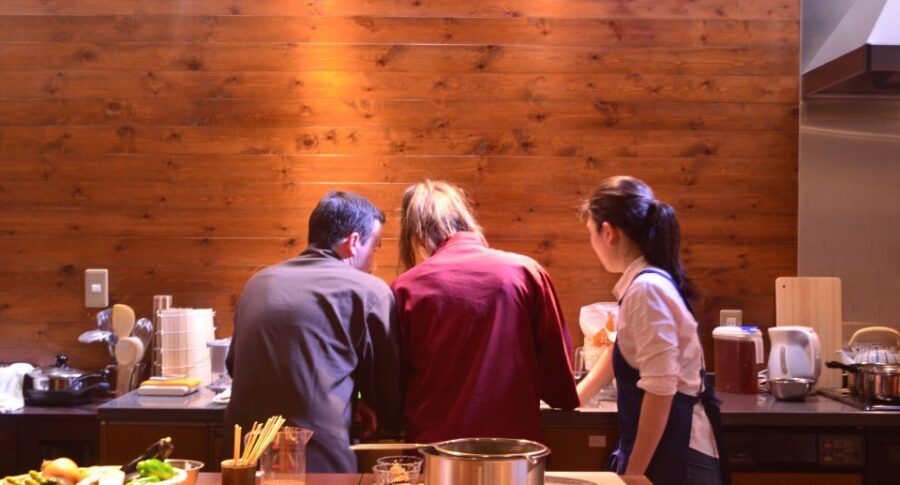
Back at the MagicalTrip studio, the rhythm is straightforward: instructions first, then hands on. This matters. A lot of cooking experiences are either too performative (you watch) or too chaotic (you fend for yourself). Here, you get step-by-step guidance with live feedback as you go.
The dishes aren’t advanced chef-only projects either. The class is described as beginner-friendly, and the way people talk about the session backs that up: you’re taught technique you can reproduce later, not just a one-time outcome. The instructors’ goal seems to be confidence. You learn tasks you can repeat at home, like shaping and folding dumplings and building okonomiyaki in the way the dish expects.
Also, you’re not alone in the process. In a small-group format, you can compare notes quickly—how your gyoza folds are going, whether your okonomiyaki thickness looks right, and what the instructor wants you to adjust.
What you should expect from the session pace:
- You’ll do real cooking, not just prep.
- You’ll likely work in short cycles (mix, cook, adjust, taste).
- Questions are encouraged while you’re active, not only at the end.
The Osaka dishes you’ll make, and the “why” behind them
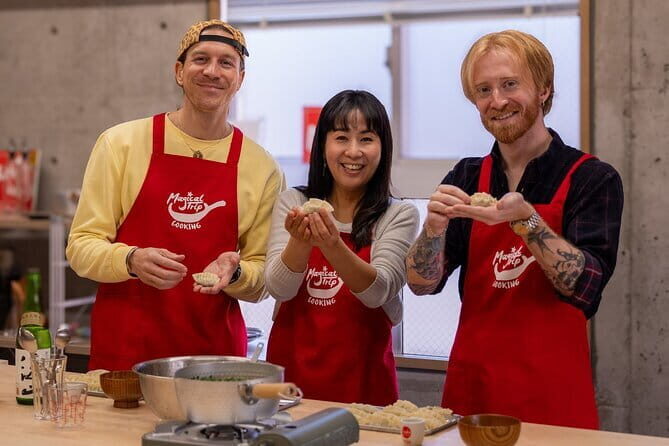
The menu is built around iconic comfort and street-food style flavors—exactly the kind of food Osaka is known for. Here’s what’s on your plate during the session.
Niku-sui (beef soup)
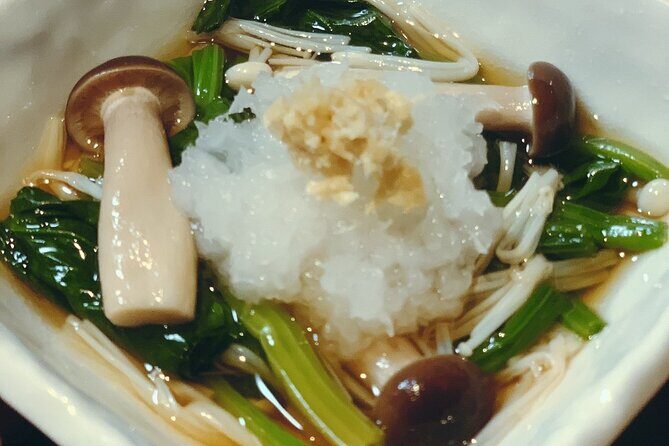
Niku-sui is one of those Japanese home-style dishes that feels simple until you’re trying to get it right. In this class, it’s part of your learning mix because it teaches you how to build warm, savory flavor without overcomplicating things.
What you’ll take home: how to think about broth depth and balance. Even if you don’t remember every ingredient name, you’ll remember the cooking goal: savory warmth, not heavy heaviness.
Okonomiyaki (savory pancake)
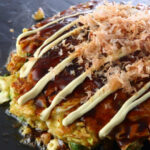
Okonomiyaki can be a tricky dish to describe because the skill is in the assembly and the texture. The class includes learning to craft it, and that’s the key point: you won’t just eat it. You’ll build it.
You’ll get a feel for:
- how the batter and mix behave once heated
- how thickness affects cooking and flipping
- how timing changes the final texture
Because Yuka and Mari are both described as giving clear guidance, you can expect their coaching to focus on what to watch for as you cook, not just what the recipe says.
Other cooking classes in Osaka


Gyoza (dumplings), including the fold practice
Gyoza is where many cooking classes lose people, because folding seems either too fussy or too vague. This one specifically includes the practice of folding gyoza, and the payoff is immediate once you see how much better they look and cook when the folds are even.
The practical transfer matters here. Once you learn the fold technique, you can apply it to dumplings you make later. The class also includes yaki-style gyoza as part of the cooking experience, so you’re not only learning a shaping skill—you’re seeing what that shaping does when it hits a hot pan.
If you like measurable progress, this is it: your folds improve during the lesson, and you can taste the difference in how they come out.
The two real skills: gyoza folding and okonomiyaki assembly
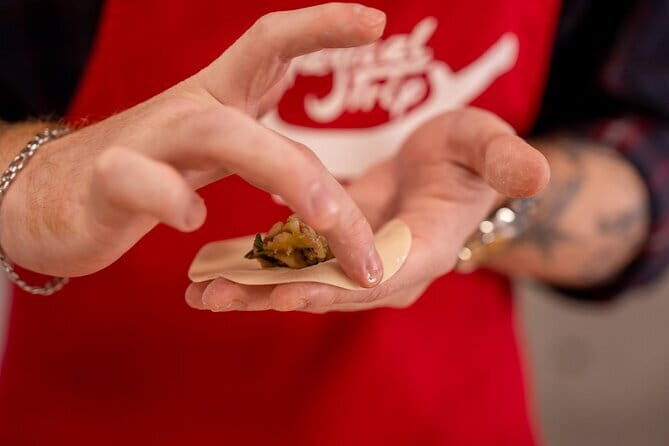
Lots of classes teach recipes. This one leans harder on technique. That’s why it’s a good use of your time, especially if you’ve never cooked Japanese food before.
Learning gyoza folding you can repeat later
When someone gives you hands-on instruction while you fold, you pick up the muscle memory fast. This class does that. It’s the kind of skill that feels awkward for the first few dumplings, then suddenly clicks, and then you’re moving on to cooking.
At home, this is the part you’ll remember even more than the ingredient list. You’ll know how the wrapper should look, how the seal should feel, and what a finished dumpling should resemble before it hits heat.
Building okonomiyaki in layers, not as a vague pancake
Okonomiyaki is sometimes treated like a free-for-all. This experience makes it more structured. You’re taught how to craft it, so you learn how the dish expects to be assembled for the right texture.
If you like cooking that’s methodical, you’ll appreciate this. If you prefer flexible cooking, you’ll still get a baseline framework you can adjust later—because you’ll understand what each step is trying to achieve.
Sake tasting with your meal: small pours, big context
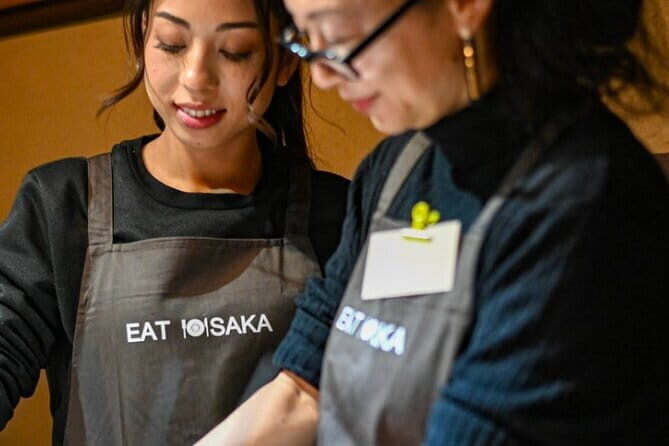
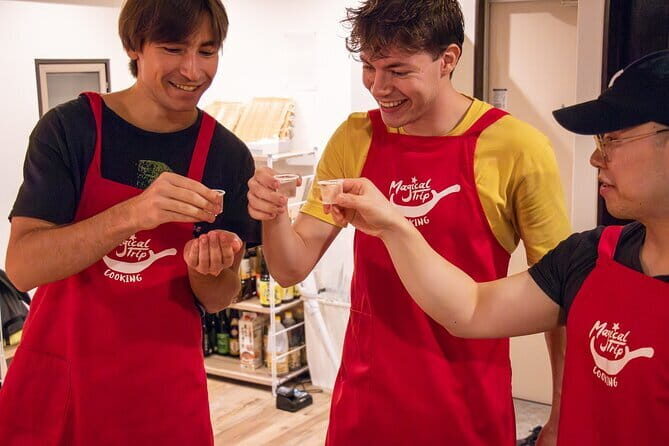
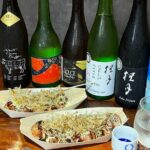
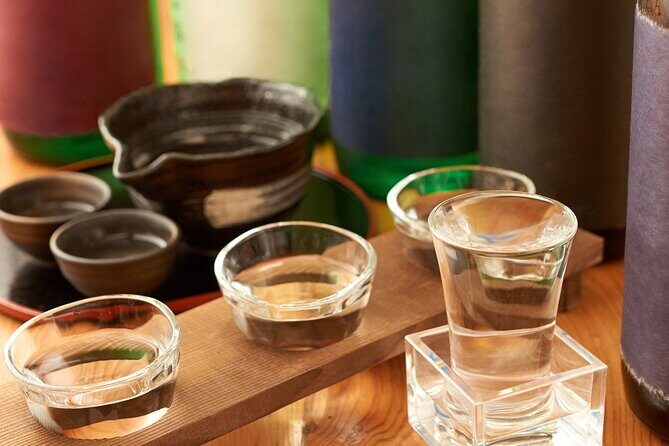
The class ends with you eating what you cooked, paired with local sake, beer, or soft drinks. That combination is smart. It lets you taste the food in the context of Osaka’s actual casual dining culture.
You don’t need to be a sake expert. This isn’t described as a complicated seminar. It’s a relaxed tasting included with the meal, so you can focus on how the flavors play together.
A practical way to approach the tasting:
- Start with one drink type you’re comfortable with.
- Take a sip, then eat a bite immediately after.
- Notice whether the drink makes the food feel cleaner, richer, or more balanced.
In sessions I like best, this is where the whole experience clicks: your cooking work becomes a tasting lesson, and suddenly you understand why certain flavor choices are made.
Price and value: is $92.50 worth it?
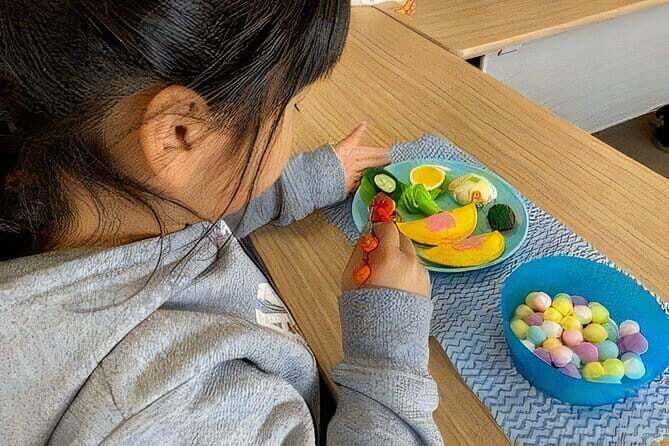
At $92.50 per person, you’re paying for three things in one block: supermarket learning time, guided cooking in a small group, and a meal with tasting drinks. That’s usually what pushes the value needle for short food experiences.
Here’s how I think about it:
- You’re getting instruction you can’t replicate easily just by reading a recipe online.
- The supermarket portion saves you future guesswork. If you know what to buy and how instructors expect it to work, your later home cooking becomes far less frustrating.
- The class groups are capped at 7 travelers, which generally means more attention per person than a larger bus-style tour.
Is it cheaper than cooking at home? Obviously. But the point here isn’t saving money. It’s buying time, technique, and local guidance in a single afternoon. If you want a practical souvenir—skills and repeatable results—this price starts to feel reasonable.
Who should book this, and who might pass
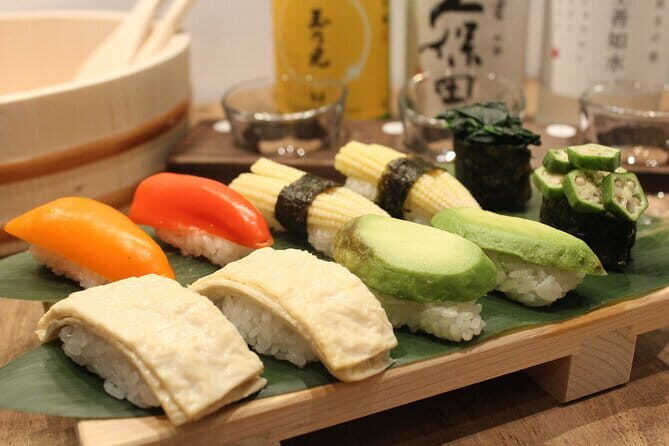
This tour fits best if you want hands-on Osaka food skills without needing prior cooking experience.
It’s a great match for:
- solo travelers who want something structured and friendly
- couples or small groups who like doing an activity together
- families and friends who want everyone involved in cooking
- beginners who want clear guidance on steps like gyoza folding
You might want to choose something else if:
- you’re looking for a long, sightseeing-heavy outing instead of a kitchen session
- you want a deep restaurant tour across many neighborhoods
- you dislike being active for most of the 4 hours
Logistics that matter (without getting stuck in details)
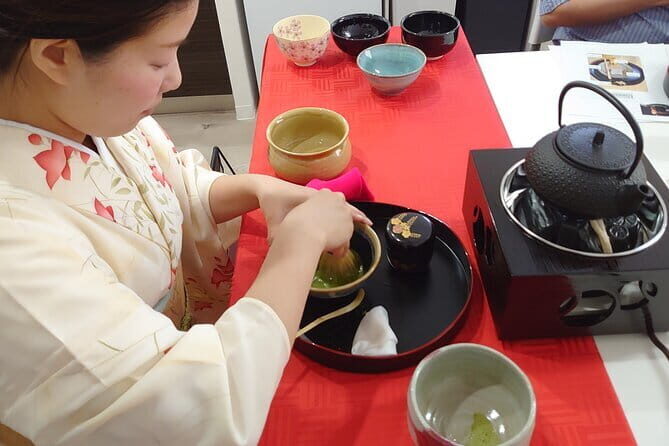
Meeting is at FamilyMart Minamimorimachi station South side, near Tenjinbashi (Osaka). The tour ends back at the meeting point, which is helpful when your day is already planned.
Two more practical notes:
- Bring your appetite. You cook and then eat what you make.
- Use the mobile ticket. It’s part of the flow, so have it ready when you arrive.
If you’re sensitive to schedule changes, the experience offers free cancellation up to 24 hours before the start time, which is the kind of buffer that makes booking less stressful.
Should you book this Osaka cooking and sake class?
If you want an afternoon that teaches you more than you can get from a meal alone, I’d book it. You get a market-first start, you cook classic Osaka dishes with step-by-step live feedback, and you finish with a relaxed sake tasting that ties everything together.
This is especially worth it if you care about learning repeatable skills like gyoza folding and okonomiyaki assembly. If you show up hungry, wear comfortable shoes, and ask questions when you’re mid-cook, you’ll leave with confidence that lasts well beyond the tasting glass.
FAQ
How long is the cooking class?
It runs for about 4 hours.
How much does it cost?
The price is $92.50 per person.
Where do I meet for the tour?
You meet at FamilyMart Minamimorimachi station South side, in Osaka (address provided by the activity listing). The tour ends back at the meeting point.
What dishes will I cook?
You’ll cook Osaka favorites including niku-sui, okonomiyaki, and gyoza (with gyoza folding included).
Do I need prior cooking experience?
No cooking experience is required. The class is designed for all skill levels.
Is there sake tasting?
Yes. At the end you’ll enjoy what you cooked with local sake, and you can also have beer or soft drinks.
How many people are in the group?
The tour has a maximum of 7 travelers.
What is the cancellation policy?
You can cancel for a full refund up to 24 hours before the experience starts.
More Workshops & Classes in Osaka
More Cooking Classes in Osaka
More Sake Tasting Experiences in Osaka
More tours in Osaka we've reviewed

Cooking Classes, compared.
 ★ 5.0Ramen and Sushi Cooking Class with Sake Pairing Set in TokyoFrom $79
 ★ 5.0Tokyo Washoku 4-hour Cooking Class: From Market to TableFrom $79
 ★ 4.9Kyoto: Afternoon Japanese Izakaya Cooking ClassFrom $673 hours
 ★ 5.0Izakaya Style Cooking ClassFrom $71
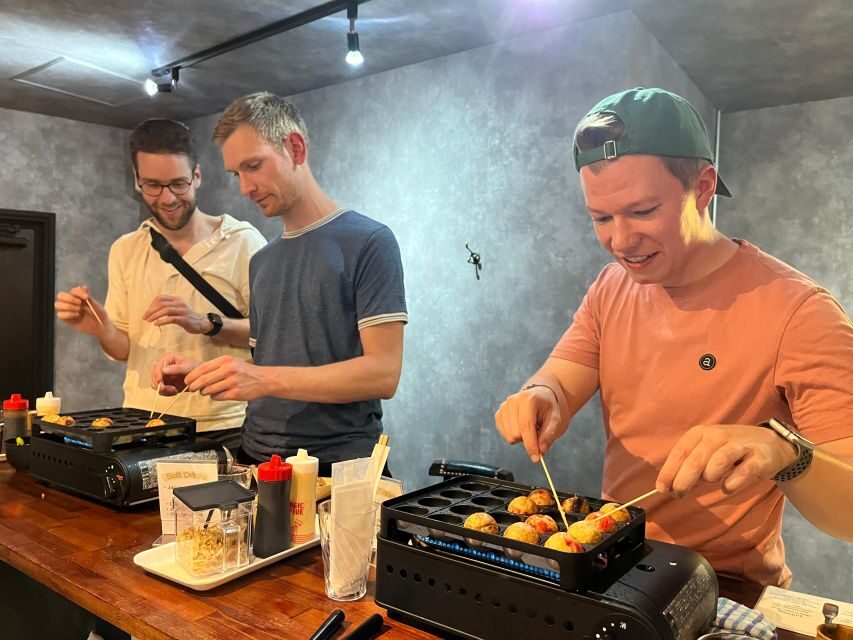 ★ 5.0Osaka Sake Tasting with Takoyaki CookingFrom $702 hours
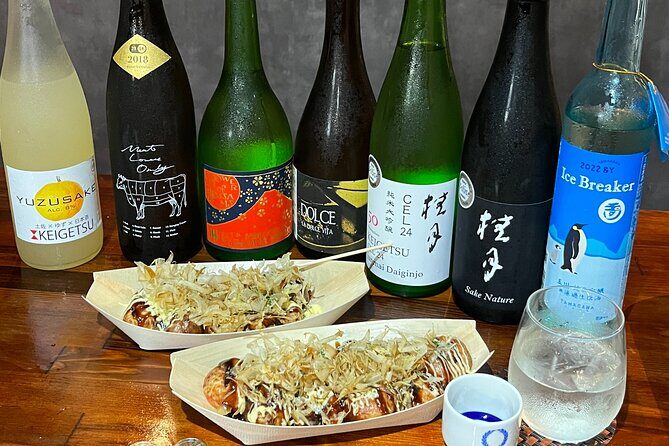 ★ 5.0Osaka Sake Tasting & Takoyaki Cooking ExperienceFrom $72
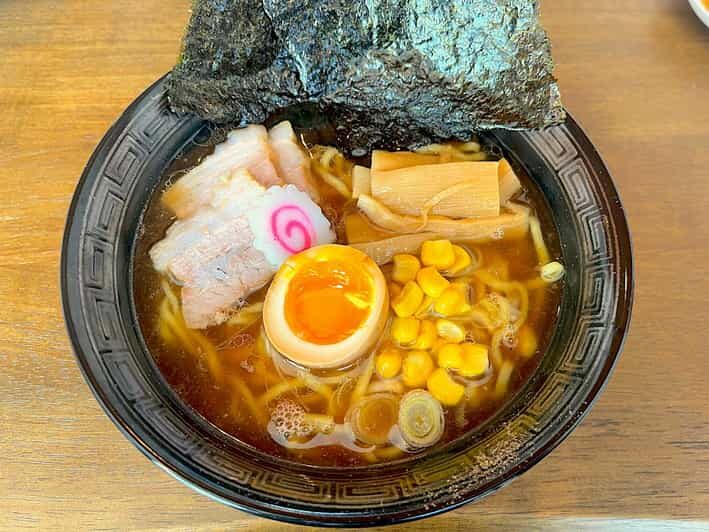 ★ 5.0Tokyo: Sushi and Ramen Cooking Class with Sake Pairing SetFrom $1293 hours
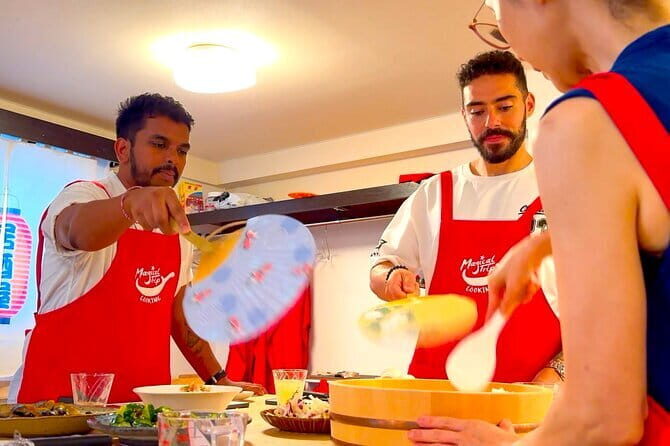 ★ 5.0Tokyo Night Cooking Class: 5 Home-Cooked Japanese DishesFrom $79
The lists this tour appears in