
Reviewed · OSAKA DRINKING TOURS
Osaka Local Bar Crawl in Dotombori & Uranamba Area
Neon streets, local sips, and temple moments. This Osaka walk-and-eat experience is built around Dotonbori night life, then slows down with a quick stop at Hozenji Temple before you head into Namba for local izakaya time. I like that it’s not just random bar hopping, it’s a guided route with Osaka culture context while you snack and drink.
Two things I really like: first, you get the story behind the Glico sign right where it’s famous. second, the pacing puts you into Ura Namba and then Namba for different izakaya vibes, with admission fees covered so you’re free to focus on what you order.
One drawback to consider: alcoholic drinks are not included, so your final bill depends on how much you drink and what prices you choose. If you’re trying to hold to a tight budget, you’ll want to look at drink pricing before ordering.
In This Review
- Key highlights that make this crawl worth it
- Starting in Dotonbori: Glico sign context before you snack
- Hozenji Temple in Dotombori: the calm break you didn’t plan for
- Ura Namba and Namba izakayas: what you can expect to eat and drink
- Food-and-drink pairing: why a guided crawl beats a self-guided one
- Alcohol is extra: how to budget without killing the fun
- The guide makes it, and this operator has a strong track record
- Making the most of a 3-hour night walk: timing and attitude
- Who should book this Osaka Local Bar Crawl, and who should pass
- So should you book it
- FAQ
- How long is the Osaka Local Bar Crawl in Dotombori & Uranamba?
- What does the tour cost?
- What is included in the price?
- Are alcoholic beverages included?
- Is dinner included?
- Where does the tour start and where does it end?
- How many stops are on the itinerary?
- What is the group size limit?
- Is free cancellation available?
Key highlights that make this crawl worth it
- Glico sign history at the start so Dotonbori has meaning, not just lights
- Hozenji Temple visit with tips on how temples work in Japan and why people go
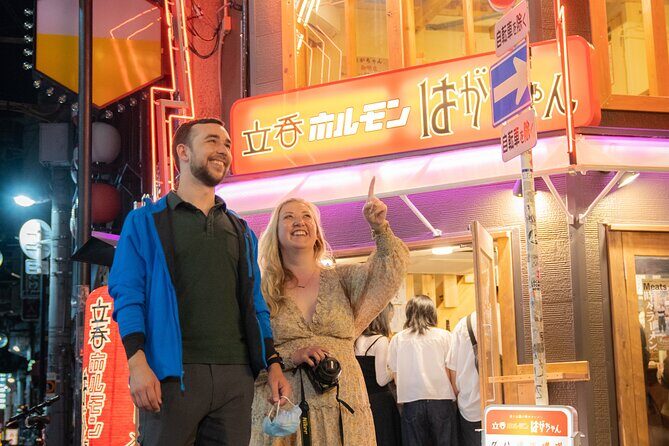
- Two izakaya-style stops in Namba areas (Ura Namba, then Namba) for real local atmosphere
- Food-and-drink pairing guidance so you know what to try with what
- Small group size (max 15), which usually means more personal interaction with your guide
Starting in Dotonbori: Glico sign context before you snack
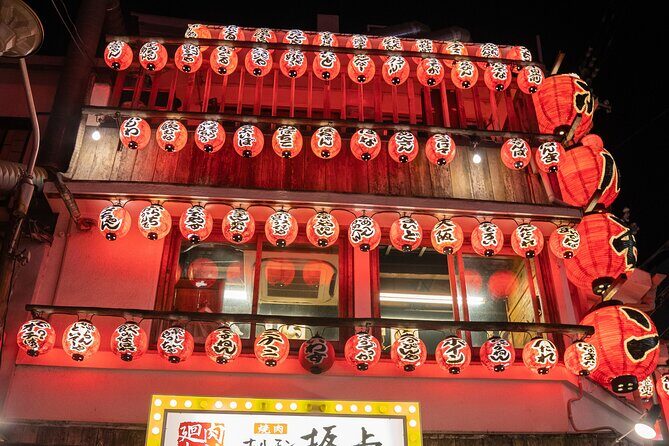
The tour begins at the Dotonbori Humanity Song Monument, right in the thick of Osaka’s best-known neon stretch. Even if you’ve seen photos of the Dotonbori area, the tour approach is smart: it starts by turning a postcard landmark into something you can actually understand.
You’ll learn the history of the Glico sign as part of your first stop. That matters because it changes how you look at the street. Instead of treating the signage as pure spectacle, you start noticing Osaka’s habit of mixing commerce, entertainment, and street identity in the same frame.
Practical note: since you’re meeting in one of Osaka’s busiest areas, I’d plan to arrive a few minutes early and take a quick look around before the group gathers. It’s easier to settle in when you can see the monument and your bearings at the start.
Other bar hopping tours we've reviewed in Osaka
Hozenji Temple in Dotombori: the calm break you didn’t plan for
After you’ve gotten oriented in Dotonbori, you walk to Hozenji Temple. This is the kind of stop that can feel surprising if your only plan for the evening is eating and drinking.
What makes it work is the contrast. You’ll get a different vibe from Dotonbori, described as a bit similar to Kyoto, and the guide shares tips about temples in Japan and why people visit this place. That turns the stop into more than a photo moment. You’re learning how to read a temple experience even while you’re still close to the nightlife.
Also, this is a helpful pacing tool. A bar crawl can run hot fast, especially if you’re jet lagged or just jumping into nightlife. Having a temple break in the middle helps the whole route feel less like you’re rushing to the next drink and more like you’re enjoying the evening in stages.
Ura Namba and Namba izakayas: what you can expect to eat and drink
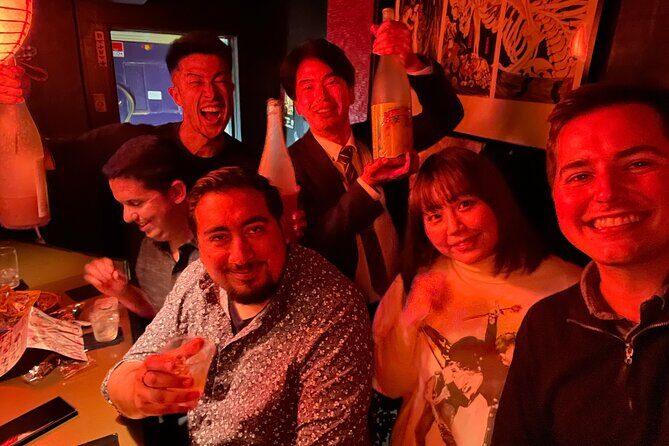
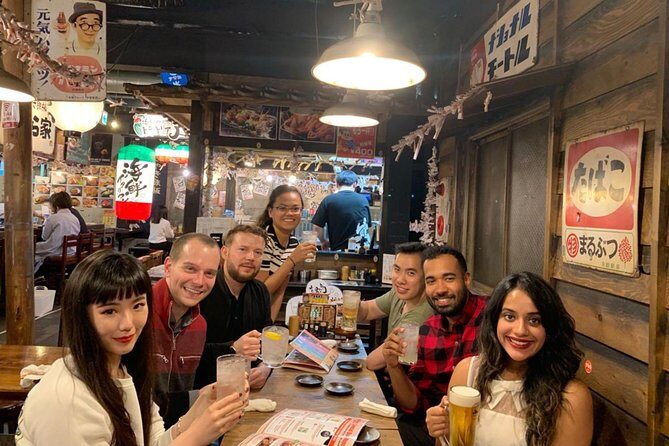
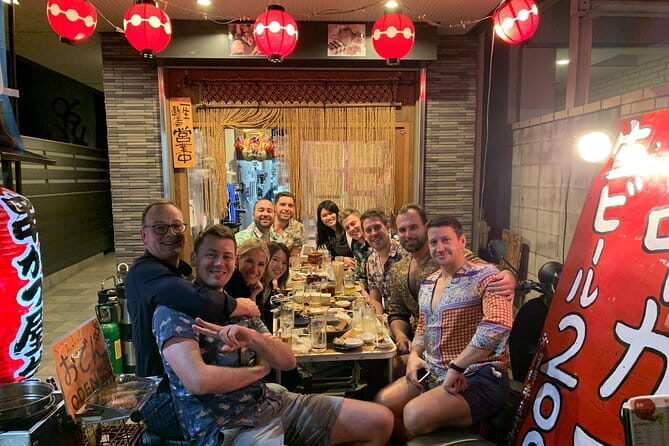
The heart of the crawl is two local izakaya stops in the Namba area—first in Ura Namba, then in Namba. The tour is designed so you don’t just walk past tiny side-street restaurants. You actually step inside places locals use.
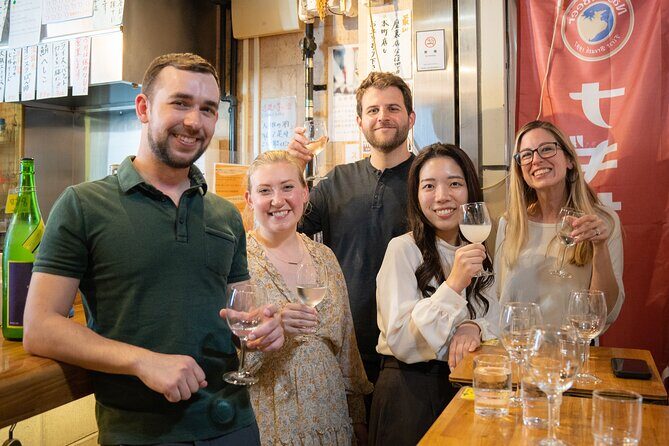
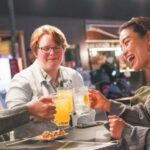
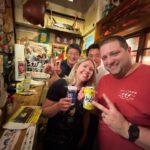
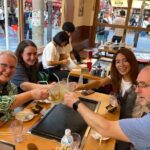
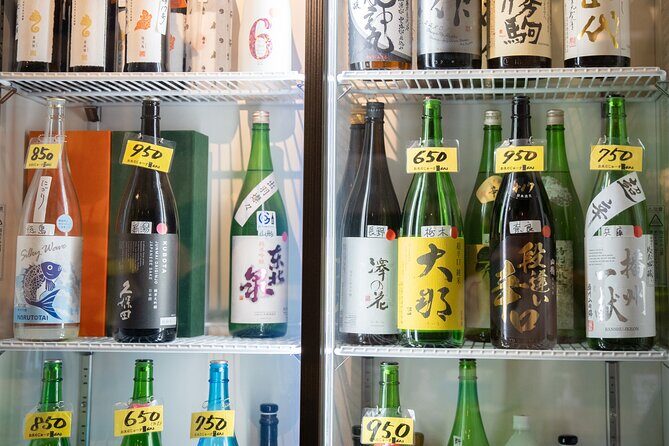
At the Ura Namba stop, the focus is on local drinking atmosphere. You can expect Japanese classics like yakitori and karaage, plus sake. This is also one of those moments where a guide earns their keep. Osaka’s izakaya world can feel like a maze from the outside, but once you’re seated, the guide helps you connect foods with what you’re drinking.
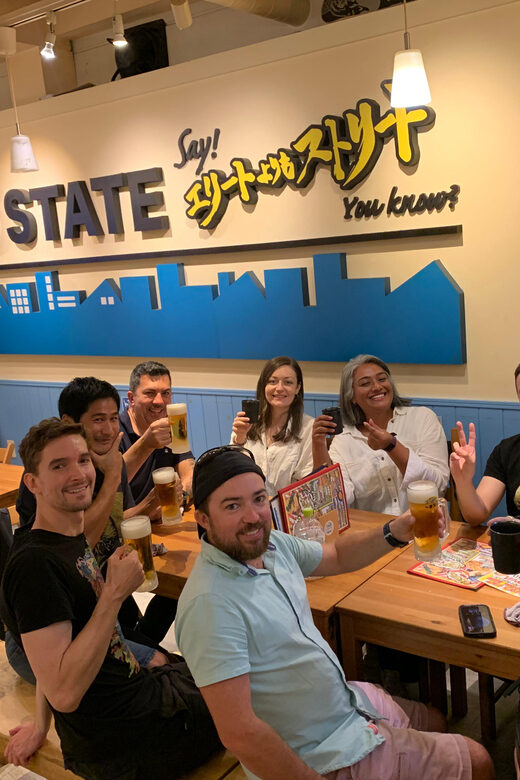
Then you move to the Namba izakaya stop for more food variety. You’ll be able to enjoy items like gyoza and sashimi along with drinks. This second stop tends to feel like the “now we’re really here” portion of the night—especially because you’re surrounded by a larger mix of local people in the Namba area.
A small heads-up based on what this style of crawl can include: some bar crawls like this may add hands-on food moments at certain places. Since the tour emphasizes trying multiple foods and even involves guidance about what pairs with what, you might find yourself doing something interactive at one stop, not just eating off a menu. (But don’t count on a specific hands-on dish every night.)
Food-and-drink pairing: why a guided crawl beats a self-guided one
Osaka izakaya culture is built on pairing. Not pairing in a fancy wine-snob way. More like: salty, fried, grilled, and fresh flavors each have their own match with beer, sake, or other drinks.
This tour is explicitly structured around that idea. You learn which foods traditionally pair with which drinks as you bar hop. That turns your orders into informed choices instead of random guesses—especially if you don’t read Japanese menus yet.
Here’s how that helps you:
- You waste less time deciding what to order.
- You get more variety in what you taste in a shorter window.
- You leave understanding why certain combos make sense, so you can repeat the best ones later on your own.
And because the tour is focused on “authentic bars and izakaya that would be difficult to find on your own,” the guidance is also about discovery. In areas like Dotonbori and Uranamba, the hard part isn’t finding somewhere to drink. The hard part is finding places that feel local, not like they’re designed for crowds.
Alcohol is extra: how to budget without killing the fun
The price is low for what you get on paper: $26.53 per person for about 3 hours with a local guide, and admission fees are free at the stops. But here’s the real math—alcoholic beverages are not included, and dinner is not included.
So your final cost isn’t fixed. It depends on how you order at each izakaya. This is where I’d be practical:
- If you’re mostly tasting with soft drinks or staying light, you can keep spending under control.
- If you plan to drink heavily, your bill can jump quickly because izakaya drinks aren’t cheap in prime nightlife areas.
There’s also a smart strategy if you’re cost-sensitive: before you commit to multiple rounds, check drink prices and choose what you truly want. This tour can still be great value even if you add drinks, but it’s not the same as a package where alcohol is included for one set fee.
One more factor: the guide may recommend local options, and that can be awesome. Just remember: recommendations are just that—recommendations. You still control what you order.
Other Osaka drinking tours we've reviewed in Osaka
The guide makes it, and this operator has a strong track record
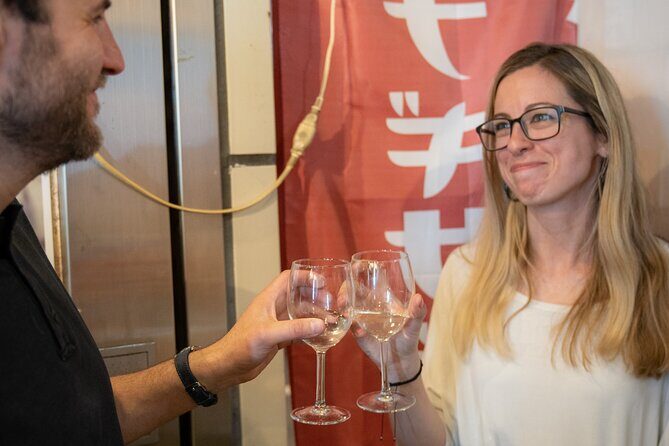
Even with the same route, the experience quality changes based on the guide. In the names people talk about for this tour, you’ll see a recurring theme: friendly energy, strong English, and practical local tips.
Guides mentioned include Yui, Hitomi, Kosuke, Lala, Tyga, Taiga, Naoko, Soma, Mikey, and Yuta. Some people specifically highlight incredible English and how the guide keeps the group comfortable. That matters on a bar crawl because the success of the night is about more than food—it’s about feeling at ease while you’re walking between places and ordering confidently.
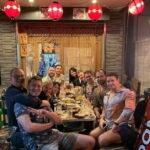
Also, this tour caps the group at 15. That size is big enough to feel social but small enough that you’re less likely to get ignored.
Making the most of a 3-hour night walk: timing and attitude
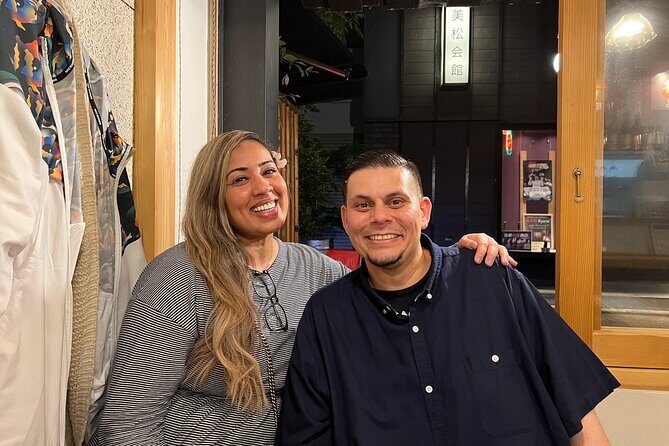
Three hours can sound short, but it’s the right length for Dotonbori and Namba. You’ll get enough time to eat, move, and reset without losing your stamina.
My advice for making it feel effortless:
- Come hungry. The tour is built around trying foods at multiple stops, so you’ll enjoy it more if you’re not starting with a full stomach.
- Wear comfortable shoes. You’ll be walking between sights and venues in a nightlife district.
- Go with a sampling mindset. If you treat it like a buffet evening, you’ll miss the point. The value is in variety plus the pairing guidance.
If you’re the kind of person who likes to understand what you’re seeing—like why a temple matters, or what a landmark sign means—you’ll likely get extra satisfaction out of the structure. If you’re mainly looking for a party that supplies everything, you may find the alcohol-as-extra model a better fit than a fully included drink package.
Who should book this Osaka Local Bar Crawl, and who should pass
This tour fits best if you:
- Want an easy first-night plan in Osaka, with local food stops close to famous streets
- Like guided context, like the history of the Glico sign and temple tips at Hozenji
- Want to taste a few different izakaya favorites in one evening, without spending time hunting for the right places
- Prefer a group that stays small (max 15) and feels social
I’d be more cautious if you:
- Need alcohol fully included in the price
- Are very price-sensitive and don’t want to think about drink costs at each stop
- Don’t enjoy walking (because the experience includes moving between Dotonbori/temple areas and the Namba izakayas)
So should you book it
Yes—if you’re excited to eat and learn while you’re in Osaka’s most famous districts. The best part is the way the tour mixes two modes: night life fun plus small cultural grounding at Hozenji and the Glico sign. That’s a strong combo for first-timers who don’t want to plan everything themselves.
But I’d book with your eyes open about spending. You’re paying mainly for the guide, the route, and the covered admission at the stops. Drinks and dinner are on you, so check what you’re ordering and keep a budget in mind.
FAQ
How long is the Osaka Local Bar Crawl in Dotombori & Uranamba?
The tour is about 3 hours.
What does the tour cost?
The price is $26.53 per person.
What is included in the price?
You get 3 hours with a local guide, and admission fees are free.
Are alcoholic beverages included?
No. Alcoholic beverages are not included.
Is dinner included?
No. Dinner is not included.
Where does the tour start and where does it end?
It starts at Dotonbori Humanity Song Monument, 1 Chome-10 Dotonbori, Chuo Ward, Osaka. It ends back at the meeting point.
How many stops are on the itinerary?
You start in Dotonbori, visit Hozenji Temple, then go to two izakaya stops in Namba/Ura Namba.
What is the group size limit?
The tour has a maximum of 15 travelers.
Is free cancellation available?
Yes. You can cancel up to 24 hours in advance for a full refund.
More Osaka Drinking Tours in Osaka
More Bar Hopping Tours in Osaka
More tours in Osaka we've reviewed

Osaka Drinking Tours, compared.
 ★ 5.0Osaka Bar Hopping Night Walking Tour in Namba (3 bars, 6 tastes)From $98
 ★ 4.9Osaka: Namba Pub Bar Crawl with a Local GuideFrom $303h 30m
 ★ 5.03Hour Osaka Pub Crawl Bar Hopping Nightlife Guided Tour in NambaFrom $46
 ★ 4.7Osaka: Bar-Hopping Night Tour in NambaFrom $1123 hours
 ★ 4.7Osaka Bar Hopping | Explore Hidden Bars & Izakayas in NambaFrom $192 hours
 ★ 5.0Osaka Soul : IZAKAYA Shinsekai to Dotonbori Food Paradise!From $125
 ★ 4.5Osaka: Private Food Tour & Bar Hopping in NambaFrom $48
The lists this tour appears in