
Reviewed · HIROSHIMA SAIJO SAKE TOURS
Sake Town Tour in Saijo Hiroshima
Saijo is one of Japan’s most famous sake areas, but this tour keeps it human-sized and walkable. You’ll move through historic brewery streets while learning how the makers think, then cool down with temple, shrine, and garden stops. I like that the route is built for sake tasting variety (crisp to fruity styles), not just one flight at one place. I also like the small-group feel, with a maximum of 10 people, so questions don’t get lost in the shuffle. One thing to consider: active brewing areas are off-limits, so you’re learning from what you can access, not touring tanks and production floors.
The experience is guided by a local English-speaking guide, and in one set of feedback the guide is described as Masa—kind, patient, and good at explaining differences between breweries. You’ll taste multiple sake styles and also get included food stops, which matters because tasting works better when you’re not running on empty. The tour uses opening hours and season to shape what you can see, so the exact brewery list can vary.
In This Review
- Quick take: what makes this tour work for you
- Key points to know before you go
- Why Saijo’s sake town feels different from the usual tasting
- Timing, pacing, and the kind of day it is
- Starting at Higashihiroshimashi and getting your bearings fast
- Kyozenji Temple and Mitate Shrine: short stops with a purpose
- Saijosakaguradori and brewery streets: where the town starts talking
- The tasting setup: 4 to 6 brewery stops (with some seasonal flexibility)
- What you’ll likely learn about Hiroshima sake profiles
- Bishu Nabe lunch and dessert: included fuel that keeps the day fun
- Senseki Garden and Kagamiyama Park: breaks that still feel connected to place
- Price and value: is $209 a good deal?
- Small details that matter: tickets, pickup, 21+ rules, and access limits
- Who should book this Saijo sake tour
- Should you book it
- FAQ
- How long is the Sake Town Tour in Saijo?
- What does the tour cost?
- Where do I meet for the tour?
- What time does the tour start?
- What stops are included besides breweries?
- How many breweries will I visit and taste?
- What’s included in the price?
- What food or drink should I expect, and who is it not suitable for?
- What is the minimum drinking age?
- What’s not included?
- Is the tour affected by weather?
Quick take: what makes this tour work for you
If you want a satisfying, story-based sake outing without spending a whole day on logistics, this hits a sweet spot. You’ll start at Higashihiroshimashi Information Centre around 11:00 am and finish back near Saijo Station, so you can keep the rest of your day flexible. Just remember it’s not a vegan tour, and it’s 21+ only, with the added note that outdoor time means weather matters.
Key points to know before you go
- 3 hours, small group (max 10): enough time for real tastings without feeling rushed
- Multiple breweries, not one tasting room: you compare styles across different houses
- Lunch + dessert included: keeps the tasting fun instead of turning it into a slog
- You may shop for bottles: some breweries offer take-home items like you want at a souvenir stop
- Culture stops are part of the flow: Kyozenji Temple, Mitate Shrine, Senseki Garden, and Kagamiyama Park
Other Saijo sake district tours we've reviewed in Hiroshima

Why Saijo’s sake town feels different from the usual tasting
Saijo’s appeal is the way it blends craft with everyday streets. Instead of treating sake like a product you sample in one controlled room, you walk through a district where breweries and local landmarks sit close together. That makes the tasting feel less like a seminar and more like a day you’d actually enjoy even if you’re not a hardcore sake nerd.
You also get a clear sense that sake isn’t one thing. On this tour, the goal is variety—crisp dry notes to smoother, fruitier finishes—so you start noticing what changes from brewery to brewery. One of the most practical payoffs of this style of tour is learning what you like so you don’t come home guessing which bottle to buy.
Timing, pacing, and the kind of day it is
This is a 3-hour walking tour with breaks that keep it from feeling like nonstop milling around. You’ll be moving between spots that are part culture, part tasting, part sightseeing. That pacing matters because breweries and tastings take time, and the tour also includes shopping time plus lunch and dessert.
Plan for a moderate walking day. The tour is labeled as requiring moderate physical fitness, and it includes outdoor elements such as garden and park stops. If you’re traveling with tight mobility limits, you’ll want to consider that the route includes multiple locations and walking segments.
Finally, the experience has a max group size of 10 travelers, which I appreciate. Big groups often mean you’re tasting while your guide is stuck managing the queue. Here, you’re more likely to get direct explanation and time to ask questions.
Starting at Higashihiroshimashi and getting your bearings fast
You meet at Higashihiroshimashi Information Centre (in the 3J Front Building area) with a start time of 11:00 am. For me, that’s a good practical choice: you get your day’s first big meal later, after the tasting route has already begun, so you don’t blow your appetite before the best food portions.
The tour doesn’t just start with alcohol. It starts with a sense of place: you’ll head through the Saijo area landmarks first, including Kyozenji Temple and Mitate Shrine. This kind of start is more than decorative. It gives your brain a reset before the tasting part, which helps you actually remember what you’re drinking.
Kyozenji Temple and Mitate Shrine: short stops with a purpose
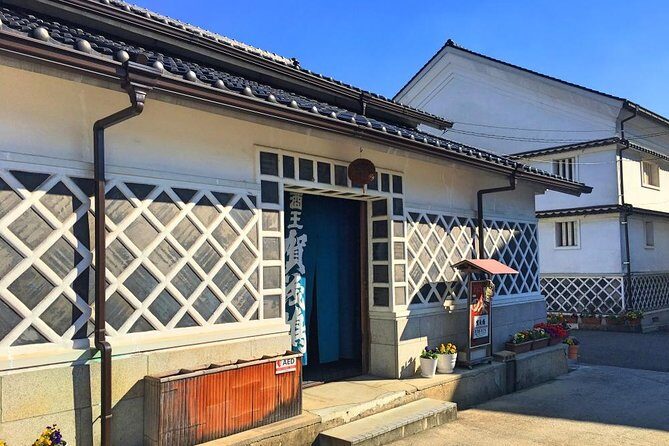
These stops give you a breather and a local context that most sake tastings skip. Even though your main focus is breweries, the temple and shrine time helps the day feel grounded in the region, not just a production itinerary.
There’s also a practical angle: early on, you learn your guide’s approach and get a feel for the group pace. By the time you transition back into the tasting and shopping streets, you’re comfortable with how the day flows. You’ll know where to stand, when to move, and when you’ll have tasting time.


Saijosakaguradori and brewery streets: where the town starts talking
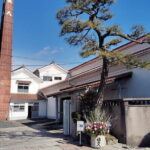
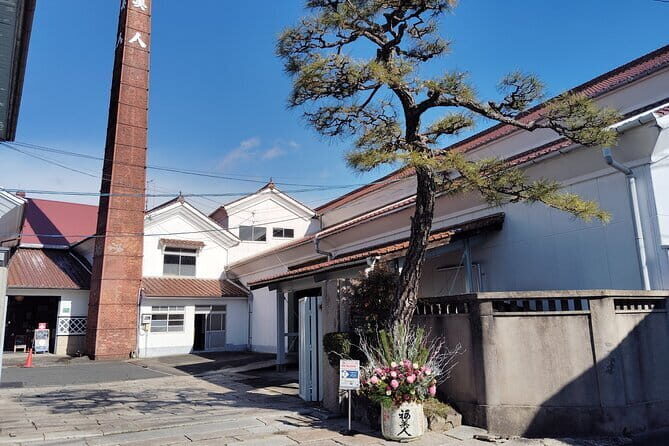
One of the key locations on the route is Saijosakaguradori Information Centre. Streets like this are where Saijo’s identity shows up fast—white-walled brewery buildings and the distinctive industrial look of the area, including red brick chimneys. Even before you sit down with a sake flight, you’re absorbing the visual cues that make Saijo feel like a real sake district.
This is also where you’ll understand why the region is known for its craftsmanship. You’ll see the structures and get guided context about how breweries operate, even though—important detail—actual active brewing areas are inaccessible. So you’re not doing a factory tour. But you can still learn the process and the choices behind flavor.
If you’re the type who likes to connect the dots—structure to ingredient, ingredient to flavor—this is a strong format.
The tasting setup: 4 to 6 brewery stops (with some seasonal flexibility)
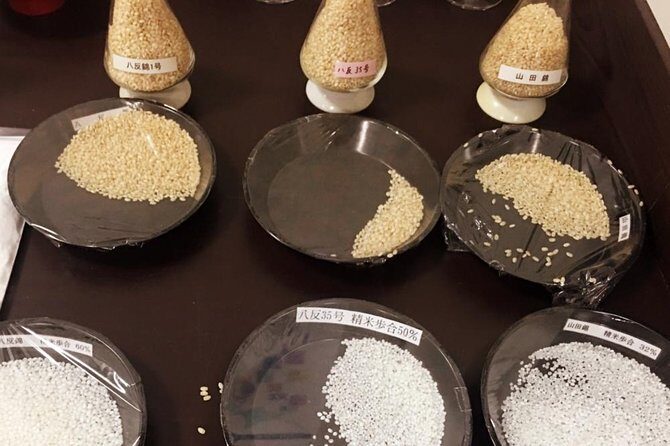
The tour is designed around visits to multiple local sake breweries. Depending on opening hours and season, you’ll visit around 3–4 breweries as part of the route, while the tasting portion is set up to include sake tastings across 4–6 breweries. That flexibility is practical. Breweries don’t all open on the same schedule, and this tour adapts without turning into a disappointment.
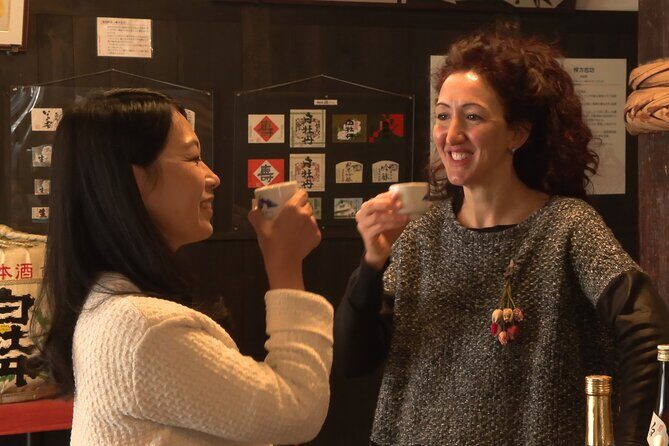
What I think you’ll appreciate most is the way the tasting is guided. You’re tasting different styles, and the explanation is meant to help you notice differences—dry versus smooth, crisp versus fruity. One set of feedback specifically praises the guide for explaining the unique Hiroshima profiles that come from local water and brewing choices.
There’s also a “try and decide” benefit. If you fall for one style, the tour is set up so you can shop at brewery stores afterward. That means your take-home bottle isn’t random. You’re buying from the place that matched your taste.
What you’ll likely learn about Hiroshima sake profiles
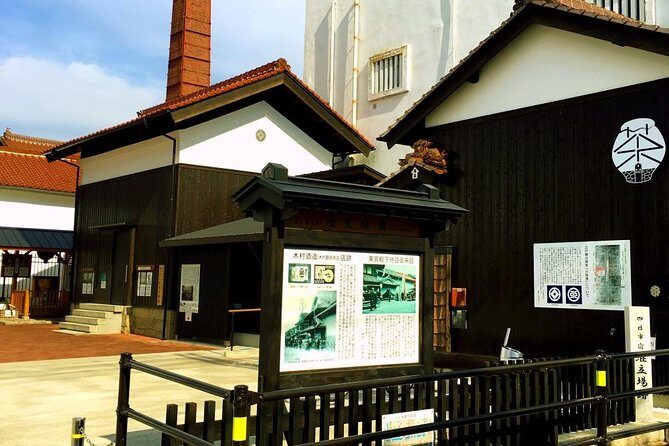
Saijo’s sake identity is closely tied to local brewing conditions, including the mention of soft mountain water in feedback about Hiroshima styles. Even if you’re new to sake, this matters because it gives you a reason behind the flavors, not just flavor descriptions.
Here are the learning outcomes you can expect to walk away with:
- You’ll understand why breweries can produce noticeably different styles even within the same region.
- You’ll start connecting style language (dry, smooth, fruity) to what you’re tasting.
- You’ll become more confident buying bottles later, because you’ll know what you prefer.
And because the guide is local English-speaking, the explanations are meant to land, not just be delivered as facts.
Bishu Nabe lunch and dessert: included fuel that keeps the day fun
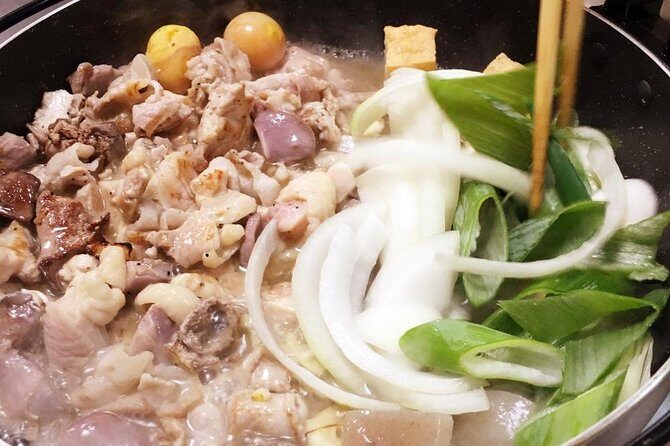
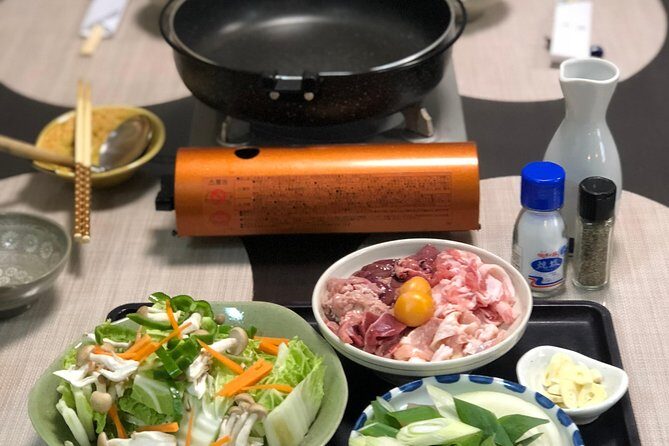
A big part of the value here is food. You’ll get lunch and dessert included, with two food stops and sake tastings as part of those pauses. The lunch is described as Bishu Nabe ordered in advance. In other words, you’re not wandering around hungry trying to find something that works with the tasting schedule.
The food piece is also a practical strategy. Sake tastings work better when you’re pacing yourself and eating proper meals. You’re less likely to end the day with that tired, lightheaded feeling that ruins the last pour.
The tour also notes additional drinks or food aren’t included, so if you want more than what’s set, you’ll pay extra. But the essentials—meals plus tastings—are already handled.
Senseki Garden and Kagamiyama Park: breaks that still feel connected to place
Between brewery moments, you’ll pass through Senseki Garden and Kagamiyama Park. These are good breaks in the schedule. They give your legs a change of pace and give your eyes a break from storefronts and brewery signage.
I like that these stops aren’t random “bonus sightseeing.” They keep the tour from becoming a pure drinking loop. They also make the tour feel like you’re actually spending time in Saijo’s town life, not just moving from one tasting to the next.
And since the tour is weather-dependent, having garden and park time means you’ll want to dress for the day. If the weather turns, the tour provider may offer another date or a full refund instead (more on that in FAQ).
Price and value: is $209 a good deal?
At $209 per person, this tour isn’t cheap, so you should decide based on what you’d otherwise do on your own. For me, the value comes from three bundled things:
1) Guided translation and structure
You’re not just tasting bottles—you’re getting guided explanation, pacing, and comparisons across multiple breweries.
2) Multiple tastings plus meals
With lunch and dessert included, plus tastings at multiple breweries and shopping time, you’re avoiding the usual problem where “tasting” tours forget food and you end up paying extra anyway.
3) Small group experience
Max 10 travelers means you’re more likely to actually interact with the guide. That matters when the tastings are the main event.
If you’re the kind of traveler who enjoys planning less and learning more, the guide-led setup is worth paying for. If you’re already comfortable navigating Saijo on your own and you only want one tasting session, you might find cheaper options—but you’d be giving up the guided comparisons and the included meals.
Small details that matter: tickets, pickup, 21+ rules, and access limits
A few practical points that can affect your comfort:
- Mobile ticket: you’ll use a mobile ticket, so keep your phone charged.
- Hotel pickup not included: transportation to the meeting point is on you, though it can be arranged for an added charge.
- 21+ minimum drinking age: plan accordingly.
- Active brewing areas inaccessible: you’ll learn and taste, but you’re not touring restricted production spaces.
- Not recommended for vegans/vegetarians/no seafood/no pork: the meals and experience aren’t designed for those diets. The tour notes pescetarian and gluten-free friendly, which can be a big help for many travelers.
Also, the tour requires good weather. If it’s canceled for weather, you’ll be offered another date or a full refund. So keep your schedule flexible.
Who should book this Saijo sake tour
This tour is a strong fit if you:
- Want a focused sake tasting experience in Saijo without spending a full day on logistics
- Like learning from a guide and comparing multiple breweries
- Appreciate meals included with tastings
- Prefer smaller groups over large bus tours
It’s probably not the best fit if you:
- Need vegan or vegetarian-friendly meals
- Have very limited mobility for walking between multiple stops
- Expect a hands-on factory-style tour of fermentation or production areas
Should you book it
Yes—if you want a well-paced, guide-led Saijo sake day with enough tastings to learn your preferences, plus lunch, dessert, and time for brewery shopping. The price feels more reasonable when you factor in that you’re getting structured tastings across several breweries and included meals, not just a single tasting room experience.
Skip it only if your dietary needs don’t match what the tour notes, or if you’re expecting a full production-area tour. Otherwise, this is a practical way to taste Hiroshima’s sake identity while seeing the town beyond the storefronts.
FAQ
How long is the Sake Town Tour in Saijo?
The tour is approximately 3 hours.
What does the tour cost?
It’s $209.00 per person.
Where do I meet for the tour?
You meet at Higashihiroshimashi Information Centre (Higashihiroshima, Saijōhonmachi).
What time does the tour start?
The start time is 11:00 am.
What stops are included besides breweries?
The tour includes Kyozenji Temple, Mitate Shrine, Senseki Garden, and Kagamiyama Park, along with information centre stops.
How many breweries will I visit and taste?
You’ll visit 3–4 breweries based on opening hours and season, and you’ll do sake tastings at 4–6 local sake breweries.
What’s included in the price?
Lunch and dessert are included, plus shopping time and two food stops with sake tastings at 4–6 local breweries. The tour also includes a local English-speaking guide.
What food or drink should I expect, and who is it not suitable for?
The tour is not recommended for vegans, vegetarians, no seafood, and no pork. It’s noted as pescetarian and gluten-free friendly. The Bishu Nabe is ordered in advance.
What is the minimum drinking age?
The minimum drinking age is 21 years.
What’s not included?
Hotel pick-up is not included (but can be arranged for an additional charge), and transportation costs are not included. Additional drinks or food are also not included.
Is the tour affected by weather?
Yes. If it’s canceled due to poor weather, you’ll be offered a different date or a full refund.
More Hiroshima Saijo Sake Tours in Hiroshima
More tours in Hiroshima we've reviewed
Hiroshima Saijo Sake Tours, compared.
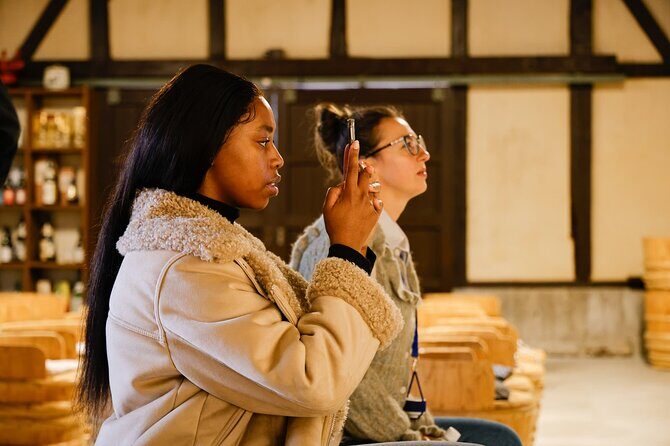 ★ 5.0Hiroshima Saijo Sake Tasting Tour with visit to 7 BreweriesFrom $50
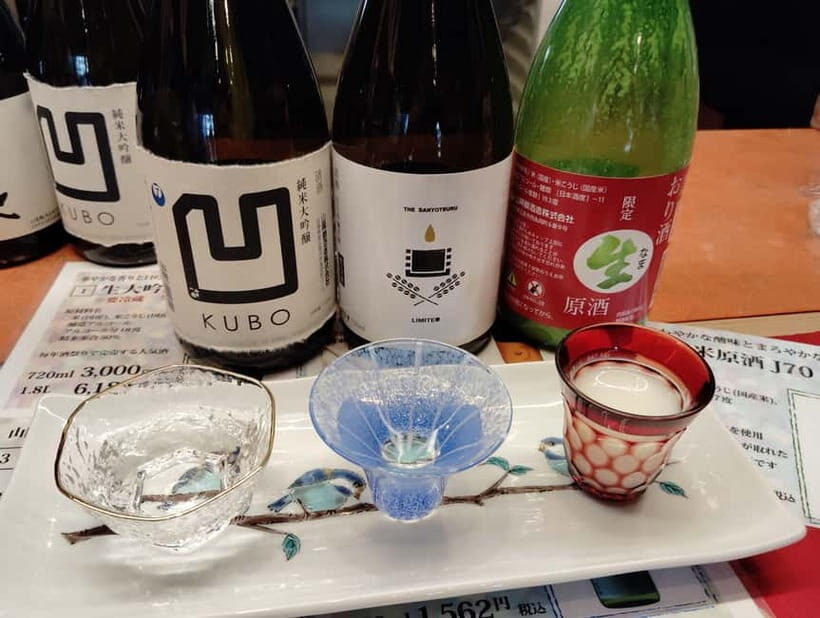 ★ 4.8Hiroshima: Saijo Sake Tasting at 7 Breweries Guided TourFrom $902 hours
Hiroshima Saijo Sake Tasting Tour with visit to 3 BreweriesFrom $35
★ 4.8Hiroshima: Saijo Sake Tasting at 7 Breweries Guided TourFrom $902 hours
Hiroshima Saijo Sake Tasting Tour with visit to 3 BreweriesFrom $35
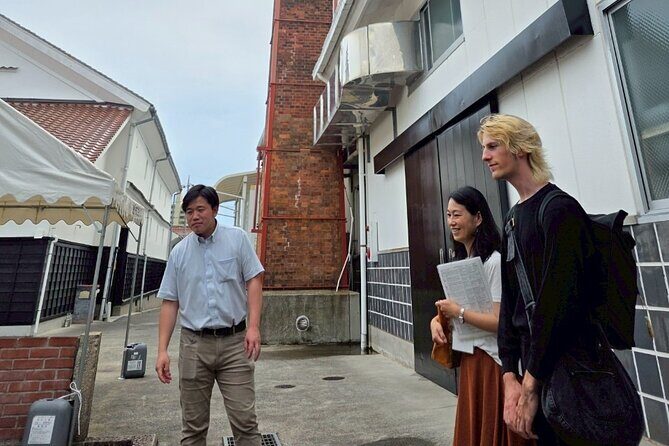 ★ 5.0Visit behind the Scenes: Hiroshima Saijo Sake Brewery TourFrom $117
 ★ 5.0Hiroshima Saijo Sake Tasting Guided Tour – 7 Breweries in 2 HoursFrom $73
 ★ 5.0Hiroshima Saijo Sake Tasting Calligraphy and Dinner Private TourFrom $286
The lists this tour appears in