
Saijo turns a beer-drinkers’ day into a sake nerd’s day. This short tour is built around three nearby breweries and an English guide who explains what you’re tasting and why it matters. I like that it’s efficient without feeling rushed, and I especially like the variety of styles you get in just 90 minutes. One heads-up: it’s a tasting tour, so you won’t see the brewing process.
You also get a practical slice of how Saijo became one of Japan’s major sake regions. You’ll sample different offerings, including premium-leaning styles like daiginjo-type sake, plus umeshū/plum wine at one stop. A possible drawback is that the stops aren’t equal on what’s included for admission, so you should be ready for the tour to mention that some brewery entries aren’t included.
Finally, this is smart if you’re visiting on a weekday. Some breweries don’t offer tastings every day, so having a guided route that still lets you taste is genuinely valuable. Also note the rule that participants under 20 (including infants) can’t join.
In This Review
- Key things you’ll notice on this Saijo sake tasting route
- Saijo’s brewery belt: why this tour works in 90 minutes
- Price and what you actually get for about $35.93
- Before you go: the 20+ rule and the tasting-only format
- Stop 1 in Saijo: meeting by the station and getting oriented fast
- Stop 2: Kamotsuru Sake Brewery and the Daiginjo Gold session
- Stop 3: Fukubijin Junmai-Shu and warm sake in winter
- Stop 4: Hakubotan’s 1675 legacy and the two-style tasting
- Why the tour’s guide makes a difference (and how to use it)
- Tasting tips for a short tour (so you actually learn something)
- Who this Saijo tour is best for (and who should skip it)
- Should you book this Hiroshima Saijo Sake Tasting Tour with 3 Breweries?
- FAQ
- What time does the Hiroshima Saijo sake tasting tour start?
- How long is the tour?
- How many people are in the group?
- What’s included in the tasting?
- Is it possible to watch the sake brewing process?
- Are there age restrictions?
Key things you’ll notice on this Saijo sake tasting route

- Three breweries in walking range, done in about 1 hour 30 minutes
- Five tasting types included, with styles that range from daiginjo-type to junmai
- Kamotsuru’s short video at the visitor room, followed by a daiginjo-type pour
- Fukubijin Junmai-Shu tasting, with the option for warm sake in winter
- Hakubotan’s classic lineup, including Hiroshima Gensyu and plum wine soaked in daiginjo-shu
- Small group size (maximum 10), which keeps the pace friendly
Saijo’s brewery belt: why this tour works in 90 minutes
.jpg)
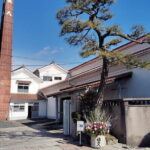
Saijo is one of Japan’s big sake-producing areas, and it’s set up for exactly this kind of experience. The tour uses the fact that you can reach multiple breweries on foot from the station area, so you spend more time tasting and less time commuting.
The timing is the other big win. With about 1.5 hours total, this is a “do it today” activity even if you have other Hiroshima plans. The pace stays tight, so you’ll want to treat it like a guided tasting session, not a long hangout.
And since the tour runs with an English guide, it helps you connect flavors to process. Even though you won’t watch brewing, the explanations are still useful. If you’ve ever tasted sake and wondered why one bottle tastes clean and another feels softer or more floral, this tour gives you the vocabulary fast.
Other sake tasting experiences we've reviewed in Hiroshima

Price and what you actually get for about $35.93
.jpg)
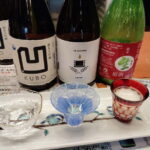
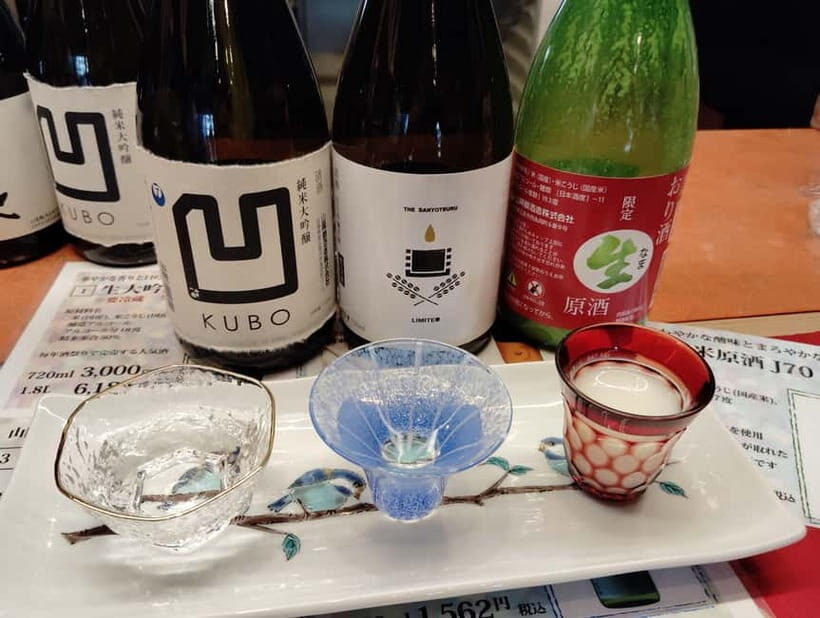
At $35.93 per person, you’re paying for a guided route plus tastings at multiple breweries. What makes the price feel fair is that you’re not just getting one sample. You get 5 different types of sake tasting included, spread across three stops.
That matters because sake is a wide world. Daiginjo-type styles can taste crisp and refined, while junmai styles often feel rounder or more grounded. When you sample multiple styles close together, you build a clearer mental map of what you like.
One detail to plan around: stops 3 and 4 list admission tickets as not included. That doesn’t automatically mean it will be expensive, but it does mean you shouldn’t assume everything costs exactly what you paid. It’s worth confirming what you’ll see on the day so you don’t get surprised.
Also, the tour fee stays the same even if you decide not to drink alcohol. If you’re designated-driver-ing or you’re simply not up for alcohol, you’re still buying the guide and the tasting experience structure.
Before you go: the 20+ rule and the tasting-only format
.jpg)
Japan’s legal drinking age is 20, and this tour follows that rule. Participants under 20, including infants, can’t join. If you’re traveling as a family, that rule affects who can be part of the group.
Another format point is important: you won’t be able to observe the brewing process. This is not a hands-on brewery walkthrough with tanks and steaming mash. Instead, it’s designed to fit real brewery hours and deliver an efficient tasting experience with explanations.
If you want to see the behind-the-scenes work, you’ll need a different type of brewery tour. For this one, think: sampling, comparing, and learning what makes each style taste the way it does.
Stop 1 in Saijo: meeting by the station and getting oriented fast
.jpg)
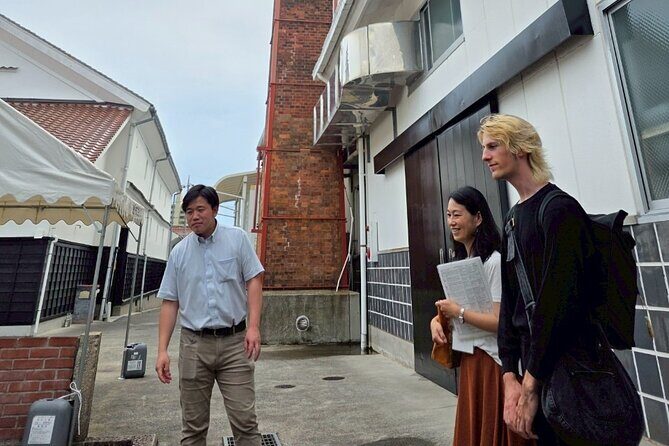
You start in the Saijo area, with the meeting point described either at the Higashihiroshimashi Information Centre or right by the Saijo Station Tourist Information Center. The start time listed is 10:30 am, and you’ll end back at the meeting point.
In practice, this first stop is about getting your bearings. You’re in the right neighborhood for a reason: Saijo has multiple breweries within walking distance, so the tour can stay short.
The timing also keeps you from spending your whole morning searching for entrances. You’ll have a guide to handle the flow, so you’re free to focus on the tasting experience instead of logistics.
Stop 2: Kamotsuru Sake Brewery and the Daiginjo Gold session
.jpg)
Kamotsuru is known as a pioneer in Ginjo sake brewing, and the tour leans into that reputation. This stop starts with a short video, about 10 minutes, introducing sake making and a tasting session tied to a specific daiginjo-type product.
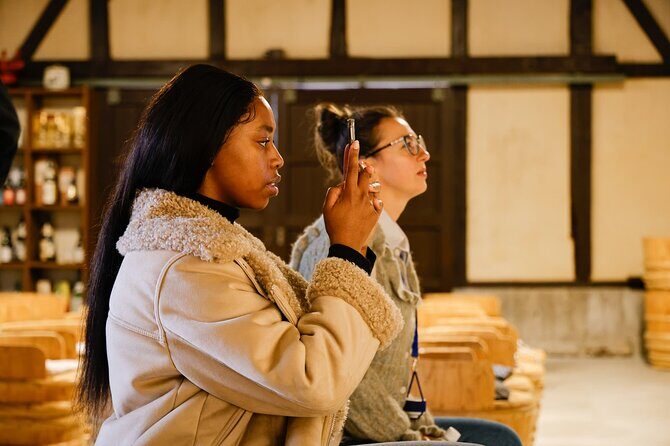
You’ll watch the video in the Kamotsuru visitor room, and then move into tasting. The focus is on Daiginjo-Type, with a tasting connected to Daiginjo Gold Kamotsuru.
What I like about structuring it this way is that it turns the tasting into something you can understand. You’re not just tasting and guessing. You get a quick story about sake making, then you taste a style that represents what the brewery is aiming for.
A practical thought: ginjo-leaning styles can taste very “clean” compared to heavier sake. If you usually go for sweet drinks, you might find the aroma and finish at this stop especially noticeable. Take small sips and let your palate reset between pours.
Other Saijo sake district tours we've reviewed in Hiroshima

Stop 3: Fukubijin Junmai-Shu and warm sake in winter
.jpg)
Fukubijin is described as the Saijo Brewing School, and it has produced many master brewers. That background matters because you’re tasting a style with training behind it, not just a random label.
At this stop, the tasting is Fukubijin Junmai-Shu. The tour also mentions a seasonal benefit: during winter, you can try warm sake.
Warm sake is not just about temperature. It often changes how the flavors read in your mouth, sometimes making the sake feel rounder and more comforting. If you’re visiting in colder months, this is one of the moments where you can get a totally different experience from the same basic category.
One caution: because the tour is tight and timed, you may need to move through tasting quickly. Warm sake can cool down fast, so it’s smart to taste while it’s at the right temperature rather than holding your cup for later.
Stop 4: Hakubotan’s 1675 legacy and the two-style tasting
.jpg)
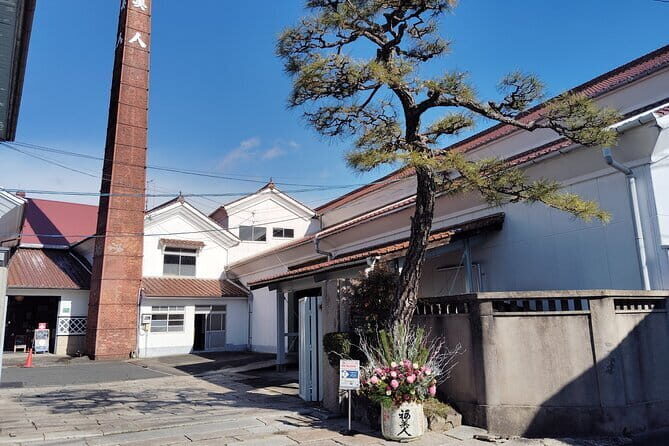
Hakubotan is one of the oldest sake breweries in Hiroshima Prefecture, founded in 1675. That age is more than a trivia point. It signals that the brewery has survived by staying relevant, which often shows up in the way their lineup feels balanced between tradition and modern refinement.
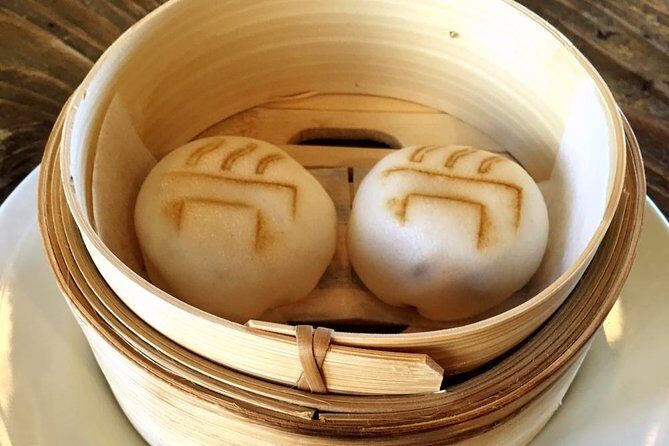
The tour tasting at this stop includes Hiroshima Gensyu and plum wine soaked in Daiginjo-shu.
This is a key stop for people who aren’t only into straight sake. Umeshū-style drinks often bring sweetness and fruit character, and that can be a gateway if you find plain sake intimidating. Even if you normally avoid sweet drinks, the daiginjo-soaked foundation can keep the plum flavor from taking over completely.
Also pay attention to the pairing of styles. You’re tasting something brewed for a sake profile (Hiroshima Gensyu) and something infused with fruit character. Side-by-side like that makes it easier to decide what you’d actually buy at a shop back home.
Why the tour’s guide makes a difference (and how to use it)
.jpg)
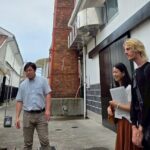
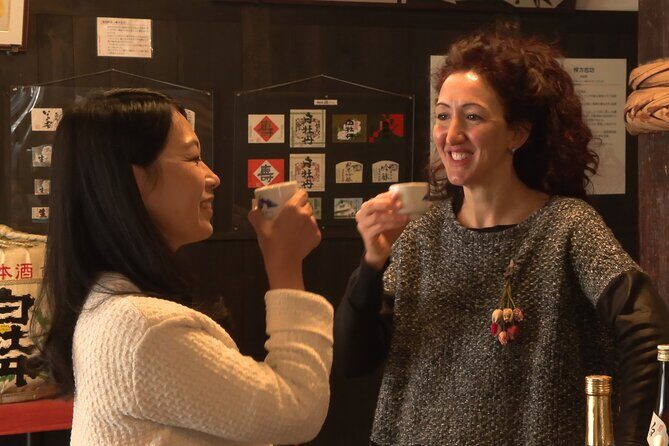
The guide is a big part of the value here. The tour is designed to be concise but informative, with explanations tied to what you’re sampling at each brewery.
You should use that time actively. Ask for the differences you’re tasting, not just the names of the products. For example, if you’re noticing aroma more than flavor, ask what that style emphasizes. If you feel one sake tastes drier or softer, ask what ingredient choices or brewing direction cause that effect.
Because the group size is small (up to 10), you’re more likely to get answers that fit your tastes. This is the kind of tour where listening carefully makes each tasting more meaningful, instead of turning into five quick samples that blur together.
Also, if you need a Spanish-speaking guide, you can ask in advance. If language is a barrier for you, handle that early rather than hoping it will be arranged last minute.
Tasting tips for a short tour (so you actually learn something)
This is not an unlimited sampling event. You’ll get your tastings within a set window, so the goal is to taste thoughtfully, not to “power through.”
Here are a few practical moves that help:
- Sip, breathe, then sip again. Aroma matters a lot in sake.
- Compare in pairs. Don’t try to remember five sakes at once. Group them into comparisons.
- Notice temperature. If you try warm sake at Fukubijin, compare it to the others later.
- Be honest about sweetness and dryness. If one tastes too sweet or too dry for you, say so in your notes and rely on that when shopping later.
If you’re not sure what you like yet, that’s normal. This tour is doing the work of narrowing your preferences quickly.
Who this Saijo tour is best for (and who should skip it)
This tour is best for you if you want a fast introduction to Saijo sake and you don’t want to spend a whole day hopping between breweries. It’s also a strong pick if you care about sampling styles you might not easily access on your own during the week, since the route is set up to still let you taste at multiple breweries.
It’s a good match if you like learning something practical. You’ll get a clear sense of how breweries differ, and how style labels connect to what your palate experiences.
You might want a different option if you specifically want to watch brewing. Since you can’t observe the process here, people who want the full “factory experience” may feel under-satisfied.
And since the tour follows the age 20+ rule, it’s not a good fit for groups that include younger participants who want to attend together.
Should you book this Hiroshima Saijo Sake Tasting Tour with 3 Breweries?
If your goal is to taste widely in a short time, I’d book it. For the money, you’re getting a guided route with multiple distinct styles, including a premium-leaning daiginjo-type tasting, a junmai focus, and a plum wine stop. That’s a lot of decision-making help for one afternoon.
I’d also book it if you’re visiting on a weekday. The fact that some breweries may not offer tastings every day is exactly where a guided route like this turns into value, because you’re not just hoping your timing works.
Skip it only if you’re mainly after the brewing view. This is for tasting and understanding what you’re tasting, not for touring tanks and rice processing.
If that sounds like your kind of day, you’ll probably enjoy how efficiently Saijo turns into an easy lesson in sake.
FAQ
What time does the Hiroshima Saijo sake tasting tour start?
The tour start time is listed as 10:30 am.
How long is the tour?
The duration is approximately 1 hour 30 minutes.
How many people are in the group?
The group is capped at a maximum of 10 travelers.
What’s included in the tasting?
The tour includes an English guide and 5 different types of sake tasting.
Is it possible to watch the sake brewing process?
No. This is a tasting tour, and you will not be able to observe the brewing process.
Are there age restrictions?
Yes. The legal drinking age is 20, and participants under 20 (including infants) are not allowed to join.
More Breweries in Hiroshima
More Hiroshima Saijo Sake Tours in Hiroshima
More Sake Tasting Experiences in Hiroshima
More tours in Hiroshima we've reviewed


Hiroshima Saijo Sake Tours, compared.
 ★ 5.0Hiroshima Saijo Sake Tasting Tour with visit to 7 BreweriesFrom $50
 ★ 4.8Hiroshima: Saijo Sake Tasting at 7 Breweries Guided TourFrom $902 hours
 ★ 5.0Visit behind the Scenes: Hiroshima Saijo Sake Brewery TourFrom $117
 ★ 5.0Sake Town Tour in Saijo HiroshimaFrom $209
 ★ 5.0Hiroshima Saijo Sake Tasting Guided Tour – 7 Breweries in 2 HoursFrom $73
 ★ 5.0Hiroshima Saijo Sake Tasting Calligraphy and Dinner Private TourFrom $286
The lists this tour appears in