
Reviewed · SAPPORO BAR TOURS
A pairing experience in Sapporo where you can enjoy tempura and 3 kinds of Hokkaido-only sake, along with a soba-noodle making experience!
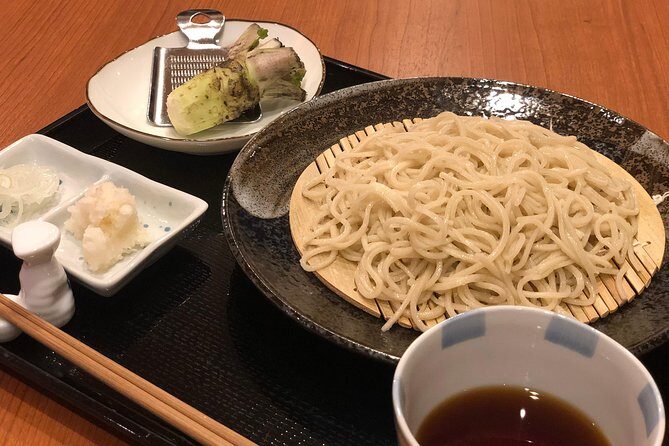
Soba tastes different when you make it yourself. This one is all about the real craft: you’ll handle the full soba process, then sit down to a pairing built around Hokkaido ingredients and three sake pours.
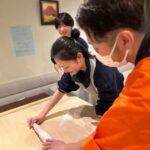
I especially love two things. First, the class does not stop halfway. You go from buckwheat to dough to stretching, cutting, and boiling. Second, you get a smart sake comparison: two cold and one warmed sake, so you can taste how temperature changes the aroma and flavor.
One heads-up before you go: the restaurant is out in Nishi Ward, so give yourself real transit time. One review notes it’s at the end of the orange line, which can add time if you’re staying more central.
In This Review
- Key highlights worth planning for
- Real soba in Sapporo: how this feels different from a show kitchen
- The 1 hour 15 minutes that actually covers the whole soba workflow
- What you’ll taste while the noodles are still at their best
- Tempura + soba pairing: simple food done with care
- Three kinds of Hokkaido sake: why temperature is the real lesson
- What makes the pairing feel thoughtful
- Small-group format at a working restaurant
- Price and timing: does it feel worth $123.79?
- Getting there in Sapporo: plan for Nishi Ward transit time
- A safety and comfort note that’s worth respecting
- Who should book this soba and sake pairing
- Should you book? My practical call
- FAQ
- Where does the experience meet?
- How long is the experience?
- Is this a private experience?
- What will I make during the soba part?
- What food do you get to eat?
- How many sake types are included, and are they served cold or warm?
- Is this suitable for beginners who don’t know sake?
- Is tempura included, and do I need to worry about safety?
- What’s the minimum age?
- What’s the cancellation rule if plans change?
Key highlights worth planning for
- A real, operating soba restaurant: instruction happens in a place that runs like it normally would.
- Full soba-making sequence: mixing buckwheat flour through to cutting and boiling.
- Eat at peak freshness: you taste the soba right after it’s made and boiled.
- Hokkaido seasonal tempura: paired for compatibility with soba, not just as a side dish.
- Three sake styles from Hokkaido: two cold + one warmed, chosen to match food.
- Small-group teaching pace: more time with the chefs and fewer people to wait behind.
Real soba in Sapporo: how this feels different from a show kitchen
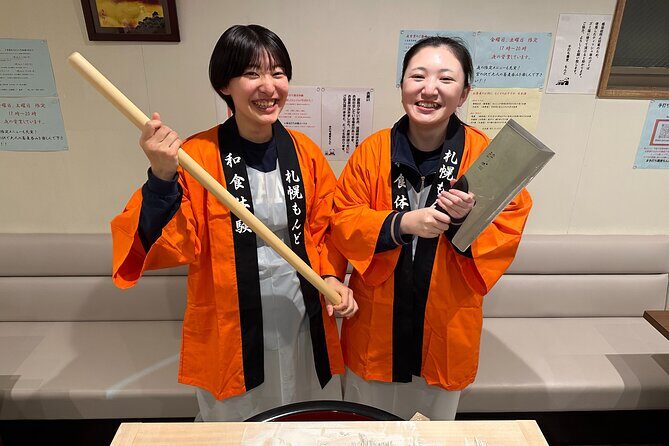
This experience is designed to feel like a regular meal in Japan, not a staged performance for cameras. The biggest clue is that it happens in a hand-made soba restaurant that’s actually open day to day. Instead of a demo followed by a plated version of noodles, you learn from soba chefs who make and serve soba in their working routine.
That matters because soba has a rhythm. It’s not just a recipe. It’s texture, timing, and attention. When you’re taught the process at the counter or prep area, you start to understand why Japanese people care about the small steps: how the dough feels, how the thickness holds, and why the boil timing changes the final bite.
You’ll also notice the teaching style is practical. You’re not asked to memorize trivia. You’re guided through what to do and why it matters. If your Japanese is limited, you’ll still get value from watching hands and copying motions. The reviews you’ll find around this experience often mention that the team is friendly and that the main goal is teaching a real way of eating, even if English support isn’t always heavy.
Other Sapporo bar tours we've reviewed in Sapporo
The 1 hour 15 minutes that actually covers the whole soba workflow
Most cooking experiences give you a short segment, like mixing or rolling, then send you to your seat. Here, you get the full sequence described in the plan:
- Mix buckwheat flour
- Put the dough together
- Stretch
- Cut
- Boil (and then taste immediately)
That’s a big deal for value. Buckwheat is temperamental. It behaves differently than wheat flour, and the process is more delicate than it looks. When you stretch and cut, you’re learning the craft behind soba’s bite. When you boil, you get to experience the final result at the moment it’s best.
And because you’re doing it all in a short window (about 1 hour 15 minutes), you also avoid the common problem of long classes that drag. You’ll likely feel busy, but not exhausted. It’s built to keep the pace moving so you can eat while everything is fresh.
What you’ll taste while the noodles are still at their best
Soba has a very short window where aroma and texture feel right. The plan specifically calls out that you can taste your own soba noodles when they’ve been freshly beaten and boiled. That timing changes the experience dramatically compared with soba you might get later at a restaurant where noodles have been held.
To round out the meal, you get Japanese-style ways of eating, including options like warm soba broth and tenkasu. These are smart add-ons for first-timers because they show how soba is meant to be flexible. It’s not only about dipping in sauce; it’s also about balancing flavors and textures.
Tempura + soba pairing: simple food done with care
You’ll eat tempura alongside your soba. The plan says it’s made mainly with seasonal ingredients from Hokkaido, and that the tempura itself is made by a Japanese chef.
Why that detail matters: tempura is delicious, but the process involves hot oil. The plan includes an explicit safety note that tempura is dangerous for burns, which is why the chef handles the frying. That means your role stays on soba and tasting, not wrestling with a fryer.
From a food-planning point of view, this pairing is practical. Tempura isn’t always served in a way that respects soba’s subtlety. Here, the emphasis is on compatibility with soba and letting the ingredient flavor do the talking. So you get crunch and warmth from the tempura, and the soba keeps the meal light and clean.
If you’re the kind of traveler who likes to understand why things go together, you’ll likely enjoy this section. It’s not just eating. It’s tasting how oil-crisp and buckwheat work as a team.
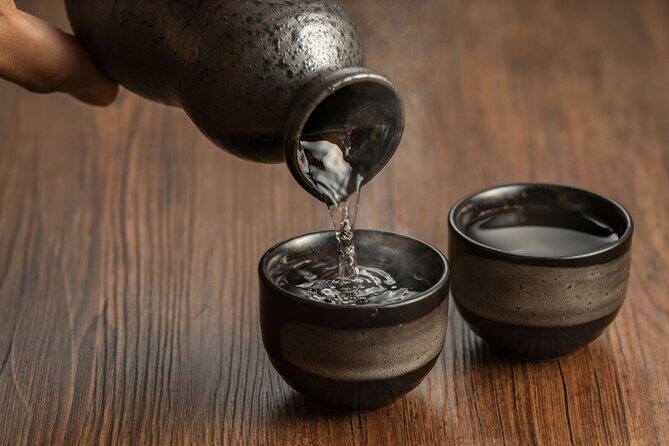
Three kinds of Hokkaido sake: why temperature is the real lesson
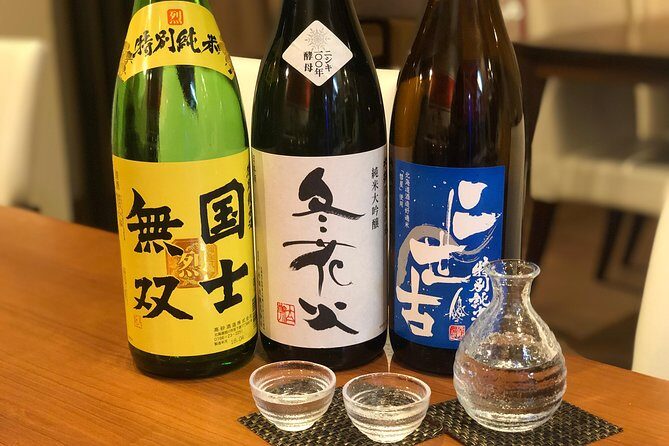
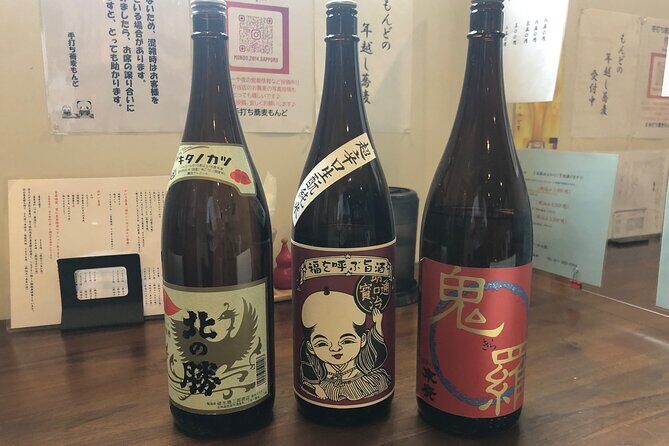
Here’s one of the most enjoyable parts of the plan: you compare three Hokkaido-only sake selections. The structure is simple and clever:
- Two types served cold
- One type served warmed
You can taste how aroma and flavor shift with temperature. Cold sake often reads lighter and crisp. Warm sake often feels rounder and more aromatic. The point isn’t to declare one winner. It’s to notice how the same food pairing changes when the sake changes.
The plan also says the sake is chosen to be food-friendly and approachable for overseas guests, including recommendations if you’re new to sake. You’ll find that helpful because sake can feel intimidating if you start with technical terms. This experience keeps it focused on drinking with meals.

What makes the pairing feel thoughtful
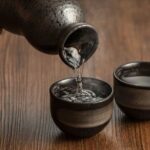
A lot of meal experiences treat alcohol like an add-on. This one is more intentional. You’re tasting sake alongside soba and tempura, so you can detect what works and why. The meal isn’t separate from the drinks; it’s the reason for them.
Small-group format at a working restaurant
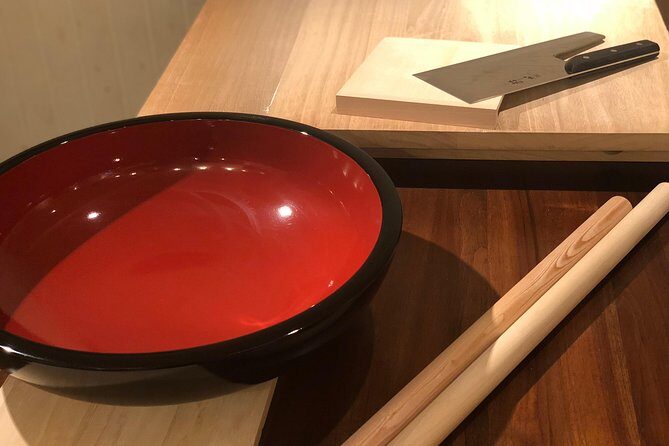
This is a private tour/activity for your group. That matters more than people think. When you’re in a small group, you can ask questions without feeling rushed, and the chefs can correct your technique more easily.
The plan also emphasizes polite, quality teaching rather than mass acceptance. In practice, that usually means you get a calmer pace, less waiting, and more chance to connect instruction to what you’re doing with your hands.
If you like hands-on travel—where you learn by doing—this format is a good fit. If you want an experience that feels like a workshop, with time to slow down and ask, this is closer to that than to a quick conveyor-belt class.
Price and timing: does it feel worth $123.79?
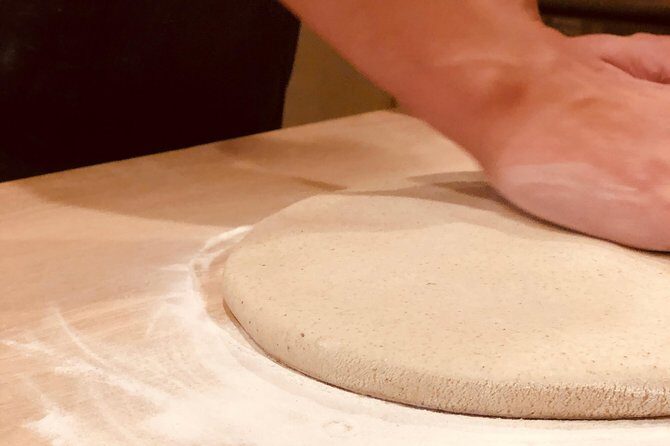
At $123.79 per person for a little over an hour, it can look pricey at first glance—until you break down what’s included and why it’s not a basic meal.
You get:
- Full soba-making instruction, including dough handling and cutting
- Fresh soba tasting immediately after boiling
- Tempura made by a chef using Hokkaido seasonal ingredients
- Three kinds of Hokkaido-only sake (two cold, one warmed)
- A small-group experience in a real working soba restaurant
Sake alone isn’t cheap when it’s local and purpose-picked for food pairing. Add in the fact that tempura is made fresh with chef handling, plus the labor of teaching a craft at the same time as serving. The short duration helps value too: you’re paying for concentrated instruction and a complete meal, not a long event.
One more practical note: the average booking lead time is about 40 days, so if you’re traveling in peak seasons or on specific weekdays, lock it in early. This type of experience usually doesn’t stay available forever.
Getting there in Sapporo: plan for Nishi Ward transit time
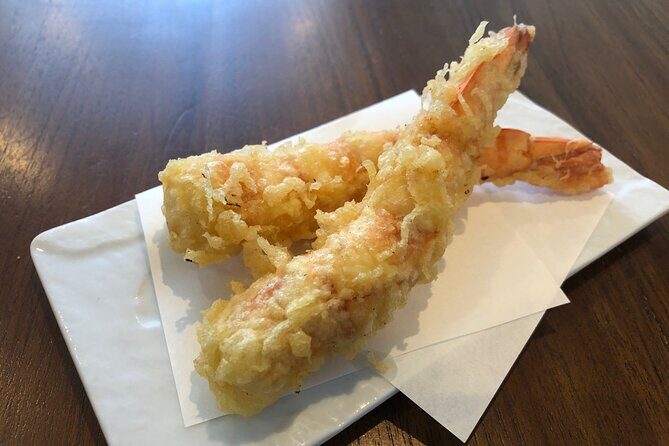
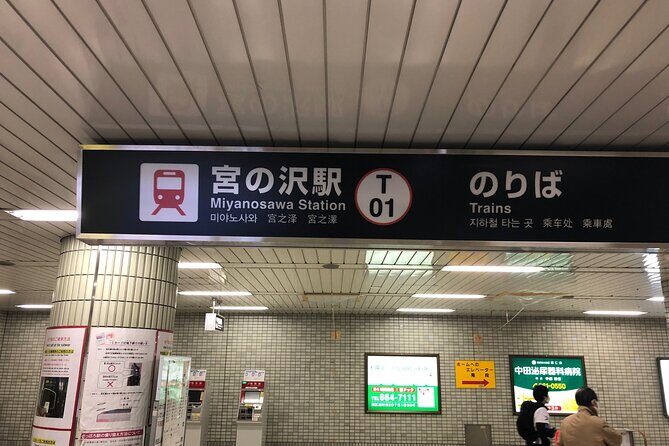
The meeting point is listed at 9-chōme-17-28 Hassamu 6 Jō, Nishi Ward, Sapporo, Hokkaido 063-0826. It ends back at the same spot.
The plan says it’s near public transportation. That’s good. Still, one review highlights it’s at the end of the orange line. So build in time if you’re staying near Sapporo Station or Susukino and you don’t want to rush.
Also, the experience uses a mobile ticket, which you’ll want ready on your phone. If you prefer paper backups, it’s not mentioned, so I’d stick to having your digital ticket accessible.
A safety and comfort note that’s worth respecting
This experience is for participants aged 20 and over. Tempura involves hot oil and the frying is handled by the chef, but you’ll still be around a cooking area. Wear comfortable clothes and expect warmth from the meal environment.
Who should book this soba and sake pairing
This one fits best if you answer yes to a few of these:
- You want a hands-on food craft, not just eating.
- You enjoy comparing flavors with a clear framework, like cold vs warmed sake.
- You like Hokkaido-focused meals and seasonal ingredients.
- You’re okay with an experience that centers on food culture, even if English explanation is limited at times.
It may be less ideal if you strongly want a fully English-run experience with a lot of background history talk. The plan does mention support for overseas guests and sake recommendations, but it doesn’t promise bilingual teaching depth.
Should you book? My practical call
Book it if you want one standout meal in Sapporo that teaches you something you can actually feel in your hands. The full soba sequence, the freshly boiled tasting, and the three-sake temperature comparison make this more than a basic cooking class.
Skip it or consider alternatives if logistics stress you out. Because it’s in Nishi Ward and sits out near the end of the orange line, it takes planning to get there comfortably—especially in cold weather.
If you’re trying to choose between a central sightseeing tour and this kind of culinary craft, I’d choose this. It gives you a real meal plus a real skill you can remember the next time you see buckwheat noodles.
FAQ
Where does the experience meet?
It meets at 9-chōme-17-28 Hassamu 6 Jō, Nishi Ward, Sapporo, Hokkaido 063-0826, Japan, and it ends back at the meeting point.
How long is the experience?
The duration is about 1 hour 15 minutes.
Is this a private experience?
Yes. It’s private for your group only.
What will I make during the soba part?
You’ll learn the complete soba-making process described in the plan: mix buckwheat flour, put the dough together, stretch, cut, and then boil and taste.
What food do you get to eat?
You’ll eat the freshly made and boiled soba, plus Hokkaido seasonal tempura served with it.
How many sake types are included, and are they served cold or warm?
You’ll get three types of sake: two chilled and one warmed.
Is this suitable for beginners who don’t know sake?
Yes. The plan notes that sake is selected to be easy to drink and close to the food, with recommendations for those who are new to sake.
Is tempura included, and do I need to worry about safety?
Tempura is included, but it’s made by a Japanese chef because it can be dangerous for burns. You’ll still be eating it as part of the meal.
What’s the minimum age?
Participation is limited to those aged 20 and over.
What’s the cancellation rule if plans change?
You can cancel for a full refund up to 24 hours before the experience starts. If you cancel less than 24 hours before, the amount paid is not refunded.
More Sapporo Bar Tours in Sapporo
More tours in Sapporo we've reviewed
Sapporo Bar Tours, compared.
 ★ 5.0Sapporo Bar Hopping Food TourFrom $108
 ★ 5.0[Otaru & Yoichi] Let’s go to Otaru Canal, Sakaimachi Street, Music Box Hall, and Yoichi Nikka Whiskey by private car (arriving and departing from Sapporo)From $372
 ★ 5.0Sapporo: Nightlife Bar Hopping Tour with Local GuideFrom $1163 hours
 ★ 5.01 Day Tour to Hill of the Buddha, Sapporo and SakeFrom $165
 ★ 5.01-Day Tour Sapporo: The port city of Otaru & Local BreweryFrom $1708h 30m
 ★ 4.5Sapporo: Buddha Hill, TV Tower, and Sake Stand Bar TourFrom $1708h 30m
 ★ 5.01-Day Sapporo Historical Village and Sapporo Beer Museum TourFrom $1808 hours (approx.)
 ★ 5.0Sapporo Tour in the Port City of Otaru and Local beer breweryFrom $165
The lists this tour appears in