
Reviewed · SAPPORO
Soba noodle making experience and tempura, Hokkaido sakeplan
Soba-making sounds simple. It is not.
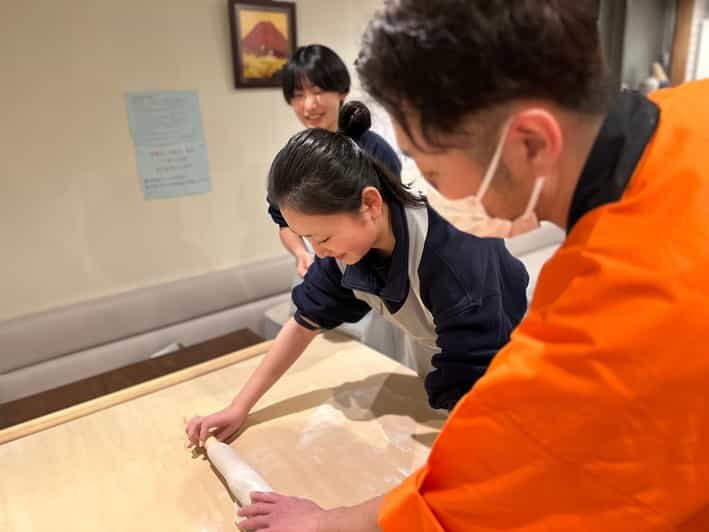
What makes this 90-minute private dinner class in Sapporo special is that you actually make buckwheat noodles by hand and then eat them with classic Japanese pairings: tempura and a focused sake tasting. The staff guide you step by step, so you get the feel of the process without needing prior knife skills or noodle confidence.
I especially like the culture-smart flow: you learn the hands-on craft, then you eat the soba in the local rhythm, including the soba-and-sake custom called Sobamae. I also like that your meal isn’t just one dish—it comes as a set with tempura and two kinds of limited-edition Hokkaido sake, so you can taste the pairing rather than guess. One possible drawback: the kitchen runs warm and active, and tempura can kick up cooking fumes; if you’re sensitive, you’ll want to plan for that.
In This Review
- Key things to know before you go
- 手打ち蕎麦もんど in Sapporo: the setting that makes food classes feel easier
- The 90-minute soba class: rolling, cutting, and tasting what you made
- A real-world caution: cooking stations run hot
- Tempura after noodle work: why you don’t rush the meal
- Sobamae: the soba-and-sake rhythm that changes how you taste
- How soba, tempura, and sake become one balanced meal
- Price and value: what $116 gets you in real terms
- Who should book this soba and sake class (and who should skip it)
- Timing and practical tips so the class stays smooth
- Should you book Hand-make Hokkaido soba with tempura and Hokkaido sake?
- FAQ
- How long is the soba making and tempura experience?
- Where does the experience start?
- What food is included?
- Is sake included, and how much?
- What languages are used during the class?
- Is it cancellable?
Key things to know before you go
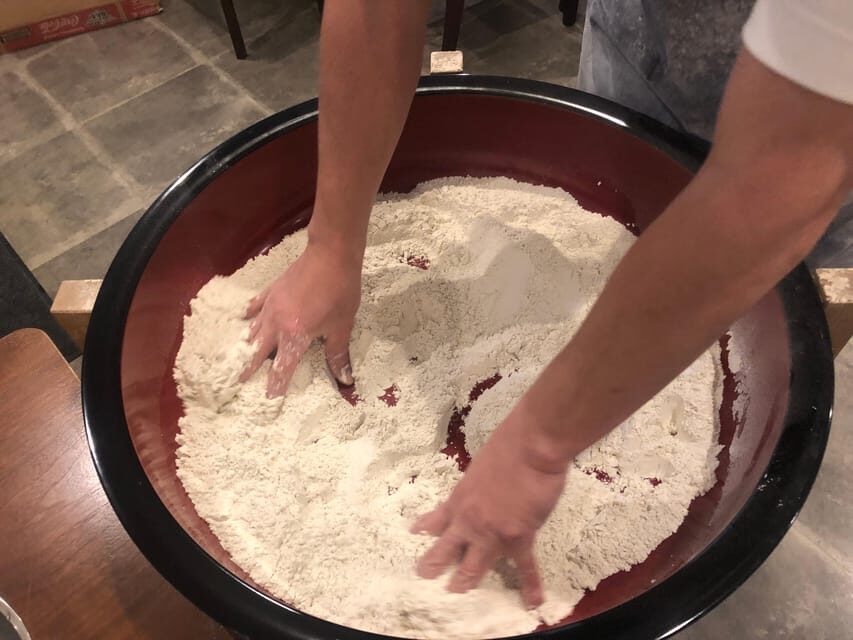
- Handmade soba process: dough, rolling, and cutting, with support for first-timers
- Sobamae timing: you drink sake while eating soba, then finish with soba
- Tempura cooked by a chef: you’re learning noodles, while the kitchen handles frying
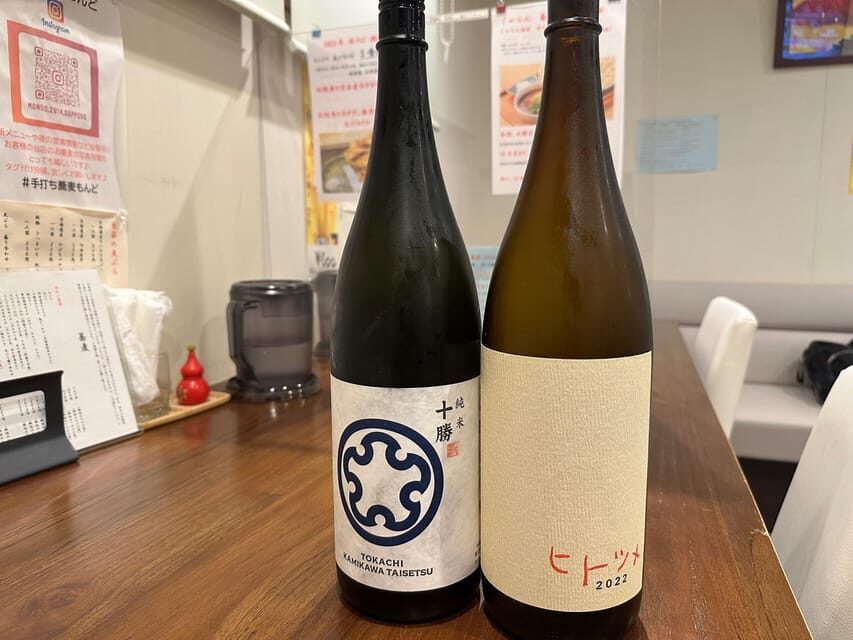
- Two limited-edition Hokkaido sake pours: recommended by a sake taster
- Private group format: a more relaxed, personal pace than a big cooking show
手打ち蕎麦もんど in Sapporo: the setting that makes food classes feel easier
Your experience starts at 手打ち蕎麦もんど, a soba-focused spot that serves lunch as well. That matters, because you’re stepping into a working local restaurant vibe, not a staged demo space. The class feels like a real meal in progress: noodles being made, tempura being cooked, and sake being poured while people keep coming in around the restaurant routine.
The location is also practical. You’re about a 3-minute walk from Miyanosawa Station on the Sapporo Subway Tozai Line, Exit 6, and it’s walking distance from Shiroi Koibito Park. In plain terms: you don’t need a complicated route or a long taxi ride to get there. If you’re building a food day around it, this is easy to fit.
Because this is a private group, you don’t have to fight for attention at the cutting board or hope someone notices your questions. The instructor is available in English and Japanese, and that bilingual support helps a lot when you’re learning hand motions that are hard to explain with words alone.
If you're still narrowing it down, here are other tours in Sapporo we've reviewed.
The 90-minute soba class: rolling, cutting, and tasting what you made
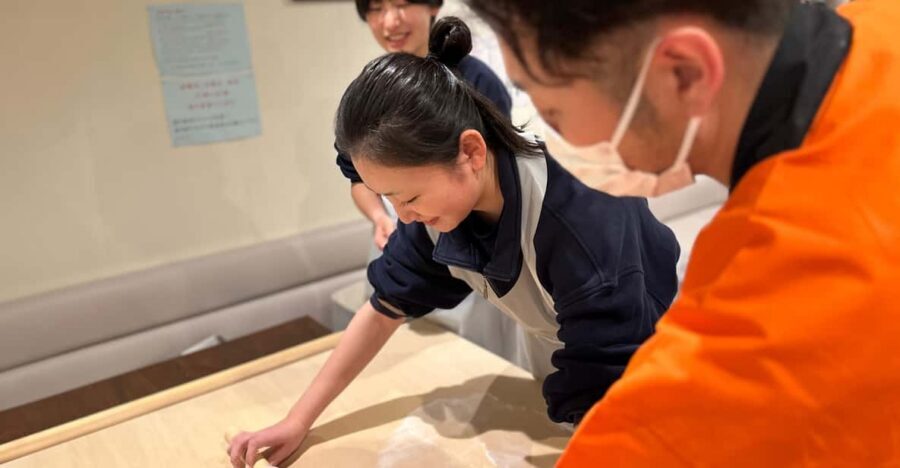
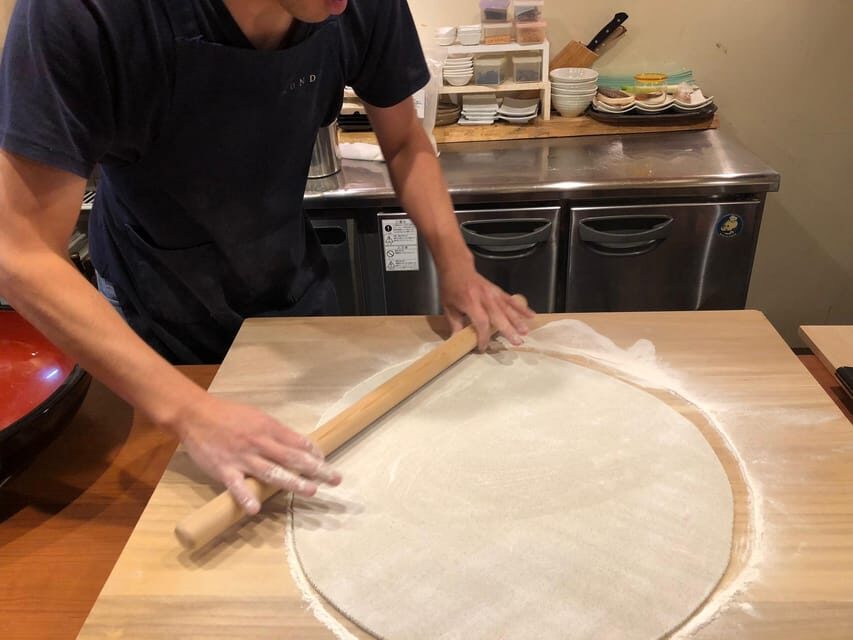
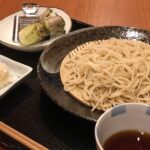
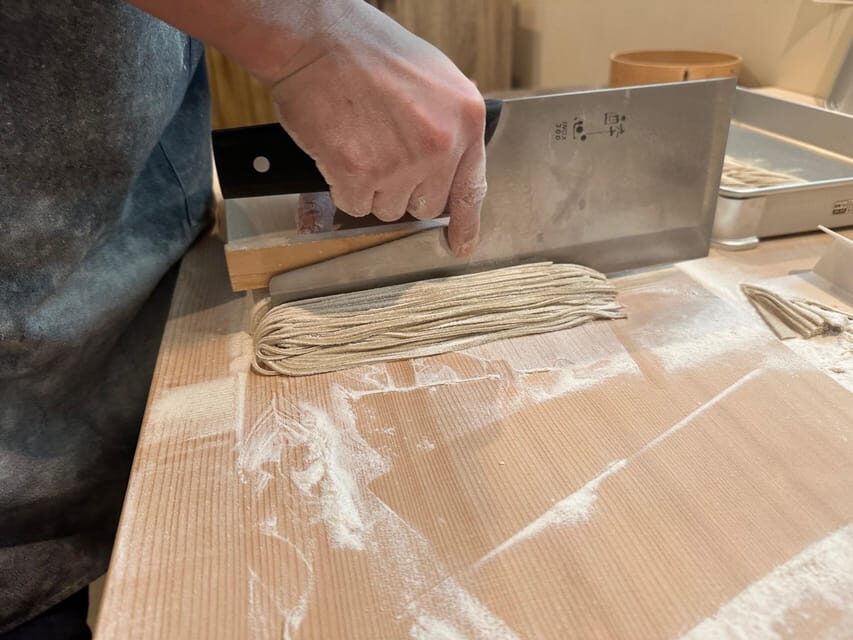
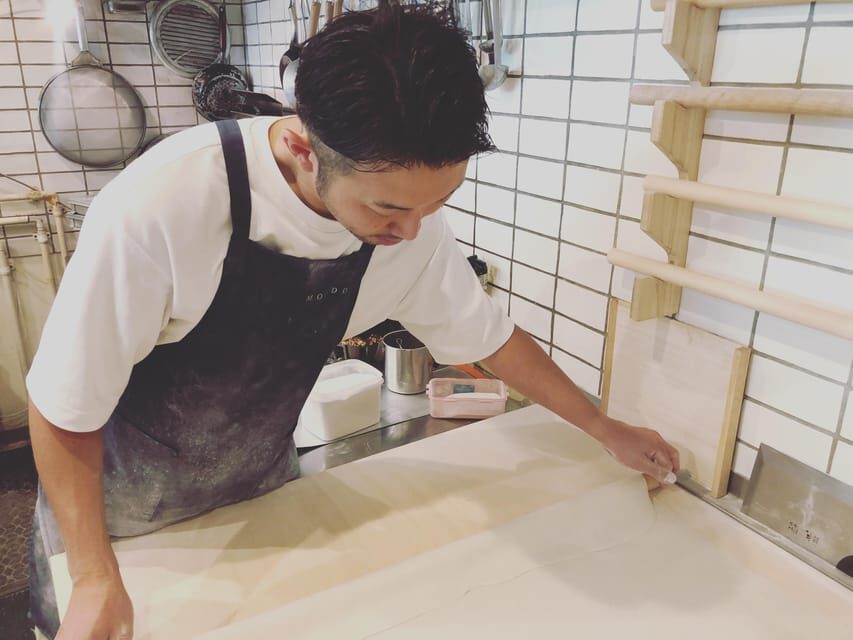
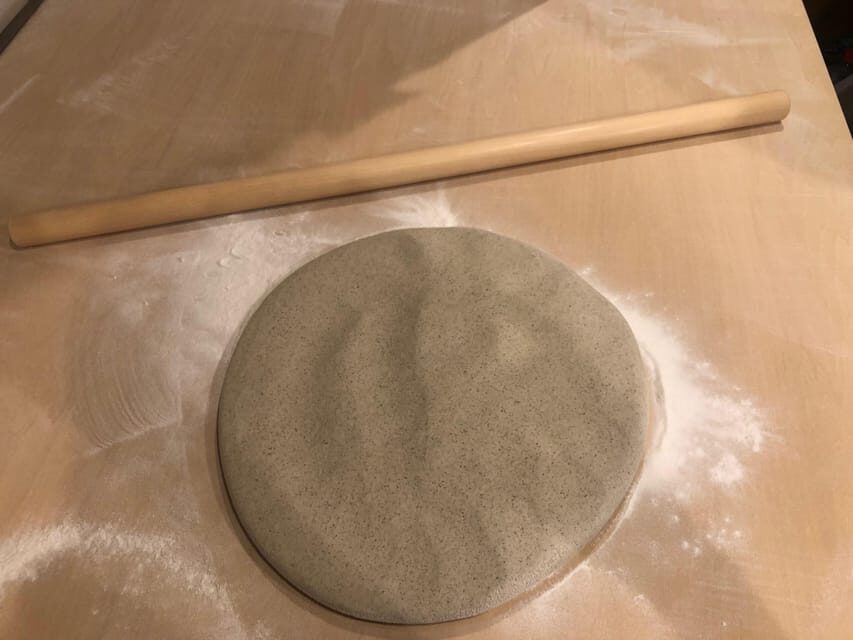
The core of this experience is your homemade soba. You’ll do the buckwheat noodle making, including mixing and handling the dough, rolling it, and cutting it into noodles. You’ll also taste what you made, so you get the feedback loop right away: you learn the method, then you immediately eat the results.
Here’s what to pay attention to as you cook. Soba is simple on paper—buckwheat noodles—but the feel is technical. Rolling and cutting need rhythm. Too thick or too uneven, and the texture changes. Cutting too fast can lead to ragged edges. The lesson keeps you from guessing by offering careful guidance while you work.
A standout detail is the type of soba they serve. They explain that they use a version of soba produced since the Edo period in Japan, described as the only type produced since that era. Whether you care about the historical claim or not, it gives the class an extra layer of meaning. You’re not just making noodles; you’re making something tied to how Japanese people have eaten for a very long time.
If you’re a first-timer, this is one of those classes that feels designed for beginners. The experience is set up so your instructor supports you carefully during the process. You’re not expected to perform like a lifelong noodle maker—you’re expected to leave knowing what the process feels like and what differences matter when you taste.
A real-world caution: cooking stations run hot
As soon as tempura joins the meal flow, the kitchen gets busier. In one case I’ve seen feedback about fumes from the frying area and how it affected someone’s eyes when the range hood wasn’t running effectively. That isn’t guaranteed to happen every time, but it’s a legit reminder: if you’re sensitive to heat, steam, or smoke, you’ll be more comfortable if you sit where ventilation is doing its job.
Tempura after noodle work: why you don’t rush the meal
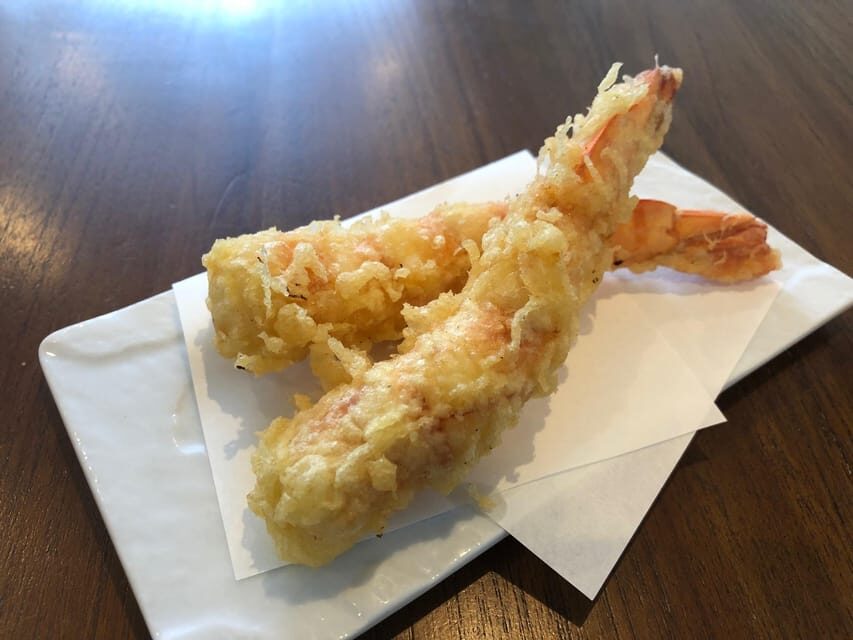
Once you’ve done the noodle part, you’ll enjoy tempura prepared by a Japanese food chef. That sequence is smart. If you’re working with dough and then moving into a hot meal, you don’t want the class to feel like a race. Tempura gives you a different texture and flavor profile right when you need it: crisp outside, tender inside, and made to pair with dipping flavors and soba-style eating.
Tempura also works as a contrast. Fresh noodles bring chew and buckwheat character. Tempura adds crunch and richness. The combination makes the meal feel complete without needing extra sides you didn’t plan for.
And yes, there’s a reason this isn’t a random pairing. In Japan, many people order tempura as part of a set alongside soba. In other words, the meal structure isn’t just for foreigners. It’s how the locals commonly eat it.
Sobamae: the soba-and-sake rhythm that changes how you taste
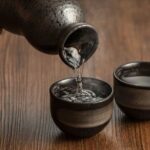
One of the best parts of this experience is the way they frame eating with sake. Japanese people often drink sake with soba, and they refer to the custom as Sobamae. In this format, you’ll enjoy the sake during the soba experience and then finish with soba after the initial pairing moment.
For you as a diner, this changes the tasting experience. Sake isn’t just an alcohol add-on here. It becomes part of the bite-to-bite rhythm. Buckwheat has its own earthy taste, and the right sake can make that flavor feel cleaner and more focused. With soba, timing matters; drinking at the right moment can make the noodles taste different than they would with water or nothing at all.
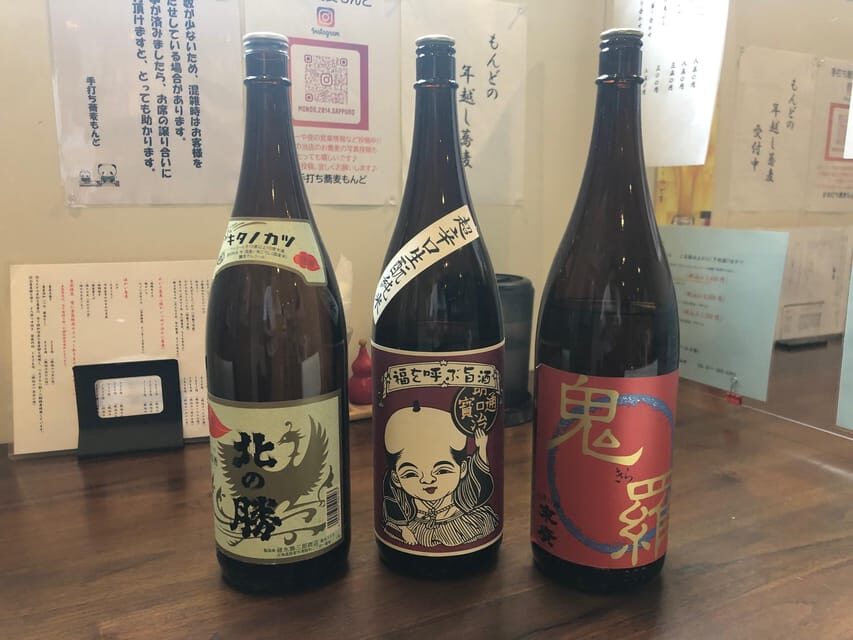
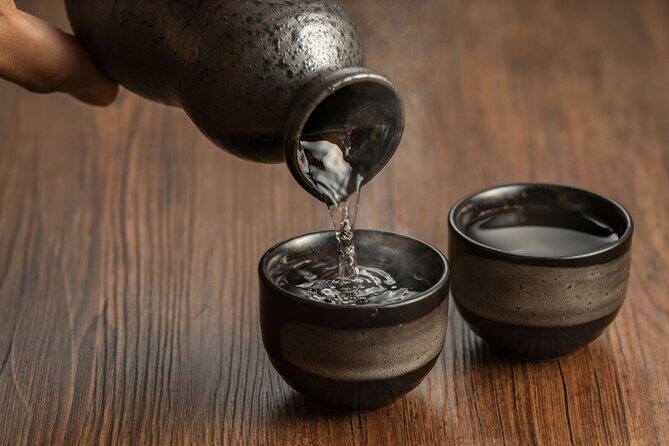
You’re not left alone with a mystery bottle either. There’s a sake taster involved, and you’ll taste two types of limited edition sake from Hokkaido. That’s a big value piece because you get recommendations from someone whose job is tasting and matching, not just pouring whatever is on hand.
Also, the experience is private, so you’re more likely to get explanations that match your interests. If you’re the type who likes to know why something works—why a specific sake fits soba—this is the format that lets that happen.
How soba, tempura, and sake become one balanced meal
A lot of food tours list dishes. This one connects the logic. Soba and tempura go well together, and adding sake ties the set into a Japanese meal rhythm rather than three unrelated courses.
Here’s the practical takeaway for you: you’re eating three textures and three flavor modes in a deliberate order.
- Soba brings buckwheat flavor and chew.
- Tempura brings crisp fried contrast.
- Sake brings brightness and pairing control, especially in Sobamae.
That balance is why this kind of meal is popular in Japan. It’s not only about taste—it’s about variety without chaos. You’re not juggling five plates. You’re staying in a tight “soba meal” world that makes the whole table feel coherent.
If you’re used to traveling and eating like you’re collecting highlights, this is a nice reset. You slow down and let one well-designed menu teach you what the cuisine values: careful pairing, simple ingredients treated seriously, and eating as a sequence.
Price and value: what $116 gets you in real terms
At $116 per person, this isn’t a budget class. But it also isn’t just a snack demo. You’re paying for a private 90-minute meal format that includes:
- A handmade soba experience with you actively making and tasting noodles
- Tempura cooked by a chef
- Two limited-edition Hokkaido sake tastings recommended by a sake taster
- A bilingual instructor in English and Japanese
So the value isn’t only the food. It’s the fact that you’re getting instruction, meal service, and tasting all tied to one sitting. In many cities, you can pay a similar amount for a single tasting menu that doesn’t teach you anything. Here, you walk away with both the taste and the method.
The private group format matters for value too. Shared classes can get rushed. Private helps the instructor spend time on your questions and your noodle-making rhythm. If you want an experience that feels less like performance and more like learning, this setup supports that.
Who should book this soba and sake class (and who should skip it)
This experience fits best if you want hands-on Japanese food culture and you like eating what you make. You’ll also enjoy it if you’re curious about regional flavors, since the focus is Hokkaido soba and Hokkaido sake.
It’s also a good pick if you’re a couple or small group who prefers a private dinner style. You get conversation and a more relaxed pace than a crowded workshop environment.
On the other hand, it may not fit if you dislike alcohol tastings. The class includes two types of sake, and they’re part of the Sobamae flow. Also, it’s not suitable for people under 20, so plan accordingly.
Timing and practical tips so the class stays smooth
This is a timed experience (about 90 minutes), so arriving on schedule matters. If you arrive late, you may cause inconvenience to other start-time customers. If you can’t arrive until the start time, it may be treated as an unapproved cancellation. That’s a strong hint to plan buffer time.
One more practical note: the venue operates as a handmade soba restaurant during lunch time, and that can affect how quickly they respond to inquiries on the day of your visit. If you’re trying to lock in questions or special requests, it’s smarter to confirm ahead rather than assume last-minute answers.
When you arrive, think of it as a working meal schedule. Wear something comfortable enough to move your hands and sit through a warm cooking flow. And if you’re sensitive to frying fumes, pick your seat with ventilation in mind and keep tissues handy just in case.
Should you book Hand-make Hokkaido soba with tempura and Hokkaido sake?
Yes—if your ideal Japan meal includes learning the craft and then eating a set that locals actually order. This is one of those experiences where the teaching and the eating are built together. You’re not only buying dinner; you’re shaping it with your own hands and tasting it right away.
I’d especially recommend it if you care about pairing. The Sobamae-style sake timing plus a sake taster’s selection of two limited-edition Hokkaido sake is a strong reason to choose this over a basic soba lunch.
Skip it if you want a purely relaxed sightseeing block or if you’re uncomfortable with any cooking fumes from a tempura setup. Also, if you’re traveling with someone under 20, this won’t be an option.
FAQ
How long is the soba making and tempura experience?
The experience lasts about 90 minutes.
Where does the experience start?
Lunch and the class meet at 手打ち蕎麦もんど.
What food is included?
You’ll enjoy handmade soba that you help make, plus tempura.
Is sake included, and how much?
Yes. You’ll taste two types of limited edition sake from Hokkaido, recommended by a sake taster.
What languages are used during the class?
The instructor uses English and Japanese.
Is it cancellable?
Yes. You can cancel up to 24 hours in advance for a full refund.
More tours in Sapporo we've reviewed
Sapporo, compared.
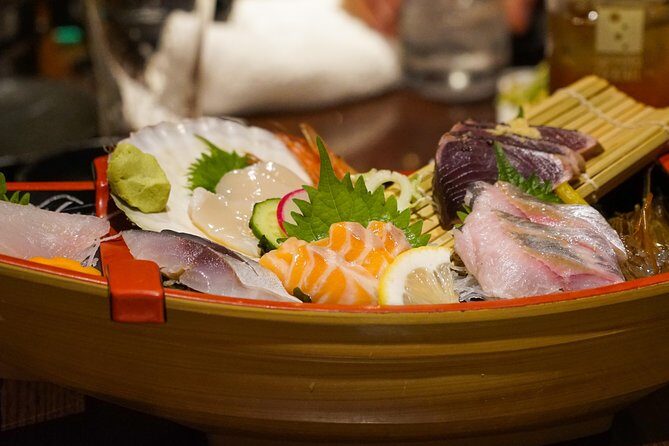 ★ 5.0Sapporo Bar Hopping Food TourFrom $108
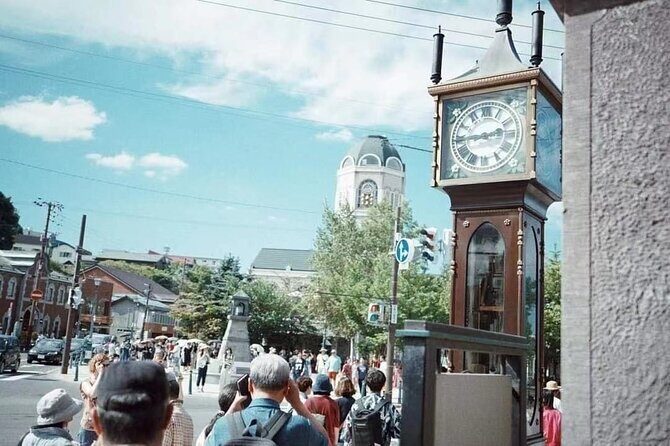 ★ 5.0[Otaru & Yoichi] Let’s go to Otaru Canal, Sakaimachi Street, Music Box Hall, and Yoichi Nikka Whiskey by private car (arriving and departing from Sapporo)From $372
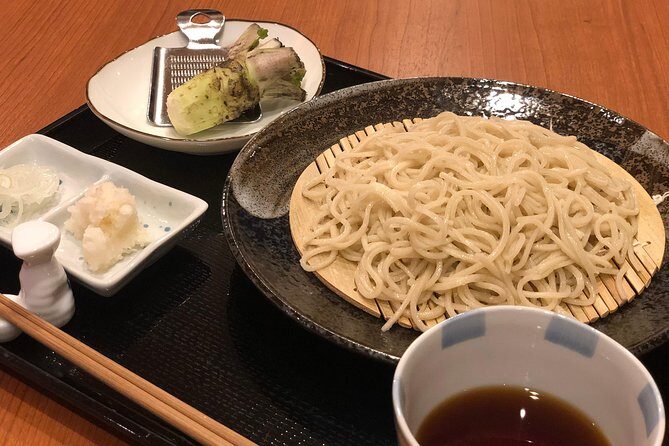 ★ 5.0A pairing experience in Sapporo where you can enjoy tempura and 3 kinds of Hokkaido-only sake, along with a soba-noodle making experience!From $123
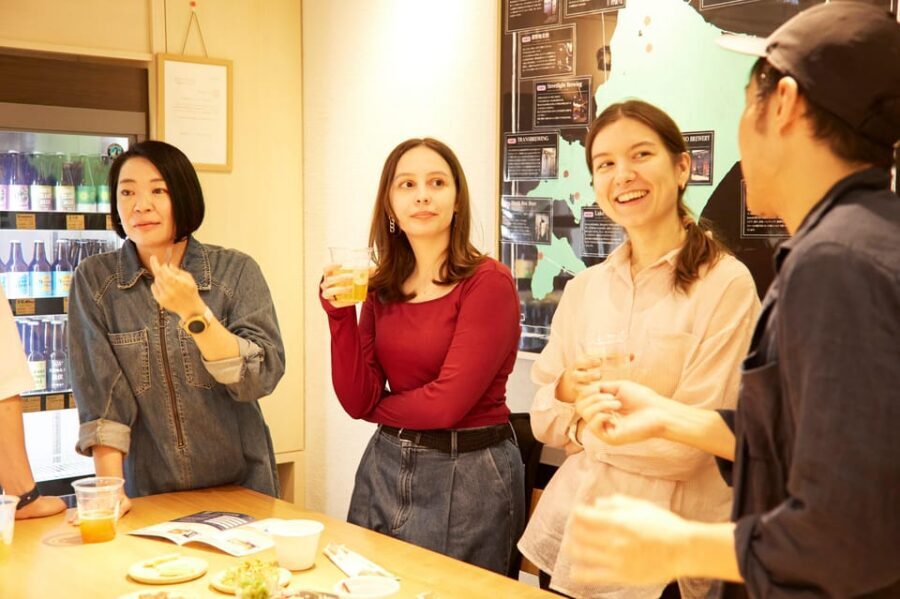 ★ 5.0Sapporo: Nightlife Bar Hopping Tour with Local GuideFrom $1163 hours
 ★ 5.01 Day Tour to Hill of the Buddha, Sapporo and SakeFrom $165
 ★ 5.0Local Bar Hopping Tour in SapporoFrom $117
 ★ 5.01-Day Tour Sapporo: The port city of Otaru & Local BreweryFrom $1708h 30m
 ★ 4.5Sapporo: Buddha Hill, TV Tower, and Sake Stand Bar TourFrom $1708h 30m
The lists this tour appears in