
Reviewed · SAPPORO BAR TOURS
1-Day Tour Sapporo: The port city of Otaru & Local Brewery
Otaru is a small city with big personality. This guided day trip turns a simple port stop into a full mix of canal-town charm and hands-on creativity. I like how the morning centers on the Otaru Canal and its stone-and-brick warehouses, then keeps going with workshops and offbeat sights that feel very Hokkaido.
You’ll also get real value from the included entry stops and the time to make your own keepsake at Kitaichi Glass Factory. One thing to plan for: the glassware and music box making are optional, and they can add extra fees on top of the tour price.
In This Review
- Key highlights worth planning around
- Why Otaru makes a stronger day than staying in Sapporo
- Morning at the Otaru Canal: warehouses, water, and an easy start
- Sakaimachi Street lunch: choose your own local spot
- Kitaichi Glass Factory: hands-on making that feels worth the ticket
- Otaru Music Box Museum and the Aeolian pipe organ
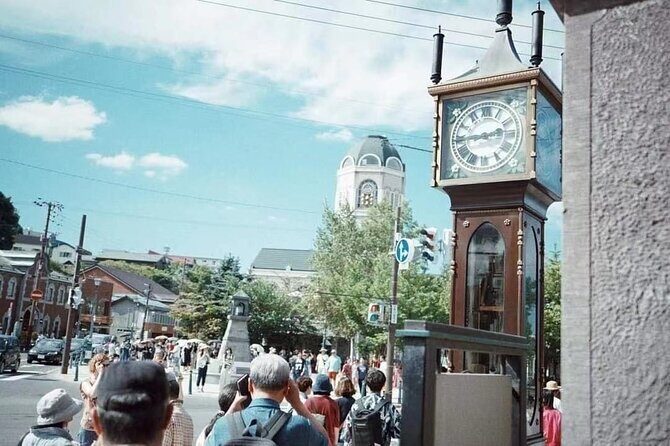
- Otaru Steam Clock: Vancouver’s 1994 gift, ticking through the day
- Germain Beer Brewery/Warehouse #1: the canal-side break you’ll appreciate
- Price and value: what $170 really buys you
- Pace, walking, and who will enjoy this most
- Should you book the Otaru Canal and Brewery day trip?
- FAQ
- Where is the meeting point?
- How long is the tour?
- Is lunch included?
- Are entry tickets included?
- Can I make glassware or a music box?
- What drink is included at the brewery?
- Is the tour suitable for wheelchair users or people with mobility impairments?
- What language is the tour guide, and is cancellation refundable?
Key highlights worth planning around
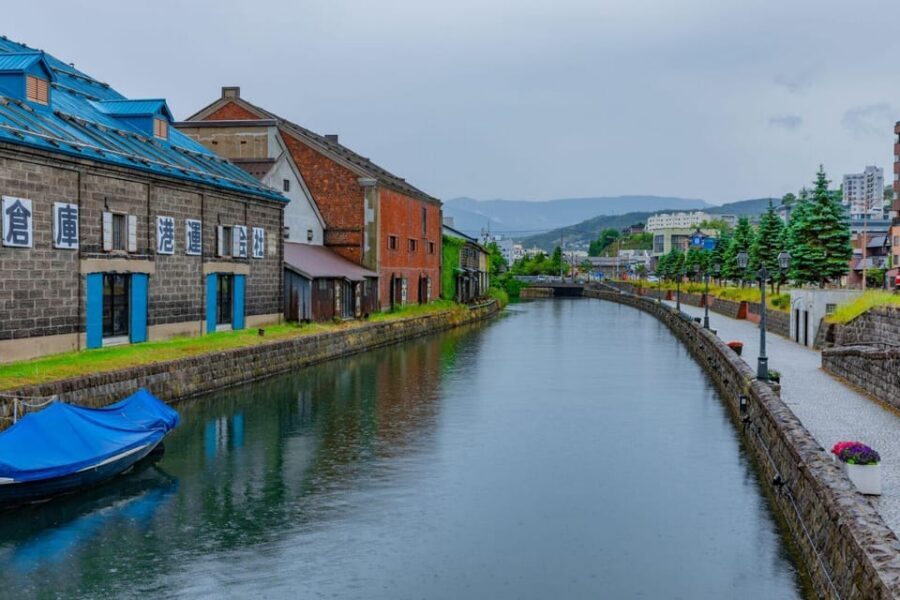
- Otaru Canal stroll: old warehouse façades, classic waterfront views, and an easy walking pace
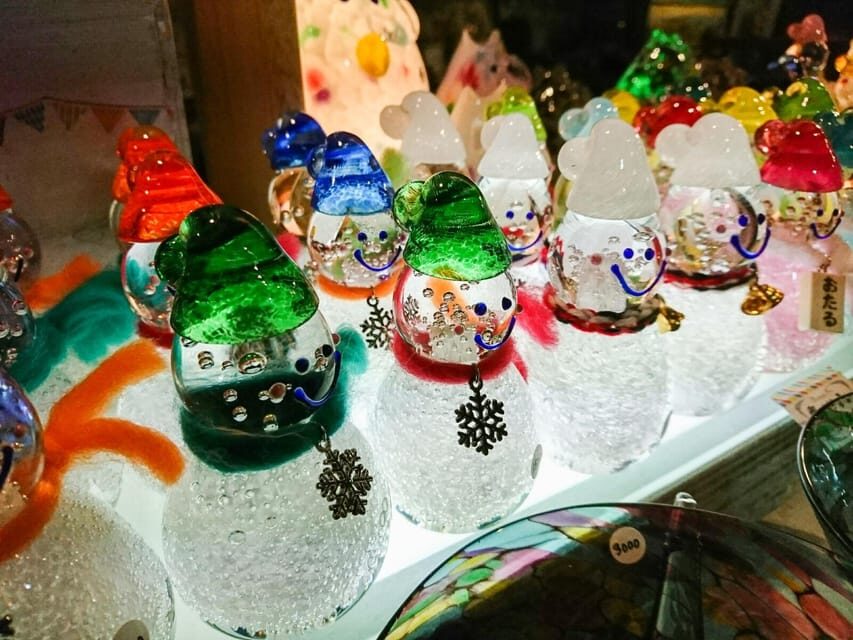
- Kitaichi Glass Factory: learn the story of the factory and make a glassware item to take home
- Music box magic: hear heavenly music from an Aeolian pipe organ at the museum
- Otaru Steam Clock: a Vancouver gift from 1994 that whistles hourly and plays a Westminster Abbey melody every 15 minutes
- Germain Beer Brewery/Warehouse #1: canal-side beer hall vibe and German comfort food, with one included drink
Why Otaru makes a stronger day than staying in Sapporo
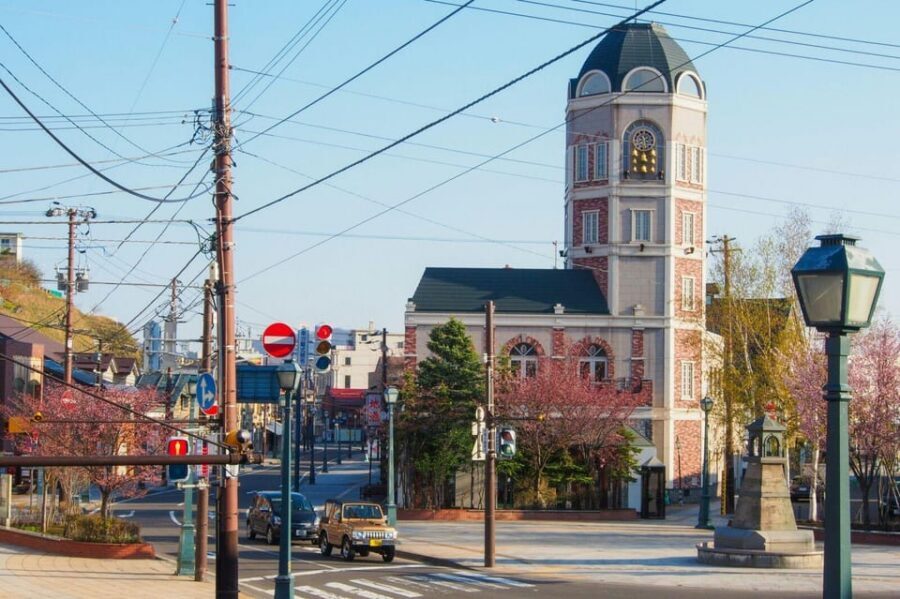
If you only have one day around Sapporo, Otaru is the move. It has that old northern port feel: working-waterfront atmosphere, historic warehouses, and streets that feel built for walking. The tour is designed to give you the key scenes without turning the day into a sprint.
I like the way this route blends three types of fun: sightseeing, music, and making something with your own hands. You’re not just ticking off landmarks. You’re learning why they matter, then seeing them through the senses—what you hear at the music museum and what you can hold from the glass workshop.
Also, the pace matters on a one-day trip. The tour is described as leisurely, which is exactly what you want for a day with canals, museums, and a stop where you can finally sit down.
Other Sapporo bar tours we've reviewed in Sapporo
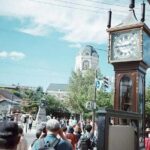

Morning at the Otaru Canal: warehouses, water, and an easy start
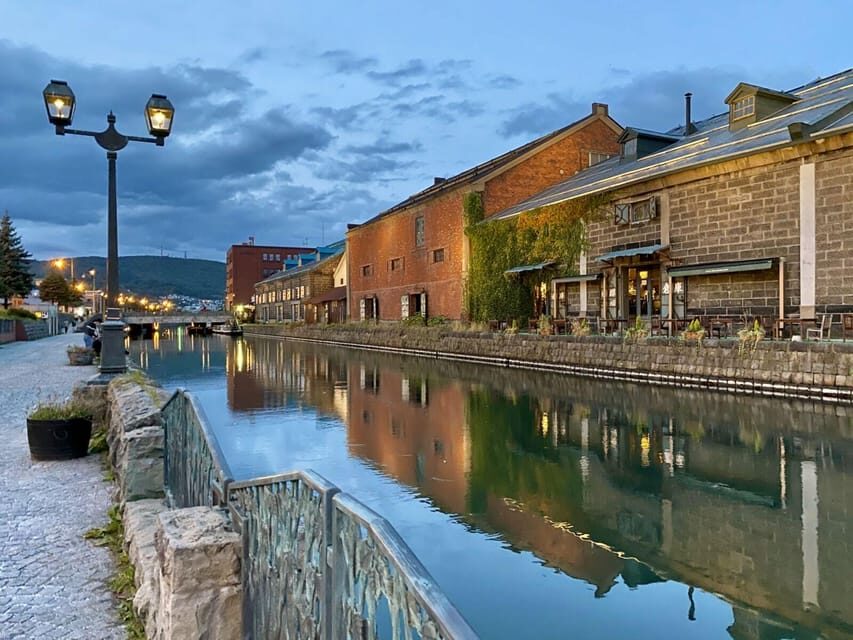
Most of your day starts with a walk along the Otaru Canal, one of the city’s most recognizable symbols. It’s lined with brick and stone warehouses that remind you Otaru wasn’t always the cute postcard town—it was a trading hub for Hokkaido during Japan’s fast industrial growth in the Meiji and Taisho periods.
What you’ll enjoy most here is the calm rhythm. This isn’t a stop where you rush to a single photo. You drift along the canal and look at how the architecture frames the water. It’s also a great way to get your bearings early, before you head into the more hands-on parts of the day.
One practical tip: wear comfortable shoes. The tour includes several walking stretches, and canal scenery rewards slow wandering. Bring your camera, too—warehouse textures and canal light are worth capturing.
Lunch timing comes later, so consider the canal morning as your visual warm-up.
Sakaimachi Street lunch: choose your own local spot
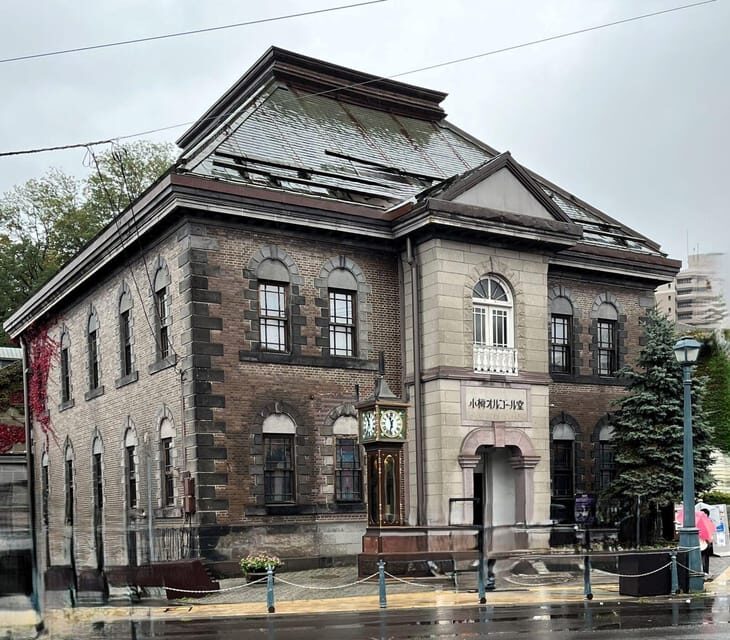
After the canal, you’ll head toward Sakaimachi Street and take lunch at one of the many local eateries along the way. Lunch isn’t included, so this part works best if you like having options and want something that fits your taste and budget.
Here’s how to make this work for you: use the time to pick a place quickly and then commit. If you bounce between storefronts for too long, the rest of the day can feel rushed—especially once you add optional craft time later.
Also, since the day continues with workshops and a museum, aim for something that won’t slow you down. You don’t need a giant meal to enjoy the afternoon; you need energy and comfort.
Kitaichi Glass Factory: hands-on making that feels worth the ticket
Next up is Kitaichi Glass Factory, where you get both history and participation. You’ll learn about the factory’s background and then try making your own glassware product to take home.
This stop is valuable for two reasons. First, it turns a museum-style visit into a real activity—you’re not just observing glass as an object, you’re shaping it. Second, you leave with a physical souvenir that reflects the process, not just the place.
There’s also a realistic planning note. Glassware making is optional with an additional fee, so if you’re budget-conscious, you can decide how much you want to pay for the hands-on part. If you do choose to make something, plan to treat it like the main event of your afternoon—protect it, and be ready for the time it takes.
Otaru Music Box Museum and the Aeolian pipe organ
Then the tour shifts gears into pure sound. At the Otaru Music Box Museum, you’ll experience music played by an Aeolian pipe organ. It’s the kind of detail that makes this tour feel more specific than the usual “big sights only” approach.
You’ll hear the music and also get glimpses of local antique music boxes—small pieces with personality, not mass-produced style. The focus here is on atmosphere: old objects, careful mechanisms, and the calm feeling that comes from hearing something mechanical but delicate.
There’s an additional optional activity too. At the Handicraft Studio, you can make your own unique music box for an extra cost. If you love hands-on crafts or you want a second keepsake beyond glass, this is the place.
If you’re not sure whether to do both optional crafts, use a simple rule: if you want one memorable take-home item, do the glass. If you want something musical and personal, add the music box. Either way, the organ performance is part of the core experience.
Other city tours we've reviewed in Sapporo

Otaru Steam Clock: Vancouver’s 1994 gift, ticking through the day
After the museum, you’ll see the Otaru Steam Clock, a gift from Vancouver, Canada to Otaru in June 1994. This is one of those places that sounds too simple until you watch it work.
The clock uses a boiler that sends steam into the mechanism, and an hourly whistle gives the time. Then there’s the detail that makes it extra fun for time nerds and anyone who likes patterns: every 15 minutes, it plays the same melody as the chimes of Westminster Abbey in London.
What I like about this stop is that it’s not only a photo op. It’s a moment of sound and timing in a day that already includes music elsewhere. It also helps you break up the afternoon so you don’t feel stuck indoors.
Bring patience for the timing. You’ll get value by watching at least one whistle cycle if the schedule lines up with your visit.
Germain Beer Brewery/Warehouse #1: the canal-side break you’ll appreciate
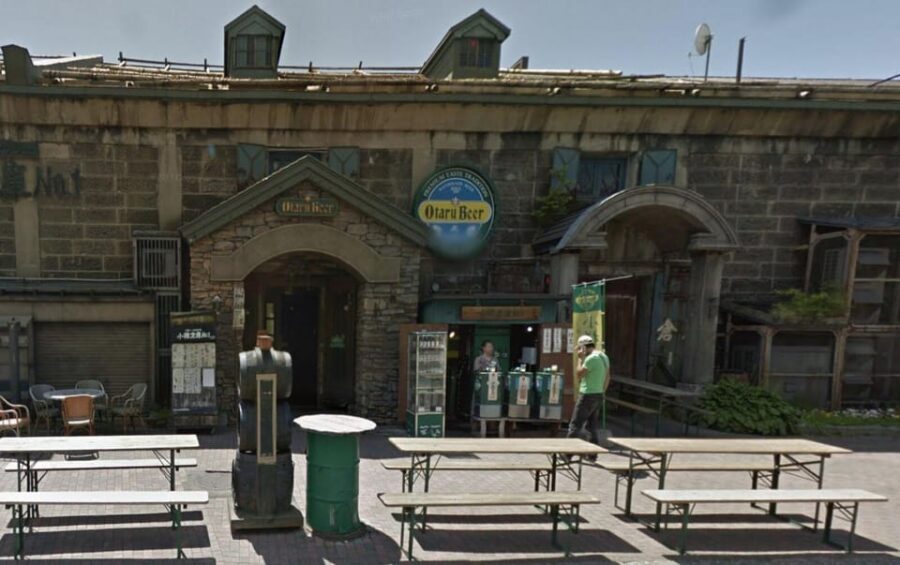
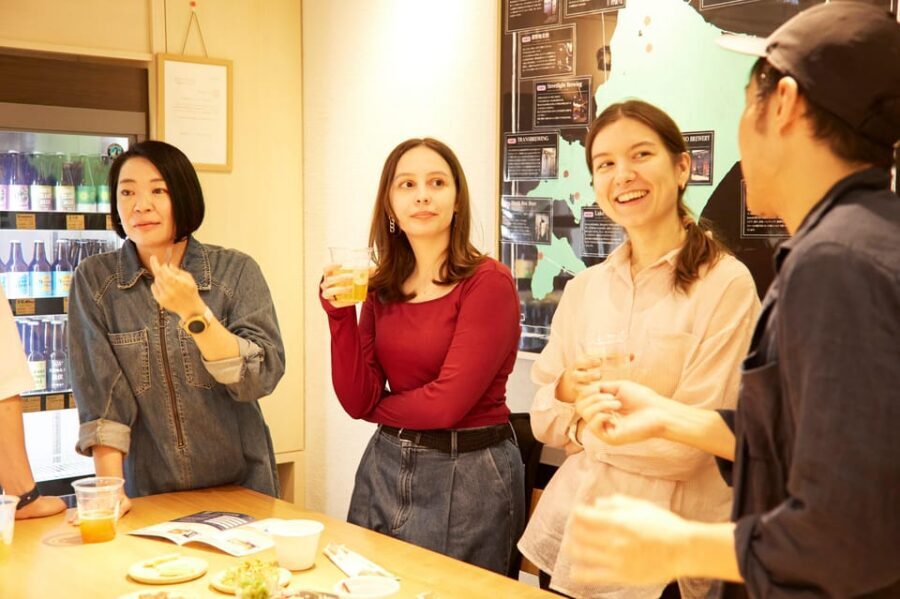
By the time you reach Germain Beer Brewery/Warehouse #1, you’re ready for a breather. It sits right along the canal, so you get that mix of old warehouse setting and something modern enough to feel like a celebration.
The atmosphere is described as a wooden beer hall type space, with shiny copper tanks inside. And yes, there’s comfort food too: German-style pretzels and schnitzel. For me, that matters because this is where the day turns from walking and making into sitting and enjoying.
One included benefit: you’ll get a glass of a (non)-alcoholic beverage at the brewery. That means you’re not forced into beer if you don’t drink. You can still enjoy the atmosphere and the food pairing.
Price and value: what $170 really buys you
At $170 per person, this tour isn’t the cheapest way to fill a day—but it can be good value if you would otherwise pay for transportation, guides, and multiple admissions.
Here’s what’s included:
- An English-speaking guide
- Transportation fee from Sapporo Station to all listed destinations and activities
- Admission tickets to each listed attraction
- A glass of (non)-alcoholic beverage at the beer brewery
What’s not included:
- Lunch
- Accommodation
Optional extras (with additional fees):
- Glassware making at Kitaichi Glass Factory
- Music box making at the Handicraft Studio
This matters because the biggest cost drivers in Japan day tours are often transport + guided access + admissions. By bundling that, you spend fewer brain cells on logistics and more time actually doing things. And the included drink at the end is a nice little cushion—one less expense when you’re already tired from sightseeing.
Also note the total duration: 510 minutes. That’s about 8.5 hours, which is long enough to feel like a real day out, not just a quick hit-and-run.
Pace, walking, and who will enjoy this most
This tour is a good fit if you like structured wandering with time to breathe. One of the standout points from the experience details is the leisurely pacing, so you’re less likely to feel like you’re being dragged from stop to stop.
It also helps if you enjoy small-city culture. Otaru isn’t trying to be Tokyo. The value comes from careful details: warehouses along the canal, glassmaking as a craft, and mechanical music that doesn’t feel like a generic background attraction.
For guide energy, one account highlights Scott and a conversational style that included worldly discussions. That kind of guide presence can turn museum explanations into something you actually remember.
What might be tough:
- You’ll do enough walking to require comfortable shoes.
- People with mobility impairments and wheelchair users are noted as not suitable.
- It’s outdoors for canal time and weather can matter, so bring warm clothing and hydration.
If you’re traveling with a camera, this is a strong choice because the route includes canal views, workshop moments, and sound-driven sights like the Steam Clock.
Should you book the Otaru Canal and Brewery day trip?
I’d book this if you want one well-planned Hokkaido day with variety: historic port scenery, a hands-on glass workshop, music that you can actually hear, and a steam-powered clock with real personality—then a brewery stop to close the day.
Skip it if you dislike long walking days or you need wheelchair access, since the tour is listed as not suitable for those needs. Also, if you’re firm about avoiding extra spending, decide in advance whether you want the optional glassware and/or music box making.
If you like the idea of leaving Otaru with at least one made-by-you souvenir and one soundtrack moment you can’t get elsewhere, this tour is a strong match.
FAQ
Where is the meeting point?
Meet in front of MYOMU at Sapporo Station. After exiting the main JR gates, turn left and walk toward the South Exits. Your guide will be standing in front of MYOMU wearing a Snow Monkey Resorts tour tag. The meeting time is 9 a.m.
How long is the tour?
The tour duration is 510 minutes.
Is lunch included?
No. Lunch is not included. You’ll have time for lunch around Sakaimachi Street.
Are entry tickets included?
Yes. All entry and admission tickets for the listed attractions are included.
Can I make glassware or a music box?
Yes, both are optional. Glassware making at Kitaichi Glass Factory and music box making at the Handicraft Studio are available for additional fees.
What drink is included at the brewery?
You’ll receive a glass of a (non)-alcoholic beverage at Germain Beer Brewery/Warehouse #1.
Is the tour suitable for wheelchair users or people with mobility impairments?
No. The tour is not suitable for people with mobility impairments or wheelchair users.
What language is the tour guide, and is cancellation refundable?
The tour is in English. Free cancellation is available up to 24 hours in advance for a full refund.
More Breweries in Sapporo
More City Tours in Sapporo
More Sapporo Bar Tours in Sapporo


More tours in Sapporo we've reviewed

Sapporo Bar Tours, compared.
 ★ 5.0Sapporo Bar Hopping Food TourFrom $108
 ★ 5.0[Otaru & Yoichi] Let’s go to Otaru Canal, Sakaimachi Street, Music Box Hall, and Yoichi Nikka Whiskey by private car (arriving and departing from Sapporo)From $372
 ★ 5.0A pairing experience in Sapporo where you can enjoy tempura and 3 kinds of Hokkaido-only sake, along with a soba-noodle making experience!From $123
 ★ 5.0Sapporo: Nightlife Bar Hopping Tour with Local GuideFrom $1163 hours
 ★ 5.01 Day Tour to Hill of the Buddha, Sapporo and SakeFrom $165
 ★ 5.0Local Bar Hopping Tour in SapporoFrom $117
 ★ 4.5Sapporo: Buddha Hill, TV Tower, and Sake Stand Bar TourFrom $1708h 30m
 ★ 5.01-Day Sapporo Historical Village and Sapporo Beer Museum TourFrom $1808 hours (approx.)
The lists this tour appears in