
Reviewed · SAPPORO BAR TOURS
1-Day Sapporo Historical Village and Sapporo Beer Museum Tour
This tour turns a simple day in Sapporo into a real, lived-in story. You start with an open-air Hokkaido heritage village and finish with the Sapporo Beer Museum—two very different settings that still connect through local roots and old-to-modern change.
I especially like how the Kaitaku-no Mura site is organized for learning, with buildings you can walk through and exhibits that explain what you’re seeing. Second, I like the Beer Museum format: even when the main signage is in Japanese, you’re given small laminated cards in multiple languages, so you don’t get left out.
One practical caution: this is an 8-hour plan with walking at the village and no lunch included, so you’ll want to plan food timing (or bring a snack) so the day doesn’t feel rushed.
In This Review
- Key things to know before you go
- Meeting at MyomuJapan inside Sapporo Station
- Kaitaku-no Mura (Historical Village of Hokkaido): old buildings in real space
- What to expect inside the village
- A museum-style layer within the experience
- Timing and pacing at the village (so 4 hours feels like enough)
- Sapporo Beer Museum: storyboards you can actually read
- The exhibit count and format
- Beer tasting: the included sampler that finishes the museum right
- Why the English guide changes the whole day
- Transportation and tickets included: value in the details
- What you’ll do about lunch (and what to plan for)
- Who this tour is best for in Sapporo
- The bottom line: should you book this Sapporo historical + beer day?
- FAQ
- What time does the tour start?
- Where do I meet the guide?
- How long is the tour?
- Is this tour offered in English?
- How many stops are included?
- Are admission tickets included?
- Is beer tasting included?
- Is lunch included in the price?
- Is transportation included?
- Can I cancel for a full refund?
Key things to know before you go
- Meiji to Taisho-era structures: about 60 original buildings (mostly from 1868–1926) on a 54-hectare site
- English guidance, not just admission: you get an English-speaking guide and transportation between both stops
- Multilingual support inside the Beer Museum: Japanese display signage plus laminated cards in several languages
- Beer tasting is included: you’ll finish the museum with a sampler in the tasting room
- Small group size: up to 15 travelers, so questions don’t get lost
Meeting at MyomuJapan inside Sapporo Station
The day begins at 9:00 a.m. at MyomuJapan inside Sapporo Station, by the South Exit area and the circular stone structure called Myomu. It’s a smart start because you’re not guessing where to meet or timing buses first thing. You’ll find the meeting point in the station corridor area, close to public transport, which matters when you’re trying to keep the morning stress low.
Your tour guide meets you there with the group, then you head out together. The big win here is that you’re buying time and clarity: entrance tickets and transportation between stops are already built in, so you’re not bouncing between ticket lines and transit apps all day.
Other Sapporo bar tours we've reviewed in Sapporo

Kaitaku-no Mura (Historical Village of Hokkaido): old buildings in real space
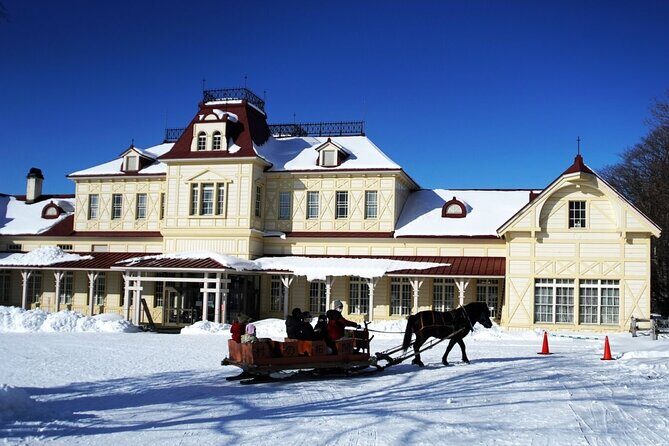
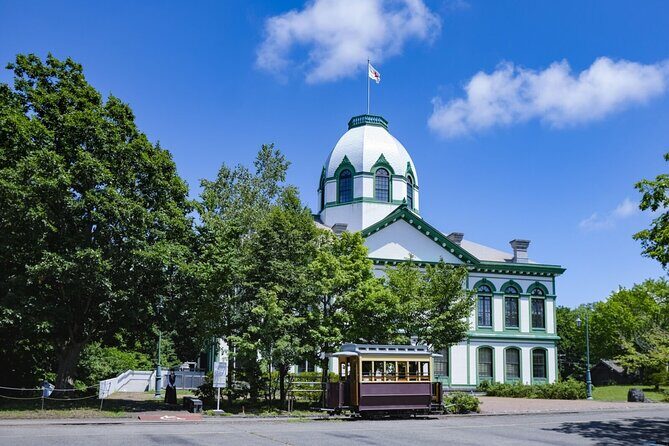
The first stop is the Historical Village of Hokkaido, often called Kaitaku-no Mura, an open-air museum on the outskirts of Sapporo at Nopporo Forest Park. This place takes up about 54 hectares, and it opened to the public in April 1983. The scale is a key part of the experience—this isn’t a quick stop where you glance at a few facades and move on.
What you’re walking through is a collection of roughly 60 structures, with the majority originally from the Meiji and Taisho periods (1868–1926). That time window shows a Japan that’s changing fast: modernization on one hand, rural life and adaptation on the other. The site layout helps you connect the dots because it’s designed like a village you can move around in, not like a single photo spot.
What to expect inside the village
You’ll see clear signage at the village, and it’s set up to explain each building’s purpose and how it was used. Some buildings let you roam through, while others are for viewing from the entrance only. That mix is common in heritage sites—some rooms are built for public flow, and some are more protected or staged.
One detail worth planning for: the village includes dioramas and interpretive displays that add context. When you’re standing in front of an old structure, those small “what you’re looking at” explanations help you read the space instead of just admiring it.
A museum-style layer within the experience
The standout value here is not only the open-air architecture. There’s also a museum-like component at the site that focuses on Hokkaido in a broader sense—people, nature, weather, animals, and the events that shaped the island. In practice, that means you get a step-by-step way to think about why these buildings exist where they do, and how the island’s environment influenced daily life.
If you’re traveling with someone who likes photos, this stop will satisfy them. If you’re traveling with someone who wants context, it will satisfy them too. The site does both.
Timing and pacing at the village (so 4 hours feels like enough)
You’re scheduled for about 4 hours at the village. That’s a solid chunk, but it can shrink or expand depending on how fast your group walks and how long you spend reading the signs or checking indoor access.
My suggestion: treat the village like a choose-your-own pace day. Don’t try to read every card cover to cover. Pick a few buildings that interest you most—homes, work spaces, or any structure you can enter—and then use the signage to fill in the surrounding story.
Also, remember that your next stop is the Beer Museum, and your feet will be awake by then. The tour schedule quietly sets you up for that: after the walking, you’ll be ready for a calm indoor visit and a tasting.


Sapporo Beer Museum: storyboards you can actually read
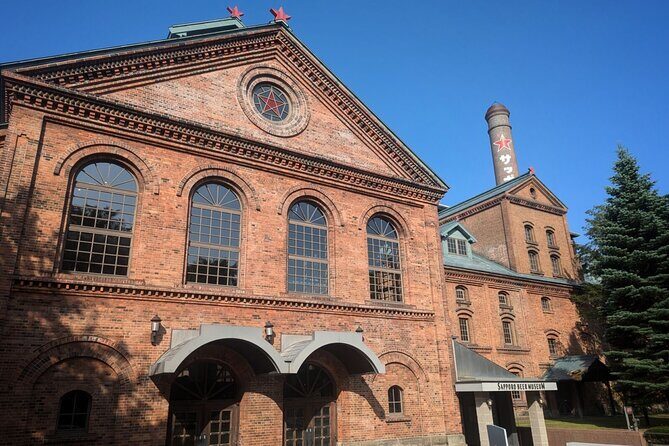
After the village, you head to the Sapporo Beer Museum. The goal is simple: take a breather indoors and learn how Sapporo beer grew from its start into what it is today. Even if you’re not a hardcore beer person, the museum works as a local industry story—how products change, how brewing fits into a city, and how traditions keep evolving.
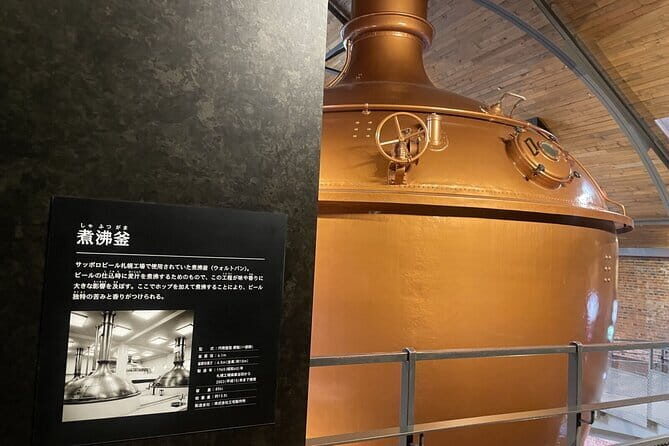
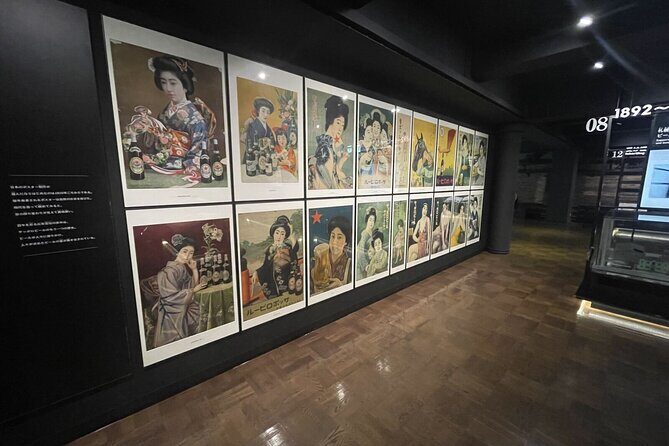
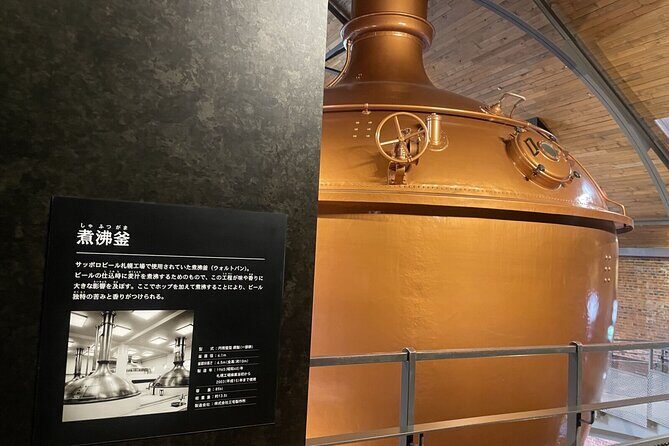
Inside, you get an organized timeline of the brewery’s history and some explanation of different products over time. The museum design is friendly for language learners too. While the main signs are in Japanese, the displays include small laminated cards that present the same information in multiple languages. That detail matters because it keeps the museum flowing. You’re not standing there trying to translate every sentence on the wall.
The exhibit count and format
You’ll go through about twelve well-done displays that tell the story from the past to the present. Think of it like structured chapters rather than a loose walk-through. The layout makes it easier to follow the “this led to that” logic without needing prior brewing knowledge.
A useful tip for your mindset: go in expecting to learn, not just taste. The tasting is the reward, but the exhibits are the main course.
Beer tasting: the included sampler that finishes the museum right
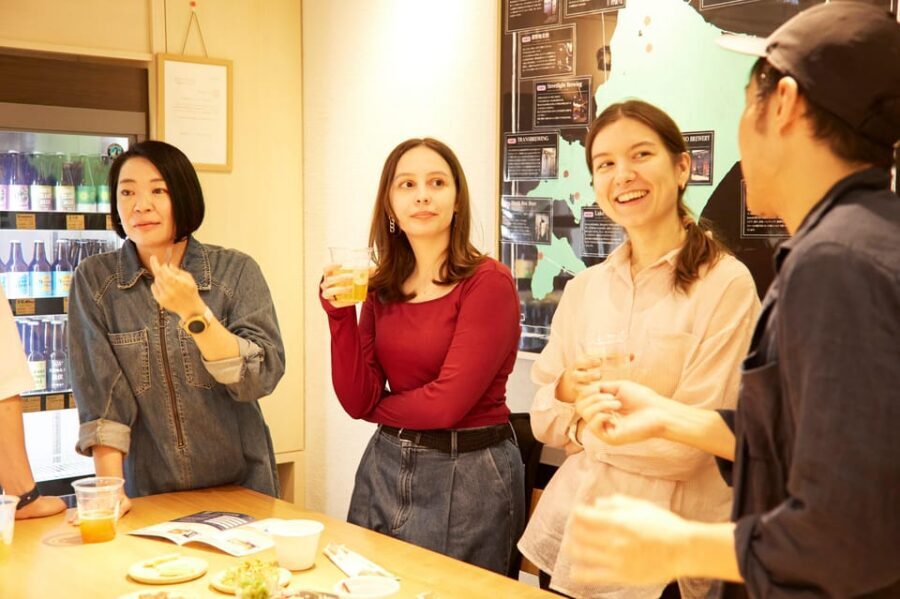
Beer tasting is included on this tour, and it happens after the exhibits, in the Tasting Room. The museum offers a sampler, which is great because you get variety without committing to one full glass.
If you like knowing what you’re ordering, this is one of the smarter add-ons on any history tour. You get to connect what you just learned about production and eras to actual flavor differences. And yes, if you want a “safe starting point” for what to try first, classic-style pours tend to be a favorite for many people on this kind of tasting.
Why the English guide changes the whole day
This isn’t a self-guided ticket-and-go setup. You have an English-speaking tour guide, and that’s where the tour often earns its value.
In particular, the guide’s role is interpretation. You’re not just looking at old buildings or reading display text—you’re getting the thread that connects them. In one standout experience, the guide was called Scott, and he was praised for mixing historical facts with personal touches so it felt less like a museum lecture and more like learning with a local expert.
Also, the small group size (up to 15 travelers) makes a difference. Questions are easier to hear, and pacing can flex a bit when someone wants more time with a specific building or exhibit.
Transportation and tickets included: value in the details
The price is $180.58 per person for an 8-hour outing, and on paper it’s not cheap. But this is where value comes from: you’re paying for an organized day that includes English guidance, transportation from Sapporo Station to the sites, entry tickets, and beer tasting.
If you tried to DIY it, you’d likely spend time coordinating transit timing, buying tickets, and figuring out the best order so you don’t waste the day shuttling back and forth. This tour removes that mental load. You show up at Myomu, follow the plan, and keep moving without friction.
The only cost you’ll still need to handle is food—because lunch isn’t included.
What you’ll do about lunch (and what to plan for)
Since lunch isn’t provided, you should decide how you’ll handle the gap between stops. The schedule gives you big blocks (about 4 hours at the village and 4 hours total across the second stop including tasting), so it’s easy to end up hungry if you assume you’ll find something perfect right when you want it.
Practical approach:
- If you’re the type who gets hungry fast, plan a snack strategy before the day starts.
- If you prefer real lunch, choose your timing based on where you’ll be during the village portion. The village is a wide site, so rushing for food can backfire.
Who this tour is best for in Sapporo
This tour fits best if you want a day that feels purposeful, not random sightseeing.
You’ll like it if you:
- want a guided day with English support rather than solo navigation
- enjoy open-air heritage sites and want context for what you’re seeing
- like local food-and-drink stories, especially with a real tasting at the end
- prefer a small group (so your guide can actually respond to questions)
You might rethink it if:
- you hate walking, because the first stop is a large open-air area
- you need lunch included or you get food-scheduling stress
The bottom line: should you book this Sapporo historical + beer day?
If your goal is to understand Sapporo and Hokkaido through two practical lenses—heritage architecture and a local brewing story—this tour is a strong fit. The combination is smart: you start with the physical evidence of Meiji/Taisho-era life, then switch to an indoor museum that explains how an industry grew over time. The included beer tasting gives the day a fun finish that still feels connected to the learning.
Book it when you want:
- a structured 1-day plan that runs from 9:00 a.m. to about 8 hours
- transportation, tickets, and tasting already handled
- a guide who can connect details in plain English
Skip it if you’re already planning a self-guided heritage day and don’t want to pay for guided interpretation.
FAQ
What time does the tour start?
It starts at 9:00 a.m.
Where do I meet the guide?
Meet at MyomuJapan inside Sapporo Station, in the area by the South Exit near the circular stone structure called Myomu.
How long is the tour?
It runs for about 8 hours.
Is this tour offered in English?
Yes, it’s offered in English.
How many stops are included?
There are two main stops: the Historical Village of Hokkaido (Kaitaku-no Mura) and the Sapporo Beer Museum.
Are admission tickets included?
Yes. Entry/admission tickets for each attraction are included.
Is beer tasting included?
Yes. Beer tasting is included.
Is lunch included in the price?
No. Lunch is not included.
Is transportation included?
Yes. Transportation fee from Sapporo Station to the listed destinations and activities is included.
Can I cancel for a full refund?
You can cancel for a full refund if you cancel at least 24 hours before the experience’s start time. Changes within 24 hours aren’t accepted.
More Sapporo Bar Tours in Sapporo
More tours in Sapporo we've reviewed
Sapporo Bar Tours, compared.
 ★ 5.0Sapporo Bar Hopping Food TourFrom $108
 ★ 5.0[Otaru & Yoichi] Let’s go to Otaru Canal, Sakaimachi Street, Music Box Hall, and Yoichi Nikka Whiskey by private car (arriving and departing from Sapporo)From $372
 ★ 5.0Sapporo: Nightlife Bar Hopping Tour with Local GuideFrom $1163 hours
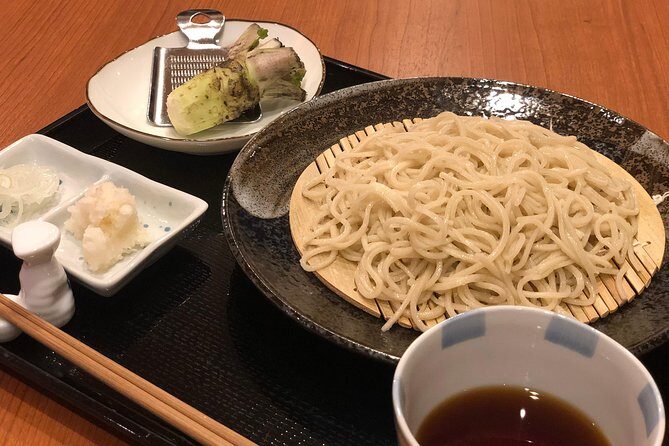 ★ 5.0A pairing experience in Sapporo where you can enjoy tempura and 3 kinds of Hokkaido-only sake, along with a soba-noodle making experience!From $123
 ★ 5.01 Day Tour to Hill of the Buddha, Sapporo and SakeFrom $165
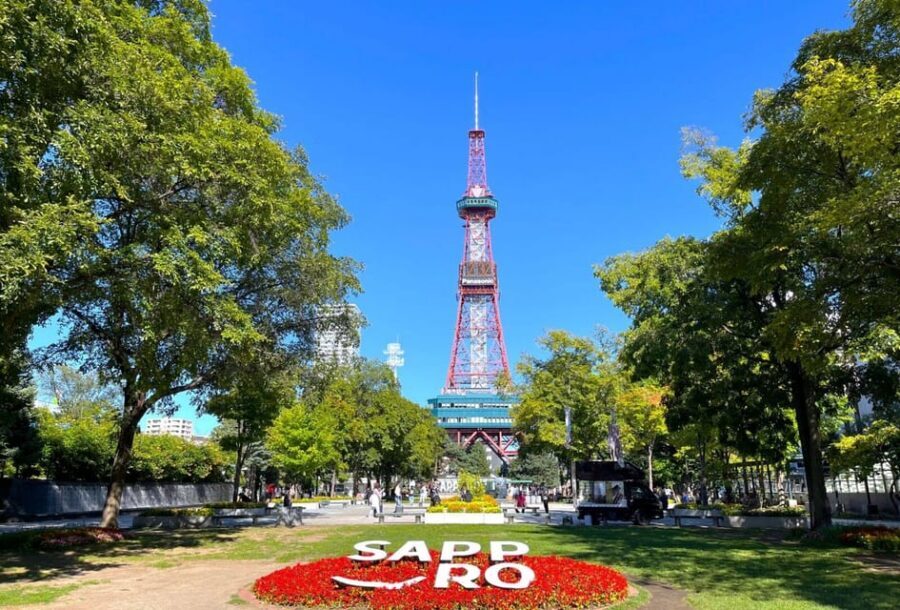 ★ 4.5Sapporo: Buddha Hill, TV Tower, and Sake Stand Bar TourFrom $1708h 30m
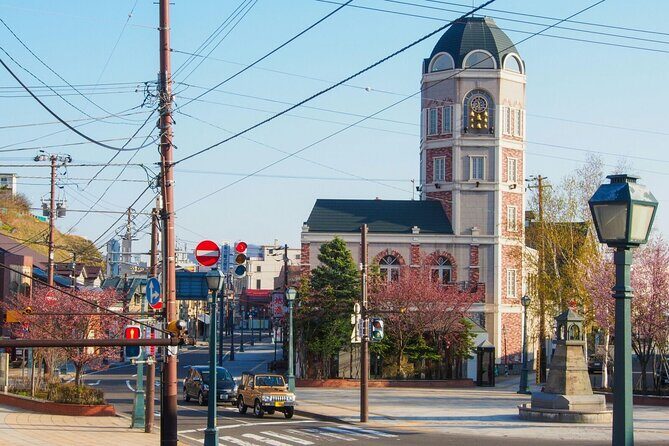 ★ 5.0Sapporo Tour in the Port City of Otaru and Local beer breweryFrom $165
 ★ 5.0Local Bar Hopping Tour in SapporoFrom $117
The lists this tour appears in