
Reviewed · COOKING CLASSES
Tokyo Night Cooking Class: 5 Home-Cooked Japanese Dishes
Ready to cook Tokyo’s izakaya classics? This small-group night cooking class turns dinner into a lesson in Japanese home-style eating, with hands-on prep, a multi-course meal, and drink pairing in true nomikai fashion.
I love that you’re not stuck watching—you make and eat the dishes, typically learning a full set of five izakaya favorites.
I also like the mix of practical cooking skill and atmosphere, including a shopping stop for ingredients and step-by-step guidance that keeps things friendly even for beginners. One possible drawback: there are limits for kids and for certain diets, and you should plan on standing and cooking with heat and knives only if you meet the age rules.
In This Review
- Key highlights to know before you go
- Why a Tokyo Night Izakaya Cooking Class at 5:30 pm Works
- Your Meal: What You’ll Learn to Cook (and why it’s more useful than a “single dish” class)
- The 5:30 pm Start: Meeting Point and the Pre-Cooking Shopping Stop
- Hands-On Cooking: Turning Basics into Izakaya Skills
- Sake, Beer, and the Three-Drink Set: Making It Feel Like Nomikai
- Eating What You Made: Why the Dinner Portion Is the Real Point
- Small Group Size (Max 7): Better Attention, Less Waiting
- Vegetarian Options and When the Menu Shrinks
- Price and Value: Is $79.28 Worth It?
- Who This Tokyo Cooking Class Is Best For (and who should skip)
- Practical Tips for a Smooth Night in Tokyo
- Should You Book This Tokyo Night Cooking Class?
- FAQ
- FAQ
- What is the duration of the Tokyo night cooking class?
- Where do I meet for the class?
- What time does the class start?
- How many dishes will I cook?
- Are drinks included, and is sake part of it?
- Is the class suitable for beginners?
- Can vegetarians join?
- Is it available for vegan or gluten-free diets?
- What are the age rules for cooking with knives and heat, and for alcohol?
- What is the cancellation policy?
Key highlights to know before you go
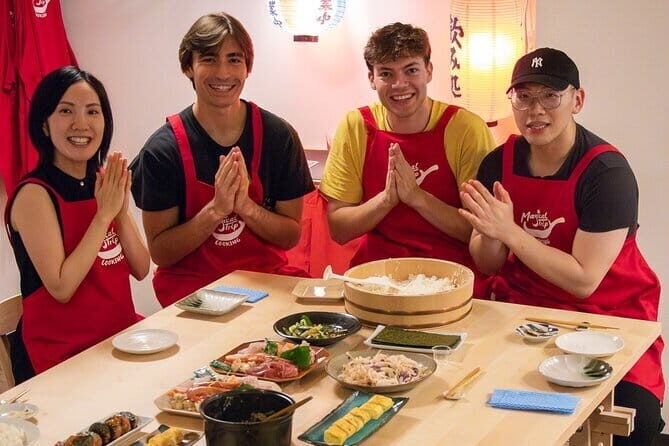
- 5 home-cooked Japanese dishes served as a full dinner, not a tasting flight
- Ingredient shopping included, so you learn what to buy and how to think like a cook
- Three drinks included, with a chance to try Japanese sake and other beverages while you cook
- Small group size (max 7), which helps you get real attention at each station
- Vegetarian-friendly options exist, with menu adjustments if you can’t eat meat and eggs
Why a Tokyo Night Izakaya Cooking Class at 5:30 pm Works
Nighttime in Tokyo has a different rhythm. People ease into dinner later, grab a drink, and slow down. That’s exactly what you’re tapping into with an izakaya-style cooking class built around small plates that pair well with alcohol-free or alcoholic drinks.
I like that the class treats food as something social, not just instructional. You cook, you sit down, and you eat what you made—so the skills feel usable right away. And because it’s a short evening (about 3 hours), it fits easily between sightseeing blocks.
Other cooking classes in Tokyo

Your Meal: What You’ll Learn to Cook (and why it’s more useful than a “single dish” class)
Most cooking classes teach one star recipe. This one teaches a set. That matters, because izakaya meals are meant to feel varied and snackable—sweet, savory, grilled, fried, saucy—spread across several small plates.
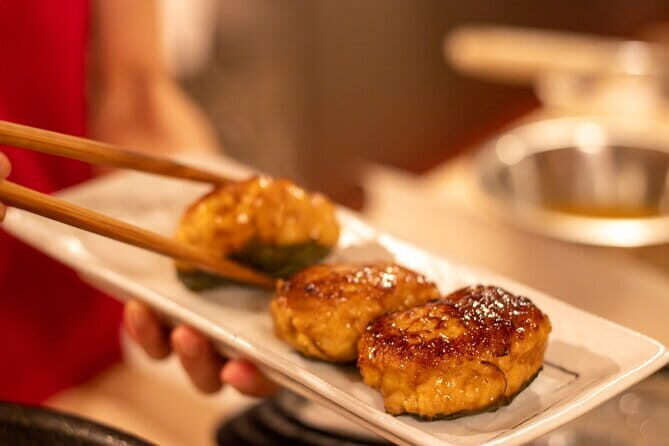
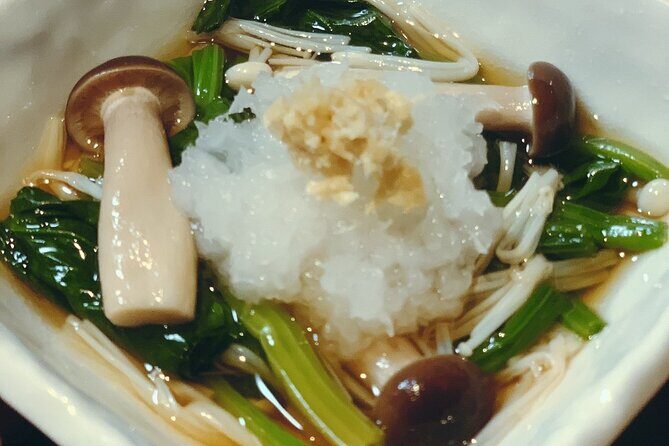
You can expect to learn classic Japanese home-tavern dishes such as sushi rolls, chicken balls with shiso leaves, and eggplant with miso sauce, plus other common izakaya staples like teriyaki chicken and a Japanese omelette. You’re not just learning flavors; you’re learning how Japanese cooks build a meal with contrast.
What makes this format valuable for you:
- You’ll get more than one technique to take home (rolling, saucing, simmering, seasoning, finishing).
- You’ll learn how to plate and serve like a home izakaya, which is easier to reproduce at a party than a single big dish.
- You’ll get a real sense of pacing—how small plates move with drinks.
The 5:30 pm Start: Meeting Point and the Pre-Cooking Shopping Stop
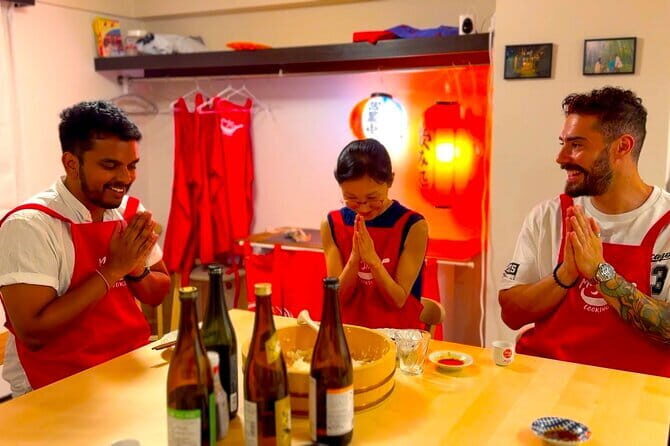
The evening begins at 5:30 pm near public transportation in Tokyo’s Taito City area. You’ll meet at a FamilyMart located in Iriya (Shitaya, 2-chome, 110-0004).
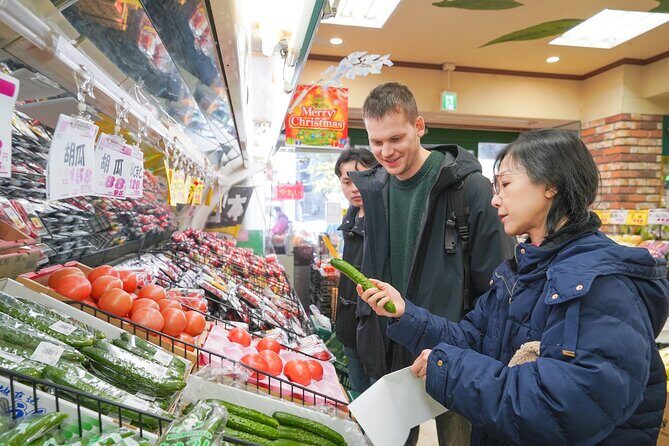
One thing I really like about this structure is the built-in shopping experience. You’re not handed pre-packed mystery ingredients. Instead, you learn what to look for, how to choose items used in Japanese home cooking, and what substitutions are common when you’re cooking abroad. Even if you’re an experienced cook, this kind of grocery literacy can save you time later.
In some sessions, the guide/chef (people have mentioned chefs such as Alice and Fuji) explains choices in a way that makes the recipes feel realistic, not like “restaurant only” food.
Hands-On Cooking: Turning Basics into Izakaya Skills
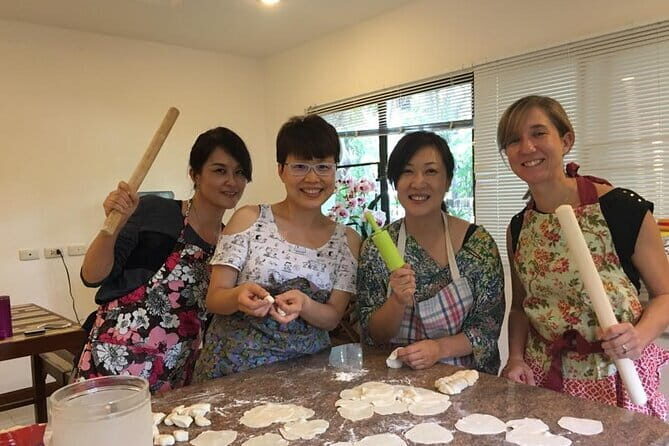
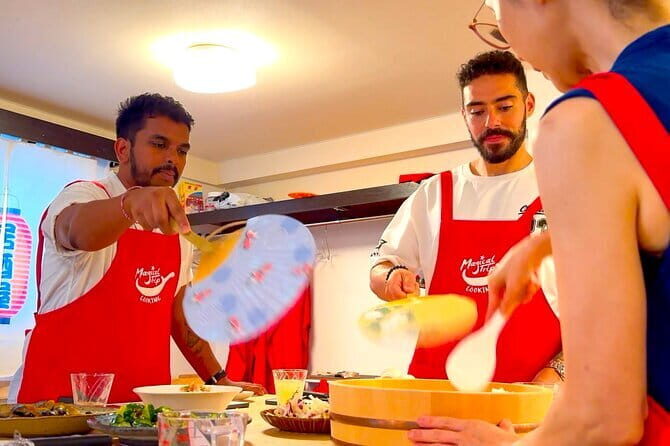
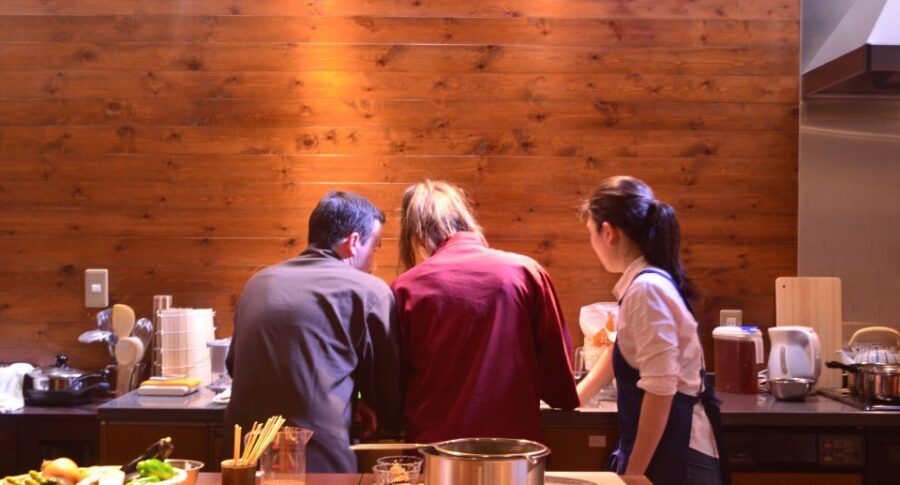
This is a hands-on class with all ingredients provided, aimed at cooks at different levels. You’ll work through steps that cover seasoning, controlling heat, and assembling dishes that look right on the table—not just taste right.
The class includes guidance from a certified guide by MagicalTrip, and the tone tends to be practical: do this first, then set that aside, don’t rush the timing, and taste to adjust. That’s the kind of coaching you want if you plan to cook again at home and don’t want to rely on perfect conditions.
A quick reality check: there are rules around knives and heat. Guests aged 12 and over can handle knife and heat tasks, under supervision for younger participants. If you’re traveling with kids, that matters for choosing what your group can realistically participate in.
Sake, Beer, and the Three-Drink Set: Making It Feel Like Nomikai
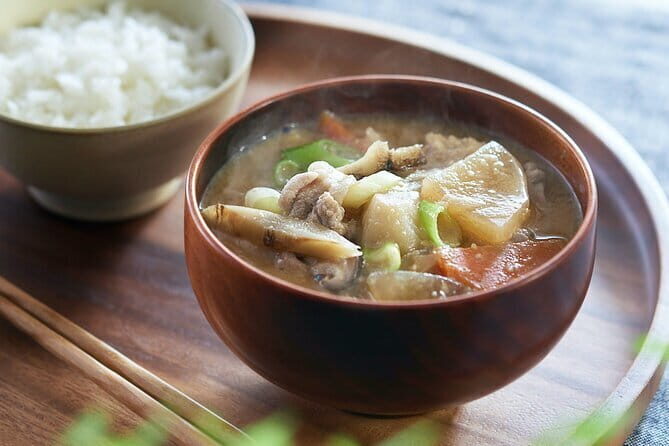
This isn’t a dry cooking demo. The class is built around Japanese nomikai energy—cooking alongside drinks, then eating as the meal builds.
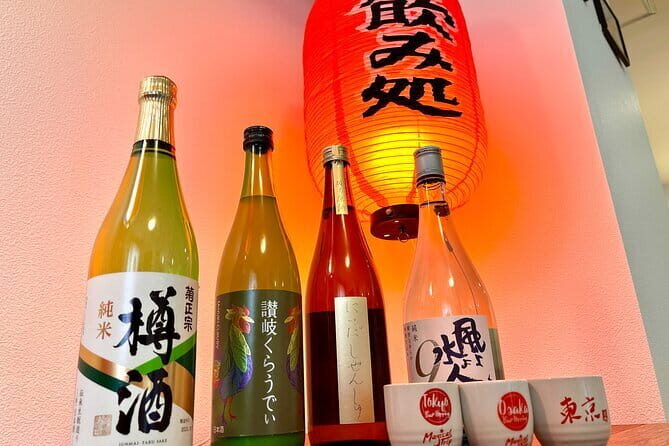
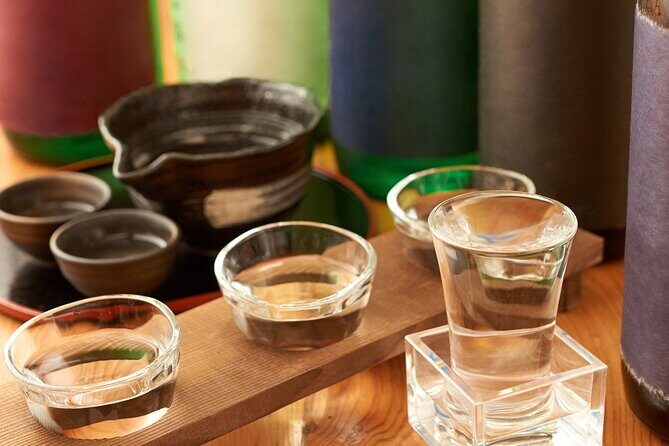
You’ll get three included cans of alcoholic or soft drinks. The experience also includes a chance to try Japanese sake and other beverages while cooking and during dinner time. That pairing angle is useful even if you don’t become a sake person. You’ll learn which flavors feel right with a drink—how salty and sweet balance, how acidity can cut through richness, and how heat and smoke work with beer.
If you’re traveling with someone who doesn’t drink alcohol, soft drinks are included too. It keeps the night from becoming “all or nothing.”
Other evening experiences in Tokyo



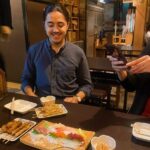
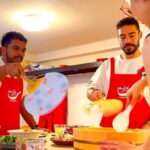
Eating What You Made: Why the Dinner Portion Is the Real Point
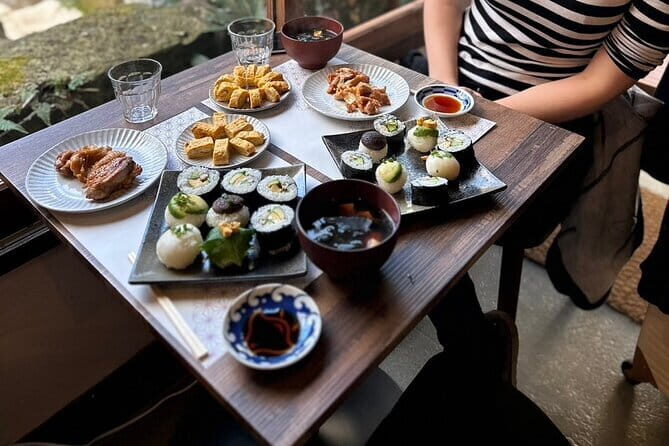
Some classes end once you finish cooking. Here, you feast on your creations. That’s the whole payoff: you practice the steps, then you get to taste how they work together as a set.
Because you’re making several dishes, you also get a fuller sense of what “izakaya flavors” means. You’re not guessing whether one recipe is great. You’re experiencing how sushi rolls, miso dishes, and savory chicken or egg plates sit on the table—and what you’d serve first if you were hosting.
And yes, you’ll get tour photos included, which is handy when you want to remember the food and not just the lessons.
Small Group Size (Max 7): Better Attention, Less Waiting
With a maximum of 7 travelers, you avoid the common problem where one person is always standing around. You get closer to the action, and questions don’t get stuck behind a line.
That smaller setup also helps the cooking flow. If something doesn’t go right—too salty, not enough seasoning, timing off—you’re more likely to get a quick correction rather than waiting until the end. For first-timers, that’s huge.
For groups, this size is also easier for couples and friends. You can chat without competing with a crowd, and you still get a guided structure so the evening stays fun.
Vegetarian Options and When the Menu Shrinks
If you’re vegetarian, you’re welcome. The class arranges ingredients and the cooking process so you can participate.
But the menu can reduce in certain cases. If you can’t eat meat and eggs, the menu goes down from five dishes to three. If you can eat meat but can’t eat eggs, it drops from five dishes to four. This is smart to know ahead of time so you’re not surprised when the table looks smaller.
One more constraint: the experience isn’t available for guests who are vegan or gluten-free. Also, allergy-free guarantees can’t be provided, because food is prepared in kitchens not belonging to MagicalTrip and substitutions might not always be possible.
If you have a specific allergy, treat this as a serious planning item and ask questions early—don’t assume swaps.
Price and Value: Is $79.28 Worth It?
At $79.28 per person, you’re paying for more than instruction. You’re paying for a complete evening meal experience with:
- a cooking experience and dinner
- all ingredients
- a certified guide
- a shopping stop
- tour photos
- three included drinks
For Tokyo, that combination is often the difference between “fun but expensive” and “actually good value.” Here, the class includes food, drink, and labor time, so you’re not just buying a recipe booklet. You’re buying a hosted night of cooking plus what you produce.
A fair way to judge it for your budget: compare it to paying separately for groceries, a meal out, and guided activity time. If you’d normally spend on dinner and drinks anyway, this can feel like paying once for both the meal and the learning.
Who This Tokyo Cooking Class Is Best For (and who should skip)
This class is ideal if you want:
- practical Japanese cooking skills you can repeat at home
- an easy, social evening without a complicated itinerary
- a real izakaya vibe instead of a quiet kitchen lecture
It works well for couples, friends, solo travelers, and families (there’s even a kids’ playroom mentioned). If you like meeting people while still doing something hands-on, this fits.
I’d skip it if:
- you have mobility issues or walking problems (it’s not recommended, and private options are suggested instead)
- you’re vegan or gluten-free
- you have serious allergy needs and need guaranteed allergy-safe preparation
Practical Tips for a Smooth Night in Tokyo
Tokyo summer can get hot and humid. Bring water and wear a hat. Even though you’re inside and cooking, you still have to walk, stand, and move between parts of the evening.
Wear shoes you can stand in comfortably. You’ll be working and leaning over tasks, and your feet will feel it after a few hours.
Also, plan to arrive early. The tour starts on time, and you can’t join late if you miss the group.
Should You Book This Tokyo Night Cooking Class?
If you want a short, fun, hands-on Tokyo experience that also feeds you, I think this is a strong pick. The value comes from the full set of dishes, the shopping stop, and the fact that you end with a real meal plus included drinks.
Book it if you like izakaya food, want recipes you can reproduce, and don’t need vegan or gluten-free meals. Skip it if mobility, strict dietary needs, or allergy safety are your top constraints.
If you’re flexible and you enjoy learning by doing, this kind of evening cooking class is one of the easiest ways to bring Tokyo flavor home.
FAQ
FAQ
What is the duration of the Tokyo night cooking class?
It runs for about 3 hours.
Where do I meet for the class?
You meet at Japan, 110-0004 Tokyo, Taito City, Shitaya, 2-chōme, 110 FamilyMart Iriya store. The tour ends back at the meeting point.
What time does the class start?
Start time is 5:30 pm.
How many dishes will I cook?
The menu is five dishes for many participants. If you can’t eat meat and eggs, it drops to three dishes. If you can eat meat but can’t eat eggs, it drops to four dishes.
Are drinks included, and is sake part of it?
Yes. Three cans of alcoholic or soft drinks are included, and you also get the chance to try Japanese sake and other beverages while cooking and during dinner.
Is the class suitable for beginners?
Yes. The class is described as suitable for all levels, from beginners to experienced cooks.
Can vegetarians join?
Yes. Vegetarian guests are welcome, and the class arranges ingredients and the cooking process. (Exact dish counts can change depending on what you avoid.)
Is it available for vegan or gluten-free diets?
No. It is not available for people who are vegan and gluten-free.
What are the age rules for cooking with knives and heat, and for alcohol?
The class is open to ages 6 and up, but knife and heat tasks are only allowed for ages 12 and over, under supervision by a parent or guardian. Sake tasting and alcoholic beverages are only available to guests aged 20 and over.
What is the cancellation policy?
You can cancel for a full refund up to 24 hours before the experience starts. If you cancel less than 24 hours in advance, you won’t get a refund.
More Workshops & Classes in Tokyo

More Evening Experiences in Tokyo
More Cooking Classes in Tokyo
More tours in Tokyo we've reviewed






Cooking Classes, compared.
 ★ 5.0Ramen and Sushi Cooking Class with Sake Pairing Set in TokyoFrom $79
 ★ 5.0Tokyo Washoku 4-hour Cooking Class: From Market to TableFrom $79
 ★ 4.9Kyoto: Afternoon Japanese Izakaya Cooking ClassFrom $673 hours
 ★ 5.0Izakaya Style Cooking ClassFrom $71
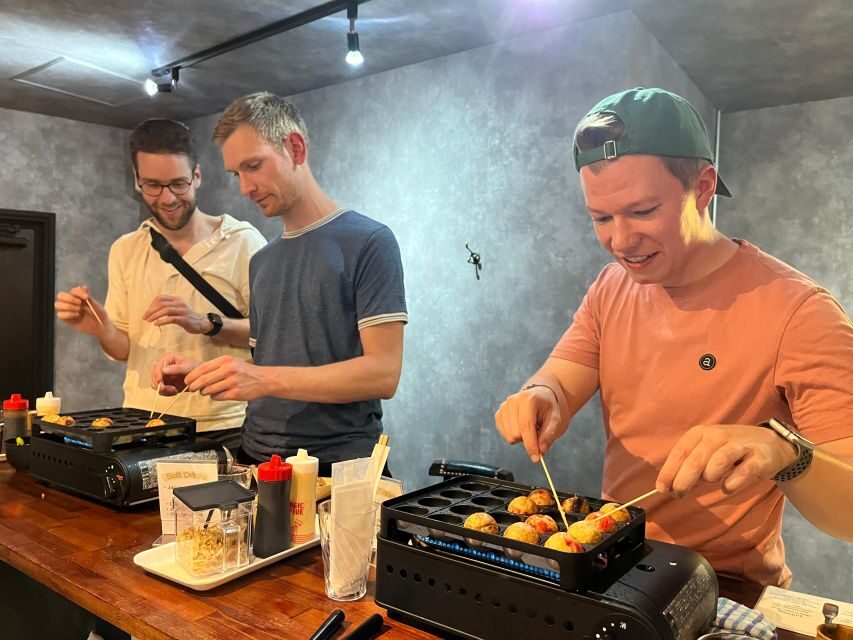 ★ 5.0Osaka Sake Tasting with Takoyaki CookingFrom $702 hours
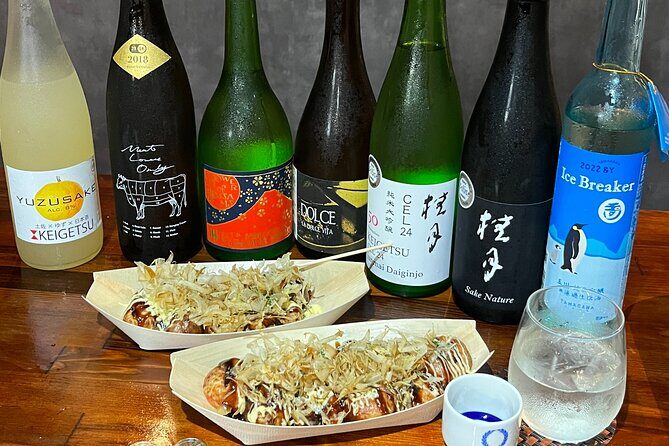 ★ 5.0Osaka Sake Tasting & Takoyaki Cooking ExperienceFrom $72
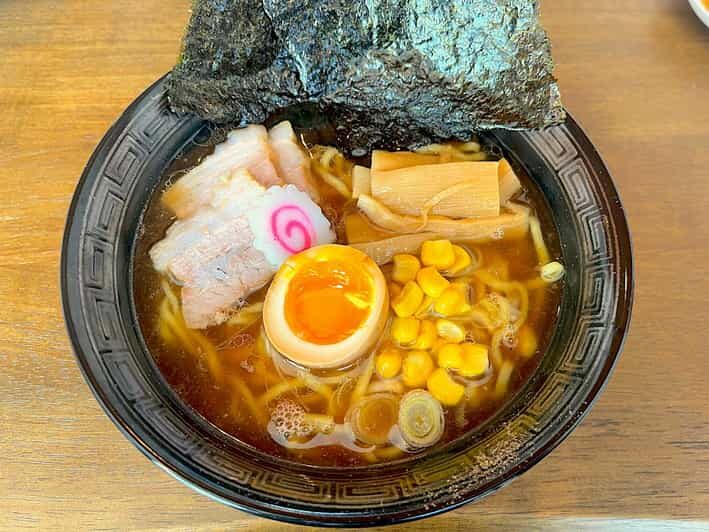 ★ 5.0Tokyo: Sushi and Ramen Cooking Class with Sake Pairing SetFrom $1293 hours
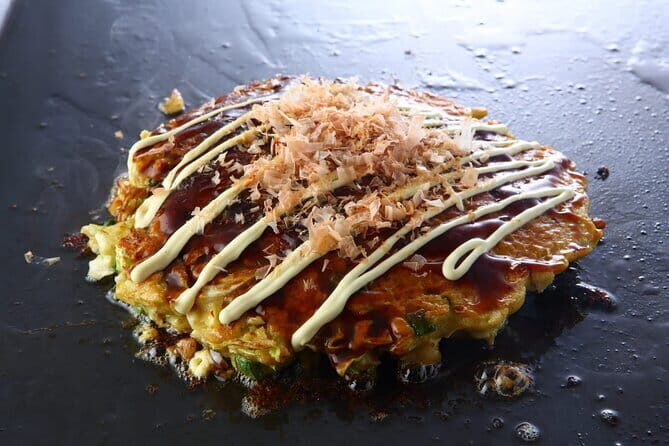 ★ 5.0Osaka Cooking Class and Sake Tasting with Local Supermarket VisitFrom $92
The lists this tour appears in