
Reviewed · SAKE TASTING
Nagano: Snow Monkeys, Zenkoji Temple & Sake Day Trip
Few places feel as magical as snow monkeys in winter.
This day trip strings together Zenko-ji Temple and the Jigokudani Snow Monkey Park with an English-speaking guide, transport between stops, and a food-and-sake pause that keeps the day from turning into a checklist. I love how the day is paced so you get guided context at Zenko-ji and then real time for the monkeys. I also like the lunch and tasting parts, because they show local flavors instead of just feeding you and rushing on. One drawback to plan for: there’s a noticeable walk on a winter forest trail, and it can be slippery.
If you’re staying around Hakuba in December through March, the winter shuttles make this easy. Meet early, ride comfortably, and let someone else handle timing—so you can focus on seeing Nagano’s highlights without playing transit Tetris all day.
In This Review
- Key highlights worth getting excited about
- Starting the day: Nagano Station timing and Hakuba winter shuttles
- Zenko-ji Temple: one of Japan’s major temples, explained while you walk
- The short secret stop: a 30-minute food tasting breather
- Lunch in Nagano: miso soup first, then tempura and sushi
- Sake tasting: learn the differences without making it complicated
- Jigokudani Snow Monkey Park: the hot-spring walk and what to watch for
- What if the monkeys don’t show up?
- Photo advice without getting in anyone’s way
- Getting the most from the return trip to Nagano (or Hakuba)
- Price and value: why $135 can make sense for one day in Nagano
- Who this day trip is perfect for
- Small but important rules (that save your day)
- Should you book this Nagano day trip?
- FAQ
- Where is the meeting point?
- How long do I spend at Zenko-ji Temple?
- How much walking is involved at the snow monkey park?
- Is lunch included, and are vegetarian meals available?
- Do I have to be 20 to drink sake?
- Are the inner sanctuary and extras included at Zenko-ji?
- Is this tour suitable for wheelchair users or mobility impairments?
Key highlights worth getting excited about
- Zenko-ji Temple with a guide: You’re not just looking at buildings; you’re getting stories and context while you walk through the approach.
- Sake tasting that teaches real basics: You taste multiple styles and learn how the process changes the glass you’re holding.
- Lunch that feels local: Miso soup plus courses like tempura and sushi show up, with vegetarian options available.
- A guided stop for food tasting: That short break is built in, so you’re not hungry during the long winter slog.
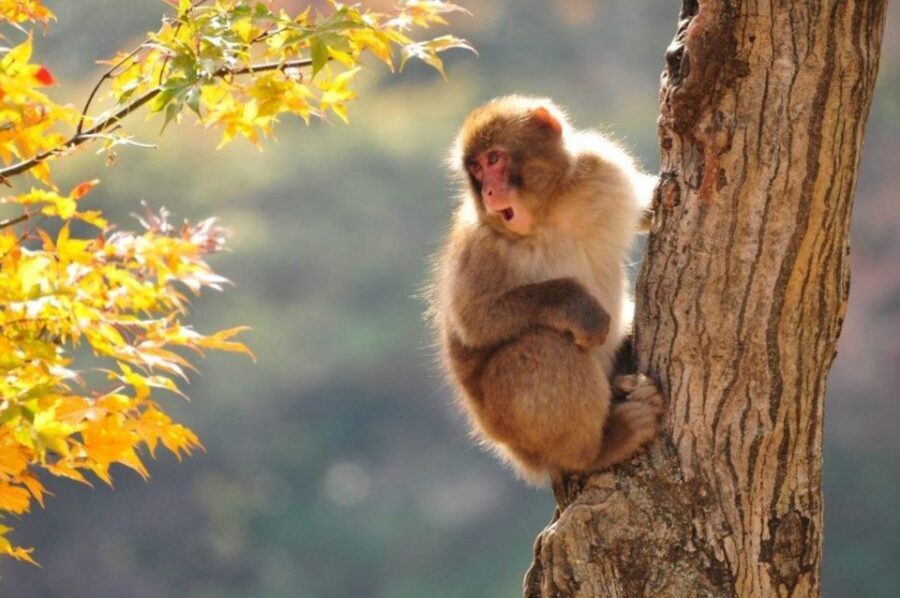
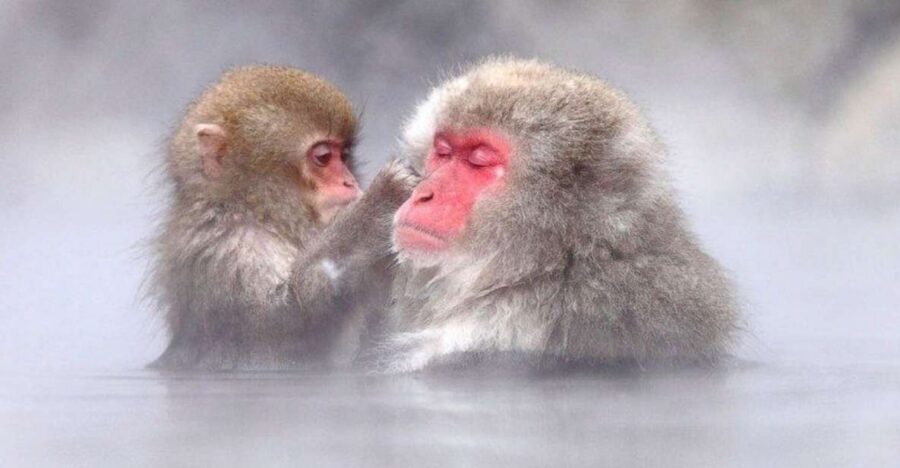
- Close-up snow monkey viewing: Watching them bathe in hot springs is the whole point, and you’re kept moving at a good pace.
- Practical winter walking guidance: The tour flags the slippery trail, and the best tip is simple: wear serious shoes.
Starting the day: Nagano Station timing and Hakuba winter shuttles
This tour runs as a full-day outing, and the schedule matters. The standard meet-up is at Nagano Station at 9:35 AM, with the tour returning you to Nagano Station by about 5:30 PM.
If you’re based in Hakuba during winter (December through March), you can start earlier via shuttle pickup options. One starts at 7:40 AM from Hakuba Tokyu Hotel in the Wadano area, and another starts at 7:55 AM from the Happo Bus Terminal. In winter, drop-off can be later for Hakuba guests, around 6:45 PM.
Why this matters: snow monkey parks are weather-dependent, and timing is how you give yourself the best chance to catch active monkeys. You don’t want a slow start when you’re paying attention to winter light, temperature, and animal behavior.
A few more Nagano tours and experiences worth a look
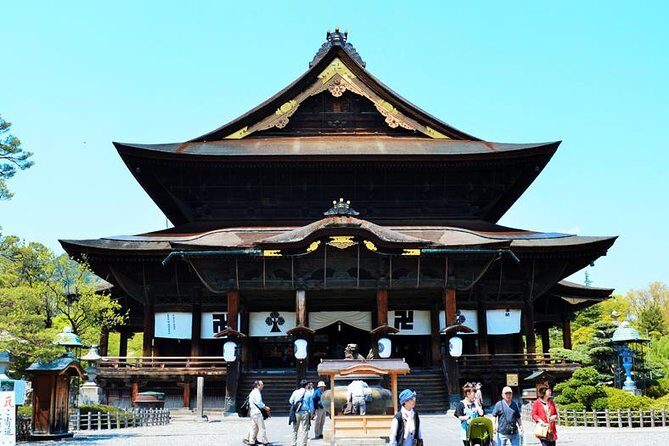
Zenko-ji Temple: one of Japan’s major temples, explained while you walk
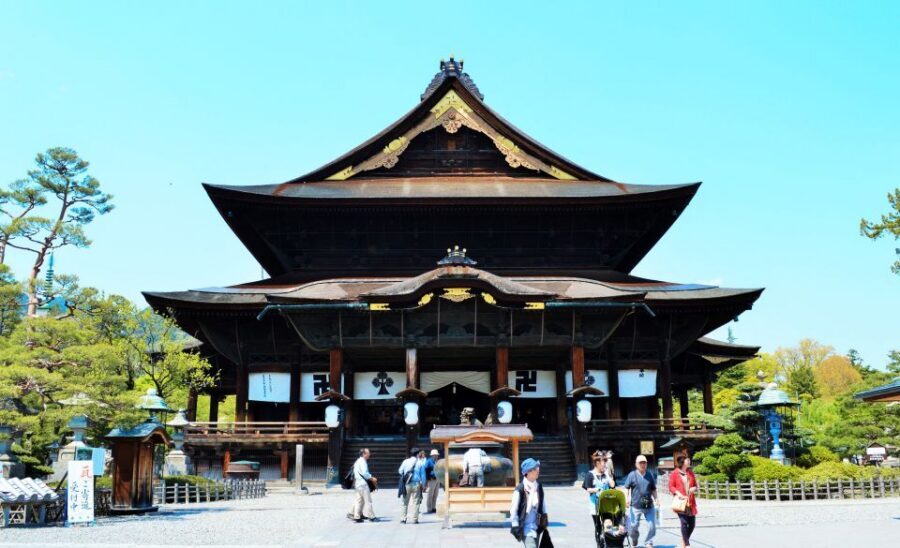
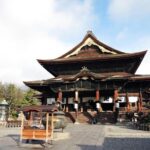
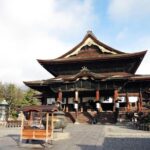
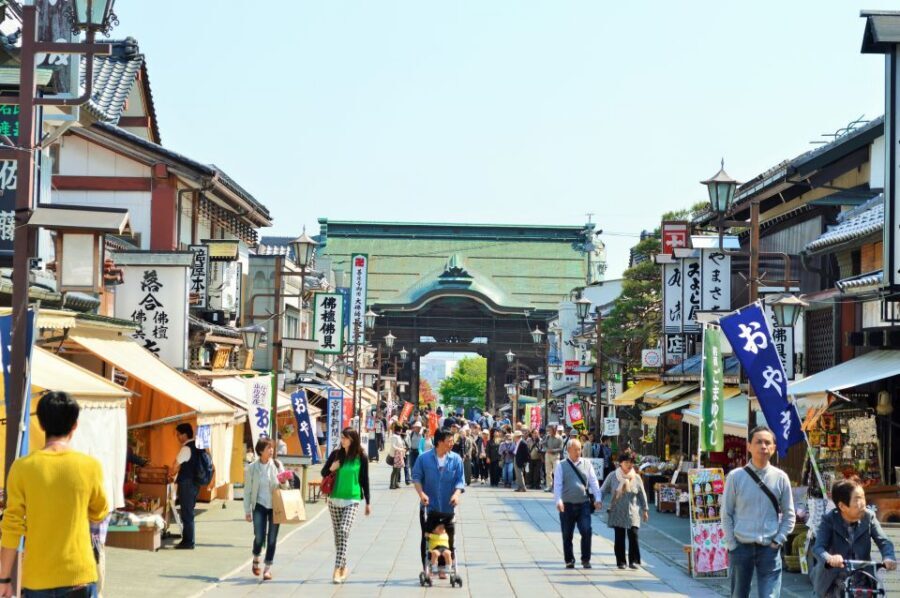
Zenko-ji is one of Japan’s oldest and most important Buddhist temples, and the tour treats it like more than a photo stop. You’ll spend about 1.5 hours here with a guided visit, which gives you time to notice the details you’d otherwise miss—like the way the approach through the surrounding area sets the mood before you even reach the temple complex.
In the group experience, guides often mix temple basics with Nagano context and everyday observations. I’ve seen tour leaders like Dylan, Kevin, Hiroshi, and Kei credited with keeping the talk clear and human—explaining what you’re seeing without turning it into a lecture. You’ll also get practical pacing: enough time to wander, but not so much that you feel lost.
One consideration: the tour includes the temple visit itself, but the optional inner sanctuary is not included. If you want that extra piece, plan for an add-on during your time there.
The short secret stop: a 30-minute food tasting breather
Midday doesn’t land all at once. Between the long ride and the lunch break, there’s a guided secret stop designed for a 30-minute food tasting.
This is a smart format for people who don’t want to spend the whole day hauling around an empty stomach. You get a small local flavor moment before lunch, which also helps break up the bus time. The tour doesn’t advertise it as a shopping mission either—think of it as a short palate reset.
Lunch in Nagano: miso soup first, then tempura and sushi
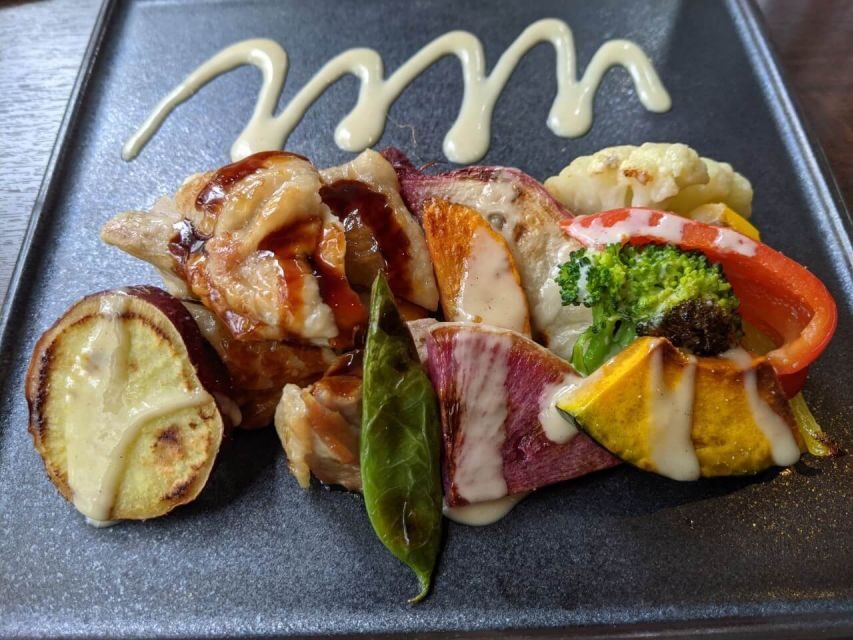
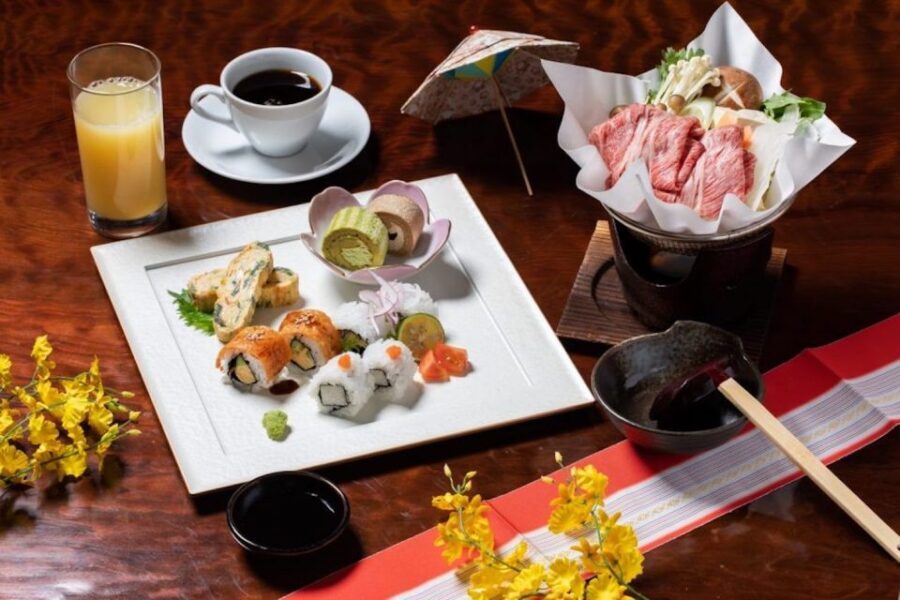
Lunch is included (with vegetarian options), and it’s not just a boxed meal. The setting is a local restaurant in the mountains, which helps the day feel like Nagano rather than just a highway tour between attractions.
A common menu element is traditional miso soup, and the courses may include items like tempura and sushi. Some meals can vary by group needs and restaurant availability, but you can at least expect that the lunch is built to highlight regional tastes.
Practical note: if you have allergies, you should let the tour know in advance so they can arrange the meal accordingly. That matters because lunch is a planned component, not a free-for-all of random snacks.
Sake tasting: learn the differences without making it complicated
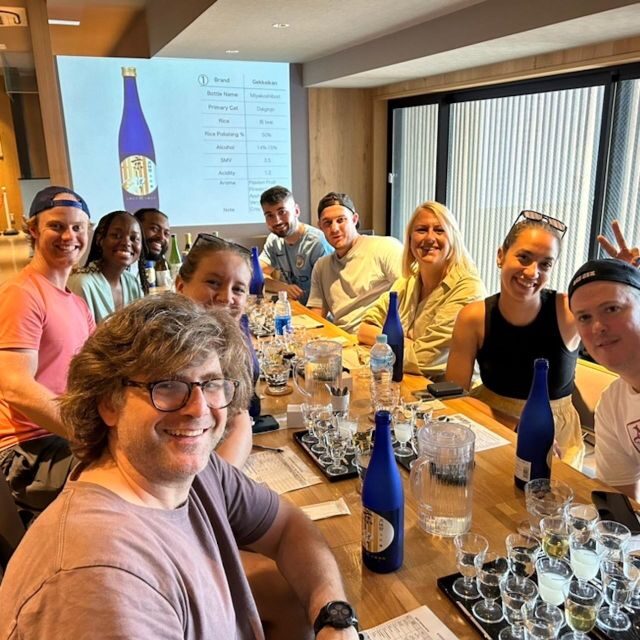
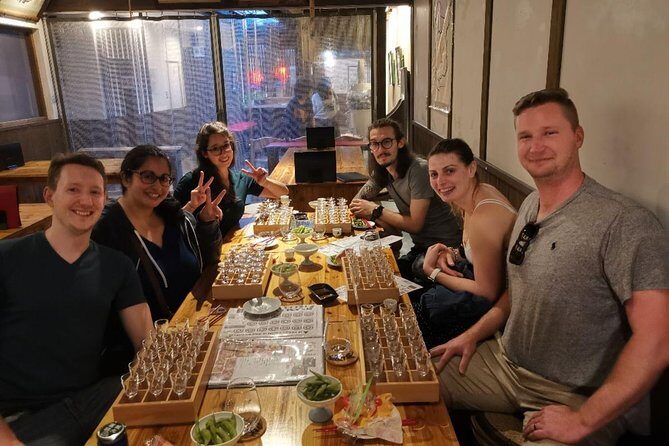
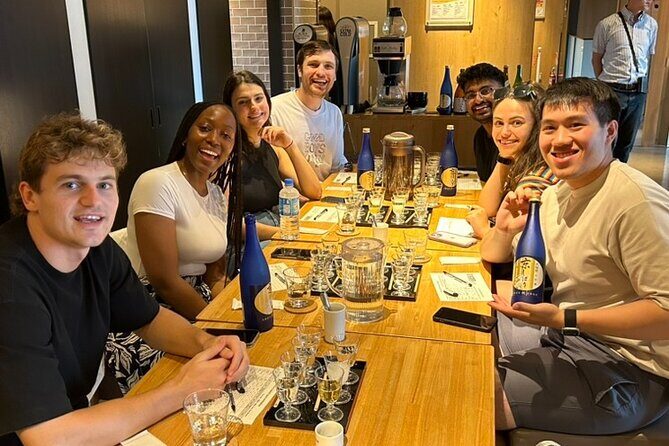
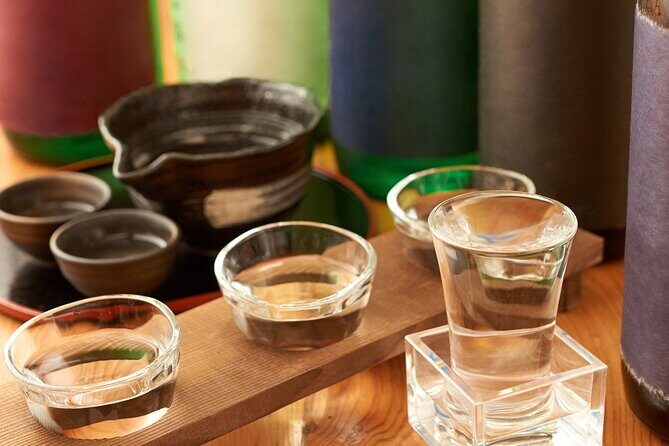
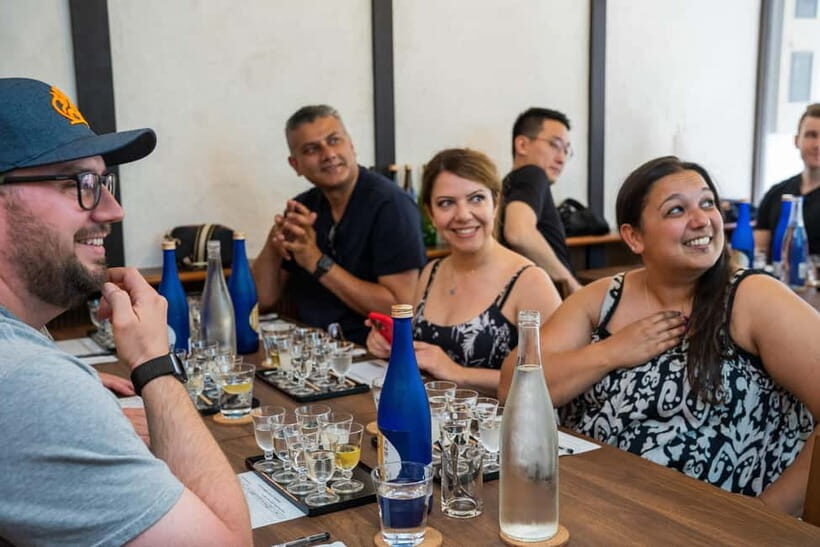
After lunch—or sometimes timed so you can enjoy it as a mid-day experience—there’s a structured sake tasting. The tour includes it, and it also teaches what you’re tasting: different sake styles and how production affects flavor.
Japan’s rules are straightforward here: you must be at least 20 years old to consume alcohol. If you’re underage or you don’t drink, non-alcoholic sakes are available. That keeps the tasting portion inclusive and keeps the experience from being awkward for anyone who just wants the cultural angle.
I like that the tasting is treated as education. It’s not just sipping and hoping for the best. Guides such as Brent, John, Tom Taylor, and others are often praised for explaining the differences clearly, and that turns sake from a souvenir into something you understand a bit better.

Jigokudani Snow Monkey Park: the hot-spring walk and what to watch for
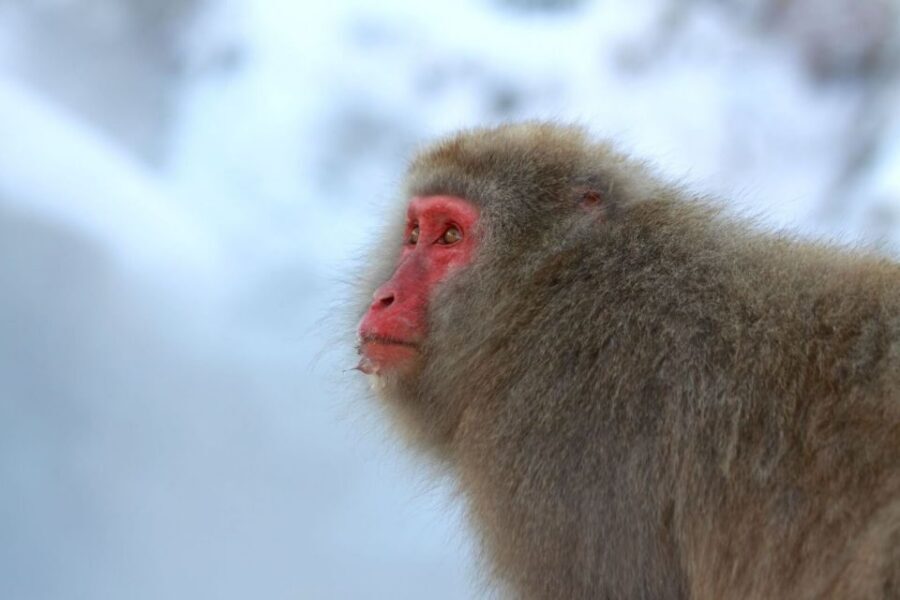
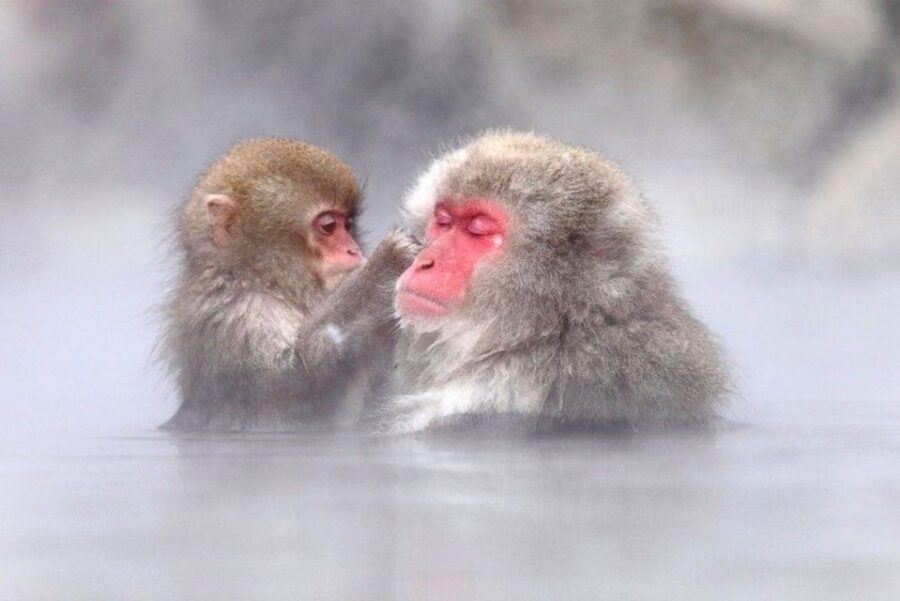
Jigokudani is the headline. This is the spot where snow monkeys are famous for bathing in hot springs, and the tour gives you about 2.5 hours at the park. You’ll have guided context plus time to walk, view wildlife, and take photos.
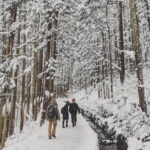
Before you even reach the viewing areas, be ready for walking. The winter trail involves a total 1.6 km walk to and from the park, and it can be slippery in winter. This is where the tour’s shoe rules really matter: no heels or sandals, and you’ll want footwear that grips.
If you tend to overestimate how steady your footing will be on packed ice, this is your moment to correct course. Multiple guests mention crampons as a real help when the path turns slick. You might not need them every day, but winter conditions can be unpredictable, so plan for the possibility.
What if the monkeys don’t show up?
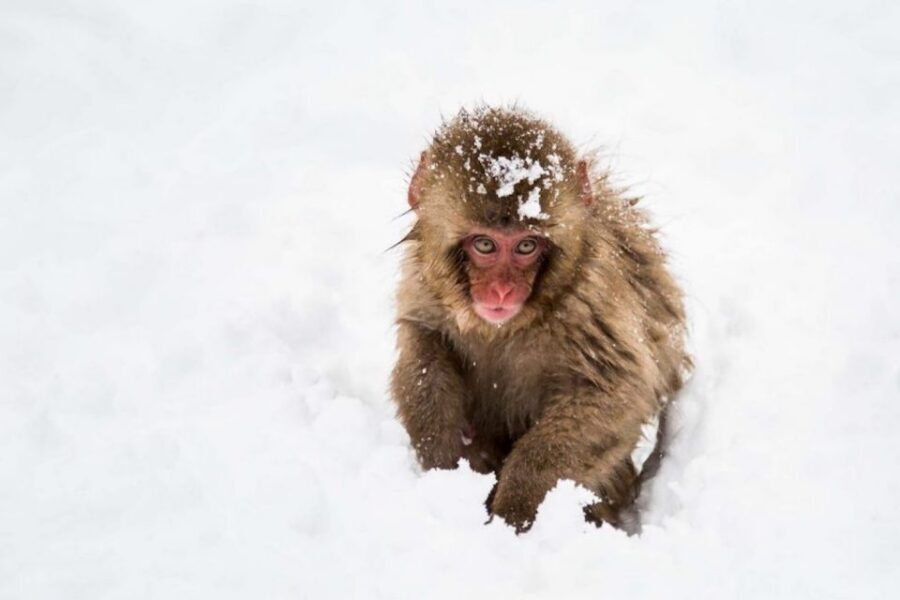
Here’s the honest part: there are a few days when the monkeys might not come down to the viewing areas. It’s not something you can control.
This is why the tour is structured with enough time at the park, rather than a quick in-and-out. The guide can also help you choose viewing spots based on conditions, so you’re not just wandering in the cold.
Photo advice without getting in anyone’s way
You’ll likely see monkeys moving between snow, water, and stone. For photos, move with the flow and avoid stepping into restricted areas. If someone is already positioned for a shot, wait your turn rather than crowding forward. It’s not about being strict—it’s about keeping everyone safe on a slippery trail.
Getting the most from the return trip to Nagano (or Hakuba)
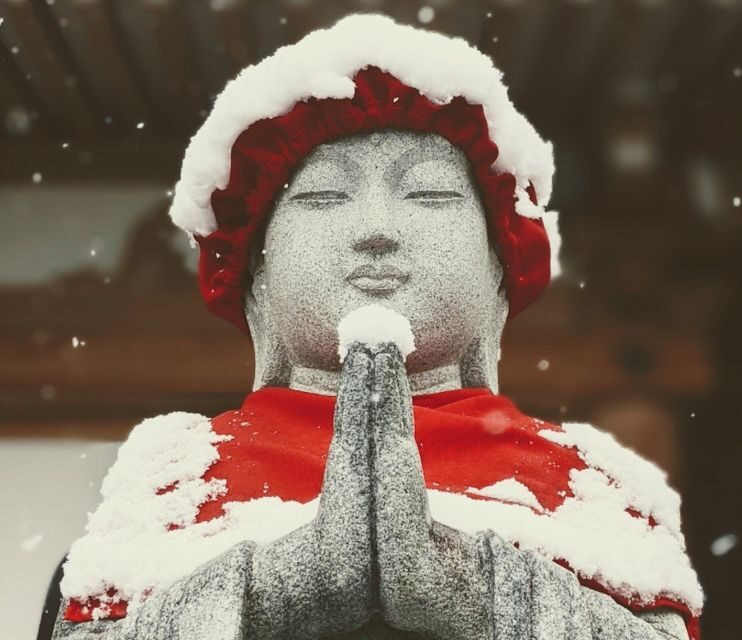
After the park visit, the tour heads back by bus/coach. You’ll be dropped at one of the listed drop-off locations. For most people, that means Nagano Station, with Hakuba drop-off in winter around 6:45 PM.
Two practical things help here:
First, keep your layers handy. Temperature shifts hit hard in winter, especially when you’re moving between heated bus rides and cold, still air at the park. Second, store your camera strap and gloves so you don’t have to rummage while walking back down icy paths.
Also, expect that local events or weather can cause minor changes to timing or included experiences. It’s better to go in flexible than annoyed.
Price and value: why $135 can make sense for one day in Nagano
At $135 per person, this isn’t a budget snack run. But it’s also not paying only for sightseeing. You’re paying for a bundle:
- English-speaking guide (context plus practical guidance)
- Transportation between stops
- Snow Monkey Park entry
- Lunch with vegetarian options
- Sake tasting
- Winter Hakuba shuttles where offered
If you tried to build this yourself, you’d likely spend time piecing together transit, timing park entry, and lining up a reliable plan for getting from Zenko-ji to Jigokudani without getting stuck in winter schedules. And on days with bad weather, having a planned route with someone coordinating timing becomes the real value.
The best fit is when you’re short on time and you want the “big hits” of Nagano done in one go without stress. If you want total freedom to wander for hours, you’d probably build a DIY plan. If you want the big highlights with minimal friction, this is the practical move.
Who this day trip is perfect for
I’d book this if you:
- Are in Nagano area for a winter ski trip and want a single guided day that mixes culture and nature
- Want the snow monkey experience without the hassle of sorting transport and timing
- Like guided storytelling, especially at older temples like Zenko-ji
- Want included food and a structured tasting so you’re not hunting for meals between rides
I would not book it if you:
- Have mobility limitations. The park walk and winter trail are not suitable for wheelchair users, and the tour notes it isn’t a fit for mobility impairments.
- Hate walking. There’s a planned 1.6 km round-trip walk tied to the park visit.
- Expect a guaranteed monkey show every single day. Some days they stay away from the viewing areas.
Small but important rules (that save your day)
A few constraints are easy to overlook until you’re already dressed:
- No high-heeled shoes. The park walk needs grip.
- Bring a bag that’s easy to carry. You’re moving between stops and you’ll be walking.
- Winter trail can be slippery, so dress for traction, not just warmth.
- If you’re planning to drink, remember the age minimum of 20 for alcohol consumption. Non-alcoholic options are available if needed.
Should you book this Nagano day trip?
I’d recommend booking this if you want one solid day that hits Zenko-ji Temple, eats well, tastes sake, and still gives you real time at Jigokudani for the snow monkey main event. The biggest reason is balance: culture in the morning, good food mid-day, and then the winter wildlife payoff with enough time to enjoy rather than sprint.
Skip it only if your walking tolerance is low or you need wheelchair accessibility. Otherwise, dress for the ice, show up on time, and let the guide handle the flow. If the monkeys cooperate, it’s one of those days you’ll feel lucky you didn’t miss.
FAQ
Where is the meeting point?
You meet your tour guide at Nagano Station at 9:35 AM. If you’re joining from Hakuba in winter, shuttle pickup points include Hakuba Tokyu Hotel (Wadano area) at 7:40 AM or Happo Bus Terminal at 7:55 AM, depending on your booking.
How long do I spend at Zenko-ji Temple?
You’ll have about 1.5 hours for the guided Zenko-ji visit.
How much walking is involved at the snow monkey park?
There’s about a 1.6 km walk to and from the park. The winter forest trail may be slippery, so proper shoes are important.
Is lunch included, and are vegetarian meals available?
Yes. Lunch is included, and vegetarian options are available.
Do I have to be 20 to drink sake?
Yes. To consume alcohol in Japan during the included tasting, you must be at least 20. Non-alcoholic sake is available for underage guests or non-drinkers.
Are the inner sanctuary and extras included at Zenko-ji?
The tour includes the temple visit, but optional entry to the inner sanctuary is not included.
Is this tour suitable for wheelchair users or mobility impairments?
No. The tour is listed as not suitable for people with mobility impairments and not suitable for wheelchair users.
More 1-Day Tours in Nagano
More Winter Activities in Nagano
More tours in Nagano we've reviewed
Sake Tasting, compared.
 ★ 5.01-Day Snow Monkeys, Zenko-ji Temple & Sake in NaganoFrom $151
 ★ 5.03-Hour Kyoto Insider Sake Brewery Tour with Tastings & PairingsFrom $84
 ★ 5.0Kyoto: Insider Sake Brewery Tour with Sake and Food PairingFrom $873 hours
 ★ 5.0Kyoto Sake Brewery & Tasting Walking TourFrom $98
 ★ 5.01.5-Hour Kyoto Insider Sake Experience with 7 Tastings & PairingsFrom $68
 ★ 5.0Ramen and Sushi Cooking Class with Sake Pairing Set in TokyoFrom $79
 ★ 5.0Sake Tasting Masterclass in Shinjuku (8+ Varieties with a Pro)From $72
 ★ 5.0Kyoto: Insider Sake Experience with 7 Tastings and SnacksFrom $661h 30m
The lists this tour appears in