
Reviewed · COOKING CLASSES
Tokyo Washoku 4-hour Cooking Class: From Market to Table
Tokyo is better when you cook in it.
This 4-hour from-market-to-table class starts at a real neighborhood supermarket and ends in a dedicated studio where you actually make Japanese dishes, not just watch. I like that the day is built around two practical skills: picking quality ingredients and using solid knife and cooking technique so the food tastes right even after you get home.
Two things I really like: first, you shop with your guide and learn what to look for while you’re still in “ingredient mode,” not later when it’s too late. Second, you leave with recipes you can use again—so the class turns into home-cooking practice, not a one-time meal.
The only drawback to plan for is food limits: you can request vegan/vegetarian and they’ll adapt, but allergy needs can’t be guaranteed allergy-free, and changes made on the tour day aren’t accommodated.
In This Review
- Key things I’d prioritize
- Where the class starts: FamilyMart, Iriya area, and a smooth start
- Supermarket shopping: learn what good ingredients look like
- Knife skills and cooking technique in a real studio setup
- The dishes you’ll make (and why each one teaches something)
- If you have an egg restriction
- Meal time: eating together and playing with sake pairings
- Recipes to take home: your real souvenir
- Dietary needs: vegan-friendly, but plan ahead for allergies
- Timing, group size, and what 4 hours really feels like
- Value check: $79.59 for shopping, cooking, and teaching
- After the class: Kappabashi tools street is an easy bonus
- Who should book this class
- Should you book Tokyo Washoku: From Market to Table?
- FAQ
- What’s the duration of the Tokyo Washoku cooking class?
- Where does the class start?
- What time does the class start?
- How much does it cost?
- What dishes will we cook?
- Is vegan or vegetarian food available?
- Can you accommodate allergies?
- Is the class in a group, and how big is it?
- What happens if the weather is bad?
Key things I’d prioritize
- Small group (max 7) means more hands-on time at the cutting board and fewer delays
- Supermarket shopping first so you learn ingredient choices before you cook
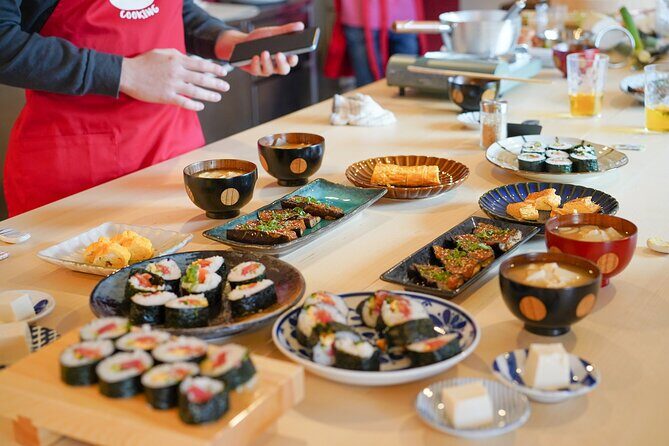
- Traditional dishes from scratch including makisushi, miso soup, dashimaki tamago, and nasu dengaku
- Knife + technique coaching you can reuse at home, not just steps to follow
- Recipes to take home so you’re not rebuilding from memory
- Sake or other drink pairings served during the meal experience
Where the class starts: FamilyMart, Iriya area, and a smooth start
Your morning begins at a clearly listed meeting point: FamilyMart 2-chōme-1-10 Shitaya, Taito City, Tokyo 110-0004. The start time is 10:00 am, and the tour runs about 4 hours. It’s close to public transportation, which matters in Tokyo—because if you’re chasing trains while hungry, you’ll end up stressed instead of curious.
A key point: the group needs to start on time. If you’re more than 5 minutes late without contacting them, it can be treated as a cancellation with no refund. So I recommend you give yourself a buffer, then show up early enough to calm your brain and get oriented.
Other shopping tours in Tokyo

Supermarket shopping: learn what good ingredients look like
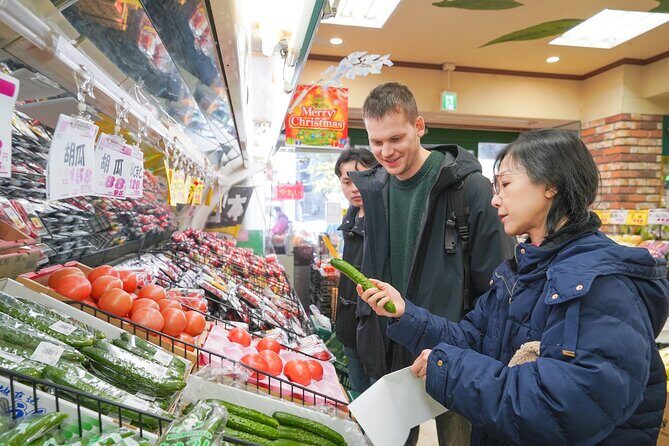
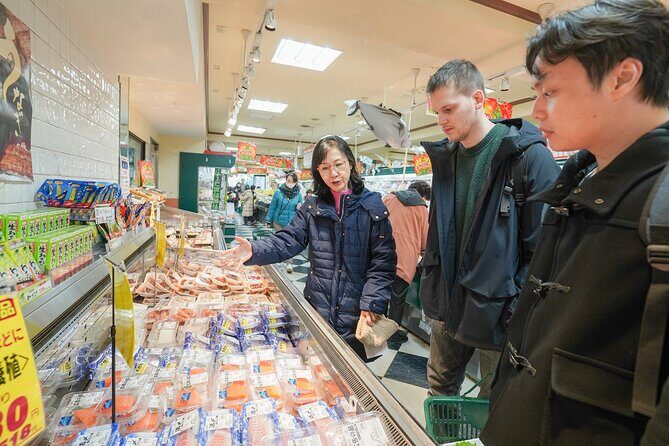
This is the part that makes the class feel different from most cooking lessons. You’re not starting with a cookbook version of Japanese food. You’re starting in a real local supermarket near Iriya Station, shopping with a pro who can explain what matters.
Here’s what you’ll get from this segment, if you pay attention:
- How to choose produce and proteins for flavor (not just for looks)
- What to look for when buying items you might not see back home
- How ingredient quality changes the outcome of dishes like miso soup and rolled sushi
I like that the guide’s advice is practical. Instead of “this is important,” you learn the real-world version: what makes an ingredient work in Japanese home cooking. And because you’re buying the same ingredients you’ll cook later, you’ll connect the dots fast.
Knife skills and cooking technique in a real studio setup
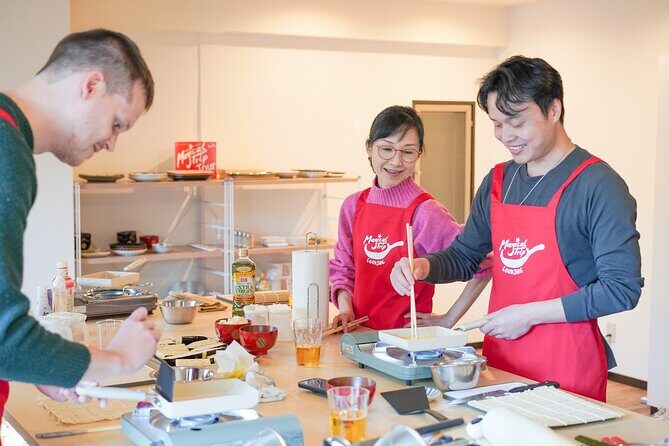
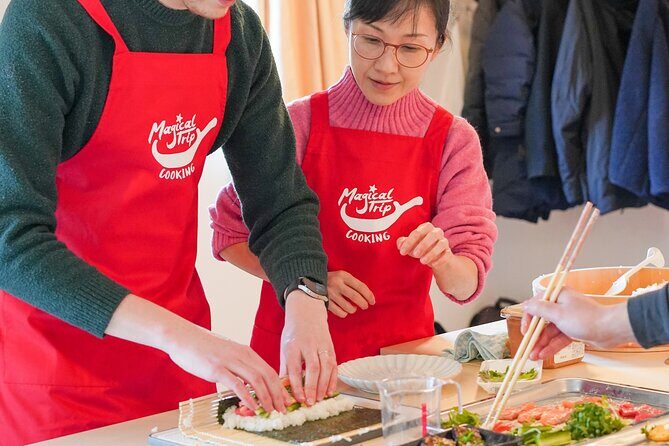
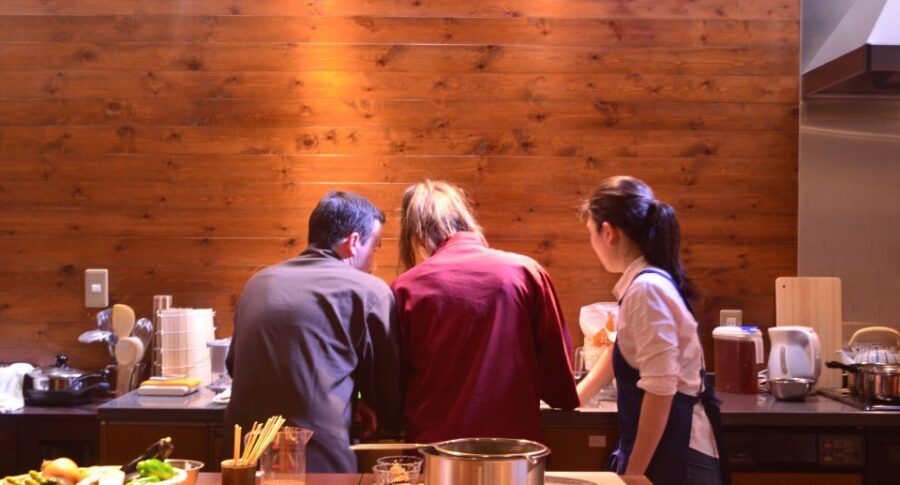
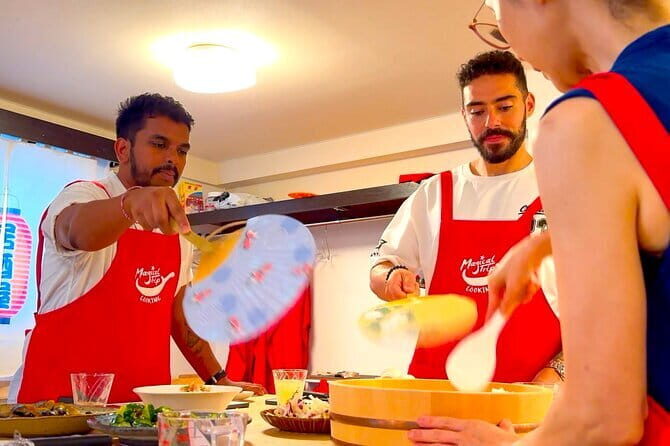
After shopping, the group heads to the cooking studio. The studio part matters because it’s set up for hands-on work—space for chopping, stations to cook, and a layout designed for learning. In other words, you’re not sharing a cramped kitchen with ten other people and hoping for counter space.
You’ll practice traditional techniques tied to the dishes you make. That typically means:
- Proper cutting motions (especially important for sushi rolls and egg preparations)
- Clear steps for heating and timing in dishes like grilled eggplant
- How to keep flavors balanced when you’re building sauces and seasoning from scratch
Instructors in this class style tend to be patient and encouraging while you work. I’ve seen teachers like April, Yuri, Masai, Alice, Minnie, Mihori, Taka, and Suzy praised for detailed instruction and friendly energy, which is a big deal if you’re not a confident cook.
The dishes you’ll make (and why each one teaches something)
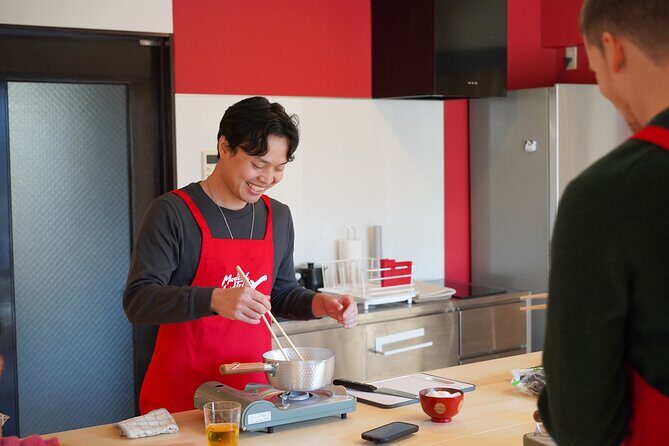
The menu is designed so you learn both “how to cook” and “how to think like a Japanese home cook.” You’ll make traditional foods such as:
- Makisushi (rolled sushi)
This teaches you the basics of rolling, texture, and how fillings behave once the rice and nori are in place.
- Miso soup
You learn how miso works in broth—how it’s handled and when it’s introduced so the soup tastes right.
- Dashimaki tamago (rolled omelet)
This is great technique practice. It’s a step-by-step dish where patience and repetition matter.
- Nasu dengaku (grilled eggplant skewers)
This teaches sauce and grilling balance—sweet-salty notes that cling to the eggplant when timed well.
The overview also mentions you’ll prepare items like egg rolls and other dishes as part of the full class meal. Expect a “from scratch” approach across the menu, not just assembly.
If you have an egg restriction
If you cannot eat eggs, the selection typically reduces from four types to three. So it’s worth telling them in advance, and it also helps you mentally plan for a slightly shorter range of dishes.


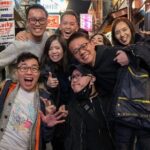
Meal time: eating together and playing with sake pairings
This class isn’t just about cooking; it’s about eating what you made. Once your dishes are ready, you’ll enjoy the meal together in the studio.
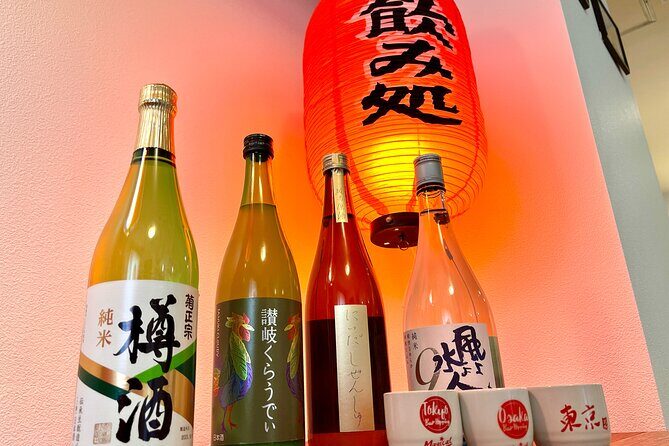
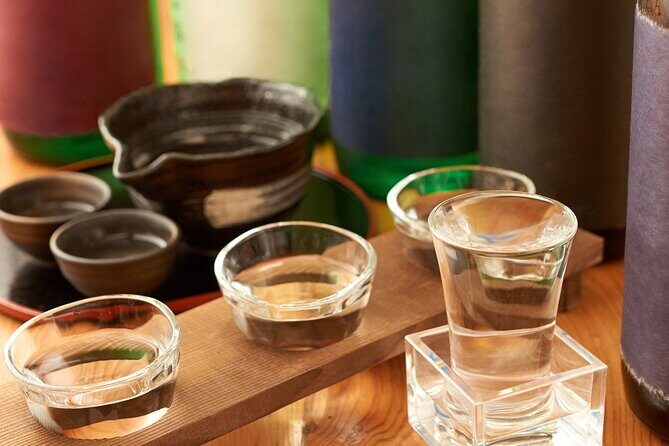
One especially fun element you should look forward to is drink pairing. The class description notes you can experiment with sake or other drink pairings during the meal. Several people also specifically called out beer and sake tasting as part of their experience. If you like learning how flavors match, this is where the lesson becomes memorable.
Even if you don’t plan to drink much, the pairing part helps you understand why Japanese meals feel balanced: savory, sweet, and lightly tangy notes don’t all fight each other.
Recipes to take home: your real souvenir
Many cooking classes end with a “thanks for coming” and a vague memory. Here, you’re given recipes for the dishes so you can recreate what you cooked.
I like that this supports two kinds of travelers:
- If you want practice later, recipes let you try again at home without guessing.
- If you’re traveling and want a quick win, you can take home the parts you liked most and ignore the rest.
Dietary needs: vegan-friendly, but plan ahead for allergies
If you’re vegan or vegetarian, you’re welcome. They arrange ingredients and the cooking process for you, and you should be able to follow along without feeling like you’re watching other people eat your food.
Allergy handling needs extra care:
- You should inform them at least one day before the tour if you have dietary requests or allergies.
- Requests made on the day of the tour can’t be accommodated.
- They also state they can’t guarantee allergy-free cooking, since the kitchens used for preparation do not belong to the company running the tour.
- Substitutions might not be possible at every stop, though they’ll try to compensate at other points.
So if your allergy is serious, treat this as “adapted as best possible,” not “guaranteed safe in every scenario.” For many people with light restrictions, it works well. For severe allergies, you’ll want to communicate early and be cautious.
Timing, group size, and what 4 hours really feels like
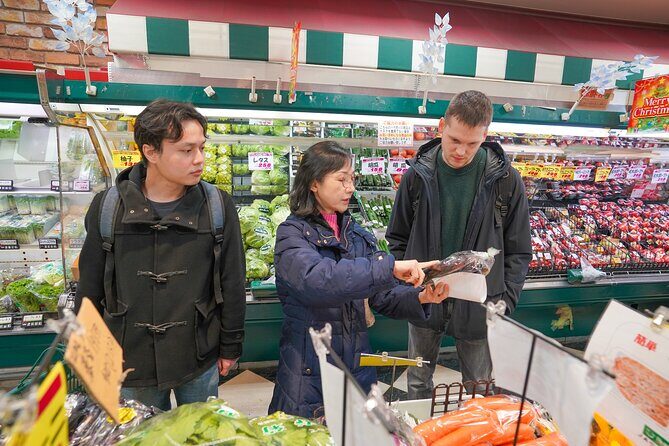
With a maximum of 7 travelers, you’re unlikely to spend the whole class waiting. You can get hands-on with chopping, cooking steps, and plating.
Also note the tour is about 4 hours, which is enough time to learn technique and eat what you made, but not enough time to become a full sushi master. Think of it as a strong skills reset: you’ll come away with repeatable basics, plus a sense of how the dishes are built.
Weather matters in Japan these days, and they explicitly warn conditions can be extreme (summer highs around 40°C / 110°F and winter lows around -5°C / 20°F). Even though you’ll be indoors for parts of the class, you’ll still be out shopping. Bring water, dress for temperature, and keep a small plan for comfort.
Value check: $79.59 for shopping, cooking, and teaching
At $79.59 per person, this sits in the “mid-range experience” category for Tokyo. Here’s why I think it can be good value:
- You’re paying for more than cooking. You get guided ingredient shopping plus technique coaching.
- The class is small (max 7), so the teaching time per person is better than big-group versions.
- You’ll make multiple dishes from scratch, then eat what you cooked, which is a big part of the value you feel on the day.
- You receive recipes you can actually use later.
If you already know how to cook Japanese food and only want a meal, this might feel pricey. But if you want the why behind the flavors and the hands-on practice, this is exactly the kind of experience that earns its cost.
After the class: Kappabashi tools street is an easy bonus
The tour ends back at the meeting point, but they also note you may want to visit Kappabashi Dougu Street afterward on your own. That’s a nice option if you caught the knife-cooking bug. Even if you don’t buy anything, it’s a fun place to look at Japanese kitchen tools and see what you might want next.
Who should book this class
This class is a strong match if you:
- Want Japanese cooking skills that actually translate to home cooking
- Enjoy food shopping and ingredient selection, not just the cook part
- Like a small group setting where you can ask questions while working
- Want a structured meal experience in Tokyo that includes tasting and pairing ideas
It’s less ideal if you:
- Have complex or severe allergies and need guaranteed allergy-free preparation
- Want a purely sightseeing-focused morning
- Hate being on your feet and handling food for a full few hours
Should you book Tokyo Washoku: From Market to Table?
If you like hands-on learning and you want more than a single tasting meal, I think you should book it. The combination of supermarket shopping, knife and technique practice, and a meal you eat together makes it feel like a real Tokyo skill, not a tourist stunt.
Just do two things before you go: confirm any dietary needs well ahead of time, and arrive early enough to avoid the late-start issue. If you handle those, you’ll likely come away with dishes you can repeat—and a better instinct for Japanese ingredients the next time you cook.
FAQ
What’s the duration of the Tokyo Washoku cooking class?
It runs for about 4 hours.
Where does the class start?
The meeting point is FamilyMart 2-chōme-1-10 Shitaya, Taito City, Tokyo 110-0004, Japan.
What time does the class start?
The listed start time is 10:00 am.
How much does it cost?
The price is $79.59 per person.
What dishes will we cook?
You’ll prepare traditional dishes such as makisushi (rolled sushi), miso soup, dashimaki tamago (rolled omelet), and nasu dengaku (grilled eggplant skewers), plus other items mentioned as part of the full class meal.
Is vegan or vegetarian food available?
Yes. Vegan and vegetarian are welcome, and they arrange ingredients and the cooking process.
Can you accommodate allergies?
You should inform them at least one day before if you have dietary requests or allergies. They also note they can’t guarantee allergy-free cooking, and substitutions may not be possible at every stop.
Is the class in a group, and how big is it?
Yes, it may include other participants, with a maximum of 7 travelers.
What happens if the weather is bad?
This activity requires good weather. If it’s canceled due to poor weather, you’ll be offered a different date or a full refund.
More Cooking Classes in Tokyo
More Markets in Tokyo
More Shopping Tours in Tokyo
More tours in Tokyo we've reviewed






Cooking Classes, compared.
 ★ 5.0Ramen and Sushi Cooking Class with Sake Pairing Set in TokyoFrom $79
 ★ 4.9Kyoto: Afternoon Japanese Izakaya Cooking ClassFrom $673 hours
 ★ 5.0Izakaya Style Cooking ClassFrom $71
 ★ 5.0Osaka Sake Tasting with Takoyaki CookingFrom $702 hours
 ★ 5.0Osaka Sake Tasting & Takoyaki Cooking ExperienceFrom $72
 ★ 5.0Tokyo: Sushi and Ramen Cooking Class with Sake Pairing SetFrom $1293 hours
 ★ 5.0Osaka Cooking Class and Sake Tasting with Local Supermarket VisitFrom $92
 ★ 5.0Tokyo Night Cooking Class: 5 Home-Cooked Japanese DishesFrom $79
The lists this tour appears in