
Reviewed · KOBE SAKE TOURS
Kobe: Sake Brewery Tour with Tasting and Kobe Beef Bites
Sake and Kobe beef, stitched into one walk. This tour mixes Nada’s sake culture with city food stops and waterfront sights, plus a human lesson about Kobe’s earthquake impact.
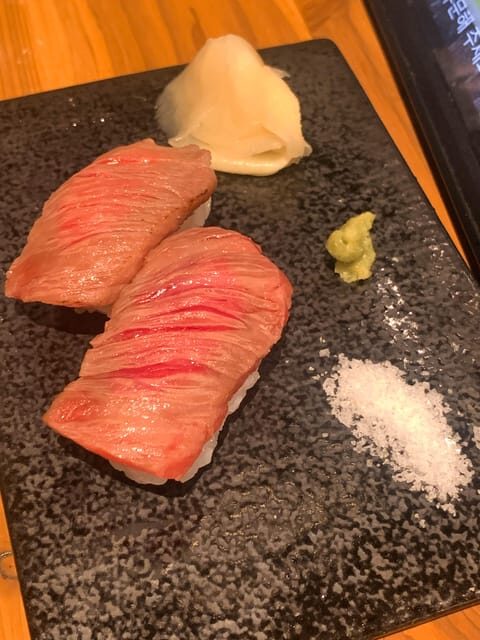
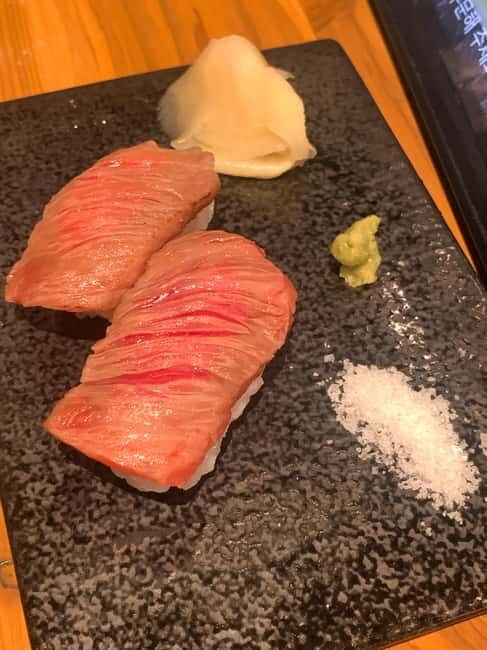
I especially like the museum-style sake tour with tasting, because you’re not just eating or drinking—you’re learning what makes the flavors. I also like that you get Kobe beef nigiri as a tasting (not a heavy meal), so you can keep exploring afterward.
One consideration: the Kobe portion is a small tasting, not a full Kobe beef course or steak dinner. If you’re craving a big beef meal, adjust your expectations or plan dinner later.
In This Review
- Key things I’d circle before booking
- A Kobe tour that works even when your time is tight
- Nada sake museum: what you actually learn (and taste)
- Kobe beef nigiri: tasty, but plan around the portion size
- Motomachi shopping street: a food break that keeps the pace sane
- Meriken Park: Port Tower photos and the Be Kobe monument
- Earthquake context: a sober lesson built into the route
- What the timing feels like on the ground
- Price and value: what $83 gets you (and what it doesn’t)
- Who should book this Kobe sake and Kobe beef experience
- Should you book this tour? My take
- FAQ
- How long is the Kobe sake brewery tour with tasting?
- How much does the tour cost?
- Where does the tour start?
- What food and drinks are included?
- Is this a full Kobe beef steak or a course meal?
- What sights do we see near the end of the tour?
- Is there any sightseeing or learning beyond food?
- What should I bring, and is smoking allowed?
Key things I’d circle before booking
- Sake brewery museum + multiple tastings in Nada, where Kobe’s sake reputation was built
- Kobe beef nigiri tasting (street-food style), not a full steak or course
- Motomachi stop with a fruit drink so the tour stays light and comfortable
- Meriken Park highlights: Kobe Port Tower and the Be Kobe monument
- Earthquake education tied to northern Awaji and how it affected Kobe
- Private, English-guided pace that makes it easier to ask questions and keep moving
A Kobe tour that works even when your time is tight
If you only have a few hours in Kobe, this kind of combo tour makes sense. You’re not stuck in one neighborhood, and you’re not just following a photo route. You’re hopping between food, drink, and a couple of major landmarks, with real context along the way.
The tour runs about 2.5 to 3 hours and follows a mostly walk-and-train rhythm. That matters because Kobe can feel spread out. The transport between stops lets you see more without tiring yourself out before dinner.
This also feels like a smart “first look” at Kobe. You’ll get a taste of Nada (sake-making area), then move toward Motomachi and the waterfront. It’s a nice arc from tradition to modern city life.
Other sake brewery and tasting tours in Kobe
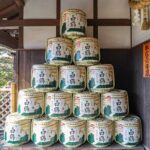
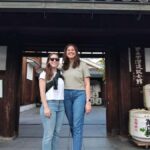
Nada sake museum: what you actually learn (and taste)
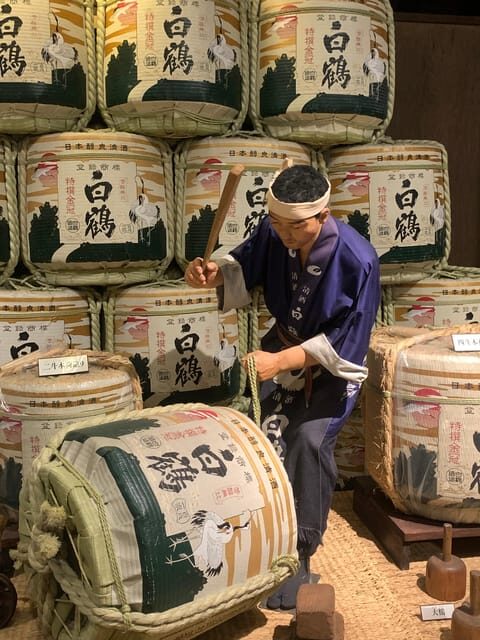
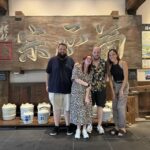
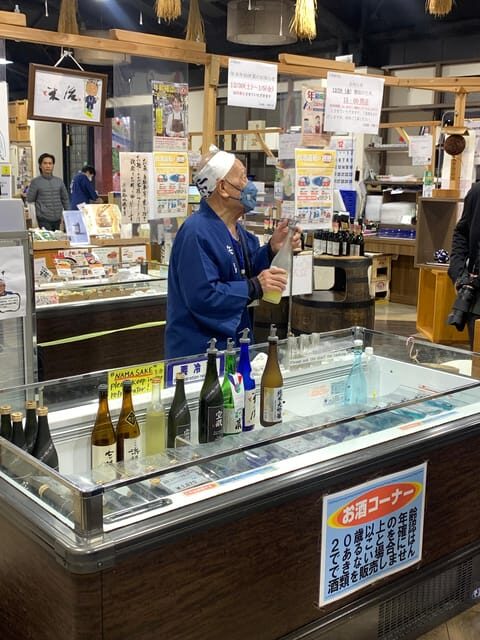
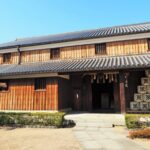
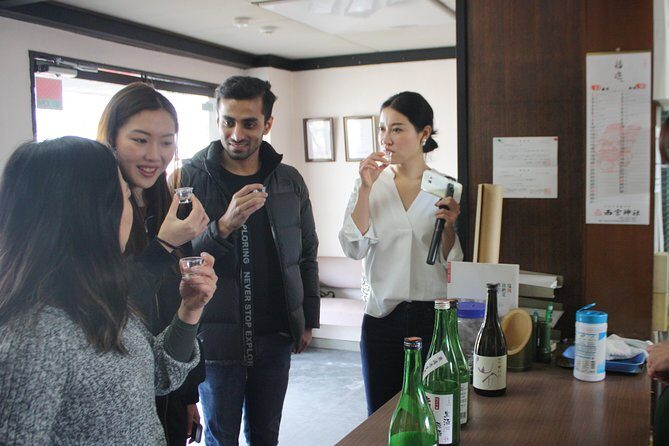
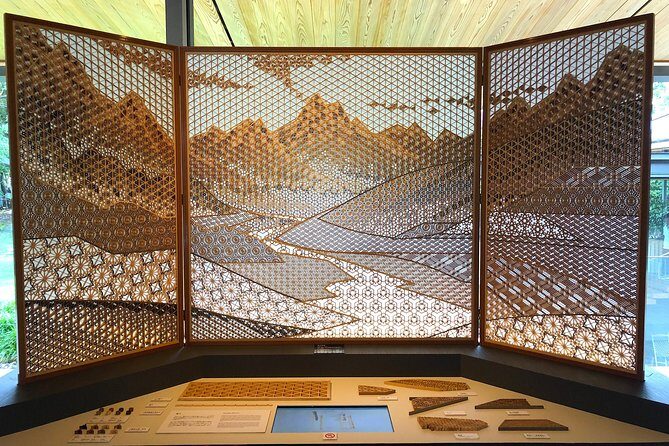
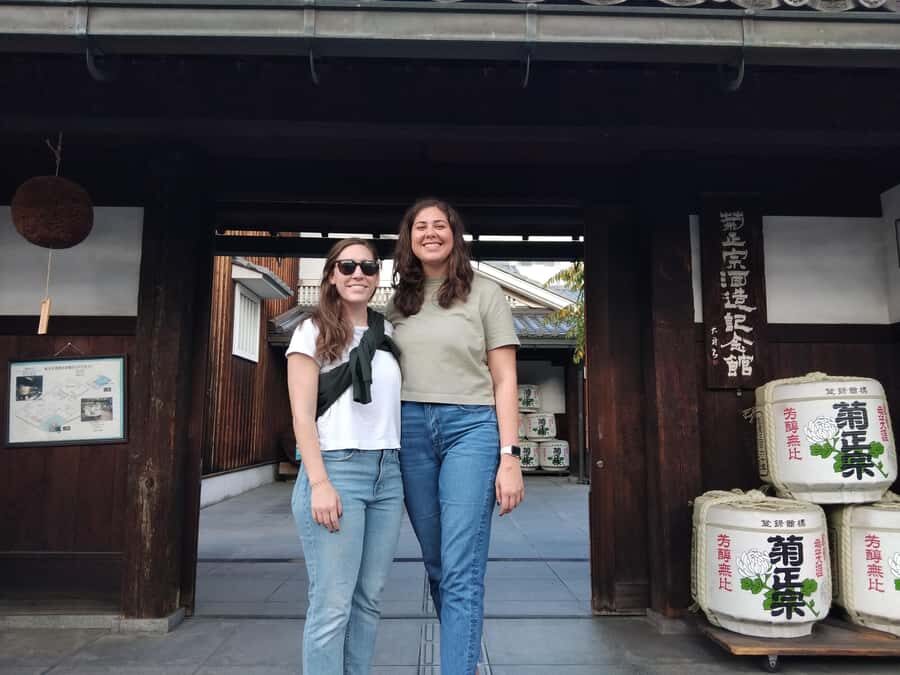
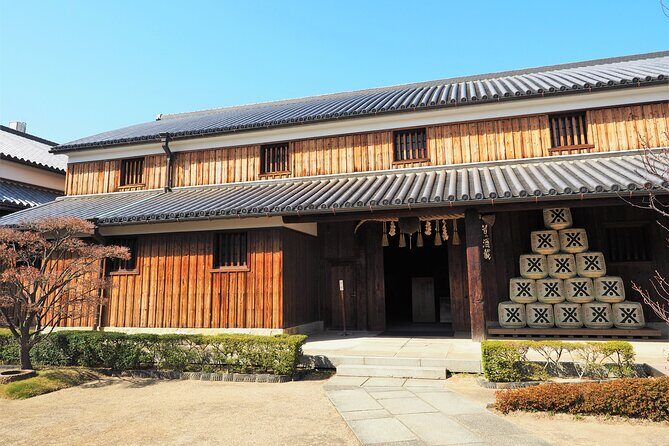
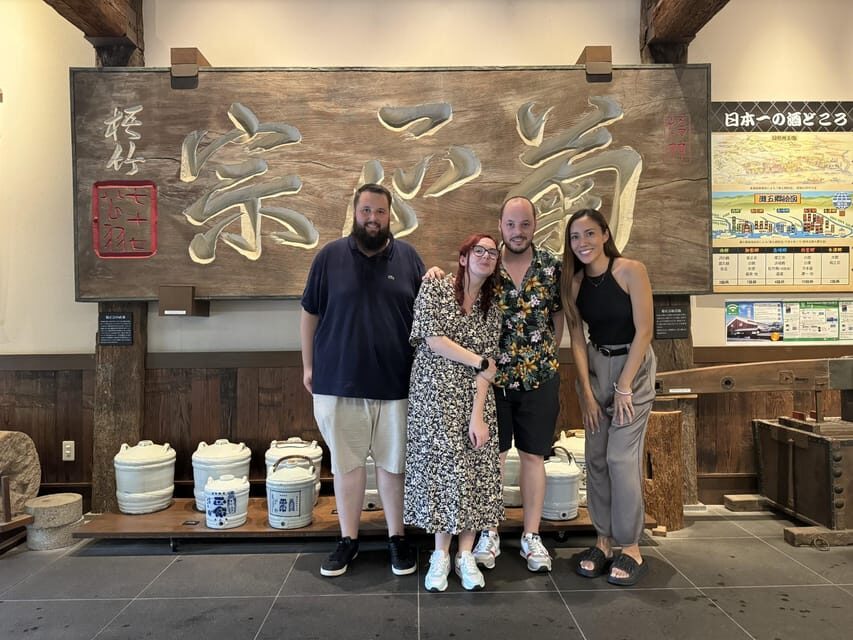
Your tour starts with a ride toward Nada Ward, where Kobe’s sake world is centered. Then you’ll spend a guided chunk of time at a sake brewery museum—the kind of stop where you can see and understand the process rather than just watch a quick video.
What I like about a museum format is that it slows things down. Instead of rushing through a building, you get explanations tied to what you’re looking at. And because it’s a guided experience, you can ask questions instead of guessing.
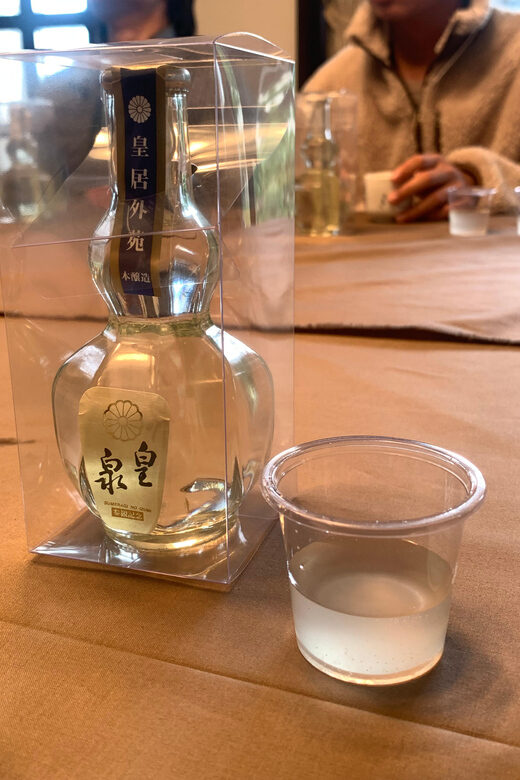
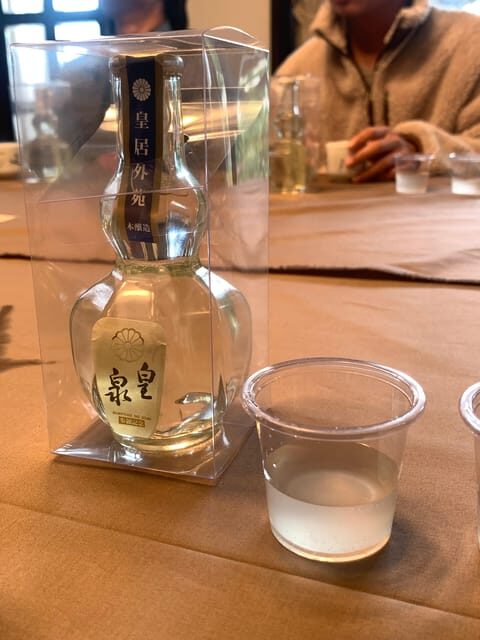
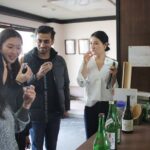
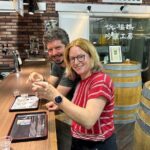
After the tour part, there’s sake tasting. People who like citrus notes often find one of the tastings especially memorable—one report called out a yuzu sake as a favorite. Even if you’re not a sake fanatic, tasting several styles usually makes the differences click fast.
A rainy day isn’t a deal-breaker here either. When weather pushes you indoors, museum time is the right kind of plan. You’re still seeing the materials and setups, not just huddling and hoping the sky clears.
Kobe beef nigiri: tasty, but plan around the portion size
Now the star-food moment: Kobe beef nigiri. Important detail: this is a tasting. It’s not a full Kobe beef course. You’re getting a few bites, served in a street-food style setup during the food stop.
One thing I’d call out for value: a tasting approach is actually a win if you want variety. You get the bragging rights (Kobe beef), but you don’t max out your appetite right before the waterfront sights and shopping street.
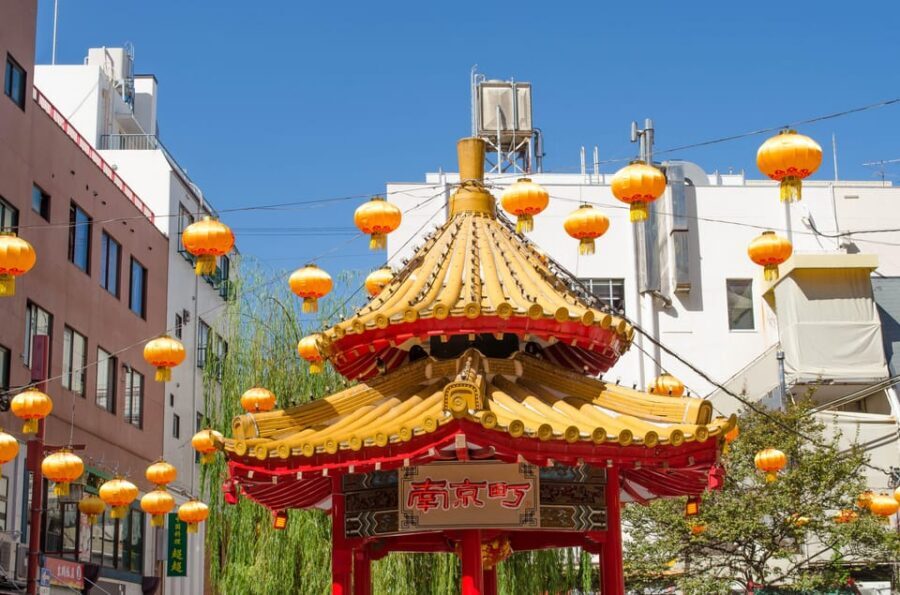
Also, this is about flavor and authenticity, not a sit-down fancy dinner. Expect something more “grab-and-go” than “chef plated.” One account described it as being found through a street-food stand setup connected with a Chinatown-area stop—meaning you’ll eat standing up or with limited seating.
That’s not a flaw. It’s the point. You’re experiencing the food culture, not just collecting a souvenir plate.
Motomachi shopping street: a food break that keeps the pace sane
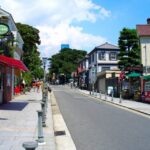
After the beef tasting, you’ll head into Motomachi-dori, one of Kobe’s classic shopping streets. This segment is shorter—enough time for a couple of tastings and a reset, not a long shopping crawl.
The smart move here is the included drink before you continue onward. It’s a practical kindness on a walking tour: your mouth gets a break, your energy stays steadier, and you’re less likely to feel like you’re being dragged from one bite to the next.
If you’re the type who likes browsing while you walk, Motomachi is a comfortable place to do it. But even if shopping isn’t your thing, it still works as a cultural transition point—from food focus to sightseeing mode.
Meriken Park: Port Tower photos and the Be Kobe monument
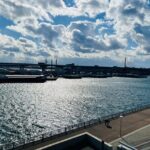
Once the tour reaches Meriken Park, you shift into sightseeing. This is where Kobe’s waterfront identity shows up in a simple, postcard-friendly way.
You’ll see the Kobe Port Tower and the Be Kobe monument. These are the kinds of landmarks that help you orient yourself. Even if you’re not a “landmark person,” they give you an anchor point for the area.
Meriken Park also feels like a good end to the tour because you can decompress. The tour finishes here, and you’ll have a choice: you can stay in the park or have your guide walk you to the nearest train station.
That last option matters. Kobe stations can be confusing when you’re tired and hungry. A guided walk to transit helps you keep your momentum without turning the rest of your evening into guesswork.
Other craft beer tours we've reviewed in Kobe
Earthquake context: a sober lesson built into the route
The tour doesn’t only stick to tasting and photos. You’ll also learn about the earthquake that struck northern Awaji and affected Kobe.
This stops the experience from feeling like pure “activity tourism.” Instead, you get context for why Kobe’s history and rebuilding matter. It also makes the city feel more real. You’re not just enjoying scenery; you’re understanding the place you’re standing in.
Practical note: earthquake-history discussions can sometimes take a bit more attention than food stops. If you’re touring with someone who gets impatient with lessons, you might want to check in mentally that this part is informational rather than dramatic.
But even then, it’s handled as part of the guided flow, not an extra detour that steals the day.
What the timing feels like on the ground
Here’s the rhythm you’ll experience in plain terms:
- You’ll start at one of two places (either Sumiyoshi Station or Kobe Port Terminal).
- You’ll take trains into the Nada area (roughly 30 minutes at a time in the plan).
- You’ll get a guided museum portion (about 45 minutes).
- Then it’s back by train, and into Motomachi for food tasting (about 15 minutes).
- A short walk gets you to the waterfront zone, where you finish with sightseeing (around 20 minutes at Meriken Park).
Two train segments plus focused time blocks makes this tour efficient. You’re not spending the whole trip walking uphill or cutting through long distances.
One small logistics note from real experience: the meeting point can be a little tricky to spot depending on where you surface in the station area. If that worries you, plan to use your guide’s messaging channel right before arrival so you can lock in the exact spot quickly.
Price and value: what $83 gets you (and what it doesn’t)
At $83 per person, this isn’t the cheapest way to see Kobe. But for what’s included, it can be good value.
You’re paying for:
- An English live guide
- A sake brewery museum tour plus sake tasting
- Kobe beef nigiri tasting
- Passage through Motomachi with a drink
- Meriken Park sightseeing with Kobe Port Tower and the Be Kobe monument
- Transport costs between stops
What it doesn’t include is the thing some people assume: you’re not getting a premium Kobe beef steak or a full course meal. The “tasting” framing is key. If you want a full dinner experience, you’ll likely need to plan a restaurant meal after the tour.
I think this pricing works best if you treat the tour like a “sampling and orientation package.” You get multiple experiences compressed into a short window—plus the earthquake context that you can’t easily piece together by yourself on a short visit.
If you’re only interested in one thing (just Port Tower photos, for example), then you might be better off skipping the paid guide and using public transit on your own. But if you want food + history + easy navigation, the guide pays for itself.
Who should book this Kobe sake and Kobe beef experience
This tour is a strong match if you:
- Want Kobe beef without committing to a full steak dinner
- Like learning while you eat—especially about sake-making in a museum setting
- Prefer a private English guide so you can ask questions and move at a comfortable pace
- Are spending limited time in Kobe and want an efficient route
It may not suit you if:
- You need a full sit-down meal (this is tastings-focused)
- You’re traveling with someone who can’t handle standing food portions or short walks
- You have dietary constraints not supported by the tour framing (the experience is marked as not suitable for vegans, vegetarians, and people with food allergies)
- You have mobility needs the tour isn’t set up for (it’s listed as not suitable for wheelchair users, and it notes restrictions for pregnant women)
- You’re traveling with children (it’s listed as not suitable for many ages under 18)
One more fit detail: private group tours tend to feel safer and smoother when you’re navigating train transfers and meeting points. Several accounts praised the guide’s English and the calm pace, including positive mentions of Allysa leading the tour.
Should you book this tour? My take
Book it if you want a compact Kobe experience that mixes sake culture, Kobe beef nigiri tasting, and waterfront landmarks, with a human story about Kobe’s earthquake experience. The price makes more sense when you value guided context and multiple stops over a single-topic outing.
Skip it if you’re hunting for a full Kobe beef meal or a long walking day without tastings. Also skip it if your group can’t eat the included items, since the tour isn’t designed for vegans/vegetarians and doesn’t fit people with food allergies per the posted suitability notes.
If you want Kobe in about three hours—with food, drink, and meaningful context—this is a solid way to do it.
FAQ
How long is the Kobe sake brewery tour with tasting?
The tour lasts about 150 minutes to 3 hours.
How much does the tour cost?
It costs $83 per person.
Where does the tour start?
The meeting point can vary, but you may start from Sumiyoshi Station or Kobe Port Terminal depending on the option booked.
What food and drinks are included?
You’ll have sake tasting, a Kobe beef nigiri tasting, and a drink (fruit drink) during the Motomachi area stop.
Is this a full Kobe beef steak or a course meal?
No. The tour includes a Kobe beef nigiri tasting, not a full Kobe beef steak or a full course meal.
What sights do we see near the end of the tour?
In Meriken Park, you’ll see the Kobe Port Tower and the Be Kobe monument.
Is there any sightseeing or learning beyond food?
Yes. You’ll learn about the earthquake in northern Awaji and how it affected Kobe.
What should I bring, and is smoking allowed?
Bring comfortable shoes, a camera, and water. Smoking is not allowed.
More Kobe Sake Tours in Kobe
More Craft Beer Tours in Kobe
More Sake Brewery Tours in Kobe
More tours in Kobe we've reviewed
Kobe Sake Tours, compared.
 ★ 5.0KOBE Sake Tasting Tour at Breweries (tasting fee included)From $109
 ★ 5.0Kobe: Guided Sake Breweries Tour with TastingsFrom $1063h 30m
 ★ 5.0Sake Brewery and Japanese Life Experience Tour in KobeFrom $83
 ★ 4.51-Day Kobe Highlights Tour including Sake TastingFrom $171
 ★ 4.4Kobe: 3-Hour Sake Breweries Tour with Special TastingFrom $94
 ★ 5.0Exploring Nada Sake Breweries Kobe Private Tour with Government-Licensed GuideFrom $154
 ★ 4.7Kobe: Sake Brewery Tour with Tasting SakeFrom $833h 30m
 ★ 5.0Cruise Shore Excursion: Kobe Sake Tasting with Local GuideFrom $1416 hours
The lists this tour appears in