
Reviewed · KYOTO DRINKING TOURS
3 Hours Kyoto Insider Sake Experience | Tasting Konteki
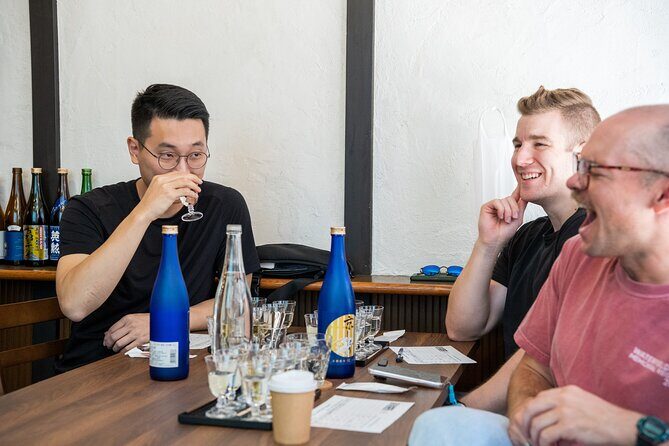
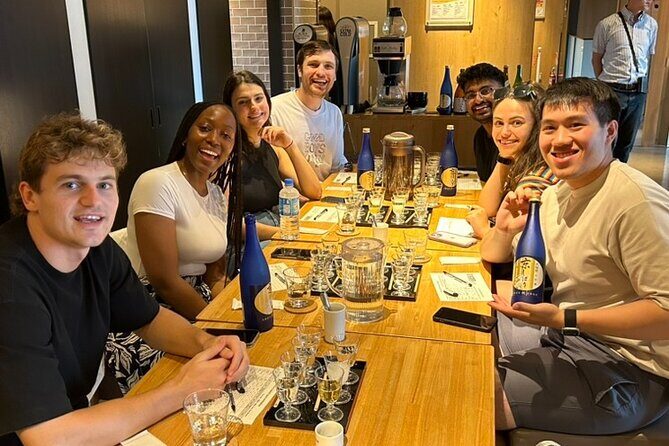
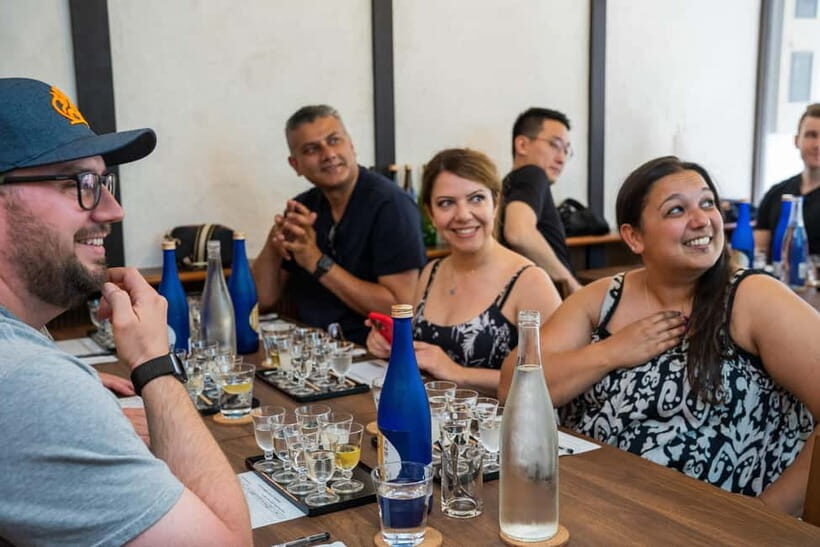
Sake education in Kyoto should feel easy. This 3-hour stop in Fushimi turns sake from mystery bottles into flavors you can actually choose at a restaurant. You start with a guided visit at the Kizakura brewery museum, then move into a structured tasting with a certified sommelier and small Japanese snack pairings.
I especially like that the tasting is organized around taste categories—dry, sweet, rich, fruity—and you sample 10+ types selected for you. I also like the practical extras: a sake cheat sheet and tasting notes so the learning sticks after you leave.
One consideration: you’re drinking (if you’re 20+), so plan to come with a clear head and skip driving. Also, the tour needs decent weather, and there’s a short walk involved, so comfy shoes matter.
In This Review
- Key highlights to know before you go
- Fushimi sake culture, explained in plain language
- Stop 1: Kizakura Kappa Museum and the brewery walk-through
- Stop 2: Expert tasting in a private room (10+ styles)
- Otsumami pairings that teach what to order with each style
- The “cheat sheet” effect: leaving with labels you can read
- Small group energy: why max 12 matters here
- Price and value: is $92.24 fair for 3 hours?
- Logistics that can make or break your experience
- Who this tour is perfect for (and who might want a different plan)
- Should you book the 3 Hours Kyoto Insider Sake Experience?
- FAQ
- How long is the Kyoto Insider Sake Experience?
- Where do I meet, and where does the tour end?
- What’s included in the tasting?
- Is there food included?
- Do I need to know anything about sake beforehand?
- Is the tour small-group?
- Is there a vegetarian option for the snacks?
- What if I’m under the legal drinking age?
- Is it refundable if I cancel?
- Do I need to bring anything?
Key highlights to know before you go

- Fushimi brewery visit with a guided tour at Kizakura Kappa Museum, focused on traditional brewing passed down through generations
- 10+ sake tastings picked by a certified sake sommelier, including bottles that have never been exported
- Otsumami food pairing so you can learn what types of snacks match dry vs sweet vs fruity styles
- Dedicated private tasting room for a calm, guided experience rather than a crowded tasting floor
- Tasting cheat sheet + notes to help you order confidently when labels are only in Japanese
- Small group size (max 12) for more personalized attention from your guide
Fushimi sake culture, explained in plain language
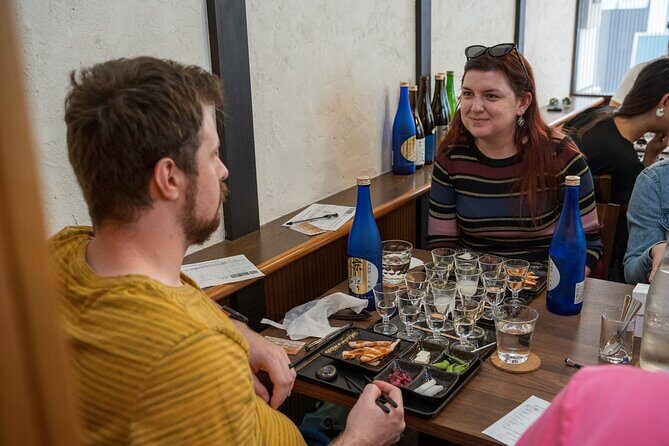
Kyoto’s sake scene is often talked about in big, vague terms. This tour is different. You get the story of how sake is made, then you connect it to what it tastes like—so you’re not just collecting drinks, you’re building taste memory.
The biggest win for you is clarity. After the tasting, you should be able to look at a menu (even with Japanese-only labels) and know what you’re likely to enjoy. That’s the sort of practical lesson that pays off on every future meal in Japan.
The second win is that this doesn’t feel like a lecture. You’re guided through differences in taste and served snacks to compare pairings. If you’ve ever wondered why one sake suddenly makes food taste better, this is the format that teaches the why.
Other sake class experiences we've reviewed in Kyoto

Stop 1: Kizakura Kappa Museum and the brewery walk-through
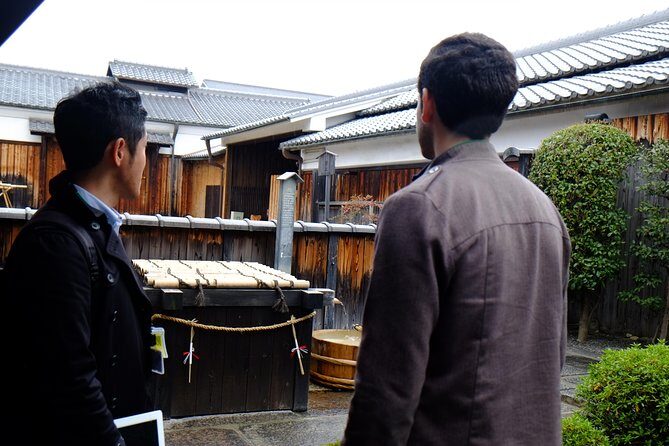
Your first stop is at the Kizakura Kappa Museum, also associated with the Higashiyama Sake Brewery. You’ll take a short walk to reach the local brewery area in Fushimi, and the guide brings the process to life.
The museum/brewery visit is designed to show you what’s happening behind the bottle. You’ll get a clearer picture of the traditional brewing processes that have been handed down over generations. Even if you’re starting from zero, this part helps you understand why sake tastes the way it does—because you see the craft side, not only the tasting side.
Timing matters here. You’ll spend about 1 hour 30 minutes at this first stop, with the guided tour and included tasting afterward. That structure is helpful: you don’t jump straight into drinking before you know the basics.
What to consider: this is a brewery-focused visit, so you should be comfortable with a bit of walking and standing. Bring water and wear shoes you can walk in without thinking about it.
Stop 2: Expert tasting in a private room (10+ styles)
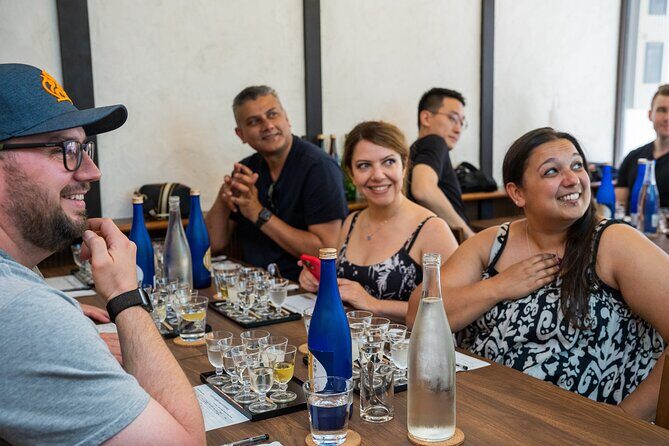
After the museum visit, you move into the Kyoto Insider Sake Experience portion: sake tasting with an expert guide. This is where the tour really becomes useful for your future ordering.
You’ll taste 10+ types of sake selected by a sake sommelier. The tour also emphasizes variety—dry, sweet, rich, fruity—and explains how those taste differences can be produced. You even get access to bottles described as never having been exported, which adds a sense of local discovery rather than a generic sampler platter.
You’ll also get a dedicated private tasting room. That detail sounds small, but it changes the vibe. You’re more likely to hear explanations clearly, ask questions, and focus on comparisons without noise and crowd pressure.
A practical tip: pacing matters. With 3 hours total, the tasting portion is time-efficient, so drink slowly, take notes, and pay attention to the snack pairings. You’ll learn faster when you compare, not when you just move through flavors.
Otsumami pairings that teach what to order with each style
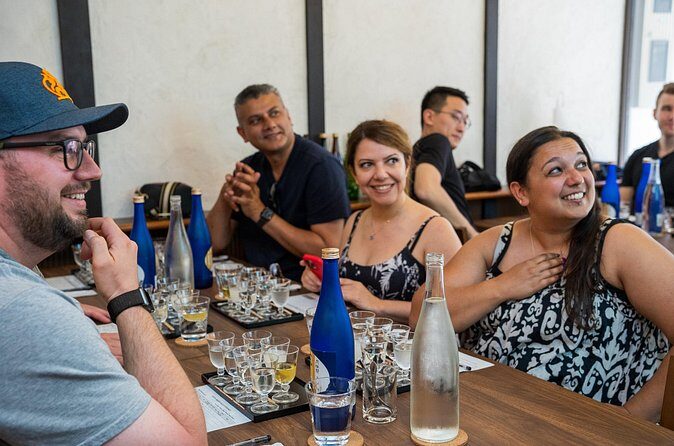
Sake tasting gets a lot more interesting when you pair it with food. Here, you’ll be served otsumami—Japanese snack-style bites that traditionally accompany alcohol—and you’ll match them to the different sake types.
This is one of the most valuable parts for you because restaurants are where the learning becomes real. Menus can be confusing. But pairing logic is universal. If you learn what works with dry vs sweet vs fruity profiles during the tour, you can repeat that thinking later at home, in Japan, or anywhere else sake appears on a menu.
The tour’s structure helps you test ideas quickly:
- You taste a sake style
- You try a pairing
- You see how the flavor experience changes
What I like is that you’re not guessing blindly. The guide connects the dots in real time, so you can leave with more than preferences—you leave with reasons.
If you’re vegetarian, there’s good news: a vegetarian option for the snacks is available, and you should tell the guide on site.
The “cheat sheet” effect: leaving with labels you can read
One of my favorite parts of organized tasting tours is what they do after the first sip. This one includes a sake cheat sheet and tasting note materials.
Even if you don’t remember every detail, those notes do something important: they turn a fun evening into a decision tool. Later, when you’re looking at labels written in Japanese, you’ll have a mental map for dryness, sweetness, and flavor direction.
This also helps when you’re traveling with friends or ordering in a group. Instead of saying, I like that one, you’ll be able to describe what you liked—dry vs sweet vs fruity—so you can recommend with confidence.
Other Kyoto drinking tours we've reviewed in Kyoto



Small group energy: why max 12 matters here

This experience runs with a maximum of 12 travelers. That size is a sweet spot for this kind of tour. You can hear the guide, you can ask questions, and you get real attention during the tasting and pairing.
It also means the experience stays coherent. In larger groups, tastings can turn into a blur of cups and timing. With this setup, the format is built for comparison and explanation. The included private tasting room helps too.
Price and value: is $92.24 fair for 3 hours?
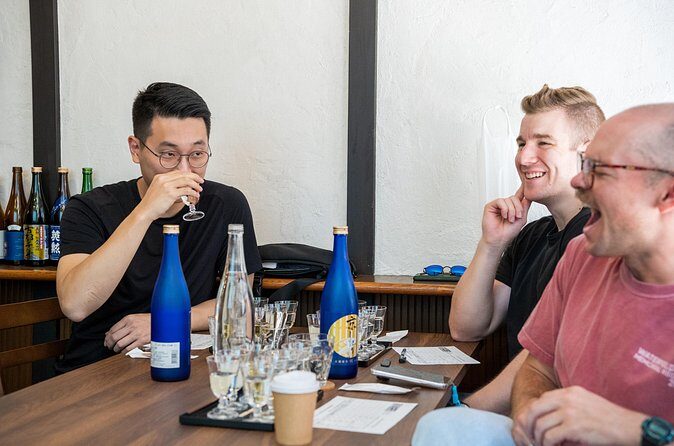
At $92.24 per person for about 3 hours, you should look at what’s included, not only the length.
You’re paying for:
- A guided brewery/museum experience at Kizakura Kappa Museum
- A tasting session with a certified sake sommelier
- 10+ sake types in a structured format
- Otsumami for food pairing
- A dedicated private tasting room
- A cheat sheet and tasting notes
- A small-group setting (max 12)
For sake education in Kyoto, this is aimed at quality: the guide isn’t just supervising pours; the tasting is designed around taste categories and learning outcomes. If you’ve ever tried random sake samples and walked away unsure what you actually enjoyed, this tour is priced like an answer.
My practical advice: if you love the idea of tasting with meaning—pairing, explanation, and take-home notes—this price is easier to justify. If you only want a quick drink break, you might find it more satisfying to do a simpler tasting elsewhere. Here, the “education + pairing” piece is the value engine.
Logistics that can make or break your experience
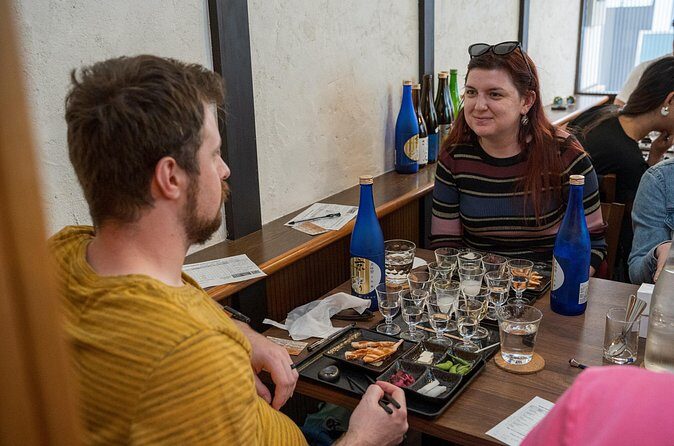
This tour uses a mobile ticket, runs near public transportation, and starts at 271-1 Kurumamachi, Fushimi Ward, Kyoto. It ends back at the meeting point.
Because there’s a short walk and you may be tasting multiple sakes, I recommend you do three simple things:
- Eat lunch or brunch before you go, as suggested.
- Bring water to stay comfortable.
- Use public transport. Japan’s rules on drinking and driving are strict.
Weather matters too. The experience requires good weather. If conditions are poor, you’ll be offered a different date or a full refund.
Who this tour is perfect for (and who might want a different plan)
This tour is a strong fit if you:
- Love sake but feel stuck picking bottles with Japanese labels
- Want a structured tasting that teaches dry/sweet/fruity differences
- Enjoy learning through food pairing, not only sipping
- Want a small-group experience with more guide attention
You might choose differently if you:
- Want a purely casual drinking night with no focus on learning
- Are sensitive to alcohol. (If you’re under 20, you won’t be served alcohol, but you’ll still participate with non-alcoholic drinks.)
Should you book the 3 Hours Kyoto Insider Sake Experience?
If you want sake in Kyoto to make sense—what to order, what to pair, and why—it’s an easy yes. The combination of a brewery/museum visit, a structured sommelier-led tasting of 10+ styles, and otsumami pairings is the kind of formula that keeps paying off after you leave.
Book it if you’ll enjoy tasting comparisons and you want a take-home cheat sheet for choosing bottles later. Skip it if you only want a quick drink with zero interest in learning. Either way, you’ll be in Fushimi, one of the most meaningful places in Kyoto for sake culture.
FAQ
How long is the Kyoto Insider Sake Experience?
It’s about 3 hours total, with roughly 1 hour 30 minutes at the Kizakura Kappa Museum and about 1 hour 30 minutes for the tasting and food pairing.
Where do I meet, and where does the tour end?
The tour starts at 271-1 Kurumamachi, Fushimi Ward, Kyoto, 612-8365, Japan, and it ends back at the meeting point.
What’s included in the tasting?
You’ll get a sake tasting of 10+ types selected by a sake sommelier, served in a dedicated private tasting room.
Is there food included?
Yes. You’ll have otsumami (Japanese snacks) for food pairing during the tasting.
Do I need to know anything about sake beforehand?
No. The tour is designed for people who love sake but want help understanding which types to choose, including guidance on dry, sweet, rich, and fruity styles.
Is the tour small-group?
Yes. The maximum group size is 12 travelers.
Is there a vegetarian option for the snacks?
A vegetarian option for the snacks is available. You should tell the guide on site.
What if I’m under the legal drinking age?
In Japan, the legal drinking age is 20. If you’re under 20, you’ll only be served non-alcoholic drinks.
Is it refundable if I cancel?
No. This experience is non-refundable and cannot be changed for any reason. If the experience is canceled due to poor weather, you’ll be offered a different date or a full refund. If it’s canceled because the minimum number of travelers isn’t met, you’ll be offered a different date/experience or a full refund.
Do I need to bring anything?
You’re advised to bring a bottle of water, and comfortable walking shoes are recommended because there’s a small amount of walking involved.
More 3-Hour Experiences in Kyoto
More Kyoto Drinking Tours in Kyoto
More Sake Class Experiences in Kyoto
More tours in Kyoto we've reviewed



Kyoto Drinking Tours, compared.
 ★ 5.03-Hour Kyoto Insider Sake Brewery Tour with Tastings & PairingsFrom $84
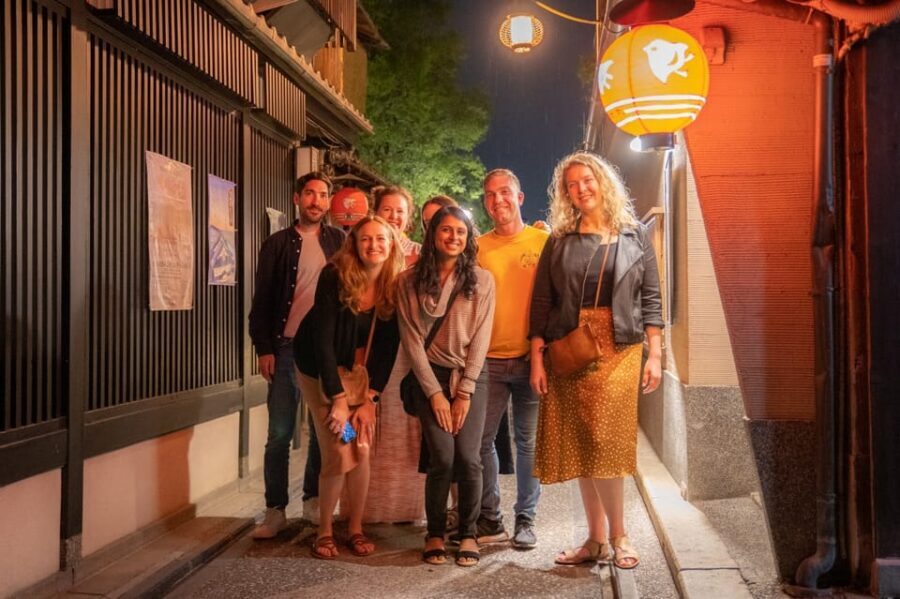 ★ 4.9Kyoto: Izakaya Bars Guided Walking TourFrom $253 hours
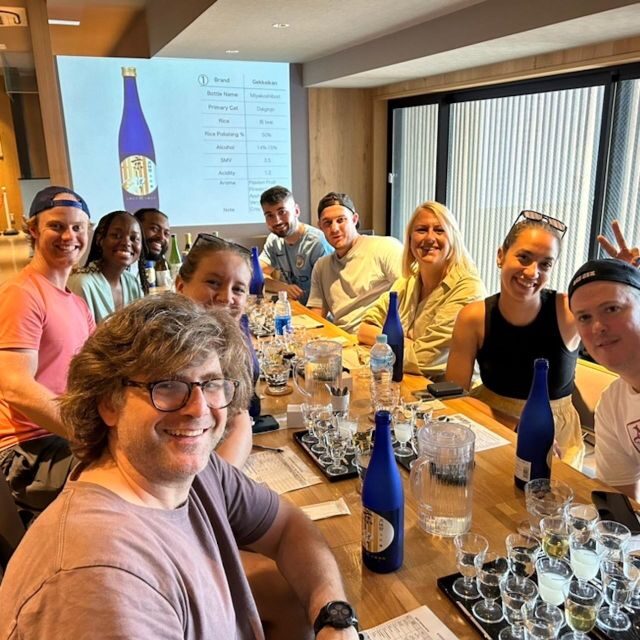 ★ 5.0Kyoto: Insider Sake Brewery Tour with Sake and Food PairingFrom $873 hours
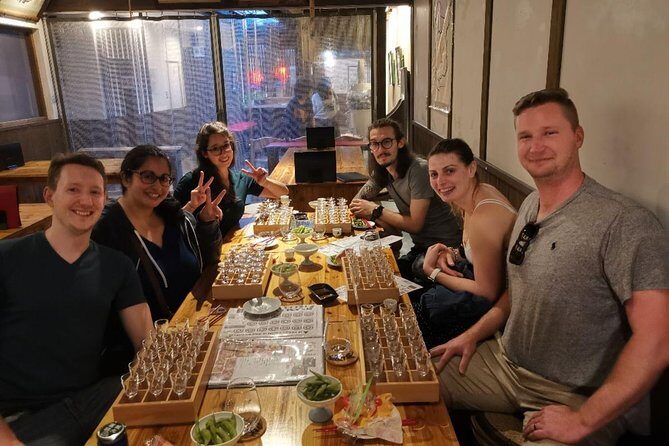 ★ 5.0Kyoto Sake Brewery & Tasting Walking TourFrom $98
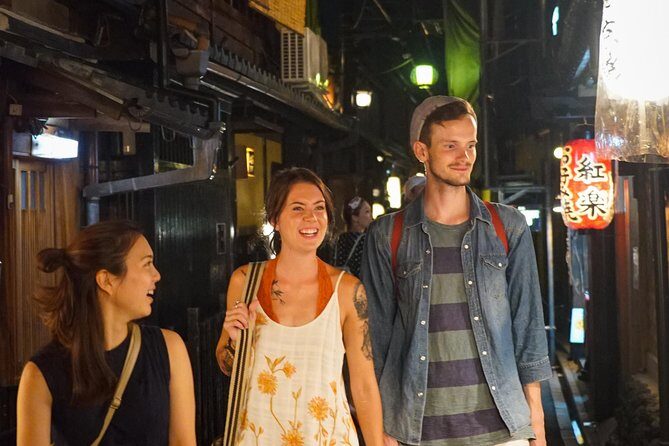 ★ 5.0Kyoto Bar Hopping Night TourFrom $105
 ★ 5.0Kyoto Local Bar Crawl in Kawaramachi AreaFrom $28
 ★ 5.01.5-Hour Kyoto Insider Sake Experience with 7 Tastings & PairingsFrom $68
 ★ 5.0Kyoto: Insider Sake Experience with 7 Tastings and SnacksFrom $661h 30m
The lists this tour appears in