
Reviewed · SAKE TASTING
Experience a western twist on Japanese sake snacks
Tsukudani can taste like comfort, or like a challenge. This private tasting at Shinbashi Tamakiya shows you where it comes from and how people actually eat it, with both traditional and modern takes on preserved seafood.
Two things I like a lot: you get full tastings of the shop’s signature tsukudani style, and you’re guided on how to eat it instead of just grabbing bites. The teaching part feels genuinely welcoming, so even if you’ve never touched tsukudani before, you’ll know what you’re tasting.
One possible drawback to consider: the flavor style is preserved and savory, so if you strongly dislike umami or salty, aged seafood notes, this may not be your cup of tea.
In This Review
- Key things to know before you go
- Tsukudani Meets a Western Menu: Why This Tasting Works
- At Shinbashi Tamakiya: From 1782 Shop Lore to Your First Bite
- How the Tasting Pans Out in 90 Minutes (and What Each Part Teaches)
- 1) Traditional vs modern tsukudani: the first contrast
- 2) The shop’s secret sauce plus three signature tsukudani
- 3) Tsukudani with rice and furikake seasoning
- 4) A western-leaning set: tsukudani with pasta and nuts
- Sake or Wine Pairings: What You Should Look For
- Why a Private Tasting Feels Worth It (Even at $36.24)
- Morning or Afternoon: Picking the Right Slot for Your Day
- Who Should Book This Tsukudani Experience
- Practicalities: Location, Ticket, and What to Bring
- Should You Book This Tour or Skip It?
- FAQ
- How long is the Shinbashi Tamakiya tsukudani tasting?
- Is this a private tasting?
- What drinks are included?
- What tsukudani items will I sample?
- Where does the tour start?
- How far in advance is this typically booked?
Key things to know before you go
- Shinbashi Tamakiya (since 1782): Eat tsukudani from an old-school shop, not a generic tasting room.
- Traditional and modern seafood snacks: You’ll sample more than one style, so you can compare what changes.
- Sake or wine pairings included: The drink pairing isn’t an afterthought; it’s part of how the bites are taught.
- Secret sauce and shop signatures: Expect “how they do it here” details as you taste.
- Private, fully personalized pace: It’s just your group, so questions and timing are easier.
- A mix that feels western-leaning: Pasta and nuts show up alongside the classic rice pairing.
Tsukudani Meets a Western Menu: Why This Tasting Works
If you only know sake snacks as crunchy chips or simple pickles, tsukudani may surprise you—in a good way. This experience treats tsukudani like something you can study and enjoy, not just something you chew and move on from. And that’s the “western twist” you’re really here for: the preserved seafood stays Japanese, but the presentation and pairings aren’t stuck in one rigid lane.
The big idea is comparison. You’ll taste preserved seafood in traditional and modern versions, then see how the flavors shift when you pair with sake or wine. That makes it easier to build your own favorites instead of trying to like everything.
I also like that you’re not doing this as a passive museum stop. You’re actively tasting, being guided on what to notice, and learning small ways to eat it that change how the snack lands on your palate.
If you're still narrowing it down, here are other tours in Tokyo we've reviewed.



At Shinbashi Tamakiya: From 1782 Shop Lore to Your First Bite
Your tasting starts at Shinbashi Tamakiya in Shinbashi, a shop established in 1782. That matters because tsukudani isn’t just a trendy “local snack.” It’s a way of preserving seafood that’s been around since Japan’s Edo period, and an old shop is where that tradition has had time to refine itself.
Before you start eating, you’ll learn about the shop’s history and the dish’s background. I like this ordering because it frames your tasting. When you know tsukudani is a preserved seafood tradition, you stop expecting something like fresh fish and start looking for salt, sweetness, and deep savory notes.
Then comes the practical part: you’ll taste the shop’s secret sauce and its signature offerings. That’s where the experience earns its value. You’re not just told “it’s good.” You’re shown how the flavor gets built, and you get to test it in your own mouth.
How the Tasting Pans Out in 90 Minutes (and What Each Part Teaches)
This is about 1 hour 30 minutes, and it’s structured so you don’t get overwhelmed. You’ll move through multiple tastings that build on each other, and the private format keeps the pace comfortable.
1) Traditional vs modern tsukudani: the first contrast
You’ll begin with an introduction to traditional and modern tsukudani seafood snacks. The goal is not to memorize names. It’s to train your palate to recognize how the same preserved idea can taste lighter, richer, or more experimental depending on what’s added and how it’s prepared.
You’ll sample all the tsukudani tastings included in the experience. That “all of them” detail is important—some snack tastings pick a couple items and call it a full meal. Here, you get a complete set.
2) The shop’s secret sauce plus three signature tsukudani
Next, you’ll taste the secret sauce and then try three signature tsukudani. This is a great section for anyone who likes learning by doing. Each bite becomes a reference point, so later when you see modern versions, you’ll understand what changed.
One practical consideration: because this is a private tasting, you might want to go in with a normal appetite. If you’re coming from a huge lunch, you’ll miss some nuance.





3) Tsukudani with rice and furikake seasoning
After the signature bites, you’ll taste rice with tsukudani and furikake. This part is more than “a filler starch.” It’s how many Japanese people think about tsukudani: as something you can turn into a meal, not just a snack.
Rice also helps you reset your palate between flavors. If you find preserved seafood a little intense at first, this is where your taste buds can catch up.
4) A western-leaning set: tsukudani with pasta and nuts
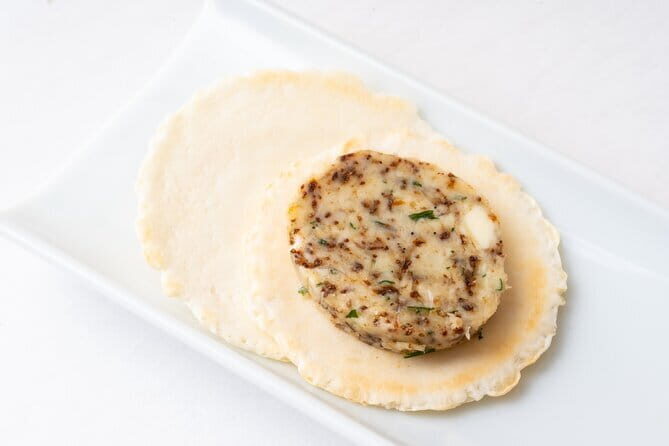
Then you’ll try tsukudani with various ingredients, including pasta and nuts. This is where the “western twist” becomes real. It shows you how preserved umami can work outside the usual rice-and-sake lane.
This section is especially fun if you like trying food crossovers. It also gives you a useful takeaway: tsukudani isn’t only for traditional eating. The preserved seafood flavor can be adapted.
Sake or Wine Pairings: What You Should Look For
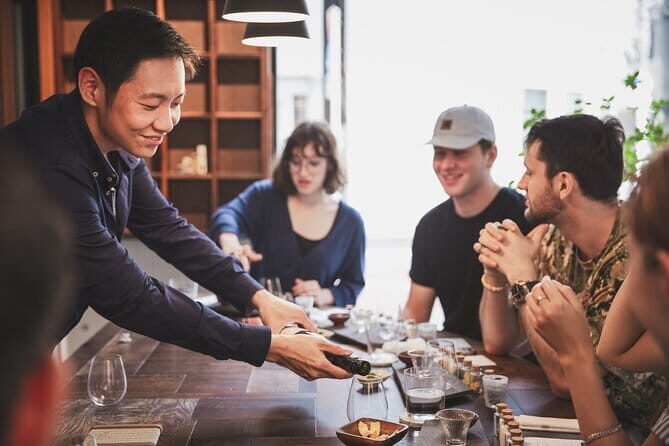
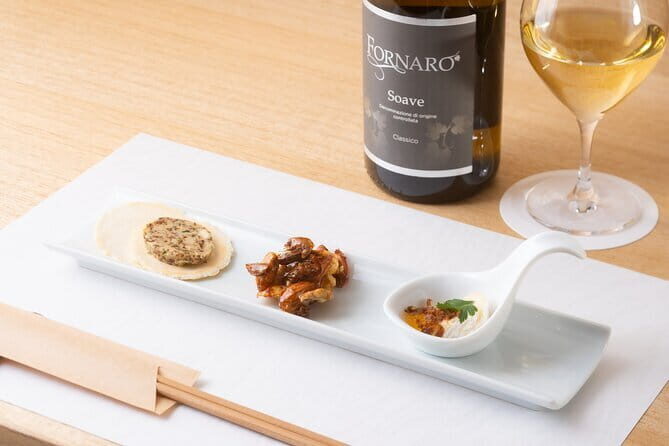
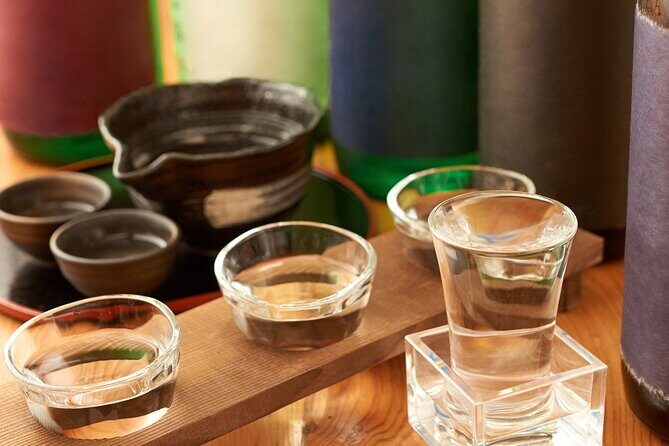
Alcohol pairings are included—wine or sake, depending on what you choose for your tasting. Even if you’re not a hardcore drink nerd, the pairing is the point. It changes how you experience salt, sweetness, and fat in the tsukudani.
Here’s what you can pay attention to while you taste:
- With sake, you’ll often notice cleaner lift against savory preserved flavors.
- With wine, you may find acidity and fruit help round off salty, deep seafood notes.
- If you’re offered guidance on how to eat each bite, follow it. The pairing works best when you take the snack in the intended order.
The experience also includes pairing discussions tied to how tsukudani is eaten. That’s one of the smartest parts. Food pairing without context becomes random. Here, you’re getting suggestions on the mechanics of taste—how to make the flavors click.
Why a Private Tasting Feels Worth It (Even at $36.24)
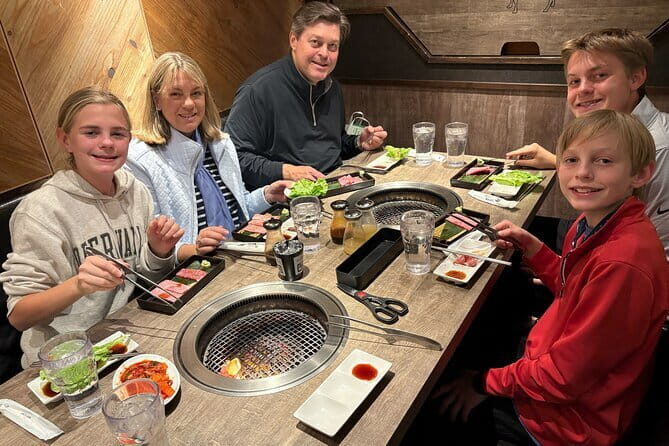
The price is $36.24 per person, and you’re getting a lot packed into that window: brunch, snacks, and alcoholic beverages, plus a fully personalized private format.
Let’s be practical about value. Paying for a private food lesson in Tokyo usually means two things:
1) You want a reliable meal experience, not just a quick tasting.
2) You want someone to help you make sense of the flavor.
This experience checks both boxes. You taste multiple tsukudani offerings, you get rice and furikake, and you also get the more modern ingredients like pasta and nuts. On top of that, the alcohol pairings and the shop background make it feel like an actual culinary lesson.
The private format is also a quiet money-saver. In a group setting, you often lose time waiting or guessing what you should ask. Here, you can slow down for questions or speed up if you already get it.
One extra detail I appreciate: on average, this gets booked about 59 days in advance. That’s a good sign it’s popular enough to plan for, without needing months and months of lead time.
Morning or Afternoon: Picking the Right Slot for Your Day
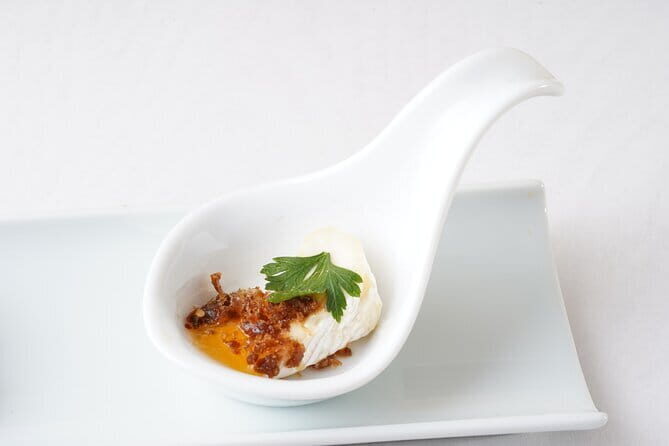
You can choose morning or afternoon tastings. That flexibility matters in Tokyo, where one food plan can easily throw off the rest of your day if you’re stuck with only one time.
I’d pick based on your stomach and mood:
- Morning slot: Good if you want a fresh start and you’re comfortable with a snack-style meal earlier.
- Afternoon slot: Often easier if you want to build the day around tasting, walking, and then settling down for a seated lesson.
Since the session lasts about 1 hour 30 minutes and ends back at the meeting point, it’s easy to fit after shopping or before dinner plans.
Who Should Book This Tsukudani Experience
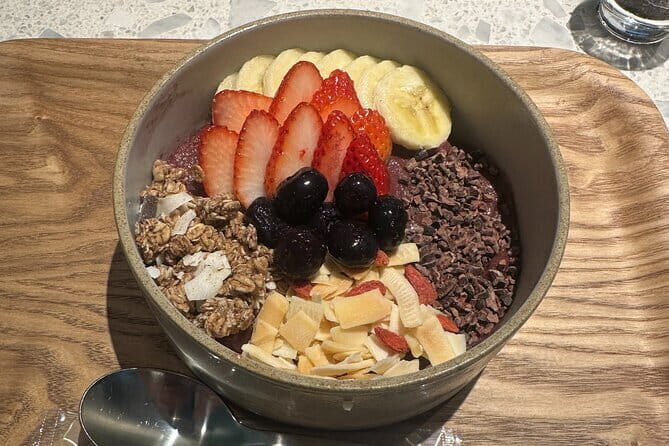
This is ideal if you want an authentic Tokyo snack that isn’t just “try everything.” You’ll get traditional and modern seafood preserved snacks, taught in a way that helps you understand what you like.
I think it’s a strong match for:
- Food travelers who enjoy learning by tasting
- People curious about Edo-era style preserved foods
- Anyone who likes sake snacks but wants something more meaningful than a random sampler
- Couples or small groups who prefer a private pace
It might be less ideal if:
- You hate preserved or very savory seafood flavors
- You prefer only mainstream, crowd-pleasing food with no “let’s compare old vs new” angle
Practicalities: Location, Ticket, and What to Bring
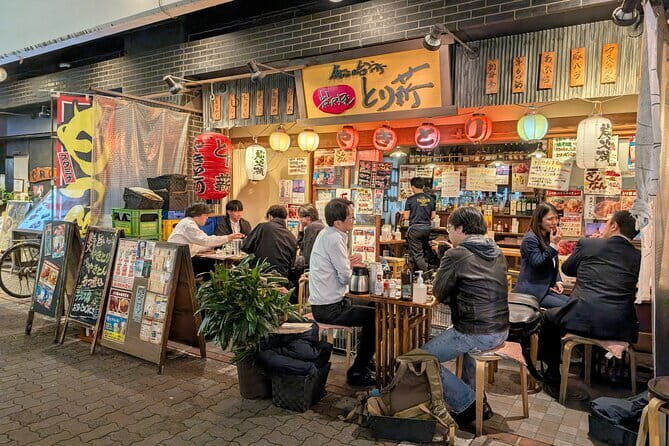
You’ll meet at Shinbashi Tamakiya at Shinbashi, 4-chōme, 25-4 Ishida Building 1F, Tokyo 105-0004. It’s also noted as near public transportation, which helps if you’re bouncing between neighborhoods.
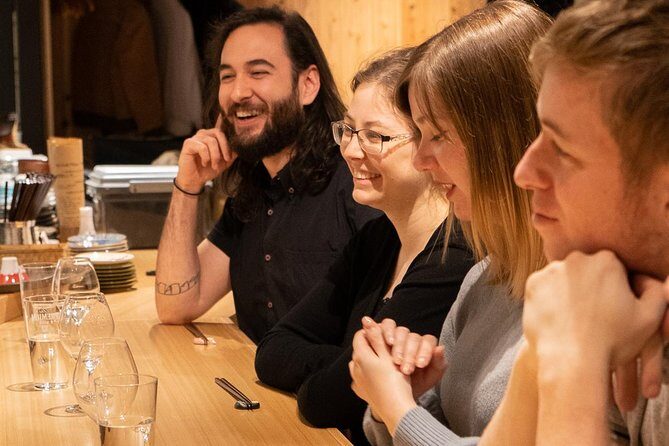
You’ll receive a mobile ticket, so have your phone charged. The tour is private, meaning only your group participates, and it’s set up as a short, friendly session rather than an all-day commitment.
Service animals are allowed, and the experience says most travelers can participate. If you have food restrictions, you should plan to mention them when confirming your booking, since the tastings include seafood-based tsukudani and alcoholic pairings.
Should You Book This Tour or Skip It?
Book it if you want a serious intro to tsukudani that includes both tradition and modern interpretation, with sake or wine pairings built into the experience. The private format and the shop’s 1782 pedigree make this feel like more than a snack stop.
Skip it if you’re only after crunchy sake snack vibes and don’t want the preserved seafood depth. Tsukudani is a specific flavor world, and it rewards curiosity.
If you fall in the middle—curious but cautious—this is a great choice. You’ll taste widely, get guidance on how to eat it, and walk away knowing what tsukudani you actually like.
FAQ
How long is the Shinbashi Tamakiya tsukudani tasting?
The experience lasts about 1 hour 30 minutes.
Is this a private tasting?
Yes. It’s a private tour/activity, and only your group participates.
What drinks are included?
Alcoholic beverages are included, with wine or sake pairings offered as part of the tasting.
What tsukudani items will I sample?
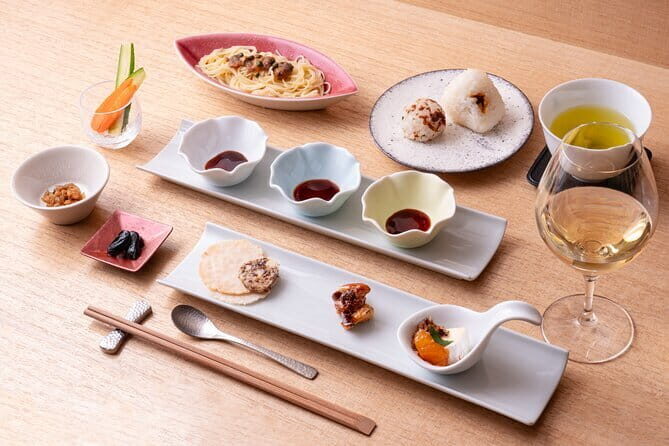
You’ll taste traditional and modern tsukudani seafood snacks. The experience includes all tsukudani tastings, including three signature tsukudani, plus rice with tsukudani and furikake, and tsukudani with various ingredients such as pasta and nuts.
Where does the tour start?
You start at Shinbashi Tamakiya in Tokyo, Minato City, Shinbashi (address listed at meeting point), and the tour ends back at the meeting point.
How far in advance is this typically booked?
On average, it’s booked about 59 days in advance.
More tours in Tokyo we've reviewed








Sake Tasting, compared.
 ★ 5.01-Day Snow Monkeys, Zenko-ji Temple & Sake in NaganoFrom $151
 ★ 5.03-Hour Kyoto Insider Sake Brewery Tour with Tastings & PairingsFrom $84
 ★ 4.9Nagano: Snow Monkeys, Zenkoji Temple & Sake Day TripFrom $1358 - 12 hours
 ★ 5.0Kyoto: Insider Sake Brewery Tour with Sake and Food PairingFrom $873 hours
 ★ 5.0Kyoto Sake Brewery & Tasting Walking TourFrom $98
 ★ 5.01.5-Hour Kyoto Insider Sake Experience with 7 Tastings & PairingsFrom $68
 ★ 5.0Ramen and Sushi Cooking Class with Sake Pairing Set in TokyoFrom $79
 ★ 5.0Sake Tasting Masterclass in Shinjuku (8+ Varieties with a Pro)From $72
The lists this tour appears in