
Reviewed · KYOTO DRINKING TOURS
Japanese Sake Breweries Tour in Fushimi Kyoto
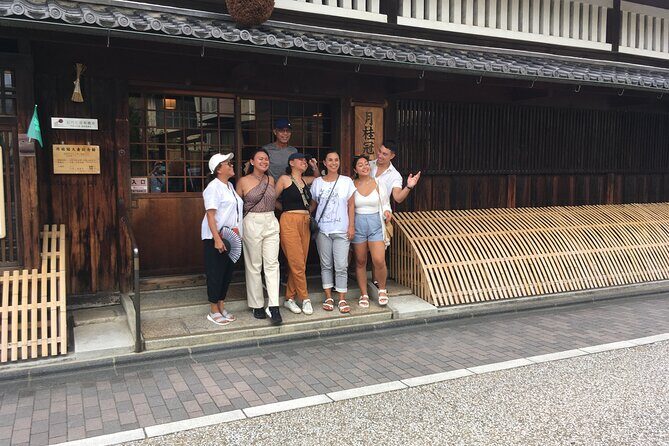
Fushimi sake tastes better on foot. This 3-hour walk threads together Kyoto’s old brewery bones and modern tasting culture, with a local guide showing you how sake is made and how it changes in your glass. I especially like how the tour mixes Fushimi’s historic sights with hands-on comparisons, so you’re not just collecting souvenirs—you’re learning the flavor differences.
Two things I like a lot: first, the tasting plan is strong for the price, with included sake sets (including three types at ABURACYO and three types at the Gekkeikan museum) plus Kyoto beer (Kizakura) and a sake-ice-cream snack. Second, the guide makes a real difference—names that show up in past groups include Bob, Marin, and Nakai, and they’re praised for being friendly, easy to talk to, and bringing real brewery context.
One consideration: the walk includes an Edo-to-Meiji style boat stop, but the Jikkokubune boarding fee is not included (¥1,500 per person). Also, since it’s outdoors in warm weather, you’ll want to plan for heat and hydration, especially in summer.
In This Review
- Key things to know before you go
- A 3-hour walk through Kyoto’s Fushimi sake district
- Meeting at Chushojima Station and planning your evening
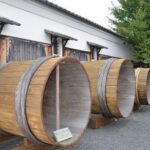
- Gekkeikan Okura Sake Museum: wooden brewery walls and Fushimizu water
- The Jikkokubune boat stop: a logistics history with a paid add-on
- Fushimi Yume Hyakushu Café: ice cream, souvenirs, and a repurposed store
- Kappa Gallery and Kizakura: beer, sake commercials, and what to notice
- Fushimi Sake Village: a quick free stop with lots of local food energy
- ABURACYO in Fushimi Otesuji Shotengai: compare ginjo and daiginjo with a tasting set
- Price and value: what your $109.46 buys in real tasting time
- What you’ll learn from the route (and what to ask your guide)
- Who this tour fits best in Kyoto
- Should you book this Japanese Sake Breweries Tour in Fushimi?
- FAQ
- FAQ
- How long is the Japanese Sake Breweries Tour in Fushimi Kyoto?
- Where does the tour start and end?
- What time does the tour start?
- What is included in the price?
- Is the Jikkokubune boat ride included?
- Does the tour include free time or shopping opportunities?
- What’s the maximum group size?
- Is there any weather-related information?
- Can I cancel for a refund?
Key things to know before you go
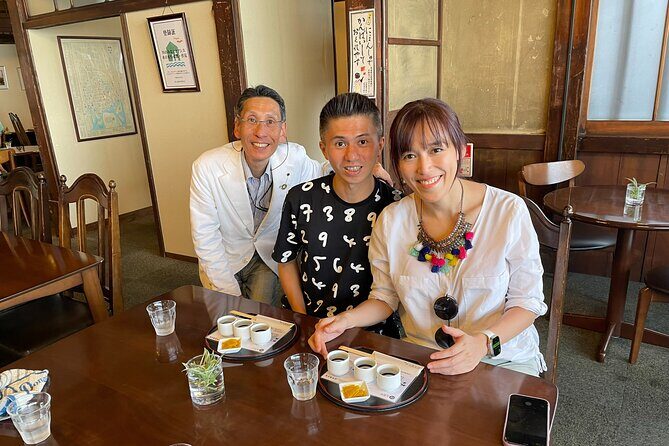
- Multiple included tastings: two separate sake tasting sets (three types each), plus Kyoto beer and a commemorative cup
- Museum inside a real brewery structure: the Gekkeikan Okura Sake Museum keeps an original wooden brewery built about 200 years ago
- Water matters in the real process: you can drink Fushimizu, the water used for sake brewing
- Kizakura brings a fun beer twist: Kappa Gallery connects sake branding with Kyoto’s local beer production
- A practical comparison stop at ABURACYO: you sample sake focused on ginjo and daiginjo
- Limited group size (max 15): small enough that your guide can answer questions without rushing
A 3-hour walk through Kyoto’s Fushimi sake district
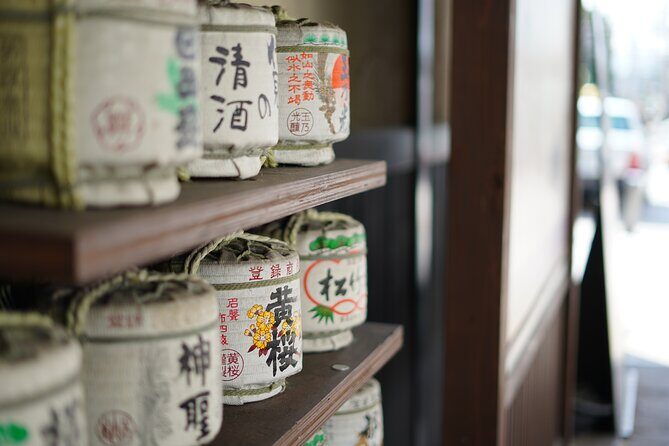
This tour is built for short attention spans and real-time learning. You meet at Chushojima Station, start at 1:00 pm, and finish at Fushimi Otesuji Shopping Street. Expect about 3 hours, with time built into each stop for tasting, learning, and getting from place to place without sprinting.
The group size matters. With a maximum of 15 travelers, you’re less likely to feel like a number. It also makes it easier to ask practical questions about how sake is made and why two pours can feel totally different.
And you’ll be walking in Kyoto streets—part of the point. Fushimi is one of Japan’s top sake areas, and seeing it on foot helps the story stick. You’re not just hearing about tradition; you’re moving through it.
Other sake brewery and tasting tours in Kyoto
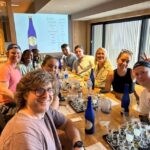
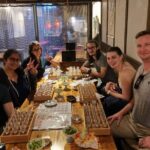
Meeting at Chushojima Station and planning your evening
Logistically, the tour is straightforward: it’s near public transportation, uses a mobile ticket, and the route starts and ends in two different spots. That end point near a shopping street is handy. After the tour, you can keep browsing or head back on your own.
One practical note: since there are alcohol tastings, plan like you’re not driving. Past groups have made it clear this is one of those activities where you should rely on transit. If you’re staying around Kyoto Station, it’s usually an easy hop to get to the start.
If you’re sensitive to heat, take the warning seriously. The tour operates outdoors in warm weather, and summer temperatures can be brutal. Bring water, use shade when you can, and slow down if you start feeling overheated.
Gekkeikan Okura Sake Museum: wooden brewery walls and Fushimizu water
Stop one is Gekkeikan Okura Sake Museum, and it sets the baseline for everything else. You spend about 45 minutes here, including admission.
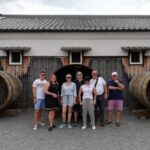
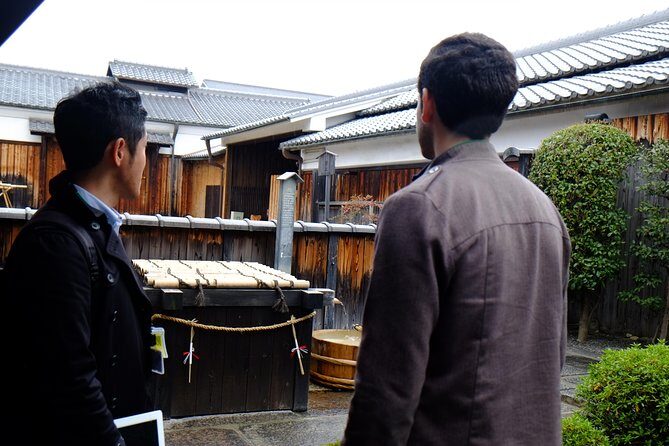
What I find smart about this start: the tour isn’t only about tasting. It begins with the building itself. The museum building keeps an original wooden brewery structure from roughly 200 years ago. That kind of continuity helps you understand that sake making isn’t a quick process—it’s a craft shaped by time and place.
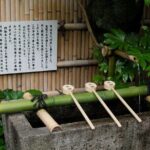
Then there’s the courtyard well. You can drink Fushimizu, the water used in sake brewing. That detail is important because water affects the final flavor, and it’s one of those pieces people often ignore when they only focus on rice and yeast. Here, you get the reminder in a very literal way.
A possible drawback: this is the longest stop early on. If you prefer quick hits, you may need to pace yourself so you don’t feel museum-tired before the later tastings.
The Jikkokubune boat stop: a logistics history with a paid add-on
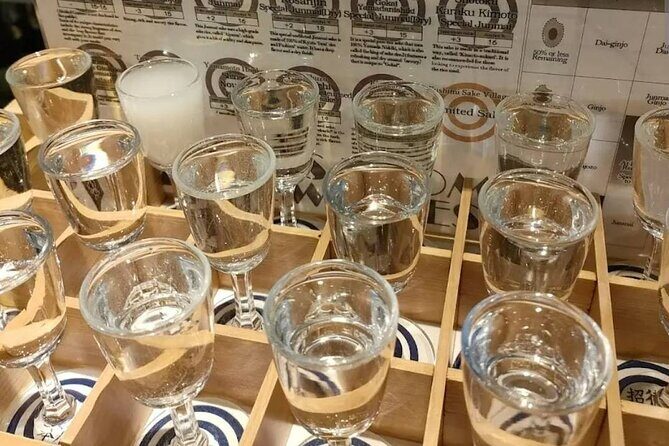
Next up is the Fushimi Jikkoku-bune Boats stop, about 15 minutes. This is a “see it, connect it, then decide” kind of stop.
The historical angle is strong: the Jikokubune pleasure boat area connects to logistics from the Edo period through the Meiji period, linking Fushimi and Osaka as a transportation hub. It’s not just a pretty photo stop; it gives you context for why sake culture flourished in this region. Sake doesn’t travel by magic—it needs routes.
Here’s the practical catch: the stop’s boarding fee is not included. The tour information lists ¥1,500 per person for boarding. If you want the ride, budget for it up front. If you skip it, you’ll still get the context and move on with the walking route.
Fushimi Yume Hyakushu Café: ice cream, souvenirs, and a repurposed store
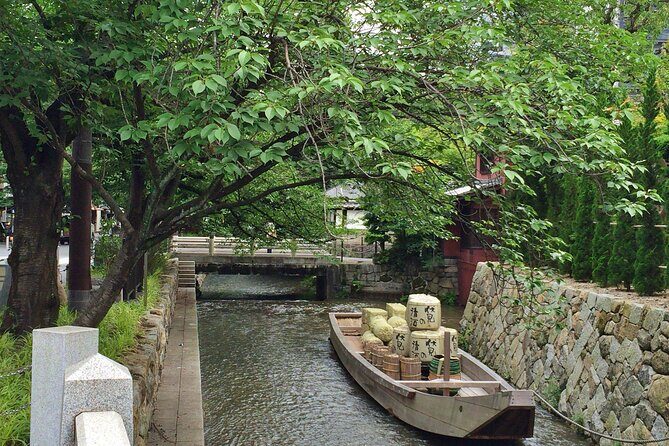
Stop three is Fushimi Yume Hyakushu Café, for about 20 minutes, with admission included. This place is special because the building isn’t new. It’s repurposed from the former main store of Gekkeikan, built over 100 years ago.
Inside, you’ll find Kyoto liquors and souvenirs, which makes this stop more useful than a typical break. You’re not just taking five; you can also buy something related to what you’re learning.
And yes, there’s a snack included: sake ice cream. It’s a fun way to keep tasting-related curiosity alive without only doing alcohol. For many people, this is where the tour shifts from education mode into comfort mode.
The only caution: if you’re very sensitive to sweet flavors, the ice cream might feel like too much sugar alongside earlier tastings. Still, it’s included, so it’s an easy trade for a rest.
Other Kyoto drinking tours we've reviewed in Kyoto
Kappa Gallery and Kizakura: beer, sake commercials, and what to notice
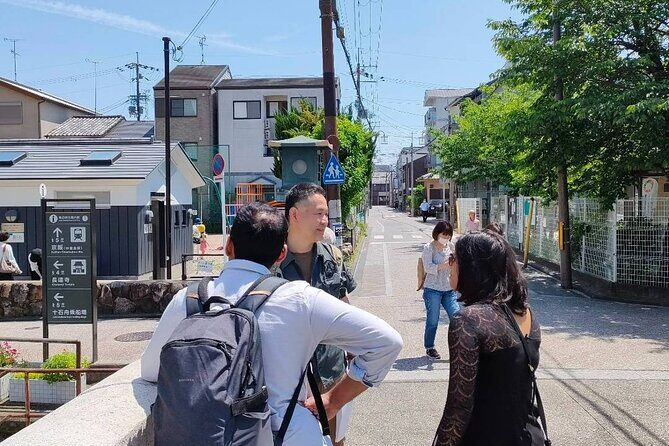
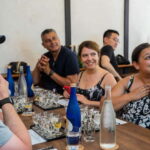
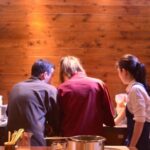
Stop four takes you to Kappa Gallery for about 30 minutes, also with admission included. Kizakura is famous for sake commercials featuring Kappa characters—but the cool twist is that Kizakura was also the first company in Kyoto to produce local beer.
This matters because it broadens your tasting brain. You’re not stuck in a single product category. The tour frames fermentation as a broader Japanese craft, and that can help you understand how brands talk about flavor and personality (like the Kappa identity) while still respecting production processes.
You’ll also get included: a glass of Kyoto beer from Kizakura. After a couple of sake-oriented stops, the beer pour gives your palate a reset.
One small consideration: this part can feel more commercial than the museum. If you’re a hardcore process nerd, you may want to ask your guide what’s happening in the background of production so it doesn’t turn into only branding and signage.
Fushimi Sake Village: a quick free stop with lots of local food energy
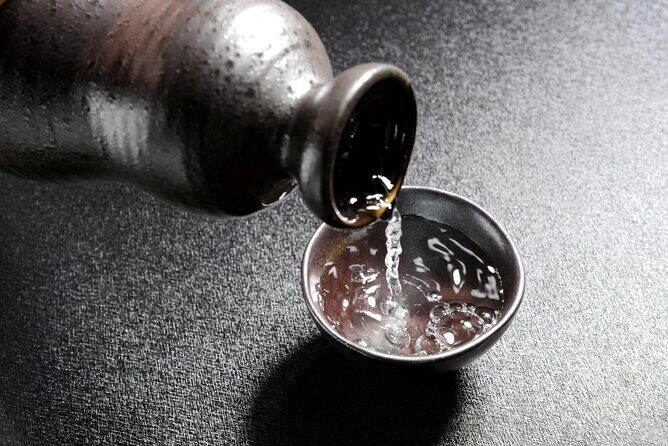
Stop five is Fushimi Sake Village (specifically the Fushimizu SakeKura koji area). The time here is about 15 minutes, and admission is free.
This is described as a sake-themed park where you can enjoy local Fushimi sake and dishes from around Japan, with support from 17 breweries connected to the Fushimi sake brewing scene. You’re not here for a long guided lesson. You’re here to feel the vibe and connect the dots: sake culture in Fushimi isn’t hidden in back rooms; it spills into food, shops, and everyday entertainment.
Because it’s short and free, I like using this stop as a palate check. If you’re tired of sweet foods, you can focus on walking and looking. If you’re hungry, you can browse what you see nearby—though the tour info only guarantees what’s included at other stops.
ABURACYO in Fushimi Otesuji Shotengai: compare ginjo and daiginjo with a tasting set
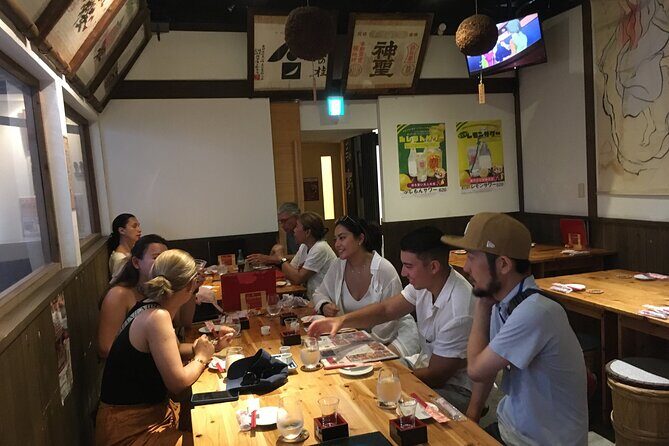
The final stop is where the tour becomes most useful for future buying decisions: Fushimi Otesuji Shotengai, guided to ABURACYO.
You spend about 30 minutes here, and admission is included. The standout detail is the selection. The information describes over 100 types of sake, with a focus on ginjo and daiginjo from all 18 sake breweries in Fushimi.
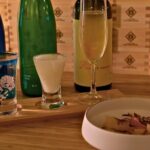
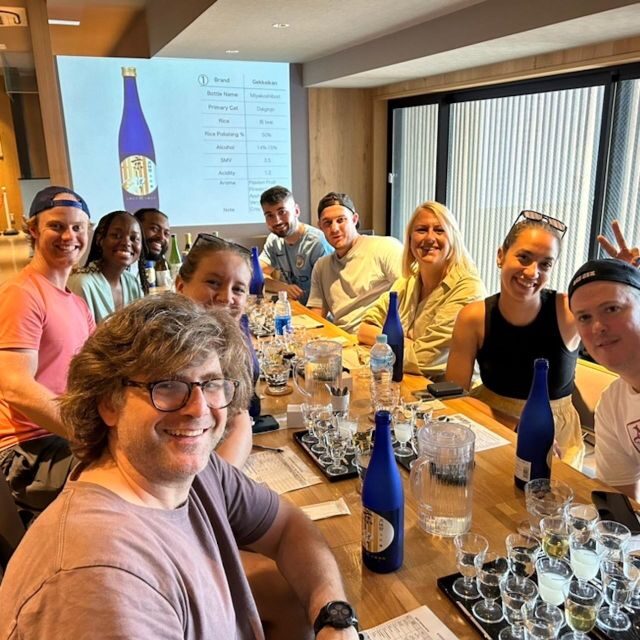
Then comes the included payoff: a tasting set of three types of Japanese sake. This is the moment to actually do something with the learning you picked up earlier—compare aromas, textures, and how the finish changes across styles.
Practical tip: pace your questions. Ask your guide what differences you should notice between the three you’re tasting. This is also a good place to ask about what to buy as gifts versus what to buy for your own fridge.
The tour ends at the shopping street, so you can keep exploring without rushing. If you want to bring home bottles, this is a natural place to do it—though any take-home purchases are on you.
Price and value: what your $109.46 buys in real tasting time
At $109.46 per person, the best way to judge value is not by the headline price—it’s by what’s included.
Your included costs cover:
- Museum admission at Gekkeikan Okura Sake Museum
- Kyoto beer (Kizakura) and a commemorative sake cup
- Sake ice cream at Fushimi Yume Hyakushu Café
- Two separate sake tasting sets: three types at ABURACYO and three types at Gekkeikan
- Snacks tied to the café stop
So you’re getting multiple tastings and admissions layered into a single route. If you tried to DIY this, you’d still have to pay for transport, museum tickets, and tasting costs—plus you’d be guessing what to order and where to go for style comparisons.
What isn’t included is the boat boarding fee (¥1,500 per person) and any extra eating or drinking along the way. Also, if you want to buy bottles from shops, budget for that separately.
For me, the value sweet spot is this: you’re not just learning about sake production—you’re tasting in a structure designed for comparison. That’s the part that makes the price feel justified.
What you’ll learn from the route (and what to ask your guide)
The tour is built around a simple idea: sake isn’t one flavor. It changes with water, brewing choices, and style labels. By the time you reach ABURACYO, you should feel a lot more confident about what you’re tasting.
Use your guide as an on-the-spot translator between labels and flavors. If your group includes someone like Bob—mentioned for strong English and real brewery experience—you can ask for explanation in plain terms. Past groups have also praised Nakai and Marin for being friendly and informative, which is exactly what you want on a tasting tour.
Good questions to ask:
- What should I notice first in aroma, then on the tongue?
- Which of these styles tend to taste lighter or fuller?
- How does water show up in the differences I’m tasting?
You don’t need to memorize terms. You just need a framework for your own palate.
Who this tour fits best in Kyoto
This is a good match if you:
- Want a walkable way to experience Fushimi’s sake culture without renting a car
- Like tastings where you can compare multiple types, not just one sample
- Enjoy small-group guidance (max 15), especially if you’re asking lots of questions
- Prefer a mix of production context and real-world shopping energy
It’s also a solid choice for first-timers to Japanese sake. The museum and the water stop give you grounding, and the later tasting set gives you immediate feedback.
If you’re allergic to alcohol or you can’t handle tastings, you’ll need to check how the tour is managed. The data confirms tastings are included, so plan accordingly.
Should you book this Japanese Sake Breweries Tour in Fushimi?
I’d book it if you want a focused 3-hour route that teaches you while you taste—especially if you like the idea of comparing styles at ABURACYO and starting with Gekkeikan’s museum setting and Fushimizu water.
Skip it (or be cautious) if you hate walking in heat, or if you don’t want to budget extra for the boat. Also, if you’re expecting a long, formal brewery tour with heavy technical training, this is more of a guided tasting-and-stories experience than a full industrial walkthrough.
If your goal is simple—learn fast, taste smart, and leave with a better sense of what you actually enjoy—this one fits.
FAQ
FAQ
How long is the Japanese Sake Breweries Tour in Fushimi Kyoto?
The tour lasts about 3 hours.
Where does the tour start and end?
It starts at Chushojima Station (Yoshijima Yaguracho, Fushimi Ward, Kyoto) and ends at Fushimi Otesuji Shopping Street (5 Chome-10 Hokicho, Fushimi Ward, Kyoto).
What time does the tour start?
The start time is 1:00 pm.
What is included in the price?
Included items are admission to the Gekkeikan Sake Brewery Museum, one glass of Kyoto Beer (Kizakura), a commemorative sake cup (Gekkeikan), sake ice cream (Café Yumehyakushu), and tasting sets of sake at both ABURACYO and the Gekkeikan stop.
Is the Jikkokubune boat ride included?
No. The tour includes a stop at the boarding point, but the boarding fee is not included. The listed fee is ¥1,500 per person.
Does the tour include free time or shopping opportunities?
Yes. After the tour ends at Fushimi Otesuji Shopping Street, you can continue with shopping on your own.
What’s the maximum group size?
The tour has a maximum of 15 travelers.
Is there any weather-related information?
The experience requires good weather. If it’s canceled due to poor weather, you’ll be offered a different date or a full refund.
Can I cancel for a refund?
Yes, there is free cancellation. You can cancel up to 24 hours in advance for a full refund. If you cancel less than 24 hours before, the amount paid is not refunded.
More Breweries in Kyoto
More Kyoto Drinking Tours in Kyoto
More Sake Brewery Tours in Kyoto
More tours in Kyoto we've reviewed
Kyoto Drinking Tours, compared.
 ★ 5.03-Hour Kyoto Insider Sake Brewery Tour with Tastings & PairingsFrom $84
 ★ 4.9Kyoto: Izakaya Bars Guided Walking TourFrom $253 hours
 ★ 5.0Kyoto: Insider Sake Brewery Tour with Sake and Food PairingFrom $873 hours
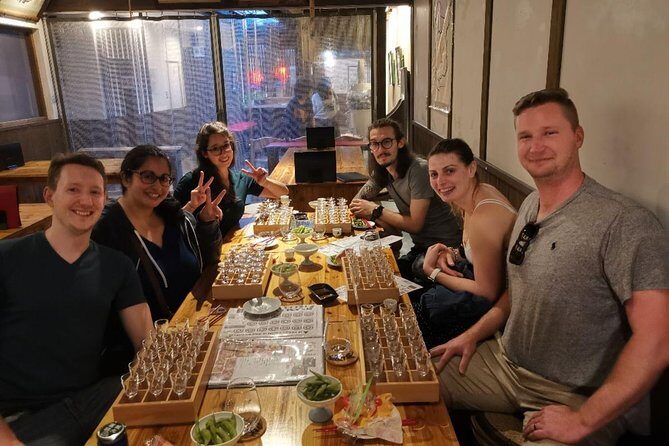 ★ 5.0Kyoto Sake Brewery & Tasting Walking TourFrom $98
 ★ 5.0Kyoto Bar Hopping Night TourFrom $105
 ★ 5.0Kyoto Local Bar Crawl in Kawaramachi AreaFrom $28
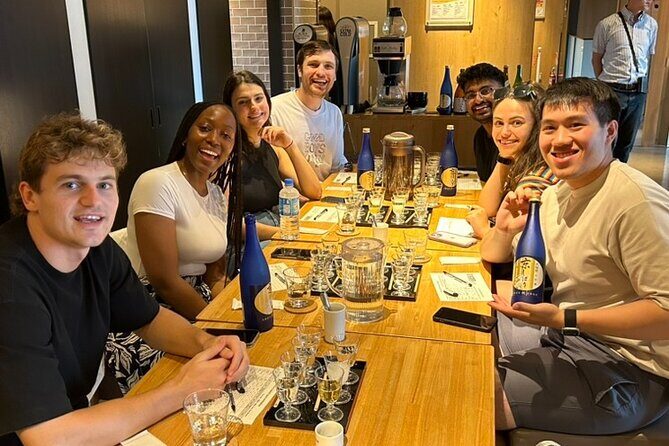 ★ 5.01.5-Hour Kyoto Insider Sake Experience with 7 Tastings & PairingsFrom $68
 ★ 5.0Kyoto: Insider Sake Experience with 7 Tastings and SnacksFrom $661h 30m
The lists this tour appears in