
Reviewed · WALKING TOURS
Nagano Sake Tasting Walking Tour
Sake tasting meets calm temple streets. This tour pairs Nagano’s brewing heritage with an easy-to-follow walk through the Zenkoji area, where side streets feel more local than tour-bus. You’ll sample more than just standard pours, with seasonal and unfiltered options plus a food setup built for tasting.
What I like most is the chance to compare multiple styles head-to-head at a 300-year-old brewery, with explanations that help you notice differences fast. I also love the way the guide stitches in everyday Nagano flavors like Shinshu-style miso soup and sweet amazake, then slows the pace with the Zenkoji neighborhood shops. Guides I’ve seen referenced include Masa and Marcel, and both come across as genuinely invested in making the walk feel personal.
One consideration: it’s still a walking tour—about 8,000 steps (5–6 km / 3–4 miles), including a 20–25 minute approach walk—so it’s not a fit if mobility is limited or if you’re avoiding sustained walking. Also, it’s not set up for baby strollers.
In This Review
- Key highlights you’ll actually use
- Why Nagano sake tastes worth walking for
- Starting at MIDORI Nagano: the tour begins simply
- The first hidden stop: local rhythm before Zenkoji
- Zenkoji Temple district: shopping lanes, not just sightseeing
- The 300-year-old brewery: tasting sakes like a comparison test
- Plum wine and the sweet-savvy break
- Amazake: three non-alcoholic tastings that make the tour friendlier
- Miso soup plus Shinshu miso: how food sharpens flavor
- Soy sauce beans and pickles: the small bites with big impact
- The 120-year-old sake factory: history you can walk through
- A guide who thinks about details (and even photos)
- The pacing and the 8,000-step reality check
- Price and value: is $63 a fair deal for what you get?
- Who should book this Nagano sake walking tour
- Should you book it? My straight answer
- FAQ
- How long is the Nagano sake tasting walking tour?
- What is the price per person?
- How many sake varieties do I taste?
- Do you include amazake tastings?
- Is miso soup included?
- Do I visit a historic sake brewery?
- Is there a factory visit too?
- Is Zenkoji Temple entrance included?
- Where does the tour meet?
- How much walking is involved?
Key highlights you’ll actually use
- More than 5 sake tastings, including seasonal and specialty options like unfiltered/unpasteurized styles
- Three different amazake pours, including a non-alcoholic sweet drink made for all ages
- Shinshu miso soup as part of the tasting rhythm
- A 300-year-old sake brewery plus a preserved 120-year-old factory for context on how sake used to be made
- A guided stroll around Zenkoji Temple focused on local shops and atmosphere, not just the main sights
Why Nagano sake tastes worth walking for
Nagano sits in the Japanese Alps, and the combination of mountain water and rice quality matters for sake. That’s why regional styles here can feel cleaner, more textured, and smoother than you might expect.
This tour makes that point in plain language—so you don’t need to be a sake nerd to enjoy the differences. The guide helps you connect what you’re tasting to how sake is brewed, not just what the label claims.
Other sake tasting experiences we've reviewed in Nagano
Starting at MIDORI Nagano: the tour begins simply
You’ll meet in front of Starbucks Coffee at MIDORI Nagano. It’s easy to find, and it keeps the start low-stress—no long wandering through station corridors trying to guess where everyone gathers.
From there, you’ll shift into walking mode toward Zenkoji Temple. You also get the sense the guide is thinking about flow: where to pause, where to move, and when to pull out tasting notes.
The first hidden stop: local rhythm before Zenkoji
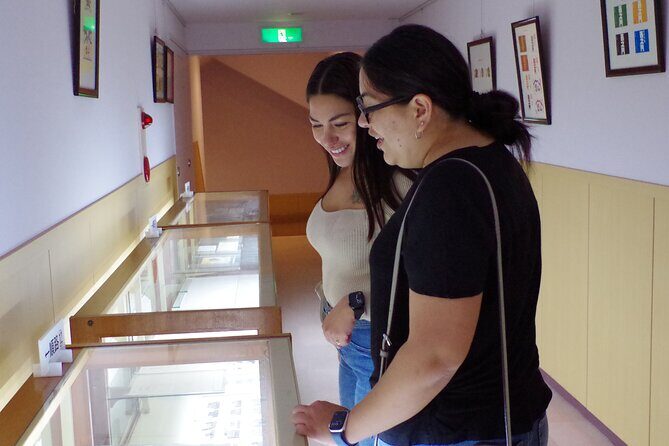
Early on, there’s a short stop at a smaller place before you reach the main temple area. These quick “in-between” moments are useful because they warm you up to Nagano’s pace.
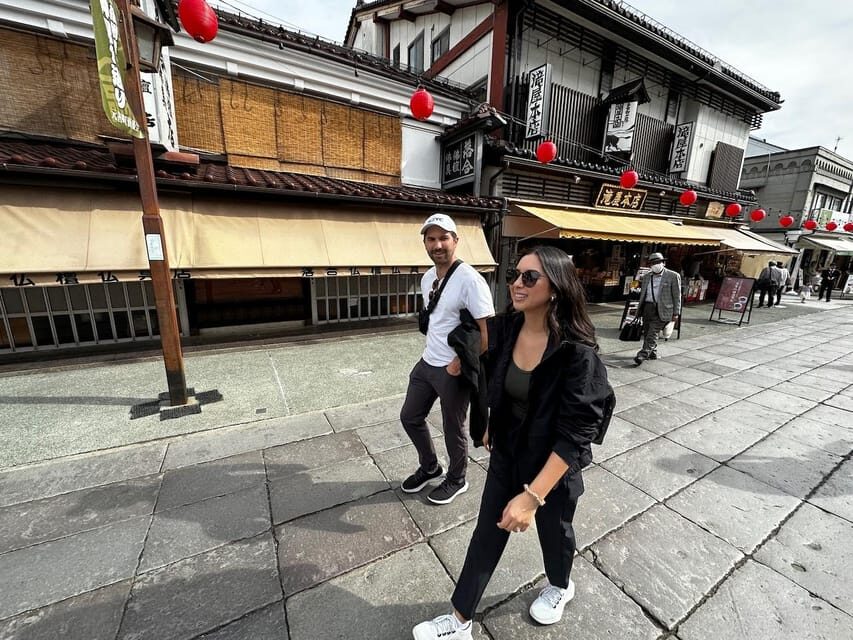
You’ll see how the walk connects to everyday life—small storefronts, quiet corners, and the kind of streets you’d miss if you only hop between big landmarks.
Zenkoji Temple district: shopping lanes, not just sightseeing
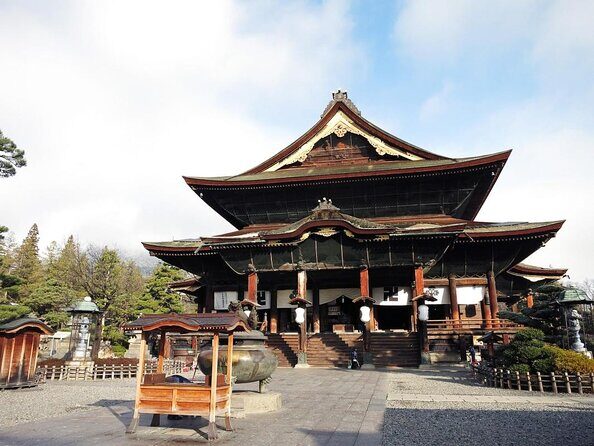
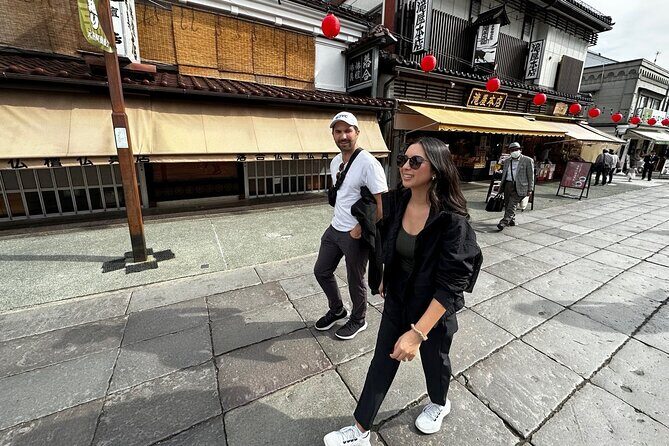
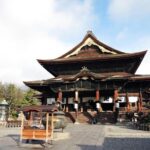
You’ll spend about 30 minutes around Zenkoji Temple. This is enough time to take in the atmosphere and get your bearings, without rushing you like a conveyor belt.
The real value for most people is what happens just beyond the main flow. Your guide leads you through the older lanes where you’ll find local craft shops and regional snacks—places that feel like they’re built for locals first.
If you want to see Zenkoji Temple itself more deeply, note that an optional entrance ticket is not included. So plan to treat temple entry as a choose-your-own-adventure item rather than a guaranteed included add-on.
The 300-year-old brewery: tasting sakes like a comparison test
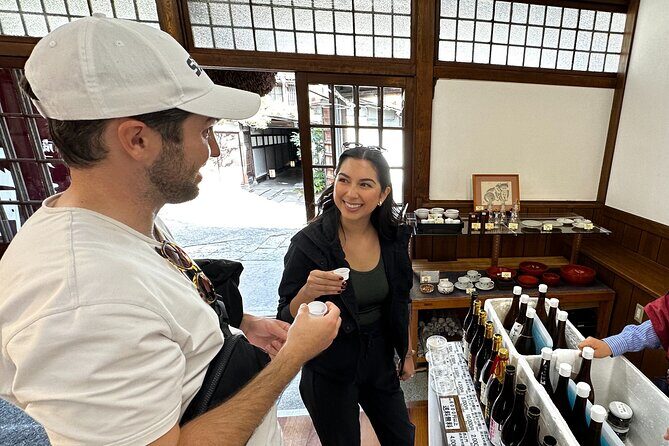
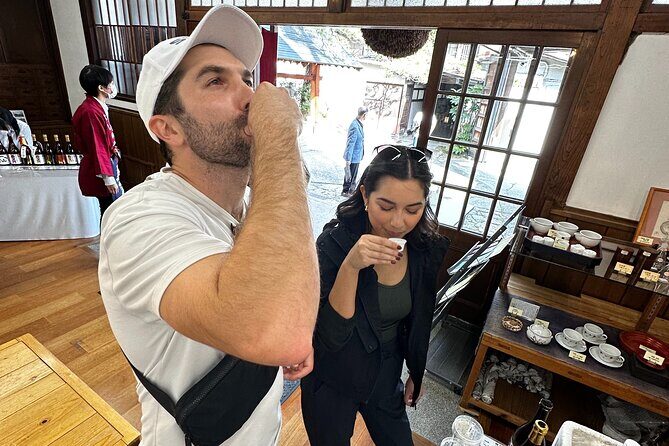
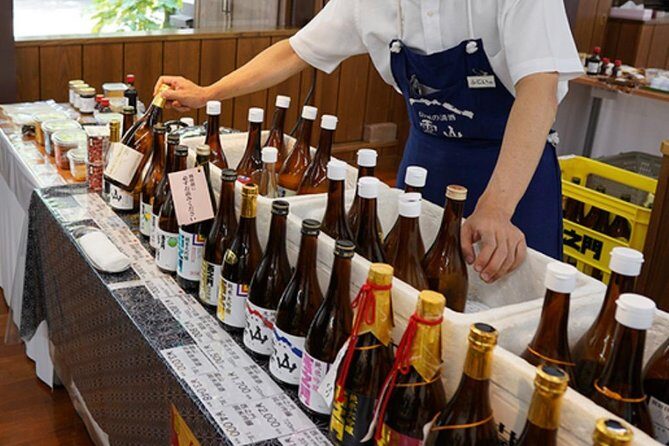
The centerpiece is a visit to a 300-year-old sake brewery. This matters because you’re not just trying drinks—you’re learning how the same region produces different flavors.
Expect to sample more than 5 sake varieties, including styles that highlight contrast. The tour specifically includes unfiltered, unpasteurized, and seasonal sakes, which is where you really start noticing how texture and finish can shift.
The guide also brings up flavor profiles in a way that’s practical. You’ll get pointers on what to look for—scent, softness, bite, and how the sake changes as it warms.
Plum wine and the sweet-savvy break
Alongside the straight sake tastings, you’ll also try Nagano’s plum wine. It adds a different kind of fruit note, so you can compare how the palate responds when the drink isn’t only about rice fermentation.
This is also a smart pacing trick. After a few sake pours, fruit and aroma give your palate a reset, so later tastings stay clear instead of turning into one long blur of alcohol taste.
Amazake: three non-alcoholic tastings that make the tour friendlier
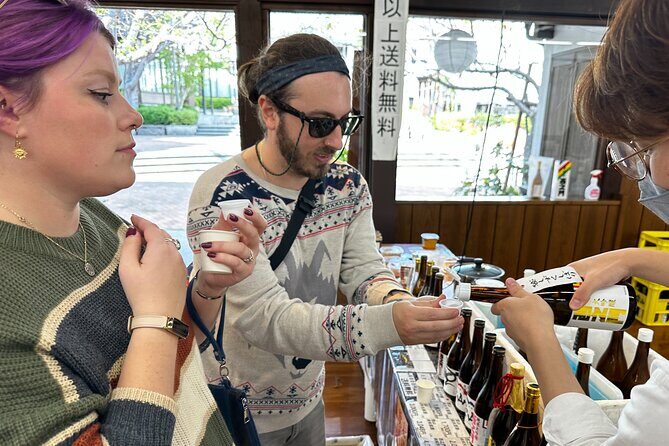
One of the tour’s best built-in surprises is three different amazake tastings. Amazake is a naturally sweet fermented rice drink, and the tour highlights that children can drink it, since it’s non-alcoholic.
Even if you’re only traveling as an adult, I like how amazake anchors the tasting experience. It gives you a “sweet baseline,” so you can judge how sake’s dryness and acidity feel afterward.
You’ll get a guided explanation too, so amazake doesn’t become just another sip. It’s part of learning the fermentation story from different angles.
Miso soup plus Shinshu miso: how food sharpens flavor
You’ll have Nagano miso soup, made with locally produced Shinshu miso. This isn’t just a snack stop; it’s a palate tool.
Shinshu miso tends to bring deep umami, and that helps you notice whether a sake tastes cleaner after savory food. The result is that tastings feel more organized—less like random sampling, more like learning.
Soy sauce beans and pickles: the small bites with big impact
The tour includes soy source beans and some Japanese pickles. These are classic tasting companions because salt and sour flavors help “reset” your palate between sips.
They also give you a more complete sense of Nagano eating style. If you’re the type who likes to recreate meals later, these bites hint at what you might look for in local shops.
The 120-year-old sake factory: history you can walk through
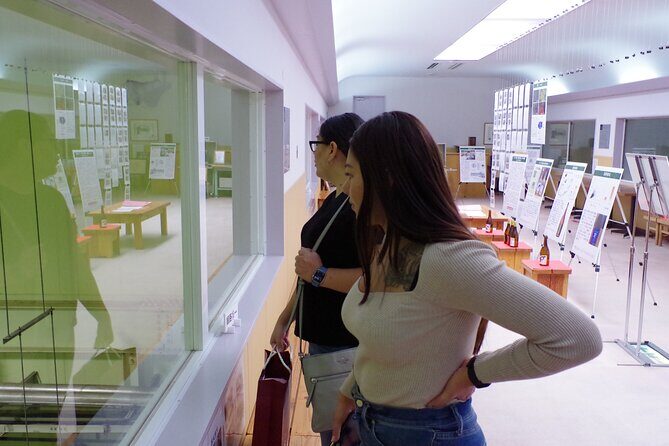
You’ll visit a 120-year-old sake factory that’s no longer in use, but still preserved enough to show how things worked. This is where the tour expands beyond drinking into how production used to happen.
Since admission to visit this older factory is free, you’re getting extra context without extra cost. That’s good value because you’re paying for an experience, not just a tasting flight.
The guide helps connect the old processes to what you’re tasting now—rice polishing, fermentation steps, and aging concepts in digestible terms. You don’t need technical knowledge to follow along, but the explanations make the experience stick.
A guide who thinks about details (and even photos)
The guide experience is a real differentiator here. Reviews I’ve seen mention guides like Masa and Marcel speaking excellent English and sharing more than just sake talk.
There’s also a practical touch: the guide takes casual snapshots for you during the tour, whether you’re using a smartphone or a camera. That small service saves you from doing awkward “pause and shoot” behavior while you’re trying to enjoy the walk.
The pacing and the 8,000-step reality check
The tour includes about 8,000 steps (roughly 5–6 km / 3–4 miles), including a 20–25 minute walk from Nagano Station to Zenkoji Temple. Total time is 2 hours, so the pace stays active even though the stops are guided.
If you’re comfortable walking at a steady rhythm, this should feel manageable. If you prefer slow strolling only, you might find the combined walking and tasting schedule a bit fast.
Also, it’s not suitable for wheelchair users, and the tour notes restrictions for people over certain ages and for pregnant women. If you’re in that category, it’s worth checking directly before booking.
Price and value: is $63 a fair deal for what you get?
At $63 per person for about 2 hours, you’re paying for three things: guided storytelling, multiple tastings, and food pairings. The tasting load is more than a casual “try one or two” setup—you’re looking at more than 5 sake varieties plus three amazake tastings, with miso soup and included sides.
You’re also getting a couple of different “learning modes”: the 300-year-old brewery for tasting comparisons and the preserved 120-year-old factory for context. That added historical component is exactly what makes this feel like more than just drinks in a shop.
If your idea of travel is eating and drinking with context, this price is easy to justify. If you’re chasing only Zenkoji Temple time, you might compare it against other temple-focused tours—but this one is built around sake culture first.
Who should book this Nagano sake walking tour
Book this if you want a compact, high-impact introduction to Nagano’s sake world. It’s especially good if you like guided explanations, want to taste different styles, and don’t mind a few kilometers of walking.
It’s also a solid pick if you’re traveling with someone who doesn’t want to drink much alcohol, because amazake is included and non-alcoholic.
Skip it if you need step-free mobility, if you can’t handle a steady walking day, or if you’re avoiding any activities that involve longer walking segments.
Should you book it? My straight answer
I’d book this tour if you like your experiences organized: tasting first, then context, then a calm walk through a neighborhood with real shops. The combination of multiple sake styles, three amazake tastings, and Shinshu miso soup makes the 2 hours feel purposeful, not rushed.
If you’re fragile on your feet or you’re looking for a minimal-walking outing, you’ll probably be happier choosing something less step-heavy. But for most visitors, this is one of the clearer ways to taste Nagano without feeling like you’re guessing your way through sake shops.
FAQ
How long is the Nagano sake tasting walking tour?
It runs for 2 hours.
What is the price per person?
The price is $63 per person.
How many sake varieties do I taste?
You taste more than 5 local sake varieties.
Do you include amazake tastings?
Yes. You taste 3 different amazake (non-alcoholic sweet fermented rice drink).
Is miso soup included?
Yes. You’ll have Nagano miso soup.
Do I visit a historic sake brewery?
Yes. You visit a 300-year-old sake brewery for tastings.
Is there a factory visit too?
Yes. You visit a historic 120-year-old sake factory (no longer in use). Admission to visit this older factory is free.
Is Zenkoji Temple entrance included?
An optional attraction entrance to Zenkoji Temple is not included.
Where does the tour meet?
The guide meets you in front of Starbucks Coffee at MIDORI Nagano.
How much walking is involved?
The tour involves about 8,000 steps (5–6 km / 3–4 miles), including a 20–25 minute walk from Nagano Station to Zenkoji Temple.
More Walking Tours in Nagano
More Sake Tasting Experiences in Nagano
More tours in Nagano we've reviewed

Walking Tours, compared.
 ★ 4.9Tokyo: Shinjuku Local Bar and Izakaya Guided Walking TourFrom $343 hours
 ★ 5.0Osaka Bar Hopping Night Walking Tour in Namba (3 bars, 6 tastes)From $98
 ★ 4.9Kyoto: Izakaya Bars Guided Walking TourFrom $253 hours
 ★ 5.0Kyoto Sake Brewery & Tasting Walking TourFrom $98
 ★ 4.9Osaka: Izakaya Bars Guided Walking TourFrom $193 hours
 ★ 4.8Tokyo: Shinjuku Nightlife & Secret Backstreets Walking TourFrom $221h 30m
 ★ 5.0Osaka: 2-Hour Nightlife District Walking & Local Food CultureFrom $31
 ★ 5.0Tokyo: Shinjuku Local Bar Hopping Walking TourFrom $118
The lists this tour appears in