
Reviewed · SAKE BREWERY TOURS
Cultural Sake Brewery Private Tour & Unlimited Tasting Near Tokyo
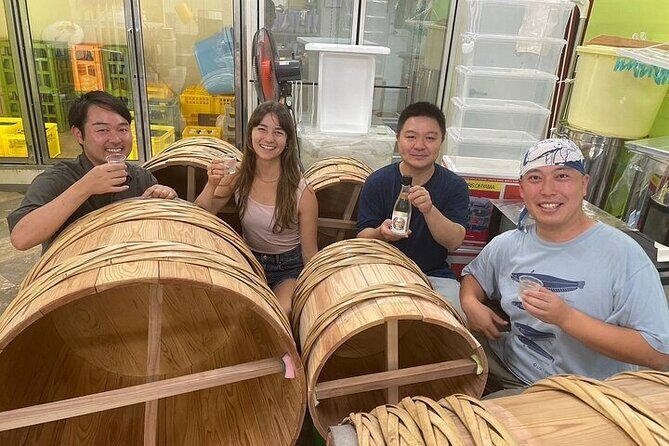
Wood barrels change everything in sake. This private tour near Tokyo focuses on the rare craft of wooden-barrel sake, using historic barrels in a way you just do not see often anymore. You also get a 40-minute tasting of three special varieties, including honey sake, local tea sake, and germinated brown rice sake.
I especially like the way this tour combines teaching with hands-on time. You’ll get a talk with the brewer and the Toji, plus clear explanations from the owner, Fuku-san. One possible consideration: the price does not include private transportation, so you’ll want to plan your own ride toやまね酒造 in Hanno.
In This Review
- Key things you’ll notice right away
- Wooden-barrel sake in Hanno: why this tour feels different
- Getting to やまね酒造 (and keeping the day smooth)
- The opening moments: welcome drink, brewery walk, and barrel care
- Talk with the Toji in a traditional Japanese house
- The 40-minute unlimited tasting: three rare sake styles
- Sake + nuts with barrel-made soy sauce: the pairing that makes it stick
- The Hanno ware setting, photos with barrels, and Nishikawa souvenir
- Price and value: why $105 can make sense here
- Who this tour fits best (and who might want a backup plan)
- Quick tips to get the most from your tasting
- Should you book this wooden-barrel sake tour near Tokyo?
- FAQ
- How long is the tour?
- What is included in the tasting?
- What sake types will I taste?
- Where does the tour start and end?
- What about transportation?
- Are there rules before the tour?
Key things you’ll notice right away
- Wooden-barrel brewing made central: the whole visit is built around how wooden barrels shape the sake experience
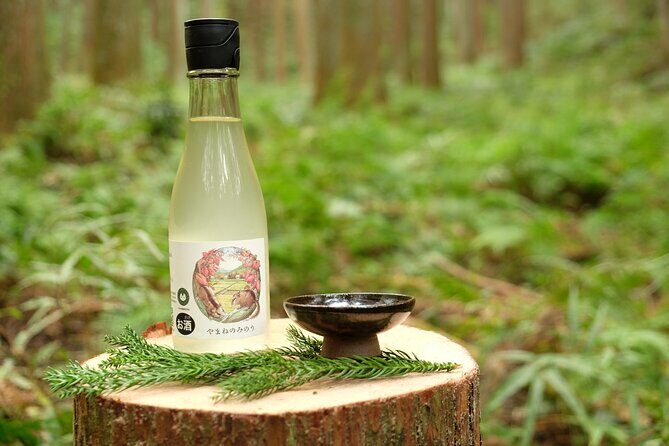
- Three rare sake varieties: honey, local tea, and germinated brown rice, served as a focused tasting lineup
- A real conversation with the brewer/Toji: you’re not just watching production—you’re getting the how and why
- 40-minute unlimited tasting window: structured time to taste, compare, and slow down
- Soy-sauce + barrel pairing: nuts seasoned with locally made soy sauce from wooden barrels
Wooden-barrel sake in Hanno: why this tour feels different
If you’ve only had mass-produced sake, this tour gives you a new baseline. The standout here is the brewery’s traditional use of wooden barrels, which is still unusual compared to modern methods. That difference matters because the tasting setup is designed to help you notice how aroma, sweetness, and texture can shift when sake is brewed and kept through wood.
I also like that this isn’t just a “taste and leave” plan. It’s a 2-hour experience built to connect the dots between craft, ingredients, and flavor. You start with a welcome drink, walk through the brewery area, then shift into a structured tasting that’s capped at 40 minutes so you can actually focus on what you’re smelling and sipping.
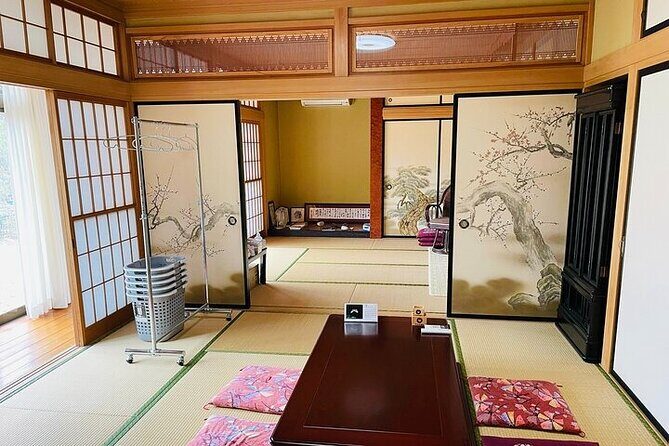
And the setting helps. Tastings happen in a traditional Japanese space with local Hanno ware, so you’re drinking with the right mood, not in a loud retail room.
If you're still narrowing it down, here are other tours in Saitama Prefecture we've reviewed.
Getting to やまね酒造 (and keeping the day smooth)
The tour meets at やまね酒造, 223 Akazawa, Hanno, Saitama 357-0128. The activity ends back at the same meeting point, so you’re not dealing with a long chain of handoffs.
Here’s the practical part: the tour does not include private transportation. If you’re coming from Tokyo, you’ll want to plan a rail and local route or arrange a taxi/bus option that matches your start time. This matters because the tour is private, and timing is part of the flow. There’s no big group waiting at random.
Start times are flexible within the window. The tour can begin anytime between 10:00 AM and 5:00 PM, and you’ll get a message after booking to arrange your specific time. Replying quickly is worth it—otherwise you can lose that smooth schedule.
Also note the listed operating window in the provided schedule: it’s shown for June 15–26, Monday–Friday, 10:00 AM–5:00 PM. If you’re traveling outside those dates, check availability before you fall in love with the idea.
The opening moments: welcome drink, brewery walk, and barrel care
You’ll begin with a welcome drink. That small moment is not just a courtesy. It sets your taste reset before you start comparing sakes later.
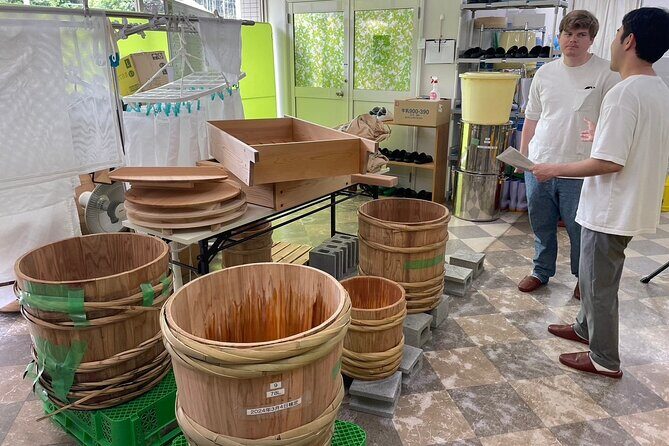
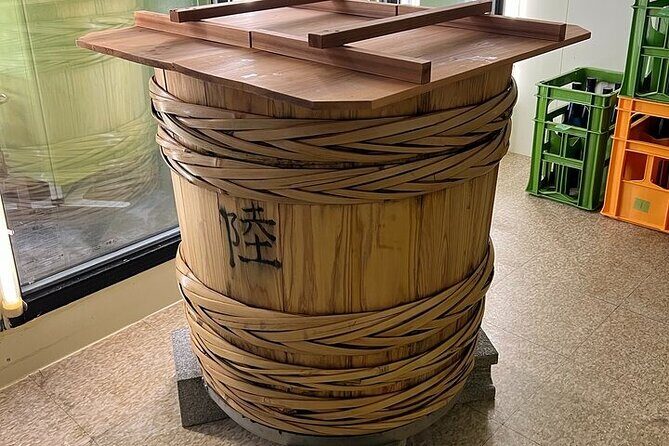
From there, you move into the brewery area and learn about the traditional sake-making process. The tour places special emphasis on wooden barrels—how they’re used and why they’re not the default in modern production. Even if you only know sake basics, you’ll get enough context to understand why barrel-made sake can feel different in the glass.
One of the clever additions is the wooden barrels care experience. You’re not just standing there as a spectator. You get some real “touch the craft” time, which is great if you like learning with your hands. It also helps you connect the tasting to the physical process behind it.
Talk with the Toji in a traditional Japanese house
This is where the tour becomes more than a tasting. You’ll have a talk with a brewer in a traditional Japanese house setting, and the experience includes discussion of the Toji, the master brewer.
The point is simple: you learn what to listen for in the flavor. When someone explains the craft at the source, you’re more likely to notice details like sweetness level, finish style, and how aromatics show up differently among types of sake. It turns tasting into a lesson rather than a blur.
And yes, you’ll meet the people behind it. In the experience notes, the owner Fuku-san is highlighted for explaining the brewery’s origin and the thinking behind their approach. That kind of personal explanation is often what makes small breweries memorable. It’s also why a private format works well—you can ask questions in real time instead of waiting behind a crowd.
The 40-minute unlimited tasting: three rare sake styles
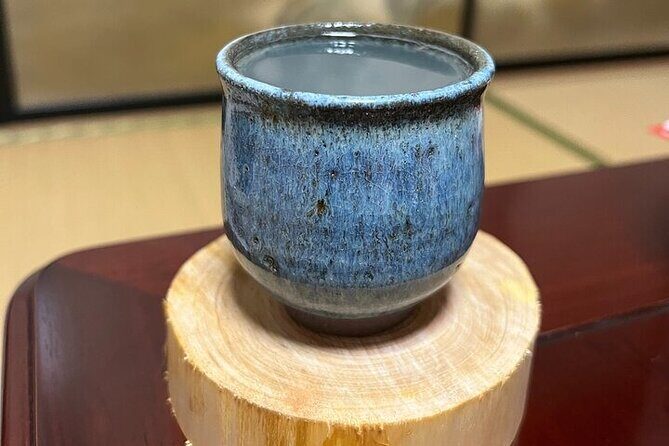
Now the main event: a tasting session built around three distinct sake varieties, followed by 40 minutes of unlimited tasting.
The three types you’re served are:
- Honey sake
- Local tea sake
- Germinated brown rice sake
What I like about this trio is that it covers different flavors without feeling random. Honey sake gives you a sweeter, more aromatic direction. Local tea sake shifts you toward plant-like notes and a different balance of aroma and finish. Germinated brown rice sake points to a deeper, grain-driven character, often with a different texture impression than polished rice-only profiles.
During the unlimited tasting window, you’ll also have local snacks to help you reset your palate as you compare sakes. The snacks aren’t meant to drown flavors. They’re there to keep you from getting taste-fatigued.
A smart move here: slow down. Pouring and swirling gets you only so far. Your best “aha” moments often come after you take a second sip and notice how the finish changes—especially when you switch between sweet-leaning and grain-leaning sakes.
Sake + nuts with barrel-made soy sauce: the pairing that makes it stick
Tasting sake is fun. Pairing it with something designed for that purpose is what makes the experience memorable.
This tour includes a distinctive pairing: nuts seasoned with locally made soy sauce from wooden barrels. It’s a specific flavor combination you are not likely to replicate casually back home. The soy sauce adds salt depth and a slow savory note, while the nuts bring crunch and roasted character. Together, they can make the sake taste either rounder or sharper depending on which variety you’re currently sipping.
Why this matters: pairing forces you to taste in context. Many people remember flavors, but fewer remember the way flavors interact. Here, you’re getting a small controlled experiment in your mouth.
If you like food-focused experiences, this is the moment you’ll talk about later. It’s not just “snacks included.” It’s a planned taste pairing that matches the tour’s wooden-barrel theme.
The Hanno ware setting, photos with barrels, and Nishikawa souvenir
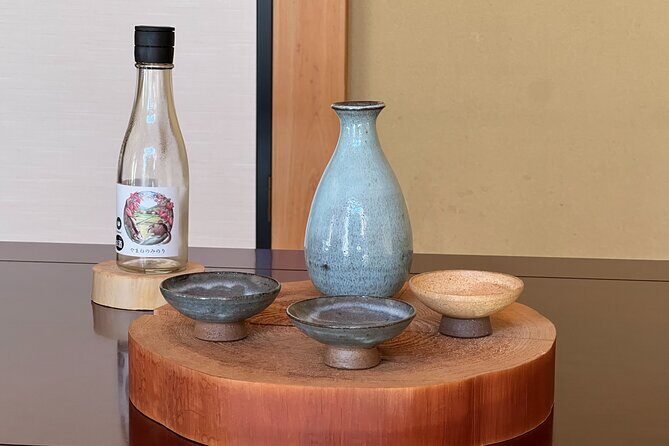
The tour doesn’t end with the last sip. You get a traditional environment for tasting using local Hanno ware, which adds a quiet sense of place. It also signals that this is cultural craft, not just beverage service.
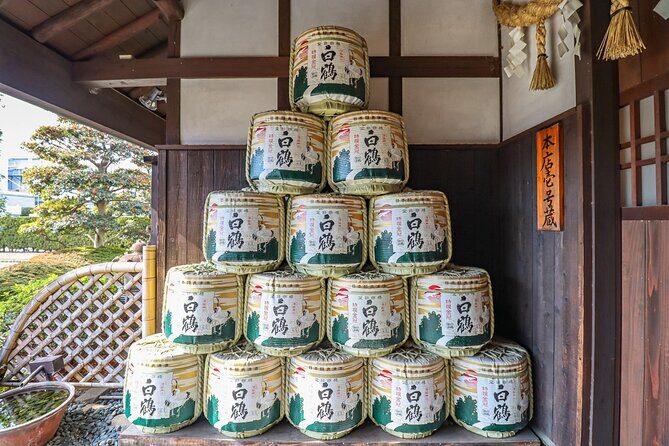
There’s also a photo opportunity with the wooden barrels. This is one of those details that doesn’t sound exciting on paper, but it’s nice in person—especially because the barrels are the star of the story.
Finally, you receive a special gift: a bespoke souvenir crafted from Nishikawa wood. That’s a thoughtful touch because it keeps the theme tied to local material culture, not a generic shop bag. If you like bringing home something that feels connected to the place, you’ll appreciate this more than a standard keychain.
Price and value: why $105 can make sense here
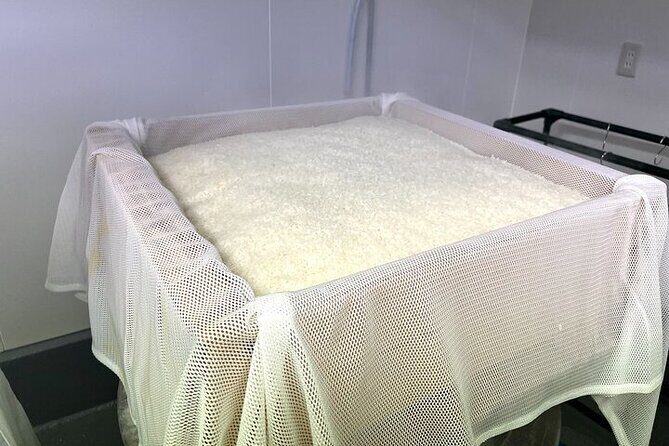
At about $105 for around 2 hours, the price can look steep if you compare it to basic sake tastings in big cities. But this tour’s value is in what you are getting for that time:
- Rare wooden-barrel-brewed sake only available on the tour
- A guided brewery experience plus a talk with the brewer/Toji
- Wooden barrel care experience
- Unlimited tasting for 40 minutes with snacks
- Pairing (nuts seasoned with wooden-barrel soy sauce)
- A special souvenir made from Nishikawa wood
- A glass of water included
When a tour includes hard-to-find sake that you can’t buy elsewhere, the math changes. You’re not only paying for someone to pour samples—you’re paying for exclusive access and guided context that you can’t replicate at home.
One more value point: it’s a private tour. That usually means better pacing and more room for questions, especially during the brewer/Toji talk.
Who this tour fits best (and who might want a backup plan)
I think this tour is a strong match if you:
- love sake and want something more specific than general tastings
- care about ingredients and process, not just flavor
- enjoy food pairings that change how you taste
- want a break from Tokyo with a countryside-feeling stop in Hanno, Saitama
It may be less ideal if:
- you’re only interested in the drink and would skip the craft explanations
- you do not want to handle planning for transportation (since it’s not included)
- you dislike structured tasting time blocks
Also, keep in mind the “taste prep” rules. The tour asks you to refrain from using perfume, strong-scented cosmetics, and hair styling products. It also asks you to avoid citrus fruits and fermented foods like natto and kimchi the day before and the day of your visit. That’s not just for etiquette—it’s meant to keep your palate and nose clear so the tasting reads accurately.
Quick tips to get the most from your tasting
A couple practical moves will help you enjoy the full 40 minutes.
- Go slow and compare. After honey sake, the next sip may feel totally different. Use that contrast.
- Take small bites of the nuts between pours. It keeps the pairing effective instead of turning it into just more food.
- Ask questions during the Toji talk. If you’re curious about what makes barrel-made sake behave the way it does, this is your time.
If you’re the type who likes to learn by doing, the wooden barrel care portion is a good payoff.
Should you book this wooden-barrel sake tour near Tokyo?
If your goal is a small, craft-focused sake experience with rare bottles, a real pairing, and a chance to talk with the brewer/Toji, I’d book it. The wooden-barrel angle is not just a slogan here. It’s built into the tour structure—from barrel care to the tasting lineup to the soy-sauce pairing.
Just plan the logistics on your side. Since private transportation isn’t included, make sure you’re comfortable getting to やまね酒造 at the scheduled start time. Also, if you’re sensitive to the rules around scents and fermented/citrus foods, take them seriously. They make a difference in how well you’ll taste.
FAQ
How long is the tour?
The tour runs about 2 hours (approximately).
What is included in the tasting?
You’ll have a tasting session featuring three sake varieties, plus a 40-minute unlimited tasting period with snacks.
What sake types will I taste?
The tour includes honey sake, local tea sake, and germinated brown rice sake.
Where does the tour start and end?
It starts at やまね酒造, 223 Akazawa, Hanno, Saitama 357-0128, Japan, and ends back at the same meeting point.
What about transportation?
Private transportation is not included, so you’ll need to arrange how you get to the brewery.
Are there rules before the tour?
Yes. The tour asks you to avoid perfume, strong-scented cosmetics, and hair styling products. It also asks you to avoid citrus fruits and fermented foods like natto and kimchi the day before and the day of your visit.
More Breweries in Saitama Prefecture
More tours in Saitama Prefecture we've reviewed
Sake Brewery Tours, compared.
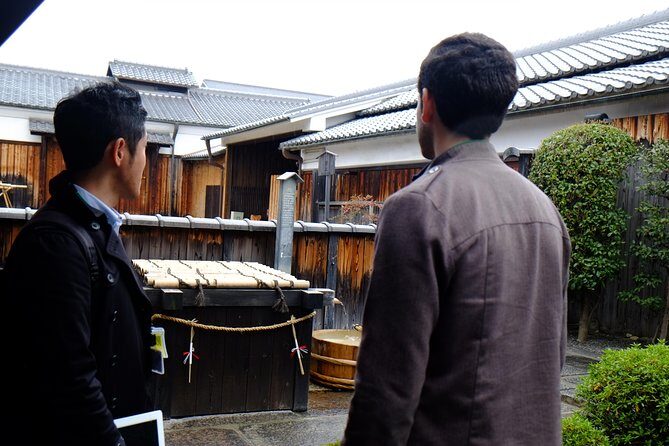 ★ 5.03-Hour Kyoto Insider Sake Brewery Tour with Tastings & PairingsFrom $84
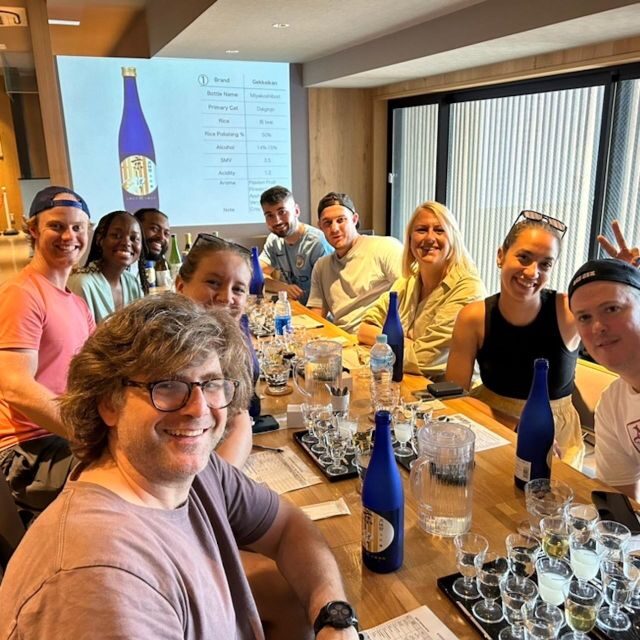 ★ 5.0Kyoto: Insider Sake Brewery Tour with Sake and Food PairingFrom $873 hours
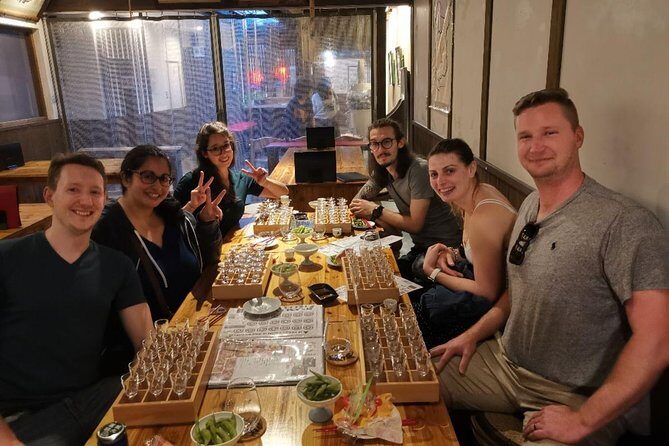 ★ 5.0Kyoto Sake Brewery & Tasting Walking TourFrom $98
 ★ 5.0Kobe: Guided Sake Breweries Tour with TastingsFrom $1063h 30m
 ★ 5.0Sake Brewery and Japanese Life Experience Tour in KobeFrom $83
 ★ 4.7Kyoto: Fushimi Sake Brewery Tour – 18 Tastings in 2.5 HoursFrom $932h 30m
 ★ 5.0Private Tour: Tokyo’s Oldest Sake Brewery and Riverside WalkFrom $229
 ★ 4.4Kobe: 3-Hour Sake Breweries Tour with Special TastingFrom $94
The lists this tour appears in